Tag: self check out

  • Microsoft and Amazon compete in checkout-free retail

    Microsoft and Amazon compete in checkout-free retail

    Microsoft is taking aim at Amazon.com with the development of technology that would eliminate the need for cashiers and checkout lines.

    It’s a challenge to Amazon’s automated grocery shop.

    Microsoft has shown the idea to retailers around the world and has had talks with Walmart about a potential collaboration on the technology that tracks what shoppers add to their carts.

    In January, Amazon introduced Amazon Go, an automated brick-and-mortar store that opened in Seattle.

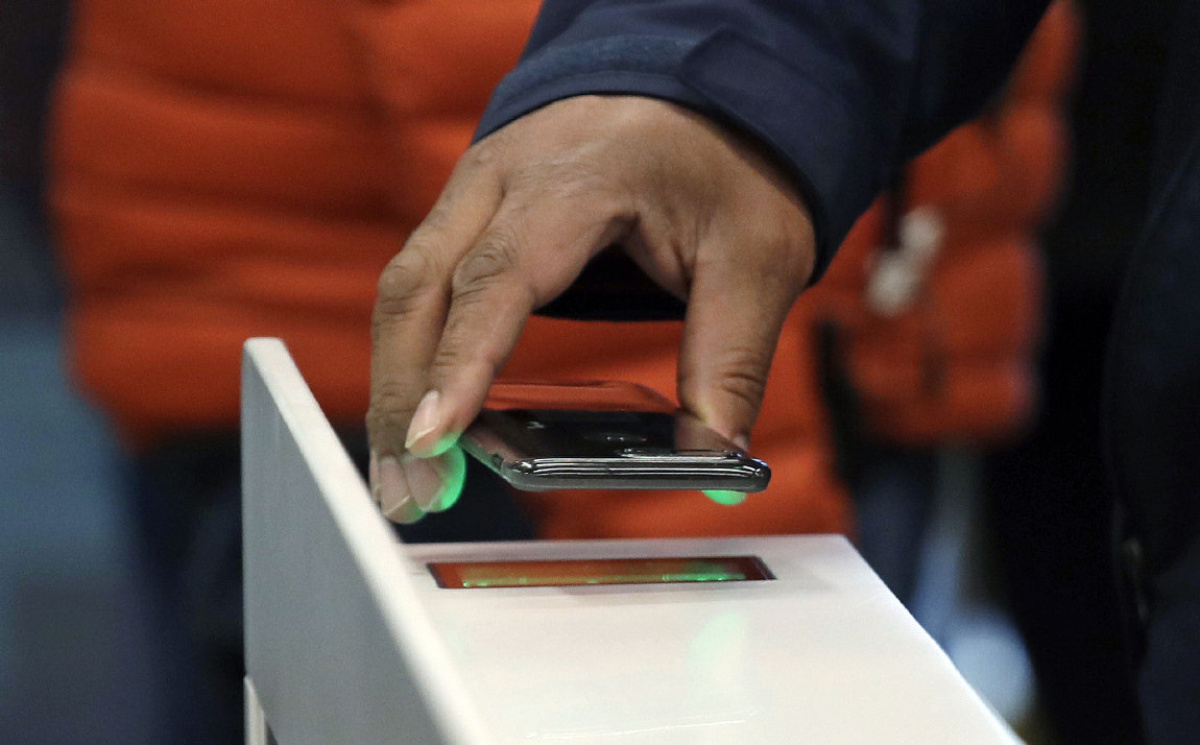
    Technology used at the store scans customers’ smartphones at a turnstile as they enter. Sensors then keep track of items that enter or leave a customer’s cart.

    As customers leave the store, Amazon automatically bills their credit card.

    Microsoft already competes with Amazon in selling cloud services that are important for running e-commerce sites.

    It is not clear how soon Microsoft would bring an automated checkout service to market, if at all, or whether its technology would be the answer retailers are looking for.

    “This is the future of checking out for convenience and grocery stores,” Gene Munster of Loup Ventures said.

    The venture capital firm estimates the U.S. market for automated checkout is potentially worth $50 billion. Cashier is one of the most commonly held jobs in the United States.
     

  • Automated stores with no human cashiers on the rise

    Automated stores with no human cashiers on the rise

    Unmanned Stores without cashiers are on the rise, industry sources said, amid local retailers‘ efforts to find a breakthrough in the saturated market.

    Local software firm Danal Co., which operates coffee franchise dal.komm coffee, said it recently opened the country’s first cashier-less coffee shop at the country‘s main gateway, Incheon International Airport.

    The coffee shop, named Beat, is located at the newly opened second terminal and is activated by robots, the company said.

    The store is operated by smart robots that can take orders, make coffee and move cups to a pick-up location where customers can drink.

    “The company aims to add up to 100 stores by the end of this year at various locations, including banks, shopping malls, and universities,” said a company official who asked not to named.

    Unmanned convenience stores are also on the rise, since the country’s first cashier-less convenience store broke onto the retail scene in May. The local operator of 7-Eleven unveiled a shop that utilizes vein recognition technology at South Korean retail giant Lotte‘s 123-story skyscraper.

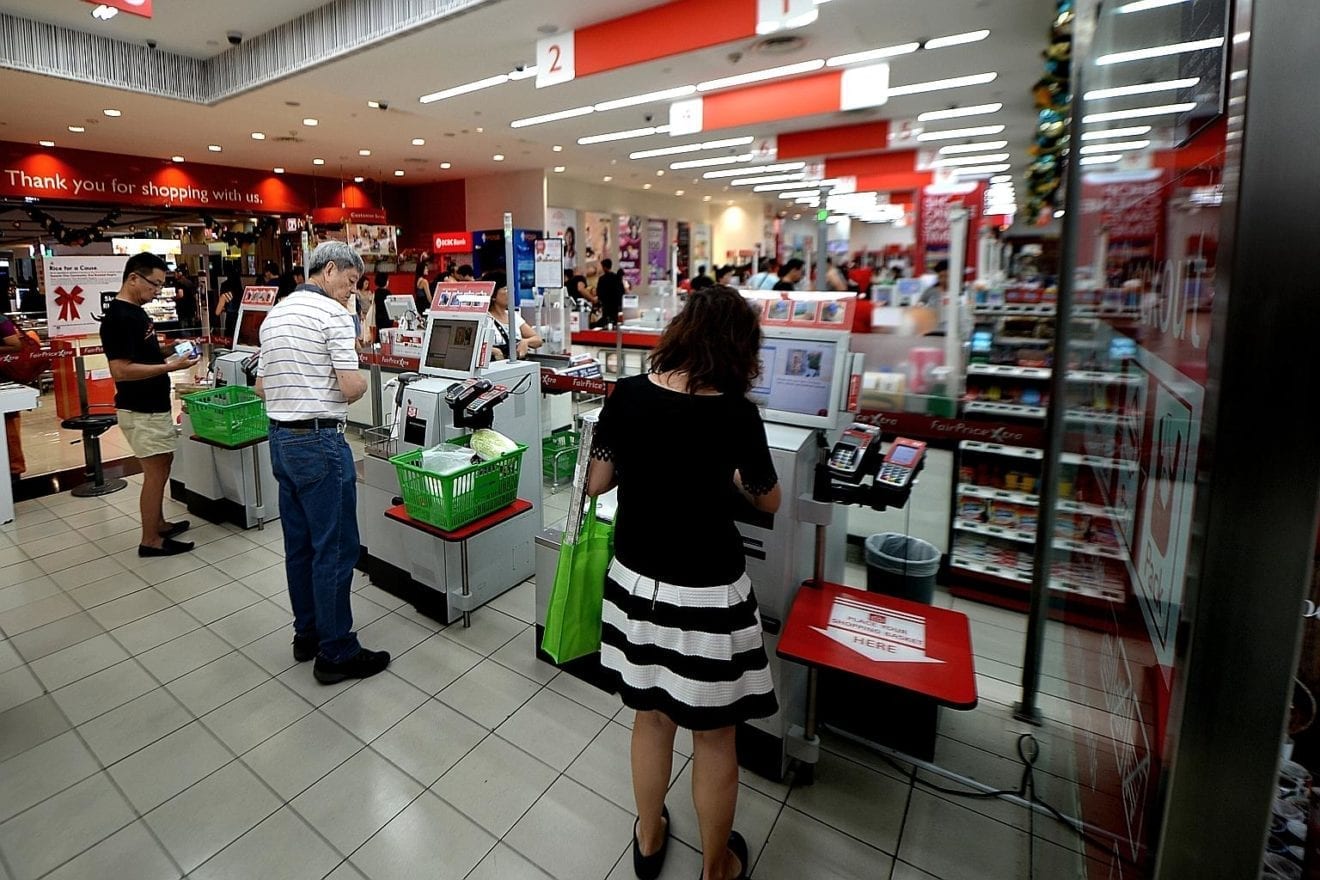
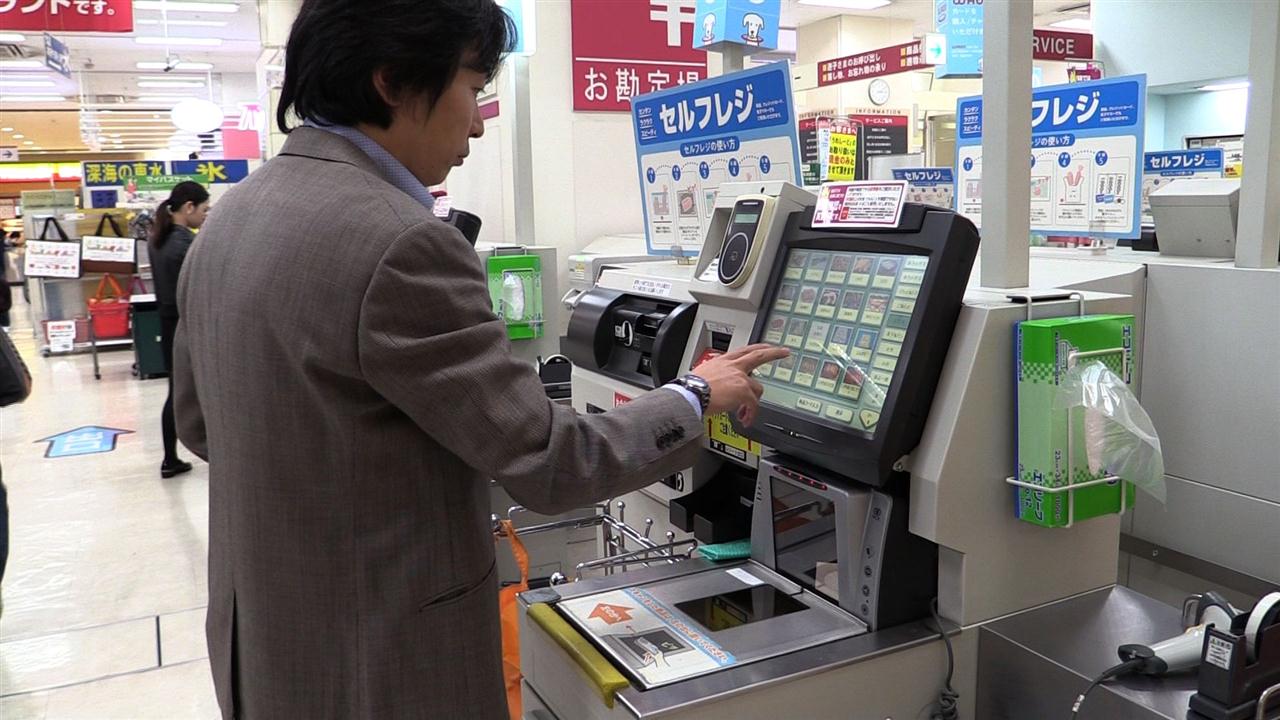
    Unlike other 24-hour shops, automated convenience stores feature self-service kiosks, where guests scan the bar codes of their items and pay.

    Emart24, an affiliate of leading discount store chain operator Shinsegae, currently operates six cashierless stores, having opened the first one last June.

    BGF Retail Co., the operator of CU, South Korea’s largest convenience store chain, said it is preparing to open an unmanned shop.

    The company currently provides mobile application called “Buy-Self,” which allows customers to search for an item, and provides a payment tool.

  • Retail Stores in the near future will have no employees

    Retail Stores in the near future will have no employees

    Have you ever imagined walking into a D-Mart store in the middle of the night, selecting an item, paying and leaving without any human interaction?

    Still, there’s a detailed data footprint of the transaction from which actionable insights can be drawn. The store is equipped with a responsive technology suite that includes smart shelves, intelligent cameras, gateways and sensors, smart counters for frictionless checkout and smart digital signage.

    Across the globe, retailers are modernising by embracing technologies such as IoT, AI and analytics to personalise the customer experience and reshape the supply chain. One example is JD, one of the online retailers in China. It has opened its first staff-free store called D-Mart at its company headquarters. Staff-free stores are a growing international trend bringing the conveniences of online retailing into the physical shop.

    JD’s staff-free store leverages a suite of Intel responsive technologies that range from edge computing to digital signage to point of sale (POS) solutions. The two companies will continue to collaborate on developing IoT solutions that reimagine the future of brick-and-mortar stores to help over 6.8 million mom-and-pop retailers throughout China meet customers’ expectations and remove existing sales barriers.

    Intel-powered solutions help retailers transform their supply chains. G-Star has plans to scale globally to an additional 100 stores. Used in tandem with RIOT insight software for analytics, the Intel-based solution provides data-driven insights into what’s selling and what’s not and which items need to be replenished so the retailer can make informed inventory management decisions.

    Lolli & Pops, a retailer of gourmet candies, uses computer vision and AI to provide the next generation of personalised customer experience. Through computer vision, Lolli & Pops “Magic Makers” recognise loyalty members in real time as they enter the store. Using AI-enhanced analytics, the retailer accesses members’ preferences and makes personalised product recommendations — giving shoppers the sweet VIP treatment, while ensuring they keep coming back.

    Point of sale equipment can lower the cost of doing business while simultaneously improving productivity. These innovative solutions will also enable transactions at the point of conversion and give customers the power to decide when, where and how they purchase.

    At NRF 2018, over 30 Intel partners will feature Intel-based solutions designed to help solve retail’s biggest challenges.