While its name might be synonymous with low-cost fitness trackers for many consumers around the world, Fitbit has faced quite the uphill battle trying to gain a foothold in the fast-growing smartwatch market over the last few years.
Although the company’s rookie Apple Watch-rivaling effort was released all the way back in 2017 (to tepid reviews and overall indifference even from its core fanbase), followed by the slightly better-received Versa the next year, Fitbit still failed to make the industry’s top five in terms of revenue for H1 2020, ranking behind everyone from Apple to Garmin, Huawei, Samsung, and even Imoo and Amazfit.
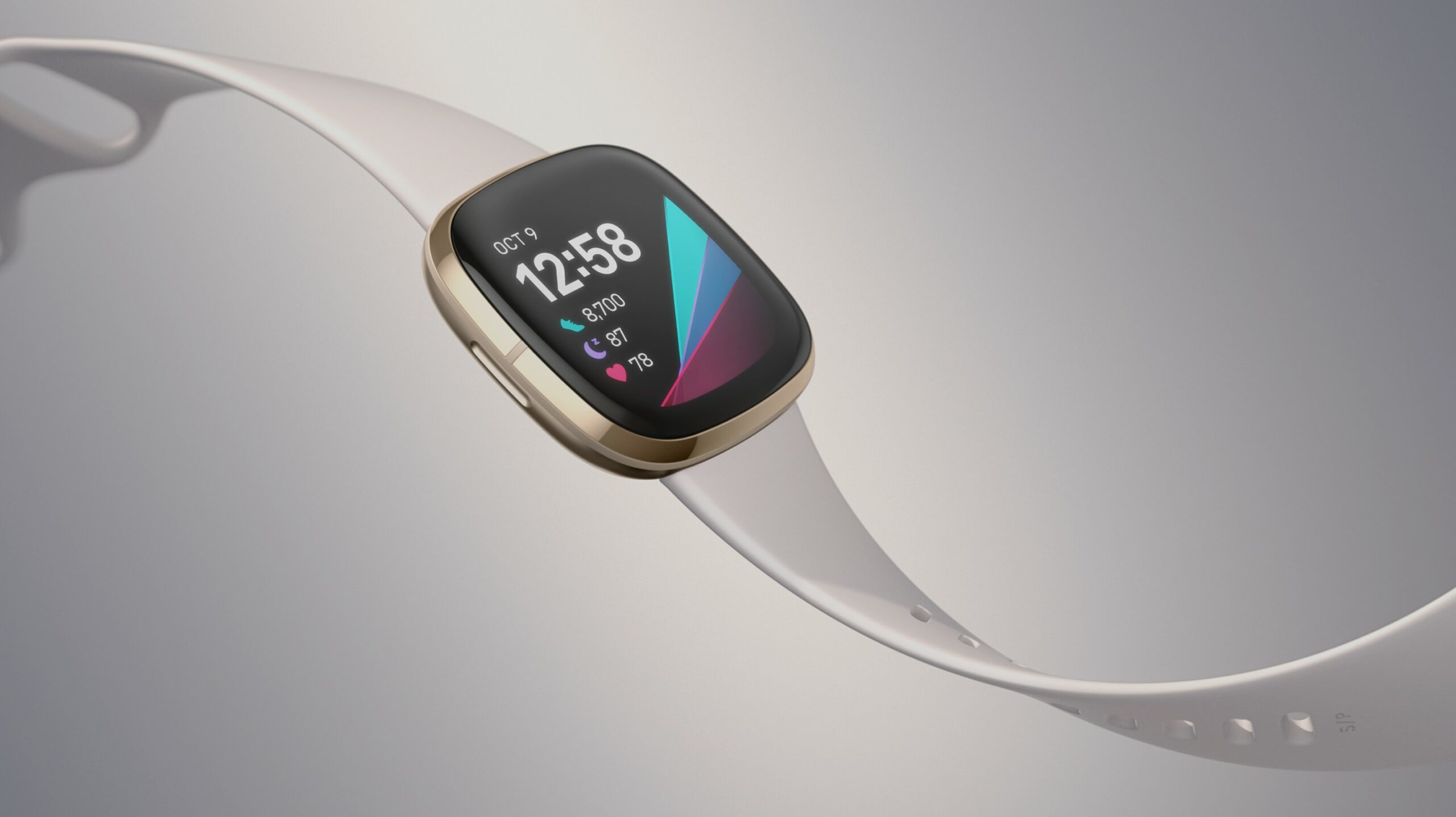
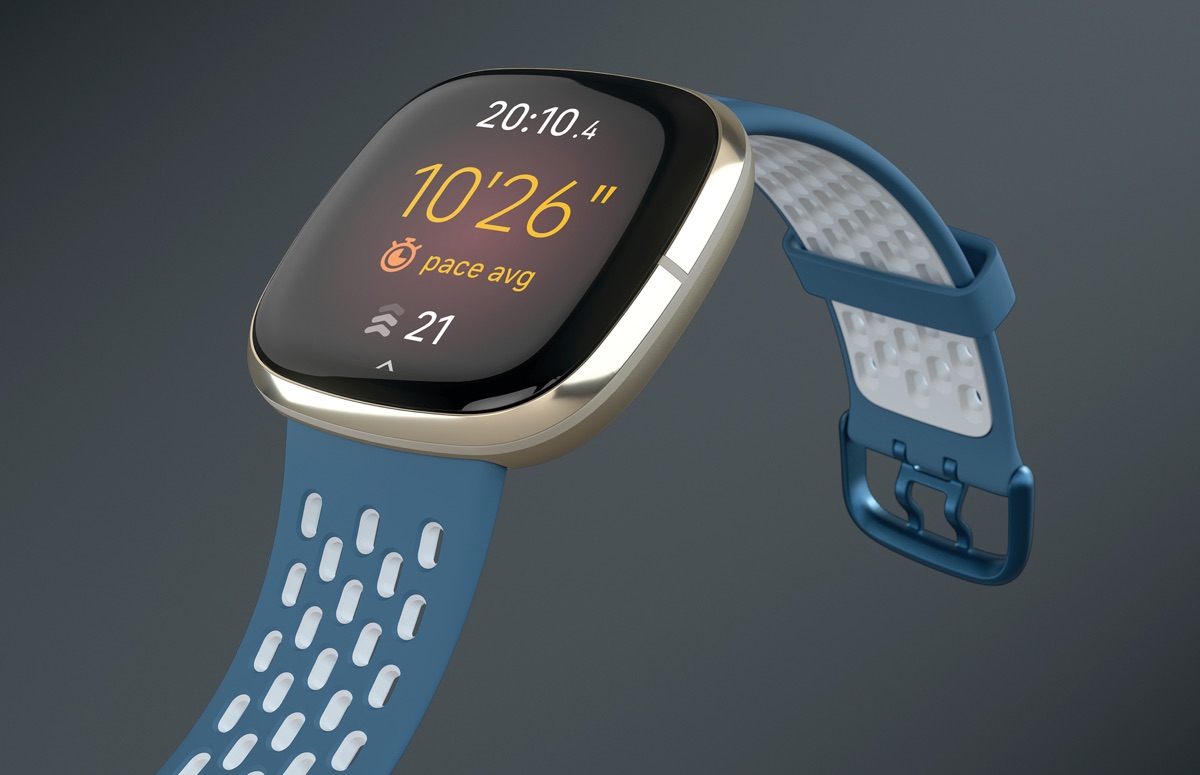
As you can imagine, that’s a very poor result for a 2007-founded outfit with Fitbit’s brand recognition, but instead of waiting for Google to arrive on a white horse and miraculously right the ship, the US-based company stepped things up to unveil its “most advanced health smartwatch” last month.
Much like 2019’s Samsung Galaxy Watch Active 2, the Fitbit Sense went official with a dormant ECG monitor. This is the same exact feature that made its debut on the Apple Watch Series 4 two years ago, saving countless lives between then and now in conjunction with fall detection capabilities and Cupertino’s all-around impressive heart rate sensor.
While Fitbit needed a lot of time to catch up to the heavyweight champion of the wearable device world, it looks like the company will be able to miraculously beat Samsung to the commercial ECG punch. That’s because the potentially life-saving technology has already received clearance from the US Food and Drug Administration (FDA) ahead of public October 2020 availability on the recently announced Sense.
The aptly named Fitbit ECG App will be enabled stateside sometime next month, as well as in a host of European countries including Austria, Belgium, Czech Republic, France, Germany, Ireland, Italy, Luxembourg, the Netherlands, Poland, Portugal, Romania, Spain, Sweden, Switzerland, and the United Kingdom. That’s right, Fitbit pulled a double, obtaining both FDA approval and Conformité Européenne (CE) marking in the European Union.
Last but certainly not least, early Fitbit Sense adopters in Hong Kong and India are also slated to get access to the Apple-matching ECG app in October. That makes for a pretty remarkable list of supported countries straight off the bat, mind you, but in case you’re wondering, Apple’s list is unsurprisingly even longer.
Meanwhile, Galaxy Watch Active 2 and Galaxy Watch 3 owners can still measure their ECG exclusively in South Korea, although for what it’s worth, Samsung has at least made a big step recently towards finally spreading the love to the US at some point by the end of the year. This time for real.
In a nutshell, this is what separates the serious health-tracking smartwatches from the casual fashion-centric wearable devices. As explained by Fitbit, the main purpose is to detect atrial fibrillation (AFib), a condition that affects more than 33.5 million people (!!!) globally, increasing the risk of complications like stroke.
A large chunk of those suffering from AFib is unlikely to become aware of their problem until it’s too late to keep it in check, which is where the Apple Watch lineup and now the Fitbit Sense comes in, assessing a user’s heart rhythm for early signs of atrial fibrillation so you can receive the necessary medical attention to live a long and normal life.
Obviously, the ECG monitor built into a $330 commercial device also featuring a bunch of other sensors may not prove as reliable as a medical-grade system typically found in a hospital, but Fitbit claims the multi-site clinical trial is conducted as part of the submission process to regulatory agencies yielded a stellar 98.7 percent sensitivity score and a perfect 100 percent specificity rating.
In other words, you should absolutely consider the Fitbit Sense as an alternative to the Apple Watch Series 5 or the soon-to-be-released Series 6 if you have heart problems, trouble sleeping, or even if you need help managing day-to-day stress. Keep in mind that the Android and iOS-compatible smartwatch is still up for pre-order ahead of an actual September 25 release. And no, we’re afraid Amazon’s early discount is no longer available.