Tag: sensor

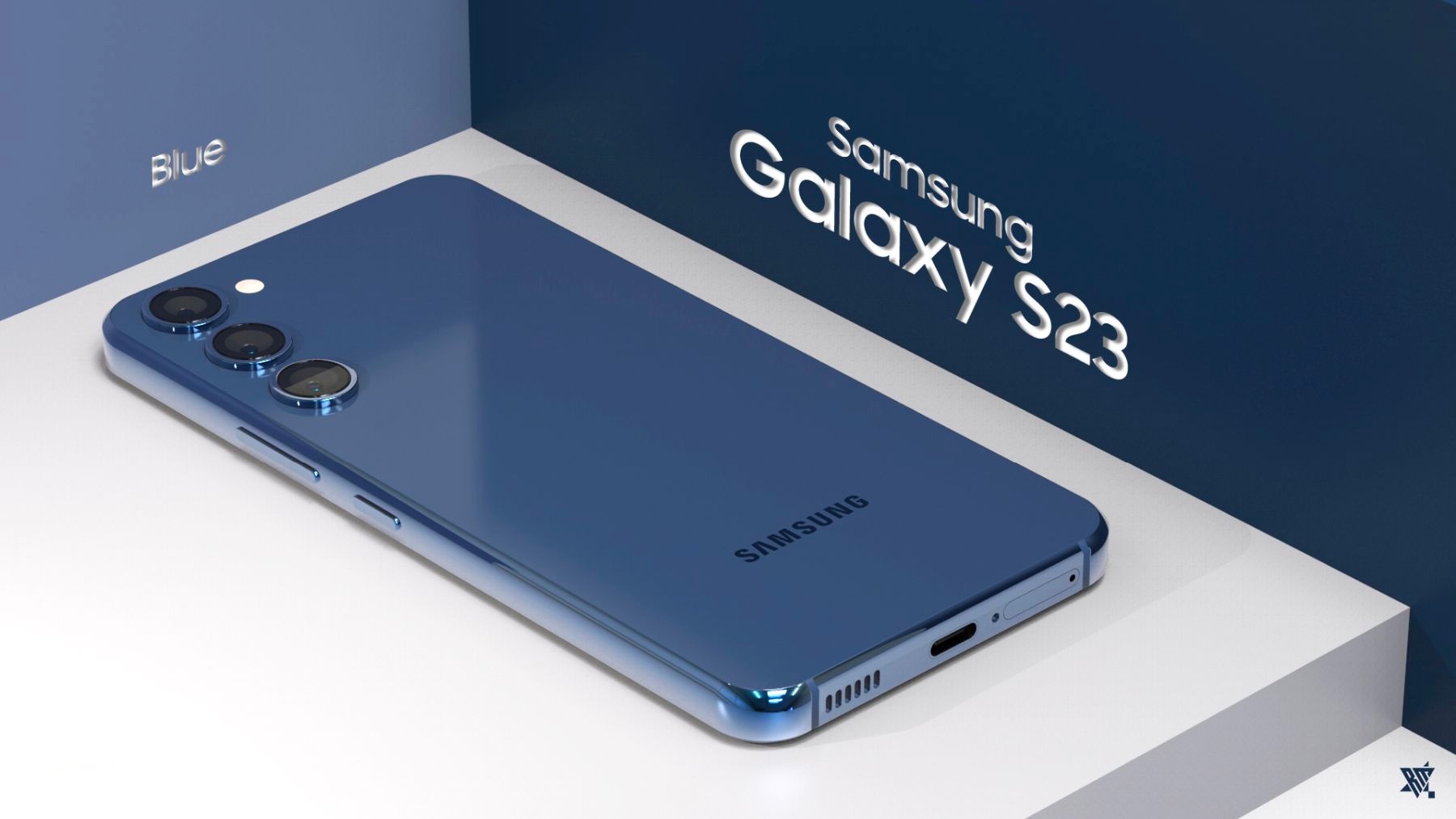
  • Samsung introduces the Galaxy S23 Ultra’s 200MP camera sensor

    Samsung introduces the Galaxy S23 Ultra’s 200MP camera sensor

    On Tuesday Samsung introduced its third 200MP camera sensor, the ISOCELL HP2. The sensor features 200 million 0.6-micrometer (μm) pixels using a 1/1.3-inch optical format. This is a sensor size that is deployed in 108MP main smartphone cameras allowing users of high-end smartphones to have a high-resolution camera without having to deal with large camera bumps. The HP2 has already entered mass production
    The sensor uses advanced pixel-binning technology called Tetra2pixel. This allows the sensor to change pixel sizes depending on the environment’s light. Under low-light conditions, the sensor captures 50MP images at 1.2μm (4:1 pixel binning) or 12.5MP images at 2.4μm (16:1 pixel binning).
    For video, Samsung adds, “For fuller 8K video, approximately at 33MP, the HP2 switches to 1.2μm 50MP mode to minimize cropping and capture more of the scene. Filming 8K at 30 frames-per-second (fps), a wide field of view along with bigger pixel size can produce sharp cinematic videos.”
    Samsung’s new Dual Vertical Transfer Gate (D-VTG) technology will enhance color reproduction and reduce overexposure. As a result, you’ll see fewer washed-out photographs snapped under bright lighting conditions.
    Focusing in low-light environments will be vastly improved thanks to the HP2’s Super QPD feature which uses all of the sensor’s 200 million pixels as focusing agents. The result is faster and more accurate auto-focusing even in an environment without much light. Samsung explains, “The ample amount of focusing agents are grouped by four adjacent pixels to recognize horizontal and vertical pattern changes.”

  • Self-Driving Sensor Maker Luminar Shares Rally On Mercedes-Benz Tie-Up

    Self-Driving Sensor Maker Luminar Shares Rally On Mercedes-Benz Tie-Up

    Luxury carmaker Mercedes-Benz will partner with self-driving sensor maker Luminar Technologies Inc to enable fully automated driving on highways for its next-generation vehicles, Luminar’s founder said.

    Luminar shares surged 18% at $15.89 on Thursday. Luminar said Mercedes-Benz will have 1.5 million shares in Luminar, which will vest over time when certain milestones are met.

    Vehicle autonomy “is really going mainstream with Mercedes,” Luminar CEO Austin Russell told Reuters on Wednesday, without disclosing a timeframe for putting the technology in Mercedes’ vehicles.

    He said the two would develop “true” autonomy capabilities to keep drivers out of the loop, while improving safety capabilities such as automatic braking.

    Automakers from Tesla to General Motors Co and Volvo have set their eyes on introducing autonomous vehicles for consumers, although regulatory and technological challenges remain.

    Luminar said Mercedes-Benz will have 1.5 million shares in Luminar, which will vest over time when certain milestones are met.

    Tech firms such as Alphabet’s Waymo and Cruise also are developing self-driving taxis or trucks for commercial use such as ride-hailing and delivery services.

    General Motors is working with its majority-owned Cruise self-driving unit to introduce a personal autonomous vehicle by as early as mid-decade, Chief Executive Mary Barra said this month.

    “If you want to be able to get to truly autonomous capabilities in a consumer vehicle, and you have to industrialize hardware, software, all of these systems that come into play. That by the way, is completely different than the work that the robo-taxi companies have been working on,” Russell said.

    He said it is a challenge to mass-produce lidars and make sure they are robust enough to meet stringent requirements from automakers.

    “It is a completely different kind of business of going from a science and technology business to an automotive corporation.”

    Tech firms such as Alphabet’s Waymo and Cruise also are developing self-driving taxis or trucks for commercial use such as ride-hailing and delivery services.

    Lidars, which use laser light pulses to measure the distance between the sensor and the target object, are widely seen as essential to achieving full autonomous driving. But Tesla has shunned the sensor, saying it is expensive and unnecessary.

    Volvo Cars and Luminar said earlier this month that they will put a hands-free driving system in an upcoming electric sport utility vehicle.

  • Nubia’s new Gaming handset has Fresh Features

    Nubia’s new Gaming handset has Fresh Features

    Remember when there was all that concern about the Qualcomm Snapdragon 810 SoC overheating? The fear was so real that Samsung decided to power the Galaxy S6 line with its own Exynos 7420 chipset, even in the U.S. where it usually equips its phones with a Snapdragon chip. Some manufacturers started using small (.6mm) heat pipes in order to dissipate the heat generated inside a smartphone.

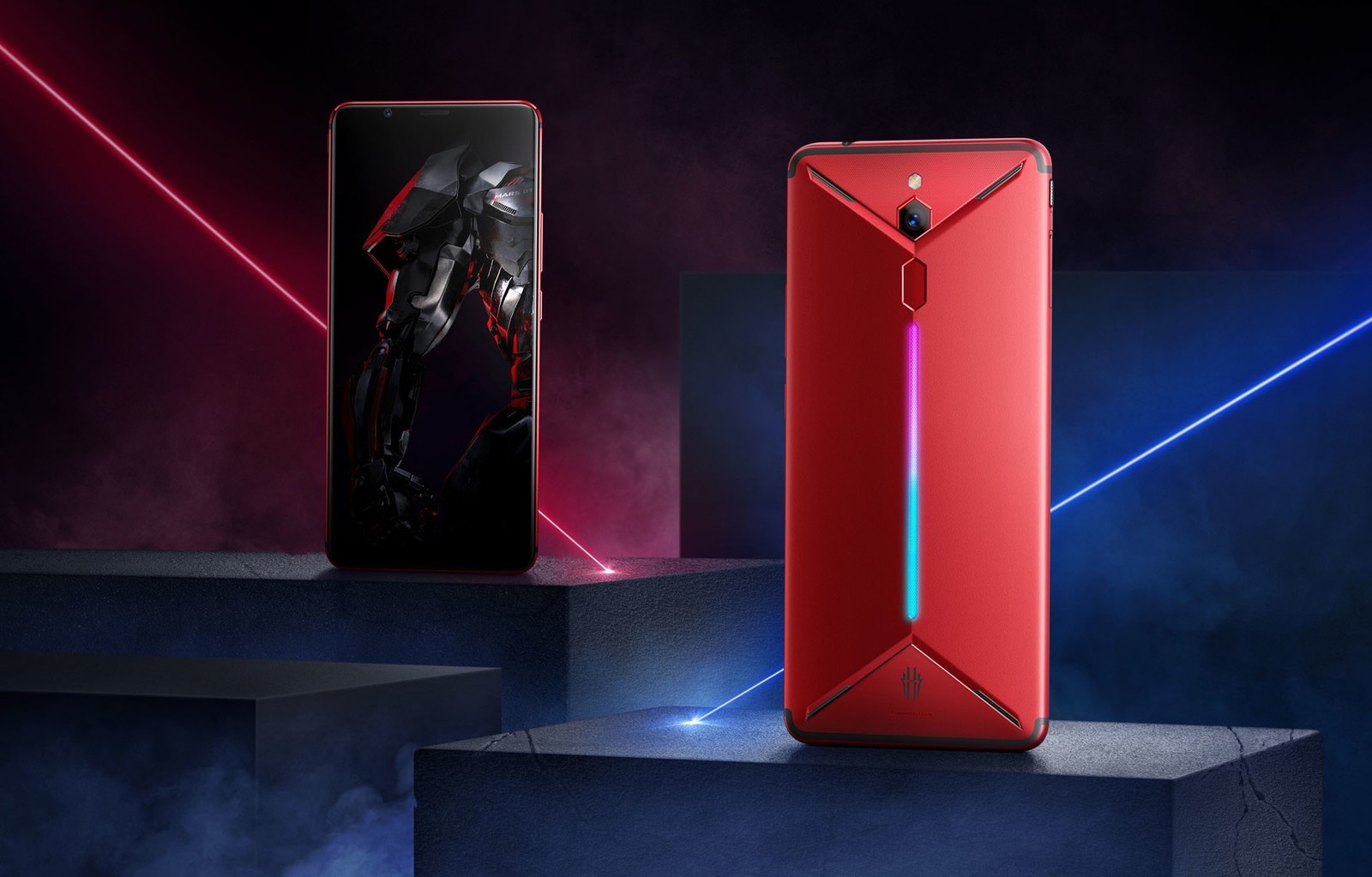
    Nubia announced the first smartphone to be equipped with a cooling fan, the Red Magic 3 gaming phone. To keep the handset’s internals cool, the device combines what the company calls “state-of-the-art liquid cooling technology” with an internal fan. Nubia says that this combination increases heat transfer by 500%; not only does this keep the phone cool in the user’s hand, it also boosts the performance of the device providing a smoother experience.

    While the Nubia Red Magic 3 will launch on May 3rd in China, it also will be available next month in the U.S., Canada and Europe (including the U.K.). Pricing has not yet been announced, but the phone does feature high-end specs. The device comes with a 6.65-inch AMOLED screen with an FHD+ resolution. With a refresh rate of 90Hz (most phones refresh at 60Hz) the Red Magic 3 will offer users smooth gameplay. The Snapdragon 855 Mobile Platform is under the hood, and there will be three different memory/storage configurations (6GB RAM/128GB storage, 8GB RAM/128GB storage and 12GB RAM/256GB storage). In addition, the phone features dual front-facing stereo speakers, DTS:X and 3D sound. This creates a “cinematic soundscape” with or without headphones. Instead of having to use a gamepad accessory, the handset has touch-sensitive shoulders that can be customized.

    The Red Magic 3 is more than just a gaming phone. It happens to be pre-installed with a nearly stock version of Android 9 Pie. On the back is a 48MP camera using Sony’s IMX586 sensor, and in front is a 16MP selfie snapper. With a 5000mAh battery inside, you won’t have to worry about finding an outlet in the middle of the day, and perhaps the next day as well. And if you happen to be an ardant gamer, the RedMagicGameSpace2.0 dashboard allows you to quick-launch games, optimize settings and the fan speeds, check the temperature inside the phone, and record in-game videos. It also allows you to block notifications so that you can enjoy uninterrupted game play. The Red Magic 3 will be available in Black or Red.

    Starting tomorrow, April 29th, consumers can sign up to win an opportunity to unbox the Red Magic 3 by visiting this website. Three first prize winners will receive the Red Magic 3 before the release date, and will get to do a live unboxing and hands-on over the Red Magic website and Nubia’s social media channels. Three second prize winners will have the opportunity to buy the Red Magic 3 at 50% off and four third prize winners get to take 20% off the price of the phone.

    Back in February, Nubia launched the Red Magic Mars gaming phone in the U.S. That model features a 6-inch LCD screen with a 1080 x 2160 resolution. While Nubia called this device a gaming phone and a daily driver in one unit (which it also says about the Red Magic 3), the $399 price surely caught the eye of smartphone buyers in the states. We don’t know the price of the Red Magic 3 yet; if Nubia keeps it low, it will be hard for U.S. consumers, unlike the phone, to keep cool.

  • Xiaomi launches smartphone with ultrasound sensor

    Xiaomi launches smartphone with ultrasound sensor

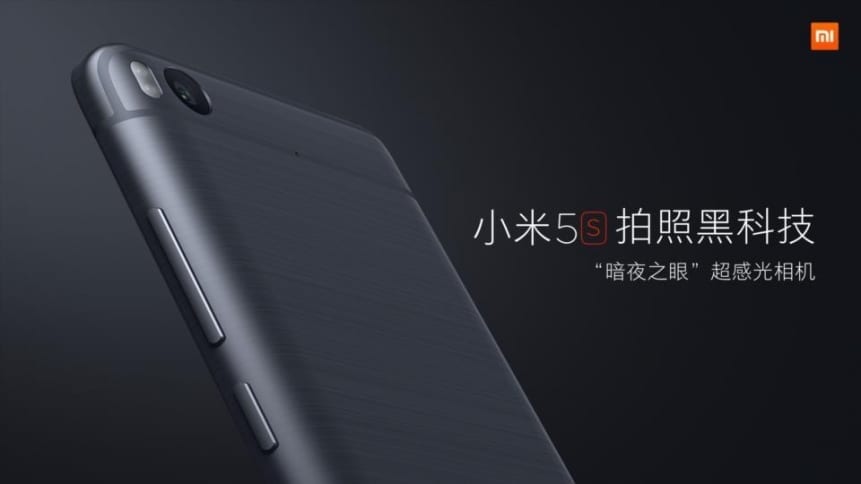
    Chinese handset maker Xiaomi has launched a new smartphone that uses technology allowing the vendor to push the screen all the way to the top edge of the device.

    The MIX smartphone uses a technology from Elliptic Labs to replace the standard hardware proximity sensor with ultrasound software.

    The technology, named INNER BEAUTY, uses ultrasound instead of infrared to detect when a device is being held up to a user’s face and disable the screen’s touch functionality. It also allows the speaker to be completely invisible, clearing up the top area of the phone.

    According to Xiaomi, the MIX display uses 91.3% of the surface area of the front of the phone, compared to just 67.7% for the iPhone 7 Plus.

    Besides allowing for a larger screen, Elliptic Labs’ BEAUTY ultrasound proximity software has the potential to address common issues with hardware proximity sensors, such as unreliability in extreme weather conditions or in response to dark hair or skin colors.

    Eliptic Labs said OEMs will also be able to reduce costs by removing the hardware sensor in favor of a more cost-effective software solution.

    “We are thrilled to have our ultrasound proximity software featured in the new smartphone from world leader Xiaomi. Elliptic Labs is the only ultrasound proximity feature vendor designed into a tier-1 mobile handset,” Eliptic Labs CEO Laila Danielsen said.

    “This is a significant validation of our Elliptic Labs’ value proposition and we are confident this will pave the way for additional design wins for our innovative ultrasound proximity product in the coming quarters.”