Tag: seongsu

  • Musinsa Opens 100Th Store as Offline Foot Traffic Surges

    Musinsa Opens 100Th Store as Offline Foot Traffic Surges

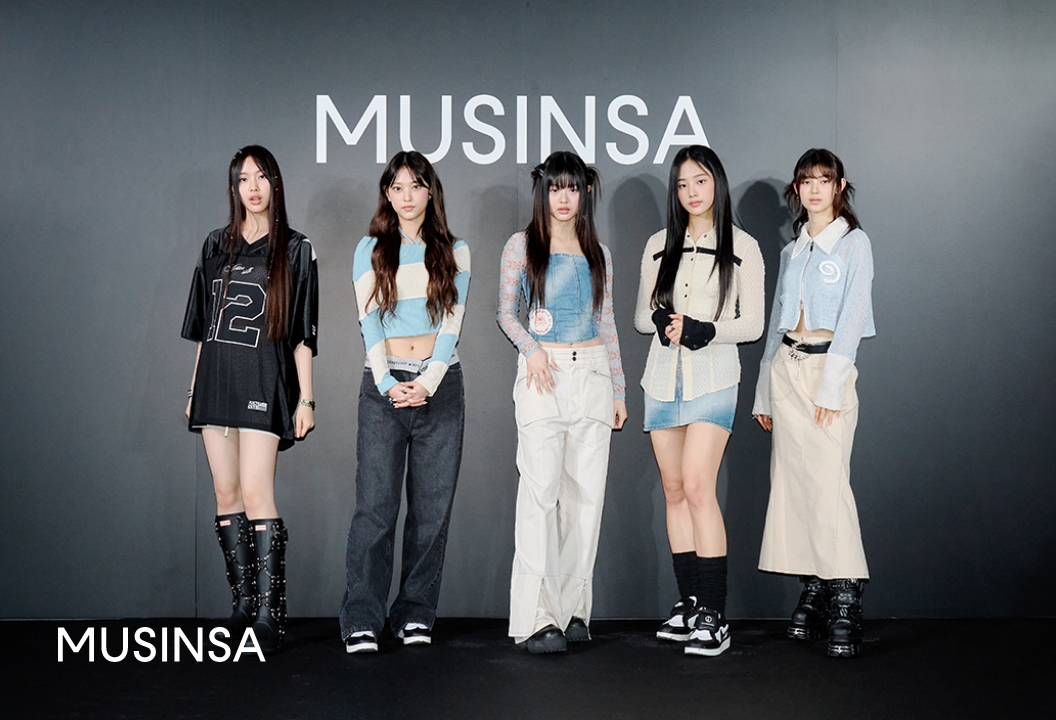
    South Korean fashion platform Musinsa will open its 100th store on Wednesday in Seoul, crossing 100 million cumulative physical visits five years after launching its brick-and-mortar operations.

    The debut of Musinsa Beauty Seongsu takes the company to 93 domestic stores and seven international outlets. Factoring in four Champion brand stores acquired in 2025, Musinsa operates 104 locations across its wider corporate portfolio.

    Domestic store foot traffic across 75 sites increased 92 per cent year on year between January and October. Customer counts at eight flagship Musinsa Store units climbed 84 per cent during the same ten-month window, while visits to the private-label Musinsa Standard chain grew 49 per cent.

    Foreign Card Volumes Reshape Prime Districts

    International tourists now drive a substantial portion of sales at core Seoul flagships. Foreign credit card transactions accounted for 52 per cent of all purchase orders at Musinsa Store branches in Seongsu, Hongdae and Myeong-dong.

    At Musinsa Standard outlets within those same tourist hubs, foreign card payments generated 42 per cent of completed orders. The physical network functions as an offline export channel, converting inbound tourist traffic into cross-border consumers without direct overseas distribution overhead.

    Chinese Outlets Anchor Regional Footprint

    Overseas expansion remains focused on mainland China. Musinsa entered the market with two Shanghai stores last December, followed by five additional sites across Shanghai, Hangzhou and Shenzhen this year.

    Physical storefronts in mainland China operate alongside the company’s multi-brand digital marketplace, serving as regional customer acquisition nodes. Store additions reached 31 locations in 2025 and 40 units during the current year, covering multi-brand apparel, beauty lines, and curated homeware concepts under the 29CM banner.

    Landlord Pressures and Regional Retail Dynamics

    For rival department stores and traditional fashion distributors, Musinsa’s transition from digital native to high-density physical operator alters leasing terms in tier-one retail districts. Multi-brand spaces that assemble independent designer labels siphon foot traffic directly from legacy department store floors, particularly among shoppers under 35.

    The risk shifts to commercial lease overhead if foreign foot traffic dips or consumer discretionary budgets contract. Operating high-street real estate in overseas tier-one cities requires consistent inventory turnover that domestic online data modeling cannot entirely insulate against local retail slowdowns.

    Five Years from Online Community to Multi-Chain Network

    Musinsa began offline trading in 2021 after operating strictly as an online community and digital storefront. Rapid square-footage additions over the past two years reflect a deliberate strategy to absorb brand merchandise into company-controlled physical points of sale.

    Exporting this model tests whether Korean multi-brand apparel curation commands identical pricing power outside the domestic market. The company plans to extend its physical presence into Japan and Southeast Asia after completing its Chinese rollout.

    “We plan to expand our overseas stores beyond China into Japan and Southeast Asia, bringing the offline retail model established in Korea to global markets,” a Musinsa official said.

    Musinsa will add six more physical stores before the end of the year, taking its operating base to 110 locations.

  • Seoul District Expands Corporate Chain Ban Across 232 Seongsu Land Parcels

    Seoul District Expands Corporate Chain Ban Across 232 Seongsu Land Parcels

    Seoul’s Seongdong District will bar large corporate food and beverage franchises across 232 commercial land parcels in Seongsu-dong starting this December. The decision widens municipal zoning controls to protect independent operators.

    Targeted areas include key commercial arteries along Bangsongdae Street and sections of Yeomujang Street. Previous restrictions applied only to Seoul Forest Road.

    Under the revised rules, standard restaurants, cafes and bakeries run by corporate chains cannot open new outlets within designated zones. They must fall below statutory size thresholds or secure approval from a local resident committee. District officials also designated 82 of those parcels for strict architectural preservation. Developers and tenants there must maintain red-brick facades reflecting the area’s history as a shoemaking and auto-repair hub.

    Targeting High Rents and Franchise Homogeneity

    Municipal planners designed the intervention after unchecked commercial rents hollowed out other fashionable Seoul enclaves over the past decade. Garosu-gil in Sinsa-dong and Samcheong-dong near Gyeongbok Palace both lost footfall when corporate flagships displaced independent artisans. Lease rates surged, leaving behind high commercial vacancies.

    Officials intervened early in Seongsu’s core corridors to keep commercial rents manageable for creative tenants. The decision closes off lucrative foot-traffic streets to multi-unit food operators and international retail groups. These companies must now push expansion toward secondary retail nodes or adopt smaller store formats.

    Regulating Pop-Up Retail and Temporary Leases

    The revised Sustainable Community Plan is the district’s first comprehensive policy overhaul in nearly ten years. Beyond standard retail leasing, the framework tackles short-term pop-up shops. Rapidly proliferating pop-ups have driven up temporary rents and created friction with permanent neighborhood businesses.

    District administrators plan to set up public-run pop-up spaces, publish standardized operating rules for temporary venues and inspect commercial corridors weekly. Property management will shift toward a private-led governance structure called Seongsu Town Management. That framework gives local shop owners and residents direct oversight of commercial activity.

    “Seongsu-dong’s core competitiveness lies in the unique personality and diversity built together by its local community,” said Seongdong District chief Ryoo Bo-hwa. “Through these policies, we will ensure that Seongsu-dong retains its distinct charm while allowing the local community and local businesses to grow together sustainably.”

    The Precedent Set for Commercial Real Estate

    Landlords along Yeomujang Street face tighter leasing rules that limit tenant pools to independent concepts and approved small operators. These restrictions prevent sudden rent spikes from corporate bidding wars. However, they also cap immediate yields for property owners who previously relied on corporate F&B chains for long-term leases.

    The policy tests whether municipal zoning can protect artisanal shopping streets from displacement without choking off private capital. Retailers and investors now turn their attention to resident review committees, which will begin processing initial exemption applications when the rules take effect in December.

  • Burger King Korea Opens Seoul Flagship Store as It Chases 1.1 Trillion Won in Sales

    Burger King Korea Opens Seoul Flagship Store as It Chases 1.1 Trillion Won in Sales

    Burger King Korea will open its first global flagship store in Seoul on September 10, backing a push to reach 1.1 trillion won in annual sales.

    The quick-service operator is targeting a network of more than 600 locations across South Korea this year, up from its current footprint.

    Located in the eastern district of Seongsu, the new format trades under the name Flameground. Local operator BKR designed the venue around exclusive menu items, branded merchandise and reservation-only dining, shifting away from standard counter-service fast food into experiential dining in one of Seoul’s busiest retail corridors.

    Private equity backing and store targets

    BKR operates both Burger King and Canadian coffee chain Tim Hortons in South Korea. The company entered the country in 1984 with an initial site in Jongno, changed hands to VIG Partners in 2012, and joined Hong Kong private equity firm Affinity Equity Partners in 2016.

    Affinity attempted to divest its Burger King operations in South Korea and Japan in 2022 before pausing the auction. In June, the buyout group restarted the sale process for BKR, seeking an exit four years after first testing buyer appetite.

    Shifting format in Seongsu

    Fast-food chains across East Asia are building larger experiential flagships in high-footfall neighborhoods to protect margins against rising ingredient costs and weaker discretionary spending. Seongsu has become the preferred testing ground for experimental retail formats, drawing both domestic fashion pop-ups and international food brands trying to appeal to younger consumers.

    BKR will open Flameground on September 10, with transaction advisers watching whether the higher-margin concept supports the ongoing sale process.

  • Calvin Klein Amplifies Fashion Footprint in South Korea with New Seongsu Lifestyle Boutique

    Calvin Klein Amplifies Fashion Footprint in South Korea with New Seongsu Lifestyle Boutique

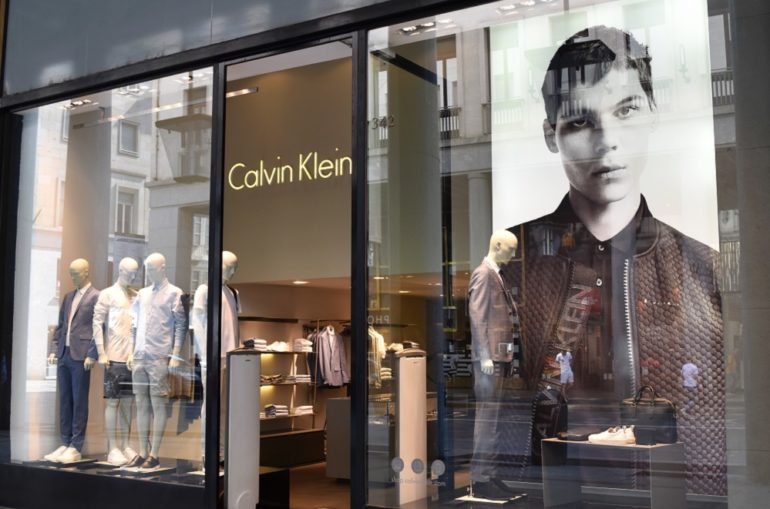
    Calvin Klein continues to solidify its footprint in South Korea with the recent opening of a chic lifestyle boutique in the stylish district of Seongsu, Seoul. The new outlet marries the sleek minimalism that is synonymous with Calvin Klein, with the industrial charm of the Seongsu neighborhood.

    The boutique, nestled in Seongdong-gu, gracefully spans three floors and cleverly integrates elements of the building’s original blueprint. An atrium breathes life into the space, which also boasts customized fixtures contributing to its unique aesthetic.

    A Shopping Experience Across Three Levels

    The boutique’s ground floor is a homage to Calvin Klein’s renowned denim collection. Here, shoppers can explore a variety of fits, fabrics, and the brand’s seasonal styles, promising something to suit every fashion-forward client.

    Moving to the second floor, Calvin Klein’s array of lingerie and underwear take the spotlight. This level also showcases the brand’s outerwear, knitwear, and accessory lines, as well as other seasonal collections, offering a comprehensive shopping experience for the discerning buyer.

    The boutique reserves its third floor for personal styling appointments, ensuring that customers receive a dedicated and personalized service to help them put together their perfect Calvin Klein ensemble.

    “We are thrilled to strengthen our brand’s presence in what is arguably one of Asia’s leading fashion and cultural hubs,” stated representatives from Calvin Klein.

    Questions & Answers

    What is unique about the new Calvin Klein boutique in Seongsu, Seoul?
    The new boutique blends Calvin Klein’s minimalist aesthetic with the industrial character of Seongsu. It spans three levels, each dedicated to different collections, and features an atrium and custom fixtures.

    What collections does the new boutique feature?
    The boutique showcases Calvin Klein’s popular denim and underwear collections. It also offers outerwear, knitwear, accessories, and other seasonal collections.

    What services does the boutique offer?
    In addition to showcasing Calvin Klein’s wide range of collections, the boutique offers personal styling appointments on the third floor. This service allows customers to receive personalized advice on creating their perfect Calvin Klein look.