Tag: Sepang

  • Heineken Activates F1 Campaigns as Motorsport Returns to Malaysia After 9 Years

    Heineken Activates F1 Campaigns as Motorsport Returns to Malaysia After 9 Years

    HEINEKEN Malaysia ran trackside activations, venue watch parties, and music events at Sepang International Circuit as Formula 1 returned to Malaysia after a nine-year hiatus.

    Both core lager and zero-alcohol Heineken 0.0 featured across on-premise outlets and circuit hospitality areas during the race weekend in October 2026.

    Trackside Operations and On-Premise Venue Tie-Ins

    Sepang hosted the championship round across the weekend. Outside the grandstands and circuit bar areas, the brewer set up official viewing events at selected bars nationwide, backing partner venues with promotional packages and marketing collateral.

    Concerts anchored the circuit schedule. Swedish DJ Axwell performed on Saturday, October 3, followed by Dutch producer Martin Garrix on Sunday, October 4. The company linked the shows to its Fans Have More Friends platform, connecting live sport with nightlife entertainment.

    Trackside signage placed Heineken 0.0 at key circuit corners. The brewer tied the placement to its global transport safety campaign, reminding consumers not to drink before driving. Activations were strictly restricted to non-Muslim consumers aged 21 and older.

    Commercial Impact for Malaysian Hospitality Operators

    Major sporting fixtures deliver key volume spikes for beverage suppliers and licensed food and beverage operators in Southeast Asia. For bar operators in the Klang Valley, coordinated viewing events turned fan interest into foot traffic and longer table dwell times during race broadcasts.

    Targeting marketing budgets at zero-alcohol lines allows global brewers to stay visible under strict regional advertising rules. The category gives distributors access to venues and public spaces where standard alcoholic drinks face promotional limits.

    Regional Sponsorship Precedents and Distribution Strategy

    As a Global Partner of Formula 1 since 2016, Heineken has deployed similar event-driven marketing across Grand Prix stops worldwide. Southeast Asia serves as a proving ground for experiential marketing as beverage giants battle regional craft labels and commercial rivals for tap space.

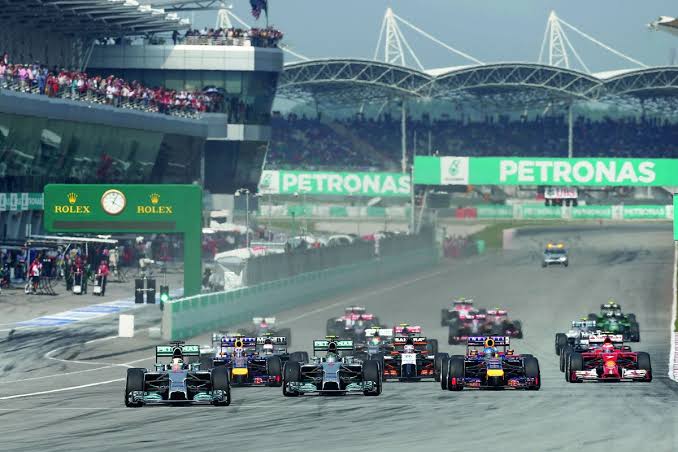
    Motorsport’s return to Sepang tested whether fan demand can sustain hospitality revenue outside traditional tourism hubs. On the track, Max Verstappen took first place for Red Bull Racing in the Red Bull Ford Powertrains car, finishing ahead of the upcoming round in Singapore.

    Sponsorship History and Community Programs

    Malaysia hosted annual Formula 1 races until 2017, when the circuit paused its contract over rising hosting fees and shifting tourism priorities. The return to Sepang in October 2026 renewed commercial partnerships across the hospitality, logistics, and retail sectors.

    Local trade and community efforts have long anchored the brewer’s domestic work, including education fundraisers like the Tiger Chinese Education Charity Concert, which generated over RM 6.5 million for school infrastructure in October 2022.

    Outlet activations will expand across Malaysian bars as the motorsport calendar heads toward the Singapore Grand Prix.
  • Tealive Launches Orange Coffee Blend from 3 Nations in Sepang

    Tealive Launches Orange Coffee Blend from 3 Nations in Sepang

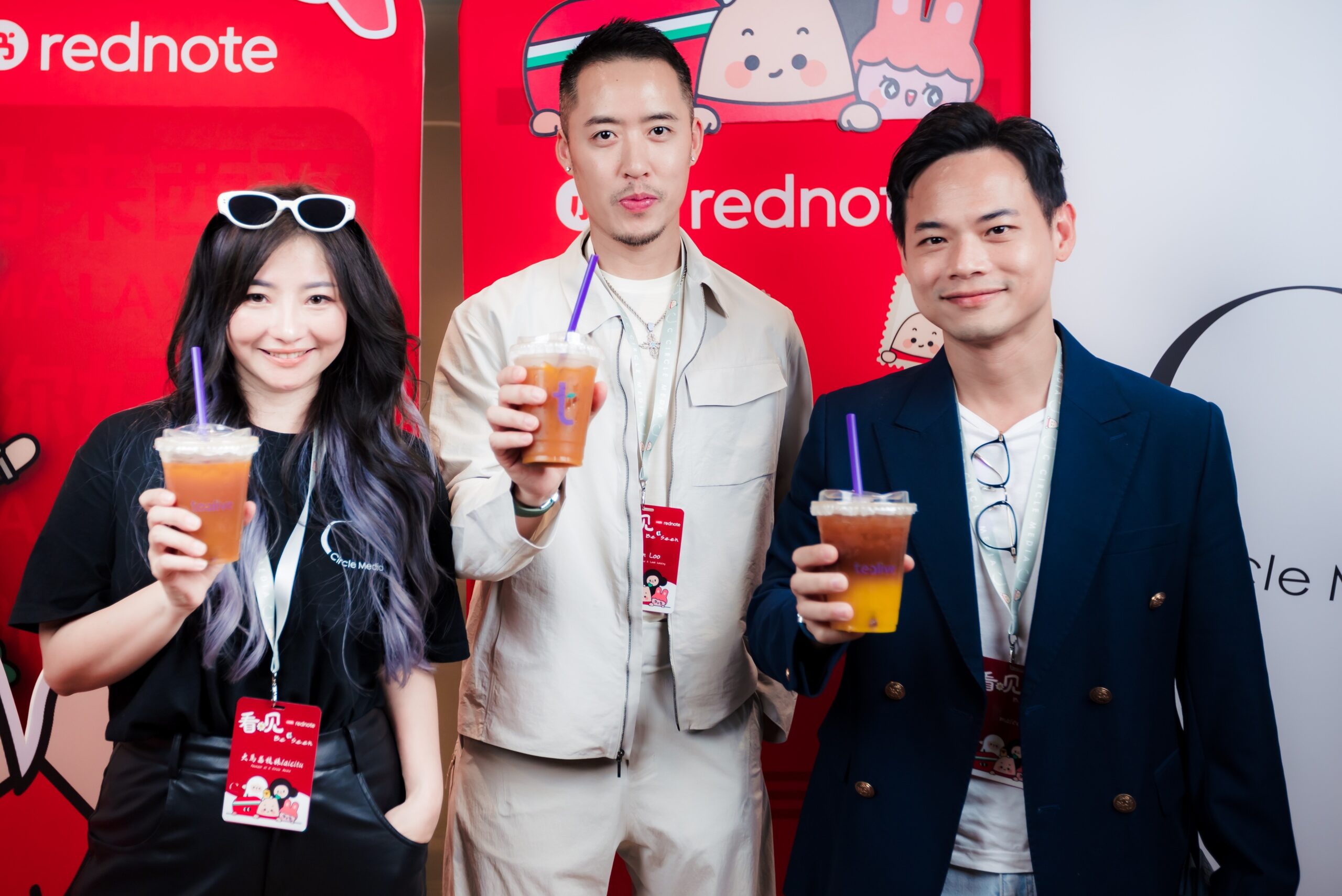
    Tealive introduced a limited-time Orange Coffee line in Sepang on 29 September 2026 to capture a bigger slice of Malaysia’s competitive coffee sector.

    The release uses coffee beans sourced from three nations to target daytime coffee consumers beyond the brand’s established bubble tea audience.

    Tealive aligned the promotional rollout with motorsport gatherings at the Petronas Sepang circuit, pairing the citrus beverage concept with seasonal trackside footfall.

    Branching Beyond Milk Tea

    Bubble tea operators across Southeast Asia continue pushing into freshly brewed coffee to diversify store revenue. Pure-play tea brands face crowded high streets and steep discounting from competing regional kiosks.

    Adding fruit-infused coffee drinks allows front-line beverage retailers to drive higher transaction counts during morning and early afternoon dayparts. It also captures consumers who bypass traditional milk-heavy teas for lighter espresso options.

    Citrus Blends and Menu Variations

    Fruit-forward espresso drinks have become standard offerings in urban cafe markets across Asia. Combining citrus juices with iced coffee appeals directly to younger demographics seeking refreshing, lower-dairy alternatives in tropical climates.

    For operators, cold citrus recipes require minimal back-of-house retooling while commanding premium seasonal price points. Sourcing multi-origin beans gives chain operators room to market quality credentials without moving fully into high-cost single-origin brewing.

    Competition in Malaysia’s Beverage Sector

    Malaysia’s ready-to-drink coffee sector features aggressive rivalry between domestic specialty chains, international franchises, and convenience store counters. Fast product iteration helps major chains maintain consumer engagement against fast-expanding kiosk competitors.

    Limited-edition beverage series serve as low-risk trials for broader product shifts. By testing customer uptake over short campaign windows, brand managers evaluate ingredient sourcing and store-level preparation speed before committing to permanent menu revisions.

    Event Venues and Seasonal Footfall

    High-capacity sporting locations like Sepang offer valuable real-world testing environments for seasonal beverage launches. Peak crowd flows test staff throughput and supply chain resilience under tight operational windows.

    Sales data gathered during the Sepang event window will determine whether citrus coffee blends secure a permanent place across the chain’s wider domestic store network.

  • Formula One Returns to Sepang After Nine-Year Gap for Bahrain Grand Prix

    Formula One Returns to Sepang After Nine-Year Gap for Bahrain Grand Prix

    Formula One returned to the Sepang International Circuit for the Gulf Air Bahrain Grand Prix from Oct 2 to 4, ending a nine-year absence since the venue last hosted a race in 2017.

    The event was relocated to Malaysia following an agreement involving Formula 1, the FIA, and the governments of Malaysia and Bahrain due to the situation in West Asia.

    State Leadership Inspects Paddock Operations

    Prime Minister Datuk Seri Anwar Ibrahim attended the qualifying session on Oct 3 to inspect preparations and the overall running of the race, received by Chief Secretary to the Government Tan Sri Shamsul Azri Abu Bakar, Petronas President and Group Chief Executive Officer Tan Sri Tengku Muhammad Taufik, and Sepang International Circuit Chairman Datin Anita Azrina Abdul Aziz.

    Anwar conducted a 15-minute walk-through of the Mercedes-AMG Petronas team garage. He then attended an official paddock dinner hosted by Bahrain Crown Prince and Prime Minister Prince Salman bin Hamad Al-Khalifa. The race weekend ran from Oct 2 to Oct 4, opening with Friday practice before Saturday qualifying established the starting grid.

    Emergency Calendar Shift from Sakhir

    Negotiations in July between Formula 1, the International Automobile Federation, and government representatives from both nations sealed the transfer. Bilateral talks involving King of Malaysia Sultan Ibrahim and Bahrain’s King Hamad bin Isa Al-Khalifa established the diplomatic framework. That deal transferred the commercial sanction to Southeast Asia.

    Shifting an entire Grand Prix freight contingent to Sepang on three months of notice required direct coordination between national carrier Gulf Air, local track managers, and international freight handlers. Formula One previously raced at Sepang every year from 1999 until 2017. The government ended its hosting contract after the 2017 edition due to escalating sanction fees.

    Transport Pressure on Klang Valley Infrastructure

    The return of single-seater racing tested regional transport links and event infrastructure surrounding Kuala Lumpur International Airport. Spectators faced road congestion on feeder routes into the circuit. Bus shuttle delays exceeded three hours during peak Saturday entry windows.

    Hotels and retail venues across the Klang Valley absorbed demand spikes from visiting team personnel, regional corporate sponsors, and overseas fans. Track managers operated under compressed setup schedules to reactivate paddock hospitality suites, broadcast compounds, and trackside retail villages. None of these facilities had handled Grand Prix volumes since late 2017.

    Commercial Realignment for Circuit Assets

    Petronas maintains title sponsorship rights with the Mercedes team, giving the state energy group direct brand exposure on its home circuit. Track operators in the region have adjusted commercial models toward motorcycling and regional GT championships. They moved away from multi-million dollar annual Formula One staging contracts.

    Government officials have not committed to a multi-year extension beyond this emergency hosting contract. Track executives now look to Sunday race attendance numbers and official transport debriefs to assess whether large-scale single-seater events fit the venue’s long-term commercial strategy.

  • Mitsui Outlet mall set for opening

    Mitsui Outlet mall set for opening

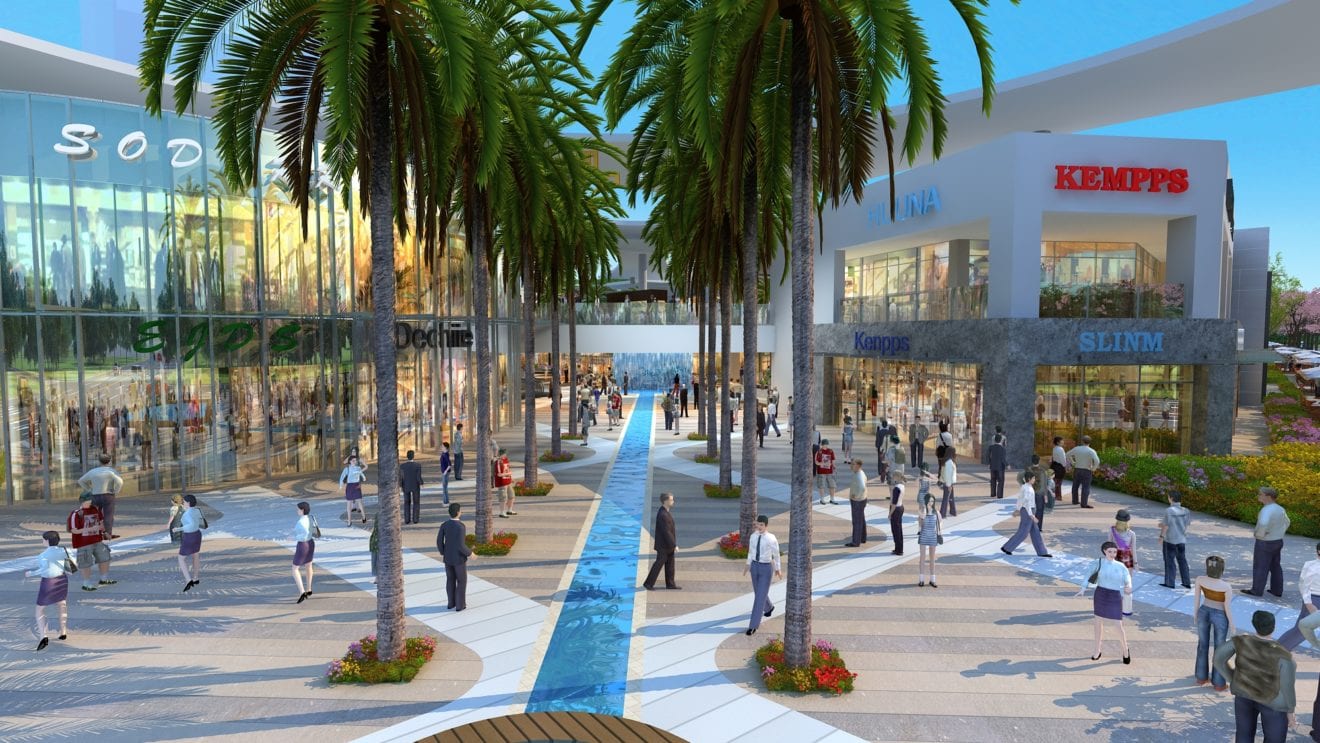
    Mitsui Outlet mall, located in Sepang, will finally officially open on July 29.

    The mall commenced trading in May with about 50 per cent of its stores completed. New stores have progressively opened and the first stage of the project is nearly complete.

    Located close to the original Kuala Lumpur International Airport terminal, and alongside a highway, the developers expect it will attract shoppers on stopover and from the nearby cities.

    Mitsui Outlet Park KLIA Sepang is the result of a joint venture (JV) between Mitsui Fudosan Co and Malaysia Airports Holdings. The outlet mall will be managed by the JV company, MFMA Development.

    About 130 stores are expected to be trading by the end of the month, but retailers have been struggling to find staff to work in the mall which is 60km from Kuala Lumpur city and 6km from the airport.

    With Japanese investment, the mall is promoting itself as Japanese-inspired and includes a ‘Japan Avenue’ with traditional arts and crafts, tea and food.

    The developers plan to expand the facility in 2018, as well as 2021, to become the largest outlet mall in Southeast Asia with about 250 stores and floor space of about 44,000 sqm.

    Stores offer luxury and branded products, fashion apparel and accessories, perfumes, cosmetics, confectionery, kids and sports wear, household items and luggage.

    A 24,000sqm foodcourt is included in the first stage of the project.