Retail News CRM

Tag: Sets

  • Dutch Yacht Giant Alumax Sets Sail in Vietnam with First International Shipyard

    Dutch Yacht Giant Alumax Sets Sail in Vietnam with First International Shipyard

    Alumax Boats, a Dutch firm known for supplying water taxis for the 2012 London Olympics, has launched its first shipyard outside its homeland in Vietnam, through a joint venture partnership. This expansion was marked with a grand inauguration ceremony held on Wednesday at the Thuan Thanh Industrial Park situated in the northern province of Bac Ninh. The joint venture, Alumax Amsterdam, is a collaborative effort between Alumax Boats, the local conglomerate Son Ha Group, and shipbuilder James Boat.

    The Lego of Shipbuilding

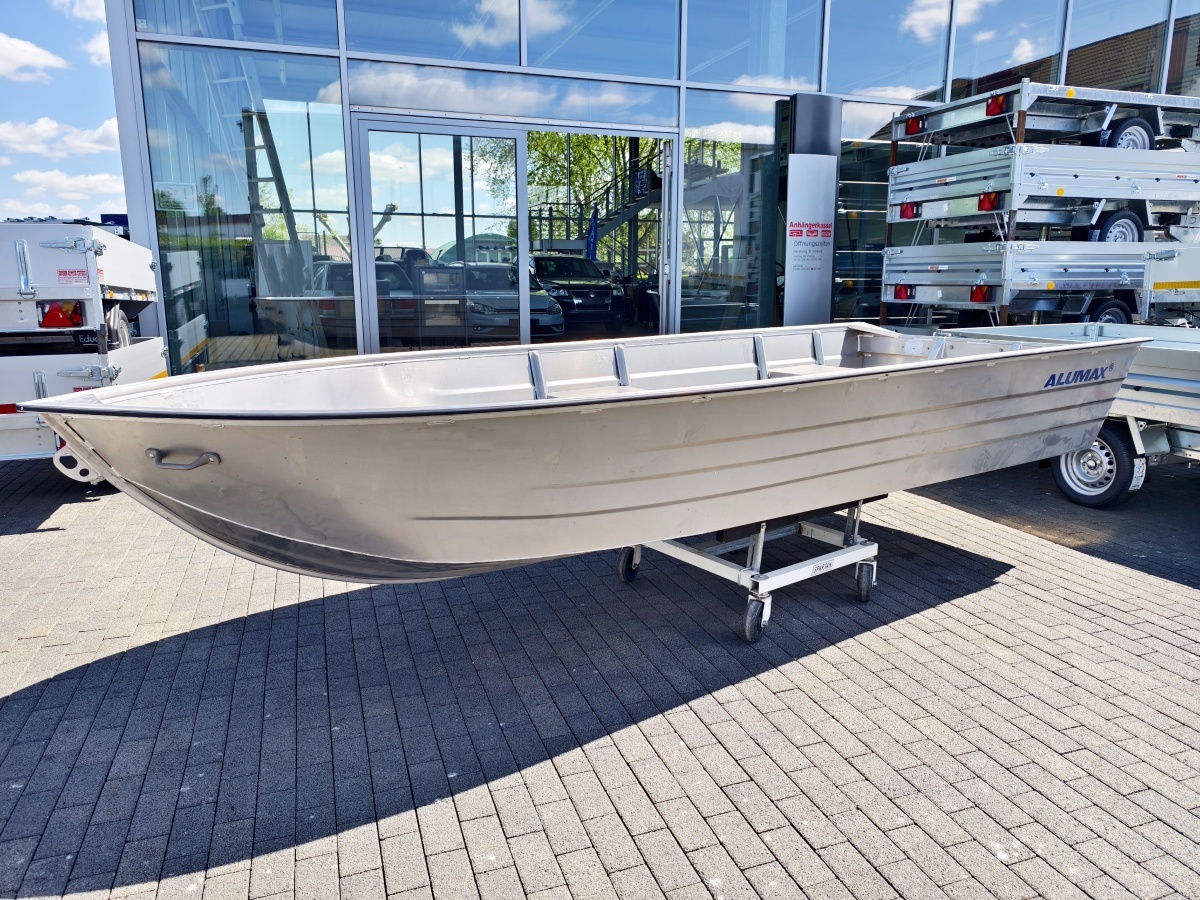
    The process of production at the shipyard has been likened to ‘playing with Lego’ by the joint venture representatives. Here, the workers assemble precut aluminium components to create the final product. This is a testament to Alumax Boats’ specialization in constructing aluminium vessels, the expertise that the firm first exported to Vietnam in 2021 during the Covid-19 pandemic through its alliance with James Boat.

    As a part of the joint venture, Alumax Boats stands as the provider of core high-performance aluminium shipbuilding technology. On the other hand, Son Ha Group brings to the table its industrial manufacturing capacity, management acumen, and financial resources, while James Boat serves as the technological conduit amongst the partners. The responsibility of vessel design is shared between Alumax Boats and James Boat, with the production designs subsequently transferred to Son Ha’s manufacturing facilities.

    The Rise of Marine Tourism

    The leaders of the joint venture have expressed their optimism about the growing demand in Vietnam for catamaran party yachts. These are open-deck leisure vessels capable of hosting 30 to 50 passengers. Typically, these yachts feature sound systems, dining areas, bars, bedrooms, and spacious decks for the guests to soak in the panoramic ocean views. Acknowledging this, a spokesperson for the joint venture stated, “This has been identified as one of our strategic products to capitalize on the growth of marine tourism in Vietnam and across the region.”

    The joint venture has planned to manufacture three yachts, ranging from 6.5 to 16.5 meters in length, this year. It has already bagged orders for government service vessels and yachts worth US$20 million. Son believes that building yachts in Vietnam could result in a price reduction of about 40% compared to imported ones.

    The lightweight properties of aluminium lead to improved fuel efficiency. After 40 to 50 years of service life, these vessels can be recycled far more effectively than their steel and composite counterparts, which are still commonly produced in Vietnam.

    Questions & Answers

    What makes the joint venture’s production process unique?
    The joint venture compares its production process to ‘playing with Lego,’ where workers assemble precut aluminium components to form the final product.

    What role does each party play in the joint venture?
    Alumax Boats provides core high-performance aluminium shipbuilding technology, Son Ha Group contributes its industrial manufacturing capacity, management expertise, and financial resources, and James Boat serves as the technological bridge between the partners.

    What are the benefits of manufacturing yachts in Vietnam?
    Manufacturing yachts in Vietnam could result in a price reduction of about 40% compared to imports. Additionally, the use of aluminium leads to improved fuel efficiency and allows for effective recycling after 40 to 50 years of service.
  • Allianz GI Sets Eyes on Asias Potential: The Future of Asset Management in Rising Eastern Economies

    Allianz GI Sets Eyes on Asias Potential: The Future of Asset Management in Rising Eastern Economies

    The Asia-Pacific region is becoming a major focus for Allianz Global Investors (Allianz GI) as global growth trends shift eastward. The firm’s CEO, Tobias C. Pross, asserts that Asia remains one of the few regions where structural growth opportunities are still present despite geopolitical challenges and the slowing growth of Western economies.

    Allianz GI’s Growing Presence in Asia

    Allianz GI has been continually expanding its footprint across the Asia-Pacific region, as the firm sees the area’s growth dynamics moving away from conventional Western markets. Pross highlights that whenever growth is discussed in an inflationary context, the Asia-Pacific region stands out prominently.

    The firm has seen a promising start to 2026, reporting approximately €8 billion in net inflows during the first quarter, which has pushed the assets under its management above €600 billion for the first time.

    The company’s recent initiatives include investments in China, Indonesia, and Taiwan, launching new active ETF capabilities, and inaugurating a new office in South Korea. Julie Koo, former Citi executive, has been brought onboard as the Head of Asia Pacific to further strengthen Allianz’s leadership team in the region.

    Investment Opportunities and Market Expansion

    Allianz GI perceives Asia as a long-term source of investment opportunities and client growth, rather than just a distribution market. While some global investors have started to tread cautiously in the China market, Pross affirms that Allianz GI is still dedicated to China, seeing periods of geopolitical uncertainty as opportunities for active managers.

    Allianz GI is also expanding its private markets platform to offer access to infrastructure, private credit, and private equity strategies to a broader range of investors. Pross noted that demand is growing across Asia, as private banks, insurers, and wealthy individuals explore alternative income sources and diversification.

    Furthermore, Allianz GI views artificial intelligence as a significant investment area. The company is developing a global data platform and proprietary large language models to enhance investment research and portfolio management.

    Questions & Answers

    What is Allianz GI’s growth strategy for the Asia-Pacific region?
    Allianz GI aims to expand its presence by investing in key markets such as China, Taiwan, and Indonesia, and by launching new active ETF capabilities. The firm also plans to strengthen its leadership team in the region.

    How does Allianz GI view the China market?
    Despite some investors’ growing caution, Allianz GI remains committed to the China market. The firm believes that periods of geopolitical uncertainty often create opportunities for active managers.

    What role does artificial intelligence play in Allianz GI’s strategy?
    Allianz GI is significantly investing in artificial intelligence. The firm is developing a global data platform and proprietary large language models to enhance its investment research and portfolio management.

  • BHC Chicken: Korean Fried Chicken Giant Sets Sights on Vietnam for Southeast Asian Growth

    BHC Chicken: Korean Fried Chicken Giant Sets Sights on Vietnam for Southeast Asian Growth

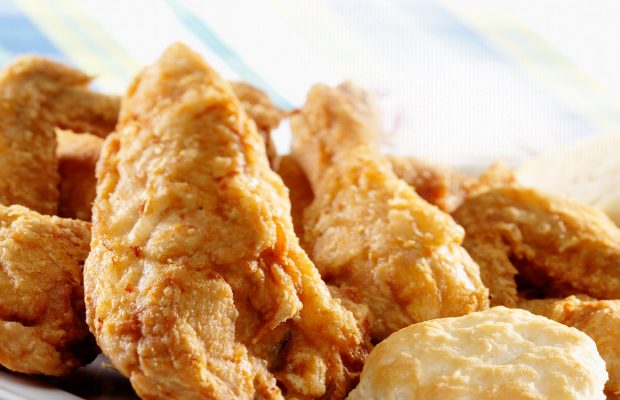
    BHC Chicken, a renowned fried chicken brand originating from South Korea, is setting its sights on broadening its reach within Southeast Asia, with plans to launch in Vietnam. This move is part of an ongoing expansion strategy that is rapidly growing the brand’s presence across the region.

    The brand’s parent entity, Dining Brands Group, recently formalized its plans to venture into Vietnam, sealing a master franchise agreement with Singaporean company Hao Open Foods. This strategic partnership is set to facilitate the brand’s launch and consequent operations in Vietnam.

    In terms of expansion, the company has set its sights on major cities within Vietnam, such as Ho Chi Minh City, Hanoi, and Da Nang. The brand’s ambitious growth plan anticipates the establishment of 50 locations within these cities over the course of the next decade.

    Founded in 2004, BHC Chicken holds a position of prominence among South Korea’s top fried chicken chains. With a robust network of over 2,000 stores, its reach extends beyond the domestic market. The brand has significantly leveraged franchise partnerships to successfully penetrate international markets, with a presence in countries like Singapore, Malaysia, and Thailand.

    In addition to its planned expansion into Vietnam, BHC Chicken is also preparing to make its debut in the Philippines later this year, further solidifying its foothold in Southeast Asia.

    Questions & Answers

    What is the expansion plan of BHC Chicken in Vietnam?
    BHC Chicken plans to establish a presence in key Vietnamese cities, with an aim to open 50 locations over the next 10 years.

    Who is BHC Chicken’s franchise partner for its Vietnam launch?
    BHC Chicken is partnering with Singaporean company Hao Open Foods for its expansion into Vietnam.

    Is BHC Chicken planning expansions to other countries?
    Yes, apart from Vietnam, BHC Chicken is reportedly preparing to launch in the Philippines later this year.

  • ThongSmith: Thailand’s Premium Boat Noodle Brand Sets Sail in Hong Kong’s Dining Scene

    ThongSmith: Thailand’s Premium Boat Noodle Brand Sets Sail in Hong Kong’s Dining Scene

    Bangkok-based noodle brand, ThongSmith, has taken a step onto the international stage by launching its first overseas venture in Wan Chai, Hong Kong. With a reputation in Thailand for its upscale approach to traditional boat noodles, ThongSmith is bringing a touch of Thai street cuisine with a lavish twist to Hong Kong.

    Reimagining Street Food

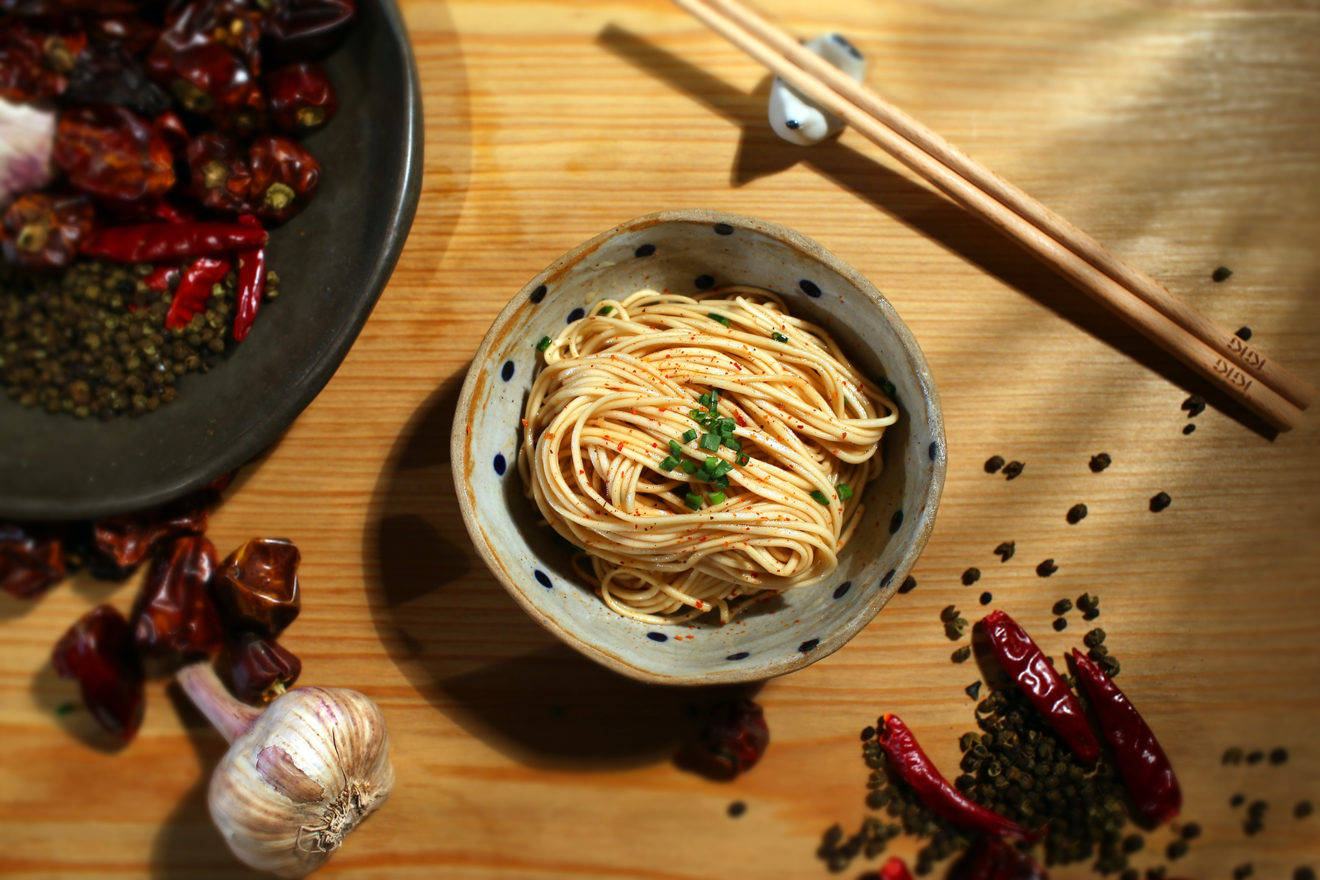
    ThongSmith has carved a niche for itself in Thailand by enhancing traditional boat noodles. This reinvention involves slow-simmering broths and the inclusion of high-grade proteins such as Wagyu beef and Kurobuta pork, setting ThongSmith apart from the usual inexpensive vendors.

    Menu Adaptation

    The menu in Hong Kong follows the same pattern as in Bangkok, providing noodle dishes in addition to rice meals, grilled meats, and desserts. However, these offerings are subtly modified to cater to local tastes.

    ThongSmith’s latest venture represents its inaugural foray beyond Thailand’s boundaries. This move indicates the burgeoning interest of Southeast Asian F&B entrepreneurs in penetrating the fiercely competitive casual dining scene in Hong Kong.

    Brand Growth

    ThongSmith, which was established in 2018, now runs over 20 outlets across Bangkok.

    Questions & Answers

    What is ThongSmith known for in Thailand?
    In Thailand, ThongSmith is renowned for its upscale twist on traditional boat noodles, featuring slow-simmered broths and premium proteins like Wagyu beef and Kurobuta pork.

    How does ThongSmith cater to Hong Kong’s local tastes?
    ThongSmith modifies its Bangkok menu to suit local preferences in Hong Kong, while maintaining its signature noodle dishes, rice meals, grilled meats, and desserts.

    What does ThongSmith’s expansion into Hong Kong signify?
    ThongSmith’s expansion into Hong Kong reflects the growing interest of Southeast Asian F&B operators in entering Hong Kong’s competitive casual dining market.

  • Ho Chi Minh City Sets Ambitious Goal of $7,850 in Per Capita Income for 2023

    Ho Chi Minh City Sets Ambitious Goal of $7,850 in Per Capita Income for 2023

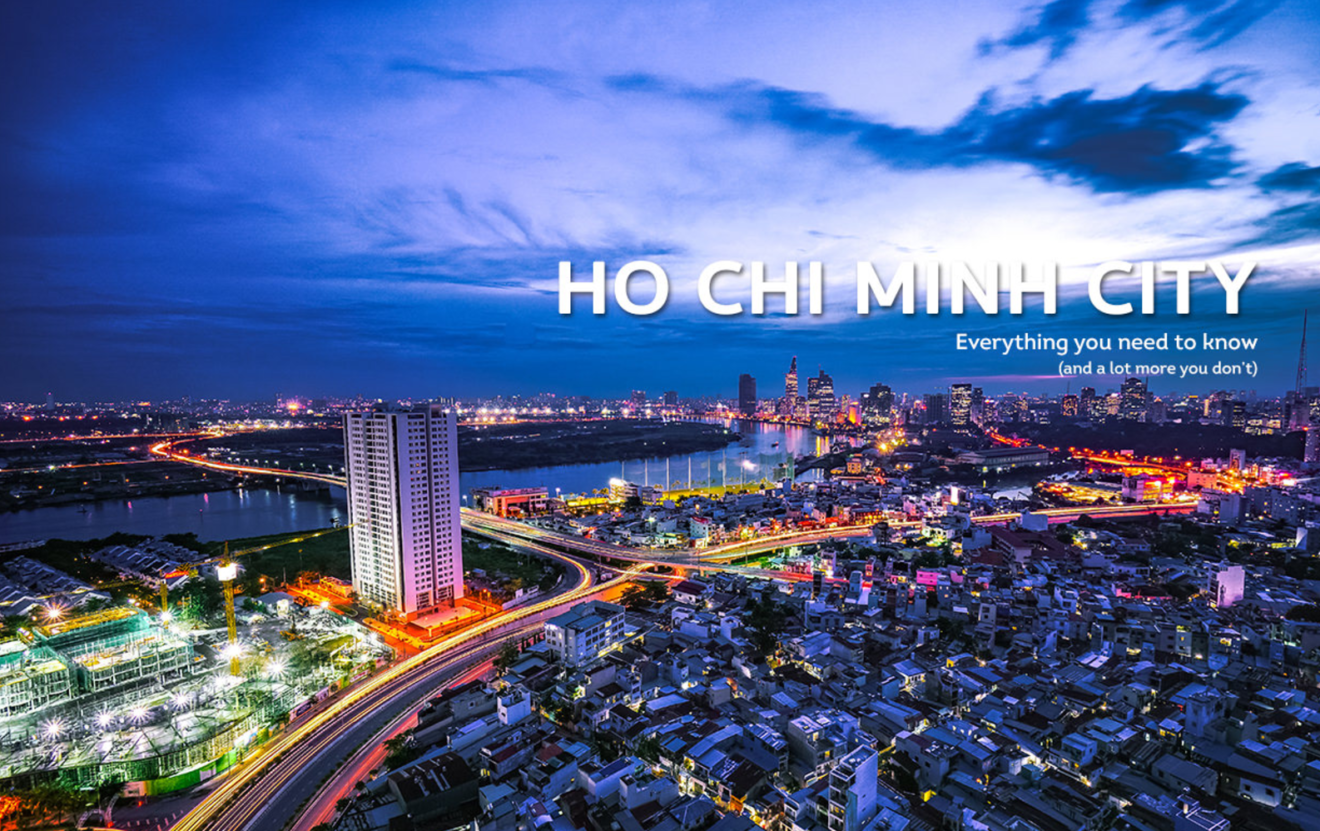
    Ho Chi Minh City is setting ambitious goals for its economic landscape, aiming to boost its per capita income by 3.7% this year. The targeted income for 2025 is set at VND204.3 million, roughly translating to over US$7,850 at current exchange rates. This figure positions the city a remarkable 57% ahead of the national GDP target of over $5,000 for the same period.

    But what does this all mean? Simply put, this ambitious goal highlights the value of goods and services that the economy generates per person each year. As of 2024, the average income in Ho Chi Minh City was already pegged at $7,600, or more than VND197 million, putting it second among the six centrally governed cities in Vietnam, just behind Hai Phong.

    Yet, the city’s expenses reflect another side of the coin as it ranks third in the cost of living across the nation, trailing only behind Hanoi and Quang Ninh, according to the Spatial Cost of Living Index (SCOLI) for 2024. The SCOLI, compiled by the General Statistics Office, measures the price variations of goods and services between different regions.

    Interestingly, when examining the SCOLI in detail, Ho Chi Minh City’s index is almost on par with Hanoi’s at 99.8%. However, residents and visitors will find that certain expenses—particularly in clothing, food services, culture, entertainment, tourism, transportation, and household appliances—are generally more affordable in Ho Chi Minh City compared to the capital. On the flip side, costs for housing, education, and healthcare tend to be higher.

    In addition to this impressive income target, the bustling city is also setting its sights on generating revenues of VND520 trillion, achieving a public spending disbursement rate of 95%, and exporting goods worth $52.6 billion. These targets promise to keep the vibrancy of Ho Chi Minh City alive and thriving.

    As the city moves forward, one can’t help but wonder whether Ho Chi Minh City’s economy will keep rolling at this pace, or if it might stumble over rising costs. A spirited dance between income and living expenses seems to be in full swing!

    Questions & Answers

    What is Ho Chi Minh City’s target for per capita income in 2025?
    The city aims for a per capita income of VND204.3 million, which is over US$7,850.

    How does Ho Chi Minh City’s income compare to the national target?
    The city’s target income is 57% higher than the national GDP target of over $5,000 this year.

    What factors influence the cost of living in Ho Chi Minh City?
    The cost of living is affected by various factors, with clothing and food services being less expensive than in Hanoi, while housing, education, and healthcare costs are higher.