Retail News CRM

Tag: sexy

  • Chinese Brands Make Waves in Southeast Asia’s Competitive Retail Landscape

    Chinese Brands Make Waves in Southeast Asia’s Competitive Retail Landscape

    Chinese skincare brands are making waves across Southeast Asia, boasting an impressive 115% compound annual growth rate (CAGR) in the mass skincare market from 2019 to 2024. This explosive growth is attributed to innovative product offerings and competitive pricing, launching them into the spotlight as formidable contenders against established players, according to a recent whitepaper by Euromonitor International.

    Chinese Brands Seize Opportunities in Southeast Asia

    The report, titled “The Rise of Chinese Brands in Southeast Asia,” delves into the dynamics of the ASEAN-6 economies—Indonesia, Malaysia, the Philippines, Singapore, Thailand, and Vietnam—collectively contributing to 95% of Southeast Asia’s impressive $4 trillion GDP. “Chinese companies are making significant strides in this region, particularly in sectors where they enjoy distinct competitive advantages such as electric vehicles, consumer electronics, and home appliances,” explains Tim Chuah, senior global insight manager at Euromonitor.

    Beauty and Beyond: A Market Revolution

    The beauty sector is witnessing an especially thrilling transformation, with Chinese brands challenging the status quo. In addition to skincare, they are quickly carving out niches in food and foodservice industries. “The aggressive expansion of Chinese brands into these sectors is reshaping the competitive landscape across Southeast Asia,” Chuah added, signaling that incumbent firms need to step up their game.

    Impact Across Industries

    Chinese brands are also shaking up the air conditioning market, rapidly increasing their market share from 9% in 2015 to a projected 25% in 2024. Meanwhile, Japanese competitors have faced a 7% decline during this same period, highlighting the ongoing shift in consumer preferences.

    Capitalizing on Culinary Trends

    In the food and beverage sector, Chinese brands are tapping into a rapidly expanding appetite for coffee, milk tea, snacks, and dairy products throughout Southeast Asia. These categories are experiencing robust double-digit growth, with the beverage segment expected to rise at an impressive 9% annually until 2029.

    Furry Friends and Digital Wallets: The New Frontier

    Not stopping there, Chinese pet care companies are venturing into the burgeoning pet care market in Southeast Asia. This segment alone is projected to grow at a 9% CAGR from 2025 to 2030—a promising landscape for brands eager to cater to pet owners. Meanwhile, while Chinese digital wallets continue to attract tourists, their reach among local consumers remains limited due to strong domestic alternatives. Achieving success in this competitive space will largely depend on forming strategic partnerships with local businesses.

    Questions & Answers

    How are Chinese skincare brands influencing the beauty market in Southeast Asia?
    Chinese skincare brands are dramatically reshaping the beauty market by delivering innovative, cost-effective products that appeal to consumers, resulting in a phenomenal 115% CAGR from 2019 to 2024.

    What sectors are Chinese companies focusing on in Southeast Asia?
    Chinese companies are expanding aggressively in electric vehicles, consumer electronics, home appliances, and increasingly in beauty and food services, posing new challenges to established local and international brands.

    What trends are emerging in the Southeast Asian food and beverage sector?
    The demand for coffee, milk tea, snacks, and dairy products is surging, driving double-digit growth with the beverage segment anticipated to grow annually by 9% until 2029.
  • Indian lingerie Clovia eyes international expansion over 5 years

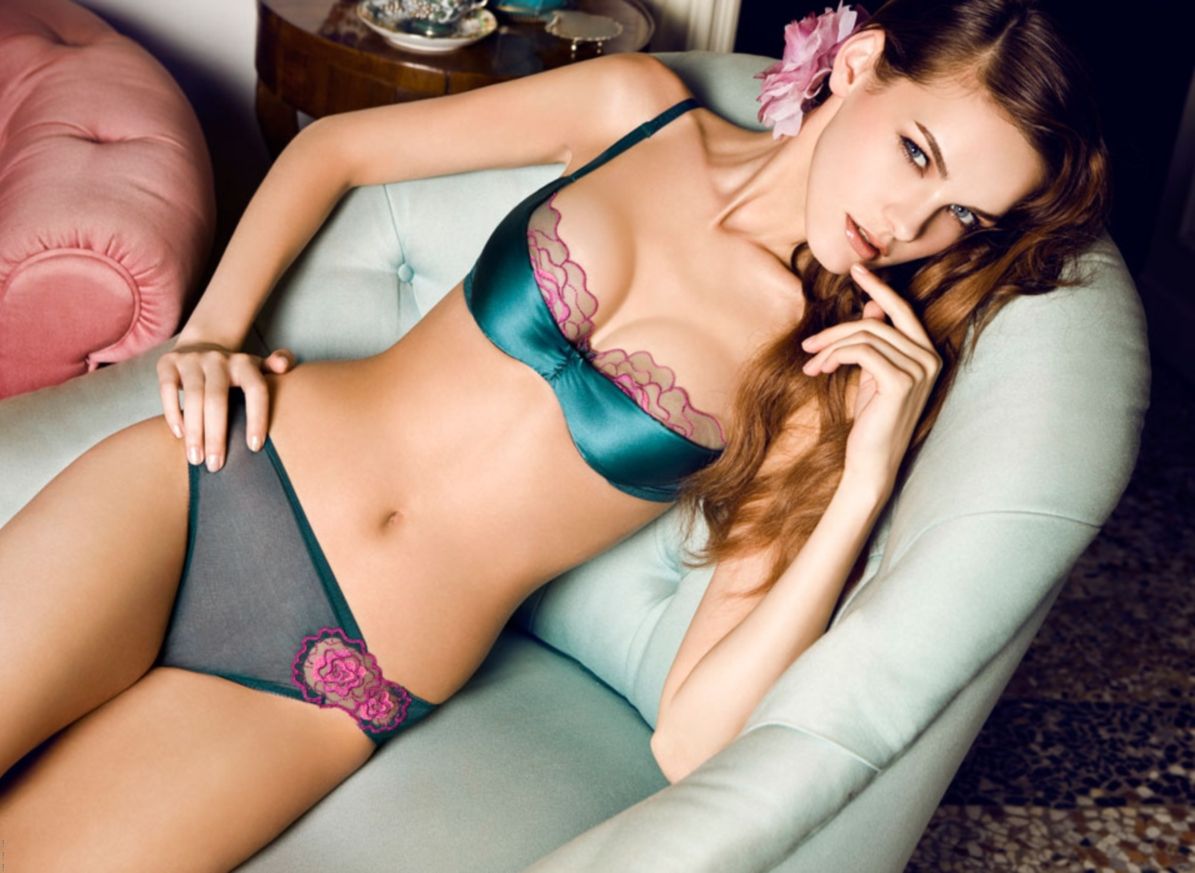
    Indian lingerie Clovia eyes international expansion over 5 years

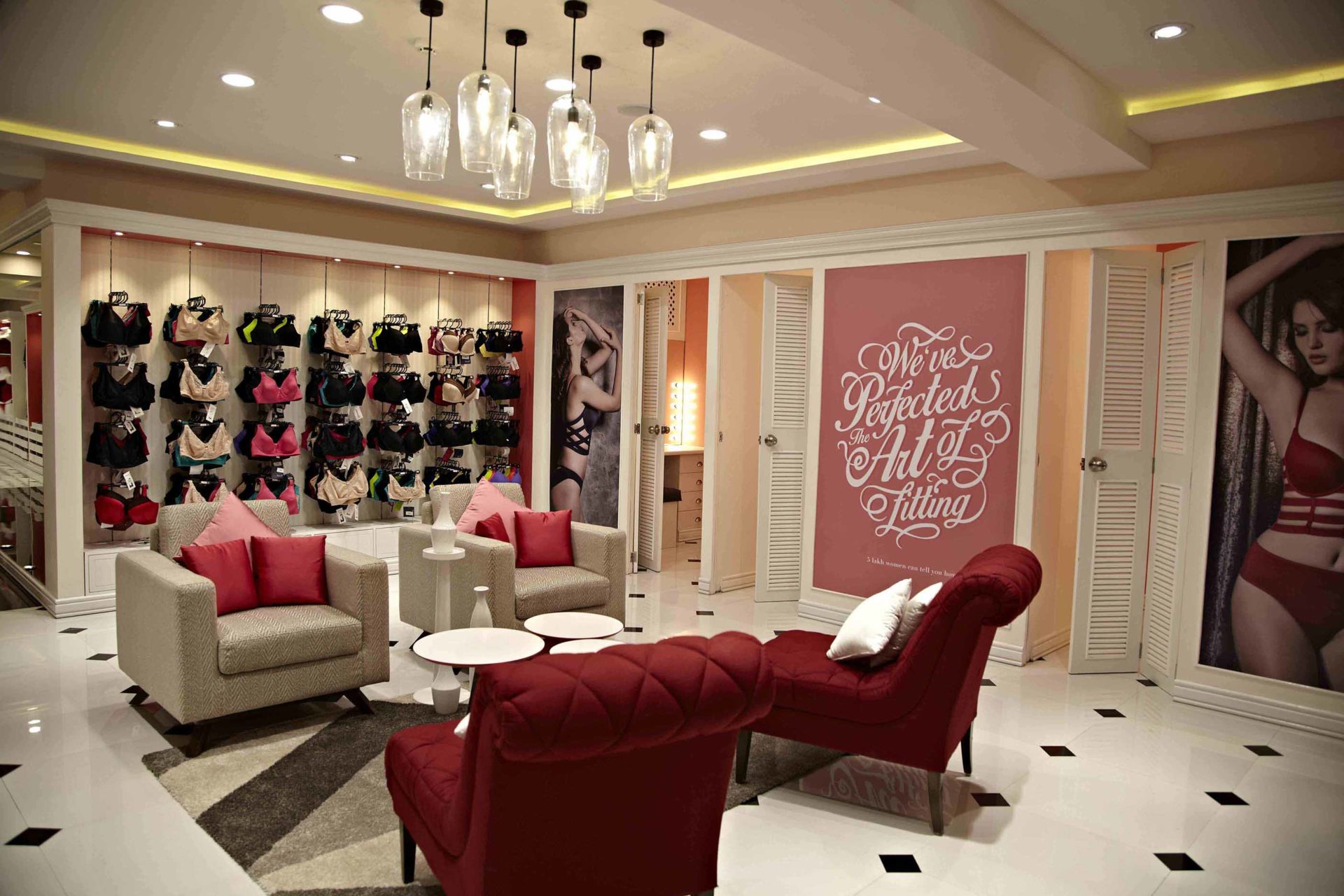
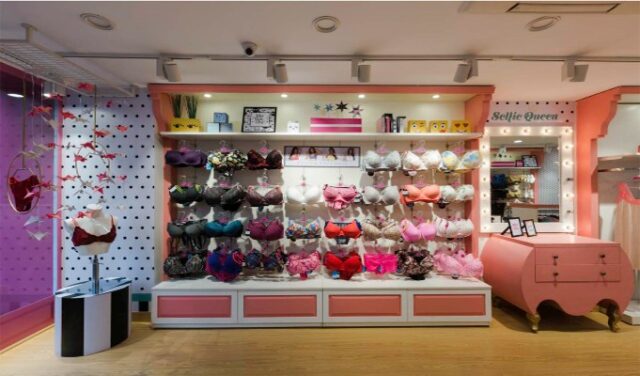
    Founder and Director, Neha Kant, says that apart from the 10 EBOs in Delhi, the brand has 2 EBOs in Gujarat and 1 in West Bengal. The average size of a Clovia store is between 275 and 400 sq. ft. “Aside from this, we are also present in 50+ shop-in-shops in these three states in India.” “We have also introduced a new distribution model – Clovia Partnership Program. Under this program, we invite women around the country to educate other women about sizing and fits and run their enterprise by selling Clovia products from the comfort of their home. At present, we have around 3,000 members on board,” she adds.

    Operating Model

    The lingerie brand sells through direct sales channels including exclusive brand e-store, partner websites like Myntra, Jabong, Flipkart and Amazon among others and also through offline retail outlets.

    “As a brand we want to be present at every customer touch point and offline was a natural progression for us. The intent was to make product touch-points that can be brand builders and self-sustaining at the same time. While online continues to grow profitably, offline helped us capture a completely complementary user base, while continuing to build the brand,” asserts Kant.

    “Our Noida office is also the central design hub. Designs and raw materials are shipped out to exclusive third party manufacturing units which have been incubated by us and work exclusively with us. Our skillful use of technology helps us ensure the industry’s most efficient mind-to-market and extremely tight inventory management. On the online front, we’ve innovated to deliver some of the best sales conversion rates. These innovations have ensured the company is operationally profitable since inception,” she adds.

    TG & Product Portfolio

    The brand’s target audience includes working women between the ages of 25-35 years and young girls aged between 18 to 24 who are either in college or have just entered the workforce.

    The brand designs, manufactures and sells premium fashion lingerie, innerwear, nightwear and shapewear. Tier II and III contribute to over 60 percent of Clovia’s orders.

    “Clovia has redefined the lingerie market by going beyond standard fits, colours and sizes. We offer customers a wide variety of choices in ‘everyday essentials’, along with ‘fashion solutions’ keeping up with customer’s evolving wardrobes,” says Kant.

    “As a brand which lives on feedback, and iterates its entire portfolio basis that, we are focused on a few major categories for now and have been slowly expanding our category focus. Clovia, started predominantly as a ‘bra & brief’ brand which extended into nightwear, shapewear and loungewear with time and demand. Within the categories, we’ve identified a lot of verticals for example: in bras, we have ranges for beginners and nursing mothers, as well as sizes till 44F. We launch 200+ new options including colours and prints per month across women’s bras, briefs, nightwear, shapewear, lounge wear, resort wear, swim wear, leisure wear and active wear categories,” she explains.

    The brand, which produces all its products in India, offers 2,000+ plus styles across categories.

    Supply Chain & Production Capacity

    Clovia is a full stack lingerie brand that controls every part of its supply chain from mind-to-wardrobe.

    “We procure raw material, design in-house, manufacture in third-party facilities working exclusively for us, ensure our own 4-level quality control and sell through a host of direct sale channels. Every product we create is first made in small quantities, monitored via state-of-the-art backend technology, which predicts future sales (based on sales patterns and customer feedback) and recommends what further quantities should be produced,” states Kant.

    At the moment, the brand is manufacturing almost a million units per month and ship close to 2 million units in a quarter.

    “We deliver pan India across 970 cities and to over 13,000 pin codes,” she says, adding, “Clovia has an established operating infrastructure with a 30,000 sq. ft. capacity warehouse and a wide distribution network with logistic partners pan India.”

    A Technology Forward Company

    Clovia uses smart technology and big data analytics for smart management of inventory ensuring that they have a highly consumer-relevant range all times with high sell-through rates resulting in industry best inventory holding.

    “We have set up a unique distribution system (both online and offline) which is based on direct interaction with customers, getting their direct feedback and using the same in planning the next product range. Big data played a big role here and this led to an extremely strong connect with our customers, leading to creation of a brand on the back of experience and not pure-play marketing,” she says.

    “We use smart technology and big data analytics to plan consumptions and purchase patterns. We stock the maximum number of SKUs in the industry with minimum inventory holding. Also, using technology for geographical understanding of tastes, we’re bringing structure to a traditionally unorganised market,” she further states.

    Future Plans

    The lingerie brand is expanding both in the online and the offline space with equal vigour. The brand is putting in the effort to understand audiences and nuances of each channel to ensure a true Omnichannel experience for customers and sellers. This is the key focus for Clovia over the next five to six quarters.

    “We have been operationally profitable,” she says.

    The brand currently generates around 15 percent of its revenue from offline channels and expects the revenue to witness a 50 percent growth in the current financial year.

    “Clovia gets over 55 percent of its total online sales through its own website which will maintain its share. The rest comes from online marketplaces such as Amazon,” Kant concludes.

  • Victoria’s Secret appoints new leaders for core brands

    Victoria’s Secret appoints new leaders for core brands

    Victoria’s Secret & Co has made several leadership changes as the company focuses on strengthening its core brands.

    The company said the move is part of its “Path to Potential” strategy, which aims to build momentum across its Victoria’s Secret, Pink and Adore Me banners.

    Anne Stephenson has been named brand president of the Victoria’s Secret brand, effective next month. She is currently the company’s chief merchandising officer and brings experience in product strategy, brand development and merchandising

    Meanwhile, Ali Dillon has been appointed president of Pink. Dillon previously held leadership roles in merchandising and brand development at several fashion retailers and most recently served as president of Alex Mill.

    Amy Kocourek took over as president of the beauty division in March. Before joining Victoria’s Secret, she was chief merchandising officer at jewellery and lifestyle brand Kendra Scott.

    All three brand presidents will report to CEO Hillary Super.

    In a separate appointment, fashion designer Adam Selman was named senior VP and executive creative director. He will report directly to Super until a new chief merchandising officer is named.

    “This is an exceptional team of product and creative leaders whose vision and operational expertise will drive new levels of growth, innovation and impact for our company,” said Super.

    “With their customer-centric approach, I’m confident they’ll help us unlock the full potential of our brands, capture the next generation of consumers and strengthen our market leadership.”

  • 6ixty8ight in Hong Kong opens new store at East Point City

    6ixty8ight in Hong Kong opens new store at East Point City

    6ixty8ight in Hong Kong has opened its 28th store, at East Point City.

    With its home base in Hong Kong, the now-international lingerie and casualwear label is continuing to expand its brick-and-mortar network.

    Having become one of the fastest-growing fashion brands in Asia since its launch in 2002, 6ixty8ight’s offering covers recent trends in lingerie, homeware, loungewear, casual wear and accessories.

    6ixty8ight now has more than 200 stores across Greater China, South Korea, Singapore and Malaysia.

    The company says it aims to create a seamless retail experience on its online platform and through its brick-and-mortar network.

  • Japanese lingerie brand Wacoal Expanding in India

    Japanese lingerie brand Wacoal Expanding in India

    Premium Japanese lingerie brand Wacoal will invest around ₹100 crore (US$14.5 million) over three years to boost its presence in India.

    A statement released by the firm revealed it will build on its current 11 outlets in the territory to reach 70 exclusive stores and 80 shop in shops across 30 cities.

    The brand will advance sales in India via its partnership with several e-commerce platforms accompanied by an intensive cross-platform marketing and a PR campaign.

    “We have seen an exponential growth seen in the Indian market since Wacoal’s entry in 2015,” said WacoalCorp representative director, president and corporate officer Tomoyasu Ito.

    “With this expansion, we aim to explore its full potential, and further solidify our position as a leading entity in the country’s luxury lingerie market. Our presence in additional metros will introduce a wider audience to the fit and comfort of our innerwear, crucial elements in the life of the modern woman.

    “Our stellar success since launch has rapidly established Wacoal as an indispensable part of India’s inner-wear scene, showcasing India as a mature market with a desire for Wacoal’s innovative, timeless collections.”

  • Zivame Lingerie raises expansion capital to expand in India

    Zivame Lingerie raises expansion capital to expand in India

    Indian lingerie retailer Zivame has raised about US$8.6 million to fund expansion.

    The funds were raised through Allana Investment and Trading Company, in a round led by existing investor Zodius Technology and individual investors.

    The new capital will be used for store expansion, technology augmentation, product development and omnichannel strategy. Zivame now has more than 30 offline retail stores, and aims to expand to more than 60 in the next year.

    “The funding will enable us to further enhance our footprint and leadership in existing and newer markets as we continue to build on our mission to be the destination for women for all her intimate needs,” said Amisha Jain, Zivame CEO.

    “We continue to build the category as the Indian lingerie market is largely unorganised and under-served.”

    The company plans to a larger fundraising round in coming months.

    Founded in 2011 as a marketplace for lingerie brands, Zivame has expanded into fashion apparel, activewear, sleepwear, and shapewear as well as developed its private labels including Penny and Coucou.

  • Sephora Hong Kong Reopening Soon

    Sephora Hong Kong Reopening Soon

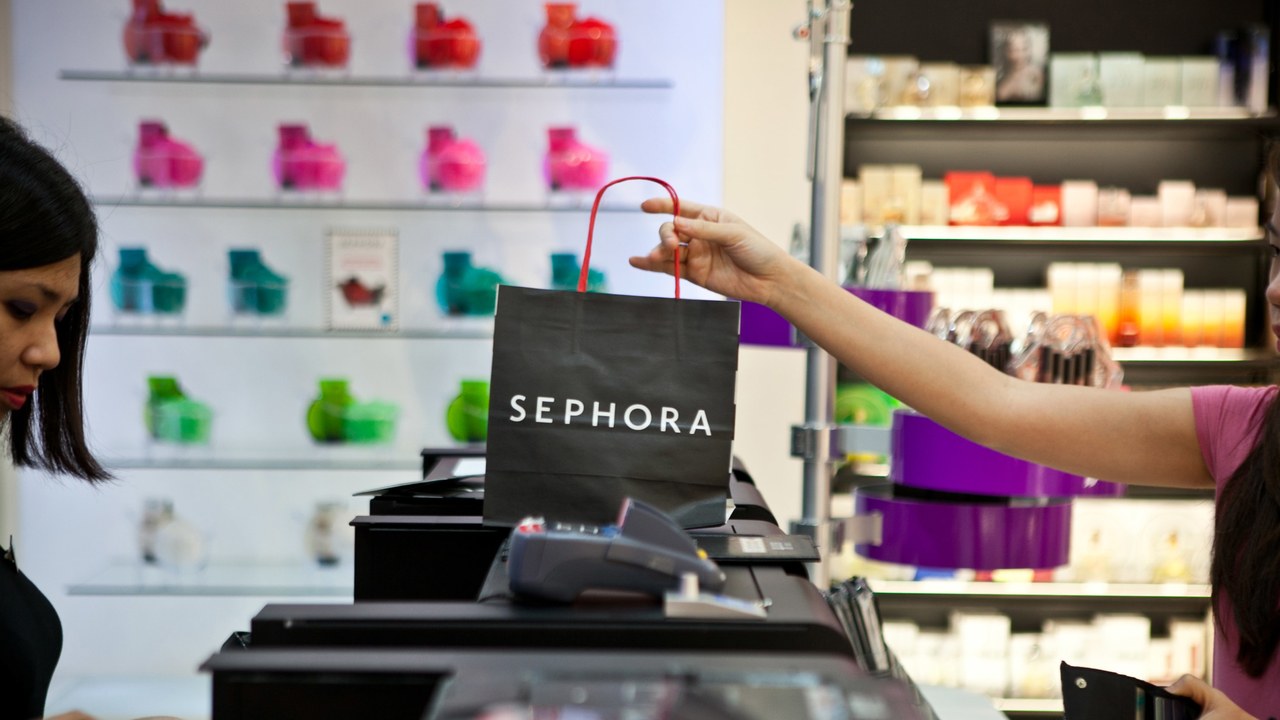
    Makeup superstore Sephora has confirmed its widely anticipated return to Hong Kong in physical store form.

    The LVMH-owned cosmetics retailer will sublease a 4000sqft space in the Zara store at IFC Mall in Central, nine years after it closed its last store in the territory.

    Despite its physical absence in the market, Sephora Hong Kong has continued to sell products online to loyal customers.

    The last Sephora Hong Kong store traded for just two years in Mong Kok, closing in 2010. At the time, retail commentators said the brand failed due to poor store location, lacklustre marketing and high rents.

    Sephora is popular in Mainland China and has stores across Southeast Asia trading profitably, especially in Singapore and Malaysia.

    According to news reports in Chinese media, Sephora has subleased the space from Zara for HK$2 million (US$254,800) per month.