Retail News CRM

Tag: shareholder

  • Anta Sports Clinches $1.8 Billion Puma Stake, Emerges as Largest Shareholder in German Sports Giant

    Anta Sports Clinches $1.8 Billion Puma Stake, Emerges as Largest Shareholder in German Sports Giant

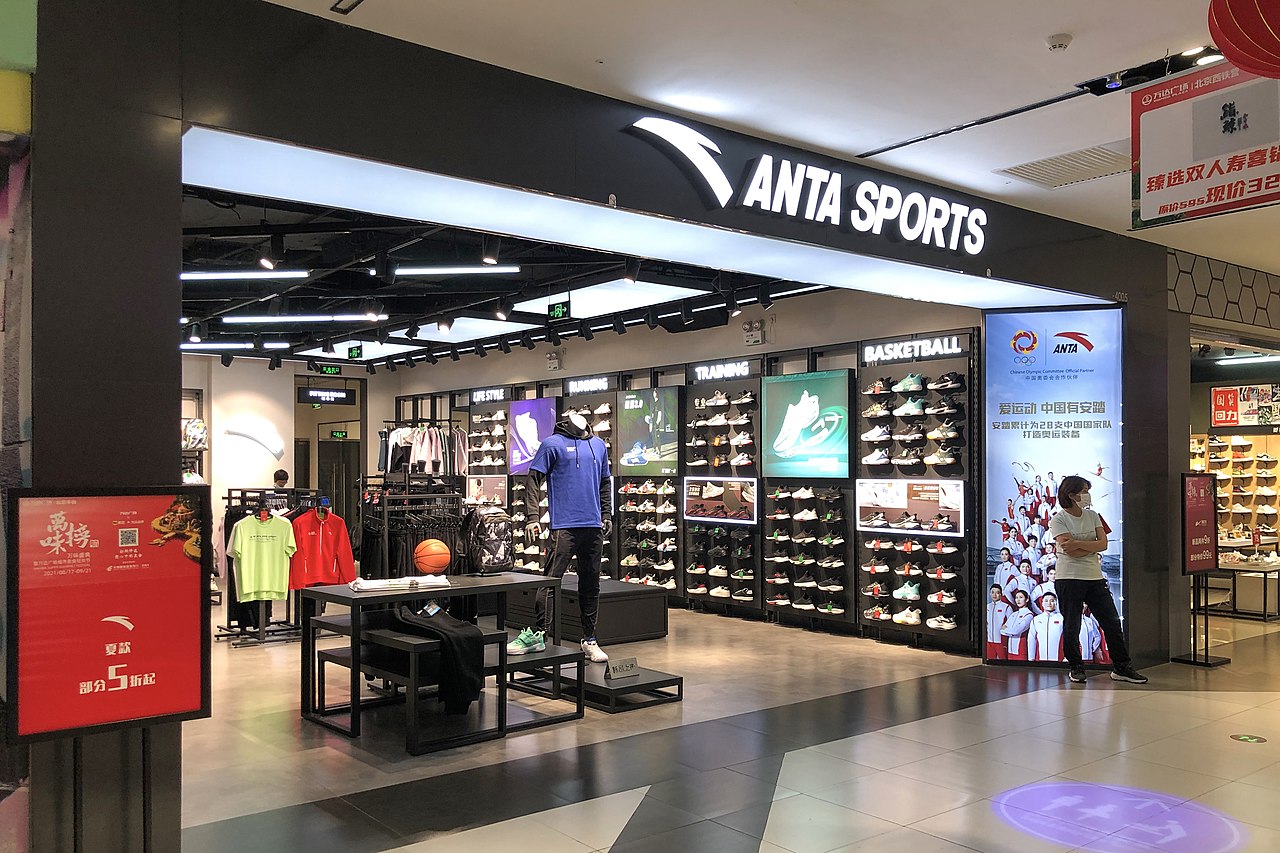
    Anta Sports Products, a leading sports company based in China, announced on Tuesday that it plans to acquire a 29.06 percent share in Puma from the Pinault family. The deal, worth 1.5 billion euros (approximately US$1.8 billion), will make Anta the largest shareholder in the German sports apparel manufacturer.

    In the agreement, which was outlined in a stock exchange filing, Anta will pay 35 euros per share in cash for 43 million Puma shares. This represents a considerable 62 percent premium on Puma’s closing share price of 21.63 euros on Monday. Following this announcement, Anta’s shares saw an early trading increase of 3.4 percent on Tuesday.

    The Strategic Sale

    This strategic move comes at a time when Puma is striving to regain its market position after losing ground to rivals Nike and Adidas. The brand is also currently dealing with increasing competition from rapidly expanding brands such as New Balance and Hoka.

    Anta expressed its confidence in Puma’s potential to enhance its global competitiveness and brand awareness with Anta as its primary investor. It was also stated that, upon finalizing the deal, Anta would pursue seats on Puma’s board.

    “Puma’s global business footprint and focused positioning in sports categories are highly complementary to our existing multi-brand and specialized business,” Anta expressed in a public statement.

    Expanding Market Reach

    The acquisition is likely to boost Puma’s sales in the highly profitable mainland Chinese market, while also promoting Anta’s multi-brand strategy. Anta has a successful history of acquiring and revitalizing Western sports and lifestyle brands. In 2019, for instance, Anta led a consortium to purchase Amer Sports, a company that owns brands such as racquet manufacturer Wilson and mountain sports specialist Salomon.

    The transaction follows a challenging period for Puma, as the company strives to boost sales and investor confidence under new CEO, Arthur Hoeld. In an effort to ignite a company turnaround, Puma announced in October that it would increase discounts, enhance marketing, and reduce its product range. This strategic shift also includes the reduction of 900 jobs.

    Previously, Artemis, headed by Francois-Henri Pinault, the chairman of luxury group Kering, characterized its Puma stake as non-strategic. The Pinault family received the holding from Kering in 2018 when the group refocused its operations exclusively on luxury goods.

    Puma has been grappling with weakened demand and lackluster sneaker launches, such as the Speedcat. Hoeld, who took the helm last year, has proposed a turnaround strategy focused on “brand heat,” performance products, and cost discipline.

    The deal is still conditional on antitrust clearances, shareholder approval at Anta, and regulatory approvals in China and other jurisdictions. Anta plans to organize an extraordinary general meeting, with the deal’s closure expected following the fulfillment of these conditions.

    Questions & Answers

    What percentage share in Puma does Anta Sports Products plan to acquire?
    Anta Sports Products is planning to acquire a 29.06 percent share in Puma.

    How does Anta Sports Products plan to pay for the Puma shares?
    Anta will pay 35 euros per share in cash for 43 million Puma shares.

    What is the expected impact of this acquisition on Puma’s sales?
    The acquisition is expected to increase Puma’s sales in the profitable mainland Chinese market.
  • HSBC Secures Shareholder Approval for $14 Billion Hang Seng Privatization Deal: Set for Hong Kong Stock Exchange Delisting

    HSBC Secures Shareholder Approval for $14 Billion Hang Seng Privatization Deal: Set for Hong Kong Stock Exchange Delisting

    HSBC, the London-based bank, has successfully secured approval from the shareholders of its subsidiary, Hang Seng, to privatize it. This move signifies HSBC’s intention to acquire the Hong Kong lender, a deal estimated to be worth $14 billion.

    On January 8, during a shareholders’ meeting, HSBC managed to secure about 86% of non-partisan votes in favor of the privatization. This percentage was comfortably above the 75% threshold that was required for the proposal to pass.

    Next Steps

    This development doesn’t mark the end of the process, however. The proposal is now set for a High Court hearing, which is scheduled for January 23. If approved by the court, the scheme is expected to become effective on January 26. Subsequently, Hang Seng’s shares will be delisted from the Hong Kong Stock Exchange on the following day, January 27.

    Georges Elhedery, HSBC CEO, expressed satisfaction at the approval of the proposal. Elhedery also expressed gratitude towards the Hang Seng Bank shareholders for their continued support. He stated that the approval showcases the shareholders’ robust trust in Hang Seng Bank’s franchise and the opportunities that complete ownership within the HSBC Group could present.

    Elhedery also expressed eagerness to move forward with the proposal and to fulfill the remaining conditions. He committed to providing further updates when appropriate.

    Concerns and Reassurances

    There have been concerns raised about HSBC assuming potential loan risks due to the downturn of Hong Kong’s commercial real estate sector. However, Elhedery previously asserted that the decision to privatize Hang Seng aligns strategically with their aim of driving stronger growth.

    Questions & Answers

    What is HSBC’s plan regarding Hang Seng Bank?
    HSBC has obtained approval from the shareholders of Hang Seng Bank to take it private. This will involve buying out the Hong Kong-based subsidiary for an estimated $14 billion.

    What are the next steps for the proposal?
    The proposal will undergo a High Court hearing on January 23 for sanctioning. If successful, the scheme is expected to be effective by January 26, with Hang Seng’s shares to be delisted from the Hong Kong Stock Exchange on January 27.

    What are the concerns related to this proposal?
    Some have expressed concerns about HSBC taking on loan risks linked to the downturn of Hong Kong’s commercial real estate sector. However, HSBC’s CEO maintains that the move aligns strategically with their goal to drive stronger growth.

  • Coupang Triumphs In Court: Dismissal Of Shareholder Fraud Lawsuit Bolsters South Korean Giant

    Coupang Triumphs In Court: Dismissal Of Shareholder Fraud Lawsuit Bolsters South Korean Giant

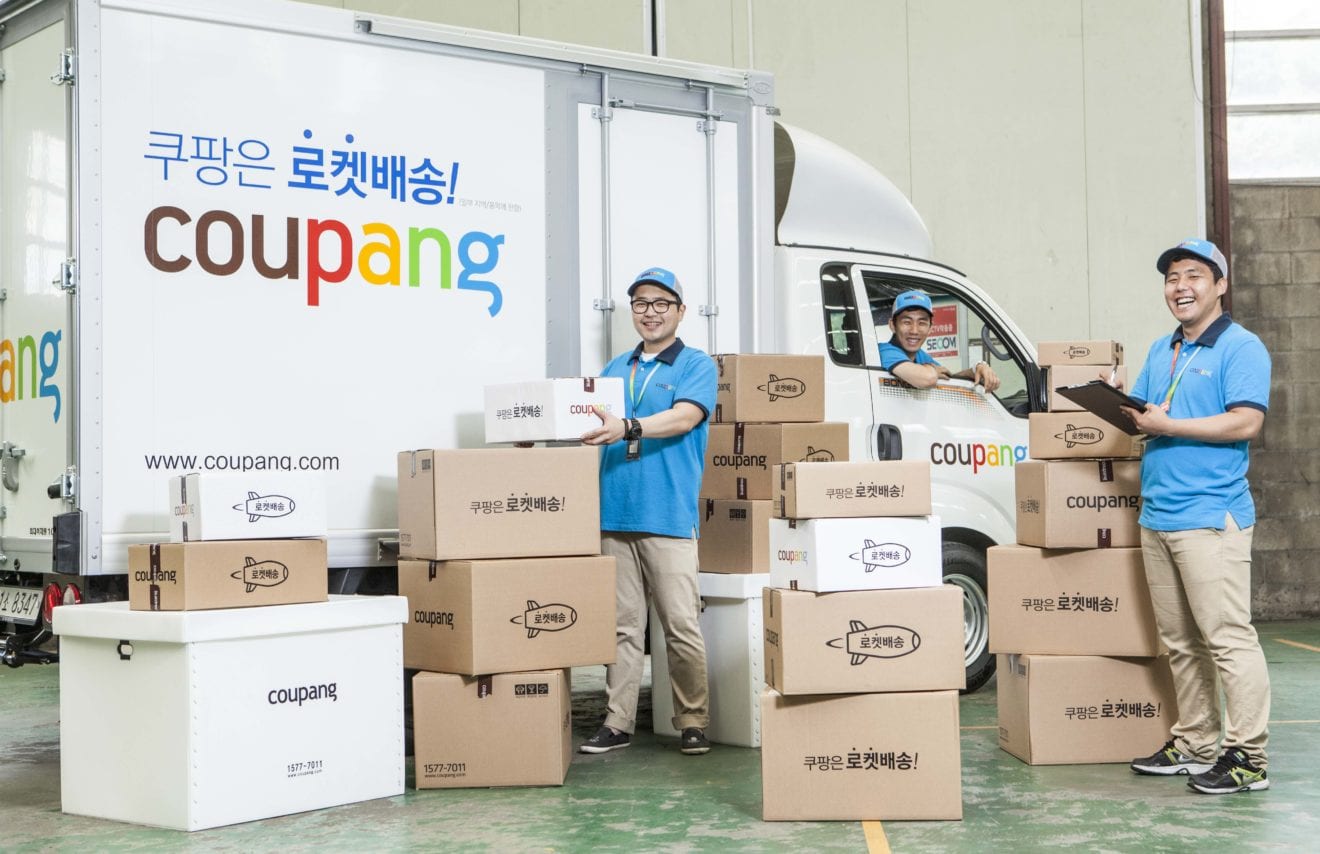
    Coupang, often referred to as South Korea’s Amazon equivalent, successfully dismissed a lawsuit on Wednesday that alleged the company had defrauded shareholders during and following its 2021 initial public offering (IPO), the most significant IPO by a foreign entity on Wall Street in over six years.

    Details of the Lawsuit

    The lawsuit was filed by US District Judge Vernon Broderick in Manhattan on behalf of shareholders spearheaded by a group of New York City public pension funds. The shareholders claimed that Coupang and its executives intended to deceive them, made materially misleading comments, and neglected to address evident discrepancies that rendered their public declarations false.

    Allegations against Coupang included concealing hazardous working conditions in its warehouses, manipulating search results, directing employees to write product reviews favoring its private-label brands, and pressuring suppliers to inflate prices on competitor platforms for products it would then automatically price-match.

    The shareholders pointed out that the share price of Coupang plummeted by over half within a year of its March 2021 IPO, following revelations that included multiple investigations by South Korea’s Fair Trade Commission and a large warehouse fire.

    Judge’s Decision

    In a comprehensive 83-page decision, Judge Broderick stated that many of Coupang’s assertions about working conditions were either too vague or “aspirational” to be misleading. Similarly, comments about its supplier relationships were deemed overly unspecific, initially truthful, or amounted to “puffery.”

    Broderick further noted that the shareholders failed to establish “with particularity” the circumstances surrounding Coupang’s alleged price manipulation. He also recognized that the company had acknowledged its employees were writing the reviews.

    Additionally, the judge dismissed all allegations against the IPO’s underwriters, including Goldman Sachs, JPMorgan Chase, and Allen & Co. The lawsuit was dismissed with prejudice, therefore prohibiting it from being refiled.

    Reaction to the Decision

    The legal representation for the shareholders and New York City Comptroller Brad Lander—who oversees the pension funds—did not provide an immediate response to requests for comment.

    “We believed from the start that the claims were baseless, and today’s decision confirms that belief,” a Coupang spokesperson said in a statement.

    Coupang, founded in 2010 by billionaire Bom Kim and originally based in Seoul, relocated to Seattle after going public but continues to operate in several countries, including South Korea.

    With the financial support of Softbank Group, Coupang secured US$4.6 billion through its IPO, marking the largest IPO by a foreign company on Wall Street since the Chinese e-commerce company Alibaba went public in September 2014.

    Questions & Answers

    What were the allegations against Coupang?
    Shareholders accused Coupang of concealing hazardous working conditions, manipulating search results, directing employees to write favoring product reviews, and pressuring suppliers to inflate prices on competitor platforms.

    What was the outcome of the lawsuit filed against Coupang?
    The lawsuit was dismissed with prejudice, indicating that it cannot be brought again. This followed Judge Broderick’s decision that several of Coupang’s statements were too broad, aspirational, or amounted to “puffery” to be considered misleading.

    What was the financial impact of Coupang’s IPO?
    Backed by Softbank Group, Coupang raised US$4.6 billion in its IPO, making it the largest IPO by a foreign company on Wall Street since Alibaba in 2014.

  • Singapore Open to Virtual Shareholder Meetings

    Singapore Open to Virtual Shareholder Meetings

    Currently, companies are allowed to conduct their general meetings via alternate non-physical means until June 2021.

    The Monetary Authority of Singapore (MAS) and Singapore Exchange Regulation (SGX RegCo) are open to allowing hybrid or fully virtual shareholder meetings after social distancing measures are eased, post-Covid-19, if active participation can be ensured.

    The regulatory bodies are currently closely monitoring the experiences of issuers and investors during virtual meetings, Ong Chong Tee, MAS deputy managing director, said on Monday.

    What is important is that such new meeting formats should not compromise effective shareholder engagement, allow proper verification of attendees and voters, and facilitate accurate and secure voting processes, Ong said.

    Covid-19 safe distancing measures and travel restrictions have limited the conduct of physical meetings. In April, MAS, ACRA and MinLaw worked with SGX RegCo to fast-track legislation to provide legal certainty to listed issuers so that they may implement safe distancing measures imposed by the Ministry of Health and hold virtual general meetings.

    MAS also published a checklist of measures to ensure informed and effective participation, which include requirements for a live broadcast, proxy voting, allowing shareholders to ask questions and having them addressed ahead of the meeting.

  • Tatas raise stake in AirAsia India to 51%

    Tatas raise stake in AirAsia India to 51%

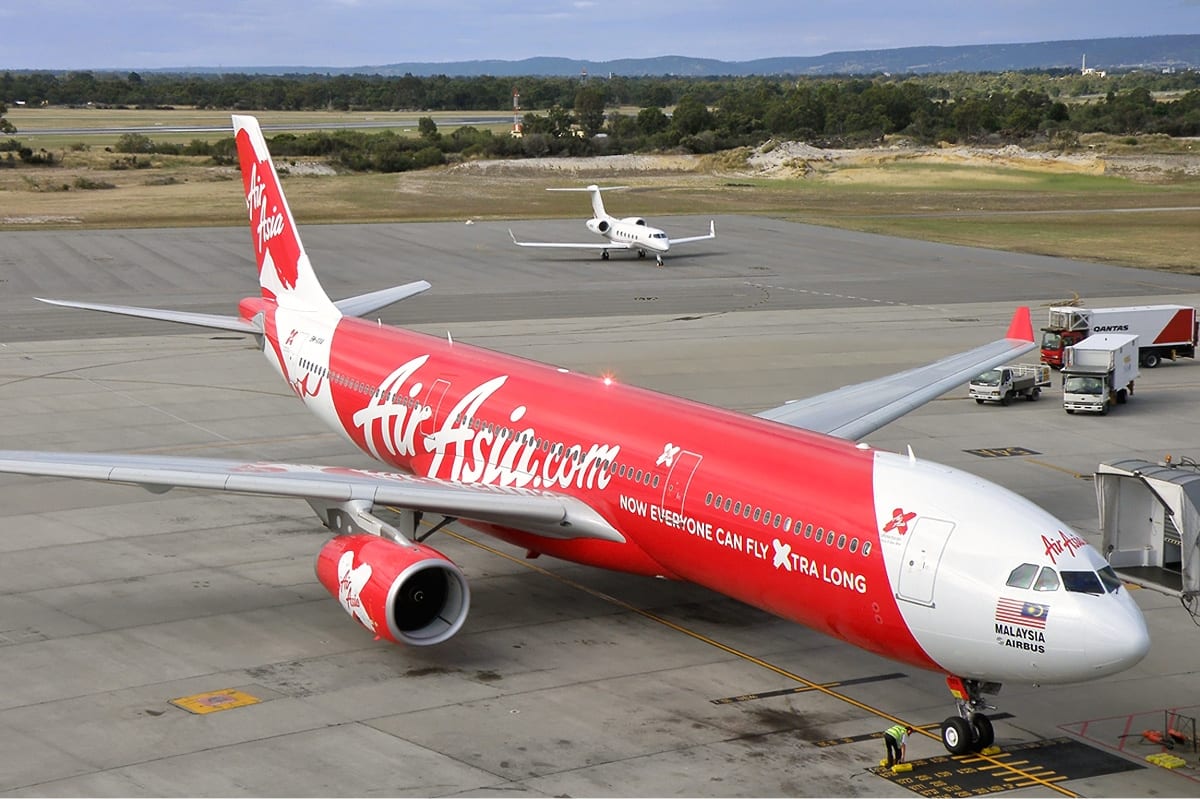
    Tata Group raised its stake in AirAsia India to 51% and injected 5b rupees together with AirAsia Investments to fund the carrier’s international expansion plans, the Economic Times reports, citing two unidentified people familiar with the matter.

    * Tata Group also holds controlling stake in Vistara

    * Vistara and AirAsia have both applied for approval to fly international routes

  • Vietjet advances the second dividend payment of 2018 at 10%

    Vietjet advances the second dividend payment of 2018 at 10%

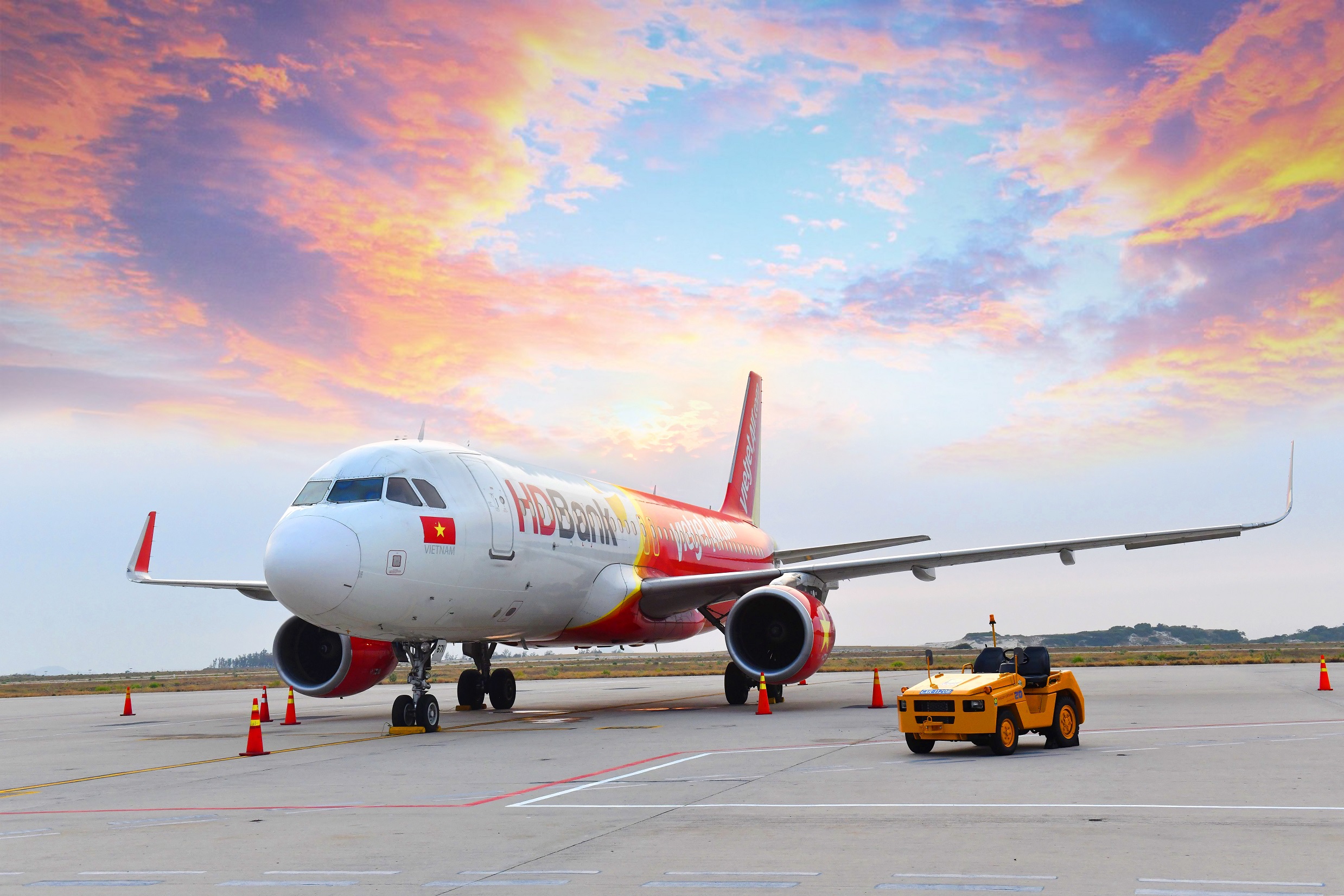
    Vietjet Aviation Joint Stock Company (HOSE code: VJC) Board of Directors announced on 8 April its approval to advance the second dividend payment of 2018 at the rate of 10% (receiving VND1,000 per shares). The final registration date is 24 April 2019, corresponding to an ex-right date of 23 April 2019.

    Consequently, Vietjet will pay more than VND542 billion (approximately US$23.3 million) to advance this second dividend payment of 2018.

    According to the resolution of the Annual Shareholder Meeting 2018, the planned dividend payout ratio is 50% in both shares and cash. Thanks to its high and continuous growth, and abundant cash resources, Vietjet’s Board of Directors submitted to its shareholders a 2018 dividend payment at a rate of 55%, higher than the previously approved plan.

    The new-age airline has established a good track record of paying high dividends from year to year, from 50% to 70% in both cash and shares. With its 2019 business plan, it is believed that Vietjet’s Board of Directors will continue to submit a high dividend payout ratio of 2019 at the coming Annual General Meeting of shareholders.

  • Lotte founder’s 50-year reign comes to an end

    Shin Kyuk-ho, founder and general chairman of the Korean retailer Lotte, has been removed from his company by shareholders, solidifying the succession of his second son, Shin Dong-bin, and coming closer to ending a family feud that started in 2015.

    Lotte is the country’s fifth-largest family controlled conglomerate, with 90 affiliates here and abroad.

    The shareholders voted in favor of denying the 95 year-old patriarch the position of board director of Lotte Shopping on Friday, which he has held since the affiliate was founded in 1970.

    The elder Shin’s term was terminated on March 20.

    Kang Hee-tae, CEO of Lotte Department Store, and Yoon Jong-min, Lotte Group’s human resource director, were newly appointed to the directors’ post at Lotte Shopping. Friday’s decision has completed the full control of the younger son, Dong-bin, who took his current role in 2011.

    “Lotte Group was able to grow with Shin Kyuk-ho’s leadership until now, but it is time for a new era under the new leadership of Shin Dong-bin,” said Lotte Group spokesman.

    Despite taking the role of chairman, Dong-bin was not allowed to make independent business decisions without the final call coming from his father, who held the board director position at most of Lotte’s affiliates.

    The father has been losing his board director position starting with Lotte International in 2015, followed by Lotte Confectionery and Hotel Lotte in March 2016.

    Lotte Confectionery is the founding company and the foundation of Lotte Group, while Hotel Lotte is the de facto holding company.

    Shin Kyuk-ho has been losing his title since he sided with his older son, Shin Dong-joo, who was trying to take full ownership of the group, and fired Dong-bin and six other executives at Lotte’s key operation in Japan.

    The founder still has several director positions, but his tenure is coming to an end and is unlikely to be extended. His role at Lotte Engineering & Construction is poised to be terminated on Sunday, followed by Lotte Aluminum and the Lotte Giants in coming month.

    Unlike his father, Dong-bin on Friday was appointed as the new director of Lotte Chilsung Beverage during the shareholders’ meeting, which industry insiders say is a necessary step to realigning the organization under his new leadership.

    Hwang Kak-gyu, who has worked with Shin Dong-bin for 27 years, was newly appointed as the CEO of Lotte Confectionery, a position that he will share with Dong-bin and Kim Yong-soo. The company said the decision was made to strengthen the company’s overseas business.

    Meanwhile, Dong-bin has been increasing his efforts to appease China, which has been bombarding Lotte’s business there as a retaliation against the Korean retail conglomerate’s decision to offer its golf course for the deployment of the U.S. antimissile defense system known as Thaad.

    In an interview he had with the Wall Street Journal on Thursday, Dong-bin said, “We definitely want to continue our business in China.”

    He added that he “loves” China and believe there has been a “misunderstanding.

    “If the government asks a private corporation like ours to give up land, then I don’t think we have the luxury of rejecting the government,” Dong-bin was quoted as saying in the Wall Street Journal.

    Lotte Mart, which runs 99 local branches in China, shut down 90 of them in the past couple weeks, partly forced by the Chinese government, which cited safety concerns, and also because of fierce protests in front of its stores.

    Lotte Shopping on Friday announced it will issue new shares worth 230 billion won and borrow 130 billion won in order to maintain its Chinese Lotte Mart branches.

    “Due to the suspension of Lotte Mart operations in China, there is no revenue generated, which we plan to compensate through capital increase,” Lotte Mart explained. “We need to pay local staff and purchase products.”

    Shares of Lotte Shopping jumped 2.61 percent on Friday, closing at 216,500 won.