Tag: ShenYang

  • Geely Launches Xingyao 6 EF Methanol Hybrid Sedan at 76,800 Yuan

    Geely Launches Xingyao 6 EF Methanol Hybrid Sedan at 76,800 Yuan

    Geely Auto launched the Galaxy Xingyao 6 EF in Shenyang on Tuesday, pricing the dual-fuel methanol plug-in hybrid sedan from a promotional 76,800 yuan ($11,440).

    The car can run on methanol, gasoline or electric power, accepting any ratio of both liquid fuels inside a single tank.

    Official list pricing ranges between 86,800 yuan and 106,800 yuan across three trim levels, with limited-period launch pricing capped at 96,800 yuan. Geely sells the base model with a CLTC pure electric range of 130 kilometres, while the two higher grades offer 230 kilometres. When fueled entirely by methanol alongside a full battery charge, total cruising range reaches roughly 1,250 kilometres. Switching entirely to gasoline pushes combined range to 1,880 kilometres. Liquid refueling takes approximately three minutes.

    Powertrain and Cold-Weather Hardware

    Under the bonnet sits a 1.5-litre dedicated methanol engine coupled with an electric motor and a lithium iron phosphate battery pack. Geely claims the unit hits 48.15 percent thermal efficiency, which it rates as the highest figure achieved on any production methanol combustion engine. Fuel management relies on a real-time concentration sensor, allowing the onboard computer to re-map fuel injection and ignition cycles dynamically based on the exact blend inside the tank. Fuel system operates at 350-bar injection pressure alongside high-energy ignition packs engineered to permit cold engine starts down to minus 40 degrees Celsius.

    The vehicle sits on Geely’s GEA architecture, measuring 4,806 mm long, 1,886 mm wide and 1,490 mm tall on a 2,756 mm wheelbase. Interior equipment includes a 14.6-inch central display, a 10.25-inch instrument cluster, 609 litres of boot space and software powered by Flyme Auto 2.

    Targeting Fleet Operators and Northern Drivers

    Chinese electric vehicle makers continue to lose operational efficiency in northern winter conditions, where sub-zero temperatures sharply degrade lithium battery discharge rates and cabin heating drains range. Geely is bypassing that hurdle by pitching the Xingyao 6 EF directly at provincial markets where pure electric cars struggle between November and March. Fleet operators running taxi and ride-hailing networks in these provinces gain combustion-style refueling speed and winter heating reliability without paying full gasoline fuel bills.

    Competitors like BYD have dominated the sub-100,000-yuan plug-in hybrid segment through conventional gasoline DM-i platforms. Geely’s decision to bring an alternative liquid fuel down to passenger-car price points creates a different operational calculus for municipal fleet managers, though private consumer adoption outside resource-rich northern provinces will depend strictly on pump access.

    Two Decades of Methanol Investment

    Geely began research into methanol drivetrains in 2005, gradually developing supply chain links spanning synthesis, bulk distribution and retail dispensing. Before opening sales to retail buyers, Geely Holding Group chairman Eric Li deployed more than 6,000 units of the Xingyao 6 EF into commercial taxi services, ride-hailing fleets and government motor pools to log field hours.

    Distribution infrastructure remains the operational bottleneck. Geely Holding senior vice president Victor Yang confirmed the country has established over 1,400 methanol stations of varying types.

    Galaxy brand sales crossed 150,000 units in a single month for the first time in October, rising 20.32 percent to 153,385 deliveries and lifting ten-month volume past 1.03 million cars. RetailNews Asia will watch whether Geely can expand dedicated pump networks beyond its northern operating bastions as volume production scales.
  • BMW Starts Sixth Generation Battery Production at 10 Billion Yuan Shenyang Hub

    BMW Starts Sixth Generation Battery Production at 10 Billion Yuan Shenyang Hub

    BMW started mass production of its sixth-generation high-voltage batteries in Shenyang on Thursday. The company invested 10 billion yuan ($1.49 billion) to supply its upcoming Neue Klasse electric vehicle lineup.

    The 240,000-square-metre facility expands the German carmaker’s battery footprint in Liaoning province to five times its previous size.

    Output will initially feed assembly lines for the China-exclusive Neue Klasse iX3 sport utility vehicle and the long-wheelbase i3 sedan. Shenyang is BMW’s third battery plant globally to build the Gen 6 pack. It joins sites in Debrecen, Hungary, and Irlbach-Strasskirchen, Germany. Outside Germany, the Chinese complex is the only location producing the Energy Master central control unit, an in-house hardware and software module that manages high-voltage power distribution.

    Cylindrical Cells and 800-Volt Architecture

    The new powertrain switches to large cylindrical cells integrated into an 800-volt electrical architecture. BMW tested the setup in a long-wheelbase i3 50L sedan over expressways, national highways, and urban streets. It logged a road-test range of 1,213 kilometres on a single charge with 1 per cent battery capacity remaining. The vehicle carried a 113.4-kilowatt-hour battery pack. It averaged power consumption of 8.8 kilowatt-hours per 100 kilometres.

    Charging hardware on the Neue Klasse platform accepts direct-current rates up to 400 kilowatts. That rate replenishes 400 kilometres of driving range in 10 minutes. Rear-wheel-drive configurations anchored initial trials. Dual-motor all-wheel-drive editions will output 345 kilowatts (463 horsepower) and 645 Newton-metres of torque.

    BMW Brilliance split cell sourcing between domestic suppliers. It secured large cylindrical ternary lithium packs from EVE Energy for top-trim 50L models, alongside contracts with Contemporary Amperex Technology Co. Ltd. (CATL) for standard variants. With battery assembly operational, all three primary hardware elements of BMW’s sixth-generation electric drive system are now built locally in Liaoning.

    Local Software Alliances Shift Premium Dynamics

    Foreign premium carmakers in China face shrinking profit margins as domestic brands capture market share with price cuts and localized digital cockpits. BMW is pairing heavy capital spending in Shenyang with Chinese technology alliances to keep pace. The carmaker outsourced its autonomous driving software pipeline to Beijing-based Momenta. It also integrated artificial intelligence voice controls developed with Alibaba Group Holding and DeepSeek.

    European premium marques historically kept core software development inside corporate headquarters. That model is changing. By embedding Chinese software and local computing platforms into Neue Klasse models before showroom launch, BMW cuts engineering turnaround cycles. It also avoids the software delays that plagued earlier European battery-electric entries in China.

    Commercial risk sits squarely on retail pricing power. Domestic rivals such as Nio, Zeekr, and Li Auto operate at compressed margins. That forces foreign legacy brands to match steep discounting or accept lower factory run rates. BMW Group Chairman Oliver Zipse stated during the Shenyang launch ceremony that local production will account for more than 95 per cent of BMW vehicles sold in China by 2030, leaving little room to retreat if volumes stumble.

    Building Out the Shenyang Production Base

    Groundwork for the battery plant began in May 2023 under a joint venture blueprint to localize component assembly ahead of vehicle assembly. The Shenyang complex now houses casting, combustion engine manufacturing, battery assembly, and power electronics under one operating footprint.

    Pre-sales for the long-wheelbase Neue Klasse iX3 opened on August 21 at a starting price of 269,900 yuan ($39,810). Regulatory filings published in September confirmed the i3 50L sedan rides on a 3,005-millimetre wheelbase. That adds 39 millimetres of cabin space over the outgoing China-built electric 3 Series.

    Deliveries of the Neue Klasse iX3 reach Chinese dealerships in November. The i3 sedan follows with its market launch before the end of the fourth quarter.

  • Gentle Monster shows its flagship concept in Shenyang

    Gentle Monster shows its flagship concept in Shenyang

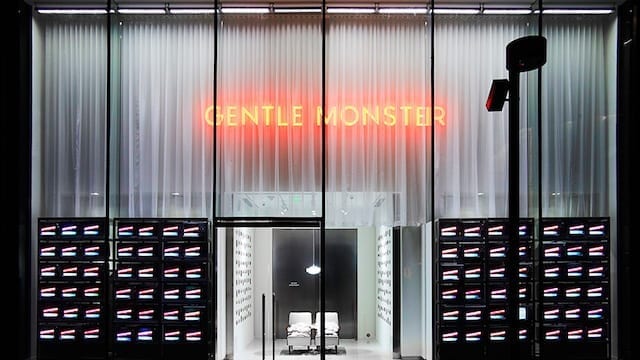
    Gentle Monster has unveiled another flagship concept in Shenyang, China after launching the “Memory” theme in Hangzhou last month.

    Themed “New Normal”, the Korean eyewear retailer’s new store in Shenyang is inspired by the idea of how AI will be “deeply embedded in human life.” The story behind the new concept, according to the company, is “the upcoming future where AI is no longer a strange concept, but a ‘New Normal’.”

    When entering the store, visitors will see a sculpted “AI shepherd”, keeping an eye over his sheep.

    “With more data collection, this AI shepherd is able to nurture the herd with more care than the past generations,” Gentle Monster explained. “The space past him exhibits the advanced technology of monitoring devices used to detect potential danger to guard the sheep.”

    Several artworks are featured on the store’s walls and floors. The Gentle Monster Shenyang store also houses a lion head sculpture in gold and dark blue-grey colors.

    “The Gentle Monster Shenyang store embodies the brand’s evolving identity, and visitors will be able to experience the future world where the ‘New Normal’ dominates the norm,” the company said.

    The store extends the technology theme of Gentle Monster’s new flagships. The Hangzhou store ‘Memory’ explores the concept of future technology restoring lost memories.

  • Apple Inc. Continues To Bet Big On China, To Open 29th Store

    Apple Inc. Continues To Bet Big On China, To Open 29th Store

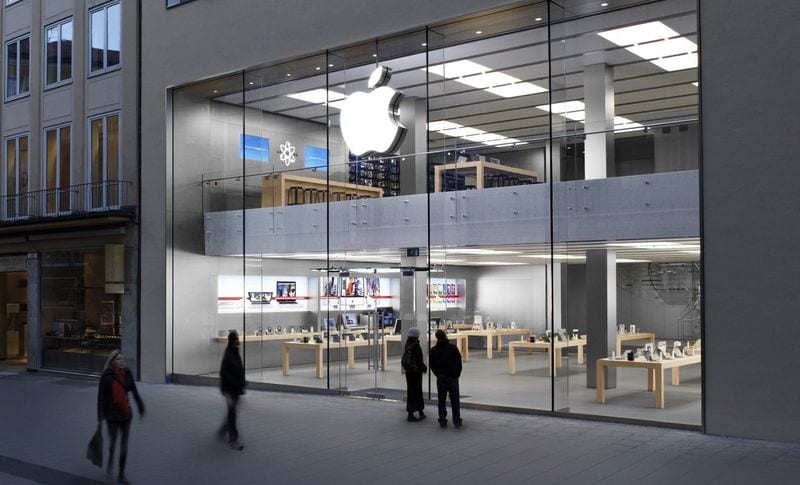
    Apple Inc. continues to bet big on China. It did so last year, and is doing so this year also. The US firm will open its 29th retail store in Shenyang – capital city of Liaoning – on January 9. The store will be in the MixC shopping mall at 288 Qingnian Street in Shenyang’s Heping District.

    Apple is expanding its footprint in China at a very aggressive pace under retail chief Angela Ahrendts, and has opened new stores in Nanning on December 12, Beijing on November 28 and Chengdu on November 21. In 2015, the US firm also opened retail stores in Chongqing, Hangzhou, Hong Kong, Nanjing and Tianjin.

    Apple Inc's Apple Store NASDAQ:AAPL

    Apple’s new store will be open on all five days from Monday to Sunday between 10 a.m. and 9:30 p.m. local time, and will offer traditional Apple Store services. At the same time, it will include the Genius Bar, Workshops, JointVenture, events and seminars. This new store in Shenyang will be the company’s 25th retail store in mainland China, and it already operates four retail stores in Hong Kong.

    Magic fading in China?

    Apple Inc. has been generating huge revenue from China on YoY basis. In the past three years, China has contributed 23%, 41% and 53% to Apple’s total revenue. In fiscal 2015, China for the first time overtook Europe, in terms of revenue. Despite the impressive growth, there are many who believe economic slowdown in the region will impact the iPhone sales.

    However, CEO Tim Cook says there is no issue at all. A few months back, Cook gave reasons for his stance, saying, “if I were to shut off my web and shut off the TV and just look at how many customers are coming in our stores regardless of whether they’re buying, how many people are coming online, and in addition looking at our sales trends, I wouldn’t know there was any economic issue at all in China.”

    But, two indices suggests, that Apple sales in China may not witness the growth it has seen in the last few years. These two indices are – drop in quarter-on-quarter sales in Greater China and an erosion of Apple’s overall market share, said an earlier report from Bloomberg. In the last quarter of fiscal 2015, Apple witnessed a 5.4% drop in revenue versus the prior quarter.

    In the Q2 this year, Apple Inc.’s smartphone market share in the region dropped to 7.7% from 10.8% in the previous quarter, as per the data from Bloomberg Intelligence. This may suggest that Apple’s magic in China may be fading.

  • ShenYang MixC Mall opens

    ShenYang MixC Mall opens

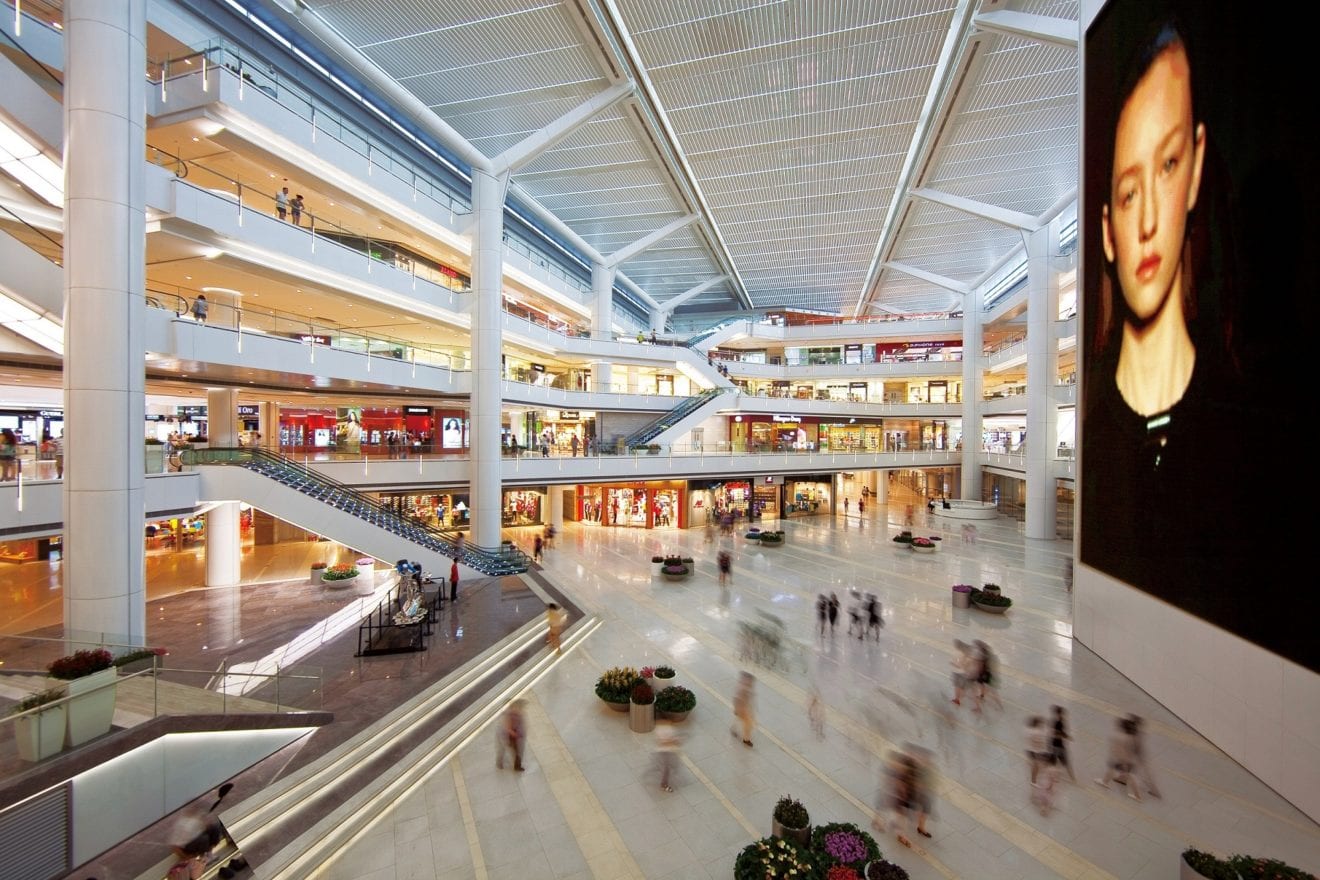
    CR Land recently celebrated the opening of its ShenYang MixC Mall in China’s Liaoning Province.

    The centre’s opening completed a 30 month design and delivery partnership with The Buchan Group’s Shanghai studio.

    MixC Mall in Shenyang 2

    “CR Land’s design brief was to attract the local office and residential communities, particularly Gen Y and young families, by providing an elegant and efficient mall design that would also function as ‘a place to celebrate,’” said principal David MacLeod.

    “This allowed us to be more playful with our built forms and lighting when designing the interiors.”

    MixC Mall in Shenyang 1

    As a result, The Buchan Group was able to integrate strong ceiling, lighting and floor patterning to provide precinct differentiation, as well as creating a bold, unified design intent that tied the elongated centre together.

    The five-level ShenYang MixC Mall is anchored by a major entertainment and food precinct at the uppermost level, and extends two levels below ground to a fast fashion precinct connected to basement car parking and MRT hub, making the mall the major component in one of the largest mixed–use projects in the city.

    The Buchan Group provided integrated interior architecture and interior design services to all public mall areas, as well as a number of specialised customer service facilities.