Retail News CRM

Tag: Shift

  • Mangosteen Dethrones Durian: The Fruit Price Shift in Malaysia

    Mangosteen Dethrones Durian: The Fruit Price Shift in Malaysia

    In Malaysia, the locally adored fruit known as Mangosteen, often referred to as the “queen of fruits,” is becoming more costly than durians due to a shift in agricultural trends causing a decrease in supply. Prices for the locally cultivated Mesta variety of mangosteen, also known as the Japanese mangosteen, have risen to approximately RM20 per kilogram. In contrast, the price for the highly popular Musang King durian has fallen to around RM16.80 per kilogram.

    Availability and Promotions

    Numerous durian varieties, such as D13 and Red Prawn, are presently readily available, with prices as low as RM5 per fruit. One fruit seller, Walter Chew, says that they even have “buy one, get one free” promotions going on. According to Chew, the reason behind the decrease in durian prices is due to an increase in supply caused by a “mini season” which started approximately two weeks ago. This season introduces durians from several areas in Johor, Malaysia’s southernmost state.

    In contrast, the local supply of mangosteens has been inconsistent and limited, Chew points out. Another fruit seller, Yong Boon Sing, added that most mangosteens available on the market are now imported from Thailand and Indonesia.

    Changes in Supply due to Farming Shift

    Over the years, the supply of durians in Malaysia has increased as the fruit’s production and economic contribution have grown. In 2025, durian exports to China, the world’s largest durian market, reached a staggering $37.2 million. Malaysian durians are seen as premium produce, commanding much higher prices than those of regional competitors, averaging $12,138 per tonne as compared to $4,239 for Thai and $3,739 for Vietnamese fruits.

    The popularity of durian has also sparked a boost in tourism as more and more travelers plan their trips around harvest seasons, visiting orchards to taste different varieties and partake in experience-driven packages.

    Data has shown that durian plantations in Malaysia expanded from over 163,000 acres in 2016 to more than 227,000 acres by 2024. During this period, yields almost doubled to over 568,000 tonnes. The exponential increase in supply has consequently driven prices down. The Musang King durian, which was once sold for as much as RM100 per kilogram, has seen prices drop by about 80%.

    Mangosteen trees are often grown alongside durians as an additional source of revenue and for creating a more balanced farm ecosystem. As a result, mangosteen has traditionally been available during the durian season, with the two fruits commonly enjoyed together. However, Yong notes that many new durian farm owners have recently cut down mangosteen trees as their foliage can block sunlight and limit rain reaching the durian roots. This has led to a decline in mangosteen production and, subsequently, an increase in prices.

    Nor Sam Alwi, director-general of the Department of Agriculture, stated that mangosteen production declined from 23,297 tonnes in 2020 to 22,073 tonnes in 2023. She attributed this to the crop’s lengthy juvenile phase, which lasts over six years until it reaches full production. This has made it less attractive for investment, especially when compared to more profitable crops like durian.

    Alwi, however, also noted that yields have been impacted by several factors, including weather changes and increased vulnerability to certain physiological disorders. Preliminary data for 2024 indicates a potential recovery in output.

    Chin Nyuk Moy, the president of the Kuala Lumpur Fruit Wholesalers’ Association, stated that the days when mangosteen was readily available during durian season are mostly over. “Some orchards in Raub still grow the Japan variety, but those days are mostly over.”

    Questions & Answers

    Why has there been a decrease in the supply of mangosteens?
    This is mainly due to new durian farm owners cutting down mangosteen trees as their foliage can block sunlight and limit rain from reaching durian roots. Also, the crop’s long juvenile phase discourages investment.

    What is the current situation for durian exports?
    Durian exports, especially to China, are flourishing. In 2025, durian exports to China reached $37.2 million. Malaysian durians are seen as premium produce and command much higher prices than those of regional competitors.

    How has the shift in farming trends affected the prices of durians and mangosteens?
    The increase in durian supply has led to a decrease in prices. In contrast, the decrease in mangosteen production has led to an increase in prices due to its limited availability.

  • Air China Soars Back to North Korea After Six-Year Hiatus: A Positive Shift Towards Open Borders

    Air China Soars Back to North Korea After Six-Year Hiatus: A Positive Shift Towards Open Borders

    After a six-year break, Air China has reinstated direct flights from Beijing to Pyongyang. This comes as another indication that North Korea is gradually becoming more accessible, following the reestablishment of train services between the two capitals.

    Resumption of Flight Services

    Air China’s Flight CA121 took off from Beijing Capital Airport at 7:58 a.m. and touched down at Pyongyang’s Sunan International Airport at 10:37 a.m. The aircraft used for the journey was a Boeing 737-700, which has a passenger capacity of up to 128. However, only individuals with business or study purposes or those with special reasons are currently allowed to undertake the cross-border trip.

    Chinese ambassador to North Korea, Wang Yajun, along with other Chinese diplomats, welcomed the passengers upon their arrival at the airport.

    Passenger Perspectives

    Among the passengers ready to embark on the flight was business traveler Zhao Bin, who conveyed positive sentiments about the resumption of services. He anticipates that the increased availability of transportation options will enhance travel and communication between the two countries. Zhao, a frequent visitor to North Korea, said that the renewed flight service will significantly benefit those who regularly journey between Beijing and Pyongyang.

    In addition, Zhao expressed his eagerness to explore North Korea’s diverse culinary scene and looked forward to the potential strengthening of relations between the two nations due to increased exchange.

    Implications for Tourism

    The cost of economy class tickets for the flight was around $200. A return flight from Pyongyang is planned for midday.

    While this is a promising step, there is still no clear information regarding the resumption of tourism for Western visitors. Before the pandemic, Chinese tourists made up the majority of foreign visitors in North Korea, with approximately 350,000 in 2019, making it a significant source of revenue for Pyongyang.

    By contrast, around 5,000 Western tourists visited North Korea annually from 2009, with U.S. citizens making up 20% of these numbers.

    Slow Reopening

    North Korea has been slower in reopening its borders fully compared to China. The country resumed direct flights and train services with Russia last year, and state carrier Air Koryo reinstated flights from Beijing to Pyongyang in 2023.

    Questions & Answers

    What is the capacity of the Boeing 737-700 used for the flight between Beijing and Pyongyang?
    The Boeing 737-700 used for the flight can accommodate up to 128 passengers.

    Who are currently allowed to travel between Beijing and Pyongyang?
    Only individuals traveling for business or study purposes or those with special reasons are currently allowed to undertake the cross-border trip.

    How many Chinese tourists visited North Korea before the pandemic?
    Before the pandemic, Chinese tourists made up the majority of foreign visitors in North Korea, with approximately 350,000 in 2019.

  • Mideast Strife Spurs Safe Haven Flows: DBS Reports Investor Shift Amid Iran Conflict

    Mideast Strife Spurs Safe Haven Flows: DBS Reports Investor Shift Amid Iran Conflict

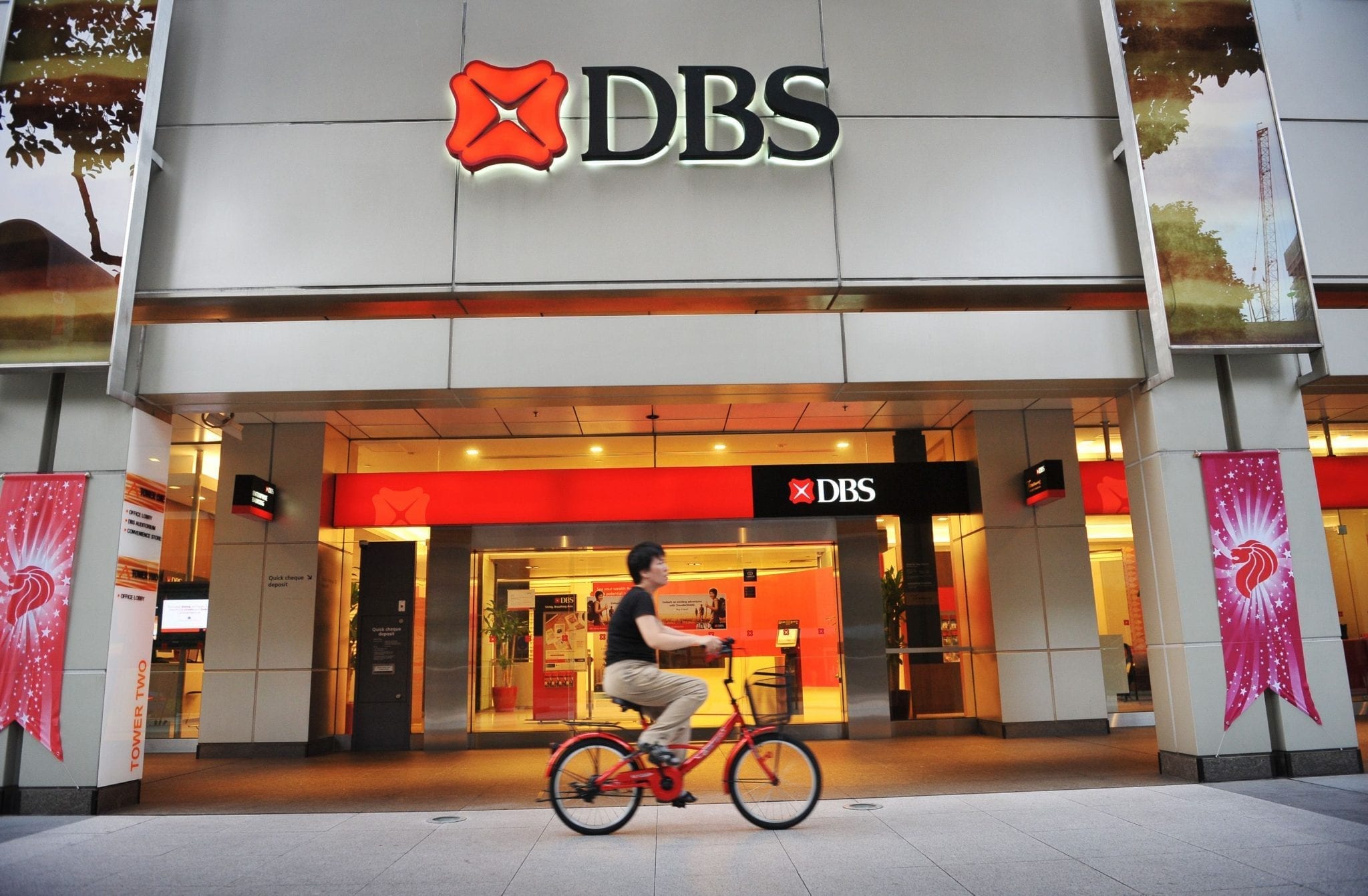
    As the conflict in the Middle East escalates, DBS, a Singapore-based bank, is observing a significant rise in safe haven flows, leading to an increase in deposit growth. However, this development could also lead to a downward trend in Singapore’s interest rates. Market volatility, while potentially beneficial for trading income, may adversely impact investor sentiment and activities in wealth management.

    DBS addressed the potential risks that could arise from the increased turbulence in the Middle East, asserting that it employs a robust system of frameworks and processes to monitor and manage potential risks. This system encompasses stringent customer selection, proactive risk scenario planning, early warning indicators, watchlisting, and regular stress testing.

    DBS reassured that despite the unpredictable outcome of the ongoing events in the Middle East, their robust liquidity, solid capital position, and comprehensive general allowance buffers, in combination with their proven adaptability, will allow them to effectively navigate the risks and seize potential opportunities.

    Questions & Answers

    What is the impact of the Middle East conflict on DBS?
    DBS is seeing an increase in safe haven flows leading to deposit growth. However, they also foresee potential downward pressure on Singapore’s interest rates and note that market volatility could affect wealth management activity and investor sentiment.

    What measures does DBS take to manage potential risks?
    DBS employs a comprehensive system that includes rigorous customer selection, proactive risk scenario planning supported by early warning indicators, watchlisting, and regular stress testing to monitor and manage potential risks.

    How is DBS positioned to handle the uncertain outcome of the Middle East conflict?
    DBS reassures that its robust liquidity, solid capital position, and substantial general allowance buffers, coupled with their proven agility, will place them in a strong position to navigate risks and capitalize on opportunities arising from the situation.

  • UBS Unveils New Managing Directors: A 11% Drop from Last Year Reveals Strategic Shift

    UBS Unveils New Managing Directors: A 11% Drop from Last Year Reveals Strategic Shift

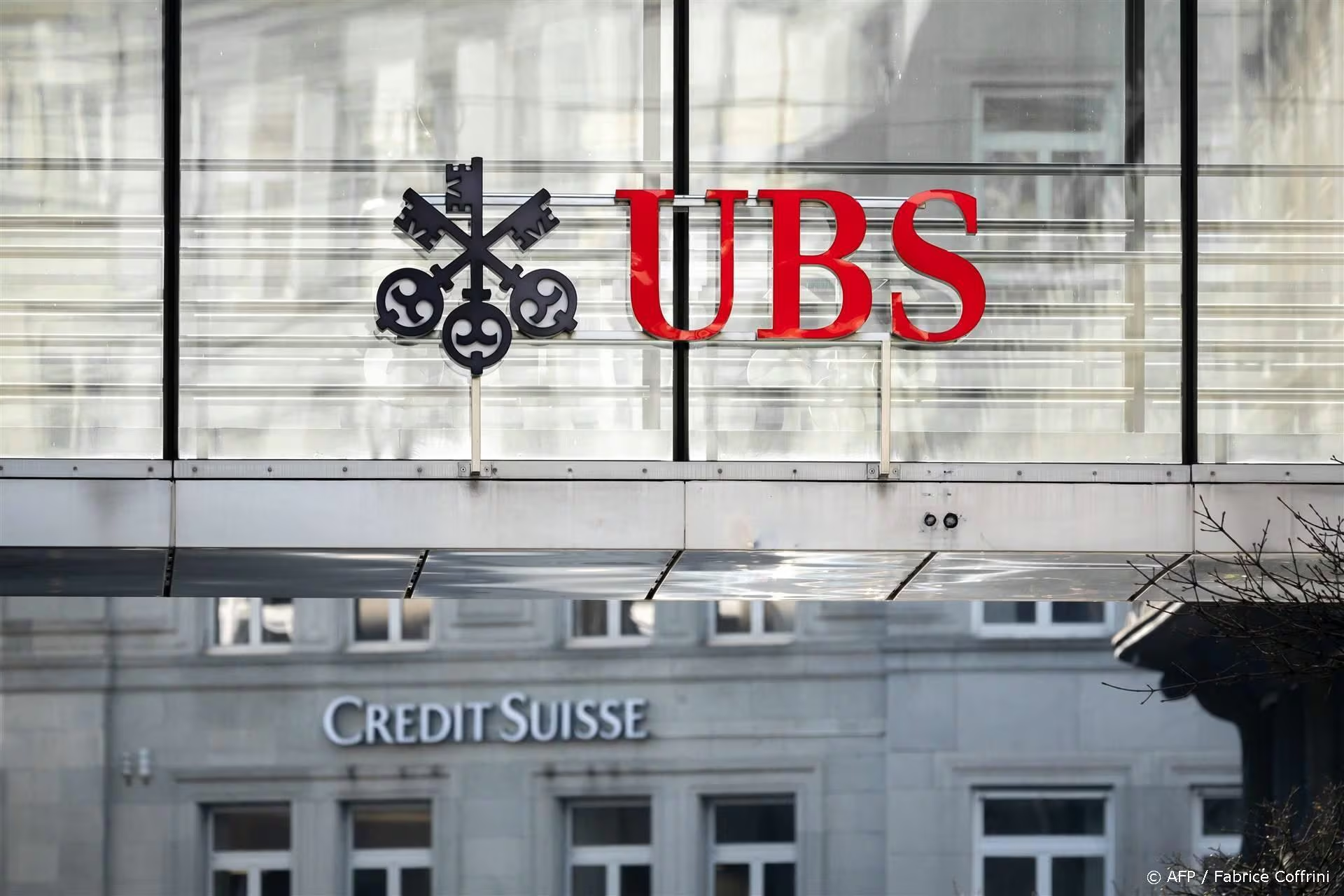
    UBS, the banking behemoth based in Zurich, has unveiled its new cohort of managing directors. With a total of 155 appointments, this year’s list is smaller than the preceding year’s, representing an 11% drop from the 174 managing directors appointed last year.

    The geographic distribution of the new managing directors reveals a global spread. Switzerland had the highest number, with 43 individuals, closely followed by the Asia Pacific region, which had 40. Europe, the Middle East, and Africa had a combined total of 36, as did the Americas. In a noteworthy mention, 92 financial advisors in the Americas have been elevated to the position of managing director within the wealth management division.

    In a statement from the bank, it was noted that the new managing directors embody the robust culture of the institution, as well as uphold the three key tenets of success. The bank emphasized the pivotal role these directors will play in strengthening the firm. The efforts will focus on consolidating the bank’s industry-leading position and delivering superior value for its clients.

    Questions & Answers

    How many new managing directors have been appointed by UBS this year?
    UBS has announced the appointment of 155 new managing directors.

    How does this year’s number of new managing directors compare to last year?
    This year has seen an 11% decrease in the number of managing directors compared to the previous year, which had 174 appointments.

    Which regions have the most significant number of new managing directors?
    Switzerland leads with 43 appointments, followed by Asia Pacific with 40, and Europe, the Middle East and Africa, and the Americas, each with 36.

  • AI Revolution in Singapore’s Fintech Sector Fuels Shift in Employment Strategies: A Deep Dive into the 2025 Talent Report

    AI Revolution in Singapore’s Fintech Sector Fuels Shift in Employment Strategies: A Deep Dive into the 2025 Talent Report

    Singapore’s financial technology (fintech) industry is advancing into a new phase of sophistication. This phase is characterized by the embracement of artificial intelligence (AI), the introduction of stricter regulations, and an increasing focus on regional expansion. Consequently, industry players are radically reassessing their strategies for talent acquisition, development, and retention in response to a surge in AI-related roles.

    Emerging Trends

    There has been a marked 40% year-on-year increase in the demand for AI-related roles. As a result, fintech companies are ramping up their hiring of AI engineers, data scientists, and MLOps specialists. However, technical competence, while important, is not the sole criterion in the selection process. Employers are now placing greater emphasis on soft skills.

    A study conducted by the Singapore Fintech Association (SFA) and Page Executive indicates this shift in hiring preferences. The study revealed that 92% of employers rank communication and teamwork as the most crucial factors for success, ranking higher than academic qualifications. Moreover, 85% of employers consider adaptability and learning agility as vital in an AI-driven work environment.

    Upskilling Trends

    Despite a significant majority (90%) of job applicants possessing at least a bachelor’s degree, there is a growing trend towards continuous professional development in the sector.

    Approximately one quarter of professionals are enrolled in online courses, particularly in AI, data analytics, and advanced Excel. This trend reflects a deeper commitment to upskilling in order to remain competitive.

    Evolving Workforce Models

    Singapore continues to serve as the mainstay of Asia’s fintech ecosystem, hosting about a third of all fintech teams within the region. Nevertheless, as companies scale across the ASEAN market, they are adopting more integrated onshore-offshore operating models.

    While 71% of fintech companies still prioritize local hiring for strategic functions including compliance, enterprise sales, and regulatory roles, regional expansion is leading to more geographically dispersed workforce structures. As we look ahead to 2026, 32% of organizations plan to boost their workforce, and 21% anticipate an expansion in contract and freelance roles. Additionally, 22% are investing in upskilling and reskilling initiatives to address emerging skills gaps.

    Pay and Rewards

    The report underscores a growing gap in expectations surrounding remuneration. While 67% of fintech professionals regard salary as the primary reason for job changes, 70% of employers predict that cost optimization and budget constraints will influence hiring strategies in the coming year.

    AI, cloud, and compliance specialists are enjoying salary premiums of between 20 and 35 percent. This has led companies to increase their investment in training. Over 70% of companies are financing certifications and structured learning programs, with more than half viewing professional development as an essential tool for employee retention.

    Strategies for Fintech Employers

    The report provides four key recommendations for organizations:

    1. Adopt a skills-first hiring approach that balances adaptability with technical depth.
    2. Enhance the employee value proposition by achieving a balance between remuneration, purpose, career progression, and flexibility.
    3. Develop leadership pipelines and prioritize critical roles.
    4. Invest in training and mentorship programs to create a future-ready workforce.

    Questions & Answers

    What skills are increasingly in demand in the fintech sector?
    Demand for AI-related roles like AI engineers, data scientists, and MLOps specialists has climbed by 40 percent year-on-year. However, alongside technical skills, employers are also valuing soft skills like communication, teamwork, adaptability, and learning agility.

    What trends are emerging in terms of upskilling in the fintech sector?
    Almost 25% of professionals are enrolled in online programs, focusing on AI, data analytics and advanced Excel. This reflects a growing commitment to continuous learning and upskilling in the sector.

    What is the future outlook for hiring in the fintech sector?
    Looking ahead to 2026, 32% of organizations plan to increase their workforce. Another 21% expect to expand contract and freelance roles, while 22% are investing in upskilling and reskilling initiatives to bridge emerging skills gaps.

  • Fore Coffee Diversifies Into Donut Market, Taps Into Indonesia’s Rising Demand For Premium Baked Goods

    Fore Coffee Diversifies Into Donut Market, Taps Into Indonesia’s Rising Demand For Premium Baked Goods

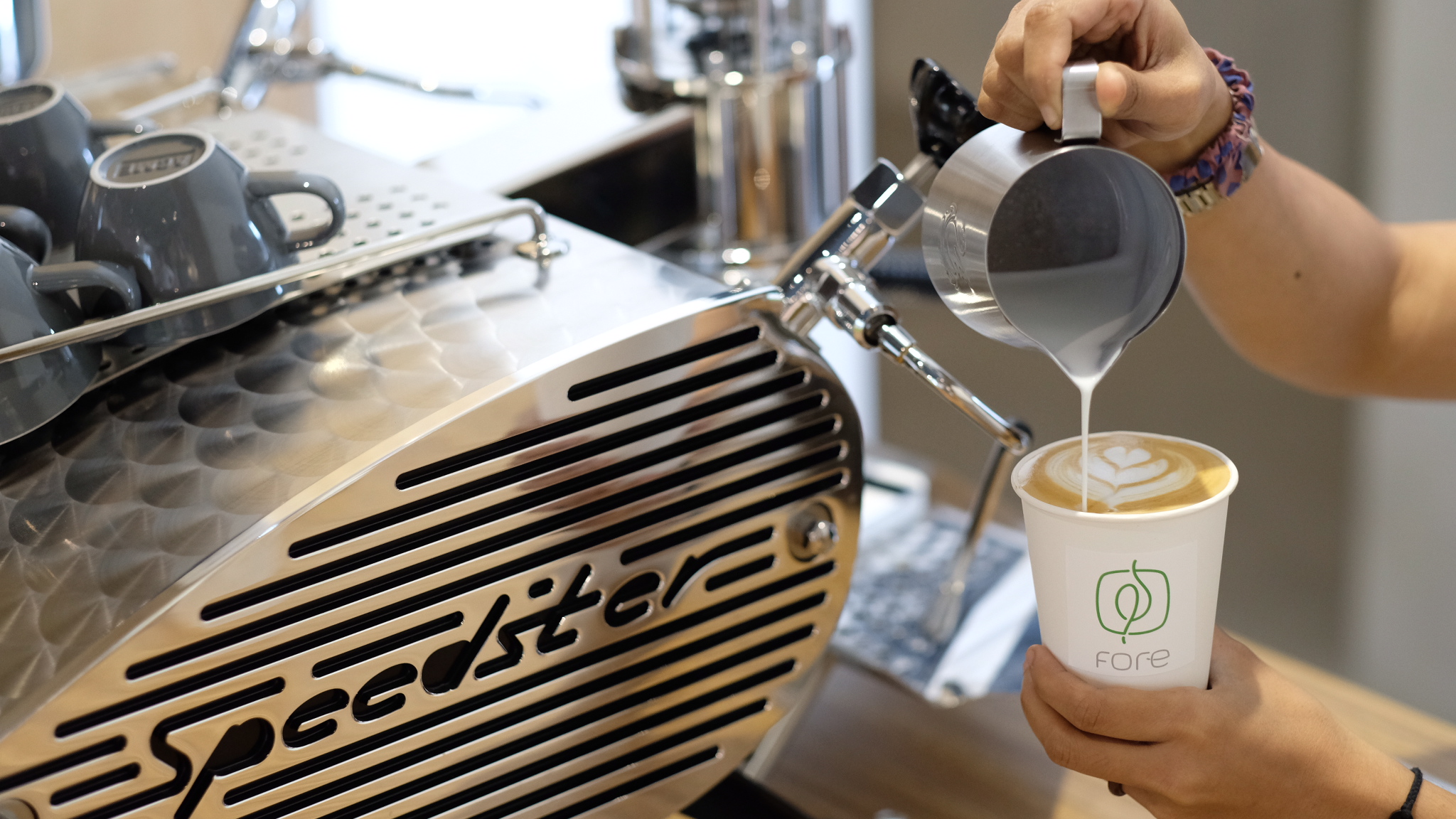
    Fore Coffee, the Indonesian F&B retailer, is set to diversify into the donut market, inaugurating their inaugural Fore Donut outlet at Supermal Karawaci, Tangerang.

    Capitalising on Premium Baked Goods Market

    The strategic move into donuts is a bid to leverage the increasing demand for upscale baked items within Indonesia. Market forecasts for the country’s donut sector suggest significant growth, with projected revenues to more than double from $213 million in 2024, to over $518 million by 2030. These predictions were disclosed by internal data from the brand.

    Fore Donuts Expansion Plan

    Fore Donut has ambitions to open at least three more outlets throughout this year. The first outlet boasts a selection of over ten artisanal donuts that blend international and local flavors, including the popular Ayam Pop.

    Discussing the brand’s philosophy, Lomar, a representative from Fore Donut, emphasized the significance of craftsmanship and integrity in their products. “Each donut is handmade using straightforward, natural ingredients, mirroring our dedication to quality and transparency,” Lomar stated.

    The representative continued, “We are convinced that true indulgence lies in care and simplicity, ensuring every morsel is not just tasty, but also uplifting. This philosophy permeates our operations, allowing us to elevate the everyday donut into something genuinely extraordinary.”

    Fore Coffee’s Growth

    Established in 2018, Fore Coffee has rapidly expanded its retail footprint, operating 261 outlets across Indonesia and Singapore. The company registered robust financial growth in the fiscal year 2024, attributed primarily to its assertive retail expansion and a comprehensive omnichannel strategy.

    Questions & Answers

    What is Fore Coffee’s latest venture?
    Fore Coffee is diversifying into the donut market with their new offshoot, Fore Donut.

    What market trend is Fore Donut capitalizing on?
    Fore Donut is capitalizing on the growing demand for premium baked goods in Indonesia.

    What is the projected growth for the donut market in Indonesia?
    The donut market in Indonesia is projected to more than double from $213 million in 2024 to over $518 million by 2030.

  • Commonwealth Bank of Australia Sells Stake in Bank of Hangzhou: A Strategic Shift Unveiled

    Commonwealth Bank of Australia Sells Stake in Bank of Hangzhou: A Strategic Shift Unveiled

    The world of retail is buzzing with excitement as companies navigate the competitive landscape, continually seeking innovative strategies to engage consumers. Businesses are not only looking for traditional advertising avenues; they are harnessing the power of digital platforms and live events to foster connections and showcase their brand narratives.

    The Power of Advertising

    In this dynamic climate, retailers are discovering creative ways to communicate with their target audiences. From vibrant print campaigns to impactful digital marketing strategies, the opportunities are vast. Partnering with expert teams can amplify these efforts, ensuring that the subtleties of brand messaging resonate authentically.

    Engaging Through Events

    Additionally, the retail space is becoming a hub for events—both in-person and online—where brands can engage with consumers in unique ways. Organizing such gatherings enables companies to bring together thought leaders and industry trailblazers. These interactions not only foster collaboration but also pave the way for potential partnerships. It’s a win-win situation, where brands can shine and forge vital connections.

    Celebrating Success

    What’s more, awards programs are emerging as a beacon for recognizing excellence in the retail sector. Companies have the opportunity to not only participate but also sponsor these accolades, reinforcing their commitment to innovation and quality in the industry. It’s the perfect moment to not just be in the spotlight but to dazzle it!

    All of these strategic endeavors are designed to help businesses navigate the consumer landscape more effectively, enhancing their overall market presence. In a world where retail competition is fierce, wouldn’t it be fabulous to outshine the rest?

    Questions & Answers

    What advertising options are available for retailers?
    Retailers can utilize a mix of print and digital advertising, leveraging partnerships with experienced teams to create vibrant campaigns.

    How can live events benefit a retail brand?
    Live events foster connections with consumers and enable brands to engage with industry leaders, creating collaboration opportunities that can enhance business growth.

    What is the significance of awards programs in retail?
    Awards programs provide a platform for brands to showcase their achievements, solidifying their reputation for excellence and innovation within the industry.

  • Philippines Sees Nearly 21% Decline in Rice Imports: A Shift in Agricultural Landscape

    Philippines Sees Nearly 21% Decline in Rice Imports: A Shift in Agricultural Landscape

    The Philippines is witnessing a notable shift in its rice import landscape, as the archipelago’s imports fell sharply to 1.7 million tons within the first five months of 2025. This represents a significant decline of 20.9% compared to the same period last year.

    Domestic Production on the Rise

    A contributing factor to this decrease is a slight improvement in domestic rice production, which reached 4.69 million tons in the first quarter of 2025. This is a modest increase from the 4.68 million tons produced during the same quarter a year prior. Despite this short-term dip in imports, the United States Department of Agriculture (USDA) forecasts that the Philippines will continue to hold its position as the world’s largest rice importer in 2025. The USDA anticipates imports to climb to 5.4 million tons, with a further increase to 5.5 million tons expected in 2026. The driving forces behind this expected rise include a growing population, increased tourism, and the enduring role of rice as a staple in the Filipino diet.

    Government Initiatives to Stabilize Prices

    In light of these trends, the Philippine government is taking proactive measures to stabilize rice prices and ensure they remain accessible to consumers. An executive order signed in June 2024 reduces the tariff on imported rice to 15%, a rate that will remain in effect until 2028, with periodic assessments every four months.

    Agriculture Secretary Francisco Tiu Laurel Jr. has hinted that the Department of Agriculture may propose a gradual hike in import tariffs during the upcoming harvest season. This initiative aims to bolster support for local farmers while managing the influx of imported rice, showcasing the country’s commitment to balancing domestic agricultural productivity with the need for imports to meet national consumption demands.

    In a twist of fate, while the country may be reducing its rice imports, it certainly isn’t skimping on its love for this beloved staple!

    Questions & Answers

    What are the main reasons for the decrease in rice imports in the Philippines?
    The decrease is primarily due to a slight increase in domestic rice production, which rose to 4.69 million tons in early 2025, providing a modest buffer against imports.

    How much rice does the USDA expect the Philippines to import in the coming years?
    The USDA projects that rice imports will reach 5.4 million tons in 2025 and increase to 5.5 million tons in 2026, positioning the Philippines as the leading rice importer globally.

    What measures is the Philippine government taking to stabilize rice prices?
    The government has reduced the tariff on imported rice to 15% under an executive order, effective until 2028, while considering gradual increases in tariffs to support local farmers amidst rising import needs.

  • Diverse Product Options Shift Brand Loyalty Landscape in Vietnam

    Diverse Product Options Shift Brand Loyalty Landscape in Vietnam

    Kantar data shows Vietnam’s surge in options fuels consumers’ shifting brand preferences.

    In Vietnam, brand loyalty is becoming a relic of the past as consumers grow increasingly price-sensitive, a trend fueled by inflation and an explosion of choices. Peter Christou, General Manager of Kantar Vietnam’s Worldpanel Division, notes that shoppers are re-evaluating their brand allegiances, complicating efforts for companies to win their hearts.

    “Brand loyalty is being challenged not because consumers don’t care, but because they wield more power, face greater pressure, and encounter an unprecedented array of options,” Christou remarked. As economic pressures intensify, Vietnamese shoppers are opting for budget-friendly decisions, making it imperative for retailers to pivot.

    Kantar’s analysis reveals that the number of products on the market has doubled in the past decade, yet the success rate of these new offerings has plummeted by half. This paradox underscores the need for retailers to rethink their strategies in a landscape where standing out is tougher than ever.

    The evolution of online, offline, and hybrid shopping channels has transformed the way consumers engage with the market. “I can now explore so many shopping avenues—online and offline—which makes comparing deals and prices incredibly easy,” Christou emphasized.

    Retailers are now navigating a reality in which brand loyalty is elusive. Christou offers a roadmap for survival in this “low loyalty environment,” suggesting that retailers prioritize a data-driven approach, a deep understanding of consumer needs, and the delivery of personalized value.

    Looking into the future, Christou identifies key e-commerce trends that retailers must monitor closely. He highlights the burgeoning realm of social commerce platforms like TikTok, the significance of hyper-personalization driven by AI, the increasing appetite for quick commerce, and the prospective impact of augmented and virtual reality on the retail experience.

    In a world where shoppers are armed with options like never before, the question remains—how will retailers evolve to keep pace?

    Questions & Answers

    What is driving the decline in brand loyalty in Vietnam?
    The decline in brand loyalty is primarily driven by inflation, price sensitivity, and an explosion of choices available to consumers.

    What does Kantar’s data indicate about the proliferation of products in Vietnam?
    Kantar’s data suggests that while the quantity of products has doubled in the last decade, the success rate of these products has halved, indicating fierce competition for consumer attention.

    What future e-commerce trends should retailers in Vietnam be aware of?
    Retailers should monitor the rise of social commerce, the importance of hyper-personalization via AI, the demand for quick commerce, and the potential of augmented and virtual reality in the shopping experience.

  • Thailand Approves Incentives To Promote EV Shift

    Thailand Approves Incentives To Promote EV Shift

    Thailand’s cabinet on Tuesday approved a package of incentives including tax cuts and subsidies to promote a shift to electric vehicles (EVs) in Southeast Asia’s major auto production base, a government spokesperson said. The package for 2022-2025 is in line with a zero emission vehicle policy plus a goal to ensure 30% of Thailand’s total auto production are EVs by 2030, Thanakorn Wangboonkongchana told a news conference.

    In the first two years, the measures will focus on encouraging widespread domestic use of EVs by providing tax breaks and subsidies for imported models and those made locally, he said. In the last years of the package, the support will mainly be on promoting domestically produced EVs, while cancelling some benefits for imported models, Thanakorn said.

    “This is to encourage operators to accelerate the production of electric vehicles in the country to meet increasing demand,” he said. Thailand last year produced 1.7 million regular vehicles, for firms that include Toyota, Honda and Mitsubishi.

    Thanakorn did not give further details on the incentives, which he said would need to be worked out with the energy ministry. According to earlier media reports, the package will help reduce the price of each EV by between 70,000 baht ($2,165) and 150,000 baht ($4,638).

  • Bitcoin debit card makes cryptocurrency more accessible

    Bitcoin debit card makes cryptocurrency more accessible

    Coinbase has launched a debit card that enables US users to spend bitcoins anywhere Visa is accepted.

    The launch of a debit card – and the recognition of the currency by the Visa card system is further evidence that the new generation cryptocurrency is building momentum globally.

    The card is a result of a partnership between Shift Payments and Coinbase. The former aims to integrate multiple currencies into a single card, while the latter provides digital ‘wallets’ where 2.8 million users across the world go to for their bitcoin transactions. With a Shift Card, users can link their Coinbase account to a physical Visa debit card, which they can use to pay at participating stores in real life or online, wherever Visa is accepted (the team is also working on incorporating airline miles and other loyalty points.)

    For now, apart from the US$10 card issuance charge, there are small fees – domestic transactions fees from BTC to USD are charged at zero per cent, and ATM withdrawals are US$2.50.

    The Shift Card could make bitcoin more accessible, and counter its lack of usage, which is caused largely by the misconception among consumers that not many businesses accept it. (They’re wrong: 38 million merchants worldwide do).

    Unlike conventional currencies, cryptocurrency is an open network not controlled by any bank or government, but managed by its users. It is hoped that the system will provide a more democratic, transparent, and cheaper way to trade, upgrading the status quo, which some argue were not designed for the digital era.