Tag: shin-line group

  • Mom’s Touch Signs Master Franchise Deal for 50 Stores in Kazakhstan

    Mom’s Touch Signs Master Franchise Deal for 50 Stores in Kazakhstan

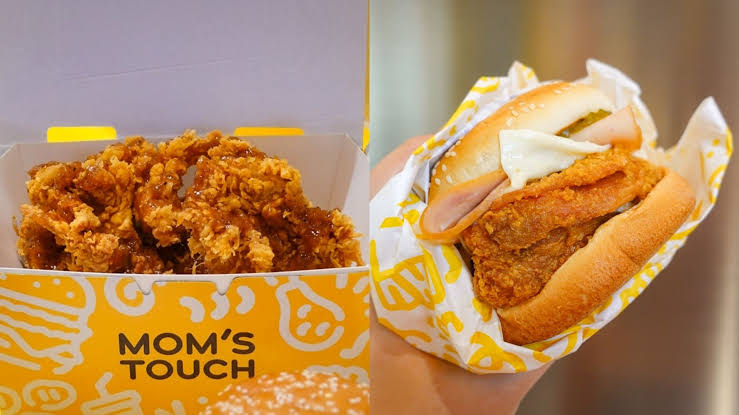
    South Korean fast-food brand Mom’s Touch signed a master franchise agreement with Shin-Line Group to open more than 50 restaurants across Kazakhstan over the next decade. The chain plans to launch its first flagship restaurant in the country before the end of 2026.

    The partnership gives Mom’s Touch exclusive development rights in Kazakhstan and includes territorial rights to expand into neighboring Kyrgyzstan. Shin-Line Group will oversee local real estate selection, operations and distribution across both Central Asian territories.

    Central Asian Franchise Structure

    Seoul-based Mom’s Touch, established in 1997, built its domestic business on made-to-order fried chicken and its core Thigh Burger sandwich. The master franchise framework shifts development risk and store capital expenditure directly onto Shin-Line Group, letting the Korean franchisor draw recurring royalty streams without funding store buildouts directly.

    Central Asia has emerged as an active proving ground for international fast-food chains seeking territory outside crowded East Asian capitals. For food and beverage operators in the region, teaming up with Shin-Line provides an existing logistics foundation in frozen foods and distribution that solves supply chain friction for quick-service poultry and bakery supplies.

    Supply Lines and Regional Risk

    Entering Kazakhstan requires managing long cold chains and securing quality poultry that matches parent company specifications. Franchisors taking this route depend entirely on the balance sheet and execution speed of their master franchisee, especially when consumer spending fluctuates against local currency pressures.

    Rival Korean food brands have focused primarily on Southeast Asia and North America to scale their offshore footprints. Taking a chicken concept into Central Asia tests whether Korean casual dining menus can secure repeat traffic against incumbent American burger giants already operating in major Kazakh hubs.

    Ten-Year Development Horizon

    The Korean quick-service brand spent recent years consolidating its domestic market presence before accelerating international franchise deals. Moving through local master partners has become its default model for international expansion, minimizing balance-sheet liabilities while testing brand appetite in emerging consumer markets.

    Attention turns to the exact launch date and location of the initial flagship store scheduled before the close of 2026. The pace of the subsequent rollout toward the 50-unit target will determine when Shin-Line exercises its development rights across the border in Kyrgyzstan.
  • South Korea Partners with Shin-Line on Food Cluster and 70 CU Stores

    South Korea Partners with Shin-Line on Food Cluster and 70 CU Stores

    South Korea’s food cluster agency signed a partnership on Tuesday with Kazakhstan’s Shin-Line Group to build an industrial food hub and expand bilateral market cooperation.

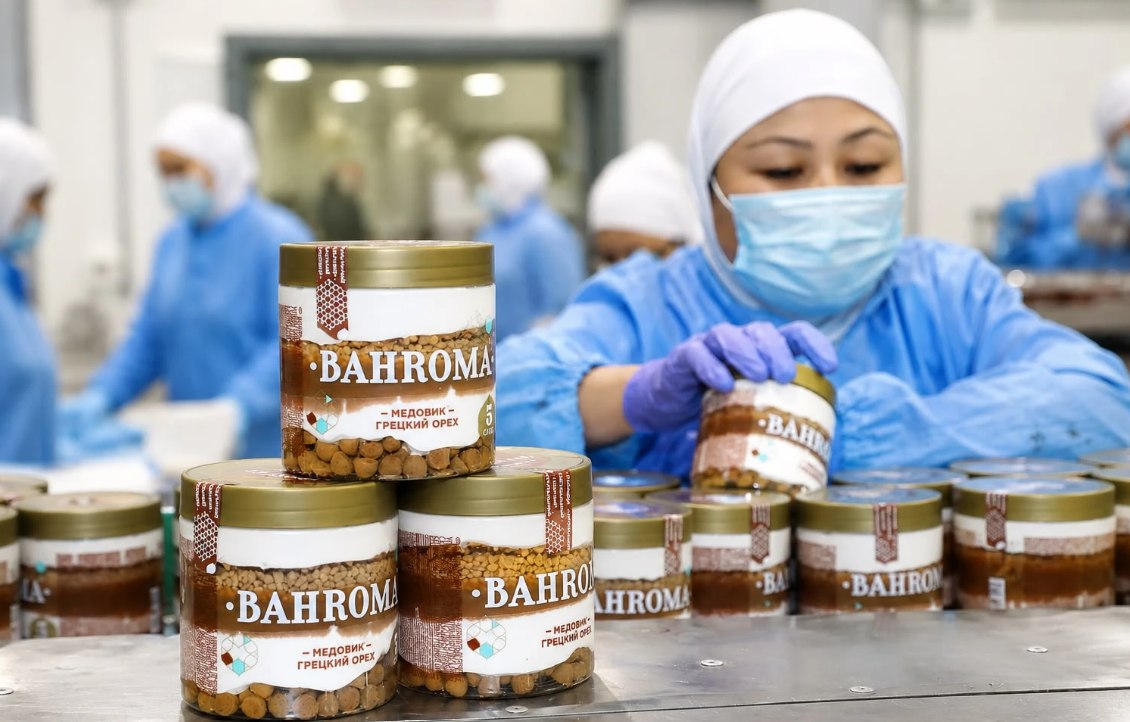
    The agreement opens a pathway for food producers from the National Food Cluster in Iksan to gain access to Central Asia’s largest ice cream manufacturer and its network of about 70 CU convenience stores.

    Advisory terms and network access

    Korea Food Industry Cluster Promotion Agency Chairperson Kim Deok-ho and Shin-Line Group Chairman Andrei Shin signed the memorandum of understanding at the Four Seasons Hotel in Seoul during the Korea-Kazakhstan Business Roundtable. Under the agreement, the Korean agency will consult on operating strategies, infrastructure planning, and enterprise support programs for the planned food cluster.

    Packaged goods made by tenants at South Korea’s National Food Cluster will flow directly into Shin-Line’s retail footprint. The company operates local production plants, cold-chain routes, and roughly 70 CU franchised convenience stores across Kazakhstan.

    Supply chains push into Central Asia

    For Korean packaged food manufacturers, the deal tackles their toughest operational bottleneck in Central Asia: shelf space and cold-chain logistics. Exporters entering Kazakhstan typically face fragmented wholesale channels and unpredictable refrigerated transport. Partnering with Shin-Line gives suppliers an immediate pipeline into modern convenience retail.

    Operational risk centers on product fit and price positioning. Central Asian consumers embrace Korean pop culture, but everyday convenience store spending remains sensitive to freight costs and local purchasing power. Shin-Line must balance higher-margin imported Korean inventory with high-turnover domestic staple foods. That balance keeps store traffic steady.

    Expanding the Iksan blueprint

    In North Jeolla Province, the Korean agency runs the National Food Cluster in Iksan, providing research, development, and pilot production support to domestic food processors. The Kazakhstan project exports that state-managed industrial model. It also secures captive export destinations for cluster tenants.

    This agreement provides an opportunity to expand food industry cooperation with Kazakhstan by drawing on our experience operating the National Food Cluster.

    Store counts and development timeline

    Teams from both sides will now set working schedules for technical consultations on the industrial park and outline vendor requirements for Korean exporters. The key early milestone is tracking how quickly National Food Cluster packaged lines reach shelves across Shin-Line’s 70 CU stores in Kazakhstan.