Tag: shoe

  • On Pioneers Rapid Shoe Production with Robot-Powered Factory Launch in South Korea

    On Pioneers Rapid Shoe Production with Robot-Powered Factory Launch in South Korea

    On Running, a sportswear brand, has recently launched an automated factory in Busan, South Korea where robots are used to manufacture running shoes. The company expresses its intent to establish more such factories in the United States and Europe to accelerate its production and delivery timelines.

    Embracing Nearshoring

    Due to rising tariffs, supply chain disruptions, and geopolitical risks, several retailers and brands are considering ‘nearshoring’. This involves shifting the manufacturing process closer to the final consumer. On Running aims to expedite shoe production, decrease its environmental footprint, and bring manufacturing closer to its main markets by embracing automation. This approach contrasts with the traditional footwear manufacturing model, which typically involves shipping finished products from factories in Southeast Asia and China to customers in the US and Europe.

    Caspar Coppetti, co-founder of On, believes that automation and nearshoring are the way forward. He cites the increasing speed to market, sustainability efforts, and the growing scarcity of regions with cheap labor as reasons to pursue this direction. At present, On sources 90% of its shoes from third-party manufacturers in Vietnam and the remaining 10% from Indonesia, as per their most recent annual report.

    Automated Manufacturing Expansion

    On Running first revealed its LightSpray marathon running shoe at the 2024 Paris Olympics. This innovative shoe is created by robot arms spraying material onto a mold to generate a sock-like upper. The company’s factory in Busan, equipped with 32 robots, marks a significant expansion from its initial automated factory in Zurich, which only has four robots and commenced production in July of the previous year.

    This new factory can manufacture approximately 1,000 pairs of shoes daily. The spray-on method simplifies the traditional upper manufacturing process, reducing a complex 200-step procedure across multiple factories to a single automated operation.

    On Running, established in Switzerland in 2010, plans to develop robot factories in the US in a bid to mitigate its tariff expenses. Steep tariffs introduced by the US on sportswear manufacturing hubs such as Vietnam and China have escalated costs and affected the industry significantly over the past year. The recent Supreme Court ruling against tariffs has added further uncertainty for retailers and importers.

    Competing with Industry Giants

    In the intense competition to produce the fastest marathon shoe, not just for elite athletes but also for amateur runners eager to beat their personal bests, On Running has promoted the LightSpray as a game-changer due to its light weight. Hellen Obiri, an On-sponsored athlete, wore the LightSpray when she triumphed in the New York Marathon last November.

    Questions & Answers

    What is the importance of ‘nearshoring’ for On Running?
    Nearshoring allows the company to speed up its manufacturing process, reduce its environmental impact, and bring production closer to its main markets.

    What is the LightSpray marathon running shoe?
    The LightSpray is an innovative shoe made with a robot arm spraying material onto a mold to create a sock-like upper. It is lauded for its light weight.

    Where are On Running’s automated factories located?
    On Running currently has automated factories in Busan, South Korea and Zurich, Switzerland. They plan to establish more such factories in the United States and Europe.
  • Hoka opens its first store in Vietnam

    Hoka opens its first store in Vietnam

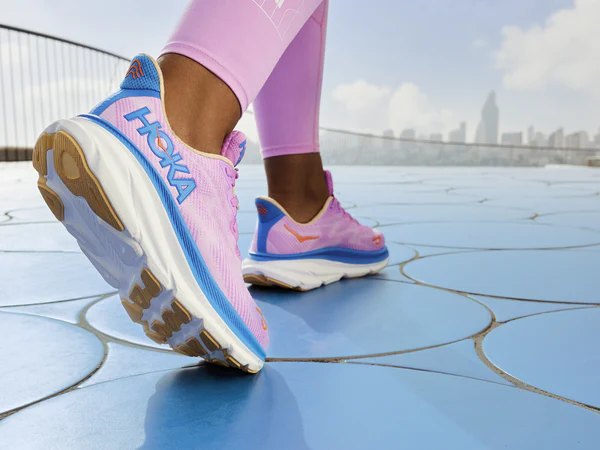
    Footwear retailer Hoka has launched a store in Vietnam, marking its first physical presence in the market.

    Located at Ho Chi Minh City’s Saigon Centre, the store is in partnership with distributor Central Brand & Specialty Group (CBS) and offers a full range of products, from road and trail running to street-ready styles.

    The shop features 3D foot-scanning technology, which analyses consumers’ foot shapes and offers personalised shoe recommendations.

    “We chose Saigon Centre – the most strategic and vibrant location in Ho Chi Minh City – because it not only reflects the position of a leading brand like Hoka, but also perfectly fits CBS’s commitment to enhancing everyday lifestyle,” said Ty Chirathivat, CEO of Central Brand & Specialty Group (CBS), during the brand’s opening ceremony.

    Hoka was first launched in Vietnam four years ago, sold through Supersports retail channels.

    Earlier this year, Hoka opened its Bondi 9 pop-up in Hong Kong to mark the latest generation of its ultra-cushioned road-running shoe.

  • Li Ning ready to buy Clarks footwear

    Li Ning ready to buy Clarks footwear

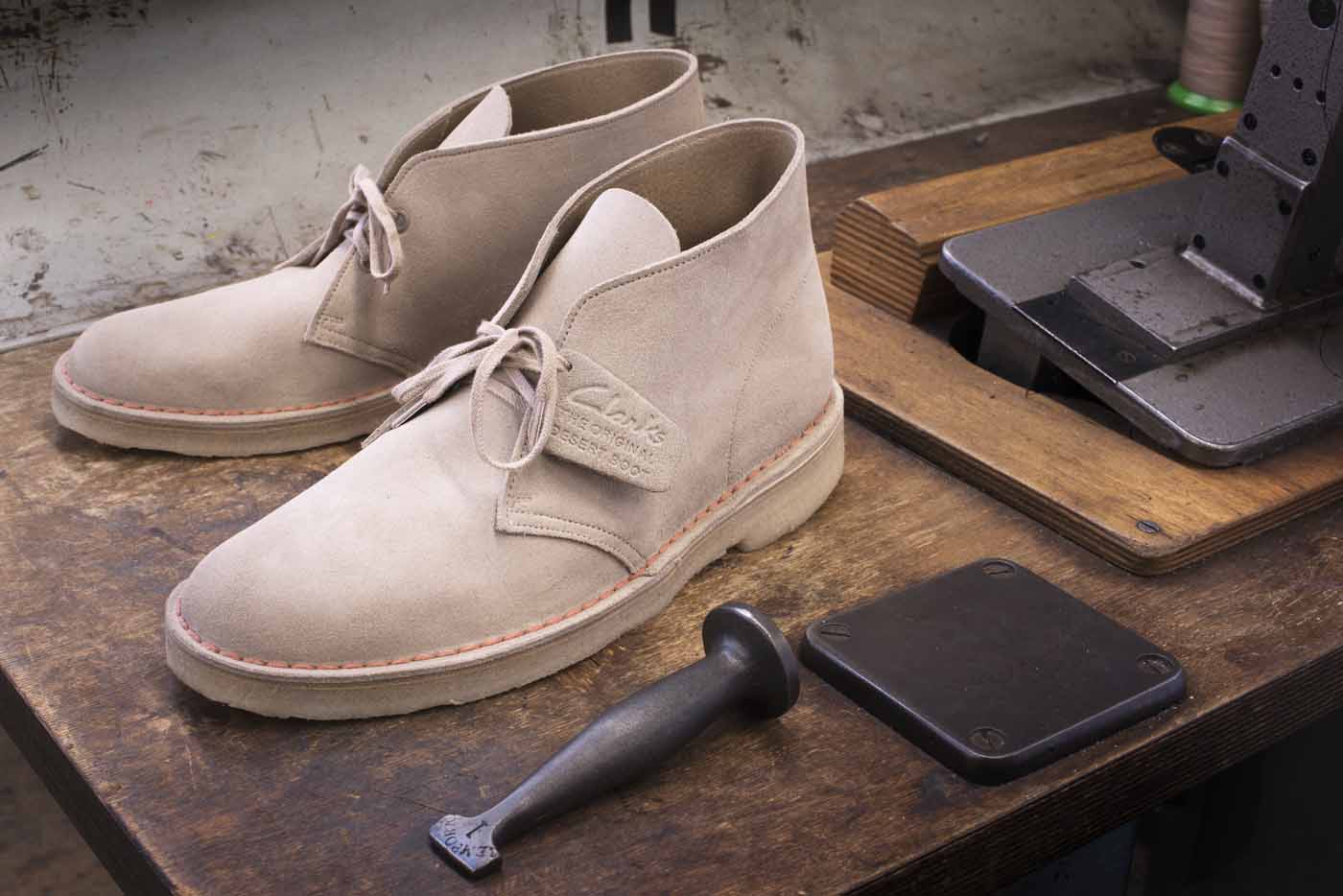
    Li Ning, the gymnast-entrepreneur who lit the Olympic flame during China’s 2008 Games, has bought control of one of Britain’s oldest shoe producers, extending the global shopping spree by Chinese companies for famous international brands. Viva China Holdings, the sports talent agency founded by Li, has agreed to pay £51 million (US$69.7 million) for 51 percent of LionRock Capital Partners QiLe Limited, the private equity firm which will own the Clarks brand, according to a filing to the Hong Kong stock exchange. The investment would give Viva China control of Clarks when LionRock completes its £100 million investment to recapitalize Clarks. Li is the non-executive chairman of LionRock.

    Based in the same village in south-western England’s Somerset county for nearly two centuries since its establishment in 1825, Clarks’ business has struggled along with the global retailing industry, as the raging coronavirus pandemic kept staff from workshops and sapped the appetite for consumption. The retailer, operating 320 stores in the UK alone, had to cut 900 jobs last May out of a global workforce of 13,000, after reporting a 2019 loss of £83 million. The company warned of deteriorating performance in 2020.

    “The challenges to our business brought on by Covid-19 have meant that we need more resources and investment to fully deliver [Clarks’] strategy and safeguard the future of our business,” said the shoemaker’s chief executive Giorgio Presca in November. “The new partnership with LionRock will provide this as well as the expertise to grow the Clarks brand in China, which remains a primary opportunity.”

    Li’s purchase of Clarks follows the acquisitions of dozens of global sports brands by Anta Sports, Xtep, and 361 Degrees International, which make up China’s four largest sportswear producers along with Li’s eponymous brand.

    Anta’s brands cover Fila, and Japan’s Descente, as well as an investment in the Finnish company Amer, which owns multiple brands, from Atomic skis to Salomon snowboards, Arc’teryx outdoor gear to Mavic bicycle wheels and Suunto sports watches.

    Xtep’s stable of brands now includes the hiking brand Merrell, leisure brand Hush Puppies, and running specialist Saucony, as well as the leisure brands K-Swiss, Palladium, and Supra.

    “Clarks is one of the world‘s most recognized consumer names,” LionRock’s founder and managing director Daniel Tseung said in November. “Our investment will not only strengthen Clarks’ position as one of the world’s most recognized brands but also allow growth into key emerging markets.

    Li owns a 92.91 percent of Viva China, which was established in 2009, according to its interim report for 2020.

    The price tag for Clarks would be set off against an equivalent amount of £54 million that Viva China lent to LionRock Capital last September, according to the statement on Friday.

    Shares of Viva China fell by 1.5 percent to HK$0.65 in Hong Kong after the announcement.

  • Bata Malaysia donates 60,000 pairs of shoes

    Bata Malaysia donates 60,000 pairs of shoes

    As a global leader in shoes, Bata feels a special responsibility towards all its stakeholders including the communities in which it operates across countries and regions. This is why Bata commits to donate 1 million pairs of shoes to frontliners and their families globally; the front-liners fighting the Covid-19 with admirable courage and dedication every day. The donation will impact a number of countries, in Europe, Latin America, Africa, Asia-Pacific and India.

    In Malaysia, Bata has committed to donate 60,000 pairs of Bata shoes to Polis DiRaja Malaysia in appreciation of their services to the country in facing this pandemic. The Malaysian police forces have been one of the pivotal services in combating the Covid19 pandemic in Malaysia. During the lockdown period from March 18th till May 4th, the police forces had been working in high gear in rain and shine to ensure that we, the general public adhere to the Movement Control order. It is their sacrifice that contributed to the containment of the spread of the Covid19 virus in Malaysia at large.

    Bata Malaysia is giving away 7,500 pairs of men’s shoes, 16,500 pairs of ladies shoes, 11,000 pairs of sports shoes, 14,000 pairs of children shoes and 11,000 pairs of school shoes in total with an estimated value of RM 3.6million (total 60,000pairs) to Polis Diraja Malaysia. “We are extremely grateful for their contribution to the nation, and now in return we hope that our donation of shoes will bring cheer to the police personnel and their families” said Ajay Ramachandran, Managing Director of Bata Malaysia.

    Receiving the Bata shoes on behalf of PDRM was The Inspector-General of Police Malaysia YDH KPN Tan Sri Dato’ Seri Panglima Abdul Hamid bin Bador, and The Deputy Inspector-General of Police Malaysia Yang Berbahagia Dato’ Pahlawan Mazlan Mansor.

  • Shoe retailer Clarks to cull management ranks worldwide

    Shoe retailer Clarks to cull management ranks worldwide

    Clarks, the UK-based shoe retailer, will cull the ranks of its corporate staff by a net 700 people worldwide, including in Asia during the next 18 months.

    In all, 900 jobs will be lost, the first 160 of which were announced in the UK this week. However by the end of the restructuring process, about 200 new roles will have been created.

    Stung by falling sales even before the Covid-19 crisis, Clarks last month announced an unspecified number of store closures in the UK in a move to right-size the business for a post-pandemic era.

    The job cuts and store closures are all part of a turnaround strategy dubbed Made to Last, unveiled at the end of last year and intended to reposition the 195-year-old company to trade into its third century of trading.

    CEO Giorgio Presca described some of the decisions as “difficult” but said the opportunities they would open up are exciting.

    “We thank all affected staff for their contribution to our business and they leave their roles with our heartfelt respect and support.”

    Most Clarks stores globally have been closed for weeks during the Covid-19 pandemic, however, those in China and parts of Europe are progressively reopening.

    Besides the behind-the-scenes restructure of the group, management are overseeing a refocusing of the brand to reflect its heritage and underline its relevance in today’s market.

    The turnaround strategy also includes exploiting the brand’s potential and leveraging its heritage and consumer relevance in today’s market. That includes embracing sustainability, quality, design and product innovation.

    “We are a business that walks its own path, and we are evolving to put our brand and consumers at the heart of everything we do,” said Presca.

    “This will ensure that our organization is made to last, empowering our people to contribute to a great future for the company.”

  • Ethical shoe retailer Toms collapses

    Ethical shoe retailer Toms collapses

    Ownership of ethical American shoe retailer Toms will be transferred to its creditors.

    CEO Jim Alling addressed a letter to employees informing them of the transfer from current owners Bain Capital and founder Blake Mycoskie to Jefferies Financial Group, Nexus Capital Management and Brookfield Asset Management.

    The move is intended to “identify the best path forward for our company,” read the letter. It entails a new investment of US$35 million and an enhanced capital structure including debt relief. The shoe retailer Toms distributes products through more than 500 stores worldwide, including department stores and single-brand outlets.

    The firm would have collapsed entirely this year facing a crippling debt of $300 million if the restructure and rescue plan had not proceeded.

    Toms was founded in 2006 by Mycoskie, a Texas entrepreneur, to design and retail shoes, later adding eyewear, coffee, apparel and handbags. Its business model was based on business with a purpose concept, with the company donating a pair of shoes to the underprivileged for every pair sold. By 2012 more than 2 million pairs of new shoes had been given to children in need around the world, including in Argentina, Ethiopia, Guatemala, Haiti, Mexico, Rwanda, South Africa and the US.

    In Asia the company-operated stores with partners in Japan and the Philippines. In 2014 it opened a store in Bangkok’s CentralWorld and Central Embassy shopping centers in partnership with Star Fashion Co. The CentralWorld store has since closed, but it still shows on Central Embassy’s store directory.

    At the time, Hajime Birnbaum, international sales and marketing director for shoe retailer Toms, said taking the brand into Thailand, which he described as a very pro

  • Rumoured Dr Martens sale could fetch up to £1.2 billion

    Rumoured Dr Martens sale could fetch up to £1.2 billion

    Private-equity group Carlyle is reportedly considering a more-than-£1 billion bid for British footwear brand Dr Martens.

    According to Bloomberg, citing internal sources, current owner Permira, a European investment company, has engaged Goldman Sachs and another firm to evaluate options for the future of the Dr Martens business. An IPO is also a possibility.

    Bloomberg stressed that no firm offer has been lodged as yet and there is no guarantee a sale will proceed. None of the three parties have commented publicly on the reports.

    Permira paid £300 million for Dr Martens in 2014 and has since rebuilt and expanded the business through both physical stores and online. It now has 109 standalone stores worldwide in addition to a presence in a vast network of multi-brand footwear retailers.

    With suggestions the footwear brand could now be worth as much as £1.2 billion, Permira is likely to earn a massive return on its investment.

    The company’s earnings before interest and tax rose 70 percent last year to £85 million.

  • South Korea’s E-Land Group completes US shoe business exit

    South Korea’s E-Land Group completes US shoe business exit

    South Korean conglomerate E-Land Group is pulling its OTZ Shoes brand from the US market, six years after buying it.

    E-land Group, through its subsidiary E-Land USA Holdings, bought the California-based OTZ Shoes at US$8.5 million in 2013. But now, the conglomerate has decided to withdraw the brand from the country and develop it in South Korea instead, completing its exit from the US footwear market.

    OTZ will be marketed as a private brand in South Korea by its fashion unit E-Land World and will be sold at its multi-shoe brand store Folder. The brand is aimed at catering to young customers aged 15 to 25.

    Aside from growing the brand at home, E-Land Group says it plans to boost its sales overseas to achieve its target of 50 billion won (US$43 million) sales annually.

    E-Land Group sold its subsidiary E-Land Footwear, which owns brands K-Swiss, Palladium, Supra, PLDM and KR3W, to Chinese sportswear company Xtep International Holdings for US$260 million three months ago.

    E-Land Group is Korea’s largest integrated fashion and retail company, owning around 250 brands and operating more than 10,000 stores worldwide.

  • Geox Singapore opens X Store concept

    Geox Singapore opens X Store concept

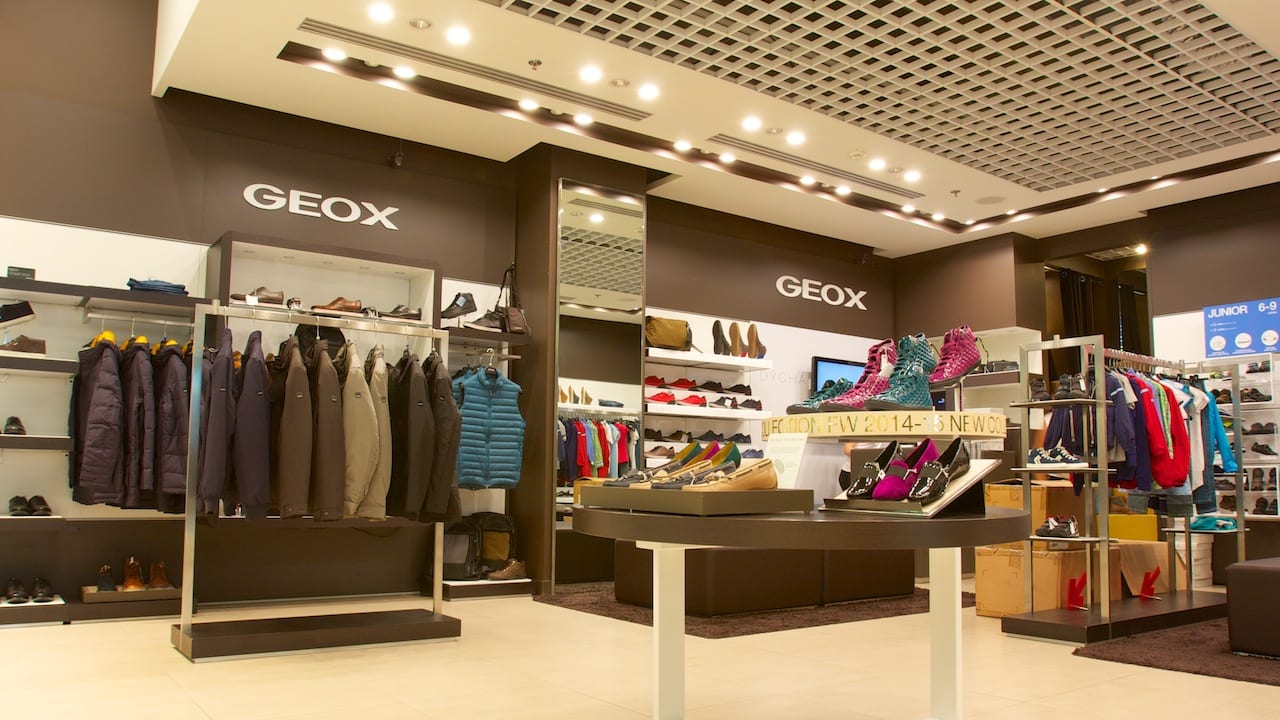
    Italian shoe brand Geox has opened an X Store concept in Singapore with a new outlet in Paragon, Singapore.

    The concept fuses various design elements under one roof designed to convey Italian quality, contemporary design, sustainability and digital technology. It offers a multi-sensorial shopping experience which uses technology to engage the senses both inside and outside the premises. A wide entrance door is pierced with circular cut-outs alluding to the holes on Geox soles.

    The core of the new store rests on a digitalised screen that explains the principle of breathability to customers, detailing current trends and available collections as well as providing detailed descriptions of the patents for each unique Geox product.

  • Global Vans shoe design competition kicks off

    Global Vans shoe design competition kicks off

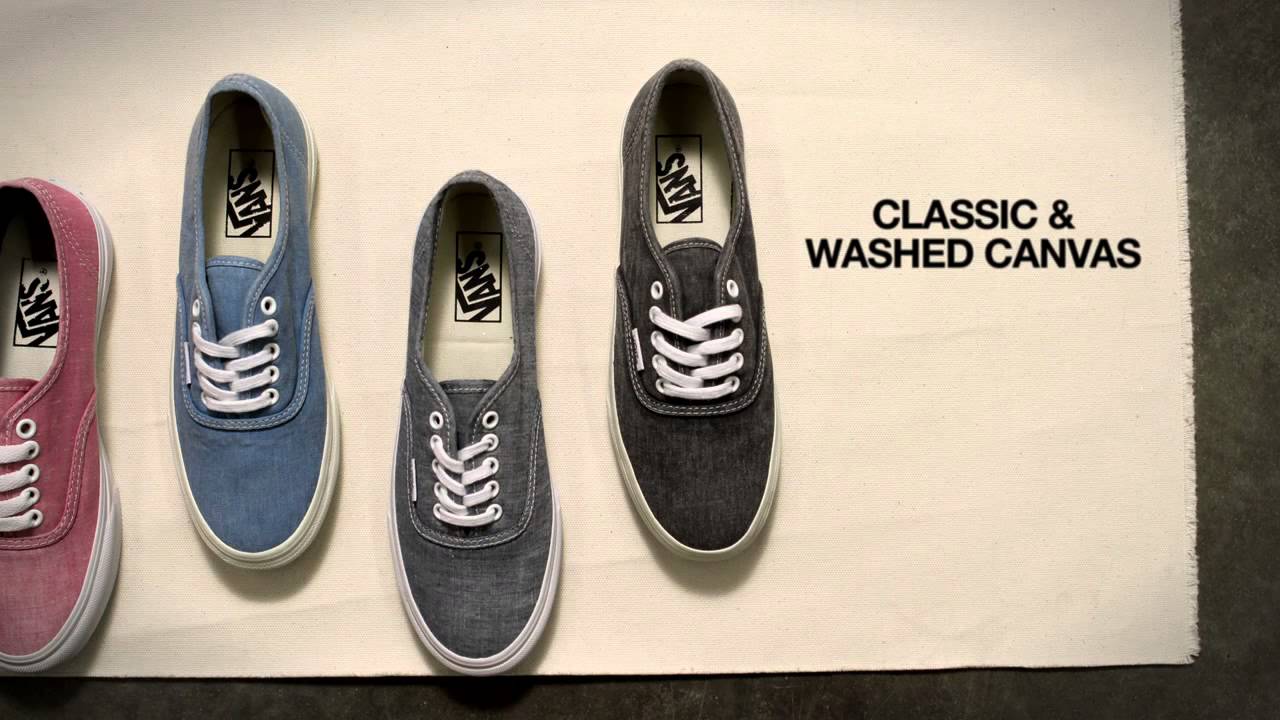
    Sports shoe & apparel brand Vans is launching its interactive “Vans shoe customisation competition”, designed to inspire artists around the world.

    The Global Custom Culture competition aims to provide the means for self-expression through digital and canvas mediums unique to Vans. This is the inaugural year of the Vans shoe customization competition, encouraging artists from around the world to turn a pair of classic Vans shoes into their personal art piece.

    The contest will award three winners – one each from Asia Pacific, North America and Europe –  a US$25,000, and the designers will have their shoes produced and sold by Vans, experience a trip to the Vans design headquarters in Southern California, and have the opportunity to partner with Vans to donate $100,000 to a charity that will further enable creative communities.

    “Our goal through Vans Global Custom Culture is to create a platform that is accessible to everyone,” said Vans senior director of global brand marketing April Vitkus. “A barrier to creativity is having access to the tools needed to create something unique, and as a brand it’s our purpose and commitment to provide a range of platforms to empower and enable individuals.”

    The public will have the chance to vote for their favorite design submissions, helping determine the top 10 finalists from each geographic region, in early October. Once the top 10 have been selected, the Vans shoe customization competition finalists will receive a pair of Era shoes to apply a new design onto Vans’ literal canvas. The top 10 will be announced on December 5, where all the artist’s creations will be displayed online for a public vote.

    On December 19, Vans representatives from the design and marketing teams, as well as selected art ambassadors, will choose one grand prize winner in each region.

    Throughout the month of September, Vans will host creative workshops, as a way to participate and support competition participants in a collaborative environment.

  • Allbirds launches first outlet in New-Zealand

    Allbirds launches first outlet in New-Zealand

    Despite being started by New Zealand entrepreneur and former footballer Tim Brown, wool-based footwear brand Allbirds has only been available online its home country – until now.

    The launch comes after the business successfully raised $76.7 million at the end of 2018, aiming to help fuel the business’ expansion into Asia and the UK.

    The company, which is headquartered in San Francisco, opened its first New Zealand bricks-and-mortar store in the Britomart precinct of Auckland on Thursday, August 15.

    “We always imagined we would open a store in New Zealand. It’s one of our founding markets, it’s where I am from and where our key material, wool, is from,” Allbirds co-founder Tim Brown said, according to Stuff.

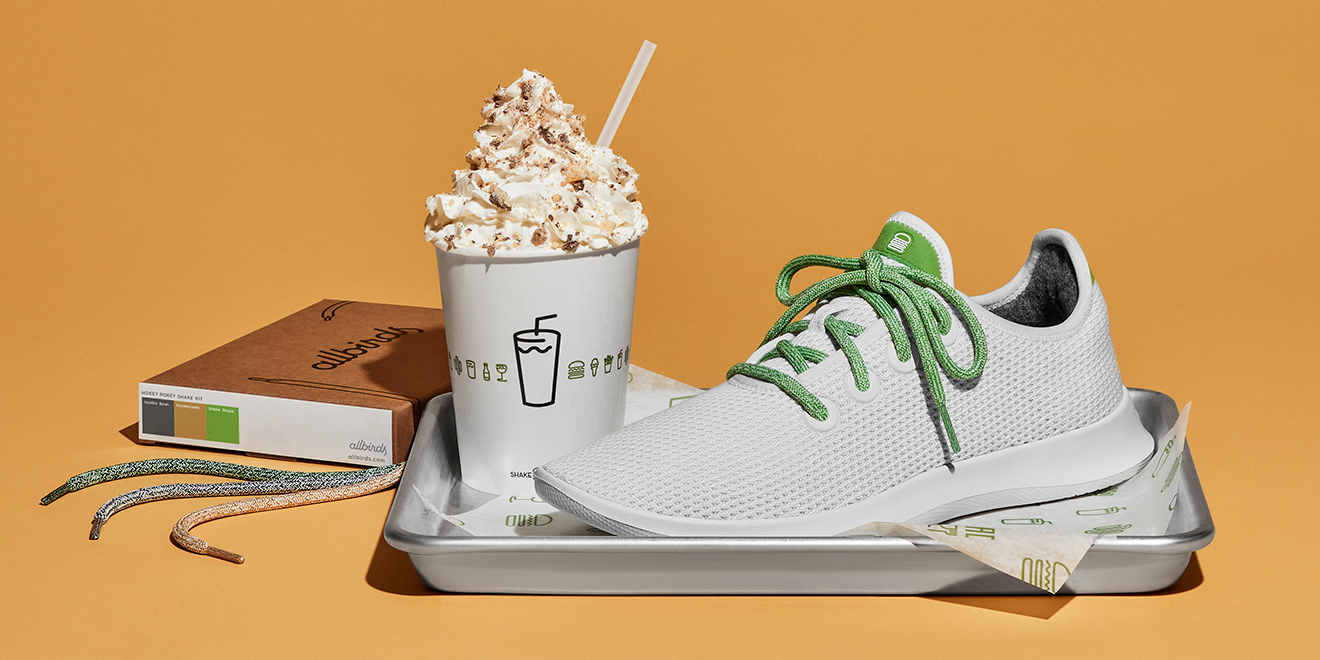
    Allbirds makes its shoes predominantly with New Zealand merino wool, which helps to make them ‘the world’s most comfortable shoes’, the brand’s tagline.

    Wool uses 60 percent less energy than materials used in a synthetic shoe, according to the brand, which also uses recycled bottles for laces, bean oil in insoles and 90 percent recycled cardboard in its packaging.

    Allbirds are available internationally online, and through brick-and-mortar stores in the US, UK and China. The Britomart store is the brand’s first location in its home country of New Zealand.

    The 150sqm store offers the brand’s entire range, as well as limited-edition Auckland-inspired laces: Waiheke Island Teal, Light Path Magenta, and West Coast Black Sand.

    The retailer offered a number of events, such as dried flower arranging workshops, meditation classes and drawing classes, in the first week of the store’s operation.

    According to Brown, it is a challenge to transpose the brand’s online experience into an offline one.

    “Bad retail is being challenged and good retail, thoughtful retail that is about storytelling and leans into the people that work there, that has educated people working in that environment that understand the products and are able to give a good experience is old fashioned and important,” Brown said to

  • S. Culture warns shareholder for loss

    S. Culture warns shareholder for loss

    S. Culture International has warned shareholders it expects to post a net loss in the range of HK$3 million to $4 million for the six months to June. That would equate to as much as 10 times last year’s first-half loss of $400,000.

    The Hong Kong-listed retailer sells a range of international footwear brands including Clarks, Josef Seibel, The Flexx and Yokono. It has a network of around 100 stores across Hong Kong, Macau and Taiwan trading as S.Culture, Shoe Mart and Scoops and under individual brands, such as Clarks, Clarks Originals and Josef Seibel.

    Last March S. Culture hinted at a change of fortune after closing non-performing stores and booking gains from property disposals.

    But yesterday the company essentially revealed its shoe-trading business did not return enough profit to compensate for the absence of a one-off property gain last year, worth $7.57 million.  The company said another factor in the looming loss was overheads relating to the expansion of the management team it is putting in position to oversee the group’s future development.

    The exact result will be revealed later this month.

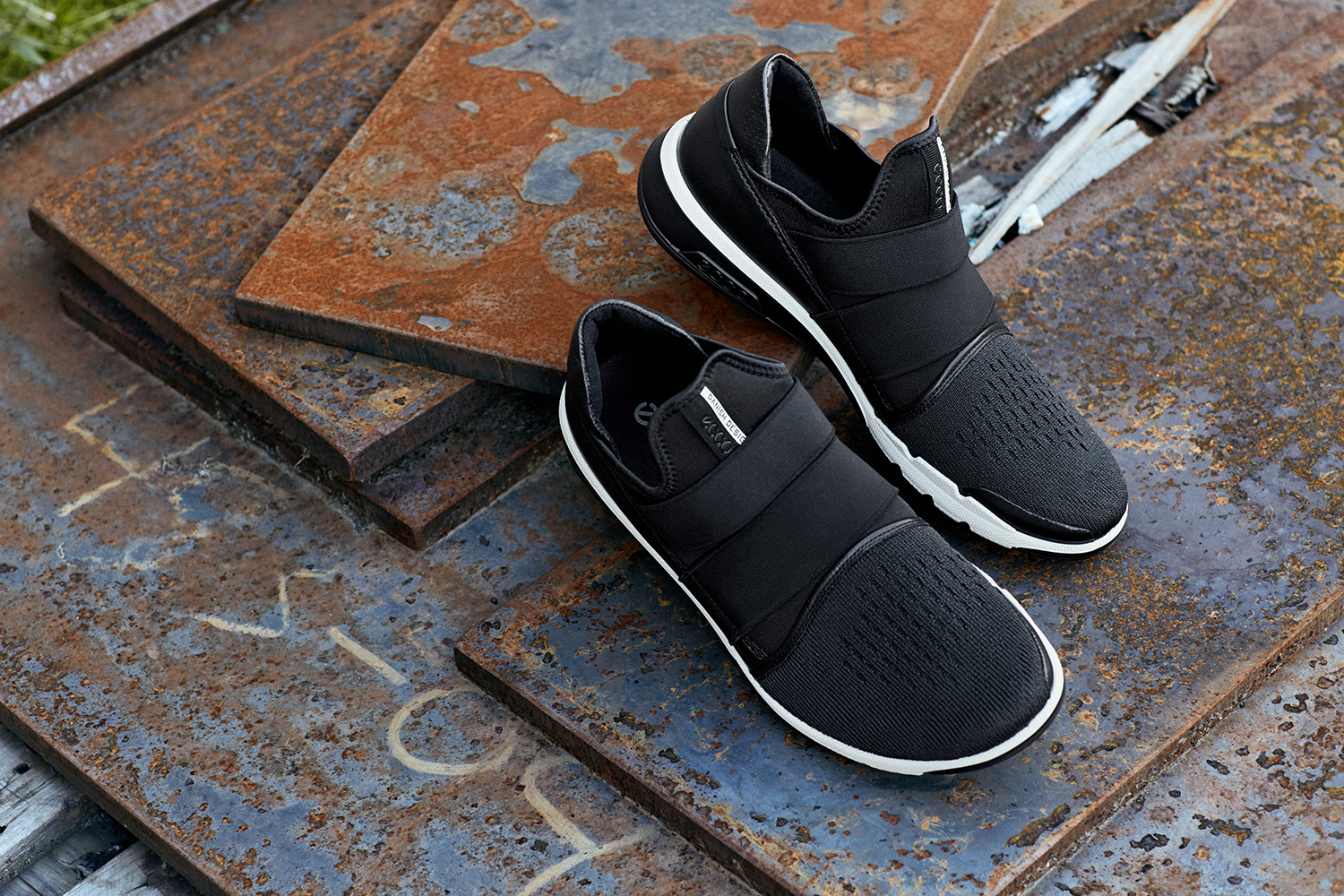
  • Ecco is heading back to the Philippines

    Ecco is heading back to the Philippines

    Danish footwear brand Ecco is returning to the Philippines through a shop-in-shop concept at SM malls.

    The brand has launched spaces at SM Store Makati, SM Store Mall of Asia, and SM Megamall’s third floor Bridgeway Building. The openings are part of the label’s strategy to continue its expansion in the territory as more shop-in-shop formats and eventually, concept stores at select SM malls are being planned.

    Ecco operates in 87 countries at 2989 shops and shop-in-shops and  15,000 sales points globally. It remains one of the only major international shoe manufacturers to own and manage every step of the shoemaking process.

  • Hush Puppies breaks out of “vicious cycle”

    Hush Puppies breaks out of “vicious cycle”

    Iconic footwear brand Hush Puppies is undergoing a major brand transformation in Australia, backed by updated modern collections designed to appeal to younger customers, fun collaborations and an upcoming gamification campaign in September.

    Traditionally known as the comfort footwear choice for grandparents, the local team has “really spun this brand on its head”, according to general manager, Charlene Perera.

    “It’s a 61-year-old brand and we had gotten to this point where we had gotten old with our customer. We were doing the same things, expecting a different result. It’s a vicious cycle so many retailers get into,” she said.

    “It took us probably a year and a half to find our feet and being predominantly wholesale with a smaller retail network, it took a lot longer to turn it around. But the last two years for us have just been on the up, which has been really amazing for a heritage rand in this climate. So we’ve seen growth across our retail network, online and our department stores.”

    Next month, as part of a campaign to promote the bounce technology within their shoes, Hush Puppies will launch an online game on its website for customers, which will be promoted for four weeks across radio stations in Melbourne, Sydney and Brisbane.

    In each state, Hush Puppies will run an activation, where radio announcers representing customers at the top of the leaderboard will then battle it out against each other in zorb balls.

    According to Perera, it is these “unexpected” and fun initiatives that have helped to re-direct the brand and give it new life.

    “For our 60th birthday last year, we threw a party, we invited all the buyers into our office, the customers that shop in our store, all our team and we raffled off the car on the night. It was a massive party, you know. It’s fun stuff and I don’t think other brands are doing it. And I think those little things go a really long way,” she said.

    Earlier this year, Hush Puppies was the official shoe of Mardi Gras and a sparkly pair of shoes was created specifically for the event. When the brand turned 60 last year, it went on a music road trip around Australia, paying homage to the rich rock ‘n’ roll history behind the brand – musician Keith Richards famously wore a pair during a Rolling Stones concert.

    According to Perera, while Hush Puppies is based in the US, the brand turnaround has largely been led by the Australian team, which designs 90 percent of the local collection.

    The updated Hush Puppies range is now focused on the everyday woman who wants both style and comfort.

    However, there has since been a global push by Hush Puppies in the US towards an updated collection of the brand’s famous Power Walkers.

    “I think in the women’s space, we had really allowed ourselves to get old, we were aging with our customer,” Perera said.

    “It’s fun for us to be able to have a bit of tongue in cheek. We know that they the Power Walker were the grandpa shoes that everyone relates to Hush Puppies, but in slightly less cooler colors. The heart of the brand for me is it’s a happy brand and optimistic – it’s backed by a little dog!”

  • US shoes-from-plastic brand begins Outlet rollout

    US shoes-from-plastic brand begins Outlet rollout

    Online shoes-from-plastic brand Rothy’s is opening its first physical stores in four key US locations.

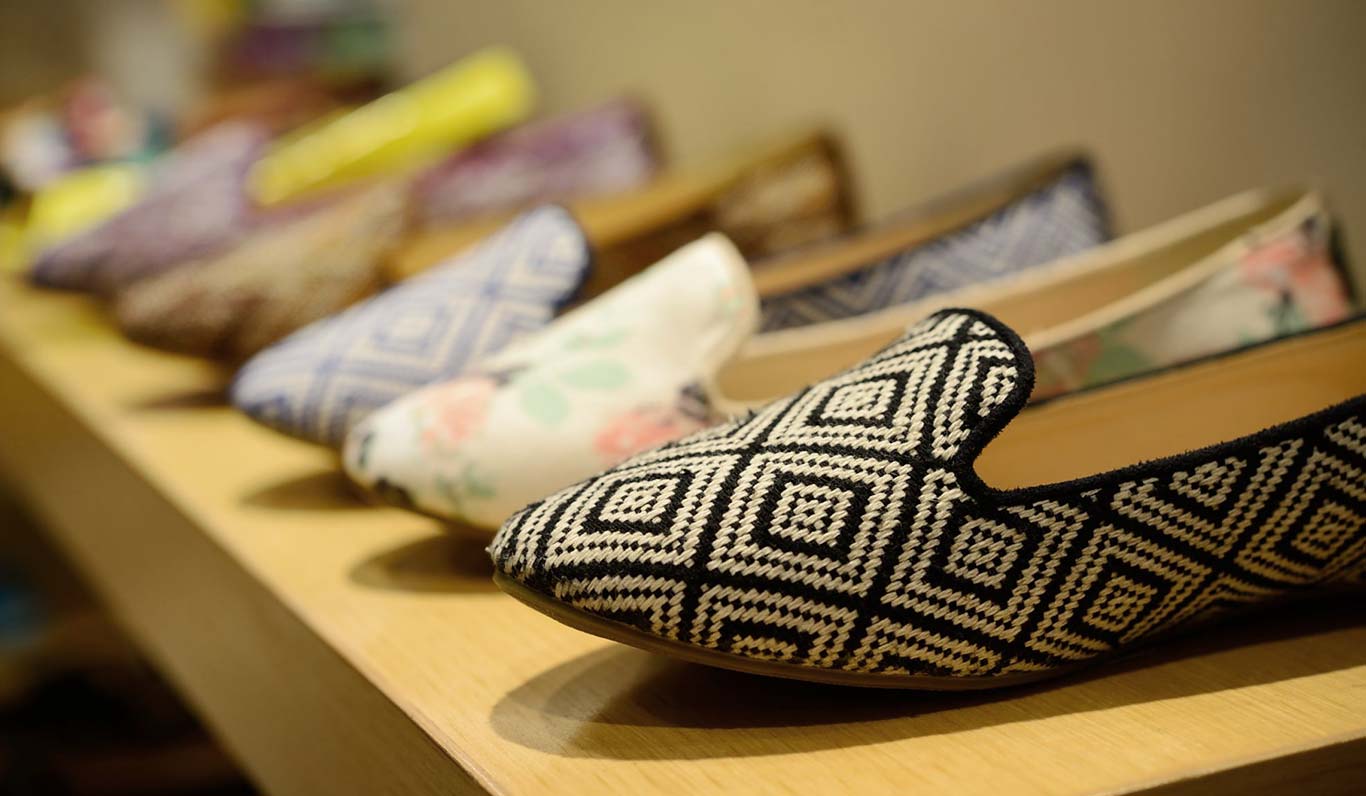
    The brand creates women’s shoes from recycled materials, including plastic bottles, and has a burgeoning following in the territory. Its new stores will open in downtown Manhattan, Los Angeles, Boston and Washington DC.

    A further five locations are planned to open in the US next year. To date Rothy’s has operated just one store – in its home city of San Francisco. But it has sold online across the US and internationally.

    The shoes are all flats with knitted materials, retailing from $125–165. The popularity of the footwear has rested on the Rothy’s marketing savvy and advertising investment on social media. The firm has thus far raised $42 million and earnt $140 million in revenue last year. It has recycled around 32 million plastic bottles.