Tag: shopeepay

  • ShopeePay Adds Zurich Life Insurance in Malaysia Starting at RM500

    ShopeePay Adds Zurich Life Insurance in Malaysia Starting at RM500

    In October 2026, Zurich Life Insurance Malaysia Berhad partnered with ShopeePay Malaysia to sell life insurance directly through the e-wallet app, with entry premiums starting at RM500.

    The two-year single-premium product is named the Zurich Savings & Protection Plan. It offers guaranteed cash payouts every six months. Customers receive full principal protection at maturity, along with 105 per cent of the premium paid for life and disability coverage.

    Expanding Digital Wallet Distribution

    This agreement makes ShopeePay the first digital distribution platform partner for Zurich’s life insurance division in Malaysia. It builds on an existing relationship. The platform already distributes products for Zurich General Insurance Malaysia Berhad and Zurich General Takaful Malaysia Berhad.

    Users purchase policies inside the ShopeePay mobile app under the insurance tab by selecting the endowment category. Both companies plan to lower the minimum entry premium from RM500 to RM100 to widen user adoption.

    Targeting First-Time Insurance Buyers

    Tapping an established checkout ecosystem bypasses traditional agency channels and their higher acquisition costs. Insurers across Southeast Asia bundle life protection into short-duration endowment products for a clear reason. They want to convert younger, digital-native consumers who avoid long-term premium commitments.

    For ShopeePay, the rollout creates a high-margin financial service stream within its payments ecosystem. The move mirrors regional super-apps that are diversifying beyond payment processing and micro-lending into wealth and insurance distribution.

    Building Out Embedded Finance

    Intense competition for transaction volume across Southeast Asia is pushing digital wallets to embed stickier financial products. Short-term endowment policies create recurring platform engagement. Every six months, guaranteed cashback payouts return directly into user accounts.

    Operational risks remain if claim fulfillment or cash-out requests create friction inside a third-party app. To prevent that, Zurich and ShopeePay rely on digital underwriting infrastructure called Zurich Edge to process claims and manage policy administration.

    Next Steps For Islamic Products

    Earlier rollouts between the two companies introduced digital critical illness coverage on Shopee platforms. Benefits distributed under the program remain protected by Perbadanan Insurans Deposit Malaysia up to statutory limits.

    Looking ahead, Zurich Malaysia will broaden the lineup in 2027 by introducing Syariah-compliant family takaful products across ShopeePay. Both firms are also preparing to lower the entry threshold for the current savings plan to RM100.
  • ShopeeFood Launches in the Philippines Across Metro Manila

    ShopeeFood Launches in the Philippines Across Metro Manila

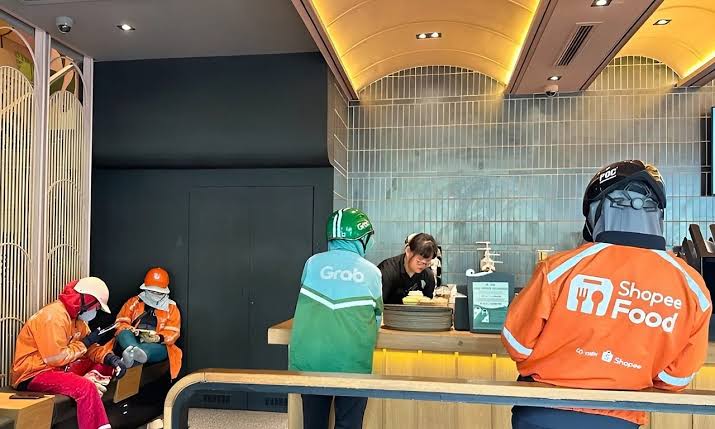
    Shopee launched its food delivery service ShopeeFood in the Philippines on September 16. The country is now its fifth market in Southeast Asia.

    The service is starting in Metro Manila. It embeds restaurant ordering straight into the main Shopee app to reach millions of existing e-commerce shoppers.

    Integration inside the main platform

    Instead of releasing a standalone app, the company built food delivery directly into its primary interface. Users can browse menus, track couriers, and complete orders without leaving the core app. The feature links to the ShopeePay digital wallet. It also lets diners spend and earn Shopee Coins on meals.

    Early restaurant partners include McDonald’s, Pizza Hut, Domino’s, Taco Bell, Dairy Queen, Krispy Kreme, and Potato Corner. For now, the rollout covers only selected areas and user groups across the capital region.

    Challenging the delivery duopoly

    ShopeeFood enters an urban market long dominated by GrabFood and foodpanda. Housing food delivery inside a high-traffic retail app lowers customer acquisition costs. But moving meals demands tighter dispatch networks and faster rider fulfillment than parcel logistics.

    Restaurant operators gain immediate use on merchant commission fees with a third major delivery platform in play. The real test will be rider retention and delivery speeds during peak lunch and dinner hours, when rivals already run dense fleet networks.

    The regional playbook

    This Philippine debut mirrors the operational strategy Sea Limited used in Indonesia and Vietnam. In those markets, the parent firm tied food delivery to e-commerce to boost daily active users and drive transactions through its digital finance channels.

    Pilot testing began in early September ahead of the official September 16 release. The service will expand to more districts across Metro Manila in the coming weeks before determining rollouts outside the capital.

  • Shopee Monetises Marketplace Platform with Tiered Seller Fees and Paid Services

    Shopee Monetises Marketplace Platform with Tiered Seller Fees and Paid Services

    Singapore-based Shopee generates its core income from a multi-tiered marketplace model charging seller commissions between 1 and 6 per cent alongside payment and fulfillment fees across Southeast Asia.

    The platform, founded in 2015 by Forrest Li, reached 1.78 billion dollars in annual revenue during 2020 as it scaled past regional rivals to capture merchant transaction flows.

    Commission Structures and Paid Merchant Tools

    Standard marketplace merchants pay base commissions of 1 to 2 per cent per completed sale. Brands listed on the premium Shopee Mall tier face higher commission rates that climb to 6 per cent depending on the product category and transaction volume.

    Transaction processing adds another 2 per cent fee to cover payment handling. Merchants looking for wider reach buy search visibility through a cost-per-click advertising system, placing sponsored listings across product queries and feeds.

    Warehousing and shipping generate additional revenue through Fulfilled by Shopee, a proprietary distribution program that bills sellers on a per-item rate determined by package dimensions and weight.

    Ancillary Services and Regional Competition

    Beyond traditional retail transactions, the company captures payments revenue through its ShopeePay digital wallet. It also takes merchant commissions and consumer delivery fees on orders processed through its ShopeeFood division.

    The platform established market leadership over Alibaba-backed rival Lazada across Southeast Asia before launching localized operations in Latin American markets including Brazil, Mexico, Colombia, and Chile. RetailNews Asia tracks how marketplace operators in the region steadily adjust take-rates and ad loads as merchant competition tightens across core territories.

    Market watchers are monitoring whether Shopee can maintain seller retention across Southeast Asia while defending merchant margins against regional competitors.