Tag: Shop&Go

  • Shop&Go chain showcases brutal retail practice with 1$ Price Tags

    Shop&Go chain showcases brutal retail practice with 1$ Price Tags

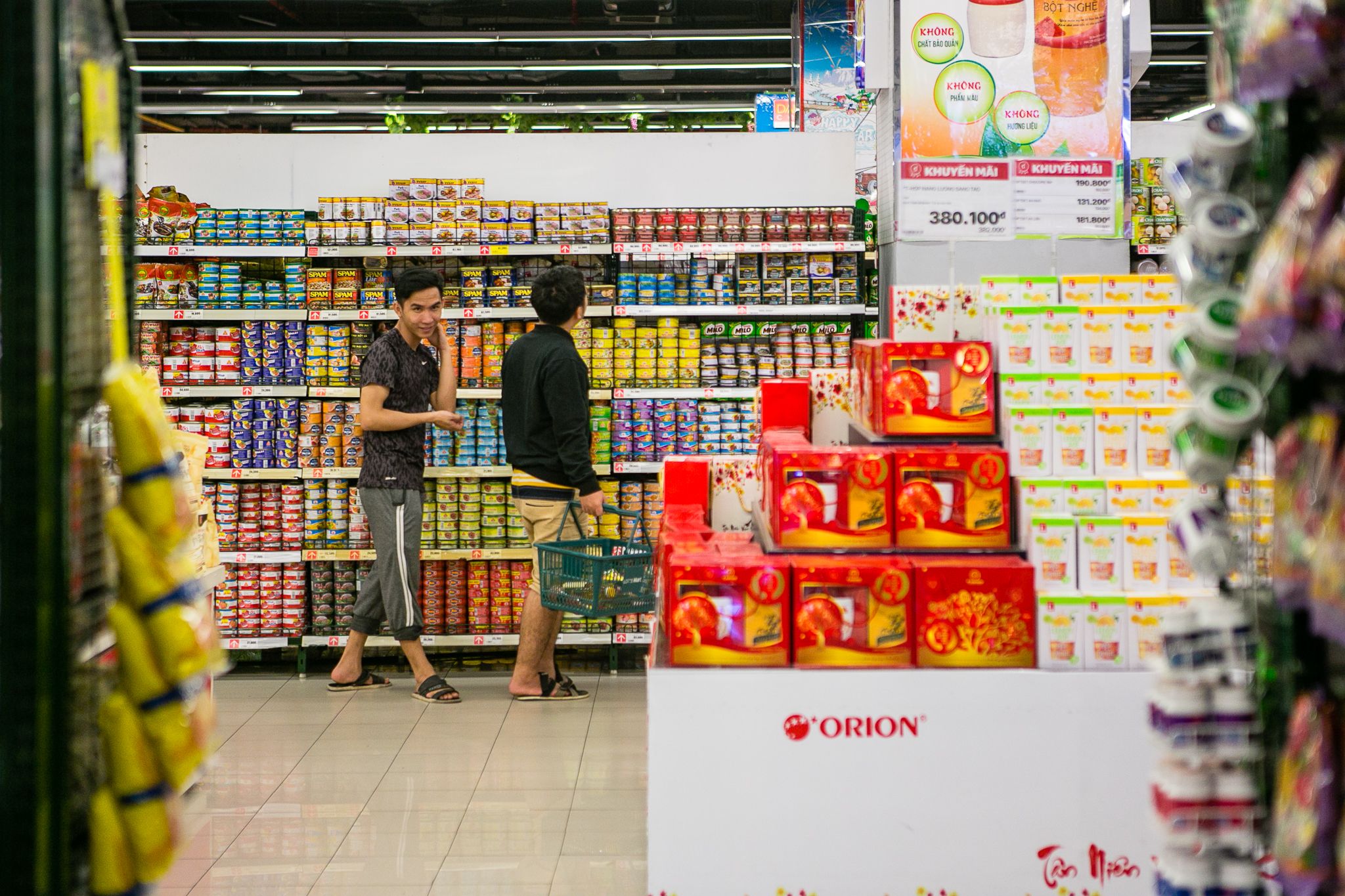
    Shop&Go became the newest loser in Vietnam’s retail market Monday when it was bought out by conglomerate Vingroup for $1.

    The company reported an aggregated loss of almost VND205 billion ($8.81 million) by 2016, the latest year for which figures are available. VinCommerce, the retail arm of Vingroup, took over its 87 stores and its debts in the latest deal.

    Vietnam’s retail market has become increasingly crowded with both local and international players over the last five years. Although experts have said that the market has a lot of growth potential, many businesses have quit or scaling back expansion plans.

    Coffee giant Trung Nguyen has twice attempted and failed with its G7 Mart and G7-Ministop.

    Super market chain Saigon Co.op established its first retail store Co.op Smiles in 2016 with the hope of opening 500 such outlets a year, but two years later, the number is around 100.

    Japanese convenience store chain FamilyMart previously said it wanted to have 1,000 stores by 2020, but it announced last year that it won’t invest in new stores. The number of its stores stay at 151.

    Vietnamese food company Vissan said early last year that it has closed nearly 60 of 100 convenience stores. Nguyen Ngoc An, CEO of Vissan, said that the stores had failed to attract a large number of customers.

    A senior manager of the Family Mart said that they “could no longer pour more resources into the chain.”

    Industry insiders say that retail chains fail to compete because they don’t have deep pockets to bear the losses. Pham Viet Anh, a strategic business expert, said that cash flow is among the most important factors in the retail business. If a company cannot collect enough revenue before it has to pay suppliers, its working capital gets eroded.

    “A retail company can rely on its debts with providers in the short term, but in the longer term, it needs to find a way to be profitable. If not, growing losses will eventually bankrupt it,” Anh said.

    Vietnam’s revenue from selling goods last year rose by 11.7 percent from 2017 to $142 billion, up 12.4 percent from 2017.
  • Five trends in Vietnam retailing

    Five trends in Vietnam retailing

    Vietnam’s retail market is set to grow by 8.4 per cent annually until 2020, making it one of the fastest-growing markets in south-east Asia.

    Against a backdrop of increased disposable income, rapid urbanisation and an appetite for change among younger shoppers, we take a look at five trends defining the marketplace for pan-Asian retailers right now.

    Confident investment

    January 2015 marked the first time non-domestic retailers could take full ownership of commercial property in Vietnam, following commitments made to the World Trade Organisation. Now, new trade agreements with Japan, Korea and the countries that make up the Association of South-East Asian Nations (ASEAN) look set to support further growth for international retailers in Vietnam:

    Tailoring the best of international retail

    Domestic retailers may have the advantage when it comes to local shopper knowledge but
    international retailers are drawing on their own strengths to help them compete.

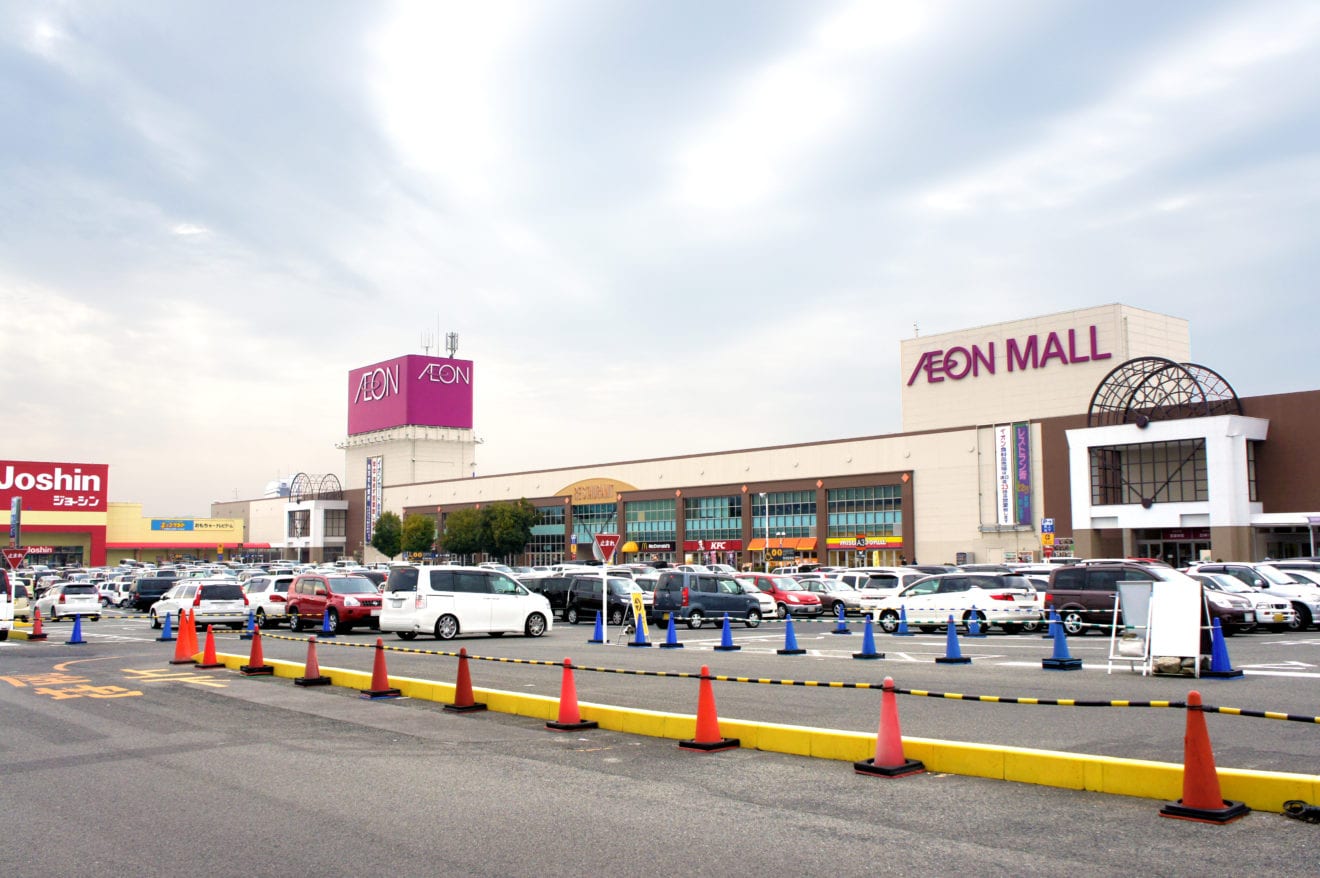
    Dairy Farm, FamilyMart and Aeon have brought their expertise in loyalty schemes, private label and innovative marketing to their stores in the region.

    Other points of difference include appealing to busy office workers with a fast food to go counter (seen at Family Mart and B Mart) and bringing an international flavour to the in-store hot food offer (Aeon Mall).

    Alternative store concepts

    Many retailers have established themselves in Vietnam with a hypermarket presence in one of the major retail hotspots like Hanoi or Ho Chi Minh City.

    Lotte and hypermarket chain Aeon are appealing to families and experimental shoppers with department store formats that act as wider shopping and entertainment destinations. Aeon is also making its mark with a loyalty scheme that includes tailored offers for mums – such as birthday treats or discounts on baby care.

    In the convenience channel, Guardian is the first combined-format health, beauty and drugstore in Vietnam. The store is making waves with its clean layout, colourful signage, bold promotional activity and sales assistants offering a superior level of service.

    Product innovation for a changing market

    A new concept in Vietnam, private label is appealing to young, experimental shoppers thanks to its lower prices and alternative products.

    Aeon has introduced its TopValu private label range, which taps into the popularity of Japanese culture by offering authentic Japanese ingredients and home cooking kits. The retailer is now working with local suppliers to explore domestic production.

    An increasingly affluent middle class is also supporting demand for exclusive and imported novelties. Dairy Farm is well-known for attracting these shoppers with its packaged food, household, health and beauty ranges.

    Expanding to national coverage

    A priority for most retailers is to create a nationwide presence. Lotte has built a network of ten hypermarkets spanning six big cities across Vietnam, making them the first pan-Asian retailer to achieve such a spread of coverage. Meanwhile, Ministop (Aeon), Guardian (Dairy Farm) and Shop&Go are pushing their convenience format in retail hotspots.

    Major retailers are seeing good growth from their franchise models, making partnerships, mergers and acquisitions hot topics.

    Aeon has partnered with local retailers Citimart in the south of the country and Fivimart in the north. The domestic chains are helping Aeon speed up its expansion plans by using their existing store networks. In return, their own customers are benefitting from the retail giant’s private label ranges and investment in infrastructure.