Tag: shopping centres

  • Thailand Targets High-Value Retail Tourism to Spread Spending Beyond Five Hubs

    Thailand Targets High-Value Retail Tourism to Spread Spending Beyond Five Hubs

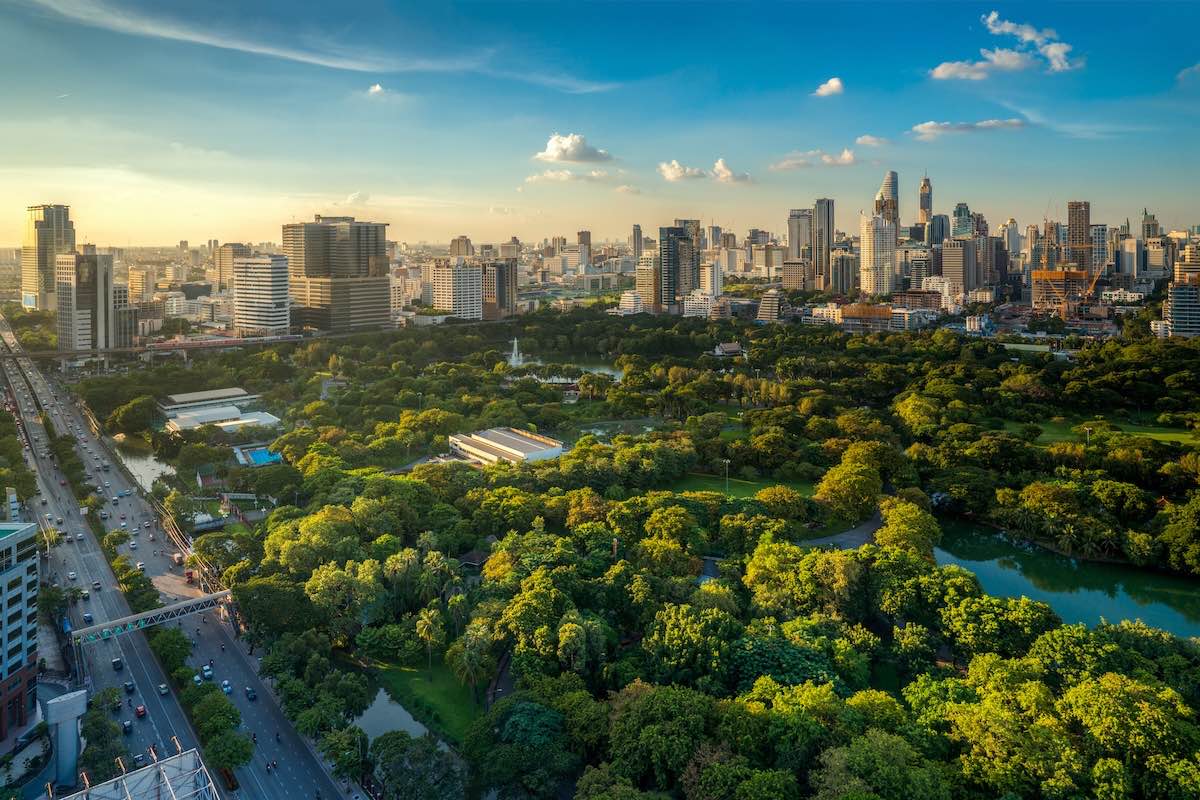
    Thailand wants to redirect visitor spending away from five core hubs that generate 70 percent of all tourism revenue, pushing retail and hospitality spending into 72 secondary provinces. Five areas, Bangkok, Phuket, Chonburi, Surat Thani and Chiang Mai, currently take the lion’s share of tourism revenue, leaving the rest of the country with 30 percent.

    The policy overhaul, presented at the Nation Forum in Bangkok, links state tourism promotion with private shopping mall developments and international business events to drive longer stays and higher average transactions. The Tourism Authority of Thailand aims for revenue expansion of 5 to 10 percent in 2027 by targeting spending per head rather than headline arrival volumes.

    The Mall Group Pushes Local Merchandise into Luxury Spaces

    Commercial operators are restructuring their tenant mix and marketing calendars around regional sourcing to capture higher margins from international travellers. Department store operator The Mall Group is positioning provincial crafts, specialty produce and regional design as high-margin merchandise displayed alongside legacy luxury labels in flagship venues such as the EM District.

    Voralak Tulaphorn, chief marketing officer of The Mall Group, pointed to campaigns such as Khad Thai, which showed more than 40 regional durian varieties, to prove that local products command premium pricing when merchandised properly. The retail group is also integrating entertainment assets, staging international concerts at UOB LIVE and deploying home-grown intellectual property like the Butterbear character to pull foreign shoppers into its Bangkok properties.

    For retail landlords and brand owners, the strategic pivot answers years of margin compression in low-end mass tourism. Selling cheap souvenirs and chasing tour bus throughput created overcrowding and environmental costs while doing little for domestic retail revenues. High-value merchandising requires retailers to curate authentic regional supply chains, though smaller artisanal suppliers often struggle with the inventory scale, packaging standards and payment terms required by tier-one shopping centres.

    Spreading MICE Spending Beyond Established Cities

    Corporate events and trade exhibitions are being deployed to channel visitor spending beyond the usual commercial centres. The Thailand Convention and Exhibition Bureau has certified 16 destinations for meetings, incentives, conferences and exhibitions across the country, aiming to disperse corporate budgets into provincial economies.

    Under its Muang Mee Dee program, more than 50 provinces competed in 2025 to develop cultural assets for event delegates, with Nakhon Ratchasima and Si Sa Ket selected as winners. The convention bureau is structuring delegate packages to integrate local food supplies, regional crafts and community tours into corporate itineraries.

    The push directly tackles Thailand’s uneven competitiveness scorecard. While Bangkok secured first place among cities in Conde Nast Traveller’s 2026 UK Readers’ Choice Awards, the country ranked 38th in the World Economic Forum’s 2026 Travel and Tourism Development Index, up from 47th in 2024. That earlier 2024 assessment scored Thailand at 4.96 for price competitiveness and 4.89 for air transport, but gave it just 2.86 for cultural resources, highlighting poor transport links between major gateways and secondary provinces.

    Former Move Forward Party leader Pita Limjaroenrat noted that unmanaged mass arrivals drove up local rents and municipal waste without delivering proportional retail gains to host communities. He urged authorities to measure sector health through visitor dwell time, spending per trip and provincial income distribution rather than border arrival counts.

    State planners now face the logistical test of building transport links that can deliver international shoppers to smaller workshops and regional producers before the 2027 revenue targets come due.
  • Australian Malls Post AU$118.8 Billion in Turnover as Dining and CBDs Lead Recovery

    Australian Malls Post AU$118.8 Billion in Turnover as Dining and CBDs Lead Recovery

    Australian shopping centres generated AU$118.8 billion in turnover across 516 properties. Food retail, dining and central business district locations drove the post-disruption growth.

    Trading across 14.6 million square metres of gross leasable area and 46,743 tenants stabilized between 2025 and 2026, according to the latest Urbis Shopping Centre Benchmarks. Spending patterns shifted across categories and geographies.

    Dining and Jewellery Drive Tenant Gains

    Food catering delivered the strongest momentum across all centre categories, rising 7.5 per cent year-on-year. Food retail sales gained 6.9 per cent over the same period.

    Discretionary categories diverged. Jewellery sales jumped 11.6 per cent. Entertainment venues rose 8.8 per cent, and retail services advanced 6.2 per cent. Non-food mini-majors expanded sales by 7 per cent. That segment benefited from apparel brands like Uniqlo taking over floor space previously held by traditional department store anchors.

    Central Precincts Outpace Outer Suburbs

    Downtown centres recorded the strongest geographic performance, lifting retail sales by 7.1 per cent. Super-regional malls followed at 5.0 per cent.

    Outer metropolitan centres trailed the national recovery, posting sales growth of 3.9 per cent despite recording the fastest residential population expansion. High mortgage rates and debt servicing costs curtailed spending in suburban family corridors.

    Shifting Floorplates Across Asia-Pacific

    Landlords across Asia-Pacific are cutting department store allocations. They favour high-turnover fast fashion and experiential dining instead. Australian figures confirm that food and beverage tenancies now anchor footfall better than general merchandise.

    Risks remain concentrated in outer suburban assets. If mortgage stress persists, neighbourhood and suburban centres heavily reliant on mass apparel and homewares will face occupancy pressure unless they rebalance toward essential services and food concepts.

    Stabilisation After Years of Pressure

    The 2026 benchmark results follow multi-year trading disruptions marked by rapid interest rate hikes and inflation across the Australian consumer economy. Comparable mall performance over the 2025 to 2026 window points to normalising floor productivity across major retail hubs.

    The shift towards experiences and in-centre consumption also shows the growing social role of shopping precincts and is helping centres remain resilient as e-commerce continues to expand

    Operators now enter the next leasing review cycle with vacancy rates tightest in prime CBD strips and regional assets. Upcoming leasing negotiations will test tenant margins against rising operational costs.

  • Miniso Launches First Overseas Super Miniso Store in Canada

    Miniso Launches First Overseas Super Miniso Store in Canada

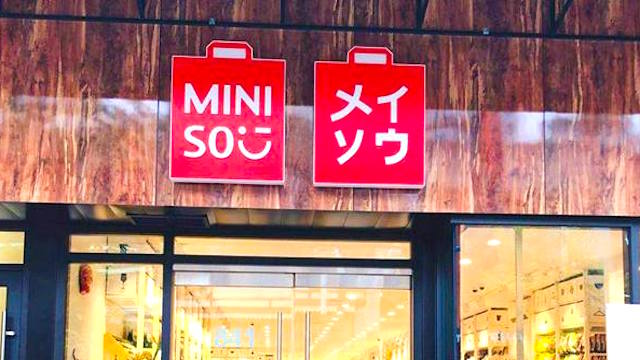
    Miniso opened its first overseas Super Miniso store on October 10 at Square One Shopping Centre in Mississauga, Ontario. The location spans 1,000 square metres.

    Shelves carry more than 5,000 intellectual property-driven stock keeping units. Categories span character merchandise, beauty, travel accessories and everyday lifestyle products.

    This debut brings the full Naruto collection and Stitch Hit Snooze range to Canada for the first time. Upcoming product drops feature Demon Hunter, Chiikawa, Mofusand and Marvel. Miniso will also roll out its proprietary character IP, YOYO, and more than 100 Hello Kitty and Friends products.

    Inside the 1,000-Square-Metre Format

    The Super Miniso concept departs from the chain’s traditional small-footprint layout. Utility shelving gives way to character-themed shows and experiential floor zones built directly into commodity aisles.

    Floor plans blur the line between discretionary collectibles and regular consumable household goods. High-margin licensed items sit in front-of-store lifestyle displays rather than back corners. The strategy targets higher basket sizes.

    The IP Economics of Variety Retail

    For Chinese value retailers operating abroad, licensed character merchandise is the primary lever to lift gross margins. Generic stationery and plastic organizers yield low ticket averages. Co-branded anime and Disney items command higher price points with minimal extra production costs, helping shed the discount dollar-store label.

    Risk lies in inventory turnover and licensing commitments. Securing regional rights for Japanese anime franchises and Western entertainment properties demands minimum guarantee payments that only large-format, high-footfall sites can support. If footfall drops or trends shift quickly, slow-moving licensed stock ties up working capital faster than basic household sundries.

    A Four-Store Canadian Cluster

    Mississauga represents phase one of a Canadian expansion running through October and November 2026. Four themed large-format stores will open across the country in that two-month window.

    Three locations in Mississauga, Winnipeg and Montreal will adopt the Super Miniso balance of curated lifestyle goods and IP collections. A fourth site in Toronto will debut the Miniso Land format. That entertainment-focused concept drops basic lifestyle items in favor of an immersive character park environment.

    West Edmonton Footprint and Next Openings

    Miniso tested large-scale Canadian demand in November 2025 with a 1,000-square-metre store at West Edmonton Mall. Featuring 5,000 IP lines, the opening set a single-day sales record for its North American operations. The chain followed that in April 2026 with a dedicated Hello Kitty and Friends pop-up in Toronto.

    Next up are store rollouts across the three remaining Canadian sites through November 2026, alongside initial sales performance data from the Toronto Miniso Land launch.

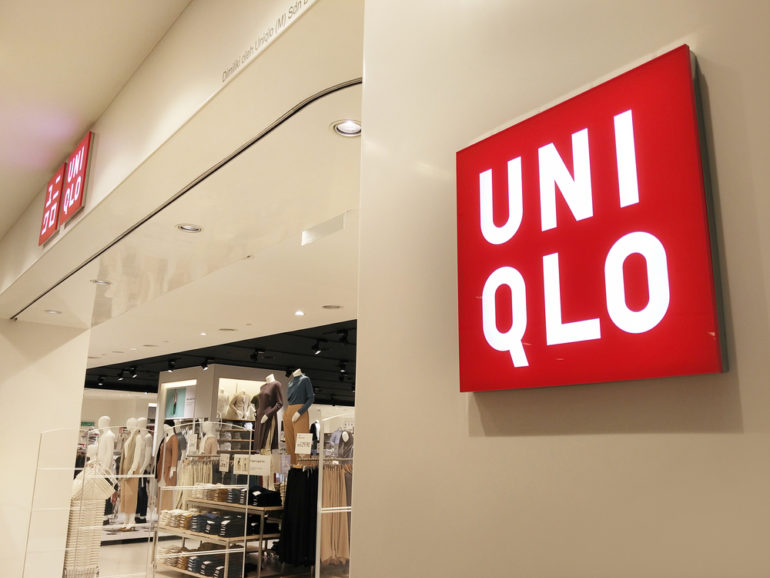
  • Uniqlo Expands in Queensland with 777-Square-Metre Sunshine Plaza Store

    Uniqlo Expands in Queensland with 777-Square-Metre Sunshine Plaza Store

    Uniqlo will open its first store on Queensland’s Sunshine Coast on October 15, anchoring a 777-square-metre space at Sunshine Plaza. The site introduces the Japanese apparel brand’s full LifeWear lineup to the coastal region across men’s, women’s, children’s and baby categories.

    The store features an updated layout alongside digital interactive elements designed to streamline foot traffic and product discovery. It will also sell exclusive UT graphic T-shirts developed with a local Sunshine Coast artist.

    Regional Expansion Across Australia

    Satoshi Naito, chief operating officer of Uniqlo Australia, said the location reflects how the brand adapts its physical format as it broadens coverage outside core metropolitan centres. The Sunshine Coast site extends the retailer’s footprint beyond Brisbane and the Gold Coast, capturing population shifts toward regional commercial hubs.

    This store represents the evolution of Uniqlo in Australia, offering not only our full range of LifeWear essentials, but also a dynamic and interactive shopping experience that reflects our Japanese roots and global vision.

    Fast Retailing continues to push Uniqlo into regional Australian shopping centres where stable domestic spending balances volatile tourist footfall. By securing mid-sized formats under 1,000 square metres, the retailer limits inventory holding costs while maintaining full product category presentation.

    Shifting Demographics and Suburban Leases

    Shopping centre landlords across Queensland face heightened competition for reliable international fashion tenants as departmental store footprints shrink. Securing Uniqlo at Sunshine Plaza gives the asset a resilient traffic driver capable of drawing everyday basics shoppers from across the Maroochydore catchment.

    Rival international fast-fashion operators face higher pressure to refresh regional mall presences. Where competitors rely heavily on rapid turnover trends, Uniqlo’s core staple strategy provides steady sales volumes, though managing supply chain distribution to non-metro sites introduces minor freight overheads.

    Building on Decade-Long Groundwork

    The Sunshine Coast rollout follows a major reinvestment phase across Australia’s eastern seaboard. Late last year, the company reopened its refurbished Emporium Melbourne flagship after extensive works, marking ten years since Uniqlo entered the Australian retail sector.

    Trading begins at the Sunshine Plaza location on October 15, with trading hours and regional footfall performance over the fourth quarter set to inform further outer-metro site selections across Queensland.

  • Dexus Wholesale Property Fund Returns 9.3 per Cent as Retail Yields Beat Office

    Dexus Wholesale Property Fund Returns 9.3 per Cent as Retail Yields Beat Office

    Dexus Wholesale Property Fund delivered a 9.3 per cent total return in the year to 30 June. It beat its benchmark across an A$13 billion commercial portfolio.

    That performance was the unlisted vehicle’s strongest in four years. Retail rental growth and income yields outpaced the fund’s office and industrial holdings.

    Management resolved a redemption backlog exceeding A$1 billion that had accumulated over the past year. Brad Collier, head of diversified funds at Dexus, told a Sydney industry forum that the fund cleared the queue by selling secondary assets while existing and incoming unitholders bought up liquidity.

    Clearance of Redemptions and Yield Performance

    Capital returned to the fund once asset valuations stabilized after rapid interest rate adjustments across Asia-Pacific property markets. Steady rental increases and high income yields drove performance. Capitalisation rates did not need to compress.

    Sydney premium office space drove much of the return. Assets like Gateway at 1 Macquarie Place held tenant demand as corporate employers paid higher rates for central floorplates to draw staff back into central business districts.

    Retail Outpaces Office on Yields and Sales

    Shopping centres held by the fund delivered income yields above 6 per cent. By comparison, office and logistics assets yielded below 5 per cent. Annual retail tenant turnover grew 5 per cent across the portfolio, giving the landlord pricing power during lease renewals despite subdued consumer sentiment.

    Occupancy across these shopping centres sits above 99 per cent. Collier noted that co-ownership with retail operators like Scentre Group helped maintain tenant retention and rental revenue across major regional destinations.

    Malls as Residential Development Sites

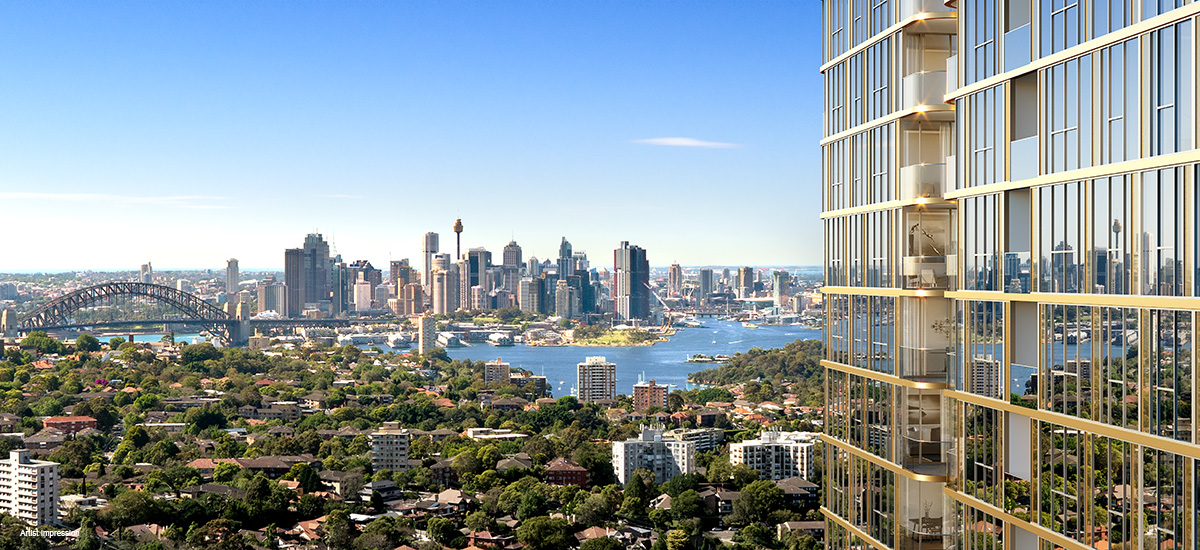
    Large shopping centres with surplus land represent the fund’s primary avenue for value expansion. Dexus is pursuing master-planned rezonings around suburban retail hubs to construct high-density residential towers above and beside existing retail footprints.

    Plans at Westfield Warringah Mall in Sydney’s Northern Beaches call for more than 1,500 apartments across six residential towers on the Scentre co-owned site. The project will double the vehicle’s capital commitment to the property over the long term.

    “They’re seeing returns of 9.3 percent for what is a core portfolio.”

    Institutional landlords across the region are reallocating capital away from standalone department store wings toward housing and health services. This structure generates recurrent residential sales or rental income on owned land. It reduces land acquisition risk while providing built-in foot traffic for ground-floor retailers.

    Divergence Across Sydney, Brisbane and Melbourne

    Performance continues to diverge across Australia’s eastern seaboard capital cities. Brisbane office assets gained institutional investor support after years of restrained construction kept vacancy low. Meanwhile, Melbourne faces high vacancy, landlord leasing incentives, and Victorian state property surcharges.

    The twelve-month campaign of non-core disposals reversed the liquidity freeze that hit unlisted Australian property trusts between 2022 and 2024. That recovery establishes a baseline for institutional capital allocators assessing core real estate entries across Australasia.

    Dexus is advancing planning approvals for the six-tower residential precinct at Warringah Mall while monitoring tenant absorption in Melbourne before lifting its office allocation there.

  • The Galeries Launches Retailer Scent Project with Provider Store in Sydney

    The Galeries Launches Retailer Scent Project with Provider Store in Sydney

    Sydney shopping centre The Galeries is running a month-long retail collaboration with local artisan brand Provider Store from September 29 to October 25. The program aims to drive tenant foot traffic.

    Shoppers who spend 300 dollars across the centre in a single day during the campaign receive a complimentary limited-edition candle. The gift represents one of three flagship tenants.

    How the tenant scent program works

    Provider Store founder Tara Bennett designed three distinct fragrances based on the retail identities of Japanese bookstore chain Books Kinokuniya, fashion retailer Incu, and outdoor footwear brand Salomon. The activation operates from a Japanese-inspired market stall under the George Street complex’s ground floor atrium.

    Kinokuniya’s fragrance incorporates hinoki, amber, macadamia, lemon, and frankincense to mirror the bookstore chain’s Japanese heritage. Incu’s candle blends fir needle, oak moss, cedar, and sandalwood. Salomon uses pine, cedarwood, sage, and palo santo. Customers can take empty ceramic vessels to Provider Store’s standalone site in Surry Hills for paid refills from its permanent scent library.

    Tenant marketing across prime central business districts

    Landlords in major Asia-Pacific commercial hubs face sustained pressure to turn central business district foot traffic into register sales. Generic promotional vouchers often fail to lift basket sizes across multiple categories. Tying a physical gift to a 300 dollar single-day spend forces shoppers to cross-shop fashion, books, and sportswear inside the same asset.

    This approach gives specialty lifestyle operators exposure without the cost of building standalone pop-ups. For Japanese operators like Kinokuniya, brand activations inside high-density Asia-Pacific corridors reinforce cultural identity while supporting broader mall dwell times.

    Longer retail track record at the complex

    Centre management launched the campaign as the debut project for The Galeries Presents, an in-house promotional platform designed to bundle tenant marketing into shared on-site installations. The property previously relied on visual art installations and cultural exhibits to anchor ground-floor common areas.

    “Working with Provider Store has allowed us to explore The Galeries Presents in a new way, using scent to capture the distinct character of three of our retailers and bring their stories to life,” said Melanie Vale, centre manager at The Galeries.

    Management will run the ground-floor stall through October 25, then evaluate sales receipts and customer redemptions before scheduling the next tenant collaboration.

  • Central Park Draws 25 Million Visits in First Year

    Central Park Draws 25 Million Visits in First Year

    Thailand’s Central Pattana has unveiled the next phase of growth for Central Park in Bangkok as the shopping centre marks its first anniversary in September 2026.

    The centre welcomed more than 25 million visits in its first year, including over 10 million visits from international tourists, placing it among the top-tier performers in the developer’s portfolio.

    Three Pillars for International Footfall

    Work on the next stage centres on a campaign dubbed Bangkok’s World Stage. This framework splits tenant curation and event programming into three tracks: Global Firsts, Global Culture, and Global Audience.

    Global Firsts secures exclusive product launches, debut store formats, and international brand partnerships new to Thailand. Global Culture runs live music, design exhibitions, and art installations throughout the complex. Global Audience steers marketing spending toward overseas tourists, touring creators, and commercial partners beyond Southeast Asia.

    Mixed-Use Integration in Central Bangkok

    The mall anchors the wider Dusit Central Park mixed-use development alongside grade-A corporate offices, a luxury hotel, and private residential towers. It features more than 1.12 hectares of elevated public green space. That parkland channels foot traffic between the retail concourses and the surrounding Silom and Rama IV commercial districts.

    Across Southeast Asia, retail developers are pivoting away from standard leasing toward event-driven programming. Operators in Bangkok, Singapore, and Kuala Lumpur compete for big-spending tourists through regional brand exclusives and large cultural draws. But the strategy carries higher execution costs. Continuous programming and rapid turnover of experiential concepts demand heavier capital commitments than traditional leases.

    Building Out the Dusit Joint Venture

    Central Pattana conceived the retail asset to replace the historic Dusit Thani hotel through a joint venture between Central Group’s property arm and Dusit International. Construction launched under a multi-billion-baht master plan to protect downtown market share against rival mega-projects along the Sukhumvit and Chao Phraya corridors.

    Tenant handovers and new flagship openings under Global Firsts will roll out over the coming quarters. Remaining office and residential towers across Dusit Central Park will hit completion in phases over that stretch.

  • QIC Opens 6,842-Square-Metre Racquet Club at Robina Town Centre

    QIC Opens 6,842-Square-Metre Racquet Club at Robina Town Centre

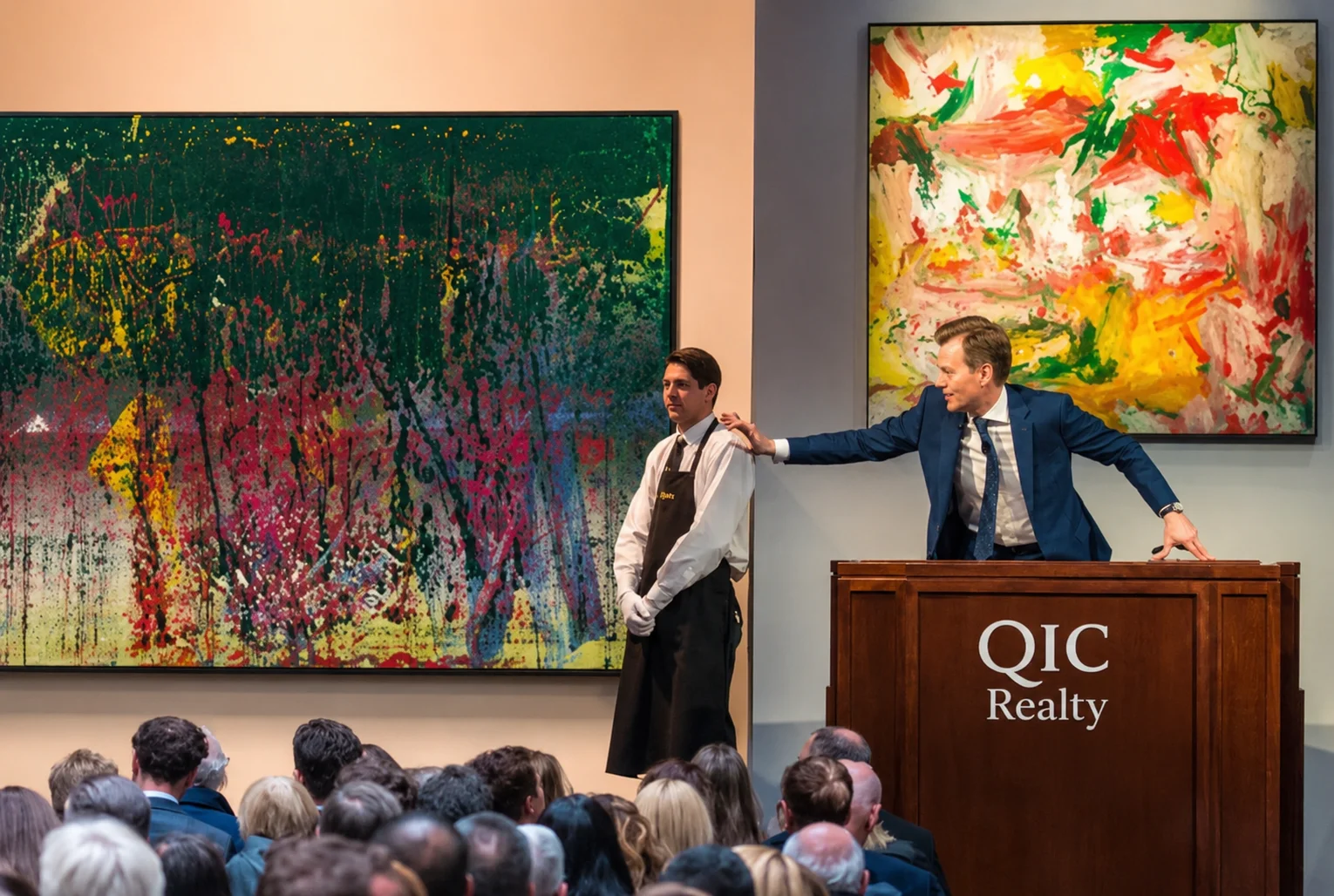
    QIC Real Estate opened a 6,842-square-metre Racquet Club venue at Robina Town Centre on the Gold Coast in September 2026, adding 13 courts to the shopping complex.

    Built outdoors, the project features seven padel courts, six pickleball courts, athlete recovery facilities and a clubhouse food and beverage venue.

    Landlords pivot to social sports

    The project gives major retail space to racquet sports over traditional specialty stores or standard entertainment anchors. Sally Harding, head of alternative income at QIC, noted the shift in asset management: “Some of the most exciting opportunities in our portfolio come from looking at land in new ways; not just where the next store goes but how we create places that get people active and connected.”

    Retail landlords across Asia-Pacific face structural shifts in department store footprints and apparel tenancies. Turning outdoor land and rooftops into sports hubs drives footfall during weekday evenings and weekend mornings. Conventional mall traffic softens during those periods. The risk lies in operational intensity: leisure operators need steady community engagement to justify square footage that produces lower base rent per square metre than luxury or specialty retail tenancies.

    Alternative income and regional footprint

    Founded in Sydney in 2023, Racquet Club previously built permanent facilities in Sydney and Canberra alongside temporary pop-ups. The Gold Coast venue serves as the company’s third permanent Australian location and its second-largest site to date.

    Robina Town Centre celebrated its 30th anniversary in April 2026. That milestone followed a 2024 institutional marketing partnership between QIC, the Australian Sports Commission and the Australian Institute of Sport to lift on-site sports participation.

    Clubhouse launch schedule

    Court bookings at the Robina venue are active now. The adjoining clubhouse food and beverage operation opens before the end of September 2026.

  • Haigh’s Chocolates Enters Queensland with First Brisbane Store

    Haigh’s Chocolates Enters Queensland with First Brisbane Store

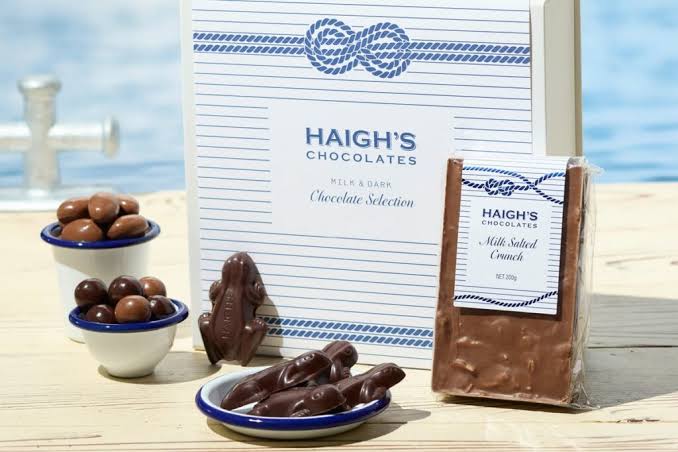
    Haigh’s Chocolates has launched its first physical store in Queensland at Westfield Mt Gravatt in Brisbane. The opening establishes a direct retail footprint in the state ahead of two further Brisbane outlets scheduled for November.

    The family-owned South Australian confectioner took space on Level 2 of the shopping centre next to cosmetics retailer Mecca. The store sells the brand’s core artisan chocolate lines alongside complimentary tasting counters.

    Queensland Footprint Expands

    Online sales in Queensland prompted the physical rollout. Customer order volumes across the state showed sufficient local demand to justify bricks-and-mortar leases, according to the company.

    “Since announcing that we were coming to Brisbane, we have had so many Haigh’s fans and online customers reaching out, asking where they can visit and when we will be open,” said Haigh’s Chocolates chief executive Peter Millard.

    Two more retail sites are in the pipeline. Outlets at Westfield Chermside in Brisbane’s north and Westfield Carindale in the east will open before the end of the year.

    Supply Chain Backing

    The Queensland rollout relies on supply chain capacity completed last year. Haigh’s opened a 120 million Australian dollar production and logistics facility in Salisbury South, South Australia, designed to support national distribution and higher store volumes.

    Converting digital customer density into shopping centre tenancies mirrors how regional specialty retailers derisk capital expenditure in Australia. By validating regional demand through online fulfilment first, brands reduce opening risk in major retail malls before committing to long-term leases.

    Fit-out work is continuing at both the Chermside and Carindale locations ahead of their planned November trade debut.

  • Scentre Group Lifts Full-Year Guidance to 23.79 Cents on High Mall Occupancy

    Scentre Group Lifts Full-Year Guidance to 23.79 Cents on High Mall Occupancy

    Scentre Group lifted its full-year earnings forecast after generating $612 million in first-half funds from operations across its Westfield shopping centres in Australia and New Zealand.

    The Sydney-headquartered landlord now projects full-year funds from operations to rise at least 4.25 per cent to 23.79 cents per security, with distributions tracking the same percentage increase. Operating earnings reached 11.73 cents per security during the six months to June 30, while distributions rose 4.9 per cent to $481 million.

    Sales and Footfall Gains

    Customer traffic across the portfolio rose 3.5 per cent to 347 million visits during the first half. Westfield membership expanded to 5.2 million users, supporting higher transaction volumes across managed retail space.

    Occupancy reached 99.8 per cent, gaining 10 basis points from the prior year and holding at its highest rate in more than a decade. Specialty retailer sales grew 5.1 per cent over the half, while total partner sales increased 3.7 per cent across the network.

    Property Valuations and Portfolio Value

    Statutory profit for the half finished at $975 million, supported by an unrealised property valuation increase of $478 million. Total portfolio assets stood at $33.7 billion at the close of June.

    The performance reflects solid rental retention across primary retail hubs, matching the previous year’s 4.9 per cent earnings growth when operating funds reached $1.18 billion. Chief Executive Elliott Rusanow confirmed the group will focus on expanding land-use yield and commercial partnerships across its existing properties through the remainder of the fiscal year.

  • Australia CBD Retail Vacancy Rises to 10.8% on Melbourne Supply Wave

    Australia CBD Retail Vacancy Rises to 10.8% on Melbourne Supply Wave

    Australia’s central business district retail vacancy rate rose 40 basis points to 10.8 per cent in the first half of 2026 as fresh retail completions in Melbourne added new space.

    A survey of 5,669 retail tenancies across five state capitals by real estate services firm CBRE showed that shop vacancies declined in four of the five cities, leaving Melbourne as the lone driver of the national increase. Melbourne’s CBD vacancy rate climbed 160 basis points to 8.1 per cent following the launch of two retail centres. Sydney held the tightest retail core in the country, with vacancy standing at 5.3 per cent.

    State Capital Breakdown

    Adelaide posted the sharpest improvement among metropolitan centres, where retail vacancy dropped 130 basis points to 10.4 per cent. Brisbane recorded an 80-basis-point decline to 16.7 per cent, while Perth edged down 10 basis points to 18.5 per cent.

    Physical retail space in Australian city centres remains structurally tight over the long term. CBD retail stock accounted for just 4.2 per cent of total new retail supply built across the country over the past decade, limiting the risk of prolonged oversupply even as consumer budgets tighten.

    Luxury and Experiential Demand

    Foot traffic gains from returning office workers, inbound tourists, and major events have kept cash registers moving in primary shopping strips. Luxury brands and premium apparel retailers continue to take prime floor space in Sydney and Melbourne, competing directly against dining and wellness concepts that landlords rely on to anchor footfall.

    For retail property operators across the Asia-Pacific region, Australia’s low single-digit prime core vacancies mirror similar supply squeezes in Tokyo and Singapore. Landlords in secondary locations, however, face longer leasing cycles as retail groups focus their capital expenditure almost exclusively on high-traffic street corners and flagship malls.

    Leasing agents now turn their attention to absorption rates in Melbourne’s two newest downtown complexes over the second half of 2026, which will determine whether the city’s vacancy rate stabilizes before next year’s development pipeline delivers.