
Tag: shopping trends

  • Vietnam’s E-Commerce Revolution: Platforms Embrace Immersive Experiences Over Discounts for Engaging Shopping Journeys

    Vietnam’s E-Commerce Revolution: Platforms Embrace Immersive Experiences Over Discounts for Engaging Shopping Journeys

    Double-day events—dates like 6/6, 9/9, and 11/11—have historically served as prime opportunities for online retailers, marked by aggressive promotions and a flurry of sales. However, growing indications of diminishing returns, especially among Gen Z, are nudging platforms to rethink their marketing strategies.

    According to TikTok’s What’s Next 2023 report, a remarkable 72% of Gen Z users trust product recommendations from content creators more than traditional ads. In a striking revelation, 83% confessed to making purchases after enjoying a livestream. These figures underscore a notable shift towards authentic, personalized content over conventional sales pitches.

    Younger consumers are now leaning towards emotional connections, real-life narratives, and product discovery through relatable influencers and entertaining content.

    Transforming Transactions into Engagement

    In response to these emerging trends, many e-commerce platforms are reimagining their strategies. Livestreams, once primarily seen as direct sales mechanisms, are evolving to emphasize storytelling, interactivity, and community connection.

    Take Lazada’s recent 6.6 campaign, for instance. It featured an innovative livestream series titled Kinh LazTo, inspired by the traditional Vietnamese bingo-style game, lo to. Running from June 3 to 6, the show artfully entwined modern e-commerce with cultural flair, creating a vibrant atmosphere that invited viewer participation while seamlessly promoting featured products.

    Rather than merely showcasing discounts, hosts cleverly introduced sale items through interactive gameplay, allowing viewers to add them to their carts in real time. The experience resembled a live festival, complete with a digital bingo machine, dazzling visual effects, and lively commentary. Viewers didn’t just watch; they engaged, responding enthusiastically to each draw and forming connections with the products on display.

    A Shifting Competitive Landscape

    In an ever-crowded e-commerce environment, the old trick of discounting loses its charm and differentiation. As consumer expectations continue to shift, brands are venturing into new territories that place a premium on emotional resonance, entertainment, and engagement.

    Initiatives like Lazada’s bingo-inspired livestream illustrate how platforms are inventively enhancing customer experience while ensuring sales performance. While discounts still play a role in the equation, there’s a growing focus on long-term engagement strategies that aim to foster loyalty and distinguish brands in today’s competitive digital marketplace.

    As we navigate this transformed retail world, one can’t help but wonder: Could the next shopping trend be an old-school carnival game come to life in a virtual format?

    Questions & Answers

    What is the main takeaway from the TikTok report regarding Gen Z?
    The report reveals that a significant 72% of Gen Z users prefer product recommendations from content creators over traditional advertisements, indicating a shift towards authentic marketing approaches.

    How did Lazada integrate cultural elements into its 6.6 campaign?
    Lazada’s campaign incorporated the traditional game of lo to, blending it with modern sales tactics to create a lively and engaging livestream event that resonated with viewers culturally and emotionally.

    What does the shift in e-commerce strategy suggest about future trends?
    The growing emphasis on interactive and emotionally resonant content suggests that future trends in e-commerce will prioritize community-driven experiences and personalized marketing over mere discounting strategies.
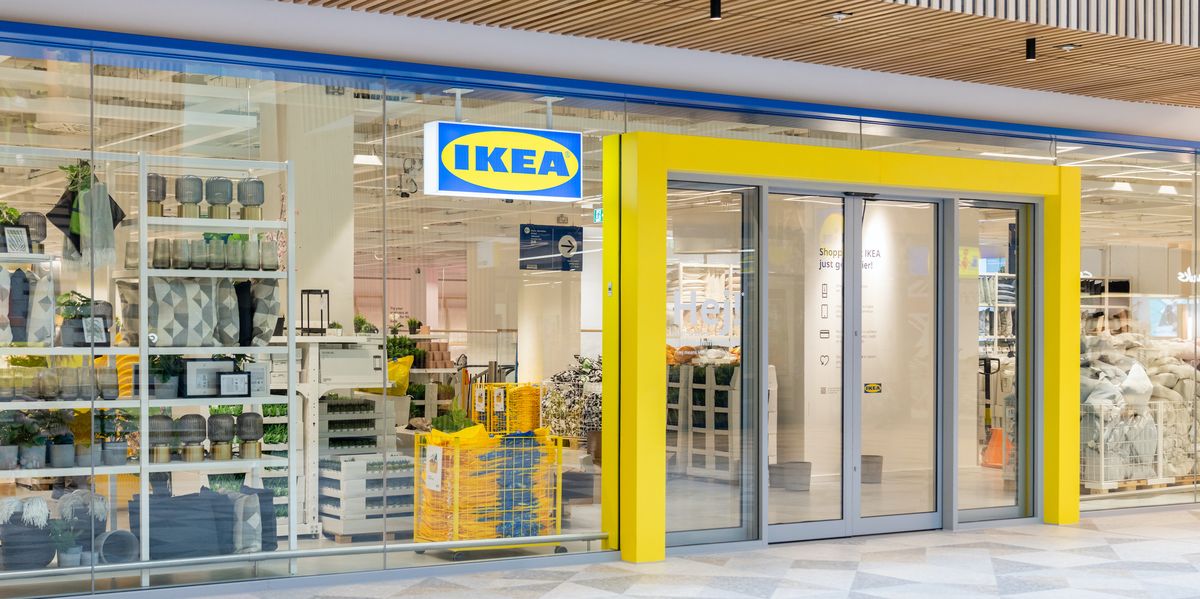
  • Retailers Like Ikea Revamp Store Designs to Adapt to Digital Shopping Trends

    Retailers Like Ikea Revamp Store Designs to Adapt to Digital Shopping Trends

    IKEA is making waves in the retail world by swapping its iconic maze-like store design for a more straightforward, linear layout. This bold move reflects a larger transformation in the industry, one that champions efficiency, flexibility, and clear brand identity.

    A Retail Renaissance

    Rufus Turnbull, Founder and Creative Director at Studio X, notes, “We’re witnessing a shift towards smaller format stores that can offer a more agile shopping experience for consumers. Coupled with the rise of AI, there will be an even sharper focus on hyper-localization—tailoring product ranges to fit the specific needs of customers in their respective regions.” This redesign is part of IKEA’s global strategy to enhance in-store navigation and cut down on shopping time, responding to the increasing consumer demand for quicker and more efficient retail experiences—especially as online shopping sets higher expectations for physical stores.

    Rethinking Retail Inspiration

    Mike Lim, Director at DP Design, emphasizes that traditional, inspiration-driven retail models, like IKEA’s former printed catalog, are losing their relevance. “Today, consumers primarily turn to the internet for information,” he highlights, arguing for a re-evaluation of whether the classic show-and-tell shopfront really meets the needs of modern shoppers.

    Balancing Efficiency with Experience

    However, this shift does come with its own set of challenges. Turnbull warns against viewing the move to more efficient formats as an “all or nothing switch.” He suggests that large-format stores will continue to be crucial, while newly introduced smaller formats can facilitate product pickups and enhance customer service and returns.

    Lim also cautions against an overemphasis on speed and efficiency: “We must avoid the ‘efficient trap’—oversimplifying the shopping experience consumers crave,” he advises. Instead, he advocates for a “retail plus experience” model and “placemaking” that fosters emotional connections with shoppers. After all, who doesn’t want an enjoyable shopping adventure?

    Defining Brand Identity in Transition

    Maintaining a strong brand identity while adapting store functions remains a pressing concern. “A retail concept with a clear purpose is more likely to succeed,” Turnbull explains. He adds that the most sustainable environments are those that respond to market demands and endure over time, rather than simply showcasing trendy green features.

    Lim insists that a brand’s identity must be “singular and laser-focused,” with store design clearly reflecting that mission through layout, packaging, and customer service.

    As IKEA ventures into this new chapter, we can’t help but wonder what other surprises lie around the corner in the ever-evolving retail landscape!

    Questions & Answers

    What is the reason behind IKEA’s change in store layout? The shift to a simpler, straight-line design aims to enhance efficiency, streamline navigation, and respond to consumer demand for faster shopping experiences.

    How are smaller store formats expected to perform? Smaller stores will serve as agile hubs for customer service, product pickup, and returns while still complementing larger locations.

    What role does brand identity play in this transition? A strong, purposeful brand identity is essential; it should be reflected throughout the store’s design and operations to foster long-term success.