Tag: Silicon Valley

  • LG seeks AI, robotics, big data talent in Silicon Valley

    LG seeks AI, robotics, big data talent in Silicon Valley

    LG Electronics Vice Chairman Jo Seong-jin will be in Silicon Valley on Nov. 14 scouting employees with expertise in future technologies such as artificial intelligence, robotics, big data and the cloud. He will meet with job candidates – mostly those with doctoral degrees in the areas of interest – and introduce LG’s vision for growth and plans to staff up in research and development. He will then meet with academics focused on artificial intelligence, including professors at Stanford University, to discuss technological trends and future prospects in the field, according to LG.

    Jo will also visit San Diego, San Jose and Seattle to meet with corporate leaders in IT, finance and consumer goods to discuss the company’s blueprint for the future.

    “LG must hire global talent to become a leader in future businesses based on artificial intelligence, big data and the cloud,” Jo was quoted as saying by LG in a release.

    LG will continue investing in leading companies and cooperating with other businesses in related fields, he added.

    Inaugurated as chief executive of LG Electronics in 2016, Jo has been outspoken about the company’s future in artificial intelligence.

    Delivering a keynote speech at the opening of the IFA tech fair in Berlin in August, he said LG will be “pouring the company’s resources into artificial intelligence,” given that the technology will determine LG’s future.

    LG launched an artificial intelligence research center in June. It is led by the company’s chief technology officer and devoted to voice, video and bio recognition as well as deep-learning algorithms.

    Earlier this year, the country’s second-largest electronics appliance producer established another center connected to LG’s Silicon Valley lab. It is focused on deep learning and automobile technologies.

  • The next Silicon Valley? Where to place Vietnam on the global startup map

    The next Silicon Valley? Where to place Vietnam on the global startup map

    Vietnam is trying hard to become a startup nation. The country kicked off its own “Silicon Valley” with the hope of transforming from a software outsourcing haven to a major tech hub last year. This complex, with total investment of $21.5 million, is aimed at nurturing tech-incentive startups.

    However, when asked if Saigon could become the next Silicon Valley, entrepreneur Anh-Minh Do from the Singapore-based Vertex Venture, smiled and answered without hesitation: “I don’t think it will ever happen.”

    In the Global Startup Ecosystem Report 2017 released by U.S. research organization Genome, Saigon was not mentioned in its top 20.

    Meanwhile, Southeast Asian neighbor Singapore shocked the world by outperforming Silicon Valley as the world’s number one for tech talents, and was ranked 12th overall.

    Saigon became known to the global tech market nearly two decades ago as an outsourcing haven, together with Bangalore in India, which did secure a place in the top 20.

    When it comes to other up-and-coming tech hubs in Southeast Asia, Kuala Lumpur also has its name on the map.

    In another report released this month by consultancy firm A.T. Kearney, Saigon stood in 74th out of the 128 most innovative cities worldwide.

    Those rankings cast doubt on Saigon’s Silicon Valley dream. People are getting more realistic, saying it may be out of reach.

    People have been wondering where the second Silicon Valley will emerge, but even Singapore is not a safe bet, according to some investors. Singapore may have overtaken the California-based tech hub in some respects, but is still a long way from becoming a major rival.

    For some entrepreneurs, investors and developers, the term “Saigon Silicon Valley” comes as a surprise.

    “What do you mean Saigon Silicon Valley?” astonished Tuan Anh, a former Google intern in the U.S., asked with wide-open eyes at an Internet of Things conference held last month in Hanoi. He had no idea that Vietnam is constructing its own Silicon Valley, covering an area of over 11,000 square meters. “I am sorry, I didn’t know about the project. But considering the situation in Vietnam now, I think Silicon Valley is just a name reflecting a government dream.”

    It seems the Vietnamese government is obsessed with the term “Silicon Valley”. Nearly five years ago, the government also sponsored an accelerator based in Hanoi called Vietnam Silicon Valley, hosting bootcamps aimed at mentoring young startups and giving direction to the fragmented venture capital market.

    Tech talents

    Many investors agree that Vietnam is a great breeding ground for IT workers, and tech companies are constantly hunting for talented candidates.

    Domestic demand for techies has doubled over the past five years, according to a report by human resources firm VietnamWorks.

    Vietnam is recognized as one of the world’s top software outsourcing hubs. The appeal is bolstered by its tech-savvy workforce, which is cheaper than China’s and more productive than other countries in the ASEAN Economic Community.

    “But when it comes to sophisticated projects that require the ability to appreciate good and user-focused design and critical thinking, Vietnamese developers seem to be struggling,” Pham Quoc Dat, founder & CEO of Hatch Ventures Vietnam.

    “Vietnamese IT workers are just above average,” Dat added. “On a scale of 1 to 10, they score 7 to 8 in comparison to their Southeast Asian peers, but just 5 to 6 compared to the real Silicon Valley in the U.S.”

    Clearly, outsourcing is not enough for Vietnamese developers to make their Silicon Valley dream come true – it’s the matter of creating new things.

    “The world is now focused on artificial intelligence and automation, but Vietnam has virtually no home-grown talents in this field, only those who were educated overseas,” said Anh-Minh. “That means Vietnam is being left behind when it comes to education, which is a key component to keep up in this fast-paced world.”

    On the other hand, Vietnamese high school students have long been known for their excellent performances at math and science competitions, outscoring their U.S. and U.K. counterparts. It is this foundation for computer science that could give Vietnam an edge.

    “Vietnam has hidden tech potential, but it could take another five years to create massive companies that have global influence,” Anh-Minh added.

    The country is looking at ways to transform from an electronic component producer to a center for research, innovation and development.

    In early 2014, the world became addicted to mobile game Flappy Bird, developed by Vietnamese programmer Nguyen Ha Dong. He was said to have pocketed an estimated $50,000 a day thanks to the bird. Not even Mark Zuckerberg became rich that fast.

    Dong’s story is an encouraging example for his peers, but it seems that “Flappmania” was just a one-night hit for him. No more spotlight for descendents of this bird.

    Since then, no Vietnamese techies have been able to recreate that, not even Dong himself.

    When entrepreneurial spirit is not enough

    Setting up your own business is part of Vietnamese culture. Seven in 10 startups are family-run businesses, according to the “Vietnam –Promised Land for Entrepreneurship” report, conducted by USAID and the Vietnam Chamber of Commerce and Industry. They start small but hope to grow bigger.

    The average age of startup founders in Vietnam was 30, said the report, just slightly older than the 28 years reported in Singapore, the world’s youngest base.

    “Most young Vietnamese people want to be entrepreneurs,” said Chris Zobrist, an American entrepreneur and advisor on the Silicon Valley Project. “A lot of their parents started businesses that did really well, and that created an image in young people’s minds that being an entrepreneur is a real path to success in life.”

    Geektime, one of the biggest tech blogs focusing on global innovation, estimated the number of tech startups in Vietnam stood between 1,400 and 3,000 in 2016, making the country the third largest ecosystem in Southeast Asia, only behind Singapore and Indonesia. However, around 95 percent of startups die within 3-5 years.

    Vietnamese people are focusing more on commercial startups like coffee shops rather than doing something tech-related and revolutionary, said Truong Gia Binh, chairman of technology giant FPT Corporation. Binh said he would wholeheartedly support any projects that could make a breakthrough in the tech world. Startups that could go global should have technology as their foundation, he added.

    The startup trend has fired up in Vietnam for three years.

    The government has set a target of reaching one million newly established firms by 2020, but quantity should go together with quality.

    To become the “next” anything, the country needs bigger bets from founders, investors and regulators.

    Vietnamese startups enjoy significant government subsidies and the country’s strategists are working to establish local tech startups that can make it big on a global scale.

    “The law needs to regulate the money better. The government needs to be more supportive; there needs to be more interaction from Vietnamese-Americans, specifically Vietnamese-Californians because of the ‘Valley’ connection,” Anh-Minh said.

    Vietnamese startups struggle to succeed because they don’t have access to experienced professionals. In Silicon Valley, founders and entrepreneurs have a lot of people who have successfully started companies to go to for advice. Here in Vietnam, a relatively young market, it is not easy to find that depth of experience.

    Vietnam is a small country with big ambitions.

    Dat from Hatch Ventures said: “As the first entrepreneurial hub in Vietnam, Saigon is the first choice for investors looking for potential deals.”

    “If any city in Vietnam has the potential to become the next big tech hub, it’s Saigon,” Dat said.
     

  • BMW to develop driverless car technology with Intel, Mobileye

    BMW to develop driverless car technology with Intel, Mobileye

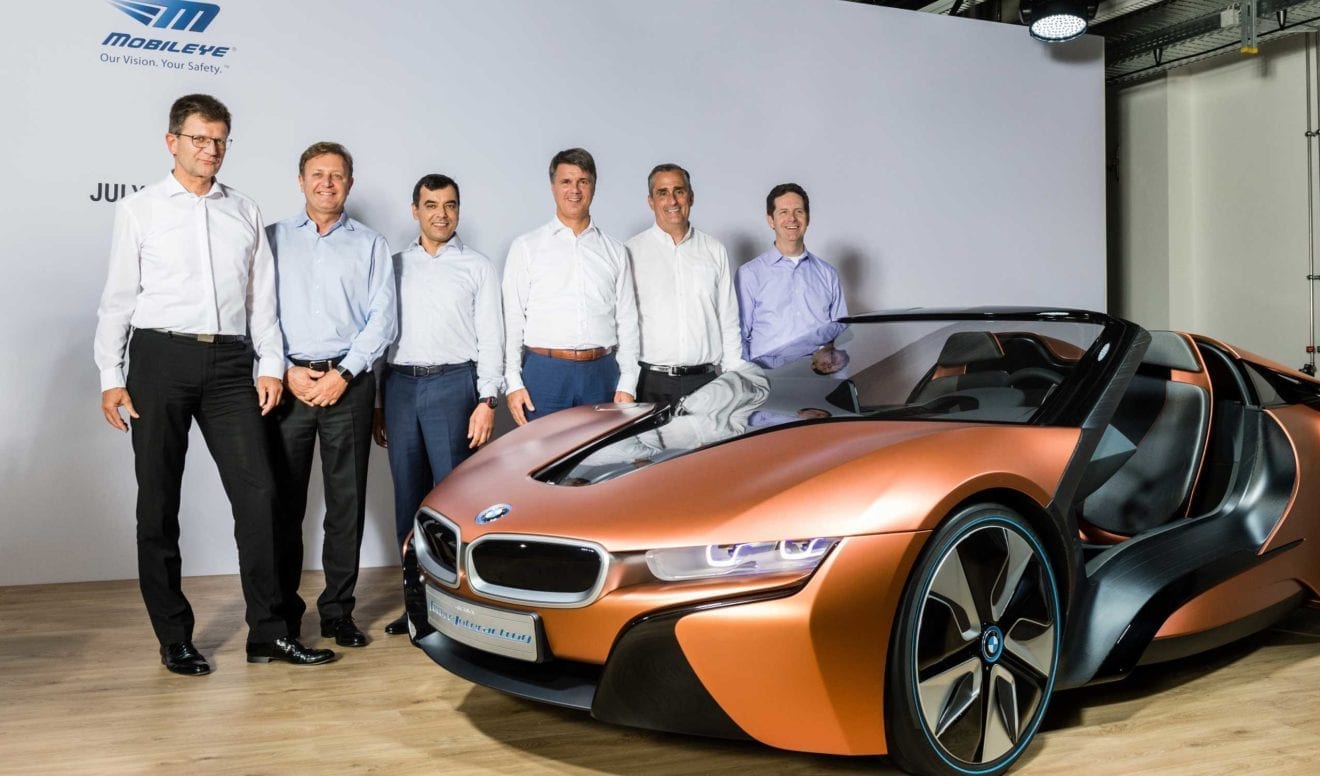
    BMW is teaming up with Intel and Mobileye to develop new technology for the auto industry that could put self-driving cars on the road by around 2021.

    The alliance highlights a shift in the dynamics of research and development in the car industry, which until recently saw automakers largely dictating terms for suppliers to manufacture their proprietary technologies at specified volumes and prices.

    Now carmakers are increasingly striking up partnerships with technology firms using open technology standards, seeking to harness their expertise in areas including machine learning and mapping as they race against Silicon Valley companies such as Google, Tesla and Apple to develop driverless vehicles.

    “Highly autonomous cars and everything they connect to will require powerful and reliable electronic brains to make them smart enough to navigate traffic and avoid accidents,” Intel Chief Executive Brian Krzanich said on Friday at a joint news conference announcing the alliance.

    The three companies said their new platform would be made available to multiple carmakers and they expected vehicles with highly and fully-automated driving would be brought into mass production by 2021. It is too early to say which other carmakers would join the alliance, BMW Chief Executive Harald Krueger said at a news conference on the outskirts of Munich on Friday.

    Sophisticated cruise control systems already enable “hands off” driving as cameras and computers allow cars to automatically brake, steer and accelerate in traffic at low speeds. But drivers are required to stay in control.

    Now BMW, Intel and Mobileye will develop cars with even higher levels of automation described as “eyes off,” “mind off,” and “driver off”. This requires much more computing power and software know-how, forcing traditional carmakers to collaborate more closely with technology specialists.

    Both industries see huge revenue opportunities in the market for autonomous vehicles, although it is unclear how many drivers will be prepared to relinquish control and how quickly laws will be put in place to allow fully autonomous vehicles on the roads.

    But creating common technology standards would help all manufacturers update their vehicles faster, Intel Chief Executive Brian Krzanich said. “That will be critical for advancing the safety aspects of this.”

    A common approach to standards will also make it easier for regulators to understand and approve the roadworthiness of a vehicle while still leaving enough scope for individual car manufacturers to customize their cars, Mobileye Chairman Amnon Shashua said.

    Beyond technological hurdles there are legal questions over who is responsible when a crash occurs. On Thursday, the driver of a Tesla Model S car, operating in Autopilot mode, was killed in a collision with a truck in the United States, prompting an investigation by federal highway safety regulators.

    When asked about the crash, BMW CEO Harald Krueger said: “The accident is very sad …. We believe today the technologies are not ready for series production,” he added, explaining the alliance had not forecast that until 2021.

    “For the BMW group, safety comes first,” he said.

    As part of the new alliance, Intel, the world’s largest computer chip maker which has been looking to expand into the automotive electronics market, will supply the microprocessors – or central processing units – to control an array of sensors.

    Auto camera and software maker Mobileye will supply its Road Experience Management (REM) technology and make its latest EyeQ5 chip available to be deployed on Intel computing platforms.

    The three companies said they would demonstrate their technology in a prototype in the near future.

  • China’s JD.com expands operations to Silicon Valley

    China’s JD.com expands operations to Silicon Valley

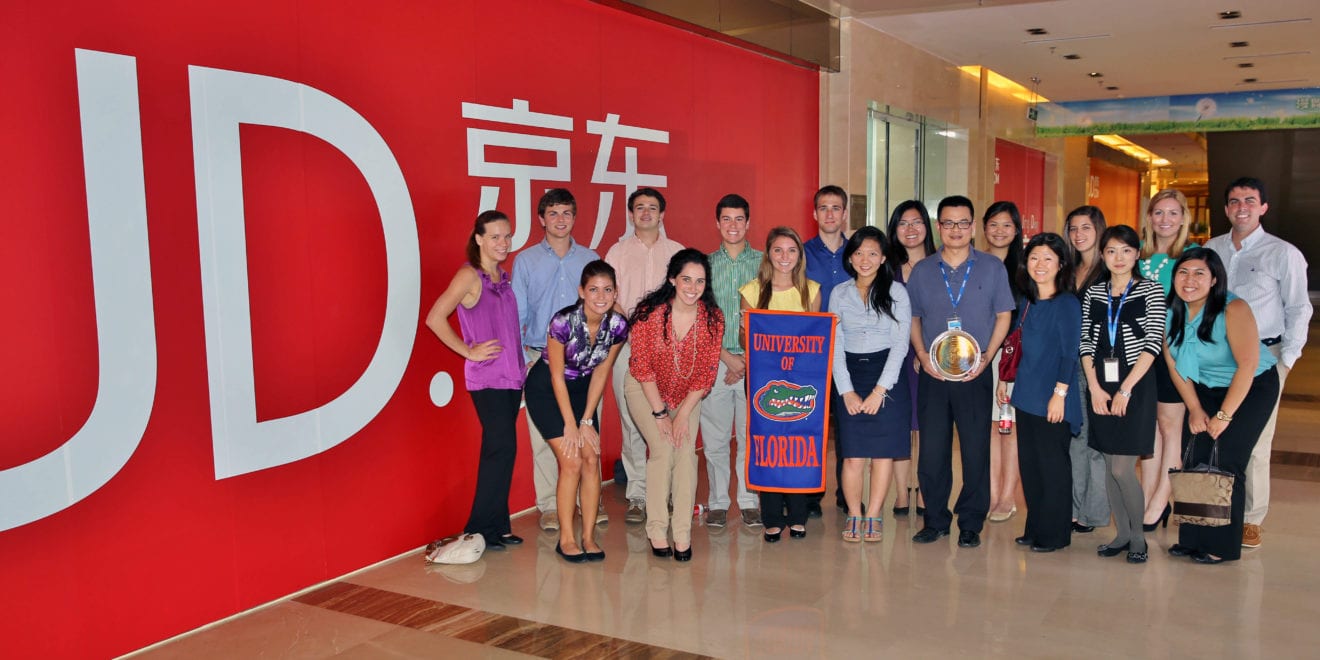
    JD.com, China’s second-largest e-commerce services provider by sales, has expanded its operations in the United States, with the opening on Monday of a research and development facility in Santa Clara, California — right in the centre of Silicon Valley.

    “Given the scope and strength of American brands, products and capabilities, the US was the obvious choice as we sought a location for our first office outside of Asia,” said Richard Liu Qiangdong, the founder and chief executive of JD.

    The move followed JD’s unveiling last month of a new office in Hong Kong that was set up to help the Beijing-based company better engage with major brands and retailers across Asia.

    Dennis Weng, the chief technical advisor for JD Mall, has been tasked to initially oversee the new US facility, which will focus on areas such as cloud computing, mobile applications and big-data infrastructure to improve the online retail experience for its customers in mainland China and boost the company’s US-sourced offerings.

    JD’s research and development operation is also expected to provide both rotational job possibilities for engineers in China and opportunities for certain skilled technical workers in Silicon Valley.

    “Our nearly 120 million active customers stay loyal because they know we work continuously to improve their shopping and fulfillment experience by implementing the most advanced technologies and processes,” said Rain Long, JD’s chief human resources officer and general counsel.

    Nasdaq-listed JD launched a “US Mall” marketplace on its website, dedicated exclusively to meeting the demand on the mainland for authentic imported American products.

    “As we build out and staff our new facility in the coming months we look forward to forging new partnerships and attracting new talent that will help JD.com achieve its goals of delivering an unparalleled level of service and quality,” Long said.

    JD, which posted second-quarter revenue of 45.9 billion yuan (US$7.2 billion), claims it has the largest fulfilment infrastructure of any e-commerce company in mainland China.

    It operates seven so-called fulfilment centres and a total of 166 warehouses in 44 cities. In addition, its own staff runs 4,142 delivery stations and pick-up stations in 2,043 counties and districts across the country.

    Efforts to widen JD’s international sourcing capabilities are in line with the company’s announcement in August of expanding into 100,000 villages across mainland China by the end of this year. This marks the company’s most aggressive domestic market expansion since 2013, when it started its foray into lower-tier cities..

    “Management expects to see more than 50 per cent order contribution from lower-tier cities in the near term,” Jefferies equity analyst Cynthia Meng said in a report.

    Meng said the fastest-growing product categories on business-to-consumer e-commerce platform JD Mall included apparel and shoes, home furnishing, watches, food and beverage, cosmetics and baby products.

    JD’s rural expansion would heat up competition with domestic market leader Tmall.com, e-commerce giant Alibaba Group’s business-to-consumer operation, in that fast-growing market segment.

    The number of online shoppers in rural mainland China increased 40.6 per cent year-on-year to 77.14 million at the end of December, according to data from the China Internet Network Information Centre.