Tag: silk

  • Harrods Develops Bespoke Collaboration with Hong Kong Brand Silk

    Harrods Develops Bespoke Collaboration with Hong Kong Brand Silk

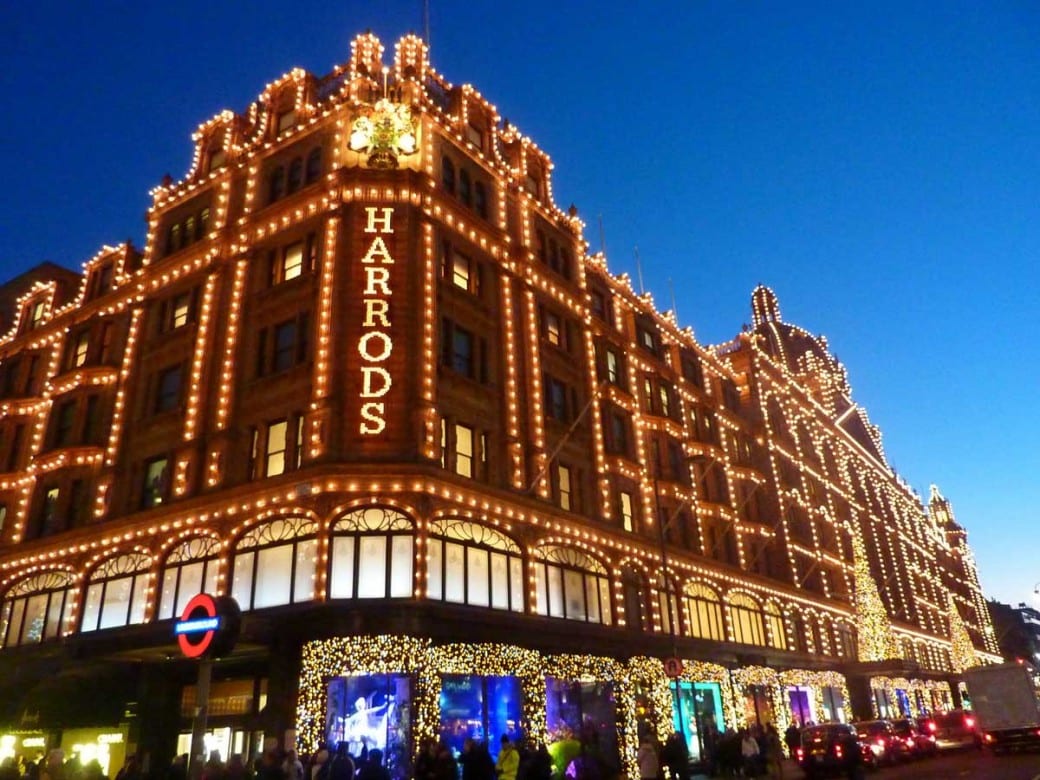
    In September 2026, London department store Harrods flew members of its global marketing team to Hong Kong to develop a bespoke collaboration with Silk, a young local beverage brand. The partnership aims to place Hong Kong-style bubble tea directly into premium lifestyle culture.

    Silk was founded on the conviction that Hong Kong-style bubble tea deserves a place in premium retail. For the young beverage maker, working directly with 1 of the world’s most recognisable department stores confirms its place in high-end lifestyle branding.

    Global Retailers Target Local Asian Culture

    Department stores across Europe and Asia increasingly look past standard licensing deals in favour of direct, culturally rooted partnerships. Securing authentic local products gives established department stores cultural credibility with younger Asian travellers and domestic luxury shoppers.

    For Silk, entering a joint project with Harrods validates a premium pricing and branding strategy for a product category traditionally sold at low street prices. The commercial risk sits in execution: luxury consumers expect elevated ingredients, distinct packaging and narrative depth rather than standard co-branding.

    Shifting Playbook for Independent Beverage Brands

    Regional beverage brands in Asia previously relied on regional franchise networks or overseas store openings to build global scale. Partnering directly with legacy international retailers offers an alternative route to worldwide visibility without the capital expense of offshore physical stores.

    The Harrods project mirrors broader retail shifts where Western heritage operators seek relevance in Asian consumer hubs through high-profile regional collaborations. The development process required London brand teams on the ground in Hong Kong to oversee formula and packaging design.

    Next Steps for the Collaboration

    Harrods and Silk will confirm rollout schedules and retail availability across physical counters and export channels once final product formulations clear development.
  • Lilysilk Marks 15th Anniversary With Debut Hong Kong Store, Championing ‘conscious Elegance

    Lilysilk Marks 15th Anniversary With Debut Hong Kong Store, Championing ‘conscious Elegance

    Renowned silk clothing retailer, Lilysilk, recently launched its debut store in the Harbour City of Hong Kong, situated in the bustling shopping region of Tsim Sha Tsui.

    Gateway Arcade Welcomes Lilysilk

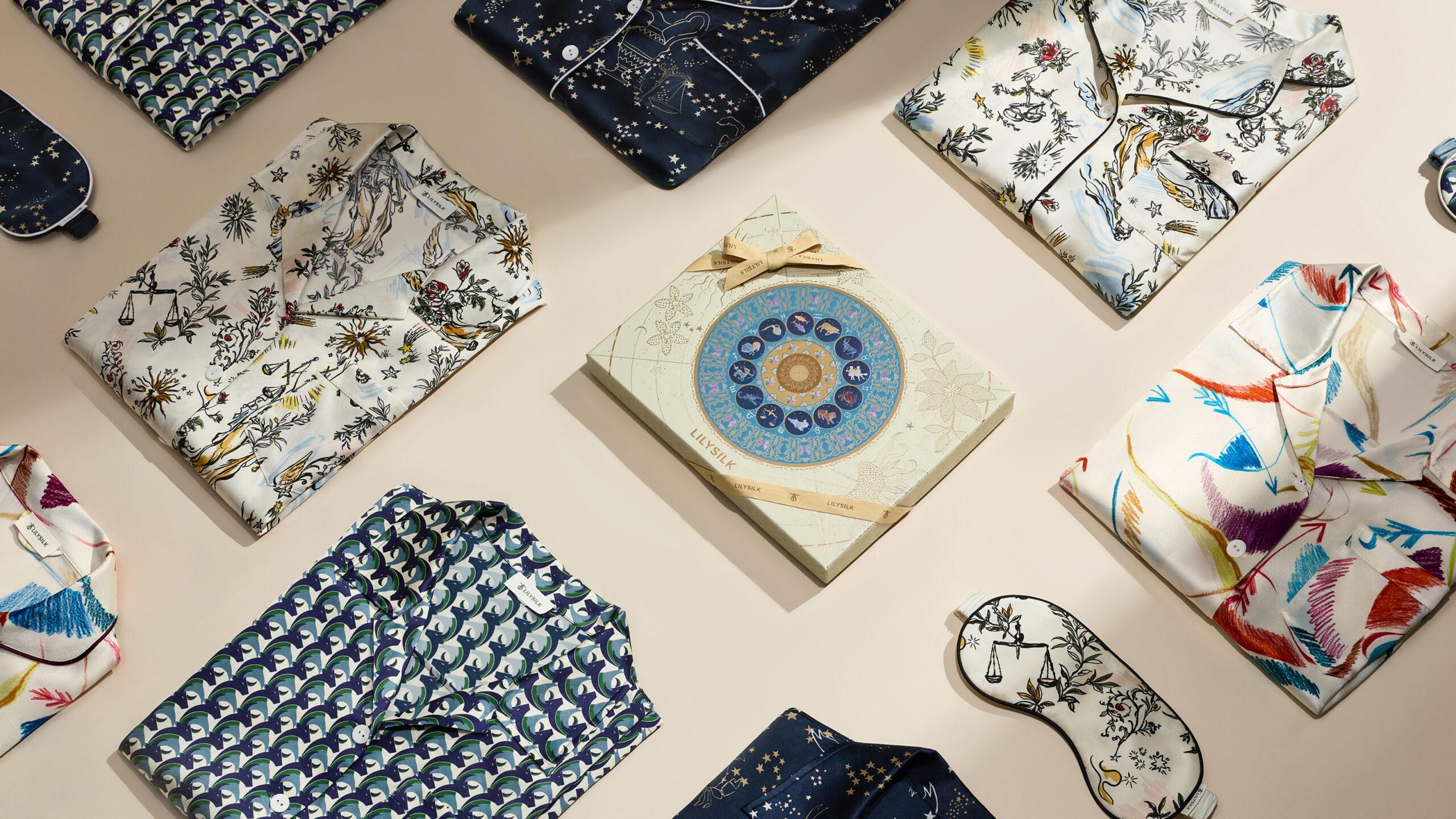
    Located on the second floor of the Gateway Arcade, the grand opening of the store coincided with Lilysilk’s 15th anniversary celebrations. The store brings a fresh shopping experience for locals and tourists alike, offering a plethora of clothing, accessories, homewares, and bedding. The merchandise, made predominantly from mulberry silk and other organic materials, highlights the brand’s commitment to sustainability and ‘conscious elegance.’

    Lilysilk’s Commitment to Sustainability

    Lilysilk ensures its fabrics are not only luxurious but also sustainable. The company prides itself on promoting ‘conscious elegance,’ a philosophy rooted in sustainable and environmentally-friendly practices. This is reflected in its commitment to using organic materials and ensuring its products are certified for sustainability.

    Celebrating a Significant Milestone

    David Wang, the CEO of Lilysilk, expressed his exhilaration about the significant milestone. “The opening of our very first flagship store in Asia is not just a milestone, but the start of an exhilarating new journey,” Wang stated.

    Since its inception in 2010, Lilysilk has established a strong foothold in North America and Europe. It ventured into the Chinese market in 2022 and earlier this year, the brand launched its first concept store in New York’s Meatpacking District.

    Questions & Answers

    Where is the new Lilysilk store located in Hong Kong?
    The new Lilysilk store is located on the second floor of the Gateway Arcade in the Harbour City of the Tsim Sha Tsui shopping district.

    What kind of products does the Lilysilk store offer?
    The store offers an array of products including clothing, accessories, homewares, and bedding. All products are predominantly made from mulberry silk and other organic materials.

    What does the philosophy ‘conscious elegance’ mean to Lilysilk?
    The philosophy ‘conscious elegance’ implies Lilysilk’s commitment to sustainability and environmentally-friendly practices. They ensure their fabrics are not only luxurious but also sustainable, using organic materials and obtaining necessary sustainability certifications.

  • Made-in-China scandal plunges top Vietnamese silk brand deeper into hot water

    Made-in-China scandal plunges top Vietnamese silk brand deeper into hot water

    Widespread public backlash. A raft of looming investigations. What’s next for the once-posh Vietnamese garment brand? Garment firm Khaisilk is poised to face a series of investigations after a made-in-China scandal triggered widespread calls for a boycott of the once-posh Vietnamese silk brand last week.

    On Monday, the Ministry of Industry and Trade said it had transferred all relevant documents to the police who are set to launch a criminal probe into Khaisilk after an inspection last week uncovered fake products made in China at one of the brand’s Hanoi outlets.

    Trade minister Tran Tuan Anh also on Monday set up a joint task force charged with launching an independent probe into the case.

    “Khaisilk’s actions have violated the law, damaging the value of Vietnamese brands and deceiving Vietnamese consumers,” Anh said at a meeting on Monday.

    The scandal came to light on October 23 when a businessman in Hanoi took to Facebook to rail against products his company had bought from the brand, saying they were actually made in China.

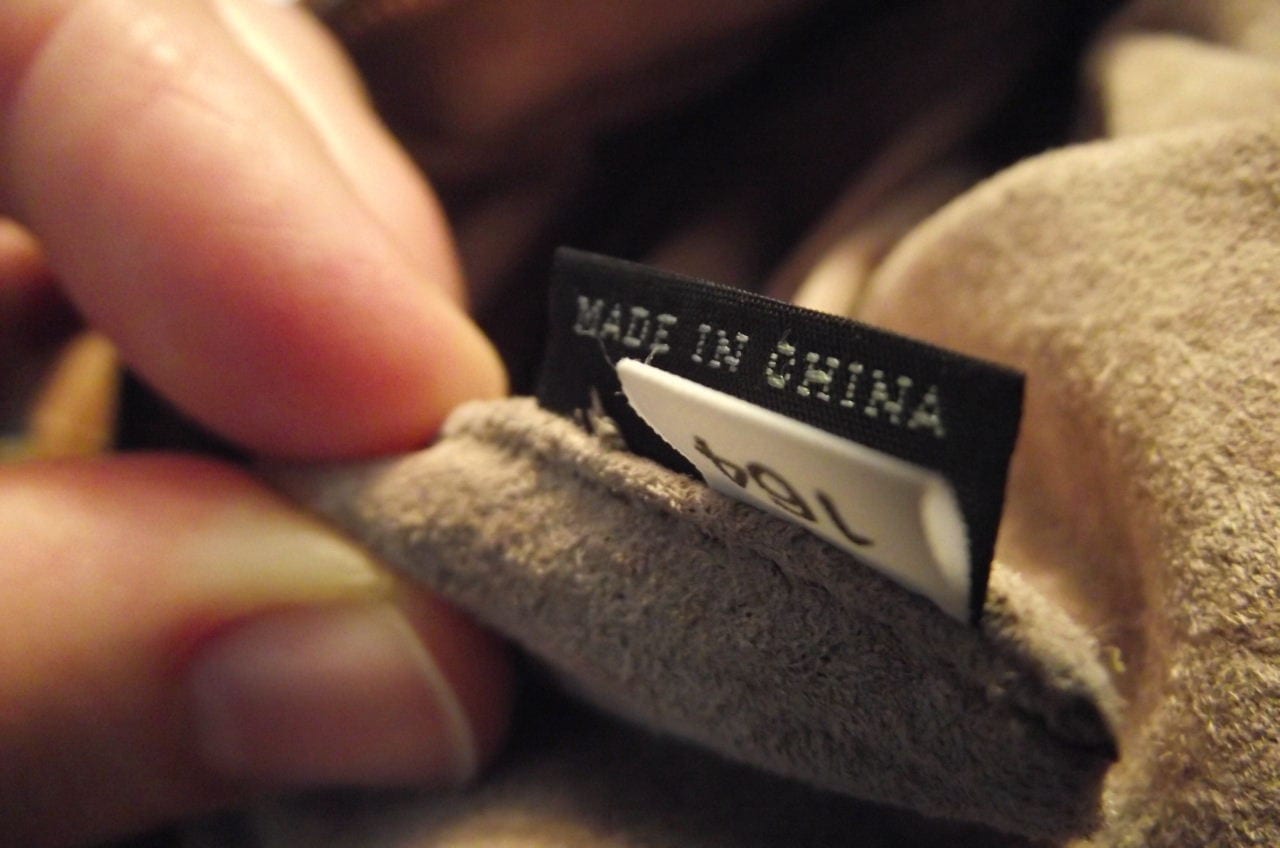
    According to the post, the company bought 60 Khaisilk-branded scarves at the Hang Gai shop in Hanoi for VND644,000 ($28) each, but one scarf had two tags: “Khaisilk Made in Vietnam” and “Made in China.”

    The company said it had checked the rest of the scarves and found signs that “Made in China” tags had been removed.

    The brand’s owner Hoang Khai later admitted that half of the silk used by Khaisilk came from China, while the rest came from Vietnamese craft villages. But he was adamant that his company always used high-quality material.

    Khai has apologized to customers and offered compensation. However, the public has started questioning whether Khaisilk had been receiving help from market watch authorities as its shops have allegedly been selling Chinese silk for years without being detected.

    Khaisilk is a renowned high-end brand with a history of over 30 years, famous for its supposedly high-quality “made in Vietnam” products.

    The scandal has triggered widespread calls to boycott its products. Vietnamese lawyers have also weighed in, saying aside from denting public confidence, Khaisilk Group, which owns the eponymous brand, could face legal action.

    Khaisilk’s outlets in both Saigon and Hanoi have been closed since Friday.

  • Silk Contract increases efficiency, safety with Zebra Technologies solution

    Silk Contract increases efficiency, safety with Zebra Technologies solution

    Zebra Technologies Corporation has announced that Silk Contract Logistics has deployed Zebra’s voice-directed warehouse picking solution to enhance its worker productivity and competitive advantage. Silk Contract Logistics operates across a range of sectors, including retail and fast-moving consumer goods (FMCG), light industrial and food and dairy, providing a tailored approach to wharf cartage, warehousing and distribution.

    With 21 warehouses spread across Australia, Silk Contract Logistics has deployed a suite of Zebra’s warehousing solutions, supported by Zebra’s PartnerConnect Premier Solution partner Skywire, to both futureproof its business and establish itself as an innovator in the Australian warehousing industry.

    The Enterprise Asset Intelligence solutions that the third-party logistics company deploys include Zebra’s mobile printers, and wearable computers equipped with voice-directed picking software TekSpeech Pro – making it the first enterprise in Australia to fully harness Zebra’s multi-modal voice solution. With these visibility solutions, Silk Contract Logistics aims to increase offerings to its customers, provide better safety to staff, improve functionality and efficiency, and enhance its service profile for its clients’ future use.

    Matt Hannah, chief information officer, Silk Contract Logistics, said, “We’re always looking at ways to lean on technology to enhance the warehouse experience, particularly for staff and clients. With Zebra’s wearable technology and voice-directed TekSpeech Pro software, our staff are now able to adopt a ‘hands-free’ approach on the warehouse floor – increasing accuracy and improving safety during the picking process.”

    James Shepherd, CEO, Skywire Australia, commented, “The multimodal wearables allow pickers on the floor to access and verify information – swiftly and accurately – improving operational visibility. Skywire is proud to have partnered Zebra in delivering a robust solution that has built Silk Contract Logistic’s status as an innovator in the warehousing space.”

    “Zebra has worked with Silk Contract Logistics for a number of years. As a forward-thinking logistics provider, Silk has now moved to a fully integrated system. Silk is the first business to implement TekSpeech Pro in Australia so we are looking forward to seeing Silk and its clients gain financial and operational efficiencies from this voice-directed warehousing solution,” said Tom Christodoulou, regional director, Australia / New Zealand, Zebra Technologies Asia Pacific.

    Key facts

    • Silk Contract Logistics has deployed Zebra’s wearable solution including the WT41N0 wearable computer, the Bluetooth-enabled RS507 ring scanner and TekSpeech Pro voice-directed picking software.
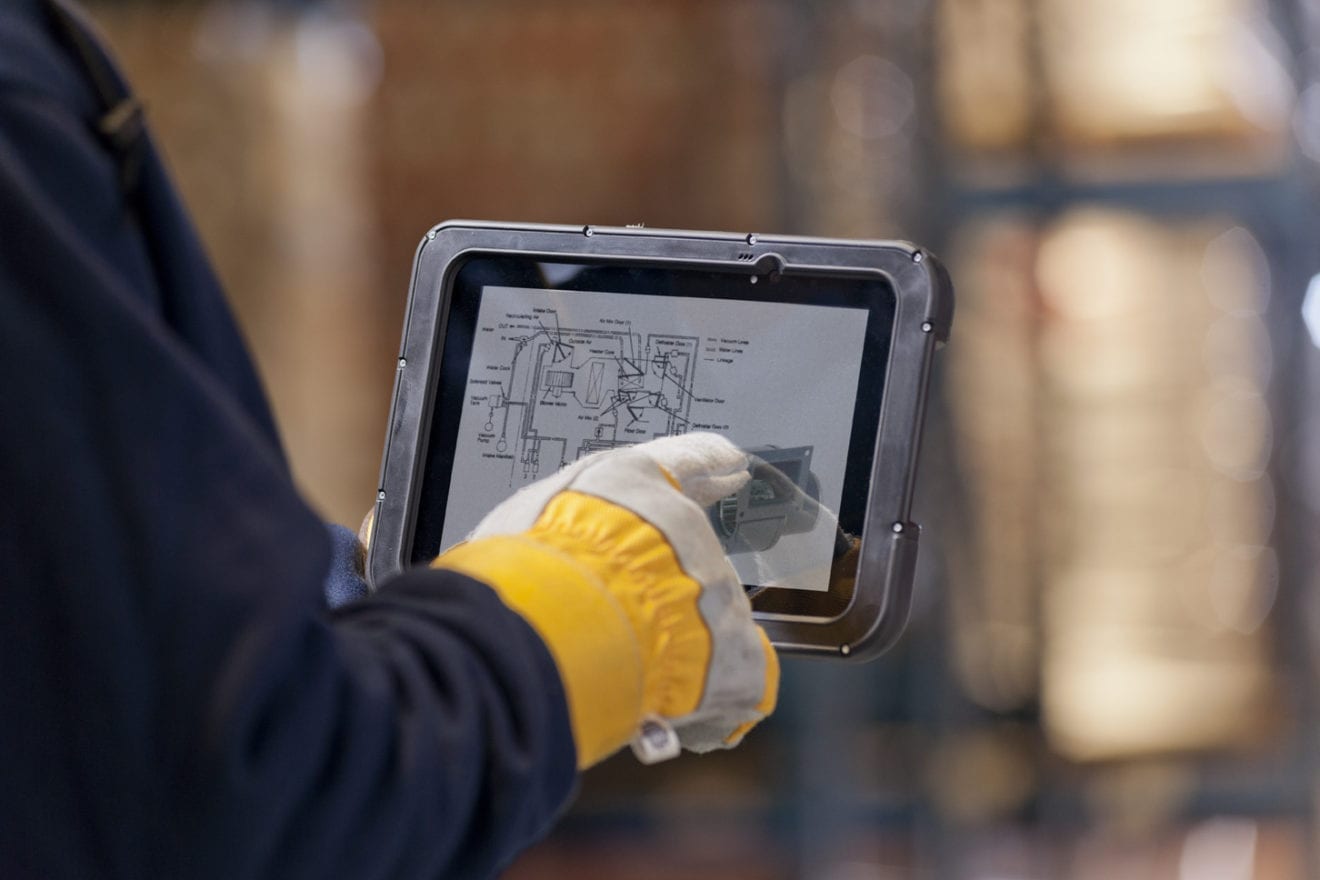
    • The WT41N0 wearable computer screen can be used to display images of goods or complex identifiers such as serial numbers (in non-barcode format) that are not efficiently conveyed in a voice-only system, while ring scanners allow workers to handle material with both hands.
    • TekSpeech Pro has the capability to combine functionalities of a camera, display screen, location services and RFID, which also opens-up applications in areas outside the warehouse, such as retail and field service. Silk Contract Logistics is the first enterprise in Australia to deploy this solution
    • Silk Contract Logistics has also deployed the QLn-series direct thermal mobile printers that are able to produce labels on-demand at the point of activity. These printers are built to be tough, yet small enough to be used on the move. The QLn420 is able to withstand the rigors of the warehouse and is proven to have drop-resistant durability. Its ease of use also enables increased worker productivity.
  • Indonesia has role in tourism development in maritime silk route

    Indonesia has role in tourism development in maritime silk route

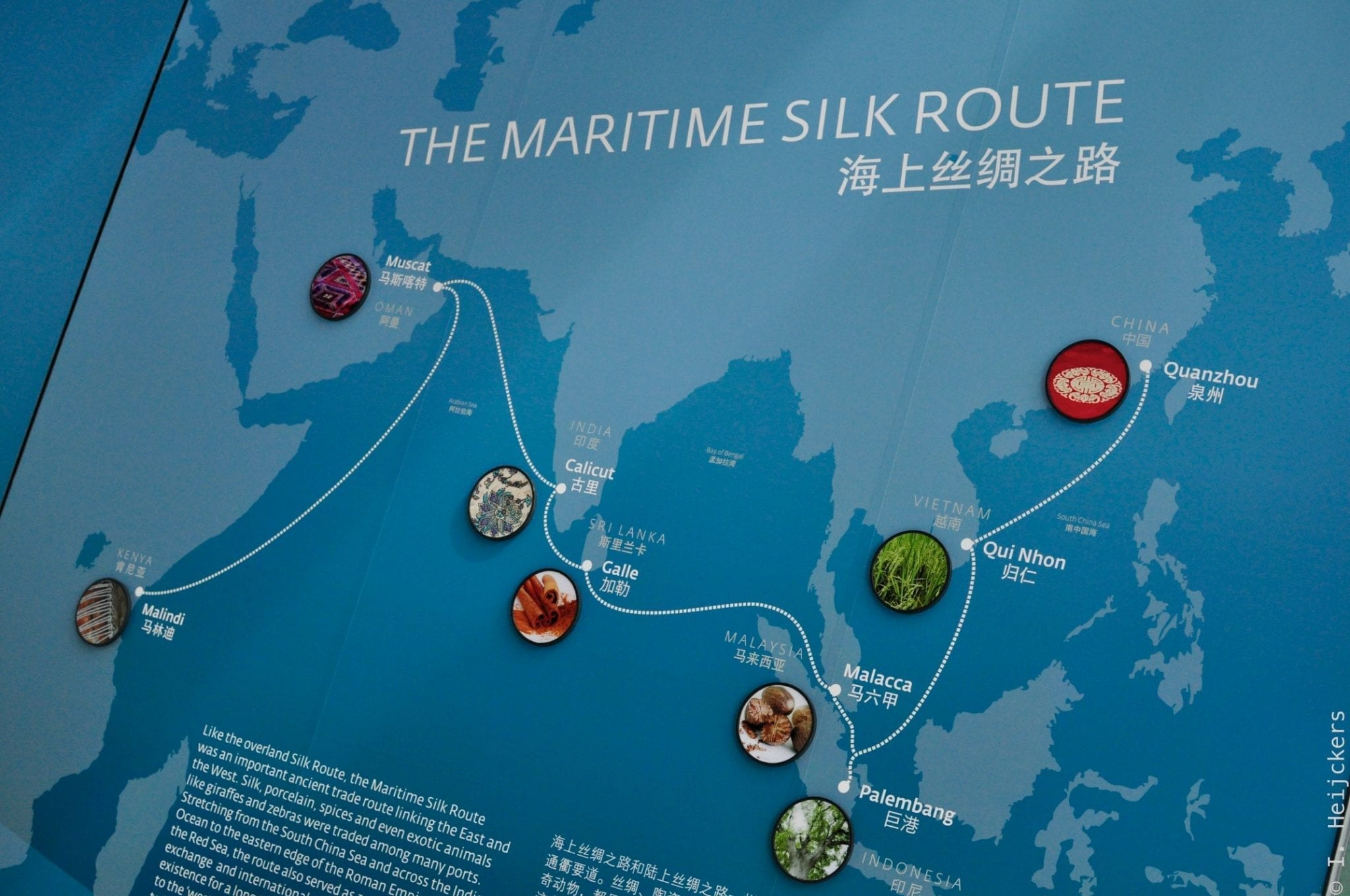
    Indonesia has an important role and can take advantage of tourism development in the maritime silk route of the 21st century in China, according to China National Tourism Administration (CNTA) Information Center Director Cai Jiacheng.

    “Indonesia has its own uniqueness as a global tourist destination, especially for the countries along the maritime silk road of the 21st century in China,” Jiacheng told.

    According to him, Indonesia has a lot of cultural diversity and unique and attractive natural sceneries that can make the country a world tourist destination.

    “However, Indonesia must fix the infrastructure and build good connectivity with a number of other countries, particularly with countries along the maritime silk road,” Jiacheng noted.

    “Indonesia should actually be able to provide maximum services, ranging from easing visas and providing adequate infrastructure, including connectivity, to attract tourists to come to the country,” he added.

    Jiacheng added that Chinese travelers can visit other countries through the ASEAN countries such as Indonesia, Thailand and Singapore.

    “Therefor e, Indonesia has opened the path for China to ASEAN, because of its strategic position to support tourism development in the maritime silk road of the 21st century that can also provide a great advantage for the country,” he said.

    Tourism is playing an increasingly important role in the economic growth of China. Tourism sector accounted for about 10.8 percent of the total growth in Gross Domestic Product (GDP) and 10.2 percent of the national job last year.

    CNTA is targeting 137 million foreign tourists to visit China in 2016, or up to 2.5 percent compared to that of the previous year, while the amount of targeted revenue from foreign tourist arrivals is US $ 121 billion, up by 6.5 percent over the previous year.

    “Therefore, China is serious to work on the tourism sector by using destination packages, connectivity, and the use of information technology for marketing and promotion,” he said, adding that Indonesia can take advantage of the tourism development in the maritime silk road of the 21st century.

  • Siyaram announces joint venture with Italian lifestyle brand Cadini

    Siyaram announces joint venture with Italian lifestyle brand Cadini

    Domestic textile player Siyaram Silk Mills today announced joint venture with leading Italian lifestyle brand Cadini.

    “We have entered into joint venture with leading Italian lifestyle brand Cadini. We have bought ownership rights to manufacture and market Cadini brand for its fabric segment in India, Sri Lanka and few other countries in Middle East,” Siyaram Silk Mills Chairman and MD Ramesh Poddar told PTI here.

    “We want to give Indian consumer the Italian feel at a reasonable price by customizing it to our market. Some products will be imported from Italy, but a major portion will be from India. We will bring the Italian innovation and manufacture it over here,” Poddar said at the launch of the brand in India without disclosing the consideration.

    He added, “Siyaram’s currently has annual revenue of around Rs 1,550 crore and expects to grow by 10-15 per cent annually this year. We expect Cadini to contribute around Rs 100 crore of our total revenues in the next financial year.”

    Cadini will also help Siyaram’s in sourcing and designing. The brand will be available in India in superior fabrics followed by garments and accessories, while the company also plans to open its Cadini exclusive outlets and shop-in shop in the near future.

    Expecting a great response from the humongous and fast growing Indian market Cadini Brand Director Daniella Nicolle said, “This venture has not only provided us a platform to showcase our collection to the Indian consumer but has also helped us to discover various avenues in terms of global marketing.”

    Cadini derives 95 per cent of its revenues from international market and only 5 per cent from Italian market, Faralli said.

    Siyaram’s has spent Rs 80 crore to modernize its manufacturing facility this year and will spend around Rs 70 crore next year funded through internal accruals as well as government incentive Textile Upgradation Fund Scheme (TUFS), Poddar said.

    He added, this will enable the company to add 10-15 per cent more to its monthly sales of 65 lakh metres of fabric per month.