Unfazed by the country’s economic slowdown, luxury shoppers on the Chinese mainland have increased their purchases online as a range of e-commerce options provide attractive deals – from cosmetics and clothes to cars and property.
That trend was uncovered from a joint survey of 10,150 luxury consumers in China by global professional services giant KPMG, online luxury retailer Mei.com and Chinese media firm Sina’s Nasdaq-listed micro-blogging service Weibo. The survey was called China’s Connected Consumers 2015.
“The pace of change in today’s marketplace in China is taking retailers and brands by surprise,” Egidio Zarrella, the clients and innovation partner for China at global professional services giant KPMG, said on Tuesday.
The new KPMG-led study found that the average spending by mainland luxury shoppers has increased 28 per cent to 2,300 yuan (US$362) for each single e-commerce purchase, up from 1,800 yuan average in last year’s survey.
It also found that 45 per cent of respondents in the latest survey said they have bought many luxury items online.
While only 1 per cent said they have bought domestic and overseas properties and cars online, about 50 per cent of those surveyed said they have not ruled out making those purchases online in the future.
“China’s luxury consumers are looking for something beyond the physical shopping experience,” Zarrella said.
“They are moving from just owning a luxury product to experiencing luxury, including gourmet dining, fine wines, private flights, bespoke safaris, luxurious travel tours, spa treatments, art auctions and an ever increasing range of investment services.”
In a report early this year, management consulting firm Bain & Company estimated that China’s luxury market reached 115 billion yuan last year, down 1 per cent from the previous year, as Beijing cracked down on lavish spending by government officials.
The country’s luxury market was largely expected to remain under pressure because of the slowing economy. Mainland China’s gross domestic product growth was exactly 7 per cent in the first and second quarters of this year, compared with close to 8 per cent last year.
Zarrella, however, pointed out that e-commerce spending in the world’s second-largest economy shows a completely different picture.
The survey, which had respondents from 90 Chinese cities, found an increase in the average amount spent on luxury purchases in most product categories.
It showed that a higher amount was being spent on average for popular categories such as bags at 109 per cent, women’s apparel at 58 per cent and cosmetics at 18 per cent. There was also a significant increase in spending on categories such as watches at 126 per cent and jewellery at 65 per cent.
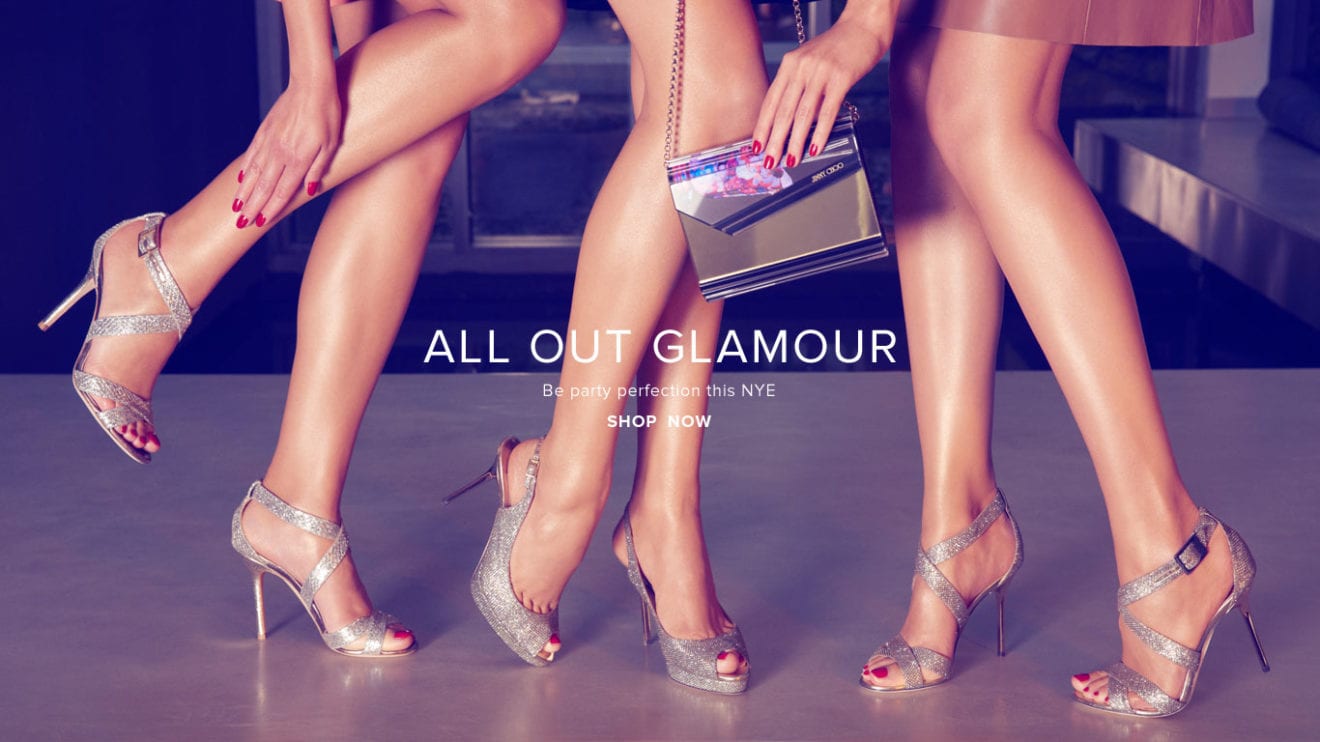
The top-selling product categories in China’s e-commerce market are cosmetics, women’s shoes, bags and leather goods, women’s apparel and accessories.
“Price is becoming less of a driver [for online sales],” said Thibault Villet, the chief executive at Mei.com. “But value remains important as customers are well informed about global prices since most of them travel.”
The study found that Chinese luxury online shoppers prefer to buy on so-called online-shopping platforms, such as e-commerce giant Alibaba Group’s Tmall.com.
“Tmall controls over 50 per cent of the total business-to-consumer e-commerce market in China,” Villet said.
That preference was attributed to the multiple online merchants in such platforms, the extensive information on products and pricing, peer ratings of sellers, regular promotional activities and payment gateways like Alipay and Tencent Holdings’ Tenpay.
Villet said Mei.com plans to open its own e-commerce platform dedicated to luxury goods by next year to better compete on the mainland.
He said the exponential growth of smartphone adoption on the mainland has also helped boost mobile e-commerce purchases. “We expect Mei.com to be fully mobile by the end of 2016,” he added.
Mobile e-commerce sales will account for more than half of online retail shopping in mainland China by next year, according to New York-based research firm eMarketer.
It forecast mobile e-commerce would make up 10.9 per cent of all retail sales in the country next year and 55.5 per cent of online retail shopping as the sector grew to a record US$505.74 billion, up from an estimated US$333.99 billion this year.
The government-backed China Internet Network Information Centre has reported the number of users who accessed the internet through mobile devices reached 594 million in June, up from 557 million in December last year, while the overall number of internet users rose to 668 million from 649 million.
Andrew Taylor, a co-founder of Juwai.com, which connects Chinese buyers to overseas property, said mobile browsing by consumers in China was a major driver of brand awareness for his company.
“We see that many of the more affluent customers who look for luxury properties use [Tencent’s instant messaging service] QQ and call us,” Taylor said.
“The younger consumers contact us through [Tencent social mobile messaging platform] WeChat and Sina Weibo.”
So-called online-to-offline activities is a trend that will continue. Zarrella said that physical stores have a role to play in triggering e-commerce purchases of luxury goods.
“We see a growing number of online platforms launching pop-up shops in malls, or have tie-ups with physical stores to give buyers an opportunity to inspect these products,” Zarrella said.
Thomas Crampton, the global managing director at Social@Ogilvy, the worldwide practice of marketing group Ogilvy & Mather involved in social media, said an online-only approach in China is not sustainable for brands.
“At some point, each brand will need a face-to-face touchpoint,” Crampton said.
“We helped an automotive brand, analyse, interpret and optimise the shopper journey,” he said as an example. “From a traditional purchase cycle of over 200 days, the brand managed to sell over 300 cars in a matter of three minutes through WeChat.”