Retail News CRM

Tag: Singapores

  • Singapore’s Metro Redefines Retail, Plans Closure of Two Major Stores for Smaller Multi-Concept Outlets

    Singapore’s Metro Redefines Retail, Plans Closure of Two Major Stores for Smaller Multi-Concept Outlets

    Metro, a well-known retailer based in Singapore, has announced plans to shutter its department stores located at Paragon on Orchard Road and Causeway Point. This decision comes in line with the company’s strategic pivot away from traditional large-format department store models, as their leases approach expiration.

    Embracing a New Retail Model

    Metro’s future plans revolve around introducing a flexible retail model that focuses on smaller-format and multi-concept stores. The company is currently exploring potential locations and liaising with landlords to advance the rollout of these innovative multi-concept stores.

    To ensure the financial viability and success of its new retail approach, Metro is considering several key factors. These include the location, rental terms, and implementation timelines of these proposed stores. This strategic move is aimed at meeting the fundamentally different consumer expectations of today’s market, while allowing more flexibility for the introduction of new concepts, brands, and partnerships.

    Commenting on the new direction, Yip Hoong Mun, Group CEO and Executive Director of Metro, said that the company’s refreshed retail strategy is designed to tackle the challenging operating environment and align with customers’ evolving expectations.

    Transforming the Retail Landscape

    Tan Soo Khoon, the chairman of Metro, further highlighted that this repositioning would pave the way for a more agile retail platform. This transformation is expected to support the company’s long-term growth ambitions. “As the retail landscape continues to transform, it is vital for us to evolve alongside it,” Tan noted.

    In the past year, Metro has been revamping its offerings through various partnerships and experiential concepts. However, despite its initiatives, the company reported a net loss of US$8.8 million for the fiscal year ending March 31, attributing the downturn to lower revenue, weaker margins, and impairment charges.

    Meanwhile, potential plans are being reviewed to optimise and selectively reconfigure parts of the Orchard Road mall, which presently houses Metro.

    Questions & Answers

    What is the new retail model that Metro is adopting?
    Metro is shifting towards a flexible retail model centred on smaller-format and multi-concept stores.

    Why is Metro shifting away from traditional department stores?
    Metro’s shift is prompted by changing consumer expectations and a desire for greater flexibility to introduce new concepts, brands, and partnerships.

    Will Metro continue to operate in the Orchard Road Mall?
    Metro has expressed interest in remaining at the Paragon on Orchard Road under its new retail concept, and discussions are ongoing.

  • End of an Era: Singapores Iconic Carnivore Brazilian Buffet to Close Doors After Two Decades

    End of an Era: Singapores Iconic Carnivore Brazilian Buffet to Close Doors After Two Decades

    After two decades of operation, the well-known Singapore buffet restaurant, Carnivore Brazilian Churrascaria, has announced its impending closure at the end of September. The establishment, situated at Riverside View in Robertson Quay, shared the news via social media on Tuesday, expressing gratitude to its patrons for their unwavering support.

    A Farewell to a Beloved Dining Spot

    “We now approach the moment to carve our final slice,” the restaurant shared in its statement. “Over the past 20 years, we’re grateful for the warm acceptance of our passadores and for the opportunity to be a part of your lives.”

    Since its inception in 2005, Carnivore Brazilian Churrascaria has won the hearts of many, gaining popularity for its unique serving style. The restaurant was celebrated for its rotisserie-grilled meats, flawlessly carved at the table by trained servers, known as passadores.

    A Journey Across Iconic Singaporean Locations

    Throughout its tenure, the restaurant has graced six different locations in Singapore. After the closure of its flagship outlet at Chijmes in October 2023, the restaurant relocated to its current locale in Robertson Quay.

    The restaurant’s journey has led it to operate in some of the city’s most renowned locales. From its origins at VivoCity, incredible vistas of Marina Bay Sands, the verdant allure of Dempsey, to lively weekends at The Grandstand, and its unforgettable chapter at Chijmes, the restaurant’s presence has been felt across the city. “Being part of your celebrations has been an absolute honor,” the restaurant added in its farewell message.

    Questions & Answers

    When will Carnivore Brazilian Churrascaria close?
    The restaurant will close at the end of September.

    What is the restaurant known for?
    Carnivore Brazilian Churrascaria is known for its rotisserie-grilled meats served by roaming passadores, trained servers who carve the meats at the table.

    How long has the restaurant been in operation?
    The restaurant has been in operation for 20 years.

  • DBS, Singapores Largest Lender, Hits Record Market Value of $155B – A Milestone for Citys Stock Market

    DBS, Singapores Largest Lender, Hits Record Market Value of $155B – A Milestone for Citys Stock Market

    DBS Group, Singapore’s dominant bank, has reached a new milestone with its market value surpassing SGD200 billion (US$154.8 billion) as of Monday. This achievement marks a key moment for DBS, known for being the largest bank in Singapore in terms of asset size, and underscores the strength of the city-state’s stock market. The bank’s shares climbed almost 0.5%, closing at SGD70.79, following their peak at SGD70.80 in the session. To date, the bank’s gains this year total approximately 26%.

    Anticipation of Q2 Results Fuels Rally

    DBS’ increase in market valuation comes ahead of its second-quarter results announcement, scheduled for August 6th. The bank’s net profit for the first quarter had seen a 1% increase to reach SGD2.93 billion, largely driven by record income and robust wealth management fees. Experts believe that the share price surge is likely due to the improving clarity of earnings and a more favorable interest rate outlook. Future growth is anticipated if the banks present an optimistic outlook during their results release.

    Analyst Jayden Vantarakis, the head of Asean equity research at Macquarie Capital, stated, “We are entering an environment where we believe Singdollar rates will be supportive of improving net interest income alongside continued strength in non-interest income.”

    Singapore Banks Propel Straits Times Index

    The collective rally of DBS, OCBC, and UOB, the top three Singapore banks by market value, has boosted the Straits Times Index to all-time highs. Together, these banks make up over half of the index’s total weight.

    According to Vantarakis, the strengthening of the U.S. dollar, due to high U.S. interest rates, will have a positive influence on Singapore dollar rates. Moderate rate increases, he suggests, will encourage wealth inflows and improved asset quality.

    Vantarakis also anticipates a possible further re-rating of the sector, supported by growth in both net interest and non-interest income. He maintains that the Singapore dollar will remain a preferred currency due to the broad strength of the U.S. dollar.

    Lastly, Thilan Wickramasinghe, head of Singapore research and regional head of financials at Maybank Securities, added that the banks are well-positioned to gain from robust credit growth and wealth management fees. He also indicated that ongoing uncertainty in certain regional markets and conflicts in the Middle East, have likely directed safe-haven liquidity towards Singapore banks over the past week.

    Questions & Answers

    What factors have contributed to DBS’ market value surge?
    The bank’s rising market value has been attributed to a combination of an upcoming second-quarter results announcement, improving clarity of earnings, and a more favorable interest rate outlook.

    How have the top three Singapore banks impacted the Straits Times Index?
    The collective rally of DBS, OCBC, and UOB, which constitute over half of the Straits Times Index’s total weight, has propelled the index to all-time highs.

    What is the potential future outlook for the sector?
    There is a potential for further re-rating of the sector supported by growth in both net interest income and non-interest income. Moreover, the Singapore dollar is expected to remain a preferred currency due to the broad strength of the U.S. dollar.

  • Singapore’s Top Banks Hit Record Highs as DBS, OCBC and UOB Ascend Together

    Singapore’s Top Banks Hit Record Highs as DBS, OCBC and UOB Ascend Together

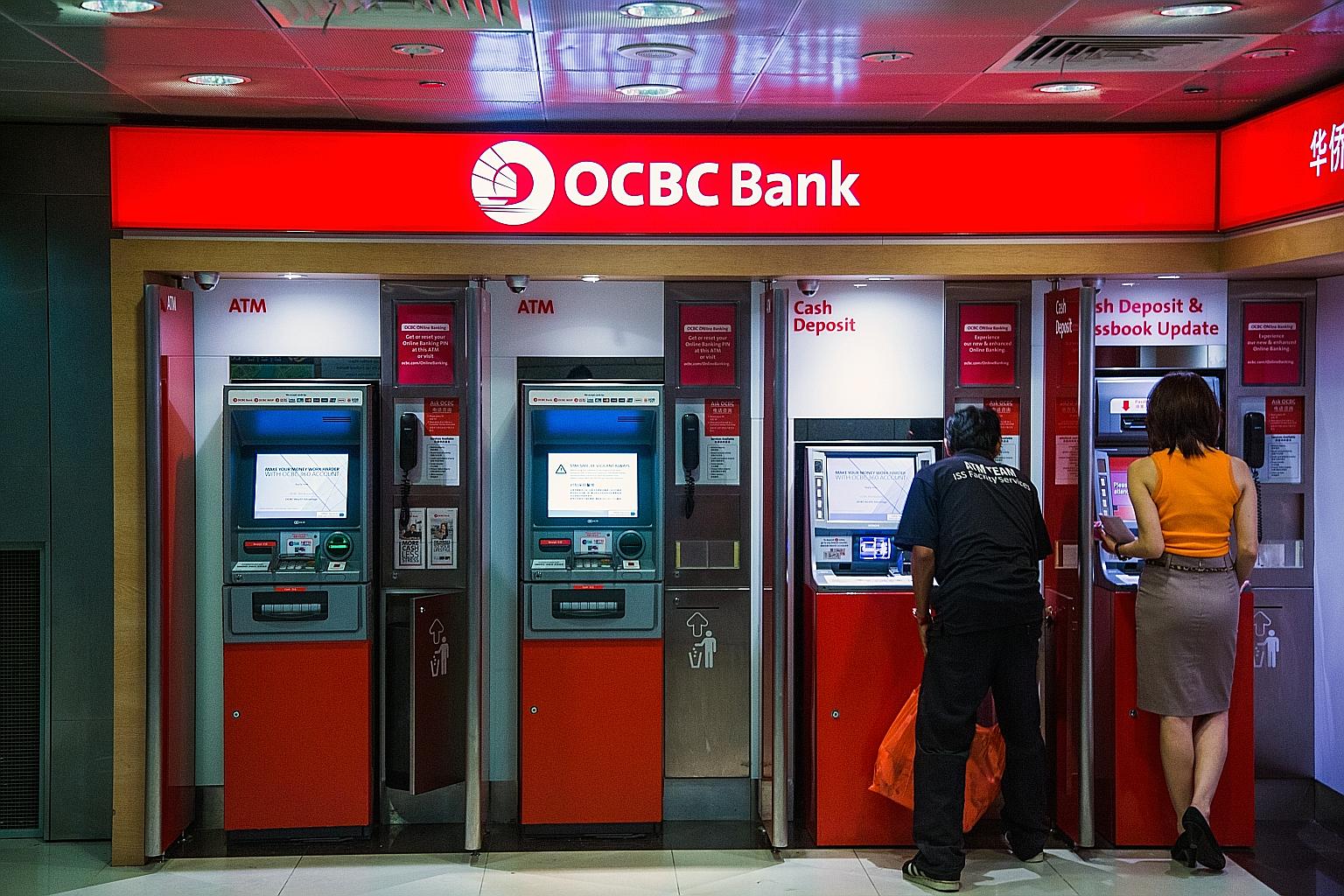
    In the latest trading session, Singapore’s three major banks, DBS, OCBC, and UOB, all witnessed record high closures. Spearheading gains on the Straits Times Index, OCBC saw a 3.3% rise, closing at S$26.34 (US$20.39). UOB climbed 2.9% to S$41.69, and DBS increased by 2.6%, closing at S$68.64.

    Bank Ratings Solidify Their Stance

    DBS was singled out as a preferred local bank in a recent research note by Citi. The choice was based on the bank’s strong dividend per share visibility and its position as a distinguished Asia wealth proxy. OCBC received a “buy” rating, with Citi concurring that the bank should continue its growth and lessen the return on equity gap with DBS.

    Contrarily, UOB maintained a “neutral” rating. The bank’s wealth and loan-growth trajectories reportedly trail those of its peers, while its earnings forecasts align strictly with market expectations.

    The Straits Times Index ended Tuesday with a 1.57% increase, closing at 5,342.240.

    Record Highs Continue to Rise

    On Wednesday, UOB reached a fifth consecutive record intraday high, increasing by 4.65% to S$43.63 by midday, after touching S$43.79 earlier in the session. DBS and OCBC also experienced growth, with DBS rising 1.5% to S$69.67 and OCBC climbing 2.9% to S$27.10.

    Investment bank Macquarie Capital upgraded DBS and UOB from “neutral” to “outperform.” The target price for DBS was raised from S$52.38 to S$70.86, and UOB’s target price increased from S$36.78 to S$45.16. Macquarie Capital also retained its “outperform” rating on OCBC, boosting its target price from S$24.25 to S$27.76.

    Jayden Vantarakis, head of Asean equity research at Macquarie Capital, suggested that further re-rating is still possible, supported by an improved sector outlook where both net interest income and non-interest income can grow simultaneously, whilst the Singapore dollar remains a preferred currency amidst broad U.S. dollar strength.

    Questions & Answers

    What led to the record high closures of Singapore’s three major banks?
    Dividend per share visibility and Asia wealth proxy positioning were among the reasons for the banks’ record high closures. Also, they are expected to maintain growth, and the Singapore dollar remains strong amidst broad U.S. dollar strength.

    How did Citi rate the three major banks?
    Citi gave DBS a preferred local bank pick with a “buy” rating. OCBC also received a “buy” rating, while UOB retained a “neutral” rating.

    What is the potential for further re-rating according to Macquarie Capital?
    Macquarie Capital suggests that further re-rating is still possible, supported by an improved sector outlook where net interest income and non-interest income are expected to grow simultaneously.

  • Singtel Pioneers Singapore’s First 50 Gbps Fiber Broadband Trial, Ushering in New Era of Ultra-High-Speed Connectivity

    Singtel Pioneers Singapore’s First 50 Gbps Fiber Broadband Trial, Ushering in New Era of Ultra-High-Speed Connectivity

    Singapore’s premier telecommunications company, Singtel, has initiated the country’s inaugural 50 Gbps fiber broadband technical trial. The aim of this groundbreaking move is to fortify the fixed connectivity infrastructure of the country, which is crucial for the delivery of emerging data-intensive digital amenities propelled by Artificial Intelligence (AI).

    Exploring the Potential of Next-Gen Technology

    This technical trial employs the cutting-edge XGS-PON-based fiber technology, which is capable of facilitating speeds of up to 50 Gbps. The trial has been conceptualised keeping in mind the anticipated use cases of the imminent future, such as ultra-realistic Augmented Reality (AR), Virtual Reality (VR), and Mixed Reality (MR), AI-powered smart homes, high-performance remote working setups, and cloud gaming. Singtel’s objective with this initiative is to prepare both residential and commercial customers for the smooth adoption of novel technologies as they become mainstream over the next three to five years.

    Through this trial, Singtel aims to assess the network performance and capabilities needed to support the increasing complexity of multi-device environments driven by AI. Singtel maintains that the trial is a significant milestone towards the future large-scale rollout of ultra-high-speed fiber broadband for diverse users, both residential and commercial.

    Preparing for a Digital Future

    Ng Tian Chong, Singtel Singapore’s CEO, emphasised that digital technologies are already a part of everyday life in Singapore, with near-universal internet access, high device ownership, and extensive use of digital services for work, learning, and entertainment. The next leap in fiber broadband connectivity, he said, will ensure that homes and businesses can keep up with increasingly immersive and AI-enabled digital experiences.

    Singtel insists that its early adoption of the 50 Gbps fiber technology places Singapore at the vanguard of next-generation broadband innovation. This aligns with the nation’s Digital Connectivity Blueprint, which prioritises the construction of a robust and future-ready digital infrastructure.

    Enabling Advanced Applications

    The 50 Gbps trial facilitates a new grade of whole-home, multi-gigabit connectivity. Singtel believes this will support ultra-high-definition entertainment, including 8K and future 12K video streaming, high-quality AR, VR, and XR experiences, and low-latency cloud gaming and cloud PCs. The technology also caters to data-heavy workflows for home-based businesses and professionals, including engineering simulations and secure enterprise-level remote connectivity.

    Moreover, the ultra-high-speed broadband is anticipated to enable advanced telemedicine and remote diagnostics, such as real-time medical imaging transmission, VR-based physiotherapy, and connected at-home medical devices. AI-driven smart homes will reap the benefits of real-time analytics across security cameras, IoT appliances, and autonomous devices. It also provides a solid foundation for next-generation Wi-Fi, dense IoT ecosystems, and emerging AI-generated entertainment formats.

    Questions & Answers

    What is the purpose of Singtel’s technical trial?

    The purpose of the technical trial is to assess the network performance and capabilities needed to support the increasingly complex multi-device environments enabled by AI. It also aims to prepare residential and commercial customers for the smooth adoption of novel technologies as they become mainstream.

    How will the 50 Gbps fiber broadband technology benefit homes and businesses?

    The technology will support ultra-high-definition entertainment, low-latency cloud gaming, high-quality AR, VR, and XR experiences, and data-heavy workflows for home-based businesses and professionals. It will also enable advanced telemedicine and remote diagnostics, as well as provide real-time analytics for AI-powered smart homes.

    How does this initiative align with Singapore’s nationwide digital strategy?

    The trial aligns with Singapore’s Digital Connectivity Blueprint, which focuses on building a robust and future-ready digital infrastructure. By positioning Singapore at the forefront of next-generation broadband innovation, it is helping prepare the nation for a rapidly evolving digital future.

  • Singapore’s Fingular Fortifies Asian Presence with New Fintech Hub in Malaysia

    Singapore’s Fingular Fortifies Asian Presence with New Fintech Hub in Malaysia

    Fingular, a renowned Singaporean fintech firm, has expanded its Southeast Asian footprint by inaugurating a new operational hub in Malaysia. This recent development represents a strategic move in Fingular’s overall plan to establish a globally integrated fintech platform.

    Strengthening Scalable Growth and Engagement

    The Singaporean group’s venture into Malaysia manifests its prime focus on scalable growth, talent mobility, and a deeper connection with local markets in Asia. The fresh hub in Kuala Lumpur presents not only a shared workspace for the Malaysian team but also for employees across Fingular’s international network.

    Fingular’s personnel stationed in different countries will be given the opportunity to work from the Malaysian office on both short and long-term basis. This tactic signifies a broader industry shift to hybrid operational models that prioritize productivity and cross-border knowledge transfer.

    Global Expansion Through Local Presence

    Fingular, with its headquarters in Singapore and another team hub in Serbia, believes in establishing a physical presence in each market it operates. The firm embeds teams locally to better understand cultural variances, user behavior, and regulatory environments. This is a vital approach for fintech companies looking for sustainable growth in emerging markets.

    People-centric Expansion

    Maxim Chernushchenko, the founder and CEO of Fingular, has expressed that the strategy behind the new hub surpasses mere geographic expansion. He asserts that global expansion is as much about people as it is about markets. Their aim is to ensure teams feel connected, supported, and inspired, regardless of their work location. The creation of spaces that promote collaboration and personal growth is integral to how the company develops and scales its products.

    Speed and Adaptability

    Fingular, founded in October 2021, manages a wide range of fully digital financial products, including consumer financing, investments, and savings. With its presence in markets like Indonesia, Malaysia, and India, Fingular focuses on rapid deployment, made possible by a technology stack that aids it in launching in new countries within three months. This operational speed positions Fingular competitively in regions where the scope for digital financial inclusion is yet to be fully explored.

    Strategic Implications

    For investors and industry watchers, the launch of the Malaysia hub signifies Fingular’s determination to balance aggressive market expansion with organizational cohesion. As the fintech competition escalates across Asia, Fingular’s emphasis on talent infrastructure and local market immersion could be as crucial as capital deployment in driving long-term value creation.

    Questions & Answers

    What is the purpose of Fingular’s new hub in Malaysia?
    The Malaysia hub serves as a shared space for the local Malaysian team and members from Fingular’s international network. It represents a move towards hybrid operational models that blend remote flexibility with in-person collaboration.

    What is Fingular’s approach to global expansion?
    Fingular believes in carrying out global expansion by establishing a physical presence in each market it operates. The firm aims to better understand cultural nuances, user behavior, and regulatory environments by embedding teams locally.

    What is unique about Fingular’s operational speed?
    Fingular places emphasis on rapid deployment, facilitated by a technology stack that allows it to launch in new countries within three months. This operational speed provides Fingular a competitive edge in regions where digital financial inclusion is underexplored.

  • HSBC Fuels Singapore’s Startup Boom: A Billion-Dollar Bet on Global Innovation Dominance

    HSBC Fuels Singapore’s Startup Boom: A Billion-Dollar Bet on Global Innovation Dominance

    As Singapore further cements its position as a worldwide hub for innovation, HSBC is strategically situating itself at the forefront of this transformation.

    HSBC’s group chief executive, Georges Elhedery, has recently expressed that innovation, technology, and artificial intelligence will drive economic growth. He emphasized that banks must adopt a proactive approach in providing financial support to start-ups and scaling companies.

    This standpoint coincides with the rising global recognition of Singapore’s start-up ecosystem and the rapid international expansion of venture-backed firms.

    The Crucial Role of Banks in Innovation

    Elhedery regards start-ups as the pivotal driving force for future GDP growth. He points out that while advanced technology only accounts for four percent of the US GDP, it contributes to an impressive ninety-two percent of the country’s GDP expansion.

    He stresses the importance for financial institutions to back these high-growth firms, despite the heightened credit risks. Elhedery firmly believes that leveraging and applying the bank’s expertise in this ecosystem is of utmost importance.

    Singapore’s Strategic Importance to HSBC’s Global Ambitions

    HSBC considers Singapore as a significant player in its Asia-Pacific aspirations. The bank is developing group-level competencies from Singapore, introducing services such as blockchain-based tokenised deposits that offer 24/7 real-time settlements.

    “Singapore plays an essential role in HSBC’s international strategy,” states Elhedery. He underscores the bank’s ambition to emerge as the leading global institution in corporate banking, institutional banking, wealth management, and innovation banking.

    HSBC’s Response to Start-ups’ Global Expansion

    As an increasing number of Singaporean start-ups scale globally, HSBC observes a surge in demand for financing through its international network. The bank’s newly established innovation banking division in Singapore aims to bridge a long-standing market gap by offering sector expertise, specialised products, and customised financing solutions to venture-backed firms.

    HSBC has committed US$1.5 billion in funding to high-growth firms in Singapore. The bank’s lending decisions are steered by its close interactions with founders and their investors.

    Targeting Founders’ Wealth

    Apart from corporate banking, HSBC is also focusing on the wealth of founders. Nearly two-thirds of its worldwide private banking clients in Singapore are entrepreneurs. The bank provides guidance on pre-exit planning, IPO preparation, succession strategies, and curated networking through initiatives like the Innovation Exchange.

    A global HSBC report in 2025 identified Singapore as the most appealing hub for entrepreneurial wealth worldwide. Fifteen percent of entrepreneurs plan to relocate their assets to Singapore, with 12% considering moving their residence.

    Positioning for Sustainable Growth

    For HSBC, innovation banking presents both a commercial prospect and a long-term strategic move. As Singapore strengthens its stature as a global innovation hub, the bank aims to be the go-to partner for high-growth companies, their investors, and founders.

    Elhedery clearly articulates this goal, “Our involvement in the innovation ecosystem is crucial for nurturing the businesses of the future.”

    Questions & Answers

    What is the role of banks in financing start-ups and scaling companies?
    Banks, according to HSBC Group CEO Georges Elhedery, must actively finance start-ups and growing companies, despite the elevated credit risk.

    How does HSBC view Singapore’s role in scaling its global operations?
    HSBC sees Singapore as a significant player in its Asia-Pacific aspirations, developing group-level competencies and introducing services from the city-state.

    What is HSBC’s approach towards the wealth of founders?
    HSBC is focusing on the wealth of founders by offering advice on pre-exit planning, IPO preparation, succession strategies, and curated networking through initiatives like the Innovation Exchange.

  • Cai Ca: Singapore’s Upcoming Bubble Tea Sensation Takes Over Former Gong Cha Outlets

    Cai Ca: Singapore’s Upcoming Bubble Tea Sensation Takes Over Former Gong Cha Outlets

    Cai Ca, a novel bubble tea brand, conceived and established by the ex-CEO of Gong Cha’s Singapore franchise, Kang Puay Seng, has effectively filled the void left by Gong Cha’s departure from the city-state by taking over six of its former outlets.

    The Birth of Cai Ca

    Cai Ca made its debut in Singapore with stores at prominent locations such as Lot One, Bugis Junction, NUS UTown, King Albert Park, Northpoint City, and Century Square. The brand also has plans for an additional outlet at the National University of Singapore. The development of the new tea brand was an expedited process, taking only a month to come to fruition, a feat achievable due to the vast experience of the founder and his team.

    Menu Highlights

    Cai Ca’s offerings include beverages made with Japanese soya milk and tea, such as Osmanthus Soy Milk Tea, Toffee Chewy Pearl Soy Milk Tea, and Da Hong Pao Soy Milk Tea. In addition to these innovative concoctions, it also offers fresh milk tea and a variety of other tea options. Furthermore, the brand plans to unveil healthier drink options and snacks that perfectly complement its beverages in the near future.

    Gong Cha’s Legacy in Singapore

    Gong Cha, a bubble tea brand originating from Taiwan, was among the pioneers of the bubble tea market in Singapore. Since opening its first outlet in 2009, it rapidly gained popularity among Singaporeans. The brand briefly exited the Singapore market in June 2017, only to return six months later under the new franchisee, Gong Cha Singapore. However, all the 29 Gong Cha outlets in Singapore were closed last month, with plans to reopen in 2026 through new local franchisees with updated Gong Cha 2.0 stores.

    Despite the brand’s fluctuating presence, all full-time staff members of Gong Cha, numbering over 20, were retained and have now been assimilated into the Cai Ca team. Kang expressed his commendation for the team’s resilience, noting the immense pressure they faced and their relentless effort in building the new in-house brand. He emphasised the brand’s intention to first establish a robust brand image and assure product quality before considering further expansion.

    Questions & Answers

    What is Cai Ca’s plan for future outlets?
    The brand has plans to open an additional outlet at the National University of Singapore.

    What are some of the unique offerings on Cai Ca’s menu?
    The menu includes innovative drinks like Osmanthus Soy Milk Tea, Toffee Chewy Pearl Soy Milk Tea, and Da Hong Pao Soy Milk Tea.

    What happened to the staff at Gong Cha after its outlets closed in Singapore?
    All full-time employees at Gong Cha were retained and are now part of the Cai Ca team.

  • Singapore’s Changi Airport Shatters Record with 58 Million Passengers in 2025: A Post-Pandemic Travel Triumph!

    Singapore’s Changi Airport Shatters Record with 58 Million Passengers in 2025: A Post-Pandemic Travel Triumph!

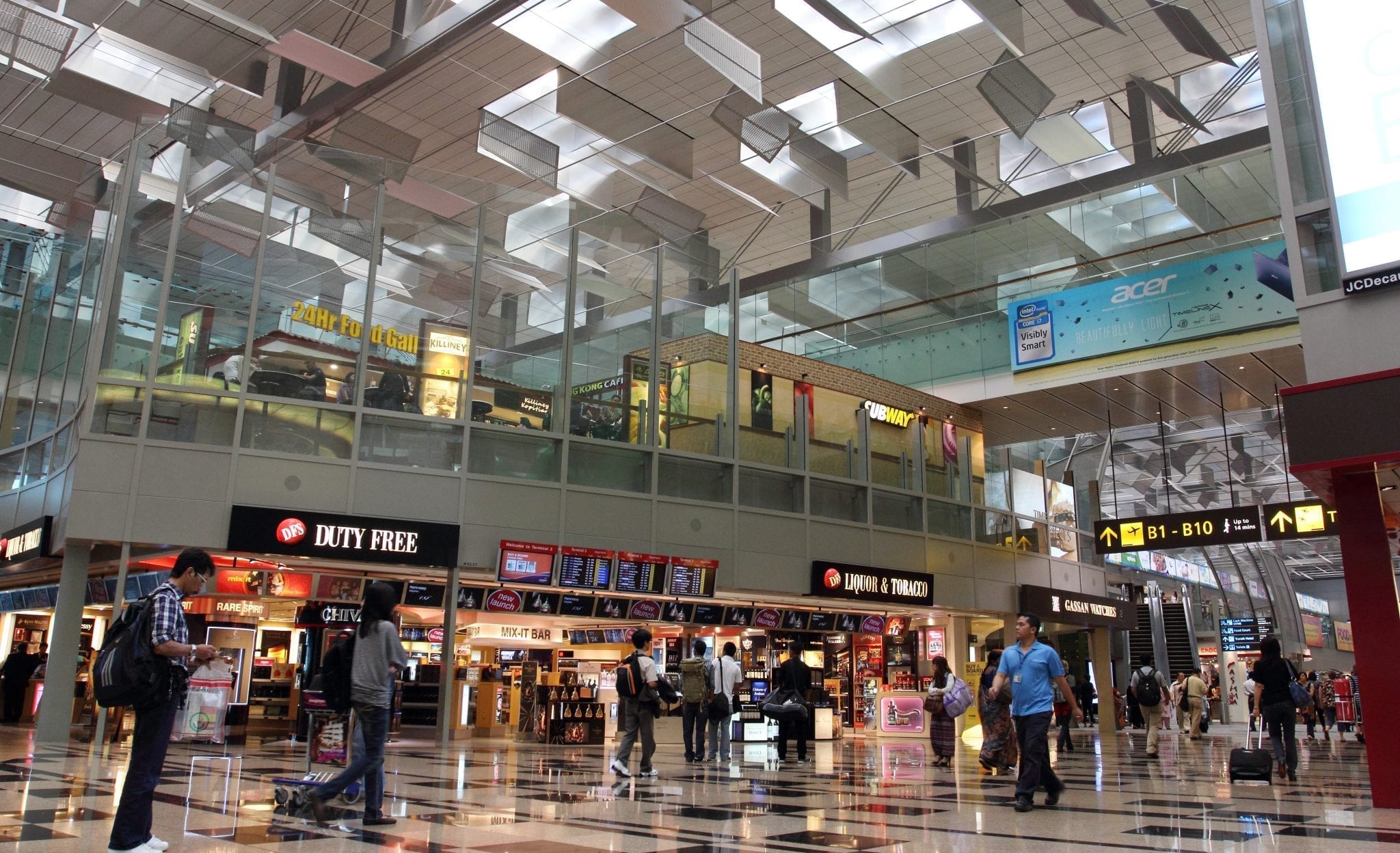
    Changi Airport has continued to demonstrate its resilience and recovery from the pandemic-era downturn, with a recorded 5.8 million passengers in October. This figure represents an increase of 3.4% compared with the same period in the previous year and is one of the airport’s most successful months since the full resumption of global travel.

    Robust Passenger Numbers

    Data released by the Changi Airport Group (CAG) on November 21 revealed that the airport successfully handled 57.9 million passengers in the first ten months of 2025. This record surpasses the 56.2 million and 55.5 million passengers recorded over the same period in 2019 and last year, respectively.

    Predictions that passenger traffic in 2025 would surpass pre-pandemic levels have been validated by these statistics.

    Consistent Aircraft Movements

    Aircraft movements have also shown consistent resilience. In October alone, there were 31,200 takeoffs and landings, mirroring figures from the previous year. Cumulatively, the first ten months of this year have seen a total of 310,000 aircraft movements, outpacing the 302,000 recorded in 2024.

    Rapid Network Expansion

    Changi’s success is bolstered by its rapid network expansion. On October 9, Chinese airline, Loong Air, initiated a thrice-weekly service to Zhangjiajie, increasing the number of Chinese cities Changi services to 35. From December 8, Batik Air Malaysia will start offering daily flights to Ipoh, Penang, and Subang. To cater to the growing demand, Batik Air Indonesia and Thai Lion Air will shift operations to Terminal 4.

    Budget airline company, Scoot, will also contribute to Changi’s growth, with new flights to Labuan Bajo, Medan, Palembang, and Semarang set to launch from December through February.

    Currently, around 100 airlines operate approximately 7,000 weekly flights at Changi, connecting Singapore to over 160 cities globally. With the completion of the massive Terminal 5 project in the mid-2030s, the airport aims to extend its connections to over 200 cities.

    Solid Cargo Volumes

    Cargo volumes at Changi have been consistent, with 182,000 tonnes of air freight handled in October, showing an increase from the 178,000 tonnes recorded a year earlier.

    Questions & Answers

    What are the recorded passenger numbers at Changi Airport for October?
    Changi Airport recorded 5.8 million passengers in October.

    What is the significant addition to Changi’s network in October?
    Chinese airline, Loong Air, launched a thrice-weekly service to Zhangjiajie in October, raising the number of Chinese cities served to 35.

    What are Changi Airport’s plans for the near future?
    Changi Airport plans to expand its network, aiming to connect to over 200 cities globally by the mid-2030s with the completion of Terminal 5.

  • Driving into the Future: Singapore’s Punggol District to Host Country’s First Residential Autonomous Shuttle Service

    Driving into the Future: Singapore’s Punggol District to Host Country’s First Residential Autonomous Shuttle Service

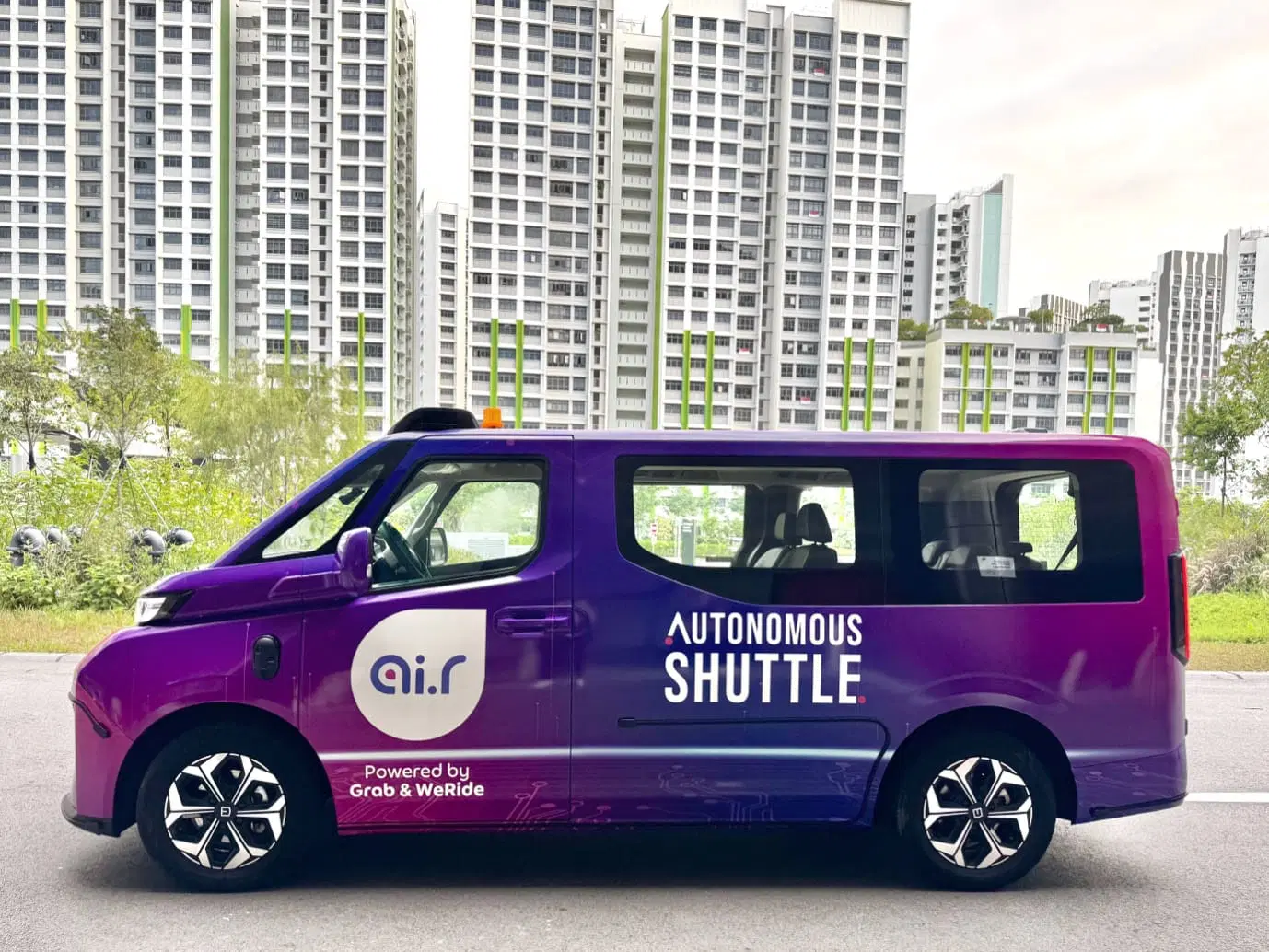
    WeRide and Grab have recently been given the go-ahead by Singapore’s Land Transport Authority to initiate their full-scale Ai.R fleet testing in Punggol. This move is significant as Punggol will be the nation’s first residential area to potentially provide an autonomous shuttle service.

    Launch of First Autonomous Shuttle Service

    The Ai.R, short for Autonomously Intelligent Ride, is an autonomous public ride service jointly operated by Grab and WeRide. The fleet comprises 11 vehicles, with ten being WeRide GXRs featuring five passenger seats each, and one Robobus with eight seats. The goal of this initiative is to transform Punggol into the first Singaporean neighbourhood to offer a dedicated autonomous shuttle service, with public operations anticipated to commence in early 2026.

    Improved Connectivity for Residents of Punggol

    The autonomous shuttles intend to connect residential areas to key facilities that include the Punggol Coast MRT station, the bus interchange at Punggol Coast Mall, retail establishments, and healthcare facilities. Safety Operators will be present on board throughout the testing phase and the preliminary public rides roll-out to supervise operations in real-time and ensure safety.

    Gearing Up for Reliability and Safety

    Each test run of the autonomous vehicles will generate real-world data that can help train and localize the vehicles’ AI driving models better. The AVs will analyze road infrastructure, traffic situations, and behavioural patterns of pedestrians and road users. They are also being equipped to handle Singapore’s well-known unpredictable weather conditions to ensure consistent and reliable performance.

    Navigating Complex Urban Environments

    To be fully operationally prepared, the Ai.R fleet is being trained across various real-world situations. This includes precision driving for smooth acceleration, deceleration, and obstacle avoidance; navigation of narrow residential roads, tight car park turns, and complex intersections; and facilitating seamless pick-ups and drop-offs. Equipped with LiDAR and camera sensors, the vehicles can identify hazards in all weather conditions, enabling adaptive responses to dynamic urban environments.

    Developing the Autonomous Transport Workforce

    Talent development is a crucial aspect of this programme. GrabAcademy and WeRide are working in collaboration to train over ten experienced Grab driver-partners as Ai.R Safety Operators. Post completion of classroom instruction and closed-circuit training, the initial group has moved on to on-road sessions.

    A Step towards Singapore’s Smart-Mobility Future

    The expansion of Ai.R testing underlines Singapore’s wider ambitions to integrate autonomous technologies into its public transport system. For WeRide and Grab, the initiative represents a significant advancement in commercializing autonomous mobility in a densely populated urban environment. This could potentially serve as a model for implementations across Southeast Asia. If successful, Punggol could soon be a shining example of how AV-enabled transit can improve connectivity, resilience, and urban liveability.

    Questions & Answers

    What is the Ai.R service?
    Ai.R, short for Autonomously Intelligent Ride, is an autonomous public ride service that is jointly operated by Grab and WeRide.

    What is the purpose of the Ai.R fleet testing in Punggol?
    The testing serves to transform Punggol into Singapore’s first neighbourhood to offer a dedicated autonomous shuttle service, with operations expected to start in early 2026.

    What is the significance of this initiative for Singapore?
    This initiative aligns with Singapore’s broader ambition to incorporate autonomous technologies into its public transport ecosystem, and also marks a significant advancement in commercializing autonomous mobility in a densely populated urban setting.

  • AI Revolution in Singapore’s Fintech Sector Fuels Shift in Employment Strategies: A Deep Dive into the 2025 Talent Report

    AI Revolution in Singapore’s Fintech Sector Fuels Shift in Employment Strategies: A Deep Dive into the 2025 Talent Report

    Singapore’s financial technology (fintech) industry is advancing into a new phase of sophistication. This phase is characterized by the embracement of artificial intelligence (AI), the introduction of stricter regulations, and an increasing focus on regional expansion. Consequently, industry players are radically reassessing their strategies for talent acquisition, development, and retention in response to a surge in AI-related roles.

    Emerging Trends

    There has been a marked 40% year-on-year increase in the demand for AI-related roles. As a result, fintech companies are ramping up their hiring of AI engineers, data scientists, and MLOps specialists. However, technical competence, while important, is not the sole criterion in the selection process. Employers are now placing greater emphasis on soft skills.

    A study conducted by the Singapore Fintech Association (SFA) and Page Executive indicates this shift in hiring preferences. The study revealed that 92% of employers rank communication and teamwork as the most crucial factors for success, ranking higher than academic qualifications. Moreover, 85% of employers consider adaptability and learning agility as vital in an AI-driven work environment.

    Upskilling Trends

    Despite a significant majority (90%) of job applicants possessing at least a bachelor’s degree, there is a growing trend towards continuous professional development in the sector.

    Approximately one quarter of professionals are enrolled in online courses, particularly in AI, data analytics, and advanced Excel. This trend reflects a deeper commitment to upskilling in order to remain competitive.

    Evolving Workforce Models

    Singapore continues to serve as the mainstay of Asia’s fintech ecosystem, hosting about a third of all fintech teams within the region. Nevertheless, as companies scale across the ASEAN market, they are adopting more integrated onshore-offshore operating models.

    While 71% of fintech companies still prioritize local hiring for strategic functions including compliance, enterprise sales, and regulatory roles, regional expansion is leading to more geographically dispersed workforce structures. As we look ahead to 2026, 32% of organizations plan to boost their workforce, and 21% anticipate an expansion in contract and freelance roles. Additionally, 22% are investing in upskilling and reskilling initiatives to address emerging skills gaps.

    Pay and Rewards

    The report underscores a growing gap in expectations surrounding remuneration. While 67% of fintech professionals regard salary as the primary reason for job changes, 70% of employers predict that cost optimization and budget constraints will influence hiring strategies in the coming year.

    AI, cloud, and compliance specialists are enjoying salary premiums of between 20 and 35 percent. This has led companies to increase their investment in training. Over 70% of companies are financing certifications and structured learning programs, with more than half viewing professional development as an essential tool for employee retention.

    Strategies for Fintech Employers

    The report provides four key recommendations for organizations:

    1. Adopt a skills-first hiring approach that balances adaptability with technical depth.
    2. Enhance the employee value proposition by achieving a balance between remuneration, purpose, career progression, and flexibility.
    3. Develop leadership pipelines and prioritize critical roles.
    4. Invest in training and mentorship programs to create a future-ready workforce.

    Questions & Answers

    What skills are increasingly in demand in the fintech sector?
    Demand for AI-related roles like AI engineers, data scientists, and MLOps specialists has climbed by 40 percent year-on-year. However, alongside technical skills, employers are also valuing soft skills like communication, teamwork, adaptability, and learning agility.

    What trends are emerging in terms of upskilling in the fintech sector?
    Almost 25% of professionals are enrolled in online programs, focusing on AI, data analytics and advanced Excel. This reflects a growing commitment to continuous learning and upskilling in the sector.

    What is the future outlook for hiring in the fintech sector?
    Looking ahead to 2026, 32% of organizations plan to increase their workforce. Another 21% expect to expand contract and freelance roles, while 22% are investing in upskilling and reskilling initiatives to bridge emerging skills gaps.

  • DBS and Franklin Templeton Pioneer Singapore’s First Tokenized Retail Fund: A Leap towards Digital Finance

    DBS and Franklin Templeton Pioneer Singapore’s First Tokenized Retail Fund: A Leap towards Digital Finance

    Singapore has made a bold move towards mainstream digital finance through the launch of its first tokenized retail fund. The innovative initiative, the result of a collaboration between Franklin Templeton and DBS Bank, offers a US dollar short-term money market strategy recorded on a blockchain register. With a minimum requirement of just US$20, it’s anticipated to be available to retail customers in the first quarter of 2026.

    Market Approval and Distribution

    The Monetary Authority of Singapore (MAS) has granted its approval for the fund, known as the Franklin Onchain US Dollar Short-Term Money Market Fund. This endorsement ushers in a regulated, low-volatility cash vehicle on blockchain rails. The process of tokenization allows for fractional ownership, expedited record-keeping, and near real-time transparency, all while maintaining the familiar economic structure of a money market fund.

    For now, the fund is accessible through DBS relationship managers for wealth clients and accredited investors, with plans for a broader retail rollout in 2026. The low minimum requirement of US$20 significantly reduces the barrier to entry compared to traditional share classes, making high-quality, short-duration U.S. dollar assets more accessible to a wider range of investors.

    The Importance of Tokenization

    The adoption of an on-chain share register provides investors with increased transparency, including daily yield accrual and real-time fund data. It also results in improved operational efficiency in the subscription, transfer, and redemption processes. The blockchain’s tamper-resistant ledger further enhances auditability throughout the investment lifecycle.

    The tokenized model follows closely in the footsteps of Franklin Templeton’s Luxembourg-domiciled US Dollar Short Term Money Market Fund, a strategy boasting over 30 years of performance history. The key benefits? Liquidity, capital stability, and competitive cash yields, now amplified by the speed and transparency offered by blockchain technology.

    Powered by Proprietary Technology

    The Benji Technology Platform, Franklin Templeton’s proprietary solution, drives the fund’s blockchain-integrated record-keeping and administration. This technology stack is also available as a white-label infrastructure for banks and asset managers looking to tokenize securities or support fully on-chain money market funds across a variety of use cases, including retail, wealth, institutional, and collateral.

    Reducing Entry Barriers through Digital Innovation

    DBS Bank, known for its digital leadership and financial robustness, targets this investment opportunity at the mass-affluent and retail segments. Franklin Templeton, having been involved in digital assets since 2018, has demonstrated its commitment to advancing the tokenization of financial assets by launching the first fully tokenized UCITS fund in 2024.

    Future Expectations

    For investors, the core economics remain the same as in a traditional cash fund, but the added advantage of blockchain registry provides faster settlement, better transparency, and potential integration with programmable finance. The retail launch timeline, secondary-market transfer mechanisms, and tokenization adoption rate by other banks and asset managers will be key milestones to watch.

    Questions & Answers

    What is the significance of the tokenized fund?
    Participating in the fund allows investors to take advantage of enhanced transparency, faster record-keeping, and near real-time transparency while preserving the familiar economics of a money market fund.

    Who currently has access to the fund?
    The fund is immediately available to DBS Bank’s wealth clients and accredited investors, with a broader retail rollout planned for 2026.

    What is the minimum investment requirement for the fund?
    The minimum requirement to participate in the fund is just US$20, significantly reducing the barrier to entry compared to traditional share classes.

  • Singapore’s Retail Sector Sustains Growth in September, Led by Watch and Jewellery Sales Surge

    Singapore’s Retail Sector Sustains Growth in September, Led by Watch and Jewellery Sales Surge

    In September, retail sales in Singapore continued their upward trajectory, albeit at a slower pace than in August.

    Overview of Retail Sales

    Singapore’s retail sales, excluding motor vehicles, witnessed a 2% growth in September. This figure is slightly lower than the revised 4.7% increase recorded in August. The total retail sales value for the month was estimated at SG$3.5 billion (US$2.67 billion), with online sales accounting for 17.6% of this value.

    However, when adjusted for seasonal factors, there was a 2.3% decrease in retail sales in September compared to August.

    Sector-wise Breakdown

    The growth in retail sales was majorly driven by the watches and jewellery sector, which saw a year-on-year increase of 16.6%, largely due to increased jewellery sales.

    Next in line was the recreational goods sector, which exhibited an 11% rise in sales, followed by supermarkets and hypermarkets with a 5.1% increment.

    In stark contrast, both petrol service stations and retailers of apparel and footwear experienced a decline in sales by 8% and 3.6% respectively.

    Food and Beverage Services Sales

    Sales in the food and beverage services sector also declined, registering a 1.6% drop, a more significant decrease compared to the 0.2% drop in the previous month. This downturn was primarily attributed to the underperformance of the restaurant sector. The total sales value for the F&B services sector was estimated at SG$966 million, with online sales constituting 26.3% of this value.

    Questions & Answers

    What was the percentage increase in Singapore’s retail sales for September?
    The retail sales in Singapore saw a 2% increase in September.

    Which sector led the sales growth in September?
    The watches and jewellery sector led the sales growth in September with a 16.6% increase year-on-year.

    Did all sectors see an increase in sales?
    No, the sales of petrol service stations and retailers of apparel and footwear saw a decline, as did the food and beverage services sector.

  • Singapore’s Aupen, Adored by Taylor Swift, Partners with LVMH for a Stellar Debut Jewelry Collection

    Singapore’s Aupen, Adored by Taylor Swift, Partners with LVMH for a Stellar Debut Jewelry Collection

    Aupen, a luxury bag brand from Singapore whose designs have been sported by renowned personalities like Taylor Swift and Selena Gomez, is eager to unveil its debut fine jewelry collection. This exciting event, scheduled for Saturday, is happening in collaboration with the French fashion powerhouse LVMH.

    The New Collection

    The upcoming collection features exquisite pieces, adorned with gold and diamonds. These intricate designs are deeply influenced by the life experiences of Aupen’s founder, Nicholas Tan. Tan, a former Southeast Asian Games swimming gold medalist and a Harvard graduate, founded Aupen with a vision to create products that resonate with his personal journey.

    The successful collaboration with LVMH has been facilitated by LVMH Metiers d’Art, a creative initiative under the umbrella of the LVMH group.

    Exclusive Website Launch

    The new jewelry line will be exclusively available on Aupen’s website, and this launch will be accompanied by the re-release of select bags from the brand’s archives. One of these iconic designs includes the Joy bag, recently made popular by American actress and singer, Selena Gomez.

    Established in November 2022, Aupen is known for its asymmetrical leather bag designs that pay homage to the beauty of life’s imperfections. The brand’s design ethos revolves around minimalistic and authentic styles, with a strong emphasis on superior craftsmanship.

    High-End Production

    The manufacturing process of Aupen’s products involves top-tier facilities. The hardware is produced at the Paris-based Jade Groupe, while the handbag leather is sourced from Tanneries Roux, a company known for its specialization in calfskin.

    Aupen has captured the attention of global celebrities. Taylor Swift, the American billionaire singer, was seen with an Aupen Nirvana bag in August 2023. Other stars like Emily Blunt, Jennifer Aniston, and Ana Taylor-Joy have also been photographed with Aupen products.

    Questions & Answers

    What is the inspiration behind Aupen’s new fine jewelry collection?
    The collection draws inspiration from the life experiences of Aupen’s founder, Nicholas Tan, a former Southeast Asian Games swimming gold medalist and a Harvard alumnus.

    Where can consumers purchase the new jewelry line from Aupen?
    The fine jewelry collection will be exclusively available on Aupen’s official website.

    Who are some of the celebrities seen with Aupen products?
    Well-known celebrities seen with Aupen products include Taylor Swift, Selena Gomez, Emily Blunt, Jennifer Aniston, and Ana Taylor-Joy.

  • Singapore’s LTA Partners With Nokia, Hitachi To Boost Rail Surveillance And Operational Efficiency

    Singapore’s LTA Partners With Nokia, Hitachi To Boost Rail Surveillance And Operational Efficiency

    The Land Transport Authority (LTA) in Singapore is taking the initiative to upgrade its rail infrastructure’s video transport and CCTV network. The project is being launched in partnership with Nokia and Hitachi Rail, and its primary goal is to boost real-time monitoring, enhance safety for commuters and bolster operational efficiency.

    Impacts of the Upgrade

    The initiative will focus on over 50 train stations, employing Nokia’s fiber-based Optical LAN and IP/MPLS solutions to bolster high-resolution video surveillance across the city’s railway system. The system, which caters to in excess of 3.65 million passengers per day, stands to benefit greatly from the enhanced surveillance capabilities.

    Nokia’s Optical LAN technology features robust optical network units (ONUs) and optical line terminals (OLTs) that can offer speeds up to 25 Gbps. When compared with traditional copper-based LAN infrastructure, this system utilizes about 70% less cabling and approximately 40% less power. These factors contribute to increased efficiency and sustainability. The deployment’s IP/MPLS component will provide dependable backhaul connectivity to the LTA’s centralized Operations Control Center, thus enabling efficient transport of live video data. This will lead to improved network reliability and quicker response capabilities.

    Stuart Hendry, Vice President of Enterprise Sales for Network Infrastructure at Nokia Asia Pacific, highlighted the importance of the project. He noted that fiber is being used to connect critical systems, including those responsible for monitoring transportation hubs worldwide. Ensuring a highly available, reliable, and secure real-time surveillance system is critical to the safety of those utilizing Singapore’s transit lines daily. The partnership with Hitachi Rail allowed Nokia to deliver a comprehensive solution for LTA, ensuring they had the necessary video capacity for their extensive CCTV surveillance and broader network operations for years to come.

    Nokia has stated the upgraded system will enhance the capacity and reliability of the LTA’s surveillance network and allow for future expansion as bandwidth and monitoring needs increase.

    Other Railway Project Improvements in Asia

    In addition to the Singapore project, various other improvements are being made to railway projects across Asia. One major project in Malaysia will see YTL Communications leading a significant fiber optic project. Meanwhile, in Indonesia, another project is being implemented to ensure high-speed railway safety and efficiency.

    Joaquim Santos, Vice President of Integrated Communication and Supervision Solutions (ICS) at Hitachi Rail, expressed satisfaction with the collaboration. He stated that the project is part of Hitachi’s ongoing relationship with the LTA and will play a crucial role in upgrading the transport infrastructure.

    Questions & Answers

    What is the primary goal of this upgrade project?
    The primary goal is to boost real-time monitoring, enhance safety for commuters and bolster operational efficiency.

    What are the technical specifications of the upgrade?
    The upgrade will employ Nokia’s fiber-based Optical LAN and IP/MPLS solutions which can offer speeds up to 25 Gbps. This will allow for efficient transport of live video data and improved network reliability.

    What is the significance of this upgrade for Singapore’s railway network?
    This upgrade will enhance the capacity and reliability of the LTA’s surveillance network and allow for future expansion as bandwidth and monitoring needs increase. This will contribute to the safety and efficiency of the rail network.