Retail News CRM

Tag: single use

  • Aldi removes single-use plastic straws from its product range

    Aldi removes single-use plastic straws from its product range

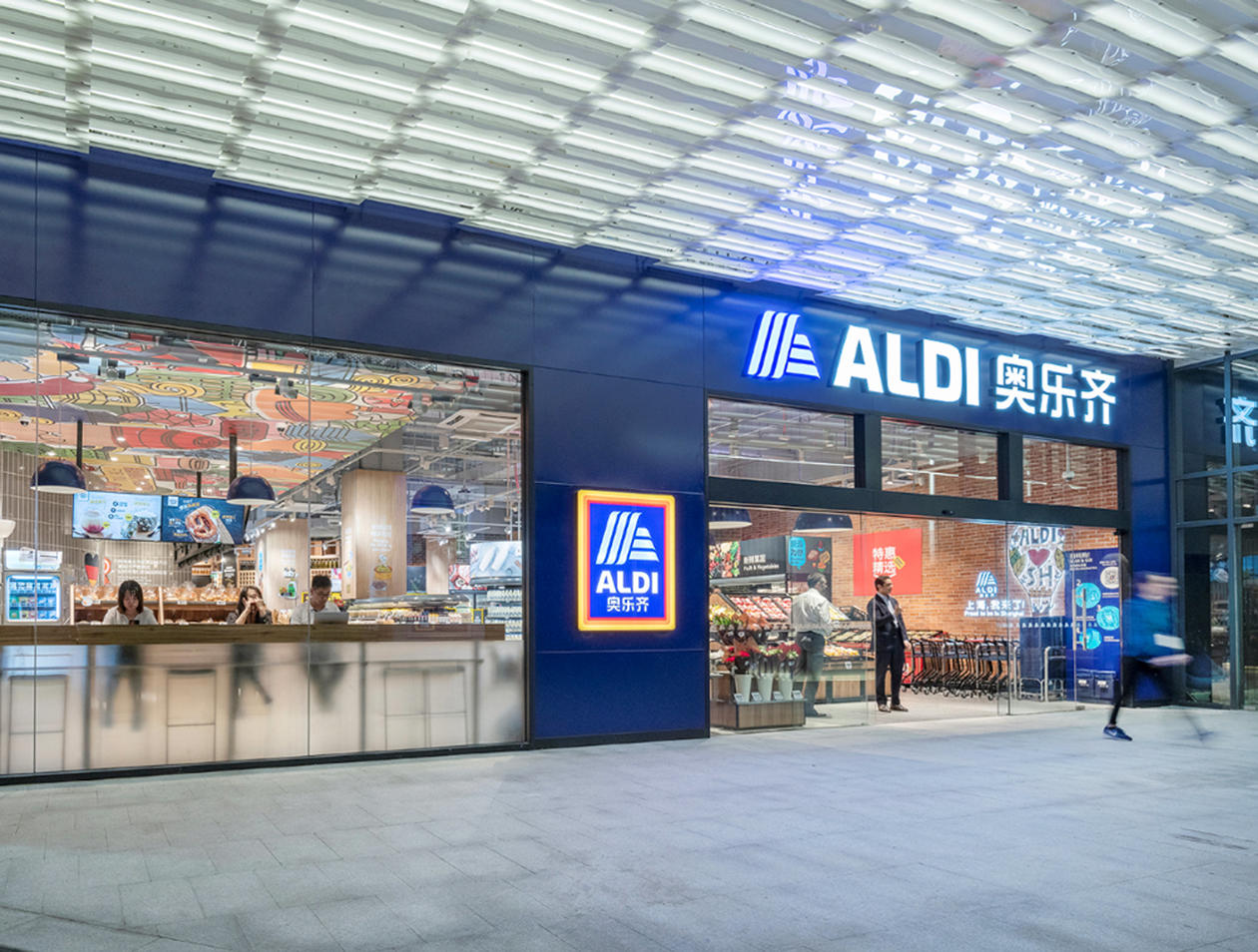
    Aldi, the multinational retail giant, has taken a significant step towards environmental sustainability by eliminating single-use plastic straws from its product line. This move aligns with the recycled soft plastics program led by the Australian Competition and Consumer Commission’s Soft Plastics Taskforce, which is prevalent in many large supermarkets.

    Aldi’s Environmental Commitment

    The decision to phase out single-use plastic straws is expected to prevent millions of these items from contributing to landfill waste and water pollution. Daniel Baker, Aldi Australia’s director of sustainability, voiced the company’s ongoing commitment to making positive changes for the environment. He highlighted how actions such as these serve as a testament to Aldi’s continuous efforts to improve the planet.

    Aldi’s dedication to environmental sustainability extends beyond this recent change. The company has also pledged to replace single-use plastic tableware in its staple and seasonal product offerings with paper alternatives. This strategy will result in an estimated reduction of 46 million plastic items annually.

    Previous Initiatives

    Aldi’s decision to eliminate plastic straws follows a series of eco-friendly initiatives introduced in 2021. Last year, the supermarket chain ceased the use of plastic straws in its juice boxes and popper cartons, substituting them with paper straws. This move led to the elimination of 70 million plastic straws.

    Industry-Wide Changes

    Aldi is not alone in its efforts to promote environmental sustainability in the retail industry. Fellow supermarket chain Coles has also stopped selling single-use plastic tableware products, opting for FSC-certified and reusable alternatives instead.

    Questions & Answers

    **What is Aldi’s latest initiative to reduce plastic waste?**
    Aldi’s most recent effort to decrease plastic waste is the elimination of single-use plastic straws from its product line.

    **What other changes has Aldi made towards environmental sustainability?**
    In addition to removing single-use plastic straws, Aldi has also pledged to replace single-use plastic tableware with paper options in their staple and seasonal product ranges.

    **Are other supermarkets making similar changes?**
    Yes, Coles, another major supermarket chain, has also stopped selling single-use plastic tableware, choosing to use FSC-certified and reusable options instead.

  • Toyota, Mahindra Decide To Stop Usage Of Single Use Plastic

    Toyota, Mahindra Decide To Stop Usage Of Single Use Plastic

    Over time cars and car companies have been blamed of contaminating the environment. Be it emission, exhausting fossil fuel or adding up to the noise pollution, cars have been the soft target to point the finger on. That said, the situation need not remain the same always. While carmakers are adhering to the government’s upcoming emission standards, fuel efficiency norms and electrification targets in a bid to curb pollution, some are also taking steps to refine their production methods. Automakers like Toyota and Mahindra have decided to eliminate the use of single-use plastic in their manufacturing process.

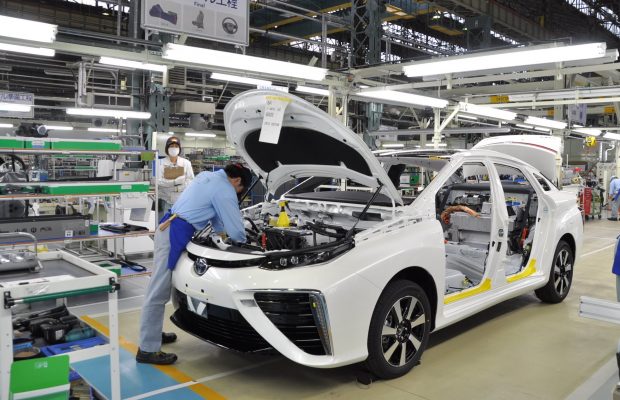
    As part of the six challenges to be achieved by 2050, Toyota is trying to establish a recycling-based society and systems. The move ensures zero waste directly to landfills and achieves recyclability of 96 percent, at its operating plant at Bidadi, Karnataka and also helps in reducing45per cent of the plastic footprint. Commenting on the initiative Masakazu Yoshimura, Managing Director, Toyota Kirloskar Motor said, “Keeping in-line with our global Toyota Environment Challenge 2050 and aligned with honorable Prime Minister’s nationwide campaign to limit the consumption of single-use plastic, we have proactively implemented several initiatives encouraging our stakeholders to reduce, recycle and reuse, as a step towards a better tomorrow.”

    Mahindra’s initiative could also be extended in Ford’s Chennai and Sanand plant following their recent JV.

    Along with Toyota, even Mahindra has taken steps in this direction. Pawan Goenka, Managing Director, Mahindra & Mahindra put out in a tweet today that all 15 manufacturing plants of Mahindra & Mahundra have committed to stop using single use plastic latest by the end of this year. The move is crucial, even much so at a time when Mahindra has partnered with Ford in its India operations. It will have 51 per cent ownership in its India business, in-turn taking the charge of its Chennai and Sanand manufacturing plants which means we can hope the initiative being extended to even these plants by the day.

  • Single-use cup consumption on the fall in South Korea

    Single-use cup consumption on the fall in South Korea

    Single-use cup consumption at Korean fast-food restaurants has plunged by 72 per cent.

    The changes have occurred in the year since establishments began to participate in a move initiated by the government to pull back plastics use.

    The Korean Ministry of Environment assessed 1000 outlets under 21 brands over the past year, of which 16 were coffee chains (including Starbucks) and five fast-food restaurants (including Lotteria and McDonald’s) all located in metropolitan Incheon and its environs.

    The findings showed that 81 per cent of the outlets served beverages in multi-use cups, reducing the stores’ reliance on disposable cups from 206 tons last July to 58 tons in April. All brands assessed offered discounts to customers bringing their own cups, and many replaced plastic drinking straws with other alternatives.

    “We can live without disposable products and they can be replaced,” said a ministry official. “It is inconvenient without them, but we have to make the effort.”

  • Single-Use Plastic Ban, Food Waste and Local Produce Top Priorities in Centara’s 2019 Sustainability Plan

    Single-Use Plastic Ban, Food Waste and Local Produce Top Priorities in Centara’s 2019 Sustainability Plan

    Centara Hotels & Resorts, Thailand’s leading hotel operator, is focusing on three key sustainability initiatives as part of the company’s recently announced 2019 Sustainability Plan: eliminating single-use plastic products; reducing its food waste footprint; and expanding its support of local farming and produce-growing communities.

    1. No Single-Use Plastic Products by end-2019

    The elimination of single-use plastic items is part of the “Centara Earth Care” programme aimed at encouraging hotel guests and tourists to be proactive about energy saving, waste reduction and sustainable environmental tourism. The sustainability plan covers five types of single-use plastic items, including drinking straws, laundry bags, take-away food containers, fitness centre and poolside plastic bottles, and plastic guest room amenities. They are being replaced with items made from materials designed to minimise environmental impact.

    “Centara strives to operate ethically and sustainably in a balanced manner across the entire portfolio whilst providing an exceptional level of Thai hospitality,” said Thirayuth Chirathivat, Chief Executive Officer. “We are committed to selecting environmentally friendly produce which, in turn, enables us to further incorporate sustainable strategies and development into our products and services, creating shared value at an environmental, social and economic level wherever we operate. We are also committed to ensuring a respectful, safe and healthy environment to the larger society and our future generations.”

    Centara began phasing in its elimination of single-use plastic products in 2018 across all 39 of its operating properties. Under the plan, alternative products which are reusable and made from environmentally friendlier materials, including plant-based, compostable and bio-degradable plastics, will be fully phased in by year-end.

    • Phase I, targeting the elimination of plastic straws, began in August 2018. The single-use plastic straws being eliminated take up to 200 years to decompose; the new bio-straws replacing them decompose within six months. Once the change is fully enacted throughout all Centara properties, the reduction in plastic straw consumption will total nearly 2.2 million straws per year.
    • Phase II, eliminating the use of plastic laundry bags, began in December 2018.  Moving forward, these practices will also become Centara’s standards for all existing and new properties.
    1. Food Waste Reduction

    Centara’s new and continuing food-related sustainability initiatives include:

    • further reducing food waste and minimising each property’s carbon footprint with expanded purchasing of fresh local foods from herb, fruit and vegetable growers
    • making same-day donations of surplus food to charities located near each property
    • providing local farms with pre-separated organic waste for composting
    • transforming waste at select properties into biogas fuel, a blend of mostly methane and carbon dioxide gases which can be used in place of fossil fuels.

    In 2018, Centara supported the Bangkok-based foundation Scholars of Sustenance (SOS Thailand) by making same-day donations of more than 28,000 kilogrammes (kg) of quality surplus food. The donations provided over 86,000 servings to those in need, while the reduction in Centara’s food waste saved over 54,000 kg of GHG equivalent emissions.

    Both Centra by Centara Maris Resort Jomtien and Centara Grand Beach Resort Phuket have biogas machines on-site capable of converting 30-100 kg of organic waste each day into an equivalent number of litres of organic compost and biogas comparable to nearly five kg/day of LPG fuel. Since July 2018, the Cowtec Composting & Biogas Production Machine installed at Centra by Centara Maris Resort Jomtien has been processing organic waste from the property’s kitchens, staff canteens and landscaping works. By the end of 2018, the machine had composted more than 5,700 kg of organic waste and produced 262 kg of biogas equivalent LPG.

    1. Strengthen Local Communities

    Centara’s 2019 Sustainability Plan further expands the company’s support for local communities’ small farms and producers who grow food for Centara hotels and resorts in their area.

    The company attributes much of its carbon footprint reduction to making approximately 70% of total produce purchases from local sources. Beyond the economic benefits to the community, expanding farm-to-table dining enables each property to provide the freshest available food items to guests.

    The company’s ongoing engagement with EarthCheck, the world’s leading scientific benchmarking, certification and advisory group for travel and tourism, continues to yield consequential improvements in key sustainability metrics. To date, 15 Centara hotels and resorts have achieved EarthCheck certification and another four properties are enrolled in  EarthCheck’s Evaluate Plus programme, leading to significant reductions in carbon footprints and greenhouse gas emissions across a number of Centara’s certified properties.

    Most recently, the company’s leadership in environmental sustainability was recognised by the Stock Exchange of Thailand, which awarded Centara Hotels & Resorts (CENTEL) its “Thailand Sustainability Investment (THSI)” designation, an annual recognition for listed companies that operate with responsibility for Environmental, Social and Governance (ESG) aspects.

    Further recognition for properties includes the “Green Hotel 2018 Award” from the Department of Environmental Quality Promotion at Thailand’s Ministry of Natural Resources and Environment, awarded to Centara Grand Beach Resort & Villas Hua Hin and Centra by Centara Maris Resort Jomtien.
  • Malaysian mall introduces metal straws for shoppers

    Malaysian mall introduces metal straws for shoppers

    Malaysia’s Sunway Malls is introducing metal straws in a move to help eliminate single-use plastic straws from its property. The decision, made in alignment with the United Nations’ Sustainable Development Goals and the government’s decision to ban plastic straws in the Federal Territories in Malaysia, has introduced metal straws. Many of Sunway’s tenants are moving forward with alternative straw materials too – biodegradable paper straws are available at some outlets, while others have decided to remove plastic straws altogether and some are also rewarding customers who bring their own straws.

    Sunway shoppers who spend RM100 (US$24) in two receipts will be eligible to collect their personal metal straws from the concierge counters of each participating mall.

    “At Sunway Malls, we are excited to introduce metal straws, which will be available to shoppers with a very minimal spend,” said Sunway Malls COO Kevin Tan. “We were one of the first malls to introduce the Bring Your Own Bag (BYOB) campaign in 2017. With metal straws, we hope to instill a greater sense of responsibility and sustainability towards the environment through a conscious effort of reducing daily plastic consumption in our shoppers lives,” he said.

    “As a landmark mall in our community, this is part of our continuous effort for the betterment of the future and hope that our shoppers will also see the value in this campaign. A little change goes a long way.”