Retail News CRM

Tag: skin

  • The Ordinary Debuts Flagship Store On Alibaba’s Tmall, Leveraging Ai For Personalized Skincare Experience

    The Ordinary Debuts Flagship Store On Alibaba’s Tmall, Leveraging Ai For Personalized Skincare Experience

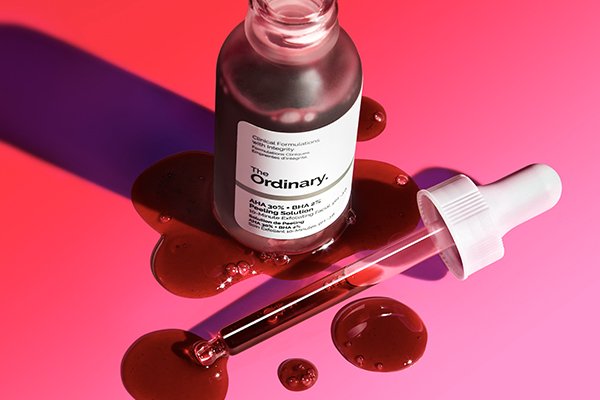
    Canadian skincare label, The Ordinary, has recently announced the launch of its inaugural flagship store on Tmall, Alibaba’s e-commerce platform. This comes not long after it first ventured into the Chinese market in February of this year.

    Embracing Science-Led, Ingredient-Driven Formulations

    The Ordinary has built its reputation on its commitment to science-based, ingredient-focused products at affordable prices. With this new online store, the company hopes to extend its reach to a wider customer base in China.

    The digital shop also incorporates AI-driven technology, with the aim of helping shoppers identify the skincare products that will suit their specific needs.

    Co-founder of The Ordinary, Nicola Kilner, expressed her excitement about this new venture, highlighting its significance in the brand’s mission to make quality skincare more available to Chinese consumers. Kilner further iterated the brand’s intent to strengthen its ties with the Chinese market by embracing innovative practices and imparting vital skincare knowledge.

    Event Celebrating the Launch

    In celebration of the store’s launch, The Ordinary organized a gathering in Shanghai last month. The event saw the attendance of Kilner, Lulu Chang from Estée Lauder China, and high-level personnel from Tmall. The primary focus of this event was to discuss the pivotal role of technology and transparency in shaping the future of skincare.

    The Ordinary’s Growth and Expansion

    The skincare brand’s expansion comes on the heels of Estée Lauder Companies’ successful acquisition of Deciem, the parent company of The Ordinary, in the previous year. The transaction, worth US$1.7 billion, has given Estée Lauder full ownership of Deciem Beauty Group, a Canadian firm.

    Questions & Answers

    What is The Ordinary’s approach to skincare?
    The Ordinary is known for its science-led, ingredient-driven formulations. Their products are designed to address specific skincare needs at accessible price points.

    What is the purpose of the AI-powered tools on The Ordinary’s online store?
    The AI-powered tools are designed to help consumers identify the right skincare products for their specific needs.

    What was the primary focus of the event held by The Ordinary in Shanghai?
    The event centered around discussions on the role of technology and transparency in shaping the future of the skincare industry.

  • CJ Olive Young Boosts Brand Growth with Skin Analyser Service in 100 Stores

    CJ Olive Young Boosts Brand Growth with Skin Analyser Service in 100 Stores

    In an innovative stride toward personalized beauty services, CJ Olive Young is set to dramatically expand its self-operated skin analyser machines across South Korea. By the end of 2025, the popular health and beauty retailer plans to install approximately 100 machines in major cities, catering to the rising consumer demand for customized skincare solutions.

    Expanding Access to Advanced Skin Analysis

    CJ Olive Young’s new initiative offers customers a complimentary service that analyzes scalp and skin conditions. The technology provides insights on hydration and sensitivity, affording personalized skincare advice to meet individual needs. This expansion not only aligns with evolving consumer trends but also strengthens Olive Young’s commitment to offering tailored shopping experiences.

    Leveraging Technology for Customer Engagement

    At the core of this initiative is “SELLY,” an exclusive counseling app used by store staff that suggests products based on each customer’s unique skin type, texture preferences, and ingredient requirements. The app enhances in-store consultations, making it a vital tool in bridging the gap between customers and products.

    Strong Evidence of Consumer Interest

    The significance of this expansion is underscored by recent data from Olive Young’s flagship store in N Seongsu, where customers using the “Skin Scan Pro” service exhibited a purchase conversion rate of 78%. This figure contrasts sharply with the 43% conversion rate observed among non-users, highlighting the effectiveness of personalized engagement strategies in the retail landscape.

    The Shift Toward Discovery-Based Shopping

    This growth strategy comes at an opportune moment. With a marked shift in retail dynamics—from a search-driven approach to one grounded in discovery—CJ Olive Young is poised to lead the way in fulfilling the desires of Gen Z and Millennials for authentic and meaningful shopping experiences.

    As CJ Olive Young expands its personalized beauty services, the impact on the retail sector and consumers is substantial. Enhanced consumer engagement through technology is likely to redefine shopping habits, making personalized beauty advice more accessible and leading to increased customer loyalty across the industry.

    Questions & Answers:

    1. What is CJ Olive Young planning for 2025? CJ Olive Young aims to install approximately 100 self-operated skin analyser machines in major cities across South Korea by the end of 2025.
    2. How does the skin analyser service work? The free service provides customers with scalp and skin condition analysis, offering personalized skincare advice based on metrics like hydration and sensitivity through the use of an exclusive app called “SELLY.”
    3. What impact has this service had on purchase behavior? Customers who engaged with the “Skin Scan Pro” service experienced a 78% purchase conversion rate, compared to 43% for those who did not use it, indicating strong interest in personalized beauty experiences.
  • L’Occitane buys Australian skincare brand Grown Alchemist

    L’Occitane buys Australian skincare brand Grown Alchemist

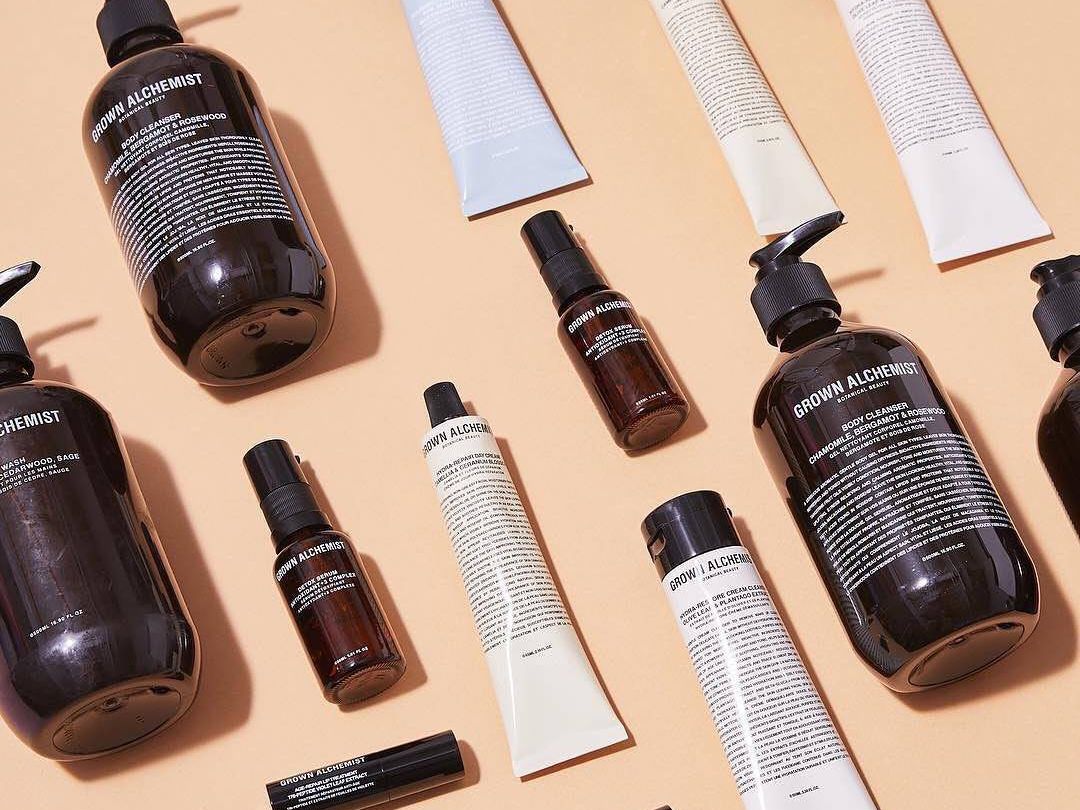
    Hong Kong-listed beauty giant L’Occitane Group has acquired a majority stake in Australian-based clean skincare brand Grown Alchemist for an undisclosed sum.

    Grown Alchemist was founded in 2008 by Melbourne siblings, Jeremy and Keston Muijis, with a focus on futuristic anti-aging technology and unique botanical skincare formulas for optimal skin health. The brand opened a flagship store in Melbourne in 2020, “gearing for the next phase of [our] journey with a full-scale omnichannel presence to further augment global sales”.

    “With a unique and inspiring brand story and international fan base, Grown Alchemist is poised for international scalability and rapid growth,” said Andre Hoffmann, vice chairman & CEO of L’Occitane Group.

    The acquisition of Grown Alchemist is part of L’Occitane’s plan to further broaden its health-conscious beauty portfolio, attracting influential millennial and Gen Z customers.

    The deal follows L’Occitane’s acquisition of Sol de Janeiro’s 83-per-cent stake last November, which is known for the Brazilian Bum Bum Cream brand.

  • BWX takes controlling stake in Go-To Skincare, as profit soars

    BWX takes controlling stake in Go-To Skincare, as profit soars

    ASX-listed company BWX has snapped up a controlling stake in beauty entrepreneur and young rich lister Zoë Foster Blake’s business Go-To Skincare in an $89 million deal.

    BWX scooped up 50.1 percent of Go-To with the deal valuing the business, which sells its range of moisturizers, face masks and bubble bath online and through Mecca stores, at $177 million.

    Ms Foster Blake started Go-To in 2014 and the business has boomed during the coronavirus pandemic, recording revenue of $38 million last year as consumers treated themselves with skincare products. She owns a stake in the business.

    She started her career writing a beauty column at Cosmopolitan. Ms Foster Blake is the author of several books including The Wrong Girl and No One Likes A Fart and headed up Australia’s most recent tourism campaign with her husband, comedian Hamish Blake.

    Ms Foster Blake drew on her beauty expertise to found Go-To and garnered a loyal customer base through savvy use of her extensive social media following.

    The peach packaged brand has expanded to include Gro-To, plant-based skincare for babies and Bro-To, which is marketed to boys and men and has expanded internationally into the United States.

    Go-To will remain a standalone brand with Ms Foster Blake as strategic shareholder, chief creative officer and board director of Go-To and the company’s other co-founders will also remain in the partnership.

    Ms Foster Blake said two Australian beauty companies coming together to cement Australia’s reputation in the sector was “very exciting” and would accelerate Go-To’s growth internationally.

    “When we embarked on this process we wanted a compatible-like minded partner who as culturally aligned, shared our values on sustainability, inclusivity and quality, really ‘got’ our brands, and who could assist in unlocking Go-To’s international potential,” she said. “BWX immediately made sense. They live and breathe skincare and have a proven track record globally.”

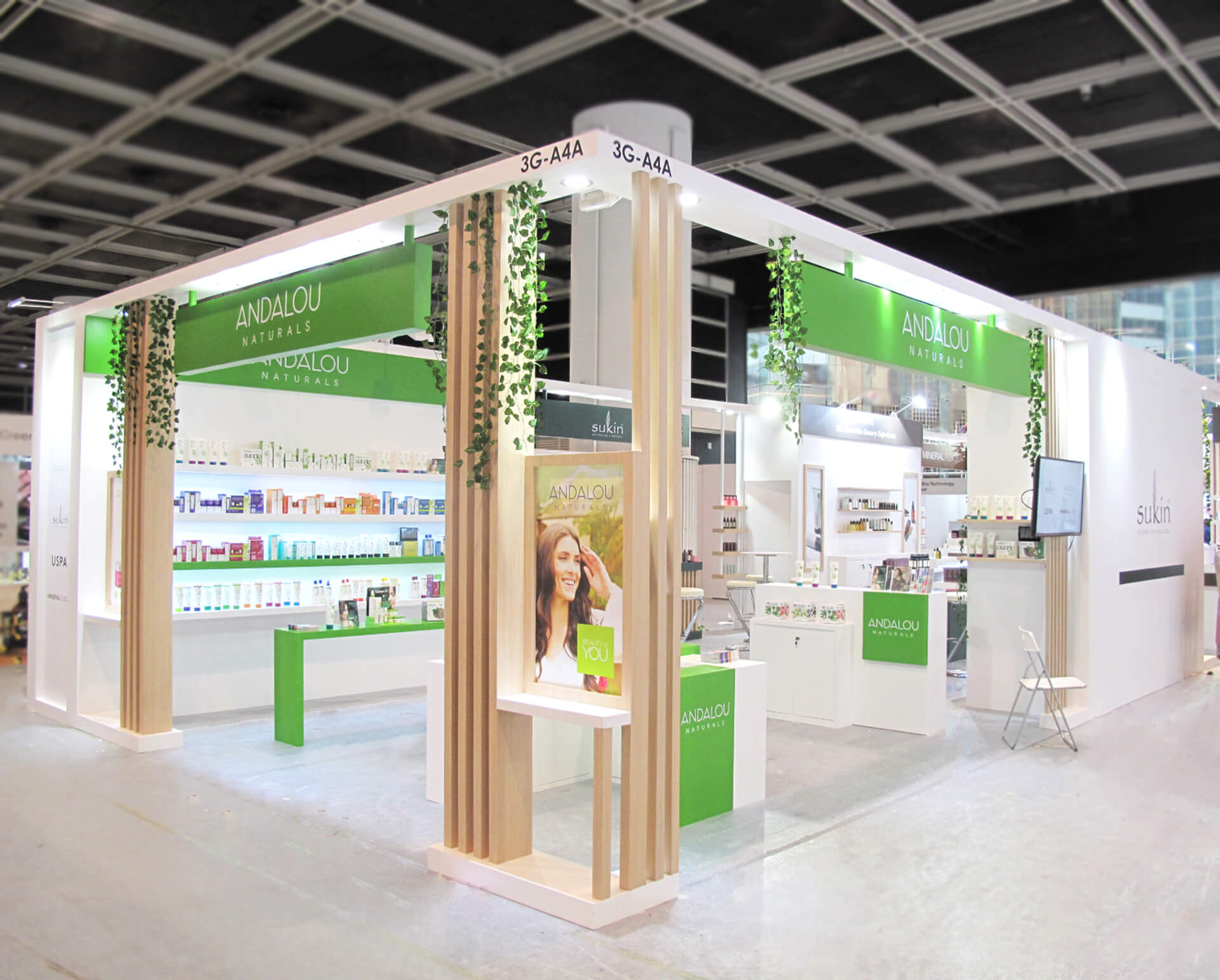
    BWX already owns the Sukin, Andalou Naturals, Mineral Fusion, and Nourished Life brands and in its full-year results on Friday reported a 61 percent lift in net profit to $23.7 million for the year and a 3 percent increase in revenue to $194.1 million.

    BWX chief executive Dave Fenlon said Go-To was an authentic brand with a loyal customer following and an exciting growth outlook.

    “Zoë is a proven brand-builder and innovator,” he said.

    “This partnership will provide BWX with an opportunity to accelerate our international growth strategy, increase our sales via the direct-to-consumer channel, while also providing access to a potential new growth customer demographic and exposure to a premium brand which complements our existing portfolio.”

  • Indonesian beauty brand Natasha Skincare to launch in Malaysia

    Indonesian beauty brand Natasha Skincare to launch in Malaysia

    Indonesian beauty brand Natasha Skincare to launch in Malaysia

    Indonesian beauty brand Natasha Skincare is to launch in Malaysia after forming a local joint venture with JCG Investment.

    The new company, Natasha Beverly, will launch this month in Kuala Lumpur’s trendy Bangsar, opening a four-story facility housing a medical aesthetic clinic, medi-spa, chiropractor and physiotherapy services. It will be the sole distributor for Natasha products in Malaysia and Singapore.

    Currently, among the leading beauty brands in Indonesia, where it has more than 100 outlets, Natasha Beverly will sell natural science beauty treatments and products for teenagers, men and women. It is known in its home market for its Halal-certified products.

    JCG’s executive director and CEO Ang Kok Huan says bringing the brand to Malaysia is part of a strategy to grow and expand its existing medical aesthetics, cosmetic surgery, healthcare and wellness businesses.

    “We have been proactively looking for strategic partners and business opportunities to further deepen our group’s core businesses and expand our geographical reach,” he said. “Last year we welcomed Malaysia-based Beverly Wilshire Medical Group led by its executive chairman Dato Francis Ng; and now we have inked our relationship with Natasha – the leading beauty brand in Indonesia.

    “We look forward to working with more like-minded partners to build our Group into a leading medical aesthetics, cosmetic surgery, healthcare and wellness brand in the region.”

    In the long term, doctors and operators working for the business will hold 10 per cent of the company’s shares.

  • Estee Lauder declares strong growth across Asia

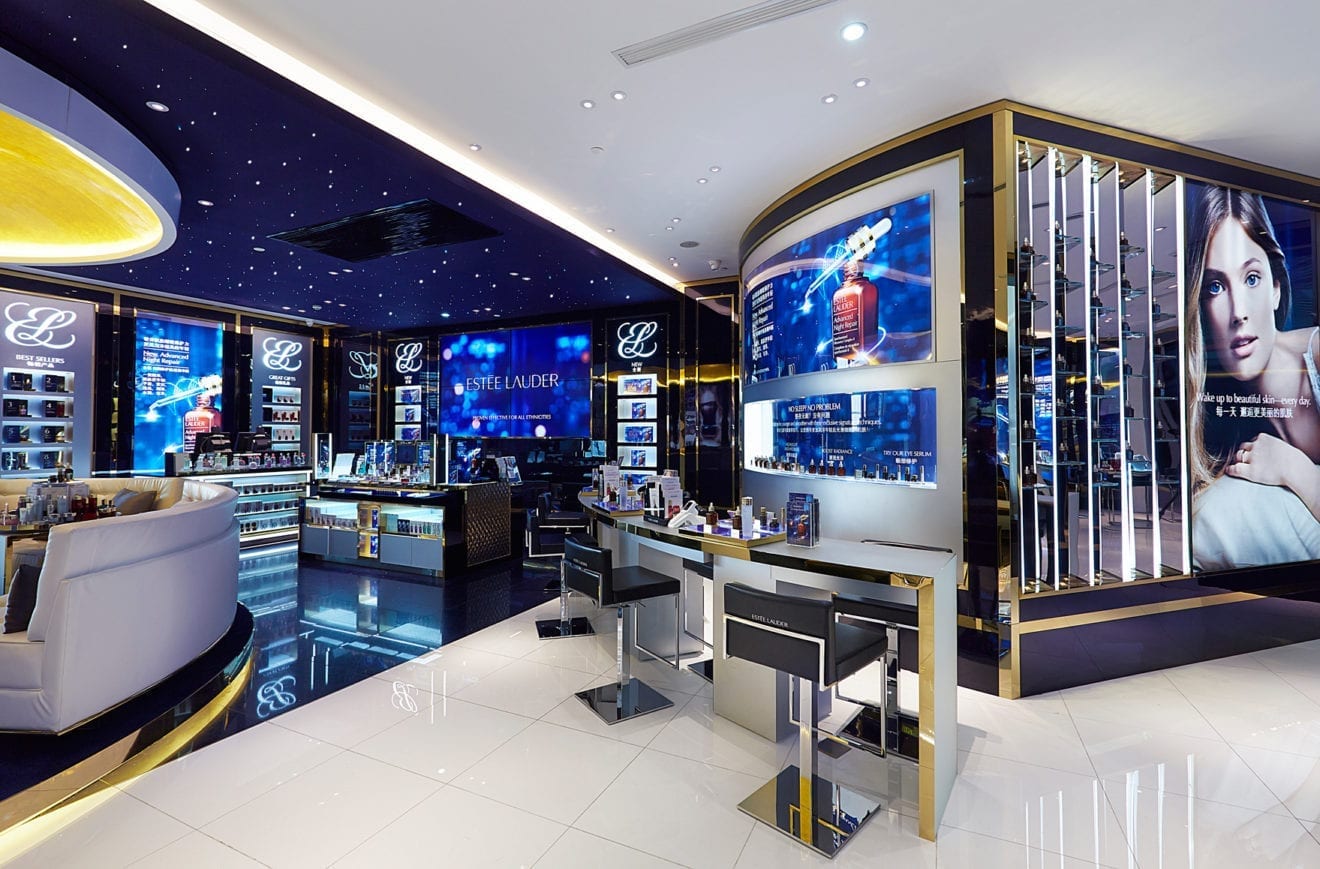
    Estee Lauder declares strong growth across Asia

    Estee Lauder has reported “strong double-digit sales growth” in nearly every Asia-Pacific market in the latest quarter.

    Globally, the company achieved sales of US4.62 billion in the three months to December 31, up by 15 percent year on year, but in Asia especially the cosmetics giant thrived.

    “Greater China delivered strong double-digit net sales growth,” the company said in a statement.

    “Growth accelerated on the mainland, reflecting, in part, an outstanding performance related to Singles Day and other events. Net sales in Hong Kong declined as a result of the ongoing events impacting key shopping areas.”

    The company said emerging markets in Southeast Asia also delivered strong growth.

    “Among developed markets, South Korea rose in double digits and both Japan and Australia grew solidly in constant currency.”

    Online sales more than doubled in the region.

    Estee Lauder reported net earnings of $557 million, down from $573 million last year.

    “We delivered superb results in our second quarter, leading to an excellent first half,” said Fabrizio Freda, president and CEO. “Our multiple engines of growth generated broad-based gains across all our regions and major categories, as our prestige brand portfolio was well received by global consumers during the Singles Day event and holiday season.

    “Our sales growth came from all facets of our business, including the Asia/Pacific region, the skincare and fragrance categories, the online and travel retail channels, and the Estee Lauder, La Mer and luxury fragrance brands. Our emerging markets continued to be vibrant and we made progress towards the stabilization of our North American business despite continued softness in the makeup category. Additionally, we completed the acquisition of the Korean-based Dr Jart+ brand at the end of the quarter, which strengthens our position in global skincare.”

  • Clarins Skin Spa opens at Singapore’s Ion Orchard

    Clarins Skin Spa opens at Singapore’s Ion Orchard

    Clarins Skin Spa opened at Singapore’s Ion Orchard last week. The luxury beauty brand unveiled its new home having spent the past 24 years at its former Wheelock Place location. The new outlet’s cozy interior of light oak, whites, and lush greens reflect the brand’s late founder Jacques Courtin-Clarins’ belief that healing begins from within.

    A launch event was attended by Clarins Group executive VP Southeast Asia Guillaume Nagy along with Clarins Group president of North America and Asia-Pacific Christophe de Pous and several celebrity guests.

    To celebrate the occasion, all 60-minute facial and body treatments given at the new location will be discounted from February 1 through to June 30.

  • Nu Skin flagship ready for the Future

    Nu Skin flagship ready for the Future

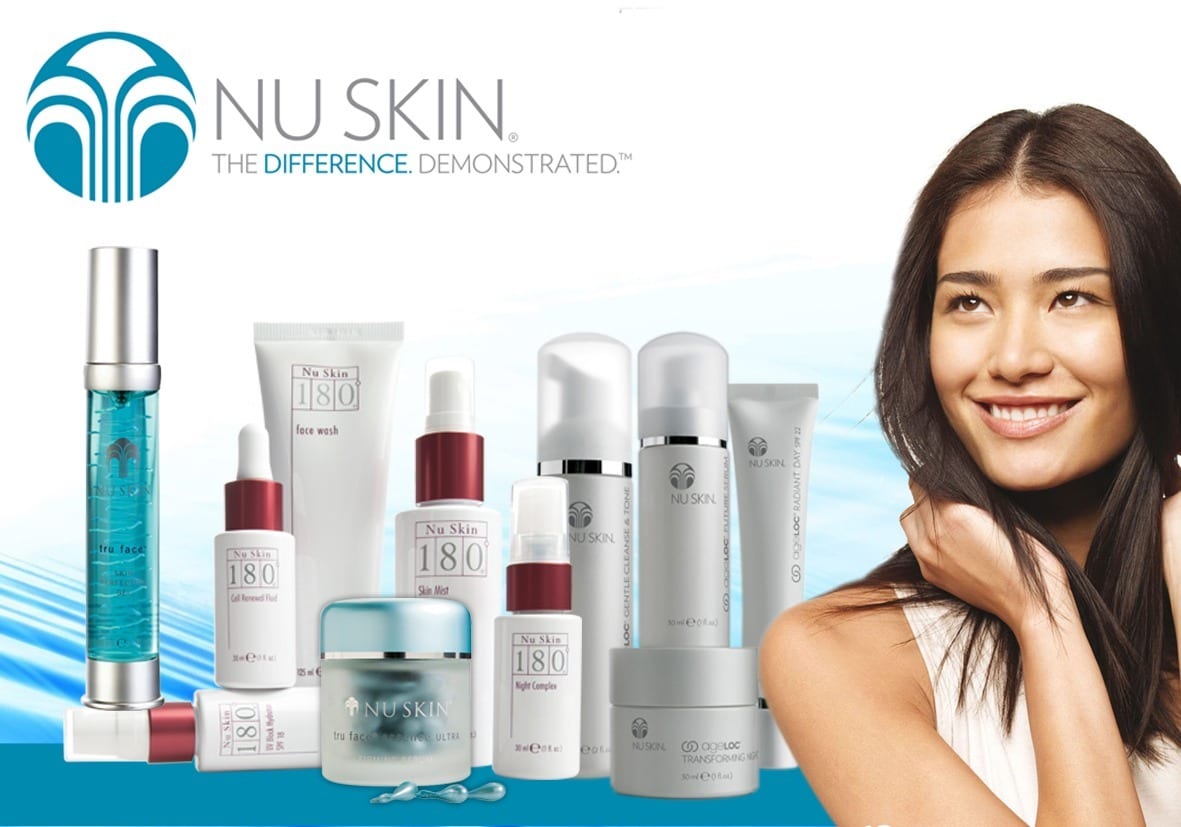
    Health-and-beauty firm Nu Skin is rolling out a new store design based on its Shenzhen flagship, which opened in November last year.

    A Digital Signage Connection case study described the Nu Xtore flagship as “a state-of-the-art digital sensory experience centre that incorporates Nu Skin’s history, high-quality products, community involvement and scientific innovation”.

    Two further Nu Xtores are scheduled to open this year in China, following the Shikatani Lacroix Design “future-proofed” format intended to reflect trends in the market and target younger consumers. The design was put together in partnership with consulting firm MetaThink, building a combined conventional and digital experience to support the firm’s brand story and blur the line between gallery, science center, community hub, and event space.

    “Metathink and SLD delivered beyond expectations in elevating the Nu Skin brand to new heights through user-driven insights, meticulous strategy and digital immersive experience design,” said Nu Skin’s VP of marketing Queenie Sheng.

    “It was important to create a cohesive and choreographed experience that flowed from start to finish,” reads the case study on SLD’s store design, centred around a central “Fountain of You” interaction piece that serves as a visual metaphor for youth, wellness and energy.

    “Integration to existing digital tools and applications requiring data exchange added additional levels of complexity to the digital experiences. In very short timelines, all of the graphics, wayfinding, digital experiences and environmental design had to constantly evolve and adapt.”

    The design won a DSE 2019 APEX award in the Retail Environments category.

  • China’s Proya opens 1000 smart stores

    China’s Proya opens 1000 smart stores

    Chinese cosmetics company Proya has ramped up its expansion on the heels of strong growth this year. In the first half of the year, Proya achieved revenue growth of 28 per cent, representing 89 per cent of the company’s total revenue for the period. At the same time, the firm’s e-commerce platform achieved sales growth of 58 per cent, while its Uzero brand accelerated its opening of single-brand retail outlets modelled as smart stores, signing agreements with more than 1000 locations.

    Since the beginning of the year, Proya has been driving sales growth across its cosmetics store-focused network by improving its incentive programs, providing more resources to employees, and encouraging employees to embrace change and continuously enhance skill sets.

    Based on shifts in market demand, the company has been focussing its product upgrades on the addition of new functionalities, higher levels of efficiency, as well as new and improved, higher-priced high-value items and a better appearance. It currently retails more than 1000 products under seven brands.

    Next year, the company plans to launch additional high-end products with functional and technological advantages that will serve as a cornerstone of a comprehensive product and brand upgrade.

    China’s beauty and makeup market was valued RMB361.6 billion (US$52.3 billion) in 2017, with a compound annual growth rate averaging 9.5 per cent over the last 10 years.

  • Korea’s brand Tonymoly inked partnership with Moschino

    Korea’s brand Tonymoly inked partnership with Moschino

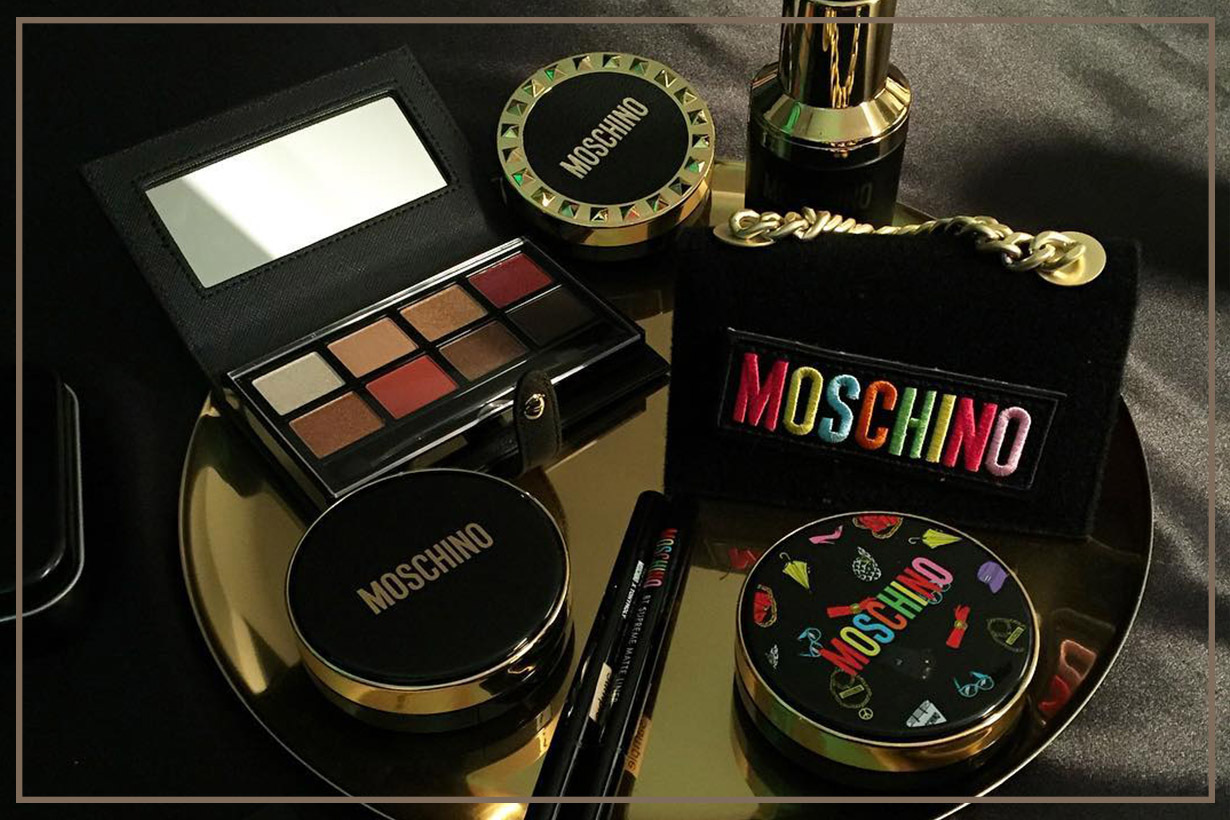
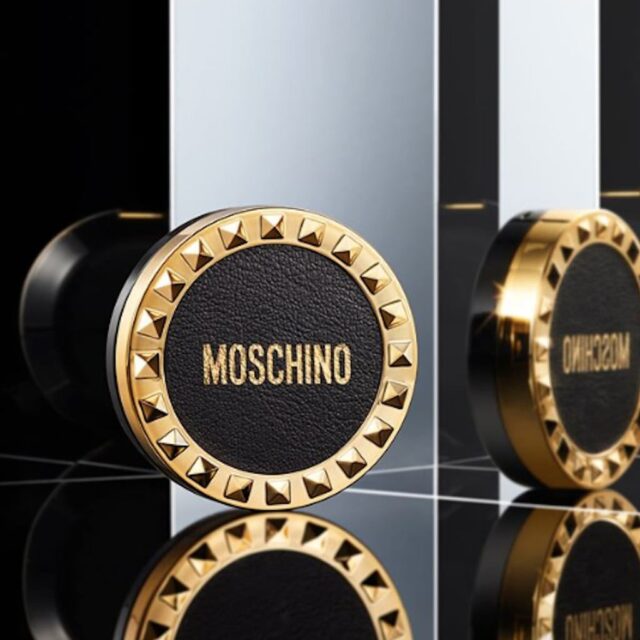
    Italian fashion design house Moschino has released a collaboration with South Korean cosmetics brand Tonymoly on a collection of makeup and skincare products. The collection includes a cosmetics line and a few skincare items in sleek black, white, gold and rainbow packaging. The full range will be available from Tonymoly’s US web store throughout December.

    Moschino also collaborated on a reportedly fast-selling fashion line with H&M earlier this year. South Korean cosmetics brand Tonymoly sees the US as a key market in its plan to accelerate international growth.

  • Luxury cosmetic brand Giorgio Armani Beauty to Join Tmall

    Luxury cosmetic brand Giorgio Armani Beauty to Join Tmall

    Giorgio Armani Beauty will launch a flagship store on Alibaba-owned B2C shopping platform Tmall next month as part of the brand’s latest campaign to capture China’s fast growing appetite for high-end beauty products, Alibaba said Monday.

    The luxury beauty and skin care brand, owned by the world leading cosmetic giant L’Oreal, will hold a series of pre-sale events on Tmall for the next three weeks ahead of its official launch on Jan 16. As part of the rev-up, the brand is offering 4,000 cases of its iconic “My Armani To Go” cushion foundation exclusively to be sold on the platform during the period.

    On the day of the launch, the brand will also open a store on the Luxury Pavilion, the invite-only section within the shopping site for premium and luxury brands. Brands including Burberry, Hugo Boss, La Mer, Maserati and Guerlain (LVMH) have joined since the platform was first introduced in August this year.

    China’s beauty product sector has seen a boom in recent years in tandem with the rapid development of the Chinese economy. According to China’s National Bureau of Statistics, retail sales of cosmetic items in the first 11 months of this year notched a 13.5% on-year growth, amounting to RMB $228.5 billion ($34.87 billion).

    Recognizing China’s fast-growing demand for high-quality cosmetic products and Tmall’s expansive reach with its 500 million active users, many top beauty names such as Lancome, La Mer, MAC, Bobbi Brown, Fresh and Kiehl’s have opened up shops on Tmall in recent years.

    In a recent interview with China Daily, Veronique Gautier, global president of Giorgio Armani Fragrances & Beauty, said Armani Beauty has seen stellar growth in China, at twice the speed of the rest of the markets combined.

    On Jan 12, several of the Giorgio Armani Beauty’s high-ranking executives will appear at an event in Beijing to announce the official launch of the flagship store on Tmall. The brand will also introduce a high-tech showcase of its 2018 spring-summer collection.

    As part of tie-up, the brand and Tmall will introduce interactive digital experiences for consumers to book offline make-up sessions with beauty advisors, explore its product offerings — from the latest Ecstasy Shine lipstick crafted specifically for the Asian market to its iconic fragrances and Lip Maestro lip gloss.

    Entertainment and gamification will also play a major role in attracting customers to Giorgio Armani Beauty’s new online store. By using their mobile phones, users can use the AR-powered interactive feature—Unlock Armani Codes—to scan anything that contains any of the six-letters in the word “Armani.” Those who have collected all six letters will have the chance to win sample kits priced at RMB 260 each.