Retail News CRM

Tag: Skinfood

  • Time for South Korean cosmetics to face challenges

    Time for South Korean cosmetics to face challenges

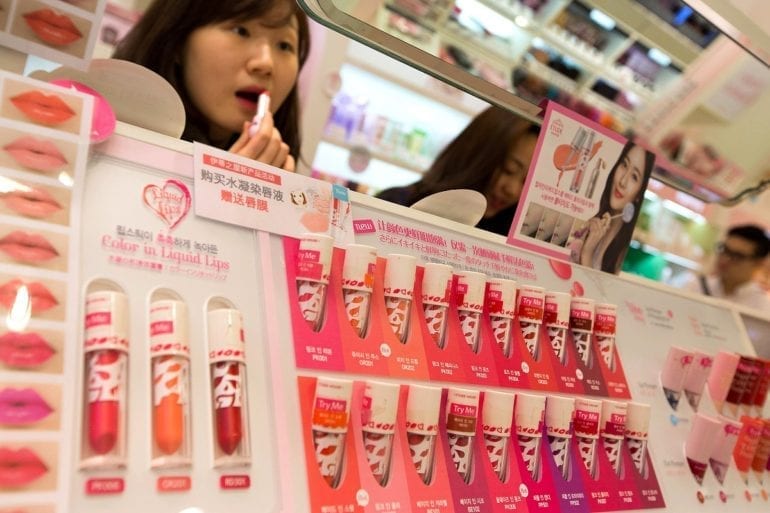
    South Korean cosmetics stores that have been the drivers of the ‘K-Beauty’ industry for the past 15 years are facing a crisis, exposing their limitations. The cosmetics industry is undergoing a series of transformations due to decreased demand from China and a change in distribution structure resulting from stagnant domestic demand and increased competition.

    Nowadays, it is common to see health and beauty shops (H&B) such as Olive Young and LOHBs reorganise and shift their main focus online.

    According to cosmetics industry analysts, the size of the South Korean cosmetics stores’ market was 2.29 trillion won (US$2.05 billion) in 2017, which reflects a rapid decrease since the peak in 2016. It is estimated that total sales last year decreased by 15 per cent from the previous year.

    With sales decreasing, the industry is closing down branches. The number of South Korean cosmetics stores began to shrink in 2017 and is estimated to have fallen to 5200 last year.

    Popular brand Skinfood is facing an imminent crisis. The company, once a huge hit with the phrase “Don’t eat, give it to your skin” entered corporate restructuring last October, after encountering difficulty securing liquidity due to excessive debts.

    Those who suffer the most in the process are franchise owners, who are protesting that the company is trying to avoid the worsening situation without taking responsibility.

    The causes of the decline of the retail shop are numerous. The first reason is the excessive competition within the industry.

    Add to this, China’s retaliatory actions as part of the THAAD missile crisis in 2017 led to huge decrease in sales.

    Changes in distribution structure have also played a role. H&B shops are now leading the market, offering a variety of brands in one place, instead of a closed structure.

    These types of stores are a gaining competitive edge as they can sell occupy low and medium-priced brands and new venture brands as well as establish strategic products.

    Retail shops became a mainstream cosmetics market in the early 2000s. Amid the economic slump, retail shops continued to grow in number as brands gradually added fast product launch strategies and functional products aligned with trends based on affordable prices.

    Chinese tourists clearing out the shops in the wake of the Korean wave contributed to the growth of retail shops. However, in the current situation, retail shops are only beginning to restructure.

    While some chains of South Korean cosmetics stores are choosing to downsize their branches, others have chosen to invest aggressively.

    Those who chose aggressive investment plans in a bid to become global cosmetics companies hope to achieve economic success despite the difficult situation and uncertain prospects for the future.

  • Korean cosmetics firms suffer losses in Q3

    Korean cosmetics firms suffer losses in Q3

    Korea’s mid-sized cosmetics companies suffered losses in the third quarter of this year as they struggled to reorganize their business structures in the face of tough competition at home, industry sources said Sunday. Able C&C, which operates budget cosmetics brand Missha, swung into the red in the July-September period, posting a net loss of 9.4 billion won ($8.3 million), it said.

    Its sales dropped 12.1 percent to 73.1 billion won and operating income swung to a loss of 13.2 billion won. The company said fierce competition in the country’s cosmetics industry, combined with its heavy investment in research and development of new products, led to the poor earnings results.

    Tonymoly reported a net loss of 3.5 billion won, with 800 million won in operating losses on a consolidated basis during the cited period, according to the company.

    Korea’s mid-sized beauty firms’ profitability deteriorated following a diplomatic row between Seoul and Beijing last year, which led to a sharp drop in the number of tourists coming to Korea. Industry watchers said the expansion of online and duty-free channels has hurt the mid-sized companies, which rely heavily on offline stores. Last month, Skinfood was placed under a Seoul court’s receivership after the company said that it is having temporary difficulty securing liquidity due to excessive debt.

    “We are making efforts to improve our profitability and strengthen our online business,” an official from Nature Republic said.

    Nature Republic reduced the number of its stores to 680 by the first half of this year from 770 in 2015. The company reported 58.8 billion won in sales and 300 million won in operating income in the third quarter of this year.

  • Korea’s Skinfood getting close to bankruptcy

    Korea’s Skinfood getting close to bankruptcy

    South Korean cosmetics firm Skinfood has filed for court receivership after increasing financial losses.

    The company’s former popularity of a decade ago was hit by the 2015 Middle East Respiratory Syndrome (MERS) outbreak and diplomatic disputes between Seoul and Beijing, both events affecting the brand’s core overseas markets.

    A company spokesperson said: “We are having temporary difficulty in securing liquidity due to excessive debt. We sought the court restructuring as we thought settling the debt and promptly normalising management will benefit everyone, including the creditors.”

    The company has plans to sell off some of its overseas business rights and expand its online channels to improve its standing.

    Skinfood’s sales reached KRW126.9 billion (US$111.96 million) last year, a drop of 25 per cent from the year previous, with an operating loss of KRW98 billion ($86.46 million).

  • These 13 Korean Beauty Products Are Being Recalled From The Market

    These 13 Korean Beauty Products Are Being Recalled From The Market

    Unsafe levels of the heavy metal antimony have led to the South Korean government banning 13 cosmetics products.

    Some of the products, including eyebrow pencils from 3CE and Etude House, were previously available in Hong Kong and have been taken off store shelves.

    According to the Ministry of Food and Drug Safety in South Korea, antimony at levels ranging from 10.1 parts per million (ppm) to 14.3ppm was found in the 13 products. The maximum legally permitted antimony level is 10ppm.

    After the department ordered recalls of the products, Amorepacific Group, whose brands accounted for six of the products, issued an apology to customers.

    Antimony is found in consumer products such as batteries and electrical appliances, and has been detected in food packaging and toys. Research has shown that chronic exposure to antimony in the air can lead to irritations of the skin, eyes and lungs. Drinking high levels of the metal in water could cause vomiting and abdominal pain.

    Among the products recalled were: 3CE Slim Eyebrow Pencil (chestnut brown) and Makeheal Naked Slim Brow Pencil (shades BR0203 and YL0801); Aritaum’s Full Cover Cream Concealer and Stick Concealer; Black Monster Homme Black Erasing Pen; Etude House’s AC Clean Up Mild Concealer; Skeda Concealer; Skinfood Cherry Full Lip Liner; and XTM Style Homme for Men Easy Stick Concealer.

  • Innisfree Vietnam marks maiden store

    Innisfree Vietnam marks maiden store

    The Korean eco-cosmetics brand Innisfree has officially launched in the Vietnam market.

    The first Innisfree Vietnam store will open at 257 Hai Ba Trung St in District 3, on the edge of Ho Chi Minh City’s CBD on October 29.

    Vietnam is the ninth overseas market that Innisfree has chosen for international expansion.

    Innisfree Vietnam store

    The brand will join a booming Korean cosmetics market in Vietnam along with TheFaceShop, Etude House and Skinfood. For a long while, Vietnamese eco-cosmetics lovers have been buying Innisfree items online and having them brought in by travellers, hand-carried from Korean cosmetics shops.

    Innisfree is founded in 2000, under management of Amore Pacific, the parent company of other brands such as Laneige, Sulwhasoo and Etude House.

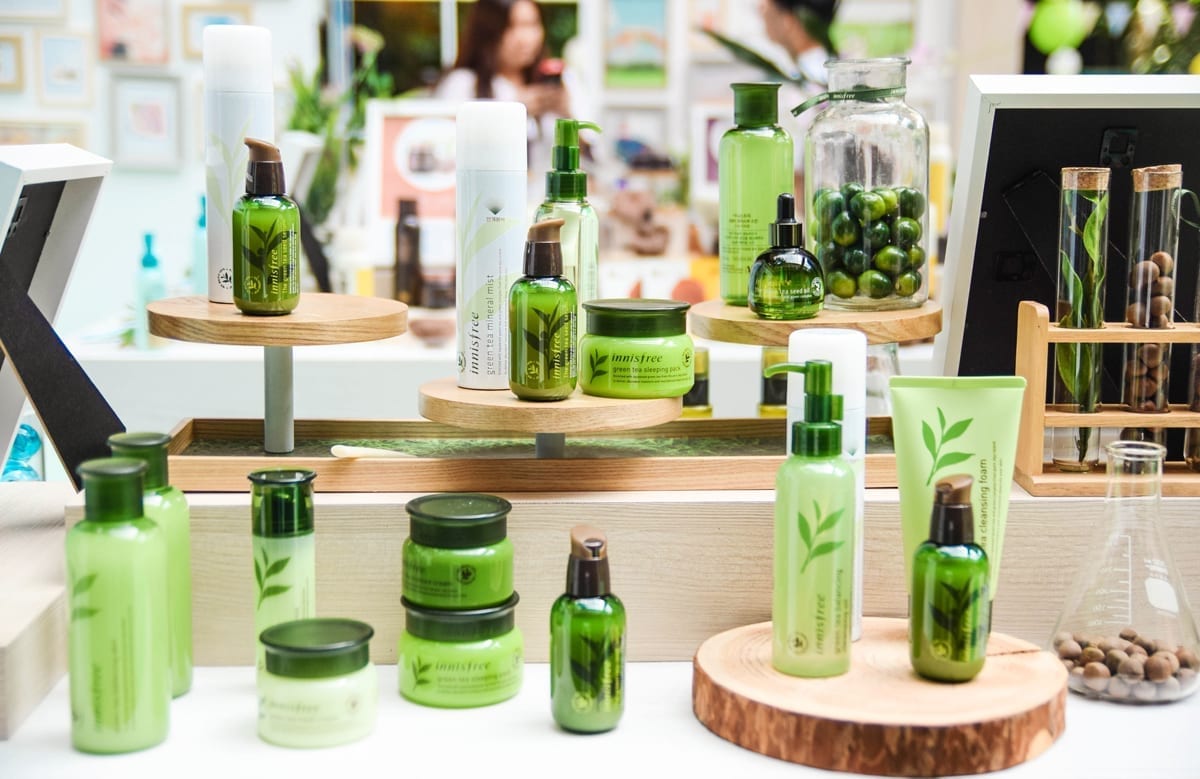
    With its mission to bring the most authentic beauty ingredients extracted from Jeju island green tea and volcanic rocks, Innisfree appeals to women who prefer natural beauty methods.

  • Takashimaya Vietnam opens doors

    Takashimaya Vietnam opens doors

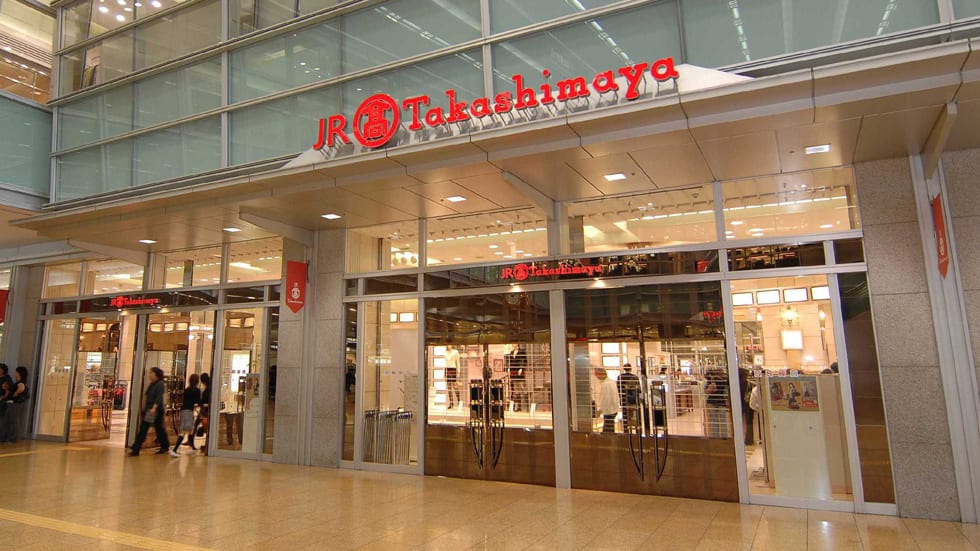
    Three years after the Japanese luxury department store chain announced plans to enter Saigon, Takashimaya Vietnam opened its doors at the weekend.

    As the anchor tenant of  downtown Ho Chi Minh City’s Saigon Center, Takashimaya takes up a whole five floors making it by far the nation’s largest department store – and likely its most expensive.

    The first impression that the department store makes is its spacious interior. Concessions to brands have been arranged to leave unusually wide aisles – ensuring the store was comfortable even on its crowded grand opening day.

    Takashimaya Vietnam - interior

     The central atrium of the expanded Saigon Center featuring Takashimaya’s first Vietnam store.

    The first floor of Takashimaya houses the food maison, most of which is filled by Japanese F&B brands such as Minamoto Kitchoan, Gyumaru, Azabu Sabo, Yamazaki and Suizan. Some tea brands make their way into that space, including Vietnam’s own Phuc Long, Singapore’s TWG tea, and B Tea.

    Targeting the high class consumers in Saigon and Vietnam, Takashimaya has chosen carefully the brands to appear in their stores, including luxury brands coming to Vietnam the first time, complemented by the high level of customer service Takashimaya offers elsewhere in the world.

    Takashimaya Vietnam

    The second floor is exclusively for ladies with international fashion names such as Banana Republic, Bebe, Bonia, Braun Buffel; footwear from Clarks, Geox, Cole Haan; bags from Carlo Rino, Cromia; and Furla with its first flagship in Vietnam after years being distributed by Ha Vang company.

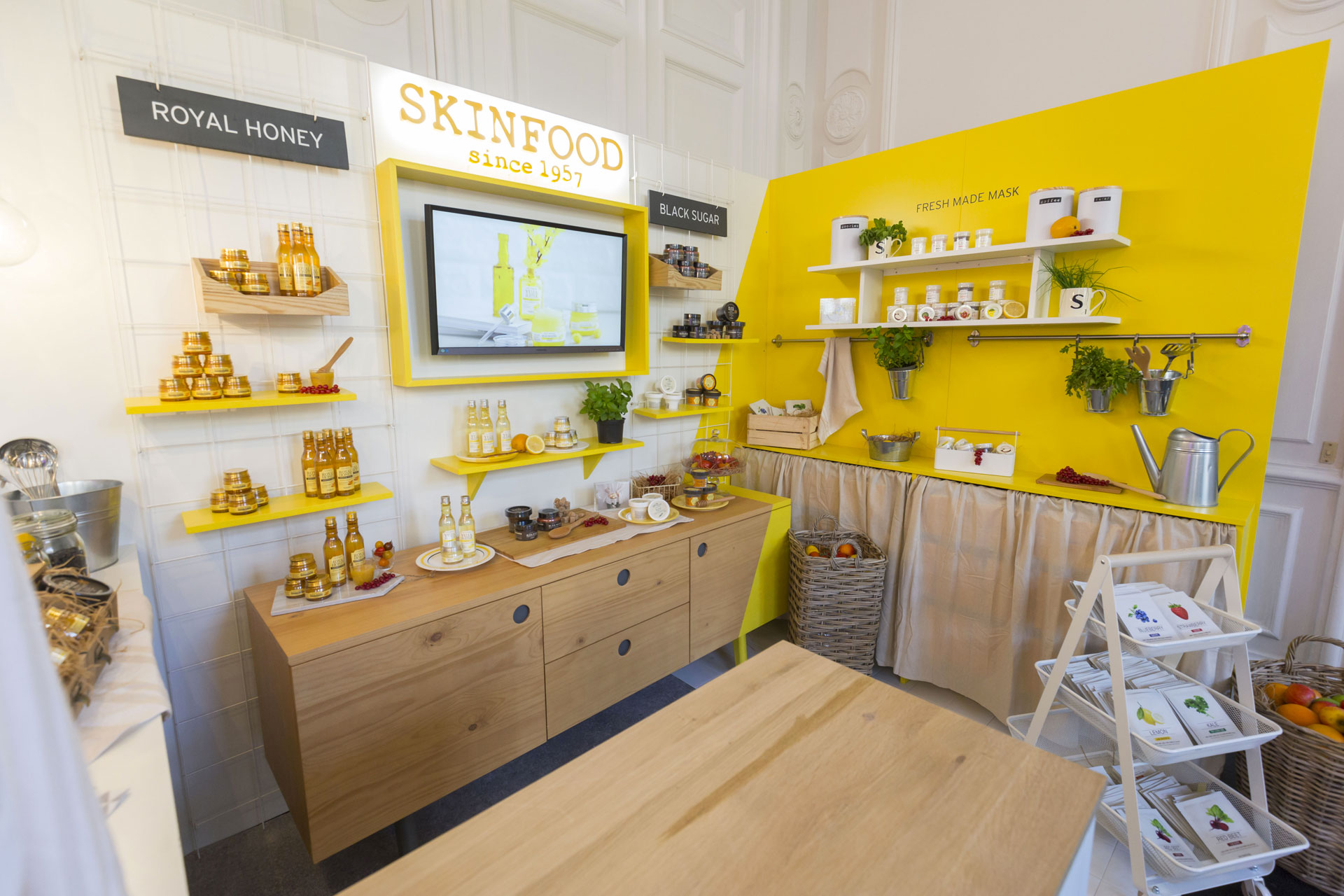
    The rest space is occupied by cosmetics brands, including Korean labels Skinfood, which marked the store’s opening with a special event ‘Makeup Style for Your Summer’.

    Takashimaya Vietnam - Skinfood

    “We offer free makeup and manicure for our customers for two days. Besides, when they buy our products, they will receive a gift set,” said Kieu Oanh, senior PR & marketing executive of Skinfood Vietnam.

    For women, the excitement continues on the next level of Takashimaya: a heaven of luxury cosmetics, jewelleries and fragrances. Christian Dior is prominently located at the front, with rival Lancome opposite. Lancome also opened its own ‘Lancome Cafe’ – a style boutique, where women can take free makeup lessons and receive gifts for the best ‘artwork’.

    Takashimaya Vietnam - Lancome

    Other brands include Bobbi Brown, Shiseido, Estee Lauder, Swarovski, and Mac.

    Takashimaya Vietnam - Yves Rocher

    The next floor features international fashion and cosmetics brands including Diane von Furstenberg, Hugo, Versace and Paul & Shark, along with restaurants and cafes. This level has a rest space with some chairs for visitors arranged around a huge grey pillar.

    Takashimaya Vietnam - Diane von Furstenberg

    Local luxury multibrand retailer Runway comes back after closing its store in Vincom Center in March. As usual, it has a large space in the center, gathering all women’s favourite brands with modern and elegant designs.

    Takashimaya Vietnam - Runway

     The new Runway store replaces the local multi-label luxury brand’s previous space at Vincom. 

    Another highlight is the ready-to-launch space of women handbags Kate Spade New York. That outlet is expected to open soon.

    Takashimaya Vietnam - Kate Spade

    Coming soon: Kate Spade.

    The last level of Takashimaya is filled with men’s fashion and casual wear and children’s clothing and toys. Tommy Hilfiger has the largest outlet here, opposite the first authentic Fred Perry store.


    With more than 180 years of experience and US$290 million investment, it is expected that Takashimaya will not only take Vietnamese shopping to a higher level but also mark a turning point for economic development and quality retail in Vietnam.