
Tag: slaps

  • EU Slaps AliExpress with Record $629 Million Fine Over Counterfeit Goods Crackdown Failure

    EU Slaps AliExpress with Record $629 Million Fine Over Counterfeit Goods Crackdown Failure

    On Monday, AliExpress, Alibaba’s subsidiary, was slapped with a record-breaking €550 million (US$629 million) fine by the European Union for its failure to address sales of illegal, dangerous and counterfeit items on its platform. This penalty is considered to be the largest to date, issued by the European Commission in line with the EU’s Digital Services Act, a prominent law that mandates online platforms of substantial size to augment their efforts in combating harmful and illicit content.

    This penalty is the third of its kind issued by the European Commission, following charges placed on AliExpress in June of the previous year for non-compliance with a Digital Services Act stipulation. This regulation requires platforms to evaluate and reduce the risk of distributing illegal products. AliExpress was given until October 20 to suggest corrective actions. Should the regulatory body determine in December that the company has failed to meet the requirements of the Digital Services Act, further sanctions may be levied.

    The EU’s tech chief, Henna Virkkunen, expressed concern over this issue, describing it as highly risky for consumers and unfair to companies that abide by the rules. She highlighted the vast user base of AliExpress in Europe, standing at 193 million last year, compared to Shein’s 156 million and Temu’s 130 million. Temu has also been subject to fines under the Digital Services Act, and Shein is currently under investigation.

    AliExpress has voiced its intention to contest the fine, deeming it as excessive. “Today’s decision and disproportionate fine disregards our robust risk management structure and the substantial, proactive improvements we’ve implemented,” AliExpress stated via email. The company also indicated its active collaboration with the Commission to satisfy its evolving expectations.

    Assessment and Criticism of AliExpress’s Risk Management Practices

    The Commission criticized AliExpress for not adequately assessing whether it had sufficient personnel to manage risks and for overestimating the efficacy of its system in identifying and removing illicit products. Furthermore, the Commission took issue with the company’s ineffective penalty policy, which allowed penalized businesses to continue selling illegal products on its platform.

    The regulator also noted that AliExpress’s “brand authorisation” system, designed to deter counterfeit sales, was insufficient and easily bypassed by traders selling fraudulent items. There was also criticism of the company’s advertising and recommender systems for contributing to the spread of illicit products and relying on one quantitative indicator to assess the moderation system’s effectiveness in preventing the appearance or re-emergence of illegal products in similar forms.

    However, the regulator did consider the novelty of the Digital Services Act as a mitigating factor when determining the fine, which could have been even larger. This penalty far surpasses the €120 million fine imposed on Elon Musk’s social media platform X and the €200 million fine on Temu, both for Digital Services Act violations.

    Questions & Answers

    What is the significance of the fine imposed on AliExpress by the European Union?

    This penalty, amounting to €550 million (US$629 million), is a record-breaking fine issued by the European Commission under the EU’s Digital Services Act. It highlights the EU’s stance on ensuring large online platforms take more responsibility in preventing the distribution of illegal and harmful content.

    How has AliExpress responded to the fine?

    AliExpress has expressed its intention to appeal the fine, deeming it as excessive. The company asserts that this penalty neglects the robust risk management framework they have established and the proactive enhancements they’ve implemented in their operations.

    What criticisms has the European Commission voiced regarding AliExpress’s operations?

    The Commission has criticized AliExpress for inadequately assessing risks and overestimating its system’s effectiveness in identifying and removing illicit products. Other criticisms include the company’s ineffective penalty policy, its “brand authorisation” system’s shortcomings, and its advertising and recommender systems’ role in spreading illegal products.

  • EU Slaps Chinese Retailer Temu with $232M Fine for Failing to Halt Sale of Illegal Products

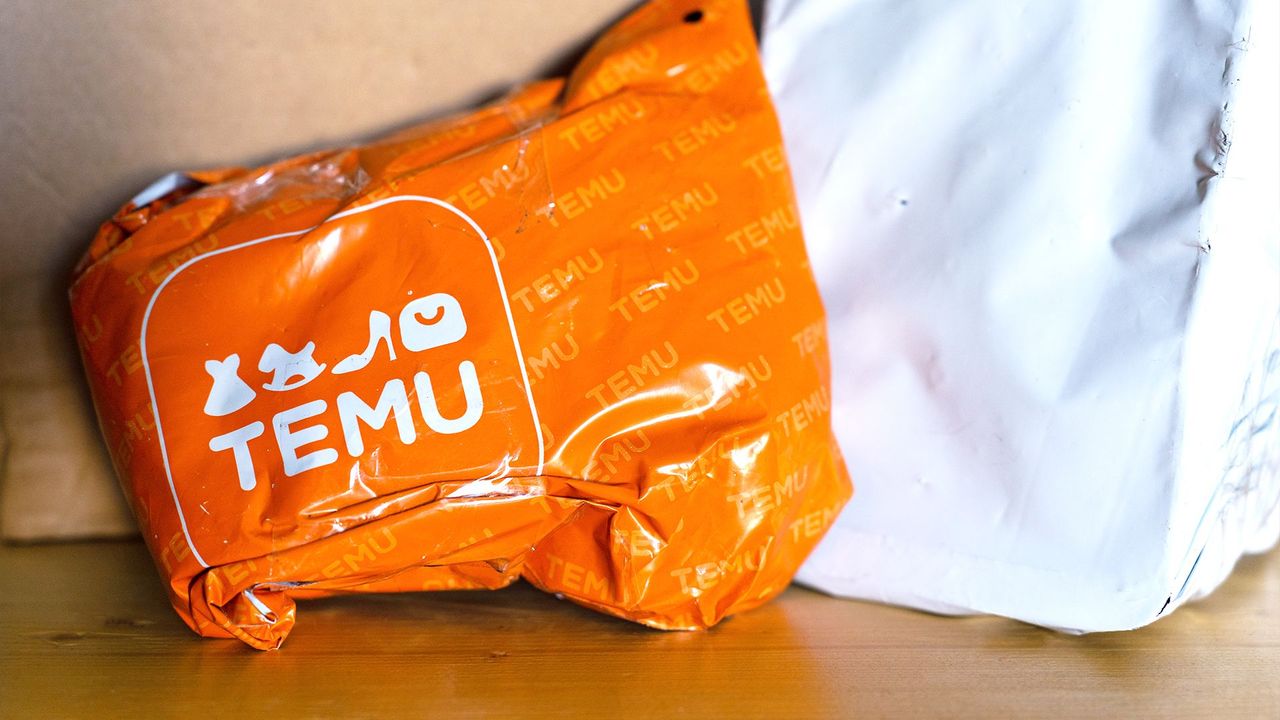
    EU Slaps Chinese Retailer Temu with $232M Fine for Failing to Halt Sale of Illegal Products

    Temu, a prominent Chinese online retailer, has been penalized with a €200 million (US$232 million) fine by European Union (EU) tech regulators for their apparent laxity in addressing the sale of prohibited products on its platform. The judgement came as part of an extensive investigation’s initial phase, conducted under the guidelines of the Digital Services Act. This legal standard necessitates major online companies to exert more effort to suppress unlawful and harmful content on their platforms.

    The ongoing probe began almost two years ago and could result in additional sanctions in the coming months. Temu came under the regulators’ lens after BEUC, a pan-European consumers’ organization, and 17 of its national members lodged complaints against them.

    EU Commission’s Allegations Against Temu

    The EU executive, the European Commission, criticized Temu for its perceived failure to systematically identify, scrutinize, and gauge the ramifications of illegal products marketed on its site, which consequently posed a threat to consumers within the EU. The commission also reproached Temu for its apparent lack of assessment in how its recommendation systems and product marketing strategies, led by affiliated influencers, could escalate the risk of illegal product sales.

    Despite the regulatory judgement, Temu maintained its disagreement with the European Commission’s decision, deeming the imposed fine to be excessive. In their official statement, Temu acknowledged the objectives of the Digital Services Act and the necessity for solid, uniform regulations throughout the digital industry. However, the company argued that the decision was based on their initial DSA evaluation in 2024 and does not exhibit the current state of their systems.

    Temu confirmed that they have been actively engaged with the Commission throughout the process and have since amplified their efforts to bolster risk assessment, platform governance, and user protection initiatives. They also expressed their intent to maintain engagement with regulators and are contemplating all potential responses to the matter.

    Commission Awaits Temu’s Action Plan

    The Commission has given Temu until August 28 to submit a comprehensive action plan for regulator appraisal, and a decision regarding the company’s compliance with the DSA is anticipated in two months. EU tech chief Henna Virkkunen emphasized the importance of risk management under the DSA and noted that the decision sends a powerful message to Temu.

    She also confirmed that regulators will persist in investigating whether Temu’s service design is excessively addictive and if it continues to sell prohibited products. The access of Temu’s recommenders and researchers to data is also under scrutiny. Non-compliance with DSA rules may result in penalties amounting to as high as 6% of the company’s global annual turnover.

    Temu’s penalty is the second instance of DSA violation, following a €120 million fine imposed on Elon Musk’s social media network, X, last December.

    Questions & Answers

    What is the reason behind Temu’s €200 million fine?
    The European Union tech regulators have fined Temu for their perceived failure in preventing the sale of illegal products on their platform, as per the guidelines of the Digital Services Act.

    What are the potential implications for Temu if they do not comply with the DSA?
    If Temu fails to comply with the DSA, they could face further penalties, including fines amounting to as much as 6% of their global annual turnover.

    What further steps has the Commission required of Temu?
    The Commission has given Temu until August 28 to deliver an action plan for regulator assessment, which will determine whether the company has adequately complied with the Digital Services Act.

  • Chinese Regulator Slaps Billion-Dollar Fines on Food Delivery Giants over Safety Violations

    Chinese Regulator Slaps Billion-Dollar Fines on Food Delivery Giants over Safety Violations

    China’s market regulator recently imposed fines and seizures on seven e-commerce platforms, totaling 3.6 billion yuan (US$527.32 million), for failing to adhere to food delivery safety guidelines. The offenders include prominent companies such as Pinduoduo, Meituan, JD, ByteDance’s Douyin, and Alibaba’s Taobao Shangou.

    Violation of Safety Protocols

    Investigations revealed that these companies did not implement necessary measures to protect consumers. They were also found to be negligent in verifying the licenses and qualifications of online food vendors. The regulator has expressed concern over this lax approach towards consumer safety and vendor credibility.

    Pinduoduo responded to the penalties by stating that the company “sincerely accepts and will resolutely comply” with the regulator’s decision. It also pledged to learn from this episode, standardize its business procedures, and make necessary improvements. However, Meituan, ByteDance, and Alibaba did not respond immediately to requests for comments.

    Intense Competition in China’s Food Delivery Market

    In the past year, food delivery in China has witnessed escalating competition, with e-commerce giants like Alibaba and JD actively trying to gain market share. These companies have been offering attractive discounts and coupons on a wide range of products, including ice cream and takeaway coffees.

    This battle to establish dominance in the ‘instant retail’ domain, where goods are delivered within an hour, has affected profits and attracted regulatory attention. Chinese regulators have repeatedly cautioned against the unhealthy “race-to-the-bottom competition” prevalent among food delivery firms.

    Questions & Answers

    What prompted the fines on the e-commerce platforms?
    The companies violated food delivery safety protocols and failed to verify the qualifications and licenses of online food vendors.

    How have the companies reacted to the fines?
    While Pinduoduo has openly accepted and pledged to comply with the regulator’s decision, Meituan, ByteDance, and Alibaba have not responded immediately to the penalties.

    Has the increased competition in food delivery affected the companies?
    Yes, the escalated competition, epitomized by discounts and coupons, has not only squeezed profits but also attracted regulatory scrutiny due to a “race-to-the-bottom competition” mentality.