Tag: slips

  • U.S. Dollar Slightly Slips Against Vietnamese Dong Amid Global Market Uncertainties

    U.S. Dollar Slightly Slips Against Vietnamese Dong Amid Global Market Uncertainties

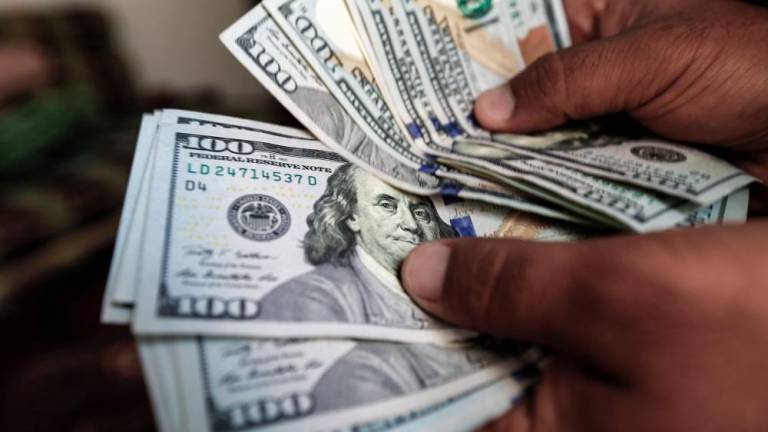
    On Monday, the U.S. dollar experienced a slight decrease in value against the Vietnamese dong while maintaining stability against other significant currencies. Vietnam-based bank Vietcombank quoted the U.S. dollar at 26,344 VND, marking a negligible decline of 0.004% from its weekend rate. Concurrently, the unofficial or “black market” rate of the currency experienced a 0.18% drop, bringing it to approximately 27,350 VND.

    Exchange Rates and Global Outlook

    For the day, the State Bank of Vietnam raised its reference rate marginally by 0.02% to 25,090 VND. Internationally, the U.S. dollar held steady on Monday, while the Japanese yen approached the important 160 per dollar threshold. This occurred as investors cautiously assessed the heightening tensions surrounding the Iran conflict and awaited the upcoming deadline set by U.S. President Donald Trump to reopen the Strait of Hormuz.

    Charu Chanana, chief investment strategist at Saxo in Singapore, commented on this trend, noting: “Investors are interpreting this as an oil-to-inflation-to-rates issue, which is why the dollar remains the most reliable haven currently, whereas gold, bonds, and yen have all seemed considerably less dependable than in a typical geopolitical scare”.

    Market Conditions and Currency Performance

    With major markets across Asia and Europe closed due to a holiday on Monday, trading liquidity was expected to be thin. However, a general risk aversion sentiment was observed at the start of the week.

    The dollar index, a measure of U.S. currency strength against six other leading currencies, stood at 100.2. Meanwhile, the Euro depreciated by 0.13% to reach $1.151 in early trading, and the British pound sterling traded at $1.3187.

    The Australian dollar improved by 0.13% at $0.6893, wobbling near its two-month low from the previous week. The Japanese yen weakened to 159.77 per U.S. dollar, closely trailing last week’s 21-month low.

    Questions & Answers

    What was the exchange rate of the U.S. dollar to the Vietnamese dong on Monday?
    The U.S. dollar was trading at 26,344 VND according to Vietcombank rates, while the black market rate was approximately 27,350 VND.

    How was the performance of the U.S. dollar against other major currencies?
    The U.S. dollar largely maintained stability against other major currencies. It held steady levels internationally while the Japanese yen approached the important 160 per dollar threshold.

    What impact did the escalating Iran conflict have on the currency market?
    The increasing tensions surrounding the Iran war resulted in cautious investor behavior. This led to the U.S. dollar being viewed as the most reliable haven currency, compared to less dependable options such as gold, bonds, and yen in this geopolitical situation.
  • Vietnam Stocks Plunge to Three-Week Low: VN-Index Slips Amid Massive Selloff

    Vietnam Stocks Plunge to Three-Week Low: VN-Index Slips Amid Massive Selloff

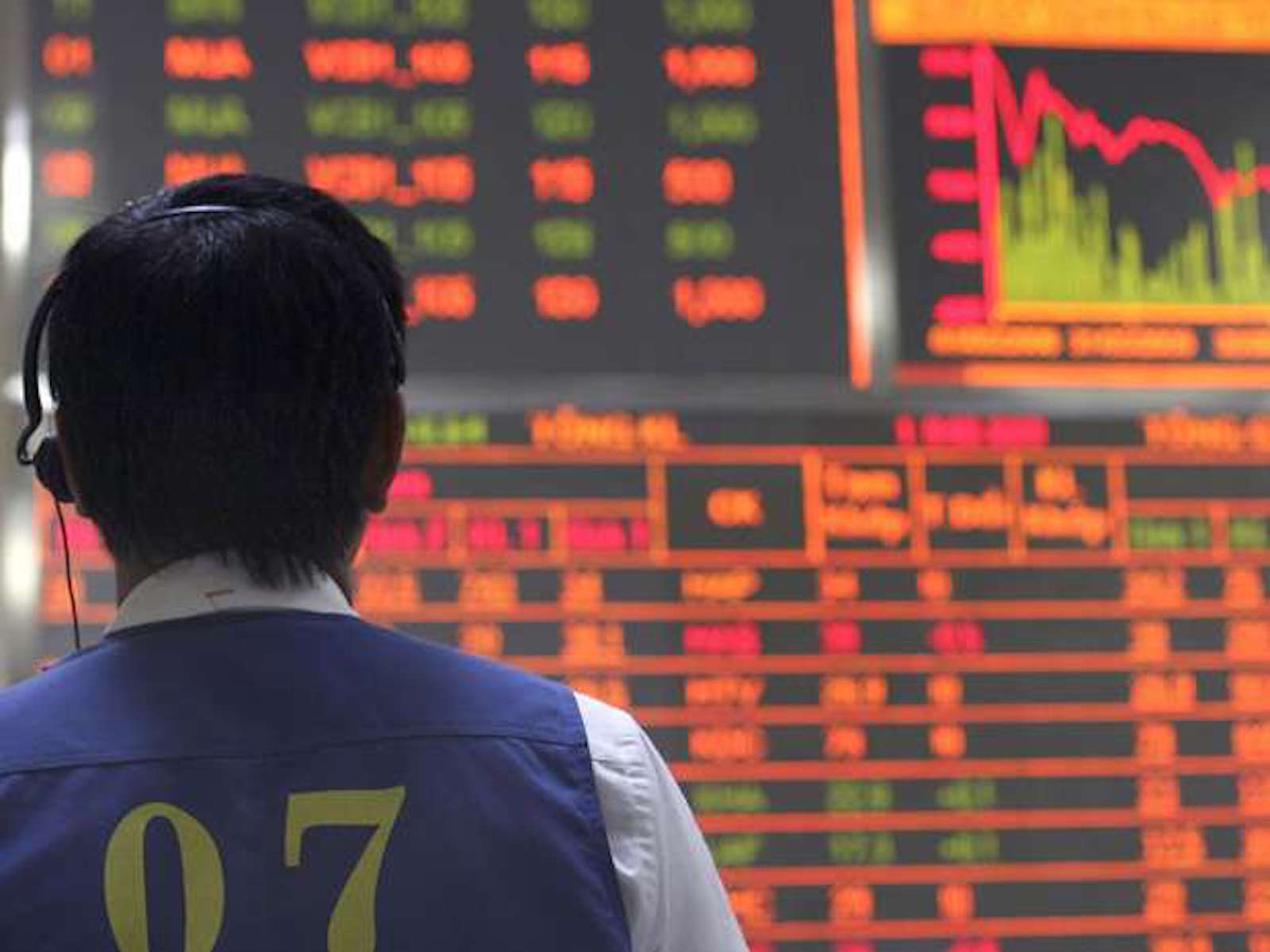
    On Friday, Vietnam’s key VN-Index experienced a significant drop of 3.06%, settling at 1,656.89 points, the lowest it’s seen since November 19. This marked the fourth consecutive session that the index has ended in negative territory.

    Trade Volume Soars on Ho Chi Minh Stock Exchange

    Trading on the Ho Chi Minh Stock Exchange, which forms the basis for the VN-Index, saw a significant increase in activity. The volume of trades surged by 52%, amounting to a total of VND24.7 trillion (US$938 million).

    Most Large Cap Stocks Experience Decline

    In the VN30 group, which encompasses the 30 largest capped stocks, 29 saw a decrease. Notably, Vinhomes, a real estate heavyweight, and Vincom Retail, a retail real estate subsidiary, experienced a substantial decline of 6.9%.

    Other major companies also experienced losses, including private lender VPBank, which saw a drop of 5.7%, and Vietnam Rubber Group, which fell by 5.1%.

    In contrast, Becamex Investment and Industrial Development was the only blue-chip stock that managed to stay in positive territory, albeit with a slight gain of 0.2%.

    Foreign Investors Continue Selling Trend

    Foreign investors continued their selling streak for the sixth session in a row, leading to a net sale of VND571 billion. The most significant sales were from private conglomerate Vingroup and state-owned lender Vietcombank.

    Other Indices Also See Decrease

    Other indices also experienced a decrease. The HNX-Index, which lists stocks on the Hanoi Stock Exchange, primarily those of mid and small-cap companies, decreased by 2.26%. Meanwhile, the UPCoM-Index for Unlisted Public Companies Market fell slightly by 0.61%.

    Questions & Answers

    What is the VN-Index?
    The VN-Index is a capitalization-weighted index of all the companies listed on the Ho Chi Minh Stock Exchange.

    What was the significant trade on Friday?
    On Friday, trading on the Ho Chi Minh Stock Exchange surged by 52%, reaching a total of VND24.7 trillion (US$938 million).

    Which stock experienced the greatest loss on Friday?
    Real estate giant Vinhomes and retail real estate arm Vincom Retail saw the most significant losses, both dipping by 6.9%.

  • Credit card companies want to get rid of Paper Receipts

    Credit card companies want to get rid of Paper Receipts

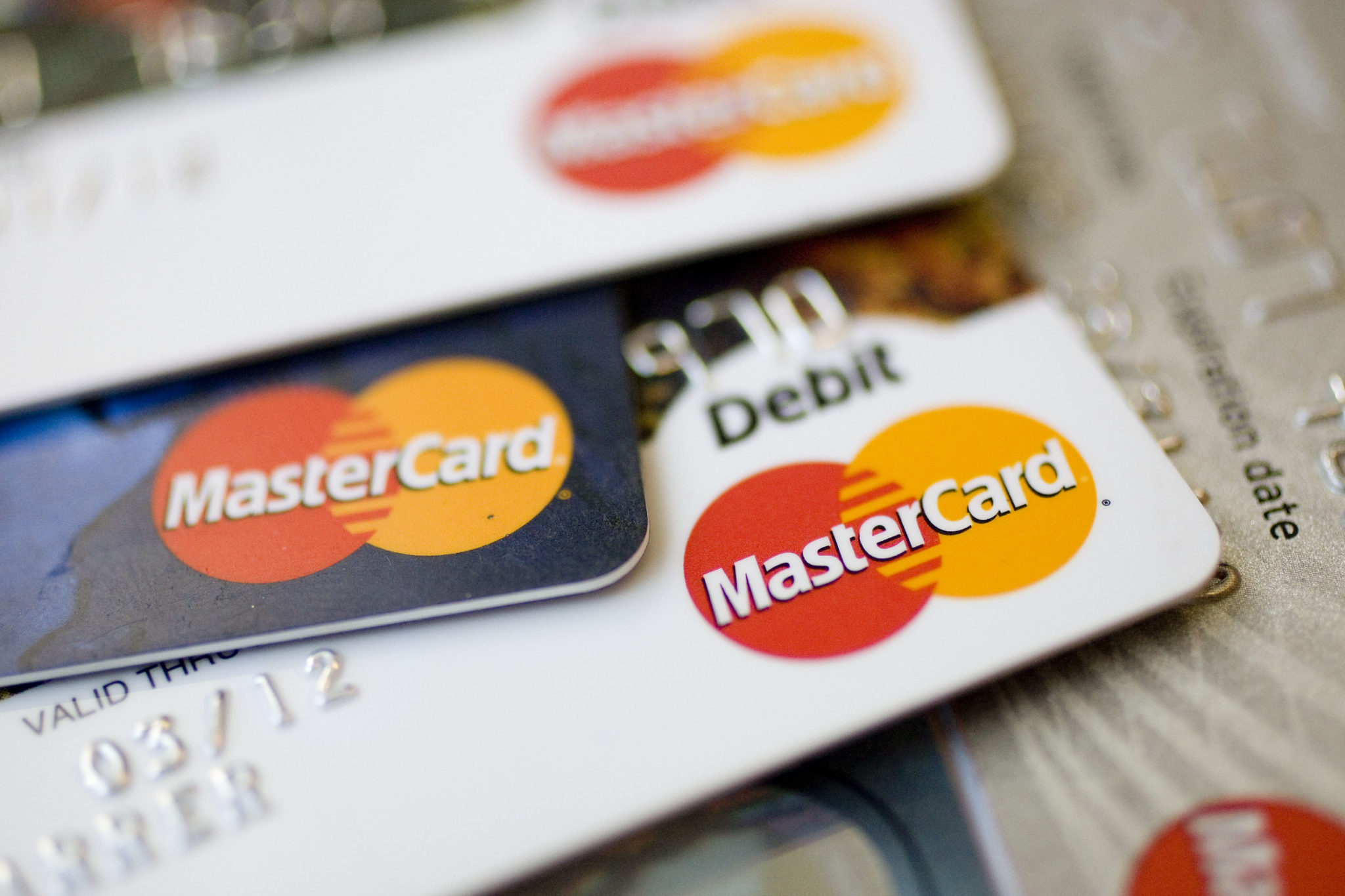
    Credit card companies in South Korea are consulting with financial authorities to make issuing paper receipts optional.

    For South Korean credit card companies, issuing paper receipts is a cost they want to phase out following last year’s reduction in transaction fees.

    Card companies argue that issuing paper receipts is not necessary since card users can check their transaction log via smart device applications or on its website.

    KB Kookmin Card Co, for example, plans to introduce a new policy to make issuing credit-card sales slips optional starting next month.

    “Financial authorities are positively considering the idea,” said a source familiar with the credit card industry. “We hope that they will decide on a plan that will ease off the cost.”