Tag: SM Malls

  • SM Investments Elevates Entertainment Offerings to Captivate the Next Generation of Shoppers

    SM Investments Elevates Entertainment Offerings to Captivate the Next Generation of Shoppers

    SM Investments Corporation (SMIC) is on a mission to reshape the retail landscape in the Philippines by transforming malls into vibrant experience hubs. With millennials and Gen Z leading the charge for prioritizing experiential engagement, SMIC is ramping up its entertainment offerings across various sectors, including shopping malls, arenas, logistics, and banking.

    The company has notably invested in Klook, an Asia-based experiences platform, while its 2GO shipping service features innovative karaoke lounges and arcades, proving that who said you can’t sing on the high seas? In addition, BDO Unibank and China Bank are enhancing their lifestyle rewards programs to cater to this experience-hungry demographic. These initiatives strategically position SMIC to tap into the booming ₱1.94-trillion Philippine creative economy, which saw a robust growth of 8.7% in 2024.

    SM is elevating the concept of malls, convention centers, and arenas into immersive experience centers. Today’s consumers are increasingly seeking inclusivity, community, and interactive engagements, prompting a shift from traditional retail spaces to dynamic entertainment venues. Joaquin San Agustin, EVP for marketing at SM Supermalls, emphasizes that this evolution caters to a diverse audience, from gamers to food enthusiasts and pop culture aficionados.

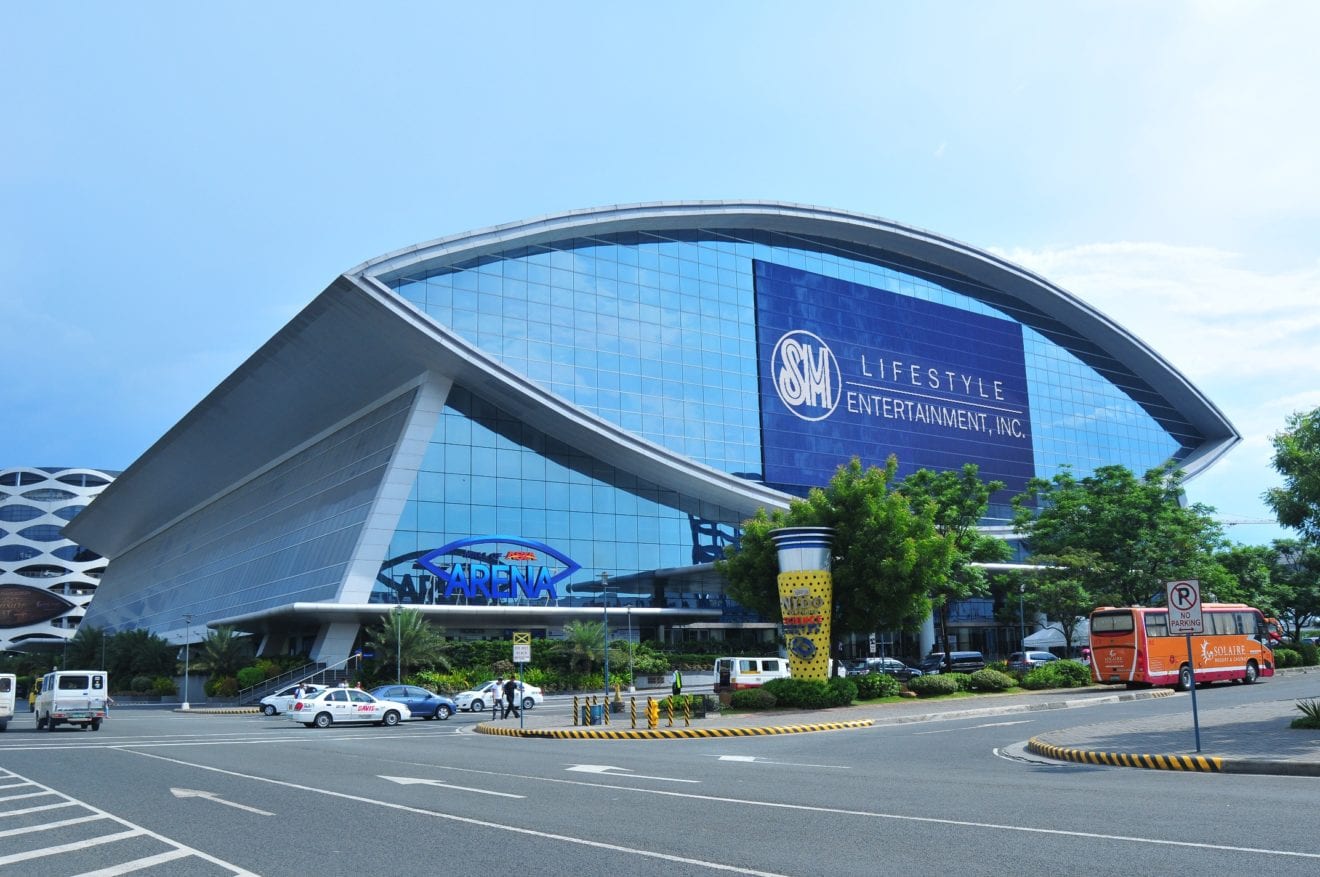
    The Mall of Asia Arena continues to attract global talents and is set to be complemented by an even larger arena in Cebu. Meanwhile, the SMX Convention Center is witnessing a surge in bookings for events such as fan meets, gaming expos, and pop culture conventions, reflecting the growing appetite for interactive experiences.

    By focusing on entertainment, SM not only drives foot traffic but also cultivates valuable partnerships and creates leisure spaces throughout its venues, including a FIFA-grade football pitch at SM MOA Sky.

    Questions & Answers

    What is SMIC’s main strategy in enhancing its retail offerings?
    SMIC is focusing on developing entertainment options throughout its businesses, transforming malls into experience hubs to cater to the growing demand for immersive and interactive experiences among younger consumers.

    How does SMIC’s investment in Klook fit into its broader strategy?
    The investment in Klook aligns with SMIC’s goal of tapping into the creative economy by providing diverse experiential offerings, which appeal particularly to millennials and Gen Z consumers seeking unique adventures.

    What types of events are gaining popularity at SM venues?
    Events like gaming expos, fan meets, and various pop culture gatherings are seeing increased attendance at SM venues, reflecting a shift toward community-focused and interactive experiences.

  • Jins Philippines opens first store

    Jins Philippines opens first store

    Japanese eyewear retailer Jins has opened its first store in the Philippines.

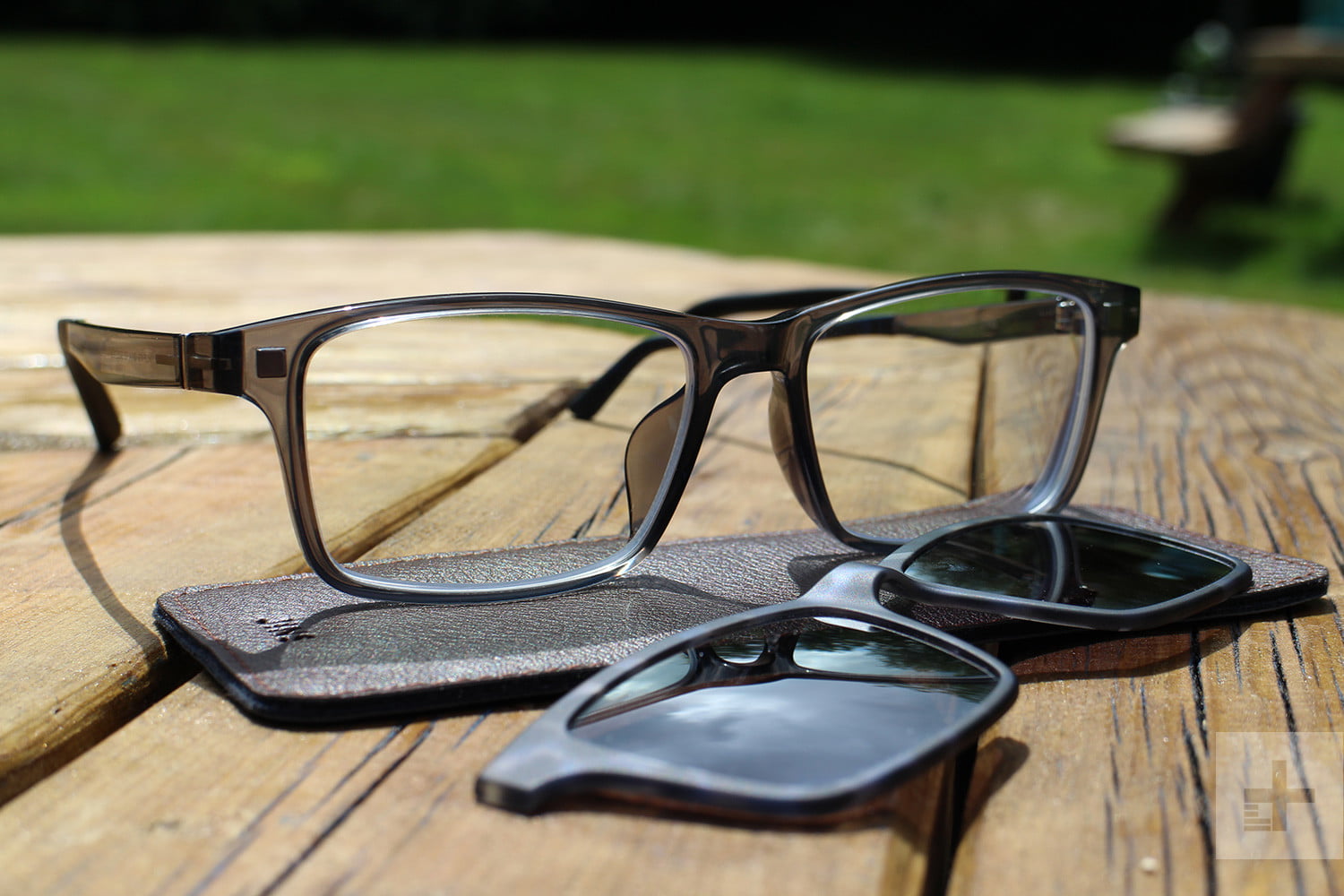
    Located at SM Aura Premier in Taguig, the Jins Philippines store will offer up to 1000 styles of frames and match them with lenses within about 30 minutes.

    Jins has about 350 stores in Japan and has recently started to expand into Greater China and the US.

    The company pioneered the use of a new, lightweight material for glasses in its patented ‘Airframe line,’ as well as functional eyewear such as blue-light cut glasses, popularly known as Jins Screen.

    The brand has been brought to the Philippines by Suyen Group, the parent of fashion brand Bench.

    At a formal launch ceremony this month, a traditional sake barrel-breaking ceremony was led by Suyen Corp’s chairman Ben Chan, Taguig City mayor Lani Cayetano, Carol Sy of SM Supermalls, Dr Takeo Okada, first secretary of the Japanese embassy in Manila, Steven Tan, senior VP of SM Supermalls, Hitoshi Tanaka, CEO and president of Jins and Virgilio Lim, president of Suyen Corp.

    “The breaking and partaking of sake from the sake barrel symbolizes prosperity and fruitful partnership between parties,” said Lim.

    Jins Philippines offers a visual experience with stores designed like a pop-art gallery, collaborating with graphic artists and architects from Japan and other countries in designing both the eyewear line and their stores.

    Recent collaborators include British product and furniture designer, Jasper Morrison, and Japanese graphic artists and architects Teruhiro Yanagihara and Sou Fujimoto.

    View the gallery below (3 images) :

  • SM Prime Holdings: four malls this year

    SM Prime Holdings: four malls this year

    Property giant SM Prime Holdings aims to open four shopping malls with a combined gross floor area of 292,000 sqm in the Philippines this year.

    SM Prime ended last year with 60 malls across the country, as well as six malls in China.

    President Jeffrey Lim says the company’s focus this year will be on shopping malls and residential space.

    SM Prime’s VP for investor relations, Alexander Pomento, says the malls to open this year are SM Tuguegarao (Cagayan Valley), SM Puerto Princesa (Palawan), Cherry SM Antipolo (Rizal) and SM Premier Cagayan de Oro. Their gross floor area would be 40,000 sqm for Tuguegarao, 70,000 sqm for Puerto Princesa, 30,000 sqm for Antipolo and 152,000 sqm for Cagayan de Oro.

    Pomento says that about 370,000 people are employed in SM Prime’s 60 shopping malls.

    Its latest shopping mall in the Philippines is the 80,000-sqm SM City East Ortigas, which targets customers in the eastern part of Metro Manila.

    In the first nine months of last year, SM Prime grew its consolidated net income by 13 per cent year-on-year to P17.5 billion, buoyed by higher shopping-mall, office and residential development plus hotel revenues.

    For the third quarter alone, SM Prime’s net profit rose by 15 per cent year-on-year to P4.9 billion, supported by a 14 per cent expansion in revenue to P18.5 billion.

    Philippine shopping mall revenue grew by 9 per cent year-on-year to P32.1 billion in the first nine months, while mall rental income expanded by 11 per cent to P26.9 billion.

    In the past two years the group has expanded its shopping mall GFA by 1 million sqm.

    Meanwhile, mall revenue from China rose by 5 per cent year-on-year to P3.1 billion in the first nine months while operating income grew by 6 per cent to P1.5 billion.

    SM has just opened its seventh mall for China in Tianjin.

  • SM Prime Holdings mall business announces recent ISO 22301 certification

    ISO awarded the certificate to SM Prime for establishing and applying a Business Continuity Management program for its SM Supermalls. Likewise, the certification covers the Mall of Asia Arena Annex Building, the headquarters of SM Prime in Pasay as well as SM Megamall, one of SM Prime’s largest malls in the country.

    “This certification assures our stakeholders that the company will be able to respond to, recover from and continue its business after a disruptive event. For our customers, this means assuring their safety first and foremost, even as we provide access to basic necessities even at the onset of the calamity,” SM Prime President Hans T. Sy said.

    The ISO certification meant going through a series of detailed audits which included internal assessments to ensure readiness for certification and an external audit on the company’s Business Continuity Management System.

    “SM Prime is committed to make sure that business continuity is part of our operations especially after a calamity to provide continuous livelihood, not only to our employees, but to the employees also of our tenants, suppliers and all our stakeholders,” Sy added.

    The ISO is an independent, non-governmental international organization with a membership of 162 national standard bodies. It brings together experts to share knowledge and develop voluntary, concensus-based, market relevant international standards that support innovation and provide solutions to global challenges.

    The ISO 22301 certification covers the requirements for a robust business continuity management system, which will allow the company to minimise the risk associated with disruptions and to make certain that control is maintained at all times.

    In the last few decades, SM malls have integrated disaster risk reduction into their design and operations amid worsening effects of climate change. Aside from SM Megamall, good examples of these are SM City Cabanatuan in Nueva Ecija, SM City Marikina, SM City Masinag in Antipolo, Rizal, SM BF Paranaque, SM Angono and SM San Mateo in Rizal, SM Muntinlupa in Alabang, The SM Mall of Asia in Pasay and SM Seaside City in Cebu among others.


    Philippines: SM Prime Holdings mall business announces recent ISO 22301 certification

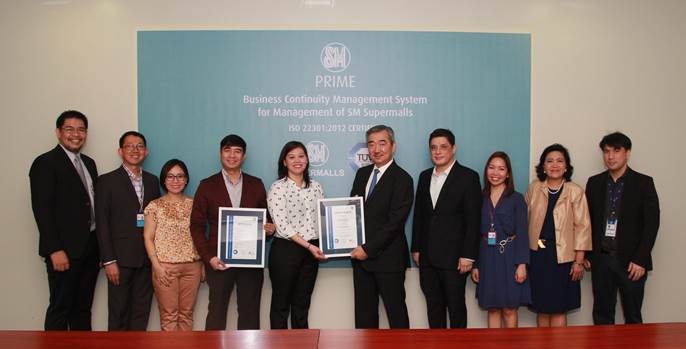
    Shown in the photo are (from left) Richard O. Regalado, Consultant, EIAN Management Consulting; John C. Ong, Chief Finance Officer, SM Prime; Myquel M. Regalado, Adviser, EIAN Management Consulting; Royston A. Cabunag, Assistant Vice President for Operations, Mall of Asia Annex Building; Femelyn Lati, General Manager, TŪV SŪD PSB Philippines; Hans T. Sy, President, SM Prime; Christian V. Mathay, AVP for Operations, SM Megamall; Eunice M. Sotto, AVP for Enterprise Risk Management, SM Prime; Anna Maria S. Garcia, President, Shopping Center Management Corp.; and Egbert T. Lim, Mall Manager, SM Megamall.

  • SM Malls proves disaster resiliency makes business sense

    SM Malls proves disaster resiliency makes business sense

    SM Malls shopping centres – now a 56-strong network across the Philippines – have evolved into sustainable structures that are proving to be valuable investments in the event of the frequent natural disasters which strike the nation.

    In the last few years, SM malls have consciously integrated disaster risk reduction into design and operations in the midst of worsening effects of climate change.

    Speaking before the annual meeting of the United Nations International Strategy for Disaster Risk Reduction (UNISDR) in London, recently, SM Prime president Hans T Sy shared that the company has taken major steps to ensure the longevity of its developments and safeguard its host communities given this context.

    SM’s malls, with a total gross area of over 7 million sqm, have an average daily foot traffic of over 4 million people and some 15,000 tenants.

    “My experience has proven that investing in resilience of our company’s assets makes good business sense. Depending on the location and assessment of the project, around 10 per cent of capital expenditure is allocated to Disaster Resiliency,” said Sy who is the only Filipino to be part of the UNISDR’s Private Sector Advisory Group.

    “We see the entirety of our malls as a city in itself, with locators, employees, customers and the communities we serve,” he added.

    One of the latest SM malls to open, SM City Cabanatuan in Nueva Ecija, is a good example of how SM Prime has adapted to climate change by making its infrastructure more disaster resilient.

    Cabanatuan was affected by Super Typhoon Lando (International name: Koppu) which caused massive flooding, mudslides and power outages that affected 9 million people in the northern region. The mall’s design allowed the free flow of creek floodwater during extreme flooding while the lower ground structure served as a flood catchment, thereby reducing the risk of flooding and ensuring the safety of the surrounding communities. The mall likewise served as a refuge for over 400 customers and families in the area at the height of the typhoon.

    Over the past several decades, SM Prime has made significant inroads in incorporating disaster resiliency in its centres. The best example is SM City Marikina which opened in 2008 and was built on concrete stilts to allow flood water from the nearby Marikina River to flow freely. When Typhoon Ondoy (International name: Ketsana) flooded most of Marikina City, the mall stood high above flood waters and all its tenants were undamaged and safe.

    The roads surrounding the Marikina mall are at ground level. Anticipating floods during heavy rains at that level, SM Prime constructed the first two levels of SM Marikina as parking areas without wall enclosures. The upper parking level was constructed at an elevation of 20.5 meters. During extreme floods, the parking floors are vacated and the supportive stilts allow for the free flow of water through the lower levels, while the business units continue to operate safely as was seen at the onset of Typhoon Ondoy (Ketsana) when a huge part of Marikina was flooded. The mall became a refuge for stranded people and food seekers. It also became a re-packing center for relief goods.

    SM City Masinag in Antipolo, SM BF Paranaque, SM Angono and SM San Mateo both in Rizal province were provided with catch basins underneath the mall to hold water during flooding.

    SM Muntinlupa in Alabang, was also designed to ensure the safety of the customers even if it was found to be located on a “discontinued major fault line”. Its design features a slab system that minimises the effects of earthquakes.

    The Mall of Asia Complex in Pasay City, one of SM Prime’s biggest investments located on 60 hectares of reclaimed property, has also been been designed for resiliency. He said that the main feature of the complex is that all structures were constructed at a height of 4.5 meters above the National Building Code requirements.

    “SM Prime places crucial importance on disaster resilience, not as an additional cost, but as part of our core business strategy. It allows us to serve our communities better, to be competitive, to increase our value and bottomline. But most of all, disaster resilience ensures the safety of our customers and the communities where we operate,” Sy said.

    Aside from introducing sustainable features in its malls, SM Prime also educates and updates its partners and stakeholders on disaster risk reduction (DRR) through internal procedures and various forums, such as the Green Retail Agenda, Business Case for Disaster Resilience, Top Leaders Forum and others. It also values and supports the government’s programs and initiatives in their information and educational campaigns such as the first Metro Manila Shake Drill for Earthquake Preparedness.

    SM Prime also supports DRR projects such as the Weather Philippines Foundation’s Automated Weather Station (AWS) which specialises in local weather forecasting.  All SM malls have also installed the AWS device which provides online five-day local weather forecasts as a form of public service in support of the government’s weather forecasting.

    SM has also donated 1000 units of disaster resilient houses to victims of Typhoon Haiyan, the strongest storm to make landfall in the southern part of the Philippines.

    SM Prime set up its efforts to lead Philippine businesses and communities disaster-resilient through the Private Sector Alliance for Disaster Resilient Societies (Arise), a worldwide initiative spearheaded by the UNISDR to create more resilient societies.

    Arise was introduced for the first time in Southeast Asia during the 2015 Top Leaders Forum at the SMX Mall of Asia in Pasay City.

    Arise, which was launched in London last September, was created in order to implement the Sendai Framework for Disaster Risk Reduction, a 15-year global roadmap adopted in March 2015 which aims to curb disaster mortality and economic losses substantially.

  • SM Retail posts solid sales growth

    SM Retail posts solid sales growth

    SM Retail of the Philippines has reported a 6.5 per cent increase in sales over the first nine months of the year to PHP145.3 billion (US$3.1 billion).

    Profit rose 21 per cent to PHP4.6 billion (US$98.2 million).

    Reviewing its operating divisions over the period, the company said its SM Food Retail Group (SM Markets) continued to expand in both urban and rural communities in various parts of Luzon, Visayas and Mindanao, adding 20 new stores, most of which are standalone Savemore stores.

    From historically operating anchor stores based in malls, SM Markets now follows a multi-format growth strategy to address the lack of organised retail in many parts of the country.

    SM Markets also recently invested in the minimart business with Alfamart, a successful minimart operator in Indonesia, and forged partnerships with WalterMart and Citymalls to further facilitate its provincial growth. Acquisition of existing chains of stores is another part of its growth strategy, the latest of which was the three stores of Cherry Foodarama.

    The SM Store will maintain its strategy of growing as an anchor store in SM Malls which are targeting expansion in the provincial areas. The SM Store continues to be the leading player in the country’s department store business, enjoying a wide-reaching and loyal customer base. It competes by providing the widest assortment of products and services, complemented by well-designed stores.

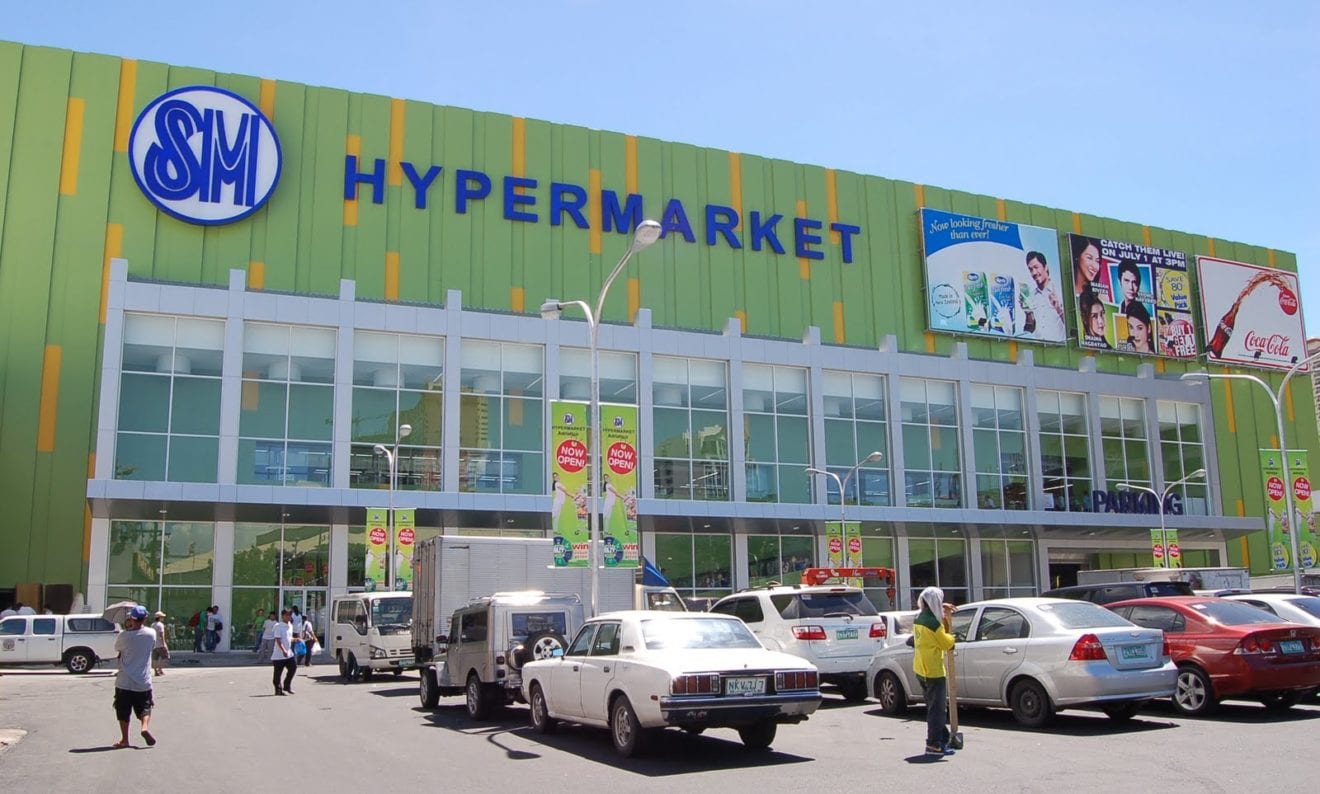
    As at the end of September, SM Retail had 294 stores, comprising 51 The SM Stores, 41 SM Supermarkets, 43 SM Hypermarkets, 130 Savemore stores and 29 WalterMart stores

  • SM Malls embrace future style

    SM Malls embrace future style

    On her first visit to SM Aura in Taguig, Michelle Dabuet, 38, an IT project manager, noticed that it had an “odd” shape.

    “It’s clean and classy and not like the other SM malls that are boxed-shape,” Dabuet noted.

    Gail Dacquel-Perez, 39, and a mother of three also distinctly remembers the fragrance that accosted her upon entering the mall, as well as the cleanliness and the look and feel of a bigger “Podium” mall, one of SM’s earliest upscale shopping malls in Ortigas.

    Noticeably, SM malls today have undergone a major transformation to cater to a new breed of shoppers.

    The sleek designs, open spaces, and iconic edifices in the newest SM malls are attracting shoppers who have become more aware and appreciative of style, fashion and global trends.

    Architect Fides Garcia-Hsu of SM’s Engineering, Design and Development shared that SM, in general, has taken into account two kinds of customers in retail which are also reflected in the design of its malls. Those that are focused and those who act on impulse.

    Focused buyers go to the mall with the intention of buying and carrying the right amount of money to achieve their objectives. Impulse buyers are those who visit the mall with no original intention of buying but will do so if something appeals to them or continue to window shop.

    “Both types are important for SM and that’s why zoning is equally important for us. We try to achieve the right tenant mix to cater to both types,” Hsu said.

    Take Mall of Asia, SM’s premier mall in Pasay as an example. The Hypermarket and THE SM Store are located on both north and south car parks. The Entertainment Mall which houses cinemas and various dining establishments are at the seafront side while the Cyberzone is on another floor. The Food and Beverage units are along the pedestrian streets.

    SM North EDSA, which has undergone several renovations and upgrades in the last few years, follows a similar zoning pattern which aims to provide a more convenient shopping experience while also allowing equal exposure to majority if not all the mall tenants.

    Hsu shared that SM patriarch Henry Sy, Sr. or Tatang (father) as he is fondly called, has provided the direction for the design of SM malls and is, in a way, the first architect of the SM malls.

    SM malls usually follow a straight or H-path which makes it convenient for shoppers to find their way from point A to point B, said Hsu.

    “Tatang  also taught us how to plan the space. He told us that every inch is valuable,” she said

    In recent years, SM malls have transcended the boxy look to develop into bolder and more artistic designs. SM Aura in Taguig, which was designed by Miami-based Arquitectonica drew inspiration from the elements – much like a tree melding with its roots or a waterfall cascading into a river. It also aims to be one of the first civic centers to be certified Gold under the US Green Building Council Leadership in Energy and Environmental Design (LEED) program.

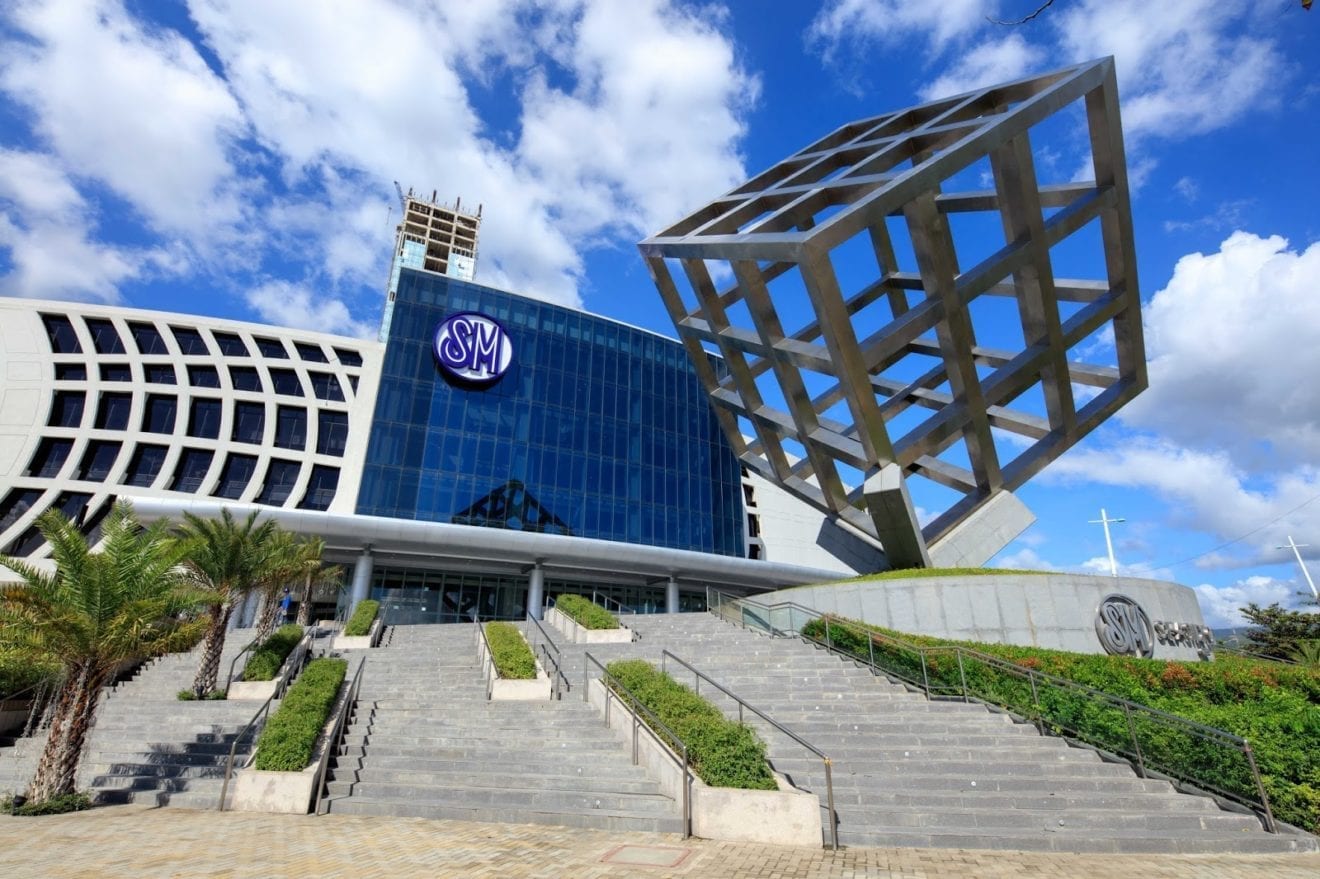
    The 470,000 sqm SM Seaside City in Cebu, which promises to be a regional landmark in the Visayas, meanwhile takes inspiration from the legendary nautilus shell. The mall, which will feature a steel cube sculpture and a 148-meter tower with a viewing deck that has a breathtaking 360-degree view of Cebu, is expected to cater to various segments of the market.

    These new designs are a huge departure from the original designs of SM malls. Interestingly, the old design mirrored the shopping preferences of the era. In the 1980s, Filipinos mainly  flocked to the box-type SM malls, usually rising three storeys, for their basic needs, for convenience and for novelty while others just wanted to bask in the air conditioning to get away from the scorching heat that a tropical country like the Philippines is known for.

    The straightforward design also appeared to echo both the personality and the vision of Sy who was known to many as a “no-nonsense”, straightforward man.

    “Every mall has a touch of Tatang (as Sy is fondly called by family, friends and employees). He is always involved in the design. His direction was to make it (mall design) simple, straightforward, convenient and efficient for shoppers,” Hsu said.

    Sy was inspired by his travels to the US where he saw malls starting to proliferate, or a series of retail stores and major stores put under one space with a common pathway. The desire to offer this emerging retail concept to Filipinos was strong, says SM Prime Chairman Henry Sy, Jr , the eldest son of Sy.

    “My father saw the US model. Being in the retail business, he was attentive to the needs of the people and what will make things convenient for them here in the Philippines. When he built the first SM mall on North EDSA, what he had in mind was the real estate play and that everything should be under one roof,” Henry Jr. said.

    Many thought that the opening of SM North EDSA, with a gross floor area of 125,000 sqm then, was ill-timed in 1985, with the country plunged into political upheaval.  But Filipinos quickly latched on to the new concept, much also to the surprise of the Sy family.  The first mall opened with SM’s own brand of supermarket and department store as many businesses were fearful then to open in uncharted waters such as in North EDSA.  Cinemas in the mall were also a novelty and as more tenants warmed up to “SM City”, the new business venture flourished and was soon replicated across the country at a rate of three to four malls a year.

    The next wave: sustainable malls

    Hsu said environmental sustainability has become the paramount consideration at present and for years to come in terms of mall development.

    “SM will continue to incorporate sustainable features in its malls. Rain harvesting, water recycling and expansive skylights to provide sufficient daylighting, the use of solar panels to provide adequate percentage of the mall’s power requirement, the use of high performance IGU (insulating glass units), deck landscaping and a host of other measures will be looked into and integrated into the planning,” Hsu said.

    SM Marikina which is within the Marikina River watershed and situated in a flood prone area was built on concrete stilts to elevate the structure. The mall was constructed 20 metres farther than the suggested 90-meter distance from the center of the Marikina river.

    SM Center Muntinlupa was also enhanced to be more resilient in light of two fault exposures in the area. It stands with a five-meter buffer zone to minimise the impact of earthquakes and other disasters such as the rupturing of both sides of the fault.

    SM City Masinag in Antipolo has fully revolutionised the company’s approach to sustainable and disaster resilient design. It incorporates a 3 million gallon holding tank to reduce the impact of super typhoons that plague the area. The tank has the capacity to hold water volume generated from constant rainfall of a storm similar to Typhoon Ondoy (Ketsana) for over three hours.

    Other unique sustainable features of SM malls include high windows above eye level that use natural light to illuminate company facilities; the use of LED and CFL light bulbs to further reduce electricity consumption; environmentally-friendly materials and technology for all heating and cooling processes; water-efficient fixtures systems to reduce potable water consumption such as waterless urinals and faucet aerators; and prudently-selected construction materials that minimise the impact of certain structures, promote healthier indoor environments and enhance performance of all company facilities.

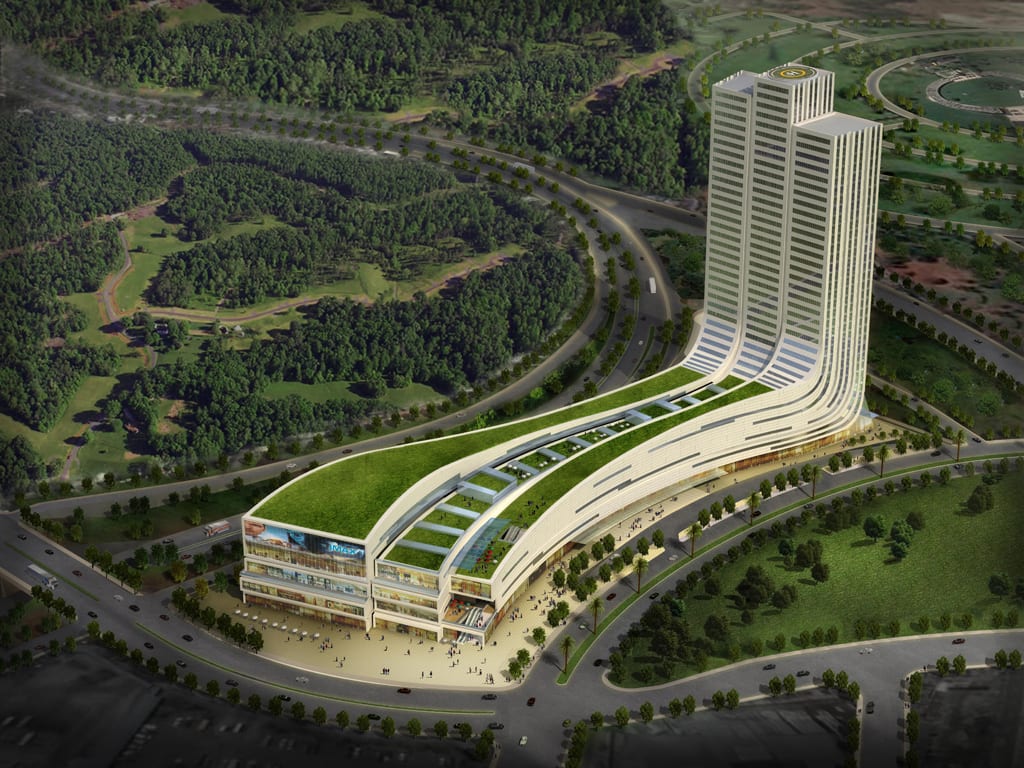
    Roof gardens are also incorporated in the malls which make both commercial and environmental sense. These not only cool the mall, but also draw people upwards, thereby providing better footfall to tenants on the higher floors; retain water during heavy rainfall and reduce flooding; reduce heat transfer to the local environment by absorbing heat through trees, plants and fauna. “The roof gardens we design for SM make a solid contribution to disaster resilience that should be considered countrywide,” Arquitectonica MD Asia Peter Brannan said.

    “As builders, we know that the most iconic monuments depend on a great foundation. Our approach to sustainability works the same way. By designing green, we are not only making a commitment to revolutionising the retail industry, but we are also creating a solid foundation for future stewards of the environment to build on,” SM Prime President Hans Sy had said.

    Indeed, today’s shoppers are exposed to international trends through frequent travels, unafraid to risk resources for experience, always on the prowl for what’s “trending” or “viral” in terms of venues, “eats”, technology and are constantly in search of new advocacies to champion.

    “The Philippines is currently one of the fastest growing economies in the world; that will inevitably result in rising disposable incomes and a much more sophisticated consumer. They will want a better environment, a better workplace, and a better home. Both designers and developers will have to respond to that, and constantly strive to improve the quality of their product. Doing business as usual will simply leave you behind in this fast-moving, interconnected world,”Arquitectonica’s Brannan said.

    This new generation of shoppers now view malls as destinations. More than just a place to hang out with friends or family, they now demand the best quality experience, the best food, the best product, the best service. And as shoppers evolve, SM malls too will adapt to ensure that there is a preferred destination for all.