Extended monsoon rains are anticipated to negatively affect the third-quarter operations of consumer-facing companies and the construction sector in the Philippines. Logistics and mining firms may also experience higher costs and delays due to the persistent wet weather.
Toby Allan C. Arce, head of sales trading at Globalinks Securities and Stocks, Inc., noted that the prolonged monsoon is likely to exert a moderate but discernible drag on corporate activity during the third quarter. The severity of the impact will depend on how long the challenging weather conditions last and if they cause significant damage to infrastructure or supply chains.
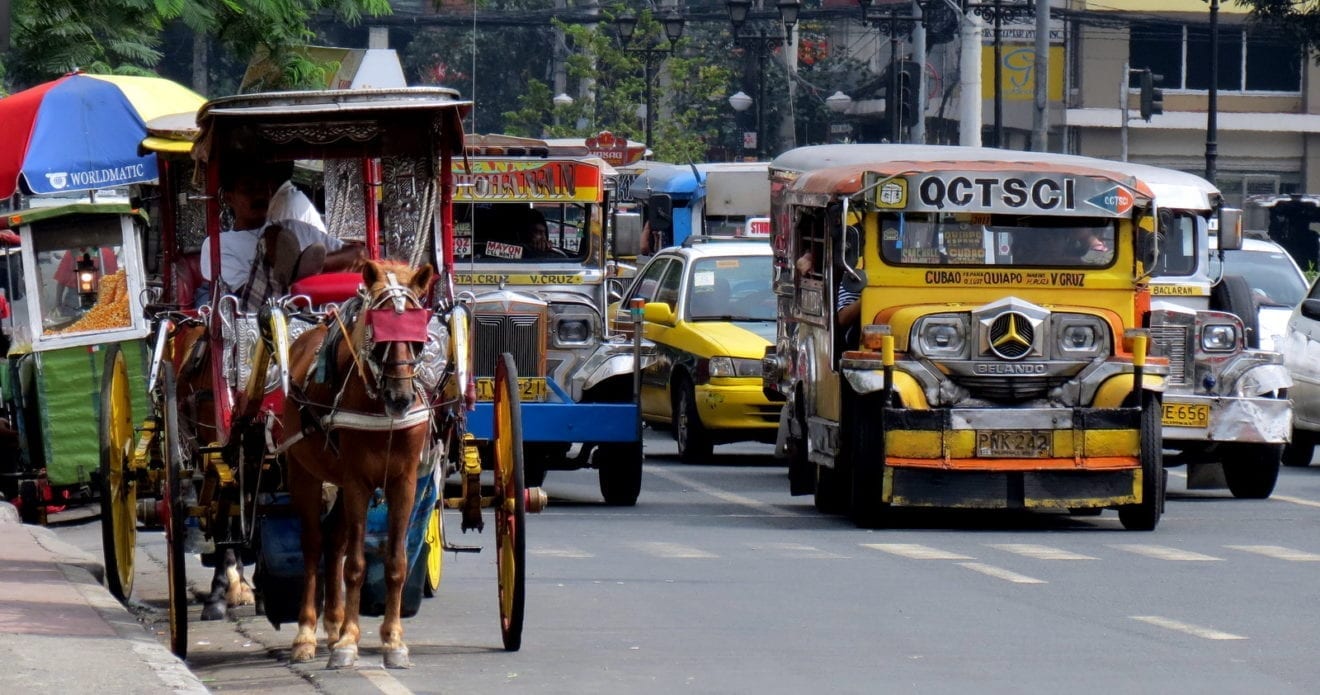
Recent heavy rainfall and widespread flooding have disrupted transportation in Metro Manila and Luzon, leading to road closures and suspensions of work and classes.
Retailers Face Reduced Foot Traffic
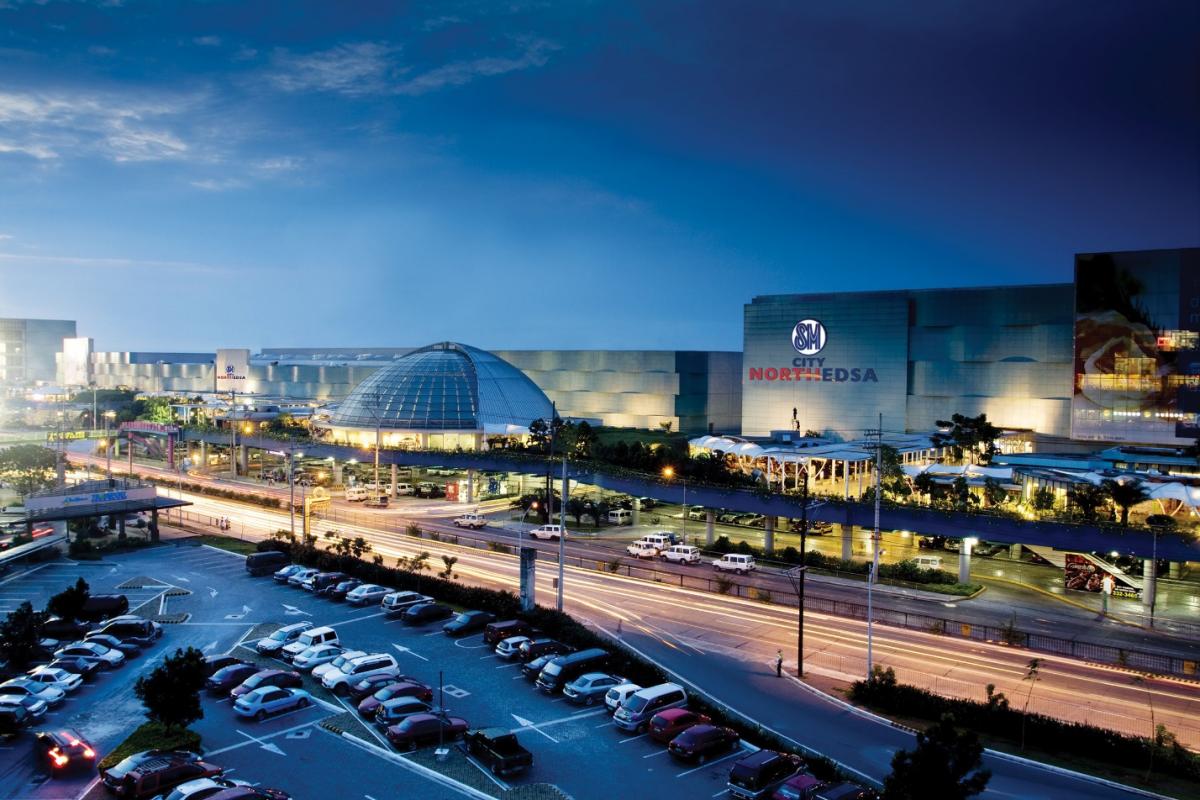
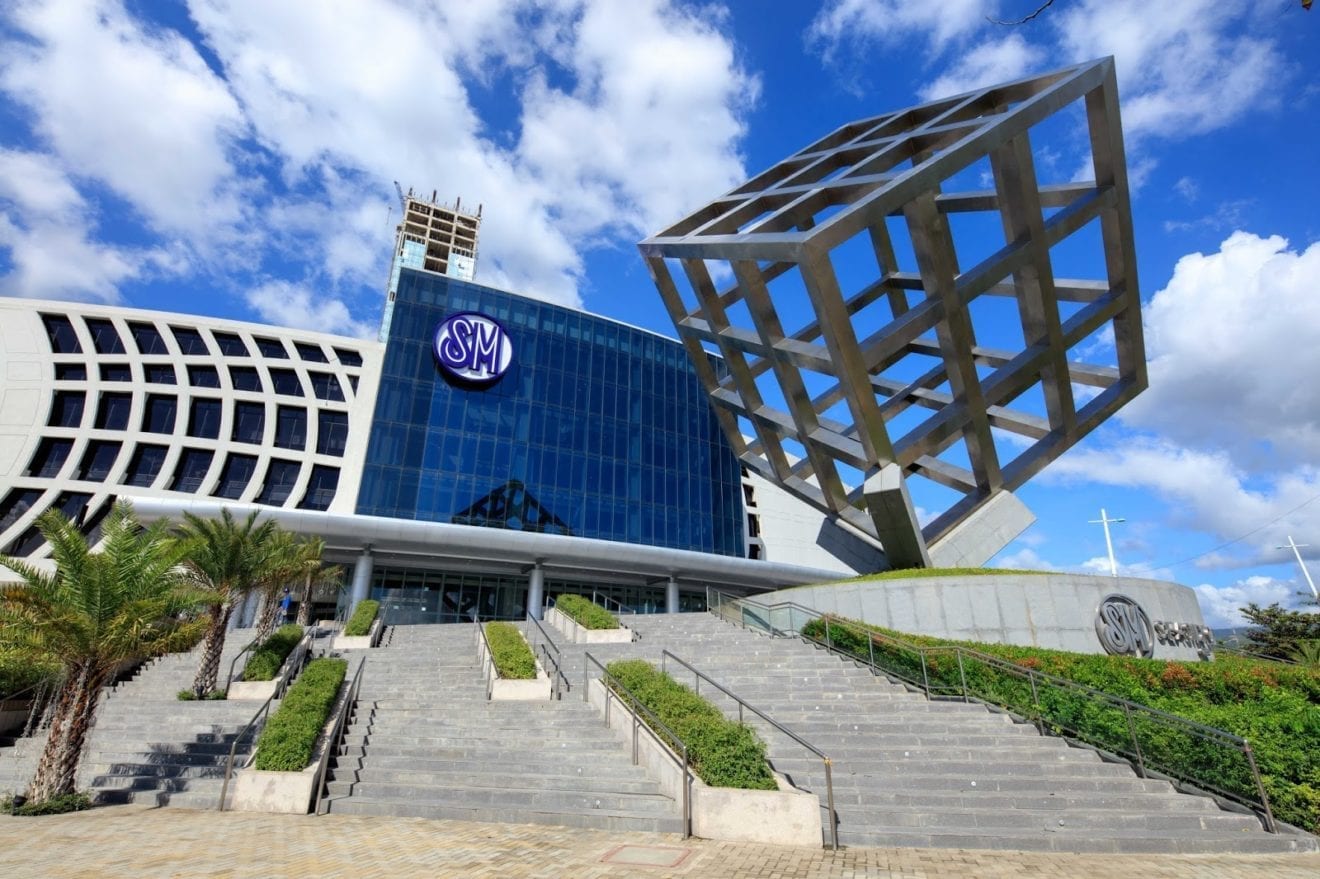
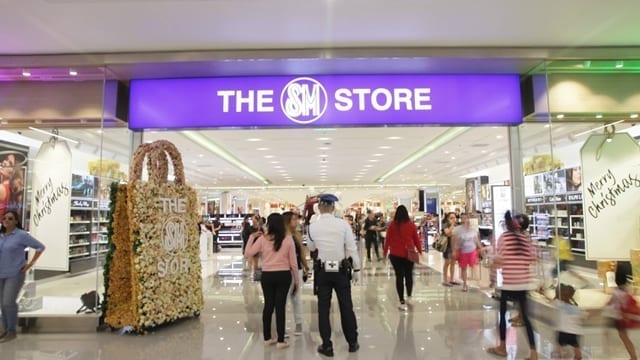
Retailers, mall operators, and restaurants are likely to see a decrease in customer traffic as heavy rains discourage travel and discretionary spending. Companies like SM Prime Holdings, Inc., Robinsons Land Corp., Ayala Land, Inc., SM Investments Corp., Robinsons Retail Holdings, Inc., and Puregold Price Club, Inc. Are among those that could experience softer physical sales.
Large destination malls and retailers selling non-essential goods are more susceptible to consumers postponing visits. Supermarkets and essential retailers, however, tend to be more resilient as purchases are necessities and consumers can adjust their shopping times rather than cancel them entirely.
John Tristan D. Reyes, President of BDO Securities Corp., confirmed that retailers could face weaker foot traffic and sales. Transportation issues could also disrupt store operations. Philippine Seven Corp. (PSC) reported that same-store sales at some 7-Eleven branches dropped by up to 20% on particularly rainy days recently, though overall sales momentum for July remained strong, partly thanks to the 7-Eleven Day promotion. The geographic diversity of 7-Eleven stores helped cushion the impact, with reduced traffic in some areas offset by activity in residential locations.
Restaurants might see fewer dine-in customers, although delivery and takeout services could offer some mitigation. Food manufacturers are less exposed in the short term, as consumers continue to buy staple products. However, prolonged heavy rainfall could affect agricultural output, potentially leading to higher raw material costs and impacting food manufacturers and restaurant operators.
Construction And Logistics Suffer Delays
The construction and property development sectors are facing more direct operational challenges. Persistent rainfall reduces the number of workable days, which can delay project completion and property turnover. Outdoor activities like excavation and concrete work are particularly affected, and flooding can hinder worker access and material deliveries.
Companies such as Ayala Land, SM Prime, Megaworld Corp., Filinvest Land, Inc., and Vista Land & Lifescapes, Inc. Could experience project delays. While this might not result in permanent revenue loss, it could shift revenue recognition to later periods. Infrastructure contractors and construction material suppliers face similar timing risks, with fewer workable days impacting project progress and third-quarter billings. Extended delays could strain companies that still incur fixed costs despite slower construction activity. In the long run, severe weather might also create demand for repairs, drainage, and flood-control projects.
Logistics companies are also seeing increased operating expenses. Flooding and traffic congestion prolong delivery times and boost fuel consumption. Disruptions at ports and airports can also temporarily delay the movement of goods. For retailers and consumers across Asia, such weather-related disruptions highlight the critical need for resilient supply chains and diversified retail strategies to mitigate the impacts of increasingly unpredictable climate patterns.
SM Prime Holdings has reported a 16 per cent rise in income in the first half of this year.
Sales, boosted by new mall and residential projects, reached a total of P16.6 billion (US$313 million). The firm opened shopping centres in Cavite, Pangasinan and Pampanga during the period and now operates 77 in all, seven of them in China.
SM Prime president Jeffrey C Lim said: “We intend to deliver more integrated developments in the coming years anchored by lifestyle malls, luxurious yet affordable residences and other complementary amenities across the country.”
SM Prime is set to open new malls in Albay and Leyte later this year.
Property giant SM Prime Holdings aims to open four shopping malls with a combined gross floor area of 292,000 sqm in the Philippines this year.
SM Prime ended last year with 60 malls across the country, as well as six malls in China.
President Jeffrey Lim says the company’s focus this year will be on shopping malls and residential space.
SM Prime’s VP for investor relations, Alexander Pomento, says the malls to open this year are SM Tuguegarao (Cagayan Valley), SM Puerto Princesa (Palawan), Cherry SM Antipolo (Rizal) and SM Premier Cagayan de Oro. Their gross floor area would be 40,000 sqm for Tuguegarao, 70,000 sqm for Puerto Princesa, 30,000 sqm for Antipolo and 152,000 sqm for Cagayan de Oro.
Pomento says that about 370,000 people are employed in SM Prime’s 60 shopping malls.
Its latest shopping mall in the Philippines is the 80,000-sqm SM City East Ortigas, which targets customers in the eastern part of Metro Manila.
In the first nine months of last year, SM Prime grew its consolidated net income by 13 per cent year-on-year to P17.5 billion, buoyed by higher shopping-mall, office and residential development plus hotel revenues.
For the third quarter alone, SM Prime’s net profit rose by 15 per cent year-on-year to P4.9 billion, supported by a 14 per cent expansion in revenue to P18.5 billion.
Philippine shopping mall revenue grew by 9 per cent year-on-year to P32.1 billion in the first nine months, while mall rental income expanded by 11 per cent to P26.9 billion.
In the past two years the group has expanded its shopping mall GFA by 1 million sqm.
Meanwhile, mall revenue from China rose by 5 per cent year-on-year to P3.1 billion in the first nine months while operating income grew by 6 per cent to P1.5 billion.
SM has just opened its seventh mall for China in Tianjin.
An 80,000 sqm mall has been opened in eastern Metro Manila by Southeast Asian integrated property company SM Prime Holdings.
As its 60th mall in the Philippines, SM City East Ortigas reinforces its commitment to continue expanding there given the economy’s strong performance, says SM Prime president Jeffrey C Lim.
SM Prime’s malls in eastern Metro Manila include SM Megamall in Mandaluyong, SM Marikina and SM Center Pasig. It also has SM Angono, SM Masinag, SM San Mateo and SM Taytay in Rizal Province.
SM City East Ortigas has opened with almost 80 per cent of its space leased out. The two-level mall houses SM’s flagship retail brands The SM Store and SM Supermarket, plus its specialty stores such as Ace Hardware, SM Appliance Center, Uniqlo and Watsons. It will also have a Cyberzone, wellness tenants, four digital cinemas and four Director’s Club cinemas, as well as dining destinations. There are 650 parking slots.
SM Prime opened SM Cherry Congressional a year ago in Quezon City, as well as SM City San Jose Del Monte in Bulacan in April and SM City Trece Martires in Cavite in May.
Of its 60 malls in the Philippines, 22 are in Metro Manila, 29 in Luzon, five in the Visayas and four in Mindanao. SM Prime also has six malls in China. SM Prime is also involved in residential development, leisure properties and hotels.
Philippines property developer SM Prime Holdings is looking to acquire shopping malls in China as well as buying more land for expansion.
But it is interested only in the Fujian province, says SM Prime executive committee head Hans Sy.
“We are still continuing to really look,” he says.
With “phenomenal development” in the past 10 years, the value of land has risen in China, and Sy says the group is assessing different areas that could offer value for money.
While there are malls up for sale, SM Prime is being careful about possible acquisitions. “I’m being choosy,” says Sy. “I only want within Fujian province.”
Fujian is the home province of his father, Henry Sy, the richest man in the Philippines, who built his retail empire from a small shoe store in Manila.
“We have the advantage right now [in Fujian] because of our success,” Sy says.
SM’s malls in China include Chengdu (166,665 sqm), Chongqing (149,429 sqm), Jinjiang (167,830 sqm), Suzhou (72,552 sqm), Xiamen (238,125 sqm) and Zibo (150,600 sqm) for a total gross floor area of 945,200 sqm. The company’s mall in Tianjin, which partially opened this year, has a gross floor area of 540,000 sqm.
In all, SM is targeting to further expand its mall network in the Philippines and China to 10.6 million square meters of gross floor area by 2018, according to documents presented in a briefing by SM Investments. This would be an extra 28 per cent from the 8.3 million gross floor area the company hit last year.
Of the target, 85 per cent would be accounted for by malls in the Philippines while 15 per cent would be in China.
With the Philippines’ consumption-driven economic boom showing no signs of abating, modern retail enterprises are sprouting outside the capital. Some are new companies eager to make a mark alongside the country’s established conglomerates.
DoubleDragon Properties is one of the up-and-comers. Back in April 2014, when its valuation was less than $100m, the company listed on the Philippine Stock Exchange. In its first day of trading, the stock shot up by 50 per cent, hitting the bourse’s daily limit. Since then, it has continued to be a strong performer.
The share price on Friday was nearly 30 times the price at flotation. This year, DoubleDragon’s stock has surged 140 per cent, making it the best-performing real estate company in the PSE’s property index. The price has climbed in conjunction with the rise of Rodrigo Duterte, the country’s first president from the southern island of Mindanao who came into power in June. He has promised to boost economic activity in rural areas.
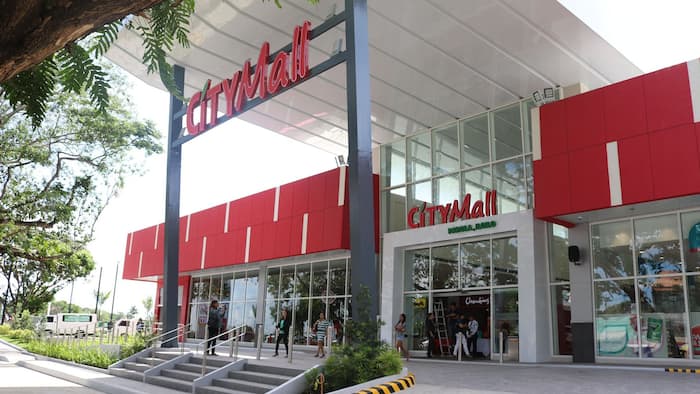
DoubleDragon’s priority is the construction of 100 shopping centers, each measuring 5,000 to 10,000 sq meters, by 2020. As of June, the company had secured 53 sites for these CityMalls, as it calls them, but built only eight.
Yet, even if some of the projects are behind schedule, its market capitalisation of 131.5bn pesos ($2.72bn) has eclipsed that of Robinsons Land — a unit of conglomerateJG Summit Holdings that has built 44 large shopping complexes and dozens of residential and office developments nationwide.
DoubleDragon is led by Edgar “Injap” Sia, a 39-year-old businessman from Visayas in the central Philippines. The self-made entrepreneur is best known locally as the founder of Mang Inasal, a fast-food company that specialises in grilled chicken.
When Mr Sia started his entrepreneurial journey about a decade ago, success was anything but a foregone conclusion. Born to a Chinese-Filipino-Japanese parents that own a grocery store in Roxas City in Visayas central Philippine region, Mr Sia dropped out of college to go into businesses. In 2003, he opened a grilled chicken eatery in the parking lot of a mall in Iloilo City, also in Visayas. Its chicken specialty, paired with unlimited rice, became a phenomenon, shaking up a fast-food market dominated by western-style fried chicken.
In 2005, Mr Sia established Mang Inasal as a franchise operation, creating the nation’s quickest-growing fast-food chain at the time.
An encounter with Tony Tan Caktiong, the founder of Jollibee Foods, the Philippines’ largest fast-food group, proved to be a key turning point. The two men share Chinese ethnicity and were both born in the Year of the Dragon in the Chinese lunar calendar, albeit 24 years apart. The “two dragons” opened a dialogue about the future of Mang Inasal.
Mr Sia’s business was becoming a threat to Jollibee. Mr Tan Caktiong offered to take control. In 2010, Mr Sia agreed to sell Jollibee a 70 per cent stake. This past April, he sold it the remaining 30 per cent. The transactions valued Mang Inasal at 5bn pesos.
From Mr Sia’s perspective, selling to Jollibee made sense on two levels. First, it would put Mang Inasal under the control of an experienced fast-food company that would nurture — rather than kill — his brand. Second, he needed the money to pursue his second dream: building a property and retail empire.
“I really like the [real estate] business, but it needs substantial resources,” Mr Sia said.
In late 2011, after Mr Sia relinquished management of Mang Inasal to Jollibee Foods, Mr Tan Caktiong approached him again. He, too, had been eyeing real estate. Sometime in 2012, the pair mapped out a plan to transform Injap Land, an Iloilo-based developer, into DoubleDragon, a nationwide player.
“We want to become one of the largest property companies in the Philippines,” Mr Sia said.
While clearly ambitious, Mr Sia is also pragmatic. Before the IPO, he accepted an offer from SM Investments — the Philippines’ largest conglomerate, owned by the Sy family — to acquire a 34 per cent stake in City Mall Commercial Centers, the entity that runs CityMalls under DoubleDragon.
This gave Mr Sia two powerful backers: Jollibee, a giant on the Asian fast-food scene; and SM Investments, which owns top Philippine lender BDO Unibank, mall developer SM Prime Holdings and retailer SM Retail.
All sides stand to benefit. Jollibee and SM Group see DoubleDragon and CityMalls as vehicles to tap provincial markets. As the principal shareholders of each company, Jollibee and SM will be priority tenants in the CityMalls.
The malls are “barely in Luzon and mostly in Visayas [and] Mindanao, which are exactly the under-penetrated regions where we think we would like to grow,” SM Group consultant Tim Daniels was quoted as saying in a local media report in 2014.
Mr Sia is avoiding Manila and broader Luzon, where more established players have secured land strategically. Instead, DoubleDragon plans to open 70 per cent of its branches in Visayas and Mindanao. To this end, he is taking advantage of know-how gleaned from the expansion of Mang Inasal. The fast-food chain now has about 450 locations, many in the same outlying areas where Mr Sia intends to build CityMalls.
He sees Mang Inasal as a barometer of local readiness for a modern shopping experience. Like the chicken restaurants, CityMalls will be situated in places with large concentrations of people — near transport terminals and markets, for example.
In October, a CityMall is set to open in the Mindanao city of Cotabato. The city is located west of Davao — the home town of Mr Duterte. Cotabato used to be a hotspot for terrorism and Muslim insurgents. “There are no SM or Robinsons malls there,” Mr Sia said, “but there has been Mang Inasal for eight years.”
Mr Sia is confident he has chosen the right target markets. “We strongly believe in the great potential of Visayas and Mindanao,” he said. “I personally had a very good first-hand business experience … in [the] Visayas and Mindanao areas during the expansion of Mang Inasal.” He added that the chain had “over 150 stores in Visayas and Mindanao in operation for several years.”
In 2015, Metro Manila’s annual economic growth rate of 6.6 per cent topped Luzon’s 5.4 per cent, Visayas’ 5.8 per cent and Mindanao’s 5.3 per cent. However, the Duterte government’s agenda for achieving “inclusive growth” is expected to brighten the prospects for rural regions. The president aims to preside over annual growth in the 7-8 per cent range for the next six years, with provinces making a greater contribution than in the past.
Since the Metro Manila market is maturing, established retail players are also eyeing opportunities in the provinces. Their strategies vary. SM Retail is building its own shops while tapping CityMalls to expand its network. Robinsons Retail Holdings and Puregold Price Club, the second and third-largest players, are in a race to acquire provincial retailers with a couple of branches.
Meanwhile, around 70 per cent of the retail sector remains informal, with myriad mom-and-pop shops. There are also independent provincial shopping centre operators running scattered locations in first-tier cities. Of the 145 cities in the Philippines as of June 30, a third were so-called “first class” municipalities, meaning they have annual revenues exceeding 400m pesos.
When it comes to creating a strategic network of shopping malls in the first-tier cities, Mr Sia hopes to be a step ahead. He envisions CityMalls as one-stop shops for daily errands. He said he did not intend to compete with bigger malls, where customers often spend the whole day on weekends, for dining, shopping and entertainment.
“The transition from the traditional unbranded fast food to modern fast food [was] already done in the Philippine provinces a decade ago,” Mr Sia said. “The transition from traditional retail to modern retail in the provincial areas has just started, and is expected to be completed in the next few years.” Mr Sia hopes to spearhead this new phase of retail industry through the expansion of CityMalls in the provinces
He continued: “That is the market where we are currently positioning CityMall, and once the transition cycle is done, CityMalls are poised to be the biggest beneficiary.”
Still, while the stock market is cheering Mr Sia’s strategy of focusing on Visayas and Mindanao, DoubleDragon does face its share of challenges.
Some analysts argue the company is overvalued, partly because most of its investors are retail investors, who tend to play up stocks. It was only in July last year that DoubleDragon managed to attract long-term institutional investors, and it may need to do more to improve its credibility with bigger funds.
“The price is not warranted at this time,” said Richard Laneda, an analyst at COL Financial in Manila.
The company’s first-half net income rose 16 per cent to 144m pesos, as revenue jumped 15 per cent to 706m pesos. It is targeting net income of 4.8bn pesos by 2020.
DoubleDragon’s price-earnings multiple is 100, higher than those of SM Prime andAyala Land, which are both trading at around 30, noted Luis Limlingan, managing director of Reginal Capital Development.
Mr Sia said analysts should look beyond that metric. “Clearly, our investors are not looking at the ‘now,’ they are looking at the next five, 10 or maybe 15-year horizon.”
Anton Alfonso, an analyst at RCBC Securities, warned that Visayas’ and Mindanao’s under-developed infrastructure could hamper DoubleDragon’s mall network build-up. Convenience store chains looking to expand there have faced similar challenges.
Despite some delays in branch openings, Mr Sia said the company was confident it would meet its targets. “We should be able to announce the next phase of our business in the next few years,” he said, adding that DoubleDragon is open to overseas opportunities as well.
To be sure, DoubleDragon has the Philippines’ consumption-driven growth going for it. Consumption generates two-thirds of the country’s gross domestic product, and projections indicate the economy should keep expanding by an average of over 6 per cent for the next six years on the back of steady remittances from overseas Filipino workers and a growing business process outsourcing industry.
Mr Sia is hardly the only new-generation entrepreneur looking to ride this wave. Steve Benitez, from the central Philippine island of Cebu, hopes to turn his Bo’s Coffee chain into the world’s next Starbucks. It currently has 60 domestic branches. Ben Chan, another self-made entrepreneur, is building an apparel company, Bench, and is taking it into other Southeast Asian countries and China.
Then there are the heirs who are taking the reins of their family businesses. In 2015, Puregold Price Club appointed the son of founder Lucio Co, Ferdinand Vincent, as chief executive. Puregold’s parent company, Cosco Capital, plans to compete with Mr Sia in the community mall segment.
Mr Sia believes the completion of the 100 CityMalls is just the beginning of his new empire — and a rock-solid foundation. “Once we complete that, our presence will be powerful, and the confidence in our company will be higher.”
In Southeast Asia huge family businesses, conglomerates and state-owned companies still dominate the region’s economies. While it remains to be seen whether Mr Sia will accomplish his ambitions, the new-generation entrepreneurs will be key in taking the region to its next stage of growth.
SM Prime Holdings, Inc. has set the interest rate for its Peso-denominated Series F, 10-year retail bonds at 4.2005% per annum.
SM Prime will issue an aggregate principal amount of Php10.0 billion of the Series F bonds, which will be offered to investors through underwriters from July 13 to 19, 2016.
The retail bonds will be issued on July 26, 2016. According to the underwriters, SM Prime received a strong demand for the retail bonds.
The SM Prime bonds have been rated PRS Aaa by Philippine Rating Services Corporation (PhilRatings), the highest rating assigned by PhilRatings.
Obligations rated PRS Aaa are of the highest quality with minimal credit risk, and denotes that the Issuer’s repayment capacity is extremely strong.
This series of SM Prime bonds is the third offering of Peso-denominated retail bonds to the public.
“The retail bond to be issued will sustain SM Prime’s development roadmap, which is geared towards provincial expansions mostly allotted on malls and offices developments. We remain optimistic on the huge growth potential in the provinces where large areas remain unserved.” SM Prime President Hans T. Sy said.
The SM Prime bonds’ joint issue managers, joint lead underwriters and joint bookrunners are BDO Capital & Investment Corporation, BPI Capital Corporation, China Bank Capital Corporation and First Metro Investment Corporation.
East West Banking Corporation, PNB Capital and Investment Corporation and United Coconut Planters Bank are participating underwriters for the bond issue.
SM Prime remains committed to its role as a catalyst for economic growth, delivering innovative and sustainable lifestyle cities, thereby enriching the quality of life of millions of people.
SM Prime Holdings, Inc’s stock was up 3.89% in today’s trading at the Philippine Stock Exchange.
SPMH ended the day with a trade price of P29.40 a share, up P1.10 from the previous day’s trading.
A total of 41 million SMPH shares, with a total value of P1.19 billion, exchanged hand today.
Bulakenos and residents of the North Metro area had a lot of shopping, leisure, and entertainment excitement when SM City San Jose del Monte recently opened its doors to the public
When SM Prime Holdings President Hans T. Sy opened the doors of SM Prime Holdings’s 57th mall, as it is in the SM tradition, shoppers quickly packed the mall, eagerly heading to their favorite shops and restaurants.
There was a blessing the day before graced by local officials: Bulacan Governor Wilhelmino Alvarado, Vice Governor Daniel Fernando, San Jose Del Monte Mayor Reynaldo San Pedro and Vice Mayor Eduardo Roquero. Araneta Properties CEO Gregorio Araneta, whose group is spearheading a large development the area, also attended the event with his wife Irene Marcos Araneta and Ilocos Norte Congresswoman Imelda Marcos.
Located on a n a 60,193 square meter site in Barangay Tungkong Mangga along Quirino Highway, the 101, 407.28 square meter five level mall (three levels of retail, and two levels of basement parking and a pond area) will serve shoppers in San Jose Del Monte City and nearby towns in Bulacan, North Metro cities like Caloocan and Quezon City, as well as several areas in Rizal. The new mall is the third in the province of Bulacan after SM City Marilao and SM City Baliwag.
Located at the northeast periphery of Metro Manila, the City is bounded by the Bulacan municipalities of Marilao and Santa Maria on the west, and Norzagaray on the North. Quezon province lies to the east, Rizal province to its southeast, and Caloocan City to its south.
Known as the Balcony of the Metropolis, San Jose del Monte is said to be the largest town in Bulacan in terms of land area and population. It was proclaimed the first City of Bulacan on 10 September 2000.
San Jose del Monte’s proximity to Manila and Quezon City has made the place ideal for quiet and peaceful living. The place is hilly, with the Sierra Madre Mountains providing a panoramic backdrop to the area. With that, it continues to grow as private subdivisions mushroom in strategic areas, and it develops as an ideal industrial site.
Because of its prime location for enterprise and investments, growing residential and commercial developments, as well as satisfactory infrastructure and support facilities, San Jose del Monte is considered as one of the thriving cities for doing business in the country. The opening of SM City San Jose Del Monte highlights SM’s confidence in the city’s booming economy, and will be a catalyst for employment and business opportunities.
SM City San Jose del Monte’s carefully integrated architecture, landscape, and planning will ensure a memorable, accessible, and convenient urban experience for its customers. The exterior architectural design is sophisticated and bold, featuring crisp colors and textures. A striking West Plaza has a monumental presence along Quirino Highway, featuring a stepped water feature, and eye- catching signage that welcomes shoppers at the mall entrance.
The rear of the site overlooks a vibrant natural landscape. Three view of dining balconies overlook a dynamic public plaza and graceful parkway. This feature plaza, with water features, a central pond, and a pedestrian overlooking bridge as its focus, will provide shoppers with a place to relax and take in the views while enhancing their retail and dining experience.
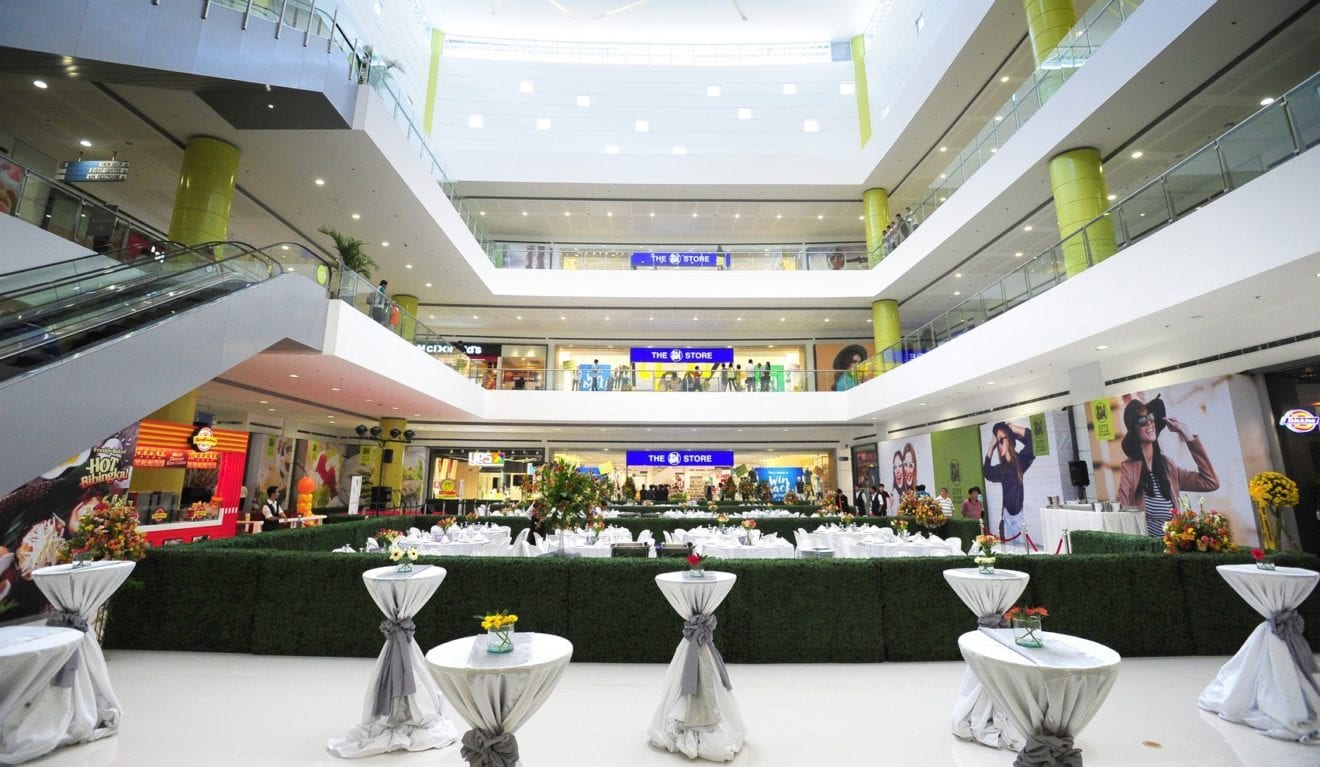
SM City San Jose Del Monte’s interiors are organized around a central atrium that terraces back at each level, allowing natural clerestory light to reach deep into the building. Pedestrian bridges cross the atrium on each floor, while stairs, elevators, and escalators traverse the space vertically, contributing to the dynamic fee of the interior. The space is further accentuate by distinct, vivid bans of color and a collection of vibrant planting on the lower ground level, all of which together give the space a festive, contemporary appearance.
The SM Store and SM Supermarket are the mall’s major retail anchors, leading the way with SM mainstays like SM Appliance Center, Watsons, Ace Hardware, Surplus, and BDO. There is more shopping fun ahead as fashion boutiques, jewelry stores, and eyewear shops.
The mall’s Cyberzone will be an attraction in this growing city with major players GLOBE, Samsung, Huawei, O+, Oppo, My Phone, as well as computer stores.
Three alfresco dining areas will make dining in the mall exciting; while eating out options will give shoppers a lot to choose from. These include international chains; as well major national chains, and hometown favorites.
SM City San Jose Del Monte will also have four state of the art digital cinemas; as well amusement and health and wellness centers.
For customer convenience, the mall will have 805 vehicle parking slots and 107 motorcycle parking slots as well as transport bays.
SM City San Jose Del Monte’s design team includes SM City San Jose Del Monte’s design team includes DSGN Associates, General Contractor; New Golden City Builders, EDD Construction; and Design Coordinates Inc. as Project Manager.
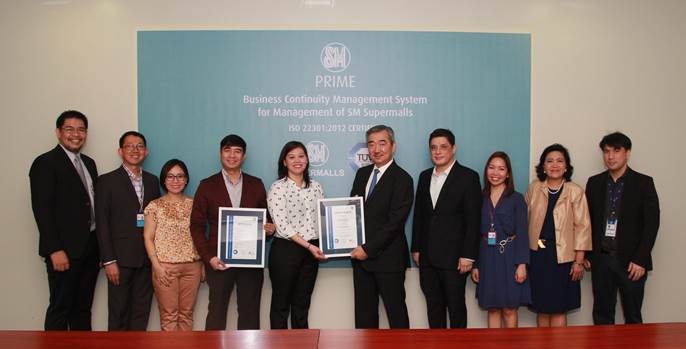
The mall business of SM Prime Holdings, Inc. (SM Prime), the country’s largest integrated property developer, reported its recent certification by the International Organization for Standardization. The ISO 22301 certification affirms the company’s commitment to meet the needs of its stakeholders especially in times of disasters and calamities.
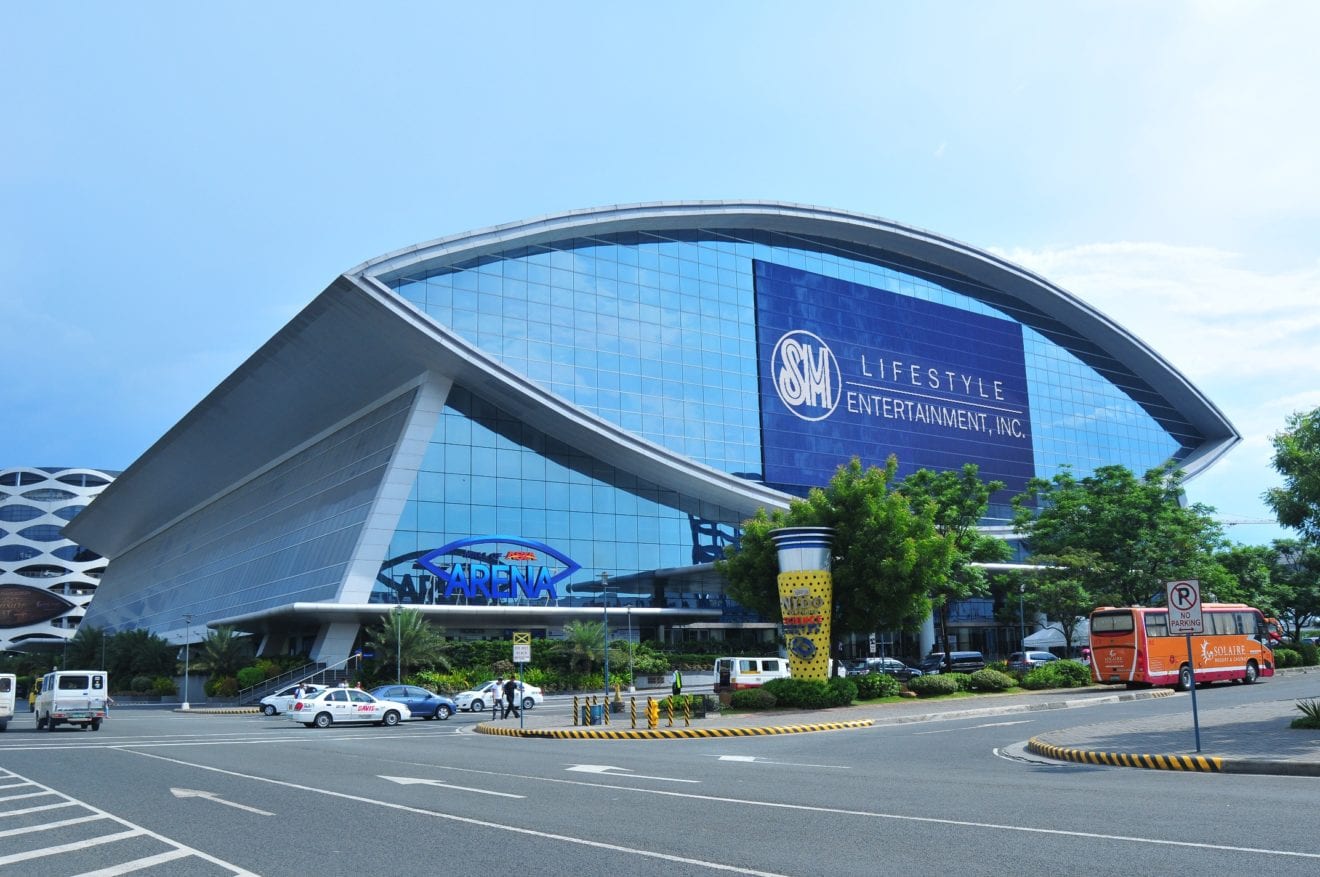
ISO awarded the certificate to SM Prime for establishing and applying a Business Continuity Management program for its SM Supermalls. Likewise, the certification covers the Mall of Asia Arena Annex Building, the headquarters of SM Prime in Pasay as well as SM Megamall, one of SM Prime’s largest malls in the country.
“This certification assures our stakeholders that the company will be able to respond to, recover from and continue its business after a disruptive event. For our customers, this means assuring their safety first and foremost, even as we provide access to basic necessities even at the onset of the calamity,” SM Prime President Hans T. Sy said.
The ISO certification meant going through a series of detailed audits which included internal assessments to ensure readiness for certification and an external audit on the company’s Business Continuity Management System.
“SM Prime is committed to make sure that business continuity is part of our operations especially after a calamity to provide continuous livelihood, not only to our employees, but to the employees also of our tenants, suppliers and all our stakeholders,” Sy added.
The ISO is an independent, non-governmental international organization with a membership of 162 national standard bodies. It brings together experts to share knowledge and develop voluntary, concensus-based, market relevant international standards that support innovation and provide solutions to global challenges.
The ISO 22301 certification covers the requirements for a robust business continuity management system, which will allow the company to minimise the risk associated with disruptions and to make certain that control is maintained at all times.
In the last few decades, SM malls have integrated disaster risk reduction into their design and operations amid worsening effects of climate change. Aside from SM Megamall, good examples of these are SM City Cabanatuan in Nueva Ecija, SM City Marikina, SM City Masinag in Antipolo, Rizal, SM BF Paranaque, SM Angono and SM San Mateo in Rizal, SM Muntinlupa in Alabang, The SM Mall of Asia in Pasay and SM Seaside City in Cebu among others.
Shown in the photo are (from left) Richard O. Regalado, Consultant, EIAN Management Consulting; John C. Ong, Chief Finance Officer, SM Prime; Myquel M. Regalado, Adviser, EIAN Management Consulting; Royston A. Cabunag, Assistant Vice President for Operations, Mall of Asia Annex Building; Femelyn Lati, General Manager, TŪV SŪD PSB Philippines; Hans T. Sy, President, SM Prime; Christian V. Mathay, AVP for Operations, SM Megamall; Eunice M. Sotto, AVP for Enterprise Risk Management, SM Prime; Anna Maria S. Garcia, President, Shopping Center Management Corp.; and Egbert T. Lim, Mall Manager, SM Megamall.
SM Prime Holdings, Inc. on Friday is opening its second shopping center in Cabanatuan, as part of the property holding firm of the Sy family’s drive to capitalize on the growth prospects in the provinces.
Its 53rd mall in the country, SM City Cabanatuan expands SM Prime’s footprint in Nueva Ecija after SM Megacenter Cabanatuan, the integrated property developer said in a disclosure yesterday.The four-level mall, which has 154,020 square meters (sqm) of gross floor area (GFA), increased SM Prime’s total retail space to 6.76 million sqm in the Philippines.
“The opening of SM City Cabanatuan is SM Prime’s commitment to be part of the growth of the province. The opening of new malls is timely given the expected higher growth in overall consumption in the fourth quarter,” the disclosure quoted SM Prime President Hans T. Sy as saying.
“The economy’s sustained gross domestic product growth in the past five years is now spreading to the provinces and we at SM Prime will continue to expand in these provinces that are enjoying high growth, like in Cabanatuan City, where we see significant development and huge unserved demand for shopping experiences,” Mr. Sy said.
Cabanatuan, the largest city in Nueva Ecija, is located between the provinces of Pampanga, Bulacan, Tarlac and Aurora.
SM City Cabanatuan is 90% occupied by various tenants, including SM Store, SM Supermarket, Ace Hardware, SM Appliance Center, Watson’s, The Body Shop, Surplus Shop and Uniqlo.
The mall will have six cinemas, consisting five cinemas with a 275-seating capacity and one large-format cinema with a 525-seating capacity. It has 2,500 parking slots for cars and motorcycles.
For the rest of the year, SM Prime is scheduled to open SM Center Sangandaan in Caloocan and SM Seaside City Cebu. The company is also set to expand SM City Lipa in Batangas and SM City Iloilo this year.
By the end of 2015, SM Prime will have 55 malls in the Philippines and six in China with an estimated combined GFA of 8,269,486 million sqm.
Next year, SM Prime is spending P65 billion in 2016 with plans to open six malls with an aggregate GFA of 430,669 sqm. They are located in San Jose Del Monte in Bulacan, Commonwealth in Quezon City, Trece Martires City in Cavite, Tuguegarao, Puerto Princesa in Palawan, and Urdaneta in Pangasinan.
SM Prime is part of SM Investments Corp., which has core businesses in retail, banking and real estate. The family also has interests in gaming, geothermal energy and infrastructure.
Shares in SM Prime slid 10 centavos or 0.47% to P21.40 apiece yesterday.
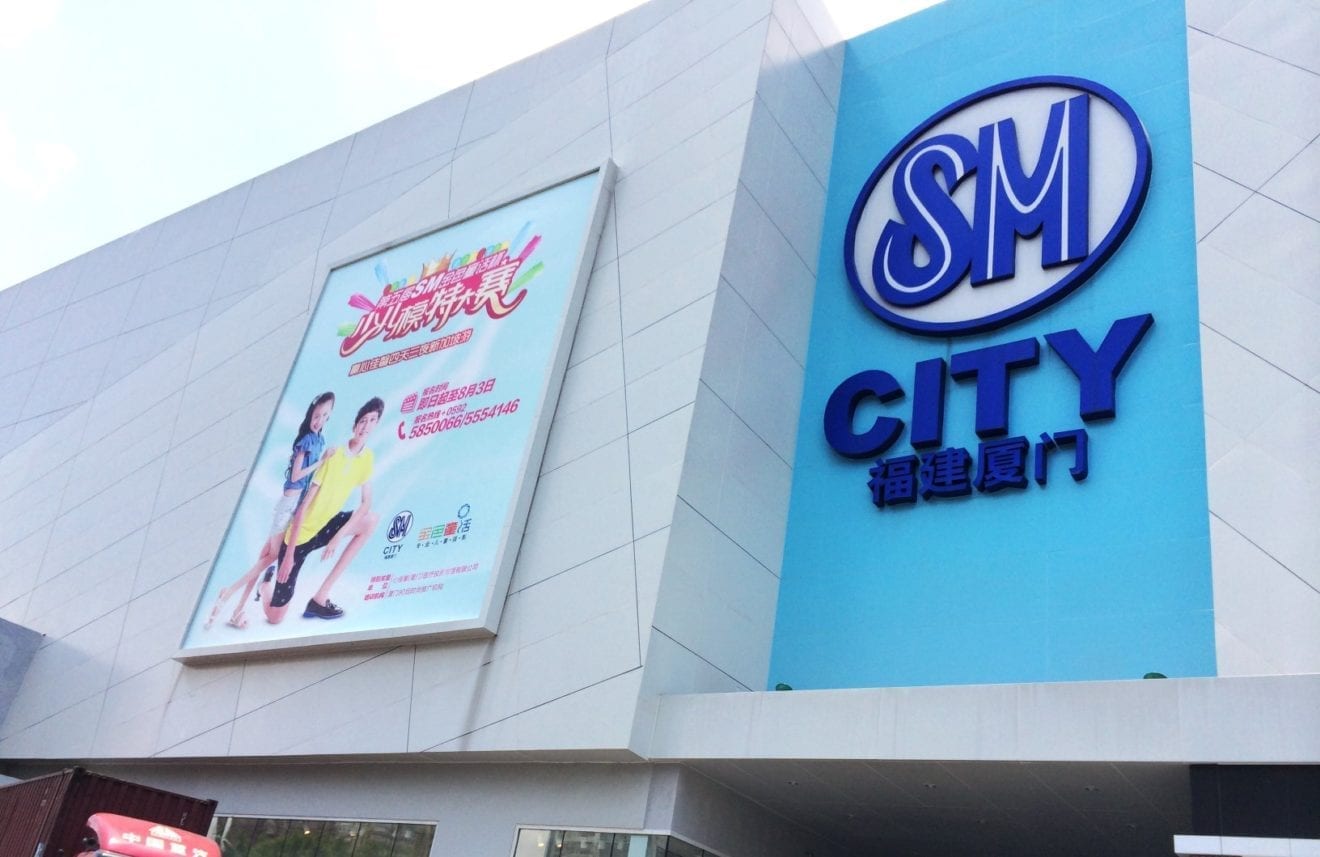
Property conglomerate SM Prime Holdings, Inc. received a prestigious gold award for SM City Xiamen, Fujian Province, its first mall in China.
SM City Xiamen/SM Lifestyle Center won the Mall China Golden Mall Awards 2015 Commercial Asset Management Company Gold Award. Only eight companies were given the prestigious gold award during the 13th Annual Conference of Mall China International Symposium hosted by China Shopping Center Development Association (Mall China), an annual gathering of major shopping malls and retailers in China.
“On behalf of SM, I would like to express gratitude to our valued partners and loyal customers. Without your continued support, SM will not thrive in China, among the world’s largest retail markets. We maintain to drive retail service as our main backbone, with an aim to create an environment people can call their second home,” SM Prime’s mall group, SM Supermalls Senior Vice President Steven Tan said.
The awarding ceremony was held on September 4th, 2015 in Shenzhen,China. Mall China highly recognized SM Prime’s insight and expertise into retail, commercial real estate and shopping center development in China. SM Xiamen was also voted number 1 in WeChat, a popular messaging service in China.
This is the sixth time since 2011that SM Prime has been recognized by Mall China.
Mr. Tan, for his part, received the 2015 International Professional Leader Award for his insight into retail, commercial real estate and shopping center industry in China and promoting and giving significance guidance on development strategy.
SM opened its first mall in China, SM City Xiamen in 2001 with a gross floor area (GFA) of 128,203 square meters. In 2009, the upscale SM Lifestyle Center in Xiamen was opened with a GFA of 109,922 sqm. In 2013, the SM Skywalk was launched, linking SM Xiamen and SM Lifestyle Center, providing more convenience to customers.In the last two years, SM Xiamen and SM Lifestyle Center offered WiFI services, increased parking lots, added facilities for persons with special needs and a nursery room for mothers, installed LED facilities and installed an intelligent parking system all aimed at a better customer experience. Aside from these, SM also upgraded the brands inside the mall.
Established in 2002, Mall China is the first non-profit organization in Mainland China catering to China’s retail property sector. It is likewise the largest shopping center retail organization in China. It has 700 corporate members of investors, developers, operators, retailers and relevant service agencies.
Mall China established the Golden Mall Awards to promote the best malls and encourage enterprises which have made outstanding contributions to the development of the shopping mall industry. Golden Mall Awards recognize and evaluate recent opening or under-construction projects.