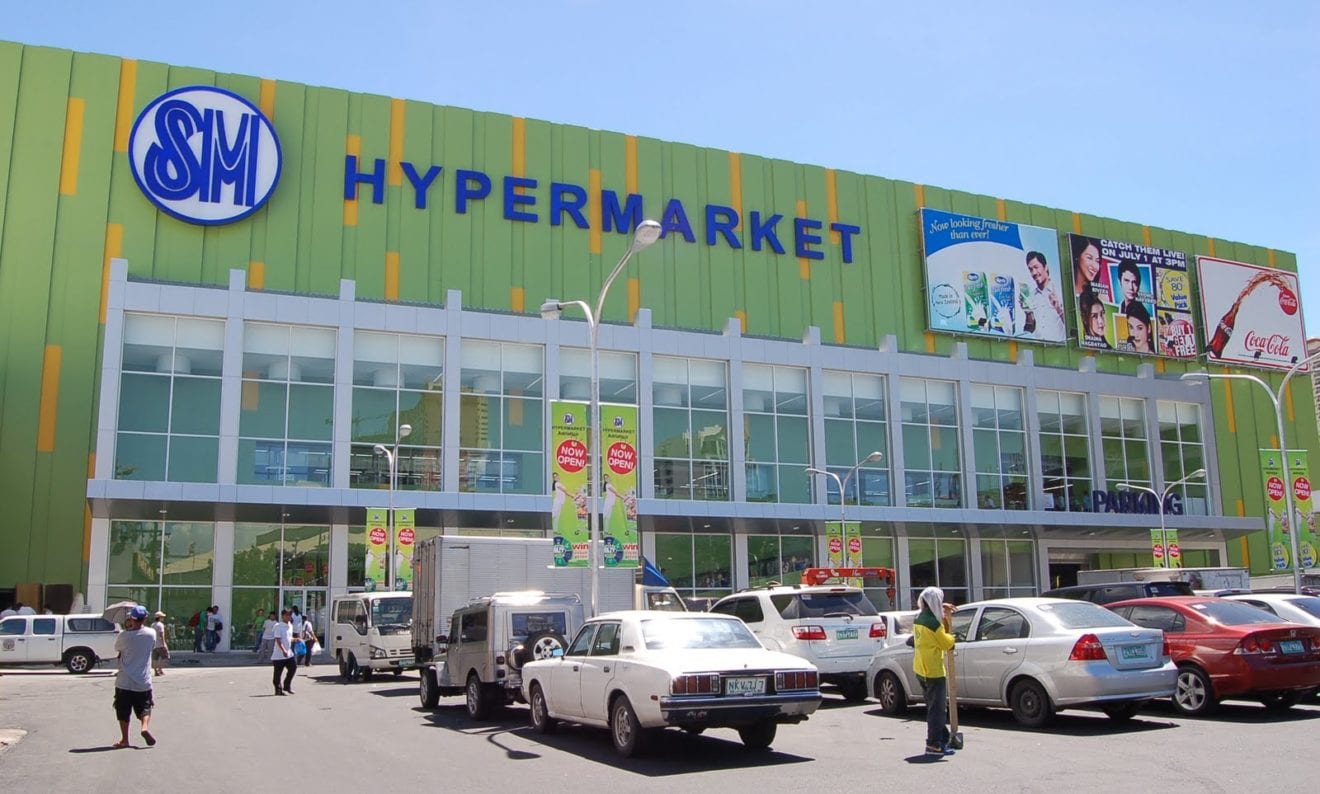
SM Retail posted first-half 2026 revenues of 223.6 billion pesos ($3.7 billion), up 5.6 per cent from a year earlier. Regional consumer spending gathered pace across the Philippines.
Net income rose 6.0 per cent to 8.9 billion pesos ($270 million). Same-store sales grew 2.9 per cent across a nationwide network of 4,837 stores.
Food and Speciality Stores Drive Turnover
Food retail generated roughly 60 per cent of total sales across 2,824 points of sale. It rose 6.1 per cent with same-store gains of 3.3 per cent. SM Store, the group’s 79-location department store chain, grew revenue 3.2 per cent. Speciality store sales expanded 5.9 per cent, even after the operator closed a net 73 outlets to trim marginal locations.
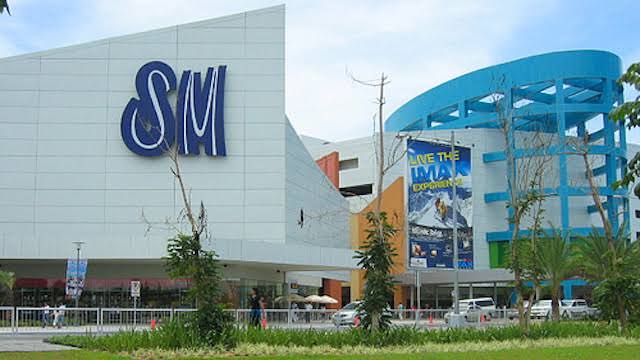
The company relies on an asset-light format by leasing space within sister developer SM Prime’s commercial properties. Of the 490 physical stores opened over the past year, 80 per cent sit outside Greater Manila. These target provinces where modern retail still represents less than half of household shopping spend.
Mall Developer Backs Bay Reclamation
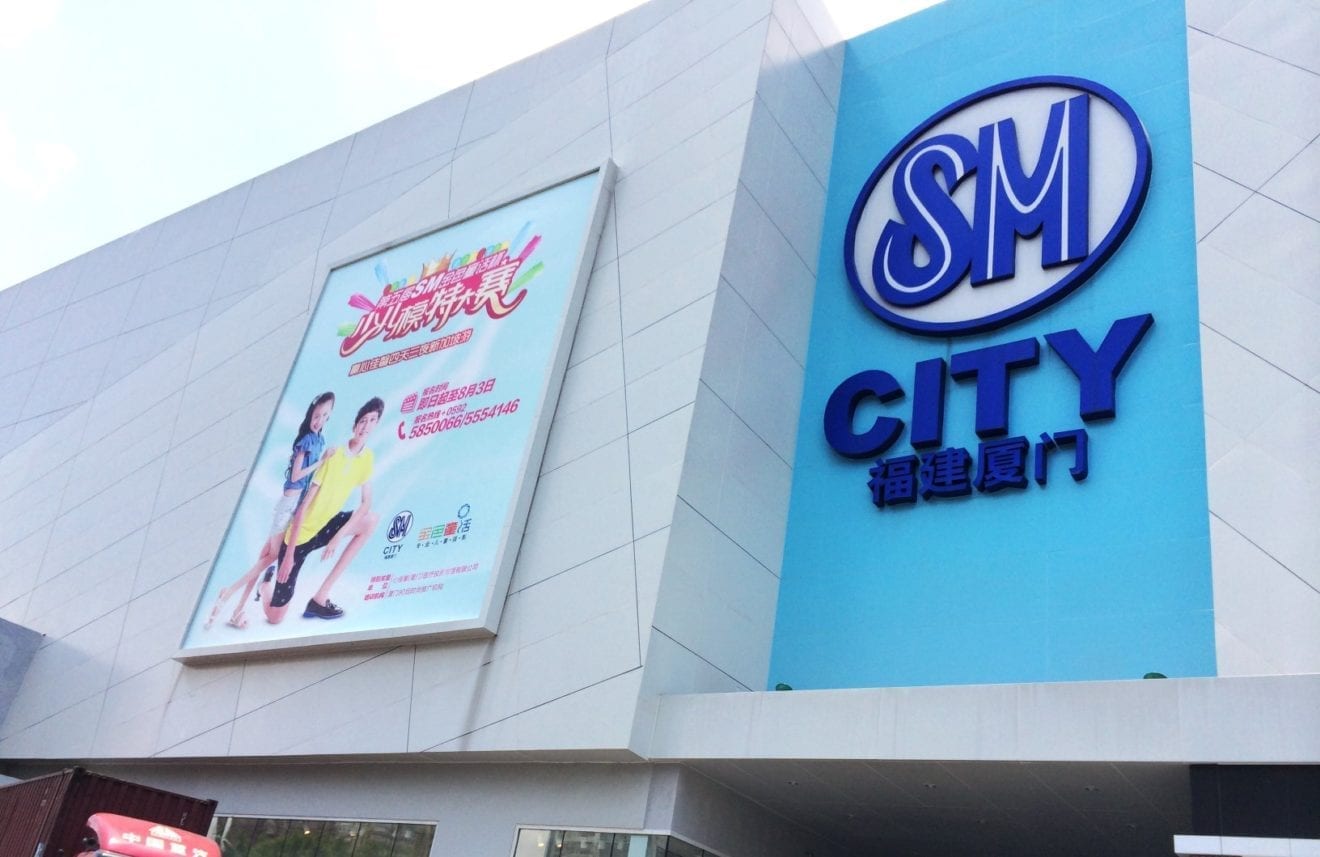
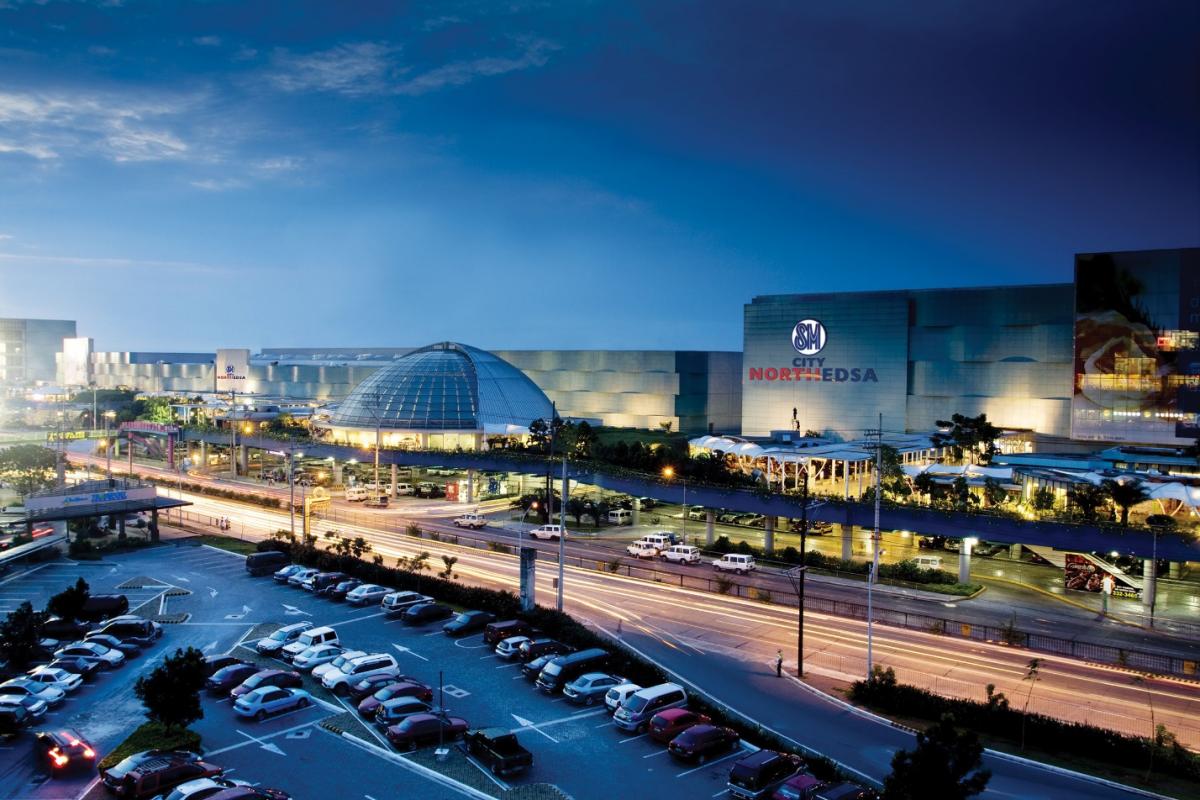
SM Prime lifted first-half revenue 5.3 per cent to 71.7 billion pesos ($1.2 billion). The developer operates 90 malls across the Philippines and nine in mainland China. Rental income provided more than 60 per cent of that total. Revenue from leisure facilities, including cinemas and ice-skating rinks, rose by more than 10 per cent during the same period.
Expansion into secondary provinces mirrors retail decentralisation across Southeast Asia, where operators such as Central Group in Thailand and Vincom Retail in Vietnam build commercial centers ahead of rising provincial incomes. Remittances from overseas workers feed directly into these regional retail hubs. They underpin Philippine private consumption at 75 per cent of gross domestic product.
Work continues on Pasay 360, a 360-hectare Manila Bay reclamation joint venture with local authorities. The project will expand the Mall of Asia complex with new commercial, hotel, and residential districts over multiple development phases.
SM Retail achieved a 5% rise in net income during the first half of 2026, reaching US$143.8 million (PHP8.9 billion). The Philippine retail giant attributed this performance to sustained consumer demand for daily necessities and the ongoing expansion of its physical store footprint.
Operating income saw an even stronger increase, climbing 12% to US$226.2 million (PHP14.0 billion). This indicates the company’s effective management of operational costs, even in a period of higher inflation. SM Investments Corporation President and CEO, Frederic DyBuncio, highlighted the resilience of the Filipino consumer despite recent economic challenges, noting the robust performance of their consumer-led businesses and the contributions from a diversified portfolio.
Diverse Growth Across Segments
The company’s food retail sector demonstrated consistent sales growth across its supermarket and minimart chains. Specialty retail also saw higher sales, particularly in the Home, Other Fashion, and Kids categories. The Home category’s growth was fueled by continued demand for alternative power sources, while the Other Fashion segment was boosted by brands like Kultura and Crocs. The Kids category benefited from increased spending on toys, pet supplies, and stationery.
SM Retail’s strong showing contributed significantly to SM Investments’ overall consolidated net income, which reached US$741.7 million (PHP45.9 billion) for the first half, an 8% increase from the previous year. Retail accounted for 15% of SM Investments’ net income, following banking (47%) and property (27%). The group’s mall business also reported an 8% revenue increase to US$675.5 million (PHP41.8 billion), a result of higher occupancy rates, stronger tenant sales, and improved operational efficiency.
Strategic Outlook for Continued Expansion
Looking ahead, SM Investments CEO Frederic DyBuncio expressed optimism for the second half of the year, while acknowledging potential macroeconomic uncertainties. He stressed that the company’s diversified portfolio, prudent balance sheet, and disciplined approach to capital allocation position it well to continue investing in the Philippines. This strategy aims to create long-term value for customers, communities, and shareholders.
The emphasis on physical store expansion and diversified retail formats aligns with broader trends in Southeast Asia, where companies often combine digital strategies with a strong brick-and-mortar presence to capture varying consumer preferences and reach underserved areas. Retailers across the region are increasingly focusing on everyday essentials and adapting their offerings to meet shifting consumer priorities, especially after periods of economic fluctuation.
SM Retail has achieved a first-quarter profit increase of 5 percent to P2.7 billion (US$51.7 million).
Retail revenues in the first three months rose by 13 percent year-on-year to P79 billion, while sales from specialty retail stores grew by the same percentage to P19.6 billion.
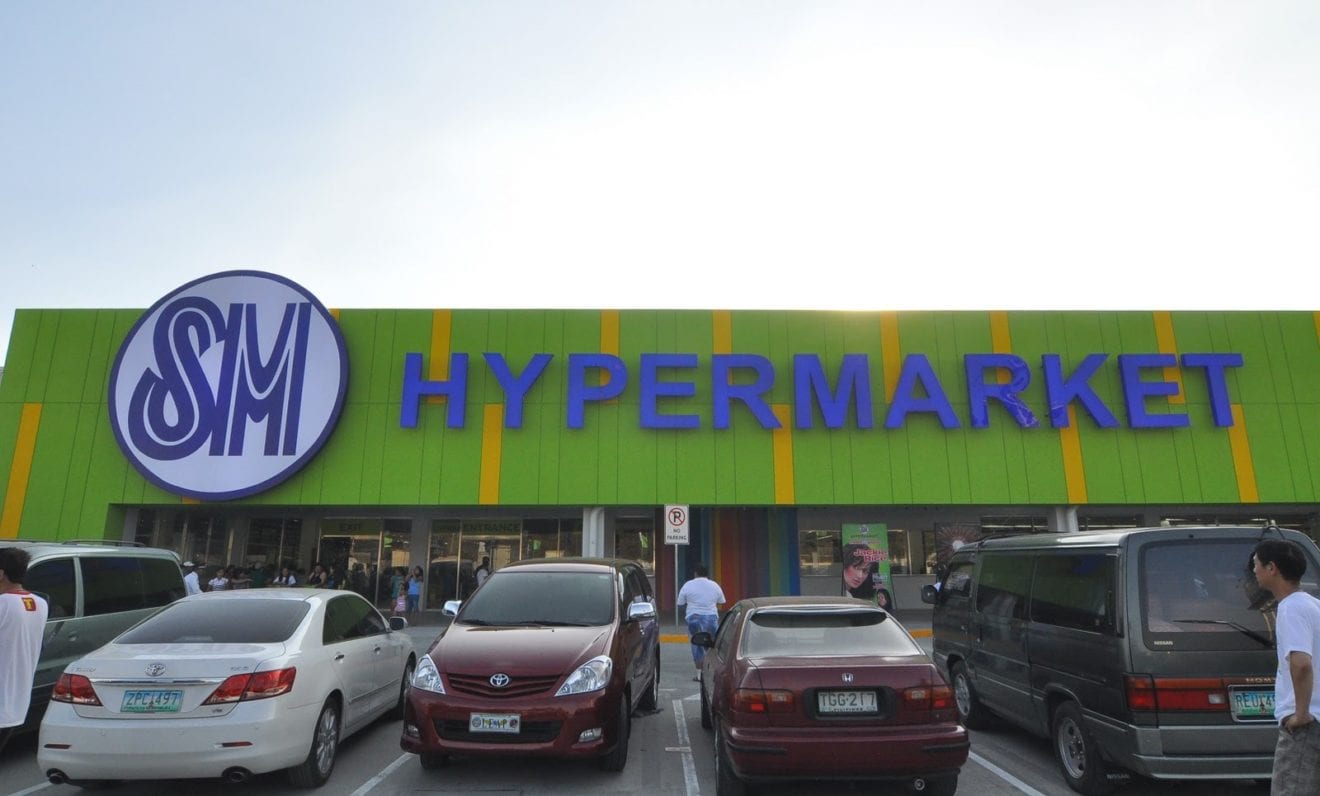
As at the end of March, SM Retail had 2385 stores, comprising 63 department stores, 1388 specialty retail stores, 57 SM Supermarkets, 53 SM Hypermarkets, 194 Savemore, 52 WalterMart, and 578 Alfamart stores.
The figures were included in the quarterly report of SM Investments, which boosted its profit by 26 percent to PHP10.7 billion (US$205 million).
The gains reflected improved sales from the retail business as well as its property and banking activities.
Consolidated revenues during the period were up 15 percent year-on-year to PHP109 billion ($2.1 billion).
“We continued to deliver double-digit growth to both our top and bottom line in the first quarter,” said SMIC president Frederic DyBuncio. “Performance was strong across our businesses, particularly for our banks.”
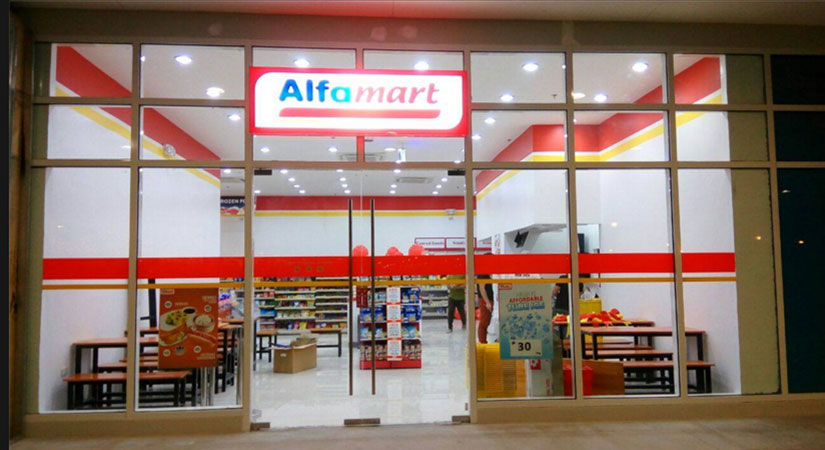
Mini-mart chain Alfamart will open 200 new stores in the Philippines next year, according to a Fitch Ratings report. It said Alfamart Philippines stores already has 400 stores in the country, of which 180 were opened this year in partnership with local operator and majority stakeholder SM Group. The 200 new stores will take its total network to 600 locations in the Philippines by the end of next year.
“Alfamart’s investment risk for its Philippine expansion is mitigated by the strong presence of SM Group in the country … Fitch expects Alfamart to have access to SM Group’s large business network and tap its widely known brand”.
SM Retail operates 1729 stores nationwide. Alfamart’s Indonesian parent has a 35 per cent stake in the Alfamart Philippines business.
According to the report, “Both Indonesia and the Philippines are consumer-driven markets with young populations and expanding middle classes. Both economies have similar income levels of GDP per capita of US$3000-$4000. Consumers in both markets also prefer to buy small amounts of bundled products rather than filling grocery carts”.
It described the mini-mart sector in the Philippines “as untapped and having limited competition … the existing players mostly operate convenience stores that carry more limited products. Alfamart’s stores offer additional products, such as fresh and frozen food, personal care and small household appliances, giving the company some competitive advantage in grabbing market share.
“Alfamart chose to expand in the Philippines as it believes it has more potential than other Southeast Asian markets, such as Thailand and Vietnam.”
Alfamart Philippines is set for major expansion with funding secured for as many as 120 new stores.
Alfamart Philippines is set for major expansion with funding secured for as many as 120 new convenience stores.
Minority parent company Sumber Alfaria Trijaya already operates 44 stores in the Philippines in a joint venture with SM Retail, through its local subsidiary Alfamart Retail Asia. That company has secured local financing to fund the expansion, which will cost an estimated US$3.8 million.
The Philippine roll-out is part of a broader expansion plan for Sumber Alfaria Trijaya which will open 1200 stores in Indonesia this year. Currently, it has 10,086 stores in its home market, including 2958 which are franchised.
With the Philippines’ consumption-driven economic boom showing no signs of abating, modern retail enterprises are sprouting outside the capital. Some are new companies eager to make a mark alongside the country’s established conglomerates.
DoubleDragon Properties is one of the up-and-comers. Back in April 2014, when its valuation was less than $100m, the company listed on the Philippine Stock Exchange. In its first day of trading, the stock shot up by 50 per cent, hitting the bourse’s daily limit. Since then, it has continued to be a strong performer.
The share price on Friday was nearly 30 times the price at flotation. This year, DoubleDragon’s stock has surged 140 per cent, making it the best-performing real estate company in the PSE’s property index. The price has climbed in conjunction with the rise of Rodrigo Duterte, the country’s first president from the southern island of Mindanao who came into power in June. He has promised to boost economic activity in rural areas.
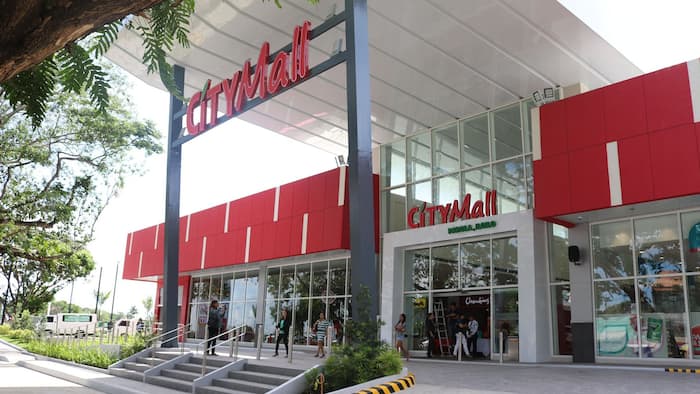
DoubleDragon’s priority is the construction of 100 shopping centers, each measuring 5,000 to 10,000 sq meters, by 2020. As of June, the company had secured 53 sites for these CityMalls, as it calls them, but built only eight.
Yet, even if some of the projects are behind schedule, its market capitalisation of 131.5bn pesos ($2.72bn) has eclipsed that of Robinsons Land — a unit of conglomerateJG Summit Holdings that has built 44 large shopping complexes and dozens of residential and office developments nationwide.
DoubleDragon is led by Edgar “Injap” Sia, a 39-year-old businessman from Visayas in the central Philippines. The self-made entrepreneur is best known locally as the founder of Mang Inasal, a fast-food company that specialises in grilled chicken.
When Mr Sia started his entrepreneurial journey about a decade ago, success was anything but a foregone conclusion. Born to a Chinese-Filipino-Japanese parents that own a grocery store in Roxas City in Visayas central Philippine region, Mr Sia dropped out of college to go into businesses. In 2003, he opened a grilled chicken eatery in the parking lot of a mall in Iloilo City, also in Visayas. Its chicken specialty, paired with unlimited rice, became a phenomenon, shaking up a fast-food market dominated by western-style fried chicken.
In 2005, Mr Sia established Mang Inasal as a franchise operation, creating the nation’s quickest-growing fast-food chain at the time.
An encounter with Tony Tan Caktiong, the founder of Jollibee Foods, the Philippines’ largest fast-food group, proved to be a key turning point. The two men share Chinese ethnicity and were both born in the Year of the Dragon in the Chinese lunar calendar, albeit 24 years apart. The “two dragons” opened a dialogue about the future of Mang Inasal.
Mr Sia’s business was becoming a threat to Jollibee. Mr Tan Caktiong offered to take control. In 2010, Mr Sia agreed to sell Jollibee a 70 per cent stake. This past April, he sold it the remaining 30 per cent. The transactions valued Mang Inasal at 5bn pesos.
From Mr Sia’s perspective, selling to Jollibee made sense on two levels. First, it would put Mang Inasal under the control of an experienced fast-food company that would nurture — rather than kill — his brand. Second, he needed the money to pursue his second dream: building a property and retail empire.
“I really like the [real estate] business, but it needs substantial resources,” Mr Sia said.
In late 2011, after Mr Sia relinquished management of Mang Inasal to Jollibee Foods, Mr Tan Caktiong approached him again. He, too, had been eyeing real estate. Sometime in 2012, the pair mapped out a plan to transform Injap Land, an Iloilo-based developer, into DoubleDragon, a nationwide player.
“We want to become one of the largest property companies in the Philippines,” Mr Sia said.
While clearly ambitious, Mr Sia is also pragmatic. Before the IPO, he accepted an offer from SM Investments — the Philippines’ largest conglomerate, owned by the Sy family — to acquire a 34 per cent stake in City Mall Commercial Centers, the entity that runs CityMalls under DoubleDragon.
This gave Mr Sia two powerful backers: Jollibee, a giant on the Asian fast-food scene; and SM Investments, which owns top Philippine lender BDO Unibank, mall developer SM Prime Holdings and retailer SM Retail.
All sides stand to benefit. Jollibee and SM Group see DoubleDragon and CityMalls as vehicles to tap provincial markets. As the principal shareholders of each company, Jollibee and SM will be priority tenants in the CityMalls.
The malls are “barely in Luzon and mostly in Visayas [and] Mindanao, which are exactly the under-penetrated regions where we think we would like to grow,” SM Group consultant Tim Daniels was quoted as saying in a local media report in 2014.
Mr Sia is avoiding Manila and broader Luzon, where more established players have secured land strategically. Instead, DoubleDragon plans to open 70 per cent of its branches in Visayas and Mindanao. To this end, he is taking advantage of know-how gleaned from the expansion of Mang Inasal. The fast-food chain now has about 450 locations, many in the same outlying areas where Mr Sia intends to build CityMalls.
He sees Mang Inasal as a barometer of local readiness for a modern shopping experience. Like the chicken restaurants, CityMalls will be situated in places with large concentrations of people — near transport terminals and markets, for example.
In October, a CityMall is set to open in the Mindanao city of Cotabato. The city is located west of Davao — the home town of Mr Duterte. Cotabato used to be a hotspot for terrorism and Muslim insurgents. “There are no SM or Robinsons malls there,” Mr Sia said, “but there has been Mang Inasal for eight years.”
Mr Sia is confident he has chosen the right target markets. “We strongly believe in the great potential of Visayas and Mindanao,” he said. “I personally had a very good first-hand business experience … in [the] Visayas and Mindanao areas during the expansion of Mang Inasal.” He added that the chain had “over 150 stores in Visayas and Mindanao in operation for several years.”
In 2015, Metro Manila’s annual economic growth rate of 6.6 per cent topped Luzon’s 5.4 per cent, Visayas’ 5.8 per cent and Mindanao’s 5.3 per cent. However, the Duterte government’s agenda for achieving “inclusive growth” is expected to brighten the prospects for rural regions. The president aims to preside over annual growth in the 7-8 per cent range for the next six years, with provinces making a greater contribution than in the past.
Since the Metro Manila market is maturing, established retail players are also eyeing opportunities in the provinces. Their strategies vary. SM Retail is building its own shops while tapping CityMalls to expand its network. Robinsons Retail Holdings and Puregold Price Club, the second and third-largest players, are in a race to acquire provincial retailers with a couple of branches.
Meanwhile, around 70 per cent of the retail sector remains informal, with myriad mom-and-pop shops. There are also independent provincial shopping centre operators running scattered locations in first-tier cities. Of the 145 cities in the Philippines as of June 30, a third were so-called “first class” municipalities, meaning they have annual revenues exceeding 400m pesos.
When it comes to creating a strategic network of shopping malls in the first-tier cities, Mr Sia hopes to be a step ahead. He envisions CityMalls as one-stop shops for daily errands. He said he did not intend to compete with bigger malls, where customers often spend the whole day on weekends, for dining, shopping and entertainment.
“The transition from the traditional unbranded fast food to modern fast food [was] already done in the Philippine provinces a decade ago,” Mr Sia said. “The transition from traditional retail to modern retail in the provincial areas has just started, and is expected to be completed in the next few years.” Mr Sia hopes to spearhead this new phase of retail industry through the expansion of CityMalls in the provinces
He continued: “That is the market where we are currently positioning CityMall, and once the transition cycle is done, CityMalls are poised to be the biggest beneficiary.”
Still, while the stock market is cheering Mr Sia’s strategy of focusing on Visayas and Mindanao, DoubleDragon does face its share of challenges.
Some analysts argue the company is overvalued, partly because most of its investors are retail investors, who tend to play up stocks. It was only in July last year that DoubleDragon managed to attract long-term institutional investors, and it may need to do more to improve its credibility with bigger funds.
“The price is not warranted at this time,” said Richard Laneda, an analyst at COL Financial in Manila.
The company’s first-half net income rose 16 per cent to 144m pesos, as revenue jumped 15 per cent to 706m pesos. It is targeting net income of 4.8bn pesos by 2020.
DoubleDragon’s price-earnings multiple is 100, higher than those of SM Prime andAyala Land, which are both trading at around 30, noted Luis Limlingan, managing director of Reginal Capital Development.
Mr Sia said analysts should look beyond that metric. “Clearly, our investors are not looking at the ‘now,’ they are looking at the next five, 10 or maybe 15-year horizon.”
Anton Alfonso, an analyst at RCBC Securities, warned that Visayas’ and Mindanao’s under-developed infrastructure could hamper DoubleDragon’s mall network build-up. Convenience store chains looking to expand there have faced similar challenges.
Despite some delays in branch openings, Mr Sia said the company was confident it would meet its targets. “We should be able to announce the next phase of our business in the next few years,” he said, adding that DoubleDragon is open to overseas opportunities as well.
To be sure, DoubleDragon has the Philippines’ consumption-driven growth going for it. Consumption generates two-thirds of the country’s gross domestic product, and projections indicate the economy should keep expanding by an average of over 6 per cent for the next six years on the back of steady remittances from overseas Filipino workers and a growing business process outsourcing industry.
Mr Sia is hardly the only new-generation entrepreneur looking to ride this wave. Steve Benitez, from the central Philippine island of Cebu, hopes to turn his Bo’s Coffee chain into the world’s next Starbucks. It currently has 60 domestic branches. Ben Chan, another self-made entrepreneur, is building an apparel company, Bench, and is taking it into other Southeast Asian countries and China.
Then there are the heirs who are taking the reins of their family businesses. In 2015, Puregold Price Club appointed the son of founder Lucio Co, Ferdinand Vincent, as chief executive. Puregold’s parent company, Cosco Capital, plans to compete with Mr Sia in the community mall segment.
Mr Sia believes the completion of the 100 CityMalls is just the beginning of his new empire — and a rock-solid foundation. “Once we complete that, our presence will be powerful, and the confidence in our company will be higher.”
In Southeast Asia huge family businesses, conglomerates and state-owned companies still dominate the region’s economies. While it remains to be seen whether Mr Sia will accomplish his ambitions, the new-generation entrepreneurs will be key in taking the region to its next stage of growth.
According to retail analyst IGD, the Philippines is one of the fastest-growing countries in Southeast Asia, with its GDP growth hitting 6.9% in the first quarter of 2016, and further strong expansion predicted on the back of robust domestic consumption, rapid urbanisation and rising wages. A young and increasingly skilled workforce also has a major part to play in the country’s growth.
The country’s newly elected president, Rodrigo Duterte, is expected to implement further economic reforms and provide a better business environment, through investments in infrastructure and the cutting of red tape.
From these factors, IGD projects that the grocery market, currently worth US$99bn, will see a 10% compound annual growth rate to reach US$157bn by 2020.
Similar to many developing countries, the Philippine grocery market is dominated by traditional trade. Modern retailing makes up around just 30%.
Yet the Philippines’ leading retailers have made extraordinary progress in transforming the country’s modern retail landscape. These have strong financial backing and entrepreneurial spirit, says Jenny Li, a senior retail analyst for IGD.
“SM Retail, Puregold and Robinsons Retail are the top three domestic players in the country. All of them are scaling up their footprints with significant store network expansion and consistent sales growth,” she said.
SM Retail, for instance, has opened 99 new stores in various formats in the past year; Puregold, with 305 stores across the country, has reported an impressive 20% increase in sales in the first quarter of 2016.
IGD’s latest report, “Philippines in Focus: Retail Landscape and Channel Outlook”, has identified a number of key trends driving the country’s retail channel development. Among others, building a diversified portfolio strategy has been successful for most leading retailers.
“Modern retailing in the Philippines started with hypermarkets and supermarkets; increasingly, however, retailers are embracing a multi-format strategy by building their presence in smaller formats and online channels,” said Li.
Source: IGD
“This enables them to create differentiated offers to target a broader audience, with unique demographic profiles and different shopping needs. Furthermore, emerging channels, such as convenience stores and e-commerce, are growing faster and are best placed to capitalise on the higher margins of discretionary spend categories.”
A subsidiary of the pan-Asian retail giant Dairy Farm, Rustan’s Philippines is the leader in premium retailing and is well-established to target upscale shoppers. Over the past few years, the company has been developing Wellcome, which follows a neighbourhood supermarket format and combines daily staple products with competitive pricing.
Meanwhile, Rustan’s convenience store network, created via a joint-venture with FamilyMart, is gaining popularity among busy office workers.
“It’s clear that the Philippine retail market presents great opportunities for future growth,” said Li.
“If you are looking to invest in Asia, or seeking to expand into new markets, the Philippines is one region to consider.”
However, she warns that success lies in the ability to build a solid understanding of the local market and establish strategic partnerships with local players, as well as provide relevant and flexible solutions to support retailers’ multichannel strategies.
Global food and grocery specialist IGD visited Manila during the May 2016 presidential elections. Here IGD’s senior retail analyst, Jenny Li, examines what is giving the country’s retail sector such a positive outlook.
The Philippines is one of the fastest growing countries in Southeast Asia, with its GDP growth hitting 6.9 per cent in the first quarter of 2016.
The country’s newly elected president, Rodrigo Duterte, is expected to implement further economic reforms and provide a better business environment through investments in infrastructure and cutting of red tape.
All these factors allow us to project that the grocery market in the Philippines, currently worth US$99 billion, will see a 10 per cent compound annual growth rate and reach US$157 billion by 2020.
Exciting times for modern retailers
Similar to many developing countries, the Philippine grocery market is dominated by traditional trade whilst modern retailing makes up around 30 per cent. Yet the Philippines’ leading retailers, those with strong financial backing and entrepreneurial spirit, have made extraordinary progress in transforming the country’s modern retail landscape.
SM Retail, Puregold and Robinsons Retail are the top three domestic players in the country. All of them are scaling up their footprint with significant store network expansion and consistent sales growth. SM Retail, for instance, opened 99 new stores in various formats in the past year; Puregold, another major retailer with 305 stores across the country, has reported an impressive 20 per cent increase in sales in the first quarter of 2016.
Multichannel as the winning formula
In IGD’s latest report “Philippines in Focus: Retail Landscape and Channel Outlook”, we’ve identified a number of key trends that are driving the country’s retail channel development. Among others, building a diversified portfolio is a notable growth strategy for most leading retailers.
Modern retailing in the Philippines started with hypermarkets and supermarkets, but increasingly retailers are embracing a multi-format strategy by building their presence in smaller formats and online channels. This enables them to create differentiated offers to target a broader audience, with unique demographic profiles and different shopping needs. Also, emerging channels such as convenience stores and eCommerce are growing faster and are best placed to capitalise on the higher margins of discretionary spend categories.
A subsidiary of the pan-Asian retail giant Dairy Farm, Rustan’s Philippines is the leader in premium retailing and it’s well established to target upscale shoppers. Over the past few years, the company has been developing Wellcome, a neighbourhood supermarket format combining daily staple products with competitive pricing. Meanwhile, its convenience store network, created via a joint venture with FamilyMart, is gaining popularity amongst busy office workers.
Further implications
It’s clear that the Philippine retail market presents great opportunities for future growth.
If you are looking to invest in Asia or seeking to expand to new markets, the Philippines is one region to consider. However, success lies in the ability to build a solid understanding of the local market and establish strategic partnerships with local players, as well as provide relevant and flexible solutions to support retailers’ multichannel strategies.
Jenny Li works in the Asia-Pacific team at IGD and is responsible for managing research programs and tracking the latest industry trends in Asia. She regularly travels across the region, gaining market insight from visiting new stores and meeting local retailers and suppliers.
Soon all SM’s retail-related businesses will come under a single umbrella company.
The planned SM Retail consolidation is expected to boost sales by 16.6 per cent to Php251 billion.
SM Investments Corp, Henry Sy’s holding company, said in an investor presentation that the merger of all retail-related businesses under SM Retail would ratchet up footprint and diversity in the group’s portfolio.
Aside from higher revenues, the combined merger will result in 1927 outlets and 2.4 million sqm of GFA across a diverse portfolio of food, household appliances, DIY, furniture, apparel, footwear, pharmaceuticals, cosmetics and specialty retailing stores.
Currently SM Retail has only 553 stores and 1.8 million sqm of GFA.
SM Investments is also expanding its minimart concept store Alfamart. While Alfamart is in the testing phase, it now has 126 branches mostly in provincial areas south of Metro Manila and in residential areas.
The conglomerate said the minimart concept was different to convenience store, as it offers supermarket pricing and ready-to-cook items versus ready-to-eat products.
Prior to the merger, SM Retail operates 53 SM department stores, 44 hypermarkets and 213 supermarkets and majority stakes in the local operations of Alfamart, Forever21, Crate & Barrel and other specialty and apparel retailers in addition to a minority stake in Uniqlo.
SM Retail brands include Ace Hardware, SM Appliance Center, Homeworld, Our Home, Toy Kingdom, Watsons, Kultura, Baby Company, Sports Station and several other specialty stores.
SM Retail is one of the leading retail companies in the Philippines, along with Robinsons Retail Holdings of the Gokongwei group and Puregold Price Club.
SM Retail sales grew across all operations – which consist of both SM Markets and The SM Store.
Total sales grew 8 per cent to P48.8 billion (US$1.0 billion) in the first quarter, while net income rose 16 per cent to P1.5 billion.
SM’s food retail business continued to expand, adding five new stores. At the end of March, SM Retail had 314 stores comprising 53 The SM Stores, 45 SM Supermarkets, 44 SM Hypermarkets, 140 Savemore and 32 WalterMart stores.
Two acquired Cherry Foodarama grocery stores are now fully operational inside SM Cherry malls in Shaw and Congressional Avenue.
SM earlier announced the merger of SM Retail with a group of specialty retail stores such as Ace Hardware, SM Appliance Center, Homeworld, Our Home, Toy Kingdom, Watsons, Kultura, Baby Company and Sports Central. The combined entity will have over 1900 outlets and 2.4 million sqm of GFA.
“We are pleased with SM’s strong underlying growth in the first quarter as consumer spending continued to be vibrant and sentiment about the Philippine economy remains strong. Our continuing efforts to improve efficiencies in all our businesses have also helped ensure solid earnings growth,” SM president Harley Sy said.
SM Investments posted a 12 per cent growth in recurring net income in the first quarter of 2016. Consolidated net income (including non-recurring items) stood at P7.0 billion for January to March, up 3.6 per cent from P6.7 billion year-on-year. Consolidated revenues grew 7 per cent to P69.8 billion for the first quarter.
SM Investments Corp (SM), the holding company of Philippine-based conglomerate SM Group of Companies, is merging its retail arm SM Retail Inc with related retail firms earning revenues up to $1 billion.
SM earlier disclosed that its board of directors approved the merger of SM Retail with companies operating leading local retail chains such as Ace Hardware, SM Appliance Center, Homeworld, Our Home, Toy Kingdom, Watsons, Kultura, Baby Company, Sports Station and several other specialty stores. Together they operate 1,374 outlets and in 2015 delivered total revenues of P53 billion.
SM is expected to own 77.3 per cent of the enlarged SM Retail.
The merger will complement the existing retail portfolio of SM Retail which includes 53 SM department stores, 44 hypermarkets and 213 supermarkets as well as majority stakes in the local operations of Alfamart, Forever21, Crate & Barrel and other specialty and apparel retailers in addition to a minority stake in Uniqlo.
The combined entity will have 1,927 outlets and 2.4 million sq m of gross floor area across a diverse portfolio of food, household appliances, DIY, furniture, apparel, footwear, pharmaceuticals/cosmetics and specialty retailing stores. The portfolio will serve a wide range of Filipino consumer needs in both staple and discretionary goods categories and will continue to leverage extensive synergies across the SM group.
SM president Harley Sy said, the move is similar to the consolidation the company undertook in 2013 to create its large-scale, mixed-use property business.
“The merger adds greater diversity and a more extensive footprint to SM Retail’s portfolio and is consistent with our goal of simplifying our corporate structure,” Sy said. “As a result, SM Retail will be even better positioned to address the growing needs of Filipino consumers and we expect the merger to be accretive to SM Retail earnings in future years.”
SM’s net income increased 13 per cent in 2015, while consolidated net income stood at P28.4 billion, posting the same level in 2014. Consolidated revenues grew 7 per cent to P295.9 billion for the period.
“Our strong underlying earnings growth in 2015 was due to favorable domestic market conditions and improved efficiencies which helped us widen our margins particularly in retail and property,” Sy noted.
SM’s underlying earnings increase was driven by a 17 per cent growth in retail earnings, 14 per cent growth in property recurring net income and 10 per cent growth in bank net income. For 2015, banks accounted for 40 per cent of SM’s consolidated earnings, property 38 per cent and retail 22 per cent.
SM’s last trading price decreased 2.96 per cent or P25 to close at P820.
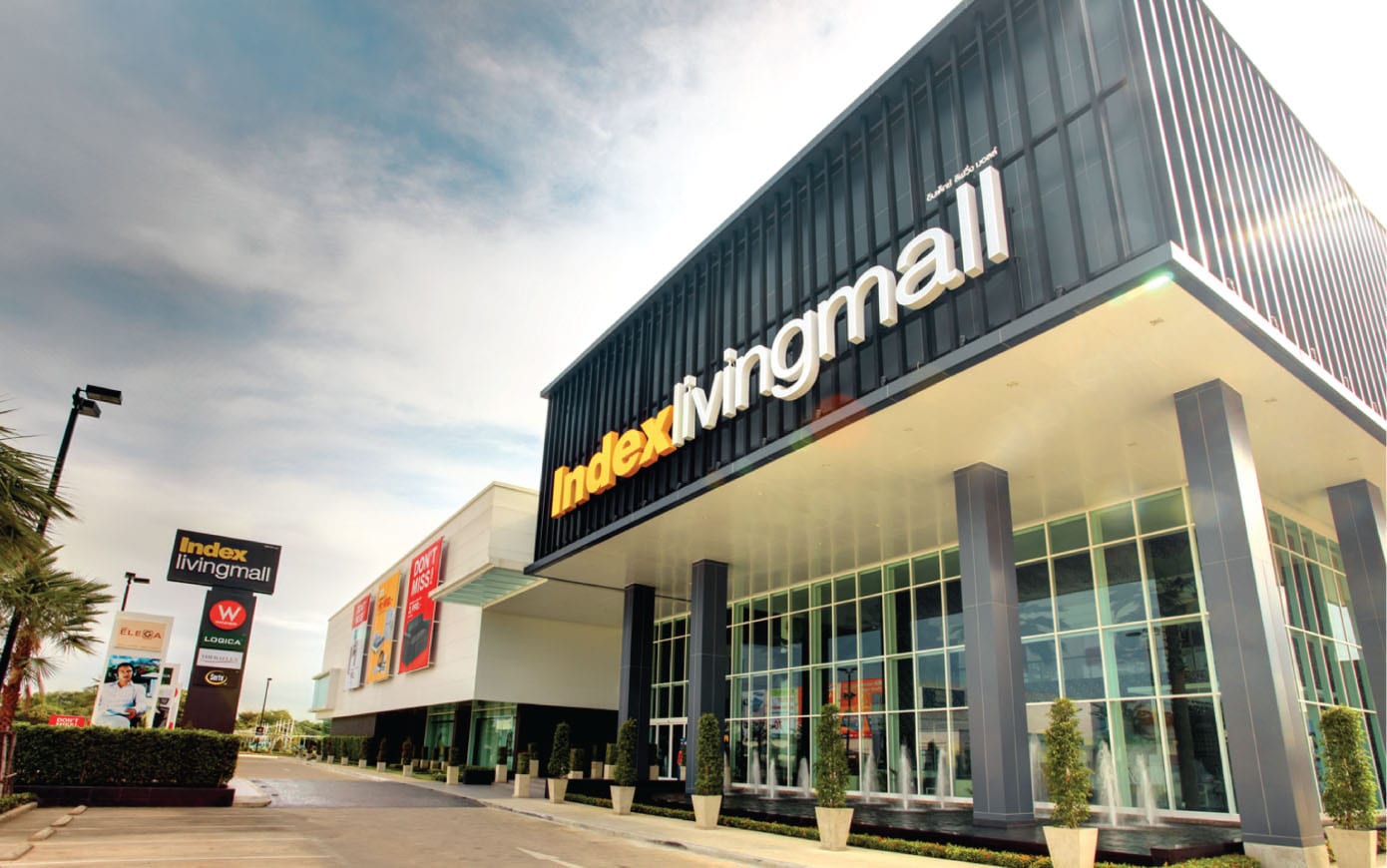
Home-furnishing retailer Index Living Mall has announced its 2020 vision to continue its push beyond Thailand into other ASEAN countries.
With franchised stores already trading in Malaysia, Thailand and Vietnam, the company believes the region’s urbanisation has shifted consumers toward a more modern lifestyle, including the way they buy and use home-furnishing products. It also notes a rise in the number of middle-income earners throughout the ASEAN Economic Community.
MD Kridchanok Patamasatayasonthi says the company aims to double the present 5 per cent contribution to its total revenue from AEC markets by 2020. The company’s total revenue of Bt9.5 billion (US$264.8 million) last year was 5 per cent up on 2014.
“Our market expansion through international franchisees is the result of growth in the home-furnishing and accessories sectors among ASEAN member countries,” says Kridchanok. “Other positive factors, including the bustling economic outlook, rising gross incomes and similar customer behaviour, helped accelerate our decision to look for investment opportunities in new markets.”
She says the company has appointed VinDS, the retail investment arm of Vietnamese commercial property developer Vingroup, as its franchisee to tap into the home-furnishing and accessories retail market in that country. The first Index Living Mall under that partnership had a soft opening last month in Ho Chi Minh City, occupying 7000 sqm in Vincom Mega Mall Thao Dien. Costing more than Bt200 million, the store is expected to achieve Bt350 million in sales in its first year.
Index Living Mall has had a store trading in Ho Chi Minh for more than four years, effectively testing the market. Now with VinDS it expects to open 10 more stores in major cities in Vietnam, including Ho Chi Minh, Hanoi and Da Nang, within five years.
“Economic growth indicators show that the Vietnamese retail market is number two in Asia, after only China,” says Kridchanok.
“During the first half of last year, the Vietnamese economy posted 6.28 per cent growth, the highest since 2008. With a population of 90 million, this will continue to grow, thanks to per capita income rising more than 10 per cent over the past decade.”
Kridchanok says it is expected that the number of Vietnamese earning a median income of 15 million dong ($673) a month will grow to 33 million by 2020.
Index Living Mall’s director for international business development Ekaridhi Patamasatayasonthi says the company’s venture into Vietnam highlights its marketing direction to tap into emerging CLMV (Cambodia, Laos, Myanmar and Vietnam) markets, aimed at strengthening its leadership position in the home-furnishings and accessories retail market in the ASEAN region.
Ekaridhi says the company plans to open store in Manila in September via a joint venture with SM Retail, a Philippine business conglomerate involved in shopping mall, property development, banking and retailing. Index Living Mall has a 30 per cent stake in the venture.
In Malaysia, Index Living Mall opened its first home-furnishing store in Putrajaya last year in a joint venture with AEON. Three more stores are planned for Malaysia this year – in Kuala Lumpur in March, Kota Bharu in April and Johor Bahru in the fourth quarter.
Ekaridhi says there are six franchised stores in five countries – Malaysia, Russia, Maldives, Nepal and Vietnam – as well as dealers in Laos and Myanmar. In its home country, the company has 25 stores in 17 provinces, of which nine are in Bangkok. It plans to invest Bt470 million this year to open two stores, in Nakhon Pathom and Chachoengsao.
Index Living Mall expects to post Bt10 billion in revenue this year and to grow its annual sales by 10 per cent over the next five years.
SM Retail of the Philippines has reported a 6.5 per cent increase in sales over the first nine months of the year to PHP145.3 billion (US$3.1 billion).
Profit rose 21 per cent to PHP4.6 billion (US$98.2 million).
Reviewing its operating divisions over the period, the company said its SM Food Retail Group (SM Markets) continued to expand in both urban and rural communities in various parts of Luzon, Visayas and Mindanao, adding 20 new stores, most of which are standalone Savemore stores.
From historically operating anchor stores based in malls, SM Markets now follows a multi-format growth strategy to address the lack of organised retail in many parts of the country.
SM Markets also recently invested in the minimart business with Alfamart, a successful minimart operator in Indonesia, and forged partnerships with WalterMart and Citymalls to further facilitate its provincial growth. Acquisition of existing chains of stores is another part of its growth strategy, the latest of which was the three stores of Cherry Foodarama.
The SM Store will maintain its strategy of growing as an anchor store in SM Malls which are targeting expansion in the provincial areas. The SM Store continues to be the leading player in the country’s department store business, enjoying a wide-reaching and loyal customer base. It competes by providing the widest assortment of products and services, complemented by well-designed stores.
As at the end of September, SM Retail had 294 stores, comprising 51 The SM Stores, 41 SM Supermarkets, 43 SM Hypermarkets, 130 Savemore stores and 29 WalterMart stores
In October 1958, SM, then known as Shoemart, was nothing but a lone store along Rizal Avenue in downtown Manila. Fifty-seven years later, it has become a part of the lives of millions of Filipinos across the country and abroad. And with more than half a century of retail experience under its belt, SM Retail once again received the Gold Award as the Philippines’ Top Retailer at the recently held Retail Asia-Pacific Top 500 Awards.
Each year, Retail Asia Publishing recognizes the largest and most outstanding retail companies in the 14 Asia-Pacific economies. Three retailers stand our from the pack and receive Gold, Silver and Bronze awards. SM Retail has consistently been a Gold recipient, while Puregold Price Club and Mercury Drug Corporation received the Silver and Bronze Awards, respectively.
Two other companies affiliated with the SM Group, Watsons Philippines and Ace Hardware also received Certificates of Distinction during the awarding ceremony.
SM Retail received the Gold Award as the Philippines’ Top Retailer during the recent Retail Asia-Pacific Top 500 Awards held recently at the Solaire Resort and Casino. Photo shows SM Retail Chairman Tessie Sy Coson receiving the award from Mr. Douglas Lawson, UnionPay International Southeast Asia’s Head of Regional Products. Each year, three top companies in 14 Asia Pacific economies receive Gold, Silver, and Bronze top retailing awards, with SM Retail consistently a Gold recipient. Two other companies affiliated with the SM Group, Watsons Philippines and ACE Hardware also received Certificates of Distinction during the evening.
Retail Asia Publisher Andrew Yeo commended the retailers that made it in the Retail Asia-Pacific Top 500 list for having “risen to the many challenges confronting the industry, reviewing and revamping their operation to provide seamless shopping experiences for today’s highly connected shoppers.”
Since its establishment, SM Store has undergone major transformations to serve a new generation of customers. SM Makati introduced the shop-in-shop concept wherein each category is designed and conceptualized like an individual boutique with its own look and feel.
Here, elements work together to create a bolder, more innovative kind of retail environment, which highlights and defines the merchandise, engaging the elite customer to experience a new sense of space.
Apart from the SM Store, SM’s Retail Group also has specialty store formats that serve niche markets by focusing on a wide selection of merchandise for each category. Part of this is the Food Retail Group, which recently unified its three formats – SM Supermarket, SM Hypermarket, and Savemore – under one brand name known as SM Markets to emphasize the group’s commitment to bring the same friendly service, wide selection, and great value across all its stores.
The Non-Food Group, on the other hand, has store formats including appliance stores, fashion discount and toy superstores, as well as Kultura Filipino, a showcase of the best Filipino products.
“You have not only proven yourselves to be adaptable and versatile, but also able to win and maintain the critical core value that all retailers must nurture in their drive to win and retain their customers – trust,” said Yeo.