Tag: SM

  • Global brands should grow in Philippines

    Global brands should grow in Philippines

    With retail rents still affordable compared to other Asia Pacific countries, the Philippines should be attracting more international brands, says a property analyst.

    This would further fuel the growth of the retail property market this year, says Jones Lang LaSalle Philippines (JLL) regional director Sheila Lobien, who is also the company’s head of project leasing markets.

    She says that while rental rates for ground-floor retail in the Philippines are rising because of high market demand, regionally the country is still the cheapest.

    “If you look at the rental rates in Asia Pacific, Manila is the cheapest. Hong Kong is the most expensive, Singapore may be in the middle and even Kuala Lumpur is twice as high as us,” says Lobien. “So the Philippines is still the cheapest, though the rental is already increasing for ground-floor space.”

    Based on JLL figures for 2015, Manila continues to offer the most affordable shopping centers in the region at US$555 a square meter per annum. In contrast, Hong Kong commands the most expensive retail rents at US$15,661 a square meter per annum.

    Rising incomes

    As well as the lower retail rates attracting more international brands, the rising income of Filipinos is also a magnet.

    “Almost all the big brands that are in Singapore, Hong Kong and even the US are now here,” says Lobien. “We see Forever21, H&M and all the other big brands. Even brands as prestigious as Apple are looking at the Philippines now.”

    According to Jones Lang Lasalle’s Global Cross Border Retailer Attractiveness Index 2016, Manila is classified as a growth retail city, ranking 29th on the list of 50 top cities attractive for retail.

    “Strong retail sales growth is driven by an expanding population, rapidly rising middle classes and fast-track urbanisation,” says JLL.

    Lobien says the Filipino consumer market is becoming more sophisticated and is being more exposed to what is happening abroad, as travelling has become less expensive. “We didn’t know those brands before. Nowadays, we are familiar with all the international brands and we’re looking for them in the Philippines.”

    International brands that have entered the Philippines lately include Fatburger, Morganfield’s, Sugar Factory, Tokyo Milk Cheese Factory and Vera Wang, says JLL.

    To enter the Philippine market, foreign brands need a local retail partner, says Lobien, citing SM, which has partnered with Forever21 and H&M. “There are a lot of others like the Bench Group, which has international brands also.”

  • Too many Philippine provincial malls, expert warns

    Too many Philippine provincial malls, expert warns

    There is not enough spending power to support the number of Philippine provincial malls being developed, warns a real estate expert.

    This follows a “fantastic” year for the property sector during which most major developers opened malls.

    “Retail has had an incredible expansion in route,” says CEO David Leechiu of Leechiu Property Consultants (LPC) has told The Manila Times.

    Ayala, DoubleDragon, Filinvest, Puregold, Robinsons, SM and Villar all opened malls in new sites, which Leechiu says is unprecedented.

    According to Colliers International Philippines, about 118,000 sqm of retail space was added to Metro Manila’s retail stock in the third quarter of last year, taking the total stock to 6.32 million sqm.

    For Metro Manila alone, total retail stock is forecast to rise by 7 per cent to 6.76 million sqm by the third quarter of this year, says Colliers. Meanwhile, retail vacancy levels have remained low at just 0.57 per cent.

    But Leechiu says it is a different story for the provincial retail market.

    “I think rents are softening because some areas might be ‘over-malled’ now,” he says. “The purchasing power is not there yet.”

    In particular, these Philippine provincial malls cater to the middle-income market. However, he believes the situation will be “very temporary’, with changes and improvements in two to three years’ time as purchasing power continues to grow.

  • SM founder Sy receives lifetime achievement award

    SM founder Sy receives lifetime achievement award

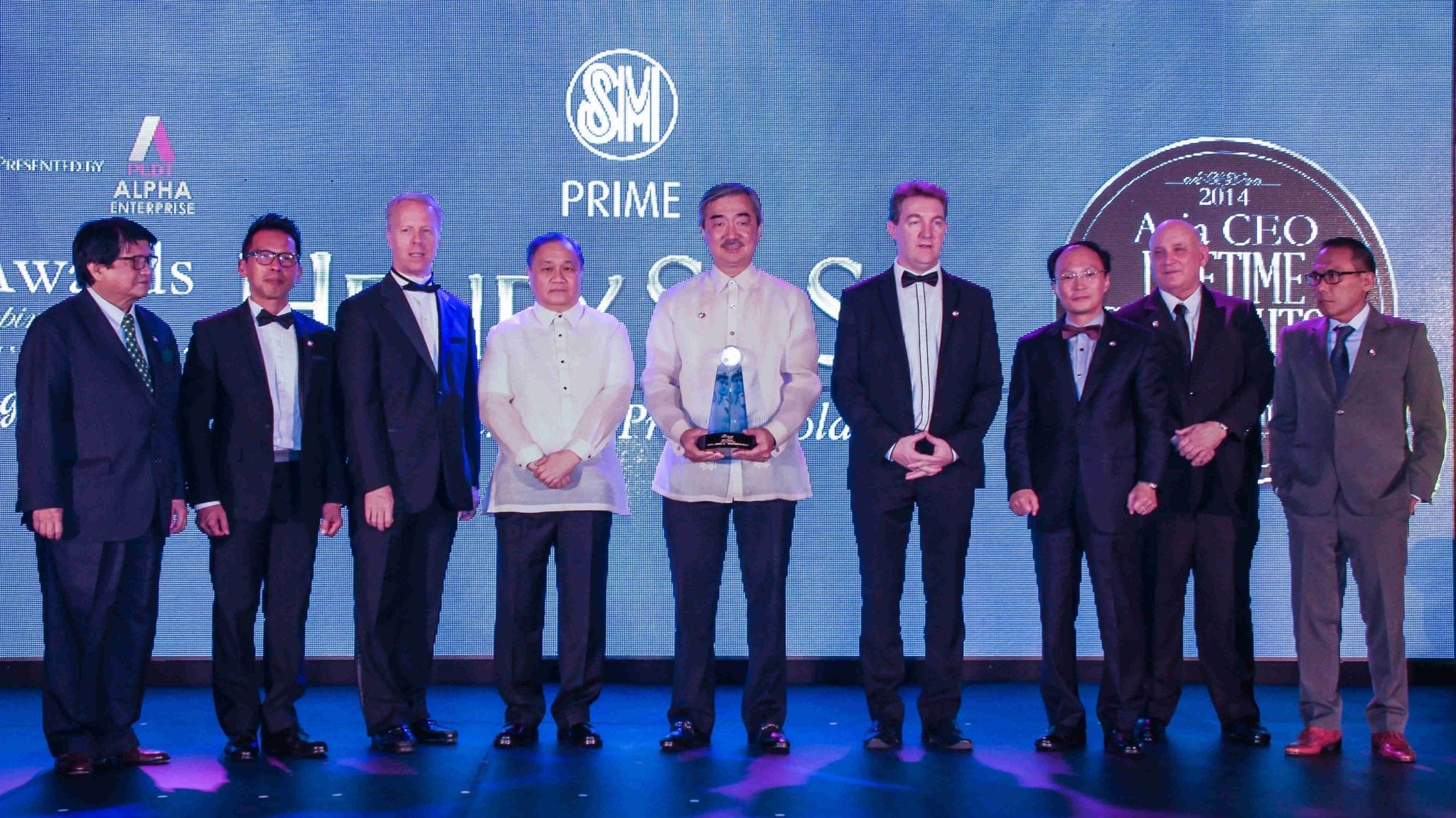
    Enterprise Asia, a non-governmental organization based in Malaysia that organizes the Asia Pacific Entrepreneurship Awards (APEA), honored retail pioneer Henry Sy, Sr. with a Lifetime Achievement Award last Dec. 1 at a ceremony held at the Dusit Thani Manila. Sy is the first and only Filipino to receive the Lifetime Achievement Award from Enterprise Asia, which is on its third year of organizing the awards in the Philippines.

    The APEA recognizes and honors business leaders who have shown outstanding performance and tenacity in developing successful businesses within the Asian region. The awards also aim to gather leading entrepreneurs across Asia to spur greater innovation, fair practices and growth in entrepreneurship. Today, the award covers Malaysia, Indonesia, Brunei, Singapore, Hong Kong, Thailand, India, China and the Philippines.

    “On behalf of Mr. Henry Sy, Sr. and his family, we thank Enterprise Asia for this honor and prestigious Lifetime Achievement Award,” Mr. Jose T. Sio, SM Investments Corporation (SM) executive vice president and chief finance officer said. Among the notable recipients of the Lifetime Achievement Award for the past 10 years were: Yeoh Tiong Lay, the founder of YTL Corporation, the largest conglomerate in Malaysia;Teh Hong Piow, the founder of Public Bank Berhad, one of the largest banks in Malaysia; Food magnate Sam Goi, chairman of Tee Yih Jia Group of Singapore; Ciputra of PT. Ciputra Group, one of the leading property developers in Indonesia;Mokhtar Riady, founder of the Lippo Group of Indonesia; and real estate magnate Hui Wing Mau of the Shimao Group of Hong Kong to name a few.

    Sy is the founding Chairman of SM. To many, he is the Father of Philippine Retail, having successfully built SM into a dominant player in the country’s retail industry with its highly progressive and innovative approach. Like his Chinese name predicted and with his vision, passion and hard work, Mr. Sy transformed Shoemart, from a humble shoe store, into SM, now a highly recognizable brand and icon with interests and presence in retail, banking, and property development. Enterprise Asia is a non-governmental organization dedicated to recognizing entrepreneurship development across the region.

  • SM Prime Holdings opens 60th mall

    SM Prime Holdings opens 60th mall

    An 80,000 sqm mall has been opened in eastern Metro Manila by Southeast Asian integrated property company SM Prime Holdings.

    As its 60th mall in the Philippines, SM City East Ortigas reinforces its commitment to continue expanding there given the economy’s strong performance, says SM Prime president Jeffrey C Lim.

    SM Prime’s malls in eastern Metro Manila include SM Megamall in Mandaluyong, SM Marikina and SM Center Pasig. It also has SM Angono, SM Masinag, SM San Mateo and SM Taytay in Rizal Province.

    sm-store

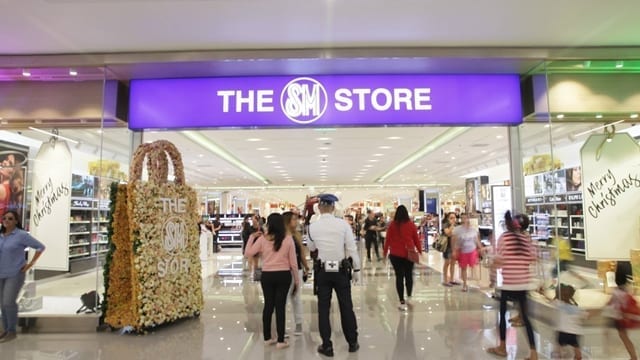
    SM City East Ortigas has opened with almost 80 per cent of its space leased out. The two-level mall houses SM’s flagship retail brands The SM Store and SM Supermarket, plus its specialty stores such as Ace Hardware, SM Appliance Center, Uniqlo and Watsons. It will also have a Cyberzone, wellness tenants, four digital cinemas and four Director’s Club cinemas, as well as dining destinations. There are 650 parking slots.

    SM Prime opened SM Cherry Congressional a year ago in Quezon City, as well as SM City San Jose Del Monte in Bulacan in April and SM City Trece Martires in Cavite in May.

    Of its 60 malls in the Philippines, 22 are in Metro Manila, 29 in Luzon, five in the Visayas and four in Mindanao. SM Prime also has six malls in China. SM Prime is also involved in residential development, leisure properties and hotels.

  • Bata: Shoemaker to the world

    Bata: Shoemaker to the world

    IT’S inevitable that the world’s first family in footwear, Bata, would partner with the Philippines’s premier retail family, the Sys of the SM Group.

    “First of all, their whole philosophy is business, their heritage coming from footwear. It’s particularly strong. Also, we have a friendship with the SM Group and the Sy family going on for some time. All these make them great partners, and we never hesitated. They were the only partner we were interested to work with in the Philippines,” Thomas Archer Bata said at the launch of the first Bata store in the Philippines, which can be found at the third floor of SM Megamall Building B.

    Ambassador; Bubblegummers; and Valtina Prima Ballerina

    The Bata Shoe Co., which is the biggest in the world, originated in Zlin, in what is now the Czech Republic, on September 21, 1894. It was founded by Tomás Bat’a. His son, Thomas J., propelled the company to greater profitability after suffering losses in World War II. The grandson, Thomas George, is currently in the management board with his sisters Christine, Monica and Rosemarie. Thomas Archer (who will be referred to as Mr. Bata from hereon in the article), the chief marketing officer, belongs to the fourth generation of cousins who add vigor and vitality to the company.

    Bata has 5,000 retail outlets in 70 countries. In Senegal, Rhodesia and Zimbabwe, Bata became the local name for shoes when in the 1950s, the company conquered the African continent. “Opportunities abound, everyone barefoot,” came one cable from a salesman to headquarters.

    It has a strong presence in Asia, particularly India. It also opened a factory in Thailand in the 1970s. But Bata’s entry into the Philippines came only recently. “To be completely honest, it’s because of legal reasons and legal complications related to our trademark here,” Mr. Bata bared. “It took many, many years to resolve. Fortunately, with the help of SM, we managed to resolve it and we’re back.”

    Mr. Bata, who strikes me as a mix of actors Chris O’Dowd and Aidan Quinn, is quite optimistic about his family’s prospects in the country. “We think our model and our proposal is very interesting. We think it’s fairly unique in the market today. We’re going to tread cautiously. We’re opening [between eight and 15 Bata stores in SM malls in Metro Manila], communicate and try to build our consumer base, teach people about our products. From there, we’ll see where we’re going to go.”

    The Bata business of “responsible capitalism” is guided by a “Moral Testament” left behind by its founder: The company should not be treated as a source of private wealth but, rather, as a public trust, a means of improving living standards within the community and providing customers with good value for their money.

    Bata prices curiously end in the digit 9. “Back over a hundred years ago, it was partially a marketing tactic to make the prices look even more affordable. It has been in our heritage and our blood ever since we started, and it’s just to emphasize the value [of our product],” Mr. Bata explained.

    The company has an “insistence on focusing on the local market not only as a matter of structure and strategy but, rather, as an essential aspect of the Bata brand and philosophy. Shoes always followed culture and climate.” Thus, the Weinbrenner sandals will be a hit for their tropical, outdoorsy appeal, in tune with the penchant of Filipinos who love flip-flops.

    By some quirk, towns with the company’s factories have the Bata name: Batanagar in India, Bataville in France, Bata-Kolonie in Switzerland, Batadorp in the Netherlands, Batapur in Pakistan, Borovo-Bata in Croatia and Batawa in Canada, a play on the capital Ottawa. If a factory were to be built here, it would most likely be in Batangas.

    “Never say never. You know, we have to see what opportunities come up. If we see the opportunity to produce shoes in the Philippines, it could happen,” Mr. Bata said of the possibility of Filipinos becoming “Batamen”, who are of every race, creed and nationality. A lot of the materials to produce the shoes come from Brazil. Italy is the source for premium products. Raw materials also come a little bit from China and India. These are the four main areas where Bata gets its materials from, depending on the shoes that you’re looking for.

    “We are very environment-friendly. Our factories on a yearly basis are audited for their sustainability. We manufacture our own shoes. We actually issue a Sustainability Report every year about the progress we’re making on reducing waste. We’re very lucky in so much, as our founder over a hundred years ago believed in sustainability, in producing as little waste as possible, and that exists till today. We always use environment-friendly materials, suppliers, recyclable papers in our boxes, to make as little negative impact on the environment as we can,” Mr. Bata assured.

    Bata has three creative teams, with the biggest one based in Italy. One is in Toronto, Canada and another in Singapore. “In the Philippines 50 percent of the products come from Italy, 30 percent from Singapore, 20 percent from Canada. Not all brands are here,” Mr. Bata said. “We’re bringing primarily Bata and a little bit of our other brands for the moment. We’re still very much in the learning stage for us, to see what the Filipino consumer likes the most before we commit to specific product ranges.”

    Are they open to designer collaborations? “Yes, absolutely. We’re interested to do that. We’re actually talking to potential partners in the Philippines to work on some collaborative projects.”

    What about celebrity endorsers? “It’s a possibility. We’ll see. We believe the best kind of endorsement is user experience and word-of-mouth. So we tend to focus on ‘loyalizing’ people who come to buy with us more than anything else. I won’t rule it out but for the time being, it’s not on the agenda.”

    Has the company learned that “bata” here means “child”? “Yes, I’ve heard that.” So is there a possibility to have a Bata Children’s Program here? “Very high probability. We actually intend to do that. It’s a big part of our legacy and it’s very important for our family. We have our own schools and, specifically, we focus on the education of young girls. So we’re actually planning and discussing this with SM, how we can roll this, especially in the rural communities in the Philippines.”

    Thomas J. Bata would often wear a different type of shoe on each foot as a way of constantly testing their products. At the launch, his grandson Thomas Archer wore a pair of leather brogues. “These are Bata shoes from our factory in India, in Calcutta. Very comfortable. It’s from the Ambassador line but not yet available in the Philippines, but they will be in a few weeks’ time,” Mr. Bata said with delight.

    Did you also learn how to make shoes? “Yes, I did. My holidays as a child were going to factories, making shoes and visiting stores. I’m lucky I grew up with shoes. I like shoes. Not everybody who grew up in the shoe business actually likes them!”
  • Double Dragon plans 100 CityMalls

    Double Dragon plans 100 CityMalls

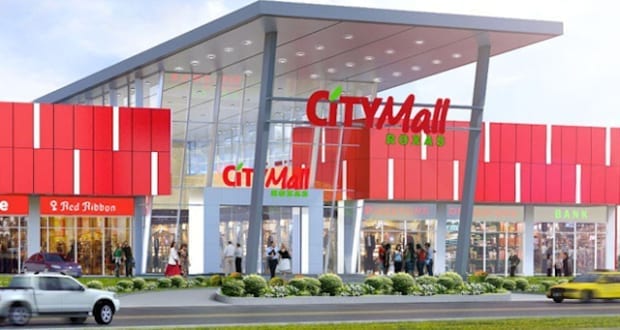
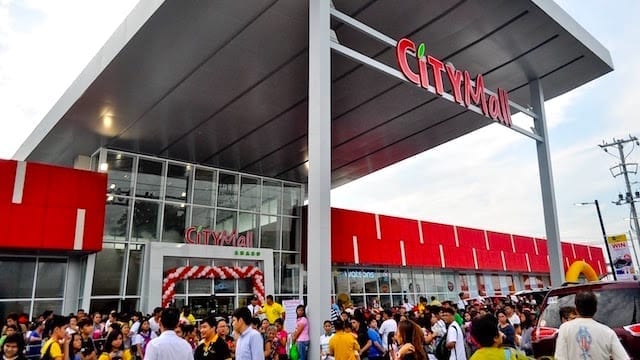
    Listed Philippine property developer Double Dragon plans to build a network of 100 neighbourhood style shopping malls across the Philippines by 2020.

    The  company has already opened eight CityMall centres and secured 53 sites to date. The new centres will range anywhere between 5000 sqm and 10,000 sqm.

    Last week DoubleDragon announced it was issuing P15 billion in retail bonds to fund the development of its projects next year.

    “The majority of the proceeds will be deployed in our projects within 2017 as by 2018, we expect to already have substantial rental revenues from our provincial community mall chain, CityMalls and our Metro Manila office projects such as Double Dragon Plaza in DD Meridian Park and Jollibee Tower in Ortigas CBD, both of which are expected to be completed within 2018,” Sia said.

    Listed back in April 2014, Double Dragon Properties, has increased its stock value 29-fold since then – it’s risen 140 per cent this year alone.

    CEO Edgar “Injap” Sia, 39, from Visayas, co-founded Double Dragon with Jollibee founder Tan Caktiong, who bought a controlling interest in Sia’s fast food chain Mang Inasal in 2010, acquiring the 30 per cent balance last April. Each deal was valued at 5 billion pesos.

    citymall-cavite

    In 2012, the two businessmen acquired an Iloilo-based property developer, turning it into Double Dragon and setting a course for a nationwide property group. Before the float, Sia accepted an offer from SM Investments to acquire a 34 per cent stake in City Mall Commercial Centers, which runs CityMalls on Double Dragon’s behalf. That gives fast food entity Jollibee a ready entry into regional markets – and SM Investments an interest in retail property outside the main cities in which it dominates with its larger-sized malls. As part of the broader SM group, CityMalls has a large, ready-made pool of potential tenants every time it opens a new facility- across food, hardware, health & beauty, grocery retailing and fashion, among other categories.

    About 70 of the 100 malls planned initially will be built in the Visayas and Mindanao. The next scheduled to open – in October – will be at Cotabato in Mindanao, west of Davao and a location where neither Robinsons or SM have yet opened shopping centres.

    One of those is at the 116ha Northtown residential complex being developed by Alsons Development and Investment in the northeastern part of Davao.

    Sia said the mall, expected to be completed by the end of 2017, will anchor the residential development, serving residents and locals.

    “We can clearly see the vision behind Northtown to soon become one of the most vibrant areas in Davao City,” he said.

    CityMalls are positioned in the market as one-stop shops for daily purchases – not destinations to spend a day shopping, watching movies and eating with family or friends. Sia does not aim to compete with larger regional malls, the likes of which SM is rolling out across urban areas nationwide.

    Sia is also considering opportunities outside the Philippines long-term, as well as more locations at home.

    “Once we complete [100 malls], our presence will be powerful, and the confidence in our company will be higher,” he said in a recent interview.

    *Image: Louisechelle

  • Bo’s Coffee Philippines eyes expansion abroad

    Bo’s Coffee Philippines eyes expansion abroad

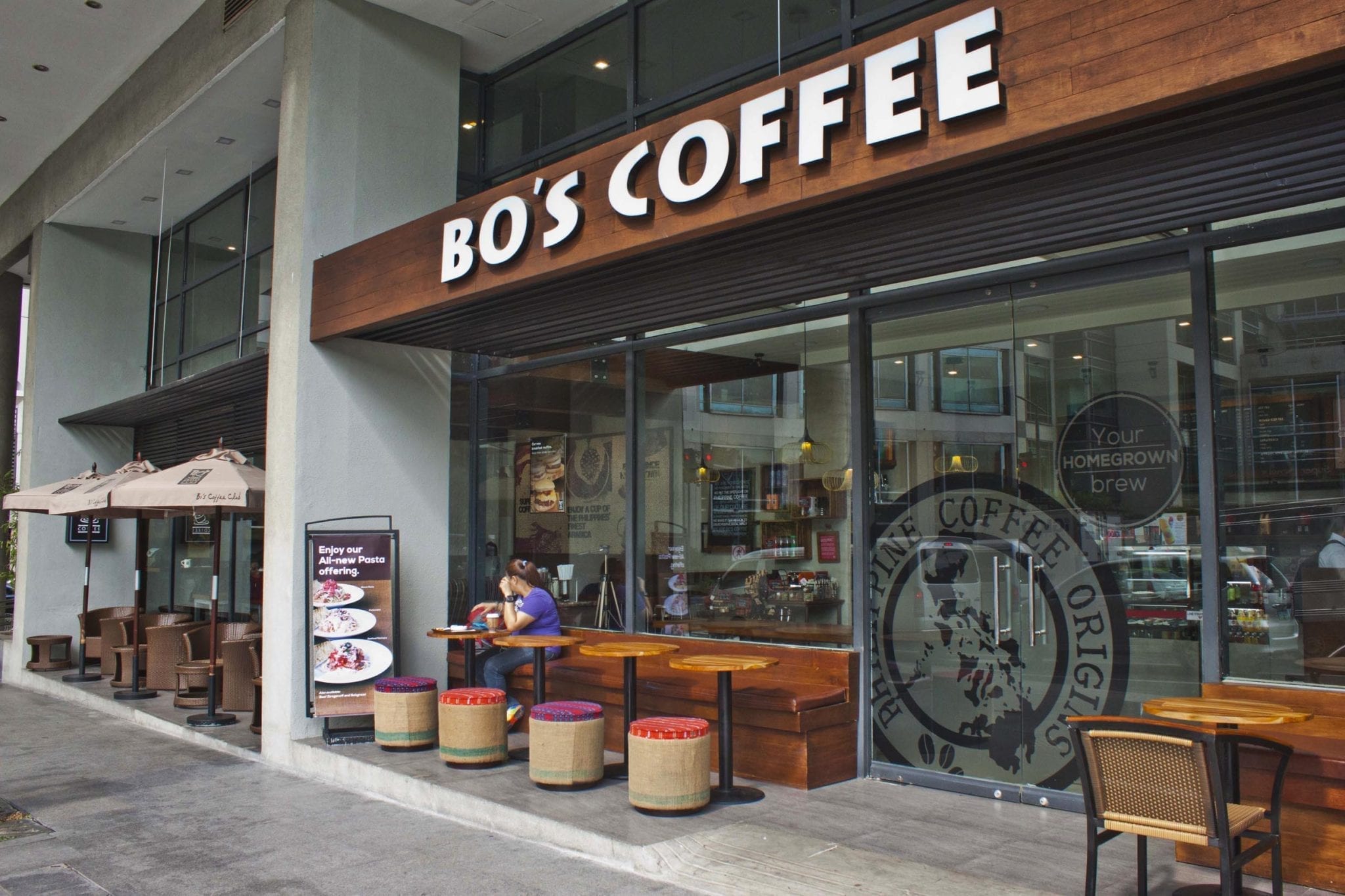
    Bo’s Coffee Philippines is set to expand its network of 80 stores abroad.

    “We will be opening a franchise abroad by the end of this year. Further details of which will be announced in the fourth quarter of this year,” says CEO and founder Steve Benitez

    Celebrating its 20th anniversary this year, Bo’s Coffee aims to open 100 stores in the Philippines.

    Recently Benitez was named global difference maker and high-impact entrepreneur by Endeavor Philippines, as he aims to make the company succeed in the global market, “bringing with him his pride for coffee, culture and country”.

    Benitez, who studied coffee preparation through seminars and conferences in the US, Europe and Asia, first opened an espresso bar at Ayala Center Cebu in 1996. He called his first standalone store ‘Coffee Club’. He later changed it to ‘Bo’s Coffee Club’, named after an Italian-American called ‘Bo’ at an exhibit in New Orleans. Benitez said Bo’s passion for coffee and commitment to quality helped shape the company culture.

    In 2001 a Cebu flagship store opened at Ayala Food & Entertainment Center and the first franchise store opened at SM City Davao. Bo’s Coffee expanded into Visayas and Luzon in the succeeding years.

    “Bo’s Coffee’s premium Philippine Coffee Origins are carefully-handpicked, single-origin beans that reflect the proud tradition of coffee growing in the Philippines. Each cup honors its source and heritage. Each cup offers great-tasting coffee from the motherland, as unique as the place from where it comes from,” says Benitez.

    “In terms of food, we offer a diverse menu of Filipino flavours such as longganisa from Vigan, smoked bangus from Sarangani. Our diverse menu, from our all-day breakfast to our dessert line, all aim to provide comfort to our sentimental taste buds, and highlight the unique flavors the Philippines has to offer,” he adds.

  • SM Seaside City Cebu recognized in ULI Philippine Healthy Places Awards

    SM Seaside City Cebu recognized in ULI Philippine Healthy Places Awards

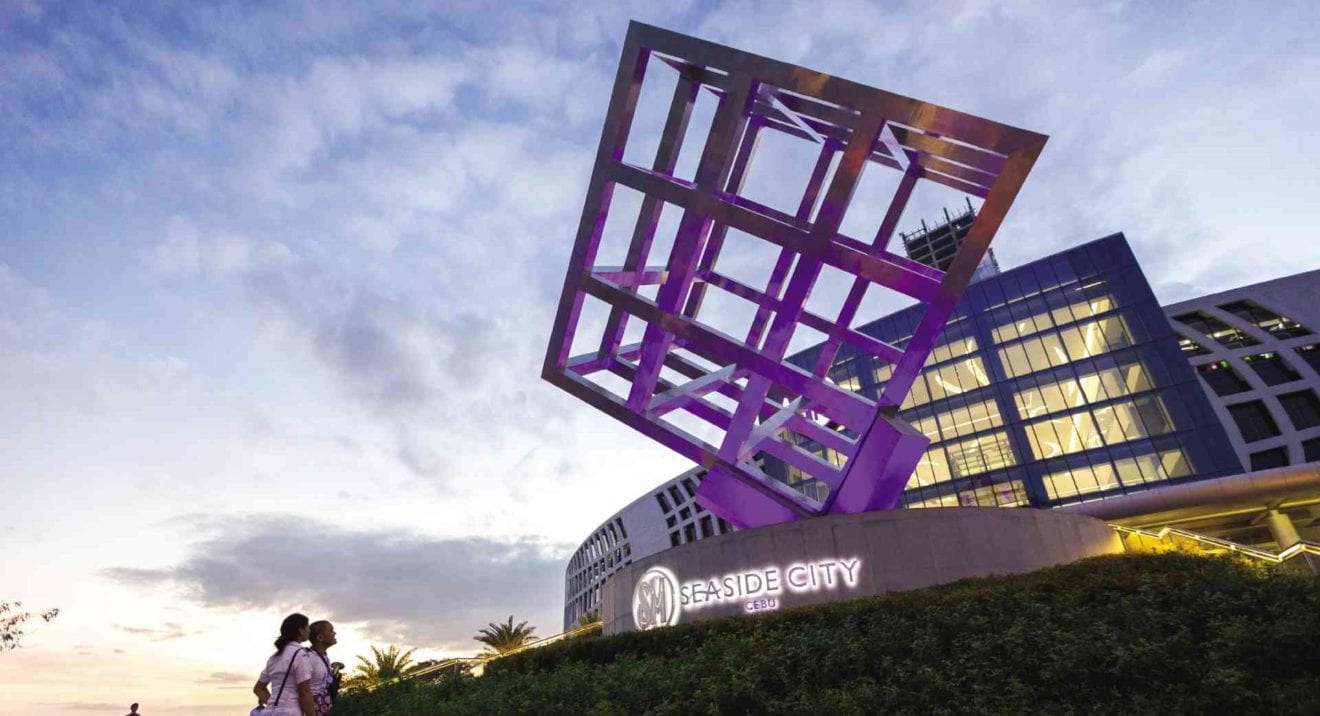
    SM Prime’s SM Seaside City Cebu was recognized recently by the Urban Land Institute (ULI) Philippines Building Healthy Places Awards in the Commercial-Retail category.

    Building Healthy Places Awards recognize outstanding and innovative projects that add value to the community, promote healthy life choices and enhance the environment.

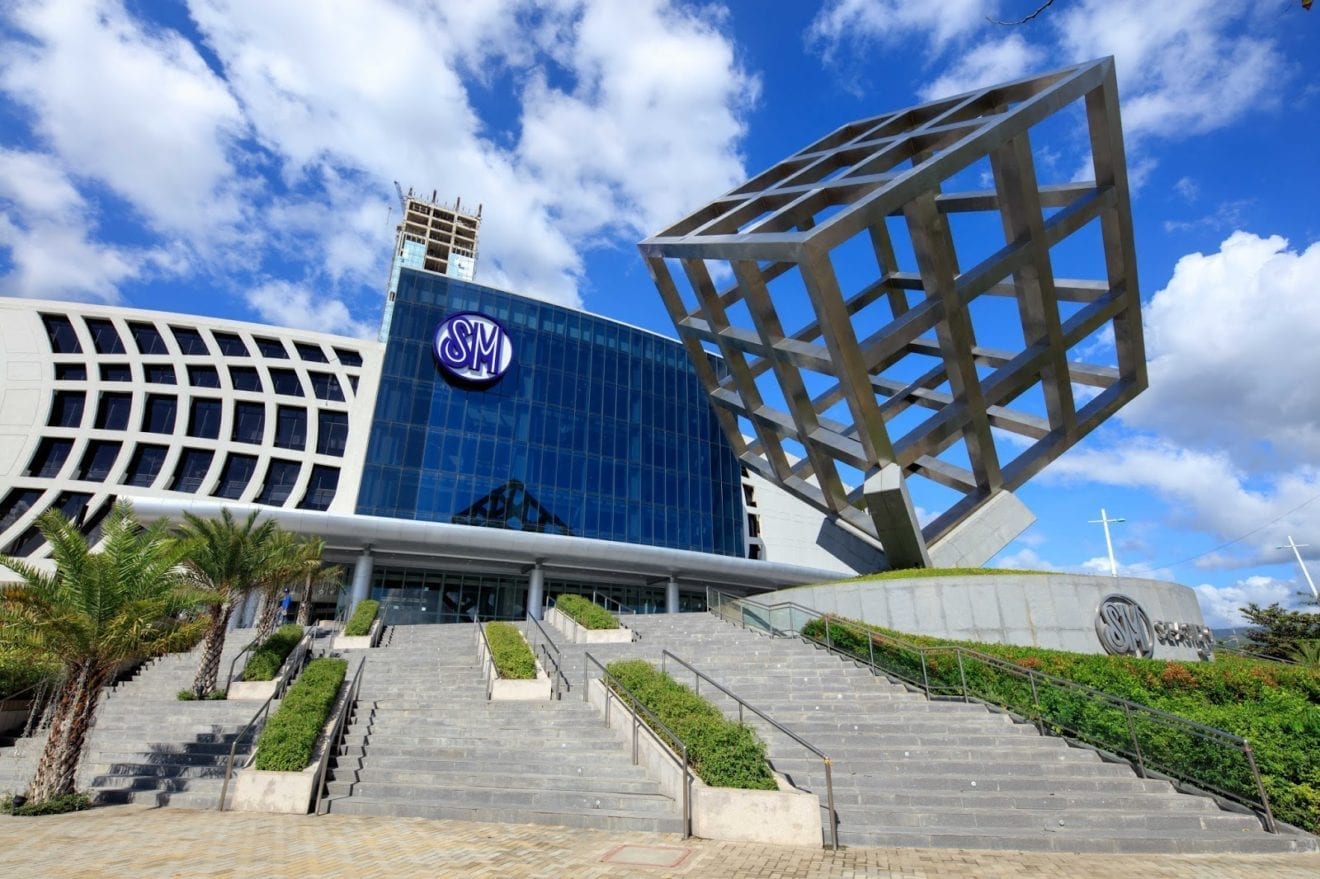
    SM Seaside City Cebu is the center of a future 30-hectare mixed-use masterplan which will hold office, residential, and hospitality components. It provides not only convenient retail, food and beverage outlets, services, and leisure activities, but also public transport access, outdoor roof-gardens, and a green inner courtyard in which social and communal activities can take place.

    The mall holds outlets for several physical and leisure activities, such as fitness centers, bowling-lanes and ice-skating. It also contains medical clinics, health-food outlets, drug-stores and spas. Outdoor playgrounds and water-playgrounds in the roof-garden provide physical outlets for kids, while a perimeter jogging path allows visitors, workers, and residents to stay fit.

    Aside from the mall’s content, its architecture aim to promote human interaction in the mall, which is considered critical to its success. SM Seaside City Cebu is not just a place to shop; it is designed to be the social hub of the local community, and the architecture aims to reflect this role, with its grand entrances, central courtyard, and sweeping gardens.

  • SM Prime’s P10B Retail Bonds Priced at 4.2005%

    SM Prime’s P10B Retail Bonds Priced at 4.2005%

    SM Prime Holdings, Inc. has set the interest rate for its Peso-denominated Series F, 10-year retail bonds at 4.2005% per annum.

    SM Prime will issue an aggregate principal amount of Php10.0 billion of the Series F bonds, which will be offered to investors through underwriters from July 13 to 19, 2016.

    The retail bonds will be issued on July 26, 2016. According to the underwriters, SM Prime received a strong demand for the retail bonds.

    The SM Prime bonds have been rated PRS Aaa by Philippine Rating Services Corporation (PhilRatings), the highest rating assigned by PhilRatings.

    Obligations rated PRS Aaa are of the highest quality with minimal credit risk, and denotes that the Issuer’s repayment capacity is extremely strong.

    This series of SM Prime bonds is the third offering of Peso-denominated retail bonds to the public.

    “The retail bond to be issued will sustain SM Prime’s development roadmap, which is geared towards provincial expansions mostly allotted on malls and offices developments. We remain optimistic on the huge growth potential in the provinces where large areas remain unserved.” SM Prime President Hans T. Sy said.

    The SM Prime bonds’ joint issue managers, joint lead underwriters and joint bookrunners are BDO Capital & Investment Corporation, BPI Capital Corporation, China Bank Capital Corporation and First Metro Investment Corporation.

    East West Banking Corporation, PNB Capital and Investment Corporation and United Coconut Planters Bank are participating underwriters for the bond issue.

    SM Prime remains committed to its role as a catalyst for economic growth, delivering innovative and sustainable lifestyle cities, thereby enriching the quality of life of millions of people.

    SM Prime Holdings, Inc’s stock was up 3.89% in today’s trading at the Philippine Stock Exchange.

    SPMH ended the day with a trade price of P29.40 a share, up P1.10 from the previous day’s trading.

    A total of 41 million SMPH shares, with a total value of P1.19 billion, exchanged hand today.

  • Hans Sy Semi Retirement Announcement

    Hans Sy Semi Retirement Announcement

    SM Prime CEO, Hans Sy, has announced a semi-retirement.

    Sy has also served as SM Prime’s president since 2004, while holding key positions in SM subsidiaries and affiliates.

    Teresita Sy-Coson, vice chairperson of SM Investments – parent company of SM Prime, said Sy “wants to have more free time for himself and his organization is developed enough to take on many of his responsibilities.”

    Jeffrey Lim, who served as SM Prime executive VP and SM Development Corp president, will take Sy’s position.

    Sy has grown SM Prime into the biggest mall and integrated property developer in the Philippines and one of the biggest in Southeast Asia. The company now has 58 malls in the country and six in China.

  • SM Retail consolidation set

    SM Retail consolidation set

    Soon all SM’s retail-related businesses will come under a single umbrella company.

    The planned SM Retail consolidation is expected to boost sales by 16.6 per cent to Php251 billion.

    SM Investments Corp, Henry Sy’s holding company, said in an investor presentation that the merger of all retail-related businesses under SM Retail would ratchet up footprint and diversity in the group’s portfolio.

    Aside from higher revenues, the combined merger will result in 1927 outlets and 2.4 million sqm of GFA across a diverse portfolio of food, household appliances, DIY, furniture, apparel, footwear, pharmaceuticals, cosmetics and specialty retailing stores.

    Currently SM Retail has only 553 stores and 1.8 million sqm of GFA.

    SM Investments is also expanding its minimart concept store Alfamart. While Alfamart is in the testing phase, it now has 126 branches mostly in provincial areas south of Metro Manila and in residential areas.

    The conglomerate said the minimart concept was different to convenience store, as it offers supermarket pricing and ready-to-cook items versus ready-to-eat products.

    Prior to the merger, SM Retail operates 53 SM department stores, 44 hypermarkets and 213 supermarkets and majority stakes in the local operations of Alfamart, Forever21, Crate & Barrel and other specialty and apparel retailers in addition to a minority stake in Uniqlo.

    SM Retail brands include Ace Hardware, SM Appliance Center, Homeworld, Our Home, Toy Kingdom, Watsons, Kultura, Baby Company, Sports Station and several other specialty stores.

    SM Retail is one of the leading retail companies in the Philippines, along with Robinsons Retail Holdings of the Gokongwei group and Puregold Price Club.

  • Major revamp for SM Mall of Asia

    Major revamp for SM Mall of Asia

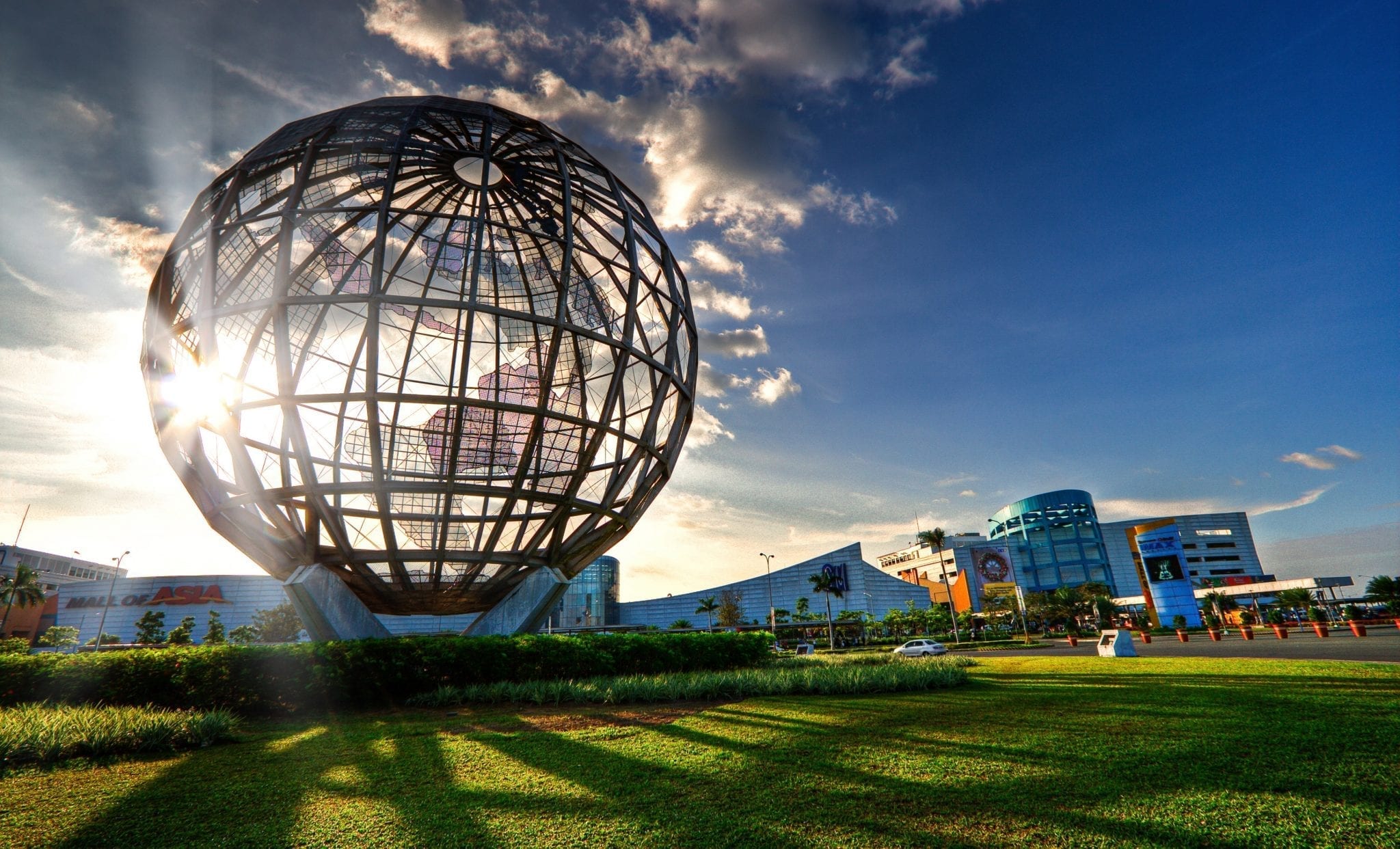
    SM Mall of Asia is set to revolutionize its look 10 years after it opened in Manila Bay.

    The Philippines’ biggest mall will soon house a FIFA World Cup-size soccer field on the mall’s roof deck and a botanical garden. Miami-based firm Arquitectonica will design these.

    By the end of the year, an Olympic-size skating rink will also open on the third floor.

    Designer furniture will deck a new food hall, in tune with the mall’s modern look.The mall will also adopt a “warmer” look and feel, according to Steven Tan, senior VP for SM Supermalls, with the interior to feature new colour scheme and wooden panelling.

    According to Tan, SM Prime president Hans Sy told the design team to give the mall a “wow” factor.

    “I’ve seen the perspectives, and the view from up there will be breathtaking. There will be an unobstructed view of the sea and it is beautiful,” Tan said.

    SM Mall of Asia has 700 tenants and has an occupancy rate of between 98 per cent and 100 per cent. This has prompted the company to undertake the redevelopment in phases.

    Conrad Manila, SM Prime’s deluxe hotel brand, is set to open in June with a new retail podium called S’Maison which will house unique concept stores as well as luxury retail stores, fine dining restaurants and state-of-the-art cinemas.

    New brands are also set to come in including Swedish clothing giant H&M which is slated to introduce a 3000 sqm flagship store.

    SM-MOA

    Recently the mall unveiled a 2.7 megawatt “solar car park” in partnership with Solar Philippines, which is nearly twice the size of the 1.5 MW SM North Edsa solar car park. Comprising 10,426 solar panels and 40 inverters, it supplies nearly 20 per cent of the mall’s power needs.

    In another development, the Manila-Acapulco Galleon Museum is taking shape to feature the history of the 250-year old global trade route where the Philippines and Mexico played major roles. The museum will highlight the galleon trade’s impact on today’s commerce, banking, travel, and cultural exchange.

    SM and SM Prime chairman, Henry Sy, who once called this mall the greatest project of his life, had a vision to build one of the largest malls in Asia which will not just be a shopping complex but a premier destination.

    “The mall will be a major Asia Pacific destination,” Sy said at that time.

    SM Mall of Asia opened in May 2006 as the flagship development of SM on 60ha of reclaimed land in Pasay City. The mall introduced the first Olympic-size skating rink and the first Imax theatre in the country.

  • SM Retail sales boosted

    SM Retail sales boosted

    SM Retail sales grew across all operations – which consist of both SM Markets and The SM Store.

    Total sales grew 8 per cent to P48.8 billion (US$1.0 billion) in the first quarter, while net income rose 16 per cent  to P1.5 billion.

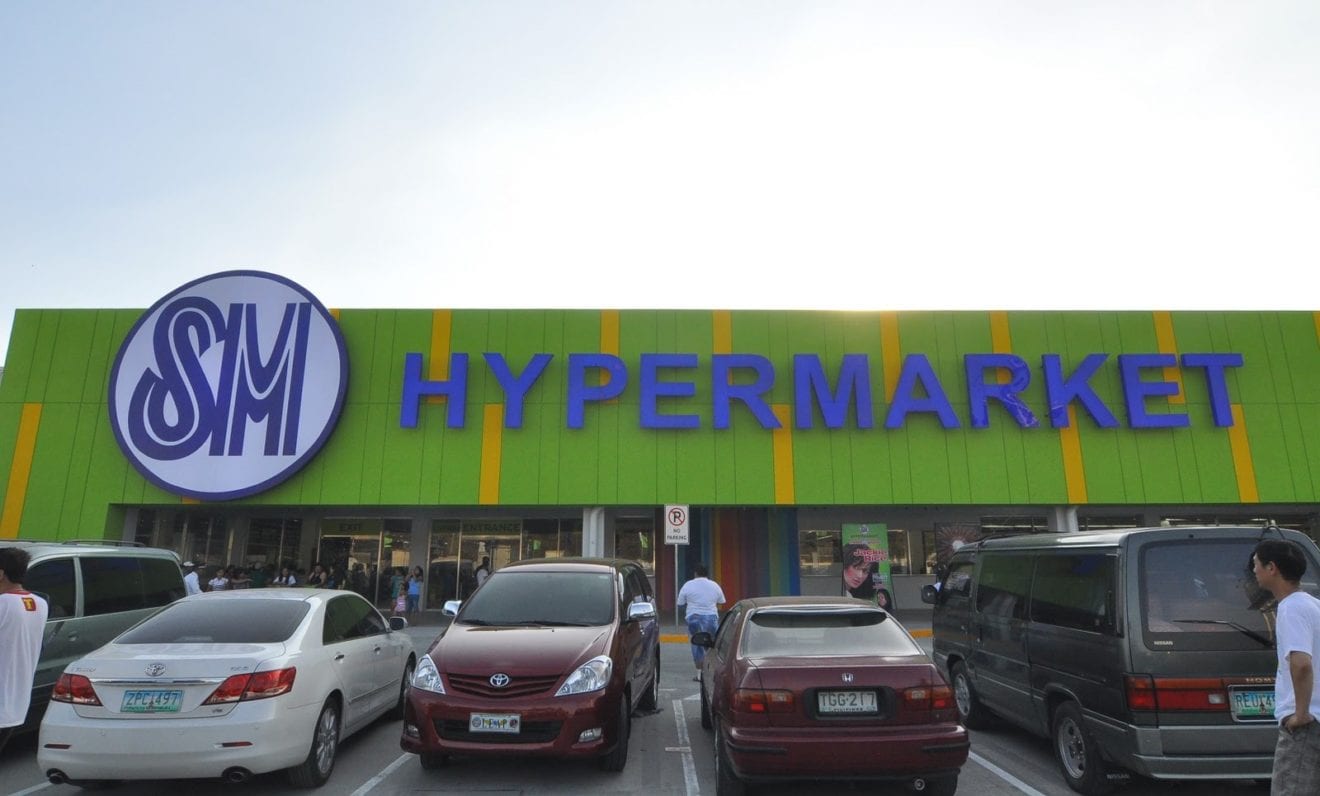
    SM’s food retail business continued to expand, adding five new stores. At the end of March, SM Retail had 314 stores comprising 53 The SM Stores, 45 SM Supermarkets, 44 SM Hypermarkets, 140 Savemore and 32 WalterMart stores.

    Two acquired Cherry Foodarama grocery stores are now fully operational inside SM Cherry malls in Shaw and Congressional Avenue.

    SM earlier announced the merger of SM Retail with a group of specialty retail stores such as Ace Hardware, SM Appliance Center, Homeworld, Our Home, Toy Kingdom, Watsons, Kultura, Baby Company and Sports Central. The combined entity will have over 1900 outlets and 2.4 million sqm of GFA.

    “We are pleased with SM’s strong underlying growth in the first quarter as consumer spending continued to be vibrant and sentiment about the Philippine economy remains strong. Our continuing efforts to improve efficiencies in all our businesses have also helped ensure solid earnings growth,” SM president Harley Sy said.

    SM Investments posted a 12 per cent growth in recurring net income in the first quarter of 2016. Consolidated net income (including non-recurring items) stood at P7.0 billion for January to March, up 3.6 per cent from P6.7 billion year-on-year. Consolidated revenues grew 7 per cent to P69.8 billion for the first quarter.

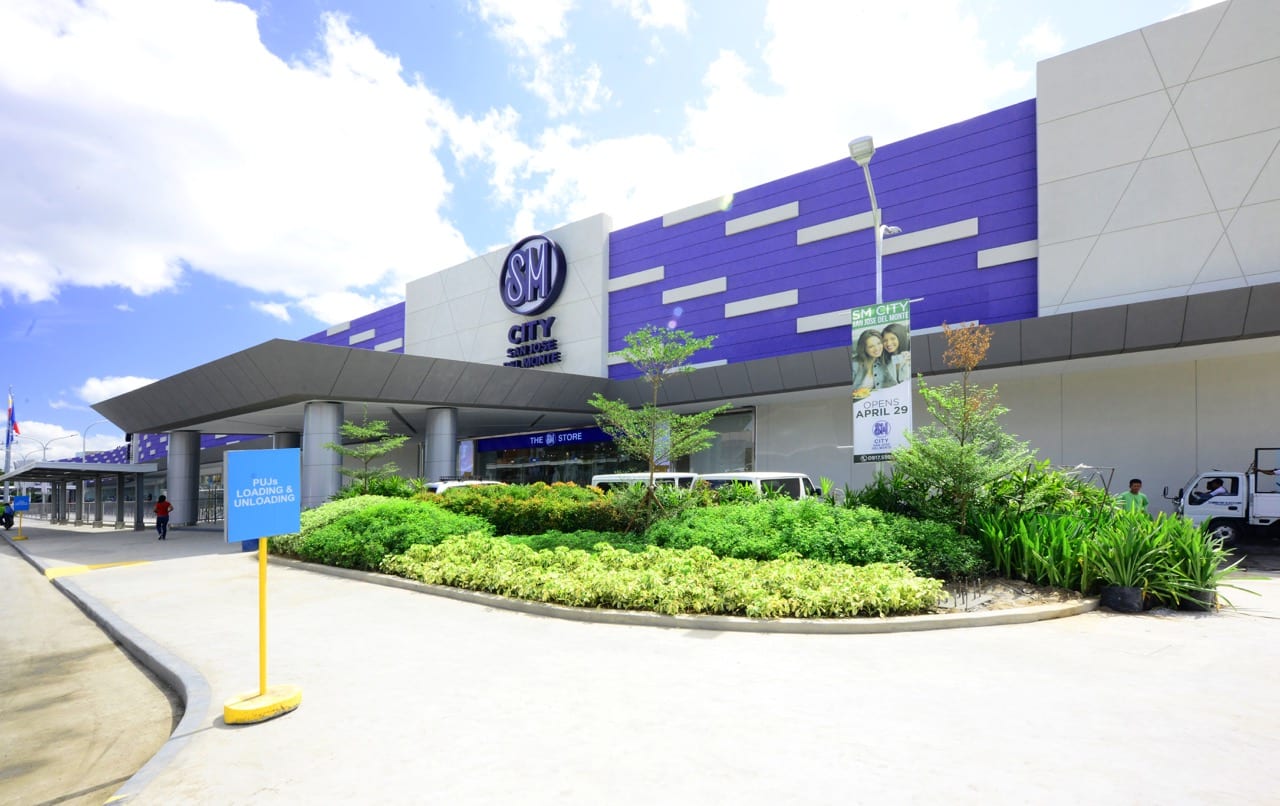
  • SM City San Jose opening brings SM malls to 57

    SM City San Jose opening brings SM malls to 57

    SM Prime is opening its 57th mall in the Philippines.

    SM City San Jose Del Monte will open today. It is the third in the province of Bulacan after SM City Baliwag and SM City Marilao.

    The new mall will add 101,000 sqm in gross floor area to the total floorplate of SM Prime, SM Prime, the country’s largest integrated property company. Total retail space will add up to 7.4 million sqm, the largest footprint in the country.

    “We continue to expand in the provincial areas as we remain optimistic about their huge potential for growth. The opening of SM City San Jose Del Monte in Bulacan is a testament to this strategic direction as we remain steadfast in developing premier destinations around the country,” SM Prime President Hans Sy said.

    San Jose Del Monte is a second-tier city with predominantly middle income households, of which, 62 per cent have family members that are OFWs. The city contributes to one of the fastest growing residential and commercial hubs in the Northern Gateway of Metro Manila, covering 59 barangays and a population of almost 500,000 based on the 2010 census.

    SM City San Jose Del Monte opens with 70 per cent of space lease-awarded occupying its three floors with retail stores, dining outlets, recreation and entertainment facilities, and service centers topped with commendable architectural design making it the newest vibrant urban hub in the north of Metro Manila.

    The prime spaces are allocated to local and international retail brands, food outlets and anchor tenants such as The SM Store, SM Supermarket, SM Appliance Center, Ace Hardware, BDO, Surplus, Watsons and SM Cinema with four state-of-the-art cinemas.

    By the end of 2016, SM Prime is targeting to have 61 malls in the Philippines and six in China with an estimated combined GFA of 8.6 million sqm.

  • SM Mall of Asia to build museum

    SM Mall of Asia to build museum

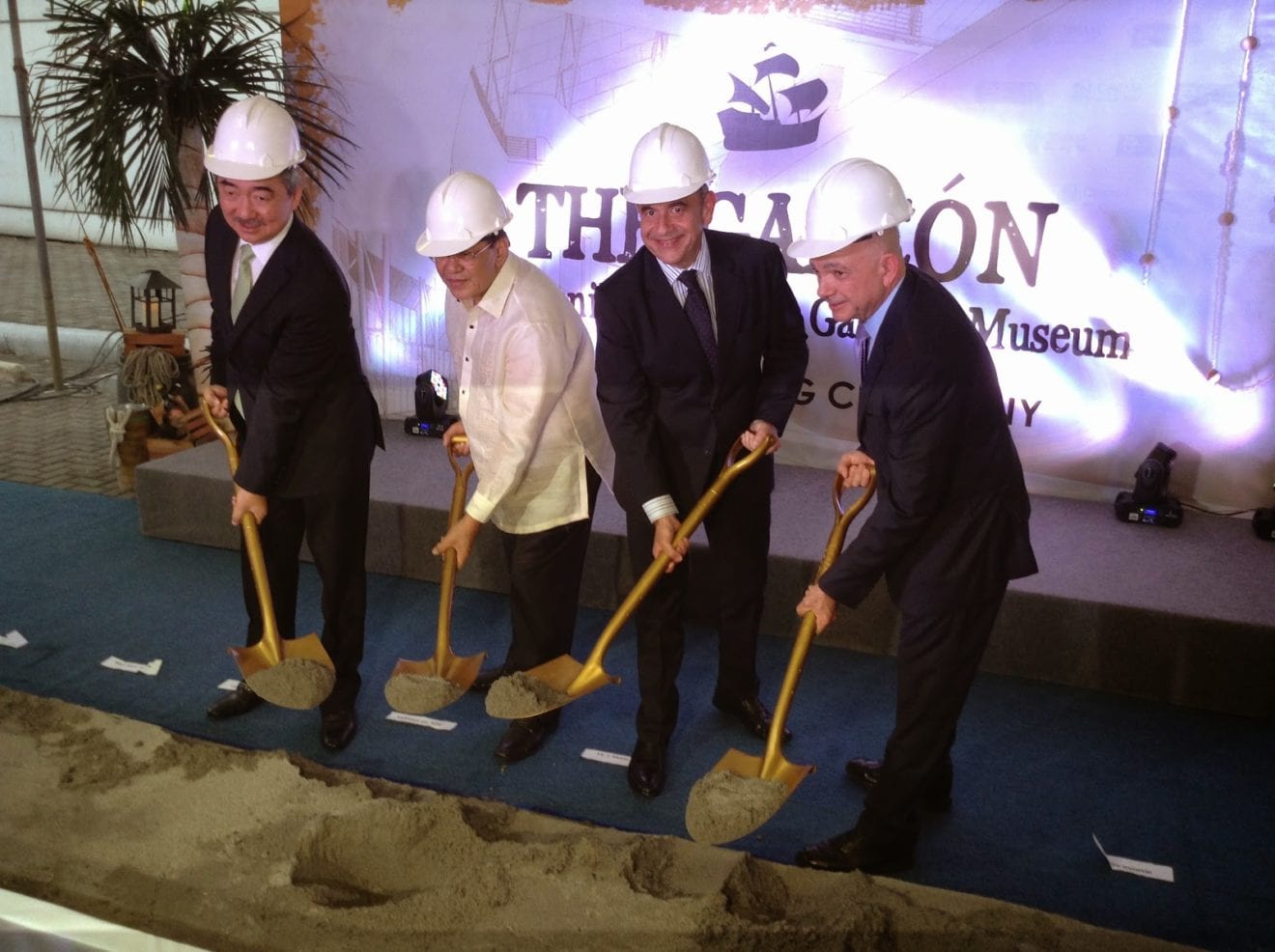
    The SM Mall of Asia and Museo del Galeon are set to launch the Manila-Acapulco Galleon Museum in Pasay City in the third quarter of 2016.

    The dome-shaped museum will feature the history of the 250-year old global trade route where the Philippines and Mexico played major roles. Its main feature is a replica of the galleon ships used for trade.

    “The new museum will be a game changer as we see this significantly contributing to education and tourism. We are very excited to take part in bringing back to life this importance piece of our trade heritage and history,” Edgar Tejerero, president at SM Lifestyle Entertainment, the entertainment solutions company of SM Prime Holdings.

    SM Mall of Asia museum 1

    The museum will highlight the galleon trade’s impact on today’s commerce, banking, travel, and cultural exchange. The dome will showcase the actual process of building a galleon, while exhibiting relics such as porcelain, gold and other goods that were traded in the Spanish era.

    SM Mall of Asia’s ongoing redevelopment, which includes the museum, will expand its floor space from the current 406,962 sqm to a gross floor area of around 700,000 sqm. Upon completion in 2017, SM Mall of Asia will regain its status of being the largest mall in the Philippines, a status currently enjoyed by SM North EDSA which has a GFA of 497,912 sqm.

    Museo del Galeón Inc is a non-stock non-profit corporation tasked to preserve historical artifacts pertaining to the galleon trade.