
Tag: Smaller

  • Ice Cream Industry Pivots: Healthier Ingredients and Smaller Portions for Guiltless Indulgence

    Ice Cream Industry Pivots: Healthier Ingredients and Smaller Portions for Guiltless Indulgence

    In the backdrop of soaring summer temperatures, ice cream companies are experiencing a surge in sales. However, they are concurrently strategizing for a future delineated by health-conscious consumers. There is a burgeoning demand for healthier food alternatives, and a rise in GLP-1 drugs that suppress appetite, which has prompted ice cream manufacturers to adjust their production methods. They are striving to reduce portion sizes, enhance protein content, and purify their ingredients lists.

    Adapting to Changing Consumer Preferences

    Despite a minor decline in U.S. ice cream sales volumes, manufacturers are optimistic about the future. They believe consumers will continue to enjoy ice cream, albeit with stipulations. Modern consumers crave indulgence, but they prefer indulgence that comes with lower calorie content, increased protein, and an uncomplicated list of ingredients. Ice cream companies are seeing a shift towards “wellness indulgence.”

    Companies like Blue Bunny, owned by Ferrero, are reporting strong demand for their lower-calorie products. They are also making efforts to exclude certain ingredients from their products, like high-fructose corn syrup and artificial coloring and flavoring. This transition reflects a broader industry-wide challenge, as evolving eating habits dictate what consumers expect from their foods.

    The Emergence of Wellness-Oriented Offerings

    Magnum Ice Cream Company, known for brands like Magnum and Ben & Jerry’s, has fast-tracked its focus on wellness, driven by the positive growth of Yasso, its frozen Greek yogurt brand. Consumers are increasingly seeking products that balance indulgence with factors such as higher protein content, fewer calories, and controlled portion sizes.

    Nearly 16 million Americans are consuming GLP-1 drugs, and this number is expected to rise significantly by the end of the decade. This has led companies to reformulate their products to incorporate more protein, fiber, and nutritional benefits. The challenge for ice cream companies lies in retaining the appeal of ice cream as a treat while catering to consumers who consider nutritional value as important as taste.

    Brands like Halo Top, which offers a similar ice cream experience with half the calories of leading competitors, have seen a significant increase in sales over the last two years. The brand is focusing on offering flavors that consumers crave, coupled with a good source of protein and fewer calories than traditional ice cream.

    The wellness trend is not restricted to the U.S., raising questions about how ice cream brands can stay relevant as global eating habits evolve. Companies worldwide are recognizing the growing demand for smaller portions, premium products, and lower-calorie alternatives that align with health and wellness goals.

    Questions & Answers

    What changes are ice cream companies making to adapt to consumer health preferences?
    They are reducing portion sizes, increasing the protein content of their products, and cleaning up their ingredients lists.

    What is the wellness trend in the ice cream industry?
    The wellness trend involves creating ice cream products that offer indulgence but with fewer calories, more protein, and simpler ingredients.

    How have consumer preferences impacted the ice cream market?
    Healthier consumer preferences have led to a slight decline in sales, a surge in demand for healthier alternatives, and a shift in production methods to accommodate these preferences.
  • Singapore’s Metro Redefines Retail, Plans Closure of Two Major Stores for Smaller Multi-Concept Outlets

    Singapore’s Metro Redefines Retail, Plans Closure of Two Major Stores for Smaller Multi-Concept Outlets

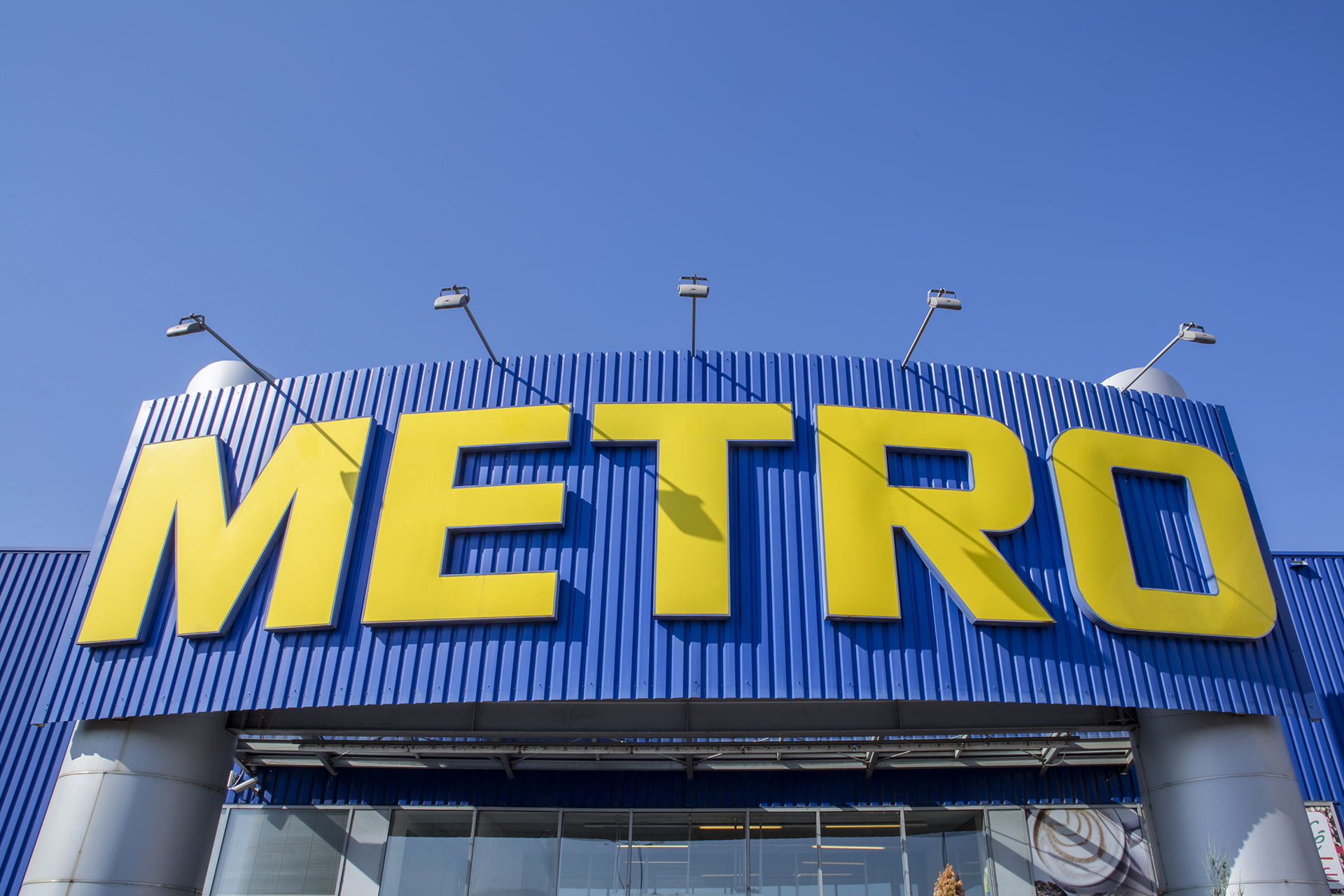
    Metro, a well-known retailer based in Singapore, has announced plans to shutter its department stores located at Paragon on Orchard Road and Causeway Point. This decision comes in line with the company’s strategic pivot away from traditional large-format department store models, as their leases approach expiration.

    Embracing a New Retail Model

    Metro’s future plans revolve around introducing a flexible retail model that focuses on smaller-format and multi-concept stores. The company is currently exploring potential locations and liaising with landlords to advance the rollout of these innovative multi-concept stores.

    To ensure the financial viability and success of its new retail approach, Metro is considering several key factors. These include the location, rental terms, and implementation timelines of these proposed stores. This strategic move is aimed at meeting the fundamentally different consumer expectations of today’s market, while allowing more flexibility for the introduction of new concepts, brands, and partnerships.

    Commenting on the new direction, Yip Hoong Mun, Group CEO and Executive Director of Metro, said that the company’s refreshed retail strategy is designed to tackle the challenging operating environment and align with customers’ evolving expectations.

    Transforming the Retail Landscape

    Tan Soo Khoon, the chairman of Metro, further highlighted that this repositioning would pave the way for a more agile retail platform. This transformation is expected to support the company’s long-term growth ambitions. “As the retail landscape continues to transform, it is vital for us to evolve alongside it,” Tan noted.

    In the past year, Metro has been revamping its offerings through various partnerships and experiential concepts. However, despite its initiatives, the company reported a net loss of US$8.8 million for the fiscal year ending March 31, attributing the downturn to lower revenue, weaker margins, and impairment charges.

    Meanwhile, potential plans are being reviewed to optimise and selectively reconfigure parts of the Orchard Road mall, which presently houses Metro.

    Questions & Answers

    What is the new retail model that Metro is adopting?
    Metro is shifting towards a flexible retail model centred on smaller-format and multi-concept stores.

    Why is Metro shifting away from traditional department stores?
    Metro’s shift is prompted by changing consumer expectations and a desire for greater flexibility to introduce new concepts, brands, and partnerships.

    Will Metro continue to operate in the Orchard Road Mall?
    Metro has expressed interest in remaining at the Paragon on Orchard Road under its new retail concept, and discussions are ongoing.

  • Ikea’s Strategic Shift: Smaller Stores Propel China Expansion

    Ikea’s Strategic Shift: Smaller Stores Propel China Expansion

    Swedish furniture giant, Ikea, is intensifying its expansion strategy in China by launching a more compact store model in the eastern part of Beijing. This move is part of the company’s shift from its traditional large-scale stores towards smaller and more accessible locations.

    The New Small-Format Store

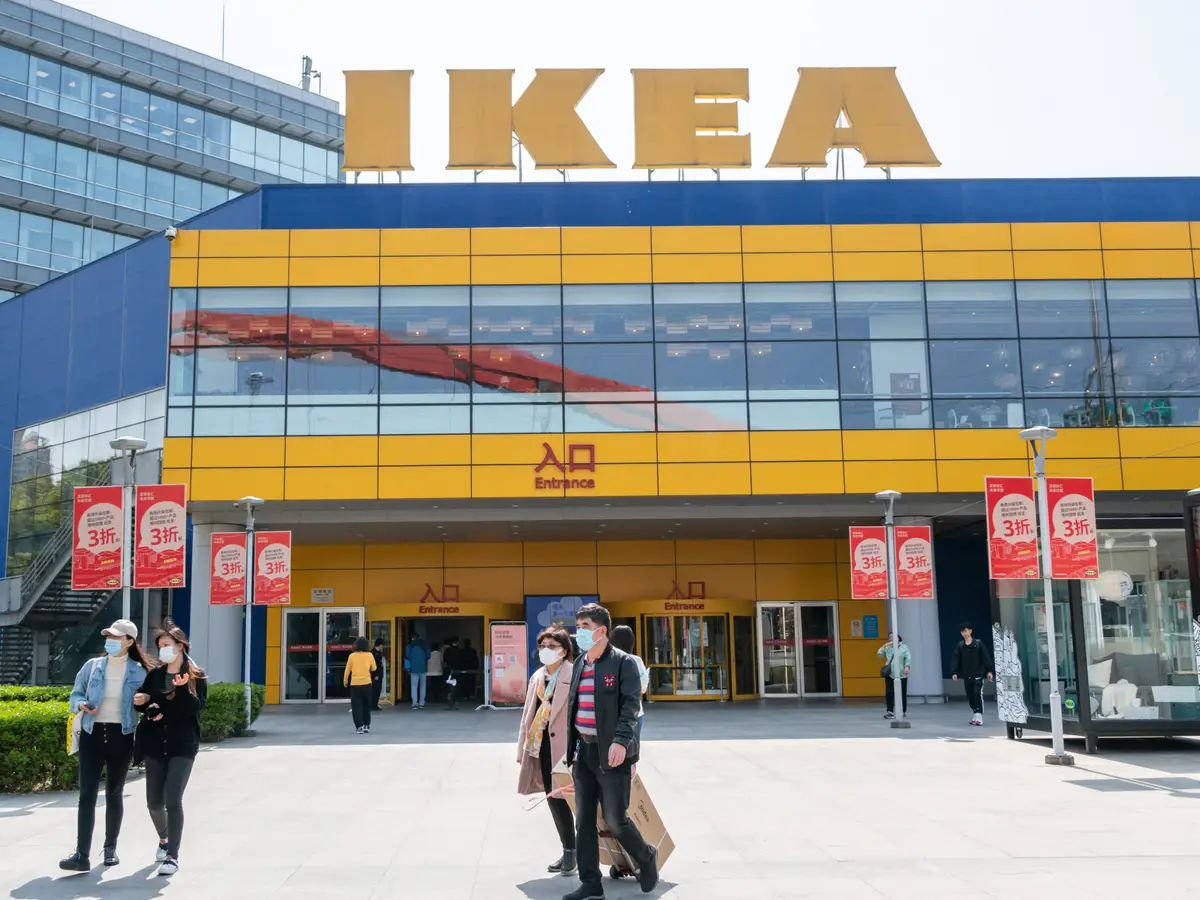
    The new Ikea outlet is managed by the Ingka Group and situated in Beijing’s Tongzhou District. It spans over an area of approximately 1,500 square meters, quite a downsize from the standard Ikea store which generally covers around 30,000 square meters. Despite its smaller size, the store still offers an impressive assortment of about 3,000 products.

    Ikea’s latest outlet puts more emphasis on services like home planning, rather than maintaining a large-scale inventory on-site. This innovative approach marks Ikea’s fifth presence in Beijing, and its inaugural location in the city’s eastern region. It also signifies a broader shift in the way the company is tackling the market.

    Shifting from Megastores to Compact, Accessible Locations

    Instead of depending on large-scale destination stores, Ikea is pivoting towards smaller, more accessible locations that are in closer proximity to residential areas.

    Javier Quiñones, the global commercial manager at Ingka Group, commented on this strategic shift. He noted, “The one-size-fits-all approach no longer applies. This makes our current expansion more relevant. We are getting closer to more people than ever, and continually learning how to fine-tune our offerings and presence.”

    This compact store model has already been successfully piloted in Shenzhen, with plans to introduce similar outlets across other major cities.

    Ikea’s Global Expansion

    So far in the current year, Ikea has inaugurated 21 new outlets worldwide, with sizes ranging from a few hundred square meters to over 4,000 square meters. These new outlets are spread across Europe, North America, and Asia. The company also plans to unveil additional locations in forthcoming months.

    Questions & Answers

    What is the size of the new Ikea store in eastern Beijing?

    The new Ikea store in eastern Beijing covers approximately 1,500 square meters.

    What differentiates the new Ikea store from the traditional ones?

    The new Ikea store emphasizes more on services like home planning rather than maintaining a large on-site inventory, and it’s located closer to residential areas.

    How many new Ikea locations have opened globally this year?

    Ikea has opened 21 new locations globally this year.