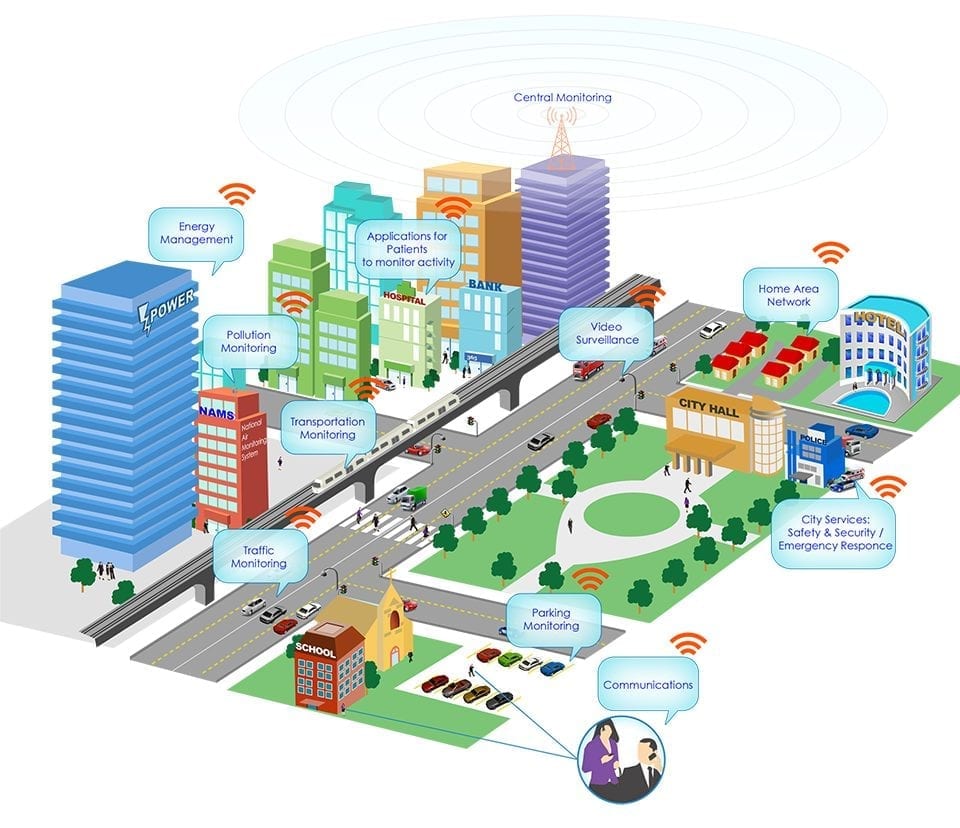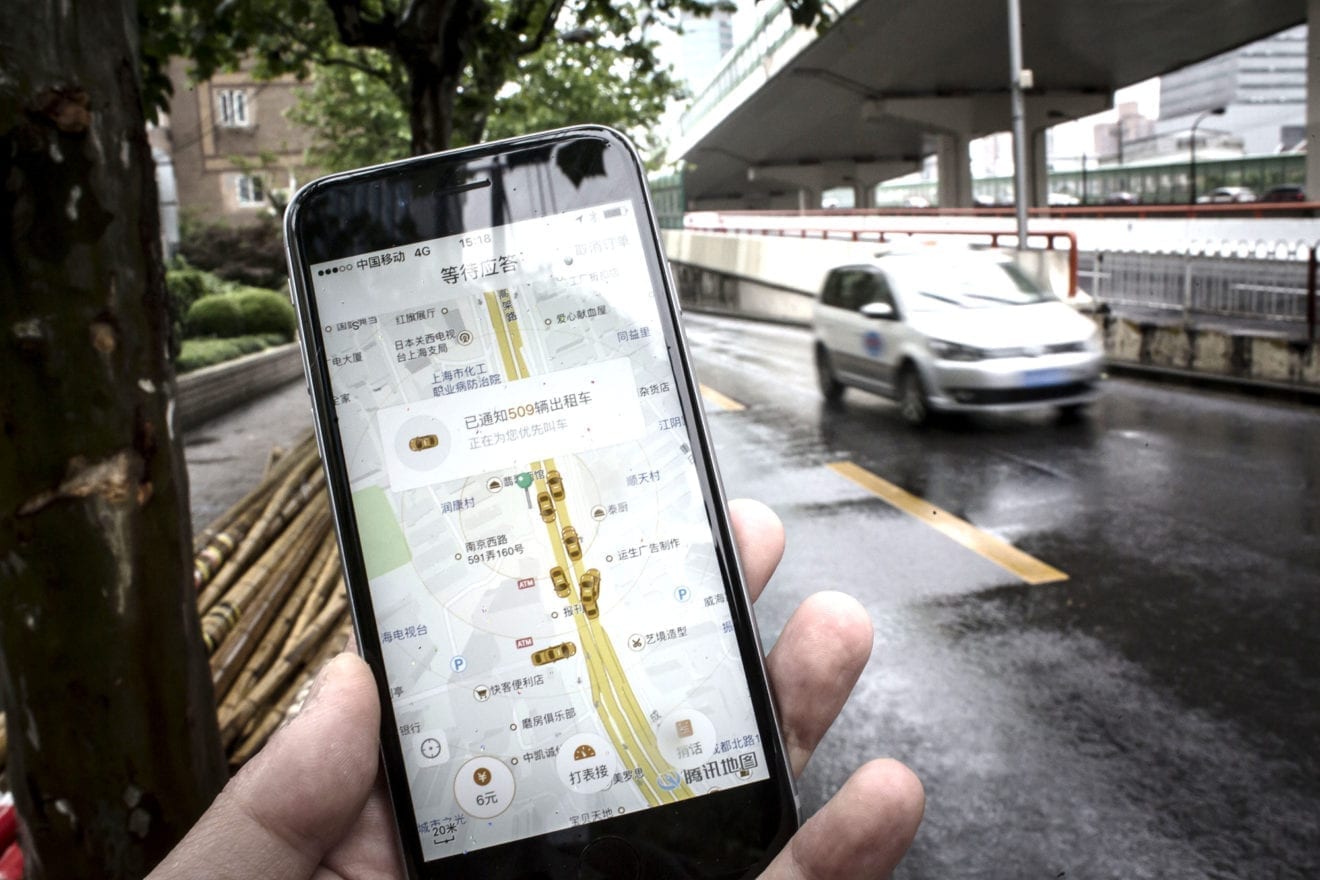
Solutions such as ride-hailing services, data-driven transit planning, intelligent traffic systems, data-driven disaster risk assessments and smart energy meters, could save lives, add jobs, reduce living costs and curb emissions in cities across Southeast Asia, according to a recent study by McKinsey Global Institute, the research arm of the global consulting firm.
In the study’s findings, released earlier this month, McKinsey said combined smart solutions in mobility, crime prevention and emergency response can prevent the loss of 5,000 lives to traffic accidents, fires and homicides each year.
Almost 1.5 million additional jobs could also be created by creating a better hiring environment through digital applications, while citizens could save $16 billion through the implementation of smart-home solutions that lower energy bills and provide better housing alternatives.
Moreover, these solutions could cut greenhouse gas emissions by 270,000 kilotons annually, or equal to the Laos’s total emissions per year, McKinsey said.
Some private companies in Southeast Asia have found a foothold in advancing these solutions in the region. Smart mobility applications, such as those implemented by Indonesia’s Go-Jek and Singapore-based Grab, could create up to $70 billion in value across Southeast Asia, McKinsey said.
Still, a thorough implementation of smart solutions would need government and the private sector complementing each other.
“Smart solutions include an integrated mix of hardware, software and changes to the physical infrastructure,” said Mukund Sridhar, a McKinsey partner and co-leader of infrastructure practice in Southeast Asia.
“Neither the public nor the private sector can build and run smart cities by themselves. Most infrastructure systems and critical services are public goods of which the public sector is the natural owner,” Sridhar said.
Public goods, such as roads, can benefit from private-sector solutions. These include real-time road navigation apps such as Google Maps and Waze, which enable road users to avoid congested areas and accidents, saving them time.
But roads can reach a point when it cannot accommodate more traffic, and that is when smart regulations are necessary. These include dynamic congestion pricing, which charges road usage fees adjusted dynamically based on road conditions and road speeds with higher fees charged during peak hours to reduce the number of private vehicles on the road, Sridhar said.
“An example of this is Singapore’s electronic road pricing, or ERP, which has kept road speeds within ‘optimal’ range despite growth in the vehicle population,” he said.
Sridhar said for countries like Indonesia to benefit from smart solutions and use it to overcome urban challenges, the government must lay out a clear roadmap on the role of the private and public sectors and implement it consistently.
“It makes sense to identify those areas where city agencies can step back and make room for other players, including private-sector companies, state-owned utilities, universities, foundations and nonprofits,” he said.