Tag: smart glasses

  • TCL Affiliate RayNeo Launches GT and iO Smart Glasses Across 40 Markets

    TCL Affiliate RayNeo Launches GT and iO Smart Glasses Across 40 Markets

    RayNeo launched its GT Series and iO smart glasses across 40 retail markets on September 4, 2026. Pricing ranges from US$329 to US$549.

    The Chinese hardware maker held a 23.7 per cent global market share in the first quarter of 2026. That made it the world’s largest consumer augmented reality vendor.

    Hardware Pricing and Regional Distribution

    Sales started immediately through Amazon and the company’s direct web store. Distribution spans 40 countries and territories, including Singapore, Malaysia, Thailand, Vietnam, Japan, Australia, New Zealand, Saudi Arabia, the United Arab Emirates, the United States, Canada, Mexico, the United Kingdom and the European Union.

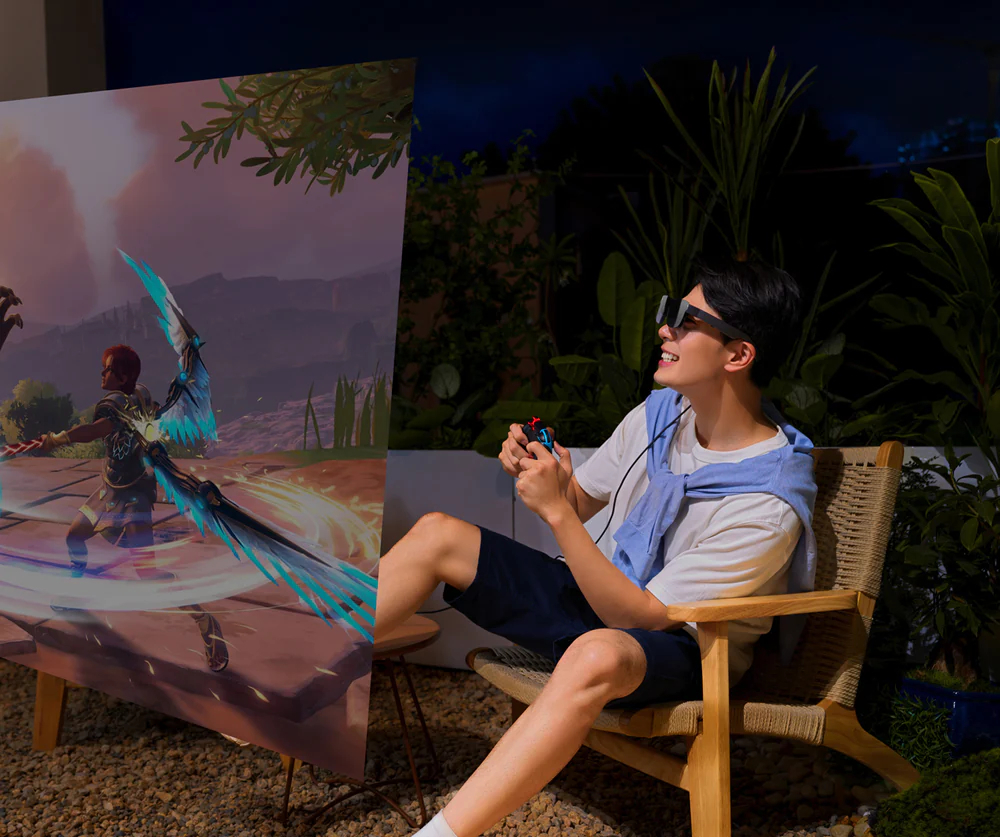
    Products fall into two distinct hardware tiers. The 33-gram RayNeo iO operates as a heads-up display for navigation, teleprompting, live translation and voice recording summaries. It costs US$499 with a standard case, or US$549 with a charging case bundle. For entertainment, the RayNeo GT retails at US$329, and the GT Max costs US$429. Both GT models feature audio co-tuned with Danish specialist Bang & Olufsen. They also support Dolby Vision playback when paired with the companion RayNeo Pocket TV Pro accessory.

    Competitive Shift in Consumer Wearables

    For electronics retailers and distributors in Southeast Asia, the rollout signals a shift from crowdfunding campaigns to volume consumer retail. At an entry price of US$329, the TCL-backed company takes direct aim at portable monitors and external displays rather than bulky mixed-reality headsets.

    Hardware margins in this segment stay tight. That puts pressure on companion accessories, such as the Pocket TV Pro and optical prescription inserts, to generate operating profit. Ecosystem lock-in presents the main commercial risk. Smart glasses still rely heavily on external host processing and content partnerships to attract buyers beyond early adopters.

    From Domestic Lead to Global Retail Footprint

    RayNeo built up to the Berlin release with several hardware announcements earlier in 2026. It debuted eSIM-enabled glasses at CES in January and introduced the Air 4 Pro at Mobile World Congress in March. Tracking databases from IDC, RUNTO, CINNO Research and AVC all ranked the company first for shipments in China.

    Demonstrations and executive interviews run through September 8 at Hall 21A at IFA 2026 in Berlin. Buyers can access introductory promotional discounts of US$30 during this opening sales window.
  • Google Teams Up with Gentle Monster to Unveil Innovative AI-Powered Smart Glasses

    Google Teams Up with Gentle Monster to Unveil Innovative AI-Powered Smart Glasses

    As Asia’s retail landscape continues to evolve, brands are increasingly turning to innovative strategies to capture consumer attention and drive sales. The latest trend highlights international pop-up stores, merging the excitement of limited-time offerings with immersive brand experiences. These transient spaces have been gaining traction across major Asian cities, allowing retailers to experiment with their concepts while maintaining a sense of urgency and exclusivity that consumers find irresistible.

    Pop-Ups Redefining Retail

    The rise of pop-up stores has given retailers a fresh avenue to interact with their target audiences in vibrant and engaging environments. For instance, in bustling urban centers like Tokyo and Shanghai, brands are setting up shop, often accompanied by high-profile collaborations with local artists, chefs, or influencers. This approach not only enhances the customer experience but also generates buzz on social media, drawing in crowds eager to connect with the brands they love.

    Mastering the Art of Engagement

    What makes a successful pop-up? According to experts, it’s all about creating memorable moments. From interactive installations to exclusive product launches, retailers are increasingly focusing on engaging consumers beyond mere transactions. Take, for example, a cosmetics brand that offers personalized consultations alongside complimentary experiences like high-tech skin assessments. These enticing interactions transform passive shoppers into enthusiastic brand advocates, reinforcing the idea that retail is about more than just buying goods—it’s about building relationships.

    The Asian Market’s Unique Pulse

    Asia’s diverse cultural landscape affords a unique opportunity for brands to tailor their pop-up strategies to local preferences. In South Korea, for instance, where trends can shift at the speed of light, brands are quick to adapt, often launching limited-edition items that speak directly to consumer desires. Meanwhile, in Southeast Asia, where street culture thrives, pop-ups are often set against the lively backdrop of local festivals or markets, integrating seamlessly into the community fabric. It’s a bit like a retail tango—where rhythm and location are key to keeping consumers coming back for more.

    A New Era of Sustainability

    Sustainability is another pivotal aspect shaping pop-up strategies in Asia. As consumers become more environmentally conscious, retailers have begun to craft pop-ups that emphasize eco-friendly practices. This includes using reclaimed materials for storefront construction or offering zero-waste products, which not only attract eco-aware shoppers but also reflect a brand’s commitment to social responsibility. In a market where customers increasingly demand transparency, this approach helps forge deeper connections, positioning brands as allies in the sustainability journey.

    Looking Ahead

    As we look to the future, the pop-up phenomenon is set to continually reshape Asia’s retail environment. What started as a temporary solution has morphed into a dynamic strategy essential for brands aiming to stay current and relevant. In a world where consumer loyalty is fragile and attention spans are short, retailers that embrace the thrill of temporary experiences are likely to secure a special place in the hearts—and shopping lists—of savvy Asian consumers.

    Questions & Answers

    What are the key benefits of pop-up shops for retailers?
    Pop-up shops allow retailers to engage consumers in new and exciting ways, create urgency with limited-time experiences, and experiment with different concepts without the long-term commitment of a permanent store.

    How do pop-ups differ across various Asian markets?
    Pop-ups are tailored to reflect local culture and preferences; for example, in South Korea, they often feature limited-edition items due to rapidly changing trends, while in Southeast Asia, they may integrate with local festivities, enhancing community engagement.

    What role does sustainability play in the pop-up trend?
    With a growing emphasis on environmental consciousness, many retailers are using pop-ups to showcase eco-friendly practices, from incorporating sustainable materials in their setups to offering zero-waste products, appealing to a more eco-aware consumer base.

  • Facebook, EssilorLuxottica unveil first smart glasses

    Facebook, EssilorLuxottica unveil first smart glasses

    Facebook launched its first smart glasses on Thursday in a step toward its aim of offering true augmented-reality spectacles.

    The glasses, which were created in partnership with Ray-Ban maker EssilorLuxottica, allow wearers to listen to music, take calls or capture photos and short videos and share them across Facebook’s services using a companion app. Facebook said the glasses line, called “Ray-Ban Stories,” would start at $299.

    The social media giant, which reported revenue of about $86 billion in 2020, makes most of its money from advertising but has invested heavily in virtual and augmented reality, developing hardware such as its Oculus VR headsets and working on wristband technologies to support augmented reality glasses.

    Facebook’s chief scientist said last year the company was five to 10 years away from being able to bring to market “true” AR glasses, which would superimpose virtual objects onto the wearer’s view of the real world.

    Major tech firms including Amazon.com, Alphabet Google, Microsoft, Apple and Snap have raced to develop various smart glasses products, but early offerings like Google Glass proved difficult to sell to consumers put off by high price points and design issues.

    Snap, which unveiled its smart Spectacles in 2016, this year launched AR glasses but they are not for sale and are offered only to AR creators. Snap’s CEO, Evan Spiegel, said in 2019 that he expected it would be a decade before consumers widely adopted AR smart glasses.