Tag: smart home

  • Laifen Adds Curling Iron and Smart Mirror to Challenge Dyson

    Laifen Adds Curling Iron and Smart Mirror to Challenge Dyson

    Personal care device maker Laifen launched three new hardware products on September 1, expanding beyond hair dryers. Its global household footprint now tops 30 million units across 60 countries.

    The lineup includes the Swift 4 high-speed dryer, the AutoCurl curling iron, and the Glowy vanity mirror. The rollout pushes the Shenzhen-founded hardware maker directly into multi-category personal care tech.

    Motor tech and sensor additions

    Positive and negative ion emitters in the Swift 4 dryer generate 470 million ions. A dedicated nozzle infuses bottled hair treatments directly into the airflow. It sells in platinum, titanium, and burgundy finishes through the company’s direct digital storefronts.

    The AutoCurl curling iron uses a micro-servo motor that detects rotational resistance in real time to stop snagging. An automated chamber feeds hair strands in either direction. This eliminates manual switching between left and right barrels.

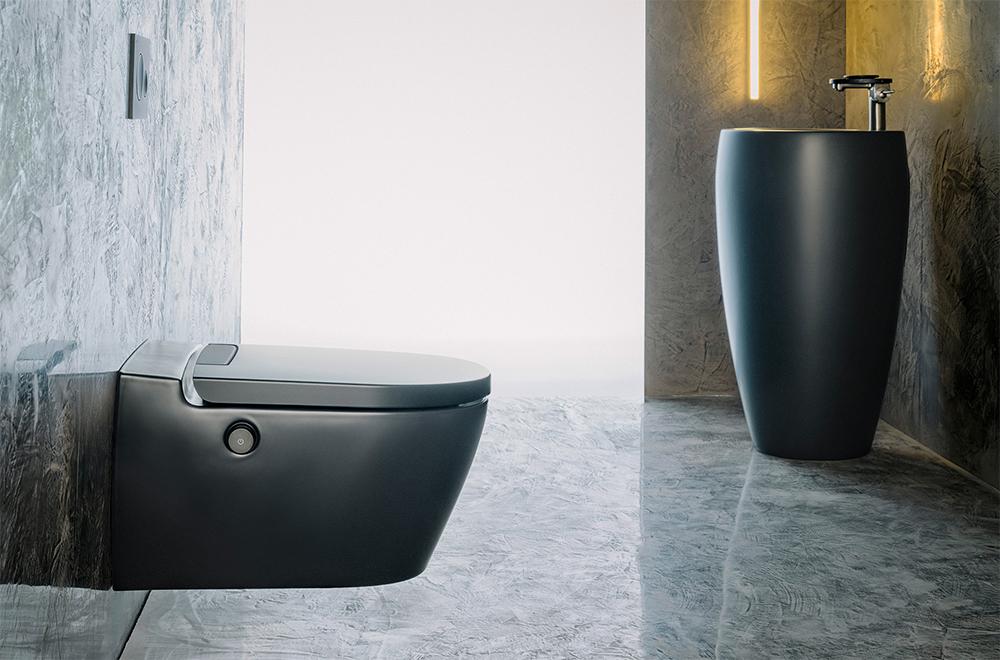
    Bathroom fixtures mark the next hardware expansion with the Glowy Vanity Mirror, which goes on sale September 4. The 8.5-inch unit embeds a 24 GHz radar sensor. It activates full-spectrum LED illumination when a user steps in front of the glass and saves lighting preferences to internal memory.

    Hardware playbook outside China

    Laifen built its initial commercial success across Asia by undercutting Dyson on price while matching brushless motor speeds. Extending that playbook into curling wands and smart mirrors brings new competition. The brand now faces legacy salon suppliers and beauty gadget makers with entrenched shelf space in Western department stores.

    That shift exposes the business to different replacement cycles. Hair dryers are daily essentials with high purchase frequency. Lit vanity mirrors and curlers face slower replacement rates and tighter specialty demand. Margins will depend on whether direct online buyers buy into the broader three-piece routine.

    From motor engineering to retail shelves

    Founded in 2019, Laifen established its manufacturing base on proprietary brushless motors. It holds over 600 patents. The company broadened its catalog in May 2025 with the Wave Special electric toothbrush, followed by physical distribution expansion into US warehouse chain Costco in July 2026.

    Laifen will show all three devices at its first brand media presentation in New York City on September 17. Retail distribution agreements for brick-and-mortar storefronts are scheduled for presentation at the event.
  • Convenience drives Chinese smart-home market

    Convenience drives Chinese smart-home market

    New research from market intelligence agency Mintel has suggested that convenience will drive the future of the Chinese smart-home market. However, affordability is the biggest barrier to purchasing, in an environment where today’s Chinese consumers are growing increasingly familiar with smart home devices. According to Mintel, as many as 68 per cent of urban Chinese consumers who have purchased or are interested in smart-home devices say that convenience is a primary reason for their interest. Meanwhile, 60 per cent attribute their interest in smart-home devices to trying new technology and half because smart home devices make them feel more relaxed at home.

    “Chinese consumers are now increasingly knowledgeable about how smart-home appliances can help to simplify daily lives,” said Mintel China research analyst Kaye Huang. “Convenience as well as an interest in trying new technology are big reasons for Chinese consumers to purchase smart-home devices. Parents are showing more interest in smart-home devices than those without children; which is likely to be attributed to how the devices can help parents save time and effort. On the flip side, price, more so than privacy, is what is keeping Chinese consumers from purchasing these devices. This indicates that companies in the smart-home market need to put more effort into communicating why these products are value for money.”

    Meanwhile, Mintel research reveals that automatic adjustment to environmental changes is a big opportunity for players in the smart home devices market; more than half of urban Chinese consumers think that this function is a necessity.

    “What will stand out in the smart-home market is the ‘automatic adjustment of parameters’ which enables smart-home devices to automatically respond to environmental changes, such as temperature and humidity. Today’s Chinese consumers have higher expectations on their living conditions and automation is an important part of making the living environment ‘smarter’,” said Huang.

    “Voice control has been a popular area of development in recent years especially since the industry believes that it could be the next generation of user interaction,” continued Huang. “Yet, our research finds that voice control, while widely-known, is a less-used smart home function. While playing music and asking for general information are two main functions that Chinese consumers are using for voice control, in reality this only counts for a handful of consumers, suggesting consumers’ habit of using voice control is far from being firmly established. In the future, brands can look at rolling out strategies and initiatives to instil the habit of using voice control among consumers in China.”

  • Xiaomi India to foray into appliances, white goods space

    Xiaomi India to foray into appliances, white goods space

    Xiaomi is all set to convert its India arm into an end-to-end consumer durables company. According to a report, Xiaomi officials are currently identifying potential categories including air-conditioners, washing machines, refrigerators, laptops and small appliances like vacuum cleaners and water purifiers for the Indian market. All the products will be smart appliances based on Internet of Things (IoT) or which can connect to the internet and other devices, and operated remotely.

    Xiaomi entered the Indian television market in February this year with products 30-50 percent cheaper than the top three brands — Samsung, LG and Sony. It eventually expanded TV sales to offline stores and started assembling them in India in partnership with contract manufacturer Dixon. It recently announced having shipped more than a million televisions into the Indian market.

    The company will follow the same model for appliances. The products will be priced aggressively in line with its announced strategy of keeping just 5 percent profit margin for itself and start local assembly after gaining some scale to take advantage of Make in India duty benefits, according to the report.

  • LG’s new smart devices strengthen its IoT game

    LG’s new smart devices strengthen its IoT game

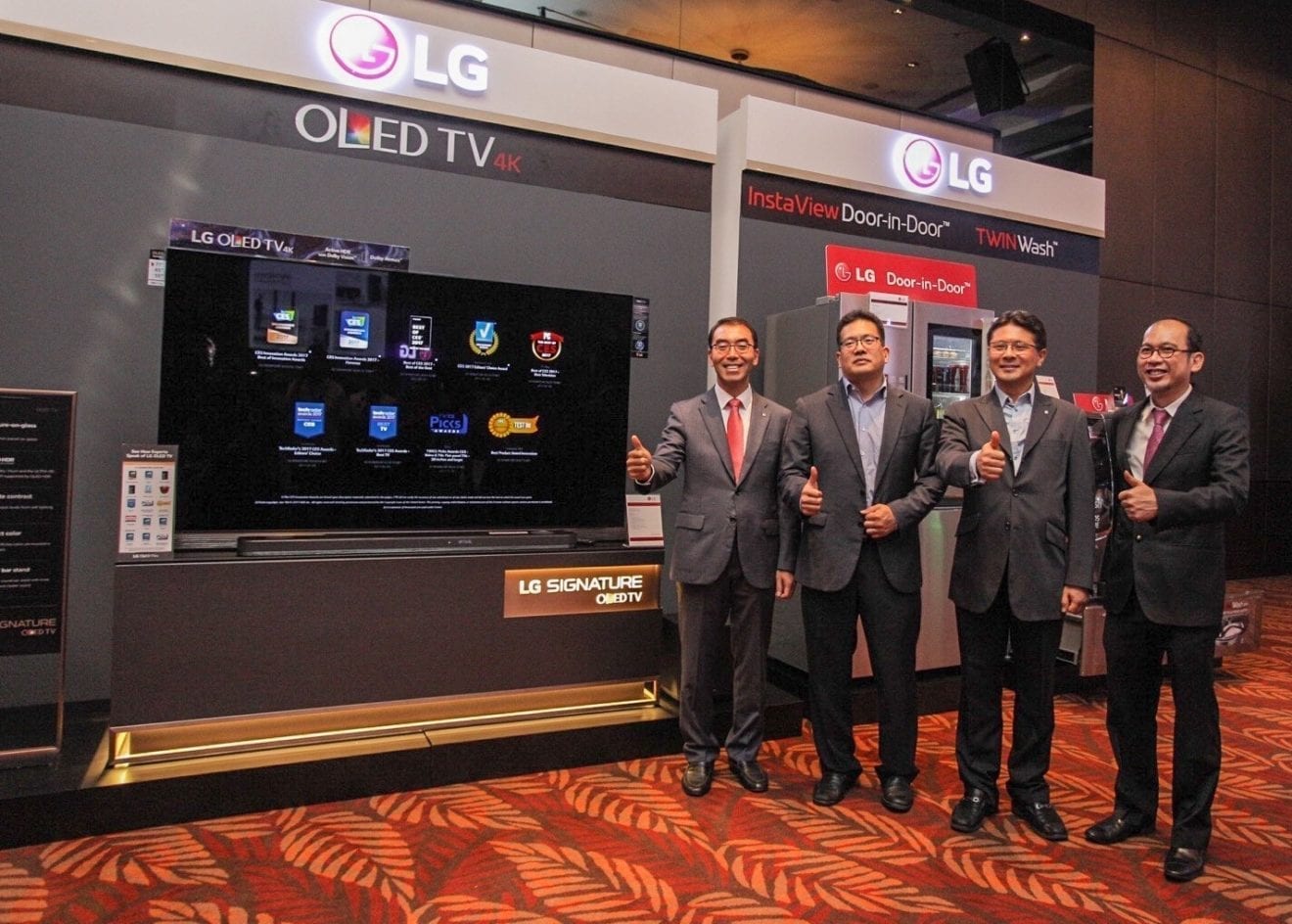
    Smart homes are often talked about in technology circles but it is a concept that is often assumed to be very far in the future. That may not be so as LG has launched some new home appliances in the Malaysian market that it hopes will jump-start its Internet of Things (IoT) ambitions.

    Running on its smart home technology called Smart ThinQ, LG has introduced two products:  the LG TWINwash washing machine and LG Smart InstaView refrigerator that leverage this technology to provide greater convenience to consumers.

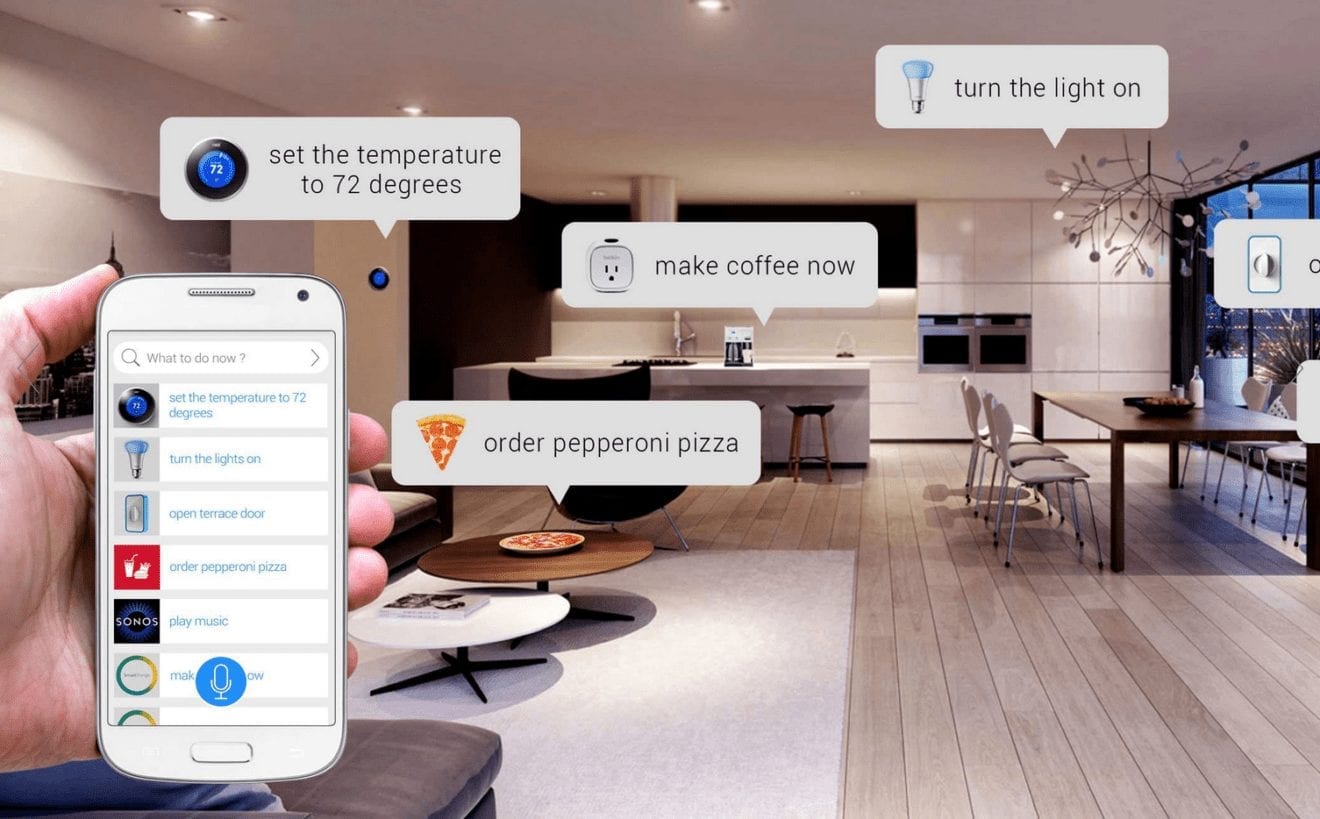
    Using the Smart ThinQ on a smartphone, users would be able to remotely set their washing machine to do their laundry at a specific time so that they would be able to come home to a freshly washed load.

    Using the smart application, users also have greater control on the types of wash options, such as baby wear, denim, swimwear and many others that the washing machine can perform.

    In the case of refrigerators, LG said Smart ThinQ would help users monitor the temperature level of the fridge as well as set the appropriate temperature for the various compartments.

    Aside from monitoring and controlling, the other benefit brought on by smart home appliances using LG’s Smart ThinQ app is a feature called Smart Diagnosis. As the name implies, it is a diagnostic feature that can alert users if the system detects any breakdown in their appliance.

    In this way, the appliance gives the user an error code to denote the problem so it is identified before the technician comes over to fix it.

    Aiming high for IoT

    Malaysia is now the latest market in which LG is launching its new smart home-ready devices and LG is planning to launch even more smart devices next year, expanding its lineup to include smart air conditioners and air purifiers.

    LG Electronics Malaysia’s head of product department for home appliances and air conditioner Bon Jae Koo explains that LG has been focusing its efforts on improving life for its customers by launching new smart devices that are able to connect to the Internet.

    “Globally we are focused on developing home network solutions that can be implemented on our product lineup that includes refrigerators, washing machines, air purifiers and more,” he said.

    Koo explains that LG has been in the business of making devices for a long time and points towards his native South Korea where IoT is already adopted in the commercial segment. This includes smart mirrors within clothing stores that help you decide which item of clothing to buy by simulating what they look like on the person standing in front of it.

    “We are of the view that smart products that help optimise the temperature in the room, improve the wash cycle for clothes will result in better power consumption hence bringing greater cost savings to our customers.

  • Asia’s smart home market to be worth $115b by 2030

    Asia’s smart home market to be worth $115b by 2030

    Asia’s smart home market is on track to grow to $115 billion by 2030, accounting for 30% of the global market, according to a report released by global management consulting firm AT Kearney.

    The report, “The Battle for the Smart Home: Open to All,” noted that growth will be driven by China and Japan, with highly-connected economies such as Singapore, South Korea, and Taiwan also playing a key role.

    “Asia’s socio-economic landscape provides a great opportunity for the region to be a global driver of growth in the smart home sector over the next few years,” said Nikolai Dobberstein, partner and Asia-Pacific head of communications for media and technology at AT Kearney and a co-author of the report.

    “Japan, which is already among the top five global markets in terms of smart home penetration, will see continued growth driven by an ageing population enticing households to install health and wellness solutions. The opportunity in China is even greater with a phenomenal number of households seeing increased incomes, and a strong local manufacturing and technology ecosystem,” he added.

    Meanwhile, South Korea, Taiwan, and Singapore are all expected to have a high penetration of smart homes given the large proportion of high-income households and the data connectivity in these economies.

    The study noted that the idea of the connected, intelligent home is becoming a reality in Asia due to four major shifts that are accelerating market expansion.

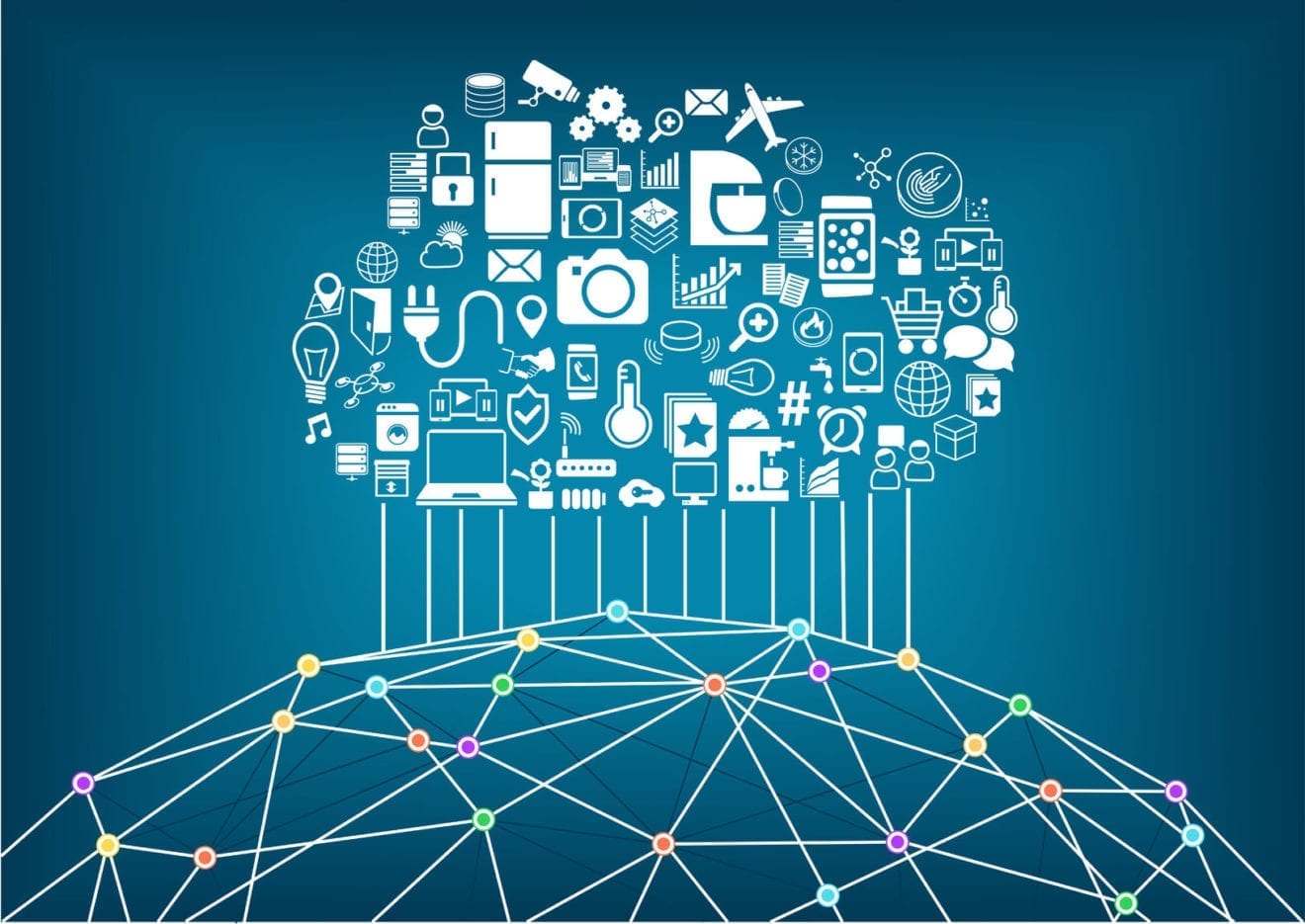
    The first is connectedness and intelligence. The advancements in technology and processing power of smartphones has seen homes become much more connected. The addition of big data and artificial intelligence is also improving usability of smart home application drastically.

    Second is interoperability. The increasing interoperability among products from different manufacturers is making home applications more broadly useful to consumers. Advancement of APIs, industry alliances and efforts to standardize communication of applications are proliferating across the smart home ecosystem to drive progress.

    Product availability and cost are also factors. Nearly every aspect of home living is already covered by automated products, 80% of which are now commercially available in ‘smart’ form. Meanwhile, rapid cost reduction trends of key technology components is making smart home applications more affordable.

    Lastly, new monetization models of smart home applications are opening up to wider networks such as electricity grid, the internet, and real world service ecosystem.