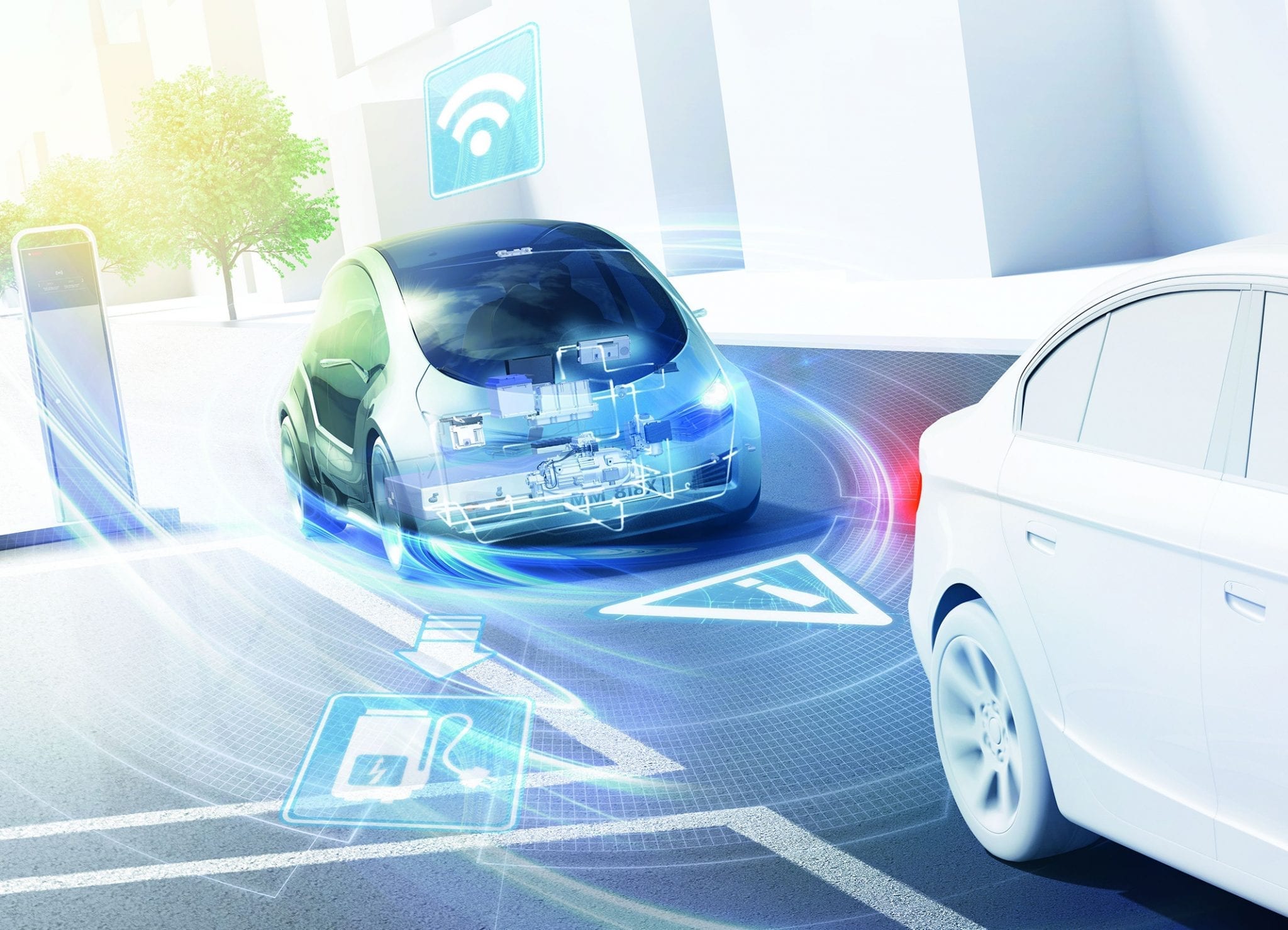
China wants automakers and importers to take legal blame for traffic violations committed by fully autonomous vehicles. The policy shifts legal exposure directly onto manufacturers.
A draft revision to the Road Traffic Safety Law went before the Standing Committee of the National People’s Congress for an initial review on Tuesday.
Spanning nine chapters and 170 articles, the legislation adds a dedicated section for autonomous vehicles. It establishes operating rules for public roads, insurance terms, and infraction processing. The rule applies strictly to fully automated mode. It does not automatically transfer liability for collision compensation to the manufacturer.
Drawing the Line at Assisted Driving
Standard traffic laws still apply when autonomous systems are off, and across all assisted-driving models. Drivers using Level 2 assistance remain personally responsible for any violations.
Enforcement hinges on telematics data. Regulators have not detailed how authorities will pull telemetry or resolve disputes over whether autonomous systems were active during an incident.
Adoption is surging across Chinese cities. Level 2 driver assistance penetration reached 70.5 per cent this year, while navigation on autopilot hit 34.2 per cent. China granted its first Level 3 passenger vehicle approvals in December 2025 to BAIC Group’s Arcfox and Changan Automobile’s Deepal brand. By targeting only fully autonomous mode, the proposal shields mass-market carmakers from immediate liability while setting rules for commercial scale.
Safety Deadlines and Stricter Driver Rules
Ministry of Industry and Information Technology baselines will guide the rollout. Systems must match the safety of an attentive human driver, with mandatory technical standards taking effect on July 1, 2027.
Conventional motorists face tighter restrictions under the broader bill. Drivers cannot use handheld phones or watch video screens behind the wheel.
Lawmakers will continue reviewing the text ahead of a final vote by the Standing Committee.