Tag: smart phone

  • Apple & Samsung continue to dominate the tablet market

    Apple & Samsung continue to dominate the tablet market

    The Coronavirus affected and continues to affect all kinds of businesses. The tech industry is no exception. There are various component shortages, delayed shipments, and delayed product releases, most notably Huawei’s P50 series of phones that were supposed to arrive almost two months ago (expected to arrive this May/June).

    However, the need to work from home has helped certain businesses do much better than before. Unsurprisingly, that’s the tablet and Chromebook market. Tablets had an exceptional first quarter of 2021 (1Q21) with 55.2% year-over-year growth and a total of 39.9 million units shipped, according to initial data from the International Data Corporation (IDC).

    This is exceptional in and of itself, but it’s even more impressive when put into some context. For example, the last time the tablet market grew to such an extent was in 2013, when it surged by 56.9% year over year. Although Chromebooks are becoming more popular, they’ve only managed to sell about 13 million units in 1Q21, up from 2.8. million the year before. Tablets remain more popular, but the competition is real, and we are here for it since it always results in better products and value for the end-user.

    Unsurprisingly, Apple remains on top of the food chain when it comes to tablet shipments. Its year-over-year growth is 64.3%, and the Cupertino-based company holds 31.7% of the global market share. Samsung has seen a very similar growth – 60.8% year-over-year, and it currently holds exactly 20% of the global market share for tablets.

    However, it’s not Apple or Samsung that saw the most significant growth, compared to last year. Amazon and Lenovo hold the first two spots if we take into account the year-over-year increase in tablet sales. Amazon is first, with 143.0% growth, with Lenovo being close second with a 138.1% surge in shipments.

    As expected, Huawei’s influence in the market has died out due to the fact that its latest devices don’t run Google Services due to the US trade ban. If it weren’t for that, Huawei and Honor would have been one company, and the combined entity likely would have been on the second spot when it comes to market share, second only to Apple.
  • 35,000 smart phones in Viet Nam infected by GhostTeam virus

    35,000 smart phones in Viet Nam infected by GhostTeam virus

    More than 35,000 smartphones in Việt Nam have been affected by the GhostTeam virus, according to the BKAV Technology Group.

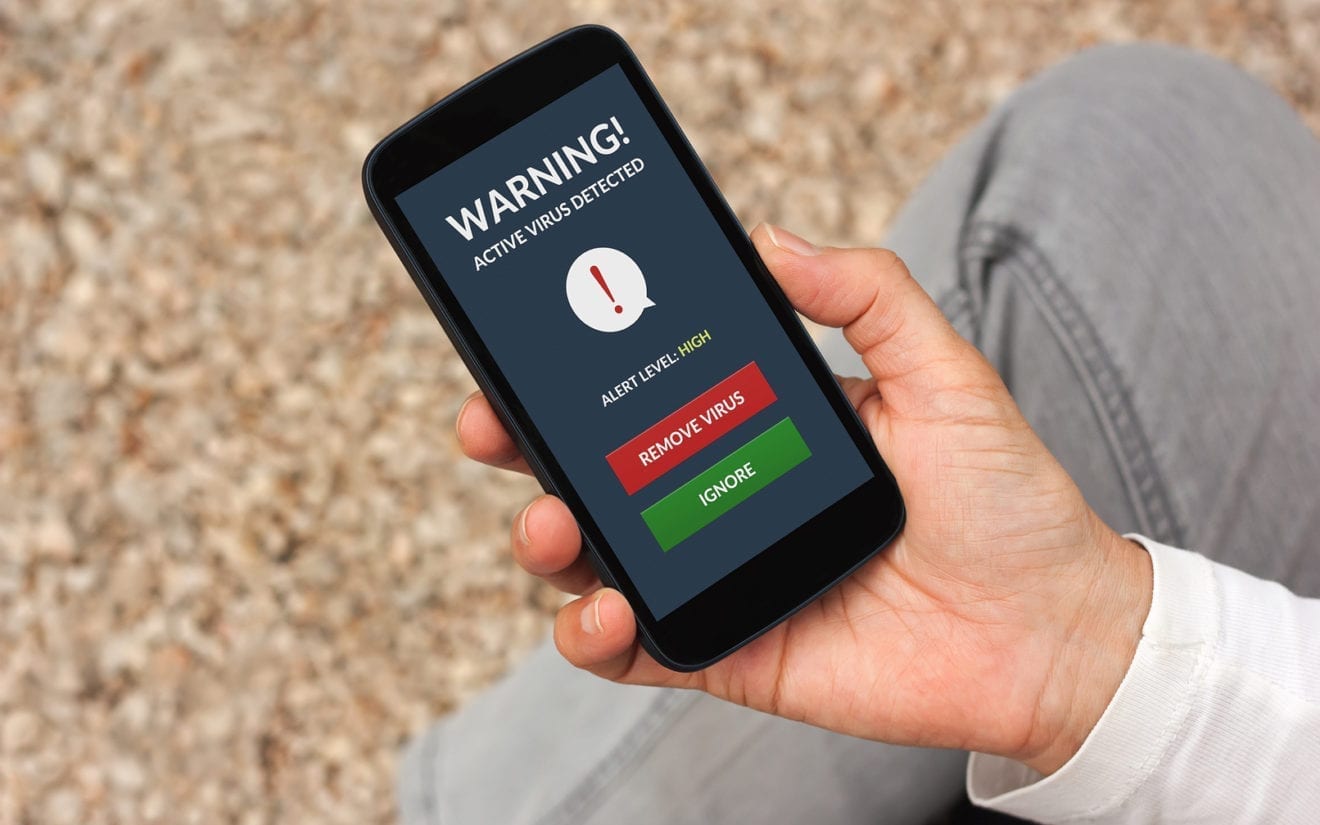
    The virus takes advantage of popular Vietnamese applications in Google Play to spread and steal Facebook passwords.

    Hackers provide applications like flashlights and calendars, which, after installing, automatically download the virus.

    The applications sound a security warning and offers suggestions on what to do, tricking users to click on a harmful link.

    BKAV experts warn that smart phone users should scan their phones and change their Facebook password immediately if they discover the virus.

    Vũ Ngọc Sơn, BKAV Technology Group’s deputy chairman in charge of anti-malware, said: “It is very hard for users to be vigilant against viruses infiltrating through Google Play. In this case, users should use anti-virus software to get automatic protection.”

    Google Play has already deleted harmful Vietnamese applications, but smart phones in which they are already installed face a very high possibility of infection.


  • Image leak suggests new Samsung phone ‘made in Vietnam’

    Image leak suggests new Samsung phone ‘made in Vietnam’

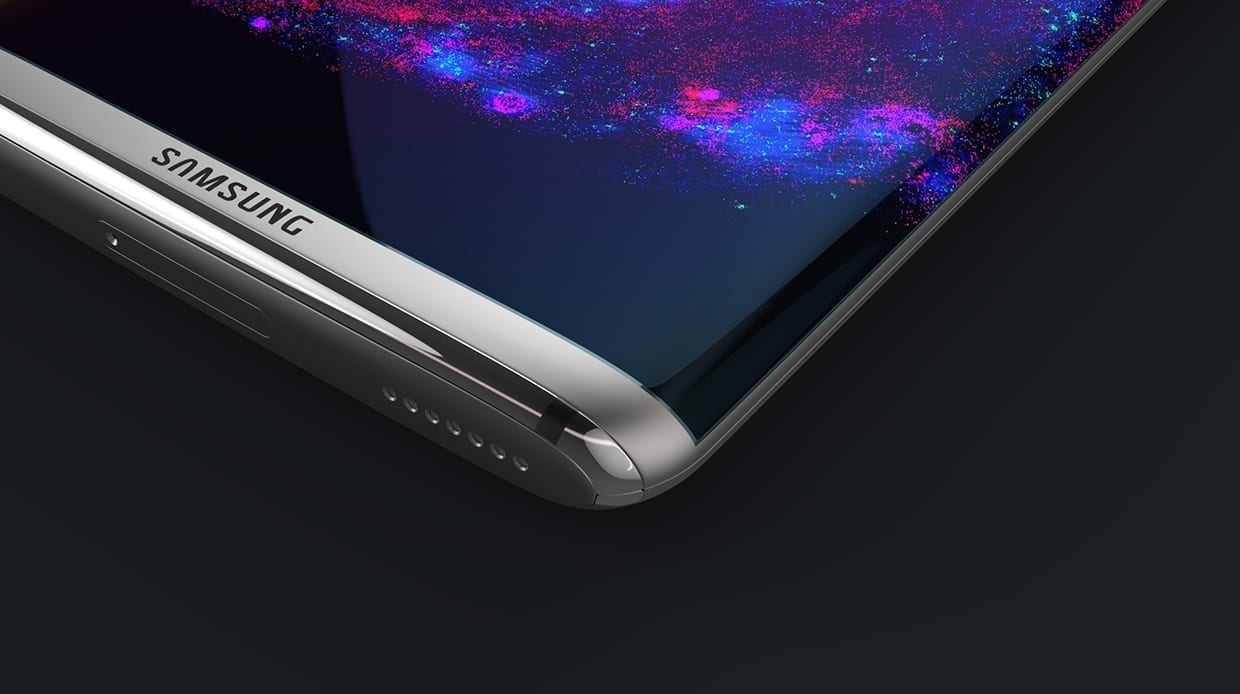
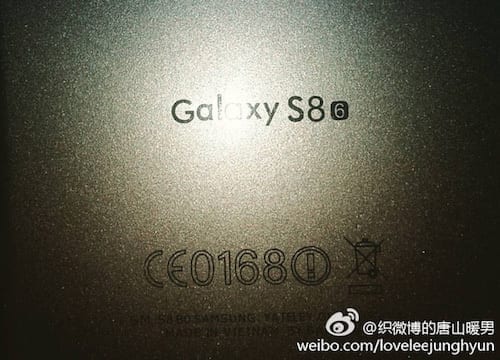
    A leaked picture would suggest Samsung’s latest smartphone, the Galaxy S8+, is being manufactured in Vietnam, despite last year’s Galaxy Note 7 saga.

    The picture shows the back panel of a phone tagged with “Made in Vietnam” below the “Galaxy S8 6” branding.

    The number “6” has been interpreted by people familiar with the matter as the 6 GB RAM variant of the Samsung Galaxy S8.

    Samsung is expected to officially unveil its next flagship devices, the Galaxy S8 and Galaxy S8+, on March 29 in New York. The phones will go on sale on April 21.

    Other leaked images of purported technical specifications have fueled rumors of a 5.8 inch and 6.2 inch display, backed by a 3000 mAh battery or 3500 mAh battery.

    Samsung’s production in Vietnam incurred a loss of $122.6 million in the third quarter of last year after it was forced to recall 2.5 million Galaxy Note 7s globally following battery explosions.

    The recall affected production at its two plants in the northern provinces of Bac Ninh and Thai Nguyen, which produce a combined 35 percent of all smartphones that Samsung supplies to the global market.

    However, that did not affect Samsung’s dominant position in Vietnam’s export sector last year. The company earned $39.9 billion in revenue from shipping electronics, up 10 percent against 2015 and contributing 23 percent to Vietnam’s total export revenue.

    Samsung Vietnam said no jobs had been cut due to the Galaxy Note 7 incident. The company is targeting an export growth rate of between 7 and 10 percent this year.

    Related news:
  • Can’t do without your mobile device? You’re not alone

    Can’t do without your mobile device? You’re not alone


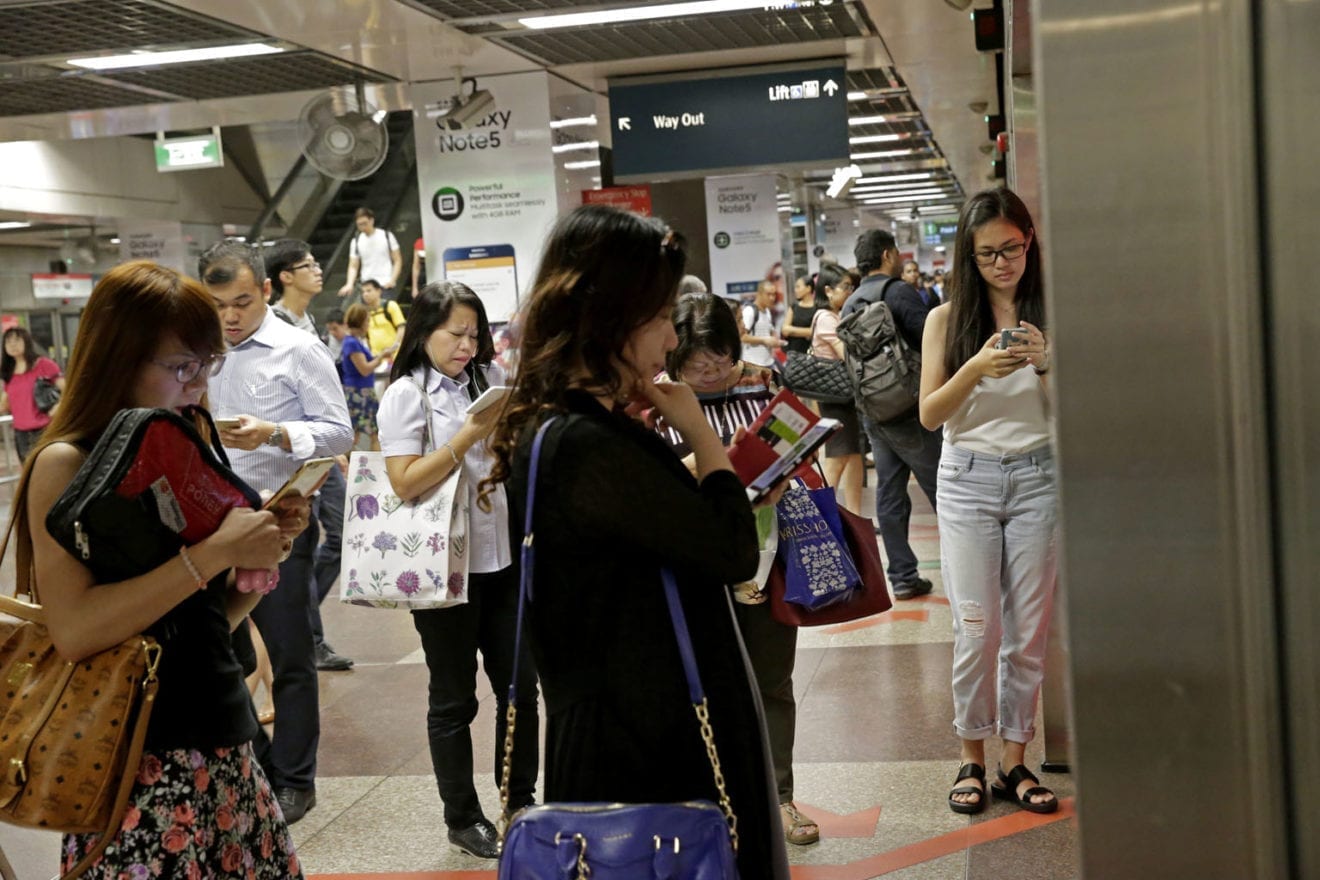
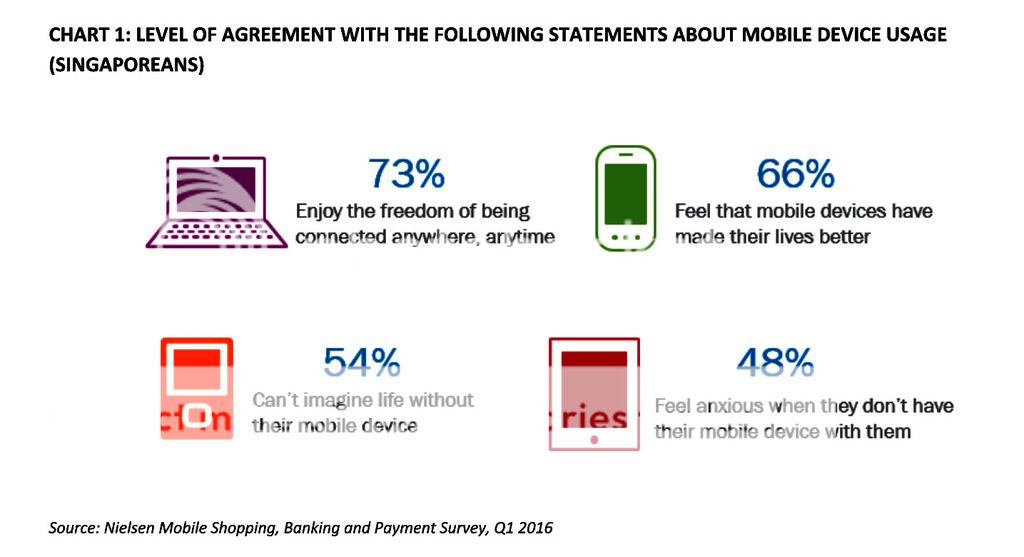
    Market research agency Nielsen on Monday says that some 54% of Singaporeans cannot imagine life without their mobile devices and 48% feel anxious without them.

    In addition, Nielsen found that 73% of Singaporeans enjoyed the freedom of being connected anywhere, anytime, while 66% strongly or somewhat agreed that their mobile device had bettered their lives.

    The findings were from a poll of more than 30,000 online respondents in 63 countries, in Nielsen’s latest Mobile Shopping, Banking and Payment Survey. This included 493 respondents from Singapore.

    Nielsen says the proliferation of technology and need for connectivity in their lives has revolutionised the world of retail, and changed the way consumers shop and buy online, as well as perform banking transactions.

    “Mobile devices… are shaping and defining the consumer’s approach to retail and banking, empowering them to demand a more custom tailored experience according to their taste and preferences,” says Joan Koh, managing director, Nielsen Singapore and Malaysia.

    “The need for connectivity and value of convenience has never been greater among Singaporeans,” she adds.

    Some 62% of Singaporeans have used their mobile devices to look up product information when shopping and 54% have used their mobile devices to compare prices.

    Close to half, or 49% of consumers, have used their mobile device to research on a product or service within the last six months.

    In addition, some 32% have used their mobile devices to purchase a product or service, and 31% have booked movie tickets, flight tickets or hotel stays through them.

    “The adoption of mobile devices has disrupted the path to purchase of traditional retail channels,” says Koh. “Businesses need to continue to leverage on digital and social media platforms to supplement traditional formats such as television and print media to drive consumer engagement.”

    Growth in access to cashless payments is estimated to lead to US$10 trillion in additional consumer spending over the next decade, according to estimates from The Demand Institute, which is jointly operated by Nielsen and The Conference Board.

    Nielsen says consumers are also adopting digital tools to monitor their spending and manage their finances.

    “We are seeing an uptrend in the adoption of mobile-banking activities,” says Anil Antony, executive director of consumer insights at Nielsen Singapore. “This is further girded by the fact that retail banks are increasingly going digital with their processes and driving automation.”

    Some 41% of Singaporeans say they had checked a bank account balance or a recent transaction in the past six months, while 37% have paid a bill using their mobile device.

    In addition, 36% of respondents have transferred money between bank accounts, and 26% have transferred money using their mobile device directly to another person.