Tag: smarthpone

  • Oppo details AI pivot that brings innovative features to all phones

    Oppo details AI pivot that brings innovative features to all phones

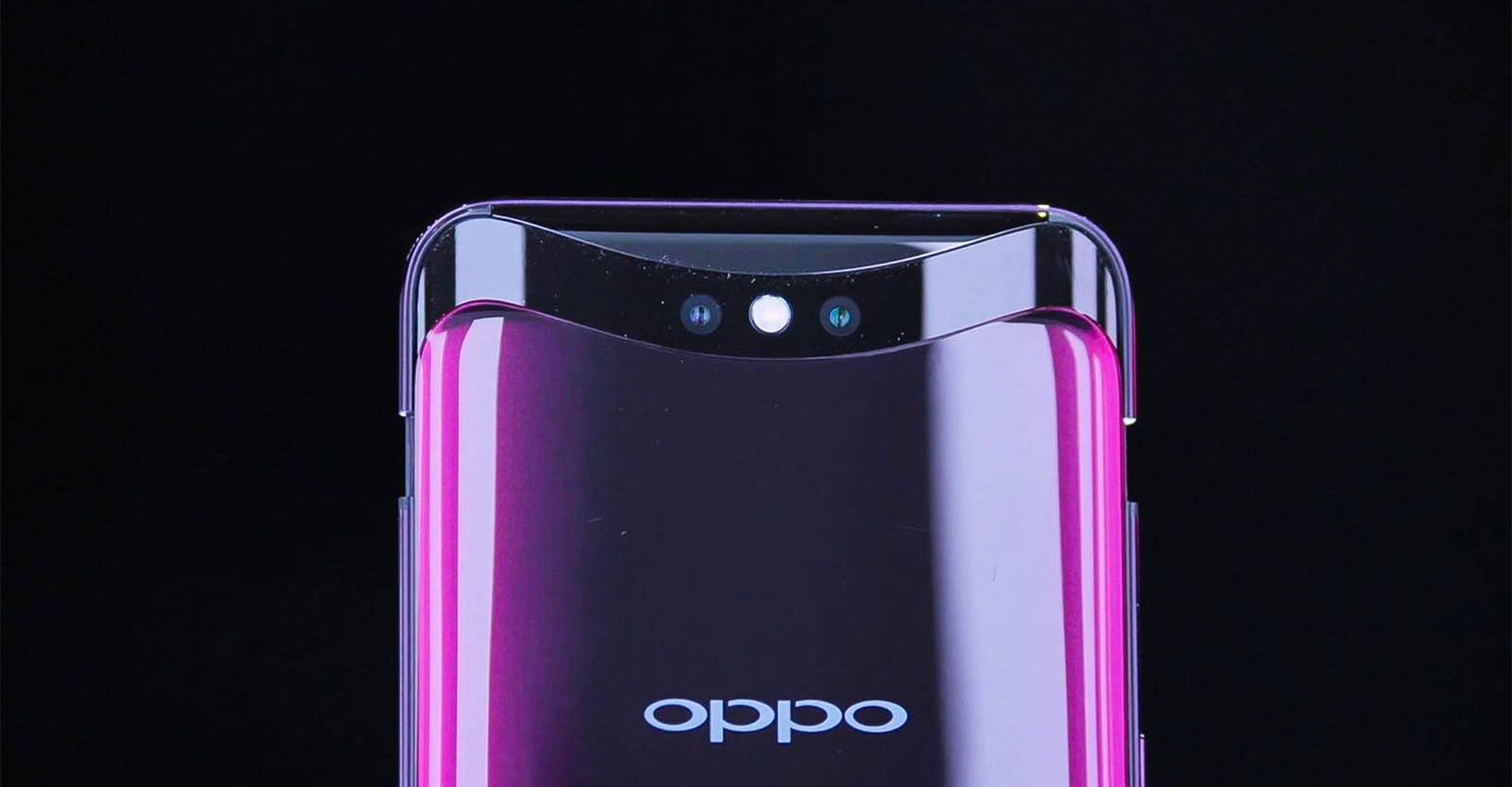
    Oppo will be democratizing the access to the most suitable device to take advantage of the AI era – the phone – by bringing its productivity and creativity features downmarket to virtually all of its handsets.

    The company behind the excellent Find X7 Ultra and foldable Find N3 phones used the festivities around its sponsorship of the UEFA Champions League and its Bouissia Dortmund – Real Madrid final to present its vision for artificial intelligence that it simply calls the AI Phone.

    However, the abovementioned flagships won’t be the only ones getting Oppo’s AI Summary, real-time Translation, or the popular AI Eraser function, which removes unwanted objects and areas in your photo with the flick of a finger.

    In fact, Oppo plans to release a coordinated set of AI features created in a partnership with juggernauts like Google, Microsoft, or MediaTek, by year’s end. These, however, won’t be reserved only for Oppo’s flagship Find- and N-series, but will trickle down to the Reno midrangers and even to the budget A- and F-series.

    According to Billy Zhang, Oppo’s President of Overseas Marketing, Sales and Services during the dedicated presentation at London’s beautiful Renaissance St. Pancras:

    OPPO is bringing generative AI to all product lines for the first time in the industry. By the end of this year, we expect to bring generative AI features to about 50 million users. That is 50 million people that may get their first glimpse of an AI-induced function or feature on their Oppo phone, no matter its price range, and the best that the industry can offer at that, like chatbots, large language models, and productivity or entertainment suites.

    Alongside its own innovation, OPPO is working closely with other industry leaders to bring better AI phone experiences based on an on-device and cloud Hybrid AI Architecture. In partnership with Google, OPPO’s Reno12 series and the next-generation Find X Flagship will feature the Google Gemini family LLMs, bringing OPPO users even more innovative and convenient AI features such as AI Toolbox including AI Writer and AI Recording Summary features. In collaboration with MediaTek, both parties are tuning chips to enhance chip storage and computational efficiency on future OPPO flagship models. And through its partnership with Microsoft, the next-generation OPPO phones will be equipped with Microsoft capabilities to bring a more efficient, accurate, and natural voice and text conversion experience and improved connectivity between desktop AI and phones.
  • The 5G-enabled Honor 60 series to be unveiled on December 1

    The 5G-enabled Honor 60 series to be unveiled on December 1

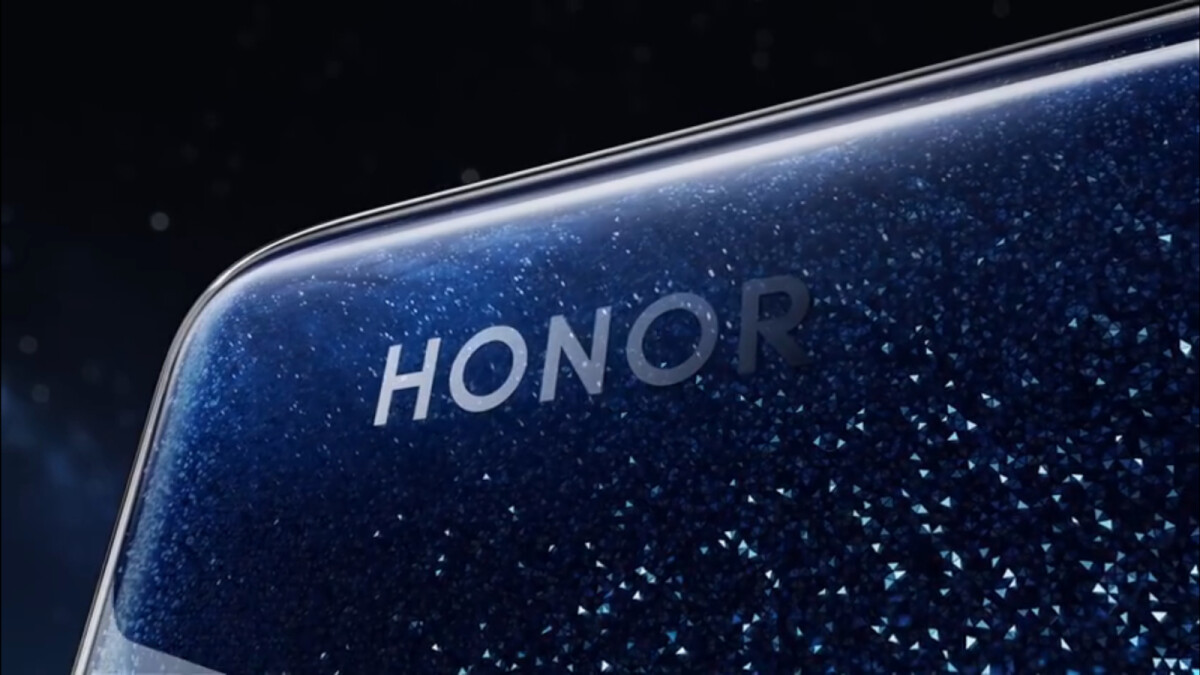
    It’s been less than a month since Honor launched its mid-range 50 series, and the Chinese company has even more smartphones in the pipeline. And it’s not hard to guess the name of Honor’s upcoming devices since the Chinese company has already teased the official announcement.

    The upcoming Honor 60 series is expected to feature at least three different models: Honor 60, Honor 60 Pro, and Honor SE. Unlike the Honor 50 that packs a Snapdragon 778G 5G chipset, the upcoming phones are expected to be more powerful.

    It’s not yet been confirmed, but the Honor Pro 60 is rumored to pack a high-end Snapdragon 870 chipset. Also, the phone will be powered by a 4,500 mAh battery with 100W fast charging support. The regular Honor 60 model on the other hand will only support 66W fast charging.

    However, considering the Honor 60 series is supposed to be aimed at the mid-range tier, these rumors may be false, and the upcoming phones might end up with the same chipset inside as the Honor 50 series, or perhaps trade it for a MediaTek processor like the Dimensity 900.

    Thankfully, we won’t have to wait long for these important details. Honor confirmed the 60 series will be unveiled in China on December 1, which is less than a week from now.

  • U.S. Adds Chinese Smartphone Giant Xiaomi to Blacklist

    U.S. Adds Chinese Smartphone Giant Xiaomi to Blacklist

    Just five days before the official inauguration of President Joe Biden, the Trump administration is making a late push to ban more Chinese companies deemed risky, including smartphone maker Xiaomi and state-owned oil firm CNOOC.

    Xiaomi was one of nine firms added to the Defense Department’s list of banned firms linked to the Chinese military, expanding the original list of over 60 companies.

    The Department is determined to highlight and counter the People’s Republic of China’s (PRC) Military-Civil Fusion development strategy, which supports the modernization goals of the People’s Liberation Army (PLA), said a statement from the Department of Defense (DoD).

    According to the DoD, PLA modernization is being ensured via access to «advanced technologies and expertise acquired and developed by even those PRC companies, universities, and research programs that appear to be civilian entities».

    Financial firms that wish to comply with sanctions on the additional firms will have to rebalance their exposure and many have reportedly done so in recent times, delisting of structured products in Hong Kong or removing constituents from major global index compilers.

    One notable global firm that has bucked the trend by maintaining business ties without complying to U.S. sanctions is State Street Global Advisors, whose Asia unit reversed its decision to remove banned stocks from the renowned Tracker Fund following pressure from Hong Kong officials.

    In the third quarter of last year, the Chinese tech giant surpassed Apple in terms of smartphone sales and entered Hong Kong’s benchmark Hang Seng Index in September. Its current market capitalization exceeds $700 billion.

  • Oppo India opens first flagship store in Hyderabad

    Oppo India opens first flagship store in Hyderabad

    Oppo India has launched its first premium flagship in South Asia at Sharath Capital Mall in Kondapur.

    The opening coincides with the release of the brand’s new Reno series phone model.

    The new venue has been designed to engage customers while encouraging them to explore and appreciate the craftsmanship and technological features of Oppo’s product range. According to product manager Jithin Abraham, it is divided into different areas that respectively deal with Indian culture and heritage, Oppo’s evolution in the mobile market, the brand’s technologies, and other consumer experiences.

  • Huawei Mate 30 line can be first to use chips made with new energy technology

    Huawei Mate 30 line can be first to use chips made with new energy technology

    Extreme Ultraviolet lithography (EUV) uses light to etch out the layout of transistors and other components on a silicon wafer. Consider that today’s modern chipsets employ billions of transistors on a single chip. If you think that this is an over exaggeration, the Apple A12X chipset used on the the 2018 iPad Pro tablets feature 10 billion transistors. And that is without the use of EUV. The latter technology will make the placement of these transistors more precise, allowing for a 20% increase in the density of transistors on a chip, making these components more powerful with less energy consumption.

    The first smartphone chip to use EUV will most likely be Huawei’s Kirin 985 SoC, which will be fabricated by TSMC. The latter was the first to roll out chips using the 7nm process, an improvement from the previous generation of 10nm chips. That change alone, which signifies denser deployment of transistors, brings more power and less energy consumption to the newest smartphones; add in the capabilities of EUV and the next generation of chips will be faster while conserving more battery life.

    EUV will really show its worth in succeeding generations of chips (5nm and forward) because on 7nm chips, it really doesn’t show its true potential. So while Moore’s law, the observation made by former Intel CEO Gordon Moore that the number of transistors on a chip doubles every other year, might soon reach its physical limitations, EUV will help chip designers and manufacturers draw up and produce the components that will make current phones seem slow and inefficient in comparison.

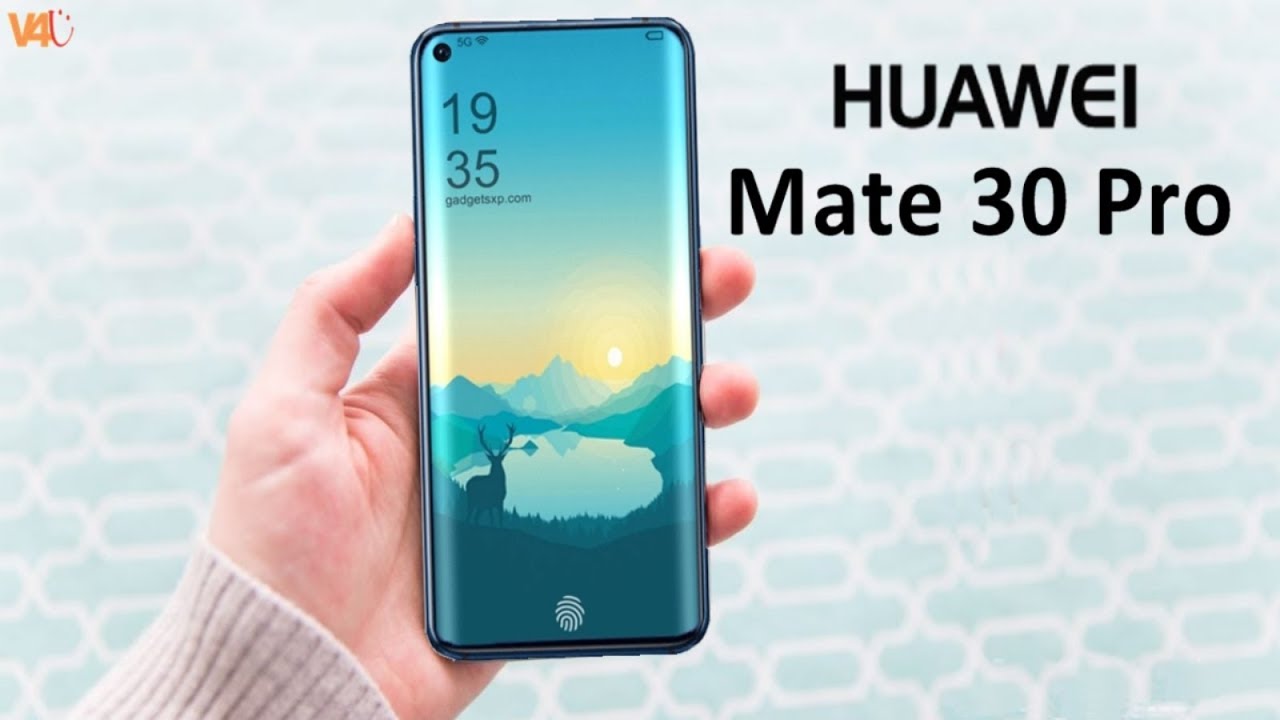
    We could see the Kirin 985 chipset hit the market sometime during the first half of this year. The Kirin 985 will arrive too late for the soon to be unveiled Huawei P30 series, which will be unveiled on March 26th and launch on April 5th, powered by the Kirin 980. Perhaps we will see the Kirin 985 SoC make its debut on the Huawei Mate 30 range due out later this year.

  • Xiaomi preparing two in-screen fingerprint Android One phones

    Xiaomi preparing two in-screen fingerprint Android One phones

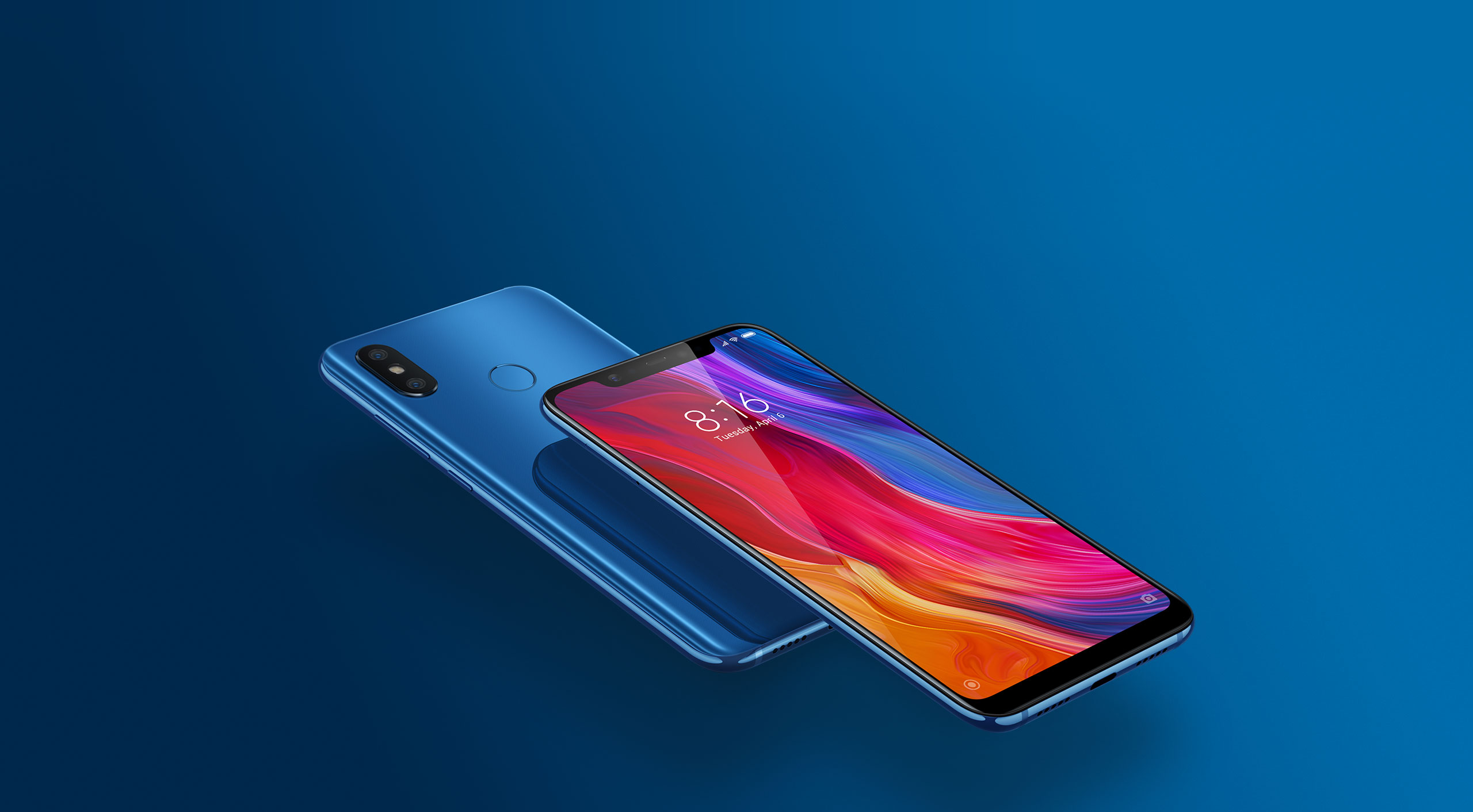
    The Xiaomi Mi A1 became almost an overnight success when it was released back in September of 2017. So much so, that Xiaomi followed it up with the Mi A2 and Mi A2 Lite last summer. And now, as revealed by XDA Developers, the Chinese brand is preparing a third-generation of the lineup.

    Codenamed ‘bamboo_sprout’ and ‘cosmos_sprout’ – all Android One smartphones include the ‘sprout’ suffix in their codenames – the new devices are expected to launch later this year commercially as the Xiaomi Mi A3 and Mi A3 Lite. From what can be gathered, both smartphones are currently being tested with ‘fod.’ In Xiaomi terms, this stands for an in-display fingerprint scanner, something that would probably be capture the attention of consumers.

    Nowadays, the general consensus is that traditional fingerprint scanners like the ones found on the Mi A2 series are much quicker and precise than in-screen implementations, especially optical in-display ones. But to regular consumers who don’t know too much about tech, the newer solutions are much more futuristic, hence why Xiaomi is probably looking to include them on the Mi A3 lineup.

    The specifications of these two devices remain a bit of a mystery at the moment. However, XDA Developers reports that both smartphones will come equipped with 32-megapixel selfie snappers.These will probably be contained inside small, waterdrop-like notches – almost every phone Xiaomi launches now includes this design feature.

    As for a release date, the Xiaomi Mi A3 and Mi A3 Lite will probably be announced in late May or early June prior to a launch soon after. Pricing hasn’t yet been revealed.

  • KFC smartphone launches in China

    KFC smartphone launches in China

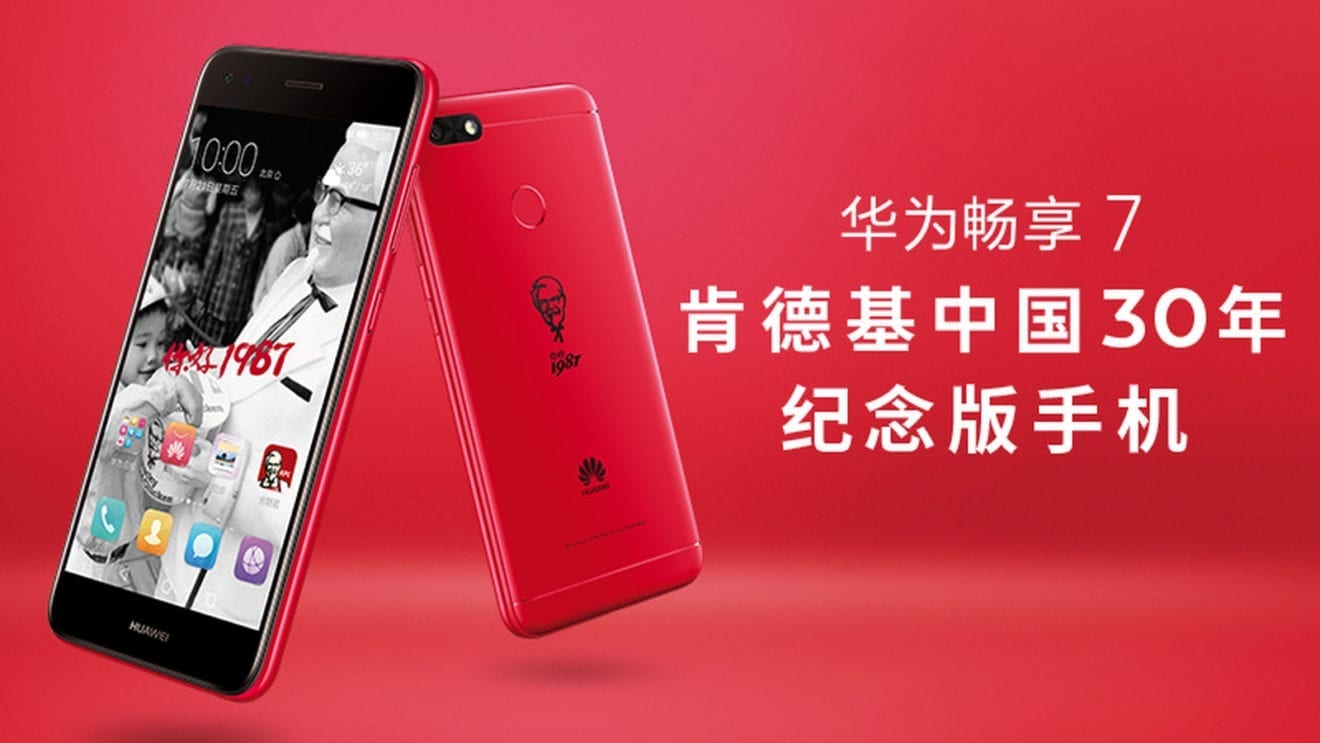
    Shortly after launching an online shop featuring a hunk of meteorite carved into a burger shape, KFC China has partnered with Huawei to release a limited-edition smartphone.

    To commemorate its 30 years in China, the new KFC smartphone phone features founder Colonel Sanders etched on its back.

    KFC announced its latest “toy” via its Weibo page, saying the phone is available for K$100,000, the restaurant’s digital currency, or RMB1099 (US$162).

    Installed on the phone is a KFC-branded music app that lets users create and share playlists at a KFC restaurant – like a modern-day jukebox. The Huawei Enjoy 7 Plus unit has a 5.5-inch screen, is powered by a Snapdragon 425 processor, and comes with 3GB of RAM and 32GB of expandable storage. It features a fingerprint scanner – for fingers that have had a lickin’, presumably.

    Only 5000 of the devices are available.

  • China’s iVOOMi set to enter Indian smartphone market

    China’s iVOOMi set to enter Indian smartphone market

    Chinese electronic major iVoomi is all set to enter the Indian market with the launch of mid- to low-range of smartphones, the company said on Monday.

    To begin with, the company will unveil iV505 (priced at Rs 3,999) as its first smartphone in the country this month.

    “We are committed to establish iVOOMi in the Indian market with our innovative products loaded with highly valued SmartMe OS (Customised OS) and features at an affordable price,” said Bradley Yan, Global Business Head, iVoomi, in a statement.

    The smartphone comes with Jio-ready 4G-VoLTE SIM cards on both the slots, flash charge technology and Android Marshmallow 6.0.

    The brand has also planned to launch four smartphone models in India ranging from Rs 4,000 to Rs 10,000.

    The company has a broader plan for Indian market and intent to establish its research and development and manufacturing unit in India by 2019, the statement said.