Retail News CRM

Tag: smartwatch

  • Facer Revolutionizes Smartwatch World: New Partnerships Expand Customization Options to Reebok and Affordable Brands

    Facer Revolutionizes Smartwatch World: New Partnerships Expand Customization Options to Reebok and Affordable Brands

    Facer, the leading platform for smartwatch customization, has made significant announcements at CES 2026. The company unveiled three major partnerships aimed at extending smart functionality to watch faces and broadening its colossal library to millions of cost-effective devices.

    Facer’s Expansion

    Facer is a well-known platform for those who enjoy personalizing their smartwatches. It’s a popular choice for Apple Watch and Wear OS users. At the 2026 CES, Facer shared plans for a massive expansion. Specifically, the company revealed a collaboration with LVGL, a graphics library employed by numerous embedded devices.

    What does this mean for consumers? Facer’s extensive library of over 500,000 watch faces will soon become available to RTOS (Real-Time Operating System) watches. These watches, known for their battery efficiency and cost-effectiveness, come from brands like Xiaomi and IDO. These brands traditionally offer limited customization options.

    Furthermore, Facer is set to become available on the new Reebok watch. Vitalist, the creator of the wearable, has engaged Facer for its VitalOS platform. This means that the new Reebok watch will directly support Facer’s comprehensive customization options.

    Transforming Watch Face Functionality

    Facer isn’t just broadening its availability; it’s redefining what a watch face can do. The company is teaming up with Citizen to incorporate “Riiiver” technology. This innovative technology enables watch faces to trigger actions, such as controlling smart home appliances, or showcasing live data from external services like the stock market. This development moves watch faces far beyond simple aesthetics.

    This represents a notable shift in the smartwatch field. Previously, when purchasing a budget-friendly RTOS watch, consumers were limited to a few pre-installed faces. Facer’s partnerships with LVGL and Vitalist mark a significant step towards democratizing customization. Now, there’s no need for an expensive Apple or Galaxy Watch to express individual style.

    Moreover, for those desiring more functionality from their watches, the Citizen Riiiver integration offers a solution to a longstanding issue. Generally, watch faces have been limited to displaying time and step counts. By transforming them into interactive hubs that communicate with other devices, they become genuinely useful, not just aesthetically pleasing.

    Personal Experiences

    RTOS watches have always evoked mixed feelings. While their battery life is commendable, their software often feels rigid and impersonal. Facer’s introduction to these devices is exactly what the platform needed to feel premium.

    Personally, the integration of Riiiver technology is the most exciting prospect. The possibility of having a custom button on a watch face that performs a specific action—like switching on living room lights—without having to navigate an app menu, is a revolutionary development. It marks a significant maturation in the capabilities of watch faces.

    Questions & Answers

    What does Facer’s partnership with LVGL imply for consumers?
    Facer’s collaboration with LVGL means that its extensive catalog of over 500,000 watch faces will become available to RTOS (Real-Time Operating System) watches. These are typically cost-effective, battery-efficient watches from brands like Xiaomi and IDO.

    How will the integration of “Riiiver” technology change watch faces?
    In partnership with Citizen, Facer is integrating “Riiiver” technology into watch faces. This will enable watch faces to trigger actions like controlling smart home devices, or display live data from external services like the stock market.

    What is the significance of Facer’s expansion in the smartwatch landscape?
    Facer’s expansion is democratizing customization in the smartwatch industry. The partnerships with LVGL and Vitalist mean that consumers no longer need to purchase expensive watches to access a wide array of customization options. Additionally, the integration of “Riiiver” technology transforms watch faces into interactive hubs, making them more functional rather than just aesthetically pleasing.

  • WhatsApp Unveils Full-Fledged Native App for Apple Watch: Upgrade Your Messaging Experience Now!

    WhatsApp Unveils Full-Fledged Native App for Apple Watch: Upgrade Your Messaging Experience Now!

    WhatsApp has made a long-awaited move by releasing a specialized, native application designed specifically for the Apple Watch. This significant development includes voice messages and comprehensive chat history, effectively bringing key features to users’ fingertips.

    WhatsApp for Apple Watch: A Fresh Look

    Previous versions of WhatsApp for the Apple Watch left much to be desired, functioning essentially as a rudimentary notification center. Users would receive alerts and possibly view the first line of a message, but anything more involved required using an iPhone.

    The recent update signals a shift in this dynamic. WhatsApp’s parent company, Meta, announced the launch of a completely new, native application built specifically for watchOS. This isn’t merely a slight tweak, but a comprehensive application designed to enhance the usability of the watch application.

    Key Features of the New Application

    With the new application, users can expect a variety of features including:

    – Reading complete messages, irrespective of length
    – Recording and sending voice messages
    – Identifying incoming calls with call notifications
    – Responding with emojis
    – Viewing better quality images and stickers
    – Accessing an extensive chat history

    While these features present exciting prospects, it’s important to note that they require the latest software. Users will need an Apple Watch Series 4 or later model and must run watchOS 10 or a newer version.

    For the millions of users, particularly outside the United States, who rely on WhatsApp as their primary mode of communication, this update represents a significant improvement on the Apple Watch’s functionality, which previously felt restricted by its iMessage-centric design.

    However, when compared to its competition, WhatsApp has been slow to adapt. For example, Telegram, one of WhatsApp’s main competitors, has long had an efficient native watch application. This allows users to browse chats, send voice messages, and even view stickers. The new WhatsApp application seems less like an innovative move and more like an attempt to catch up with the advanced features provided by its competitors.

    Despite these shortcomings, the arrival of the new application enhances the overall functionality of the Apple Watch, especially in terms of enabling quick replies without relying on an iPhone.

    Final Thoughts

    For users who regularly communicate overseas where WhatsApp maintains a stronger presence than iMessage, the update is a welcome development. The ability to swiftly send voice messages, a preferred method of communication for many, remedies a significant inconvenience previously experienced on the Apple Watch. This update single-handedly addresses this issue, making the Apple Watch a more comprehensive device.

    Questions & Answers

    What are the key features of the new WhatsApp application for the Apple Watch?
    The new application allows users to read complete messages, record and send voice messages, identify incoming calls with notifications, respond using emojis, view high-quality images and stickers, and access an extensive chat history.

    What is required to access the new WhatsApp application on the Apple Watch?
    To use the new WhatsApp application, users must have an Apple Watch Series 4 or later model and must run watchOS 10 or a newer version.

    Does the new application make WhatsApp more competitive?
    While the new features bring WhatsApp closer to its competitors, the update could be viewed as an effort to catch up with existing features offered by apps like Telegram rather than a groundbreaking innovation.

  • Google’s Pixel Watch 4: The Game Changer In Smartwatch Industry

    Google’s Pixel Watch 4: The Game Changer In Smartwatch Industry

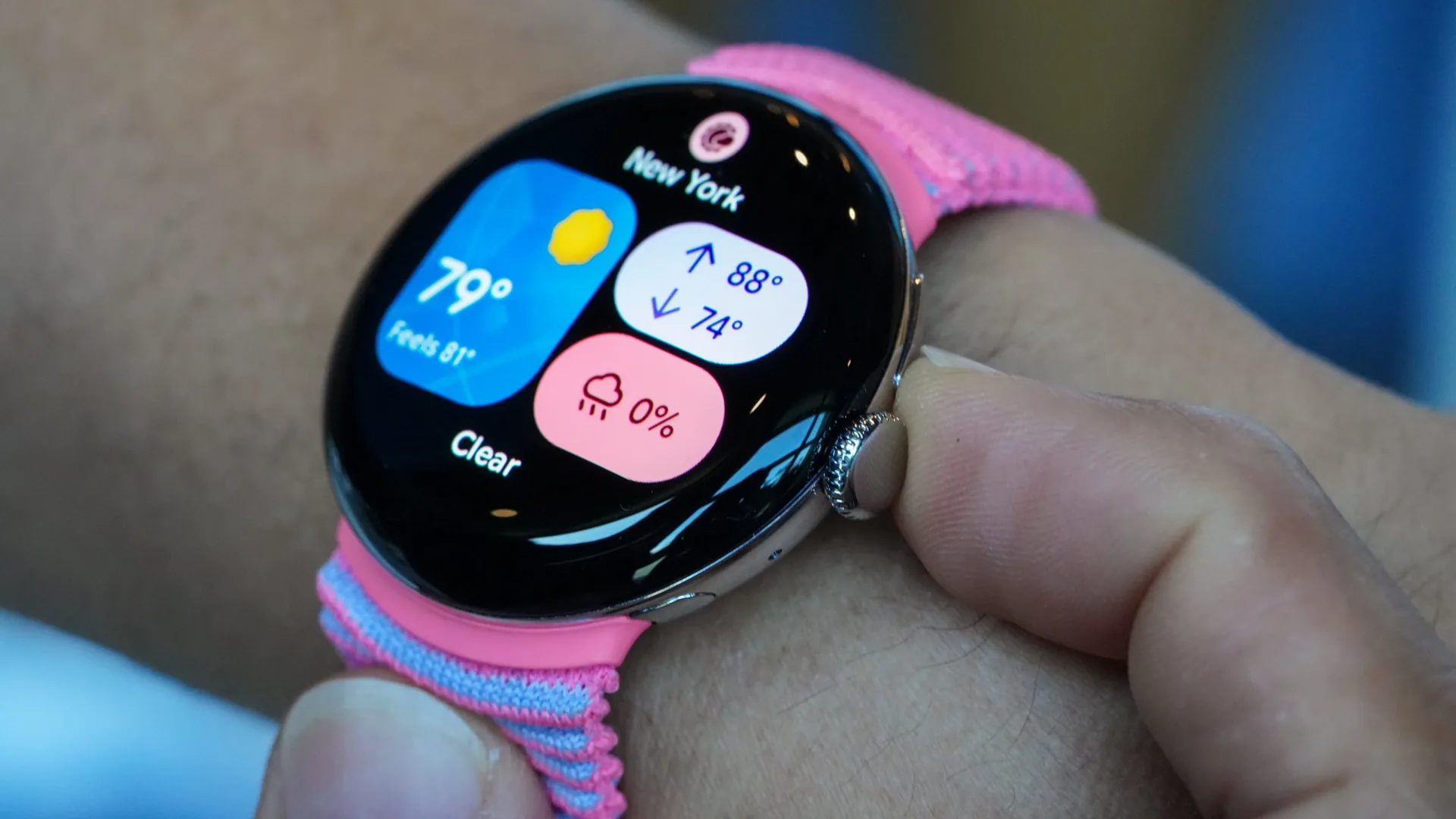
    Google’s Pixel Watch has been a topic of discussion for several years now, but it has always fallen short of expectations. With each new iteration, the brand seemed to be on the brink of a breakthrough, yet something was always missing, preventing it from realizing its full potential. Issues ranged from incomplete features and charging discrepancies to battery drain problems. However, the Pixel Watch 4 is set to redefine the narrative.

    The Dawn of a New Era

    With the debut of the Pixel Watch 4, it’s clear that Google has transcended the teething troubles that marred its former models. This is the first Pixel Watch that exudes a sense of completion, thereby providing users with a comprehensive smartwatch experience. It is also the first model that could potentially ruffle the feathers of Apple Watch wearers.

    A Detailed Look

    At first glance, the Pixel Watch 4 retains the aesthetic charm of its predecessors. Its glass dome design and rounded body mimic the form of a smooth pebble, which is a signature style of the Pixel Watch line. However, a closer inspection reveals that this model is more than just a clone of its antecedents. It’s a true progression, a marked departure from mere replication.

    Features and Performance

    The Pixel Watch 4’s display boasts an output of 3,000 nits, a figure that matches the luminosity of the premium Apple Watch Ultra 3, but at a lower cost. The display renders vibrant hues and lucid text in any lighting situation, making the animated Wear OS interface and colorful tiles look exceptionally lively.

    Under the hood, the Snapdragon W5 Gen 2 processor works in tandem with Google’s new AI co-processor. The resulting combination powers a smartwatch that delivers remarkable speed. Whether it’s navigating the menu system, launching applications, or scrolling, the Pixel Watch 4 offers a fluid and seamless user experience. This level of consistent performance was previously unattainable in older Pixel Watch models.

    Battery Life and Charging

    The Pixel Watch 4 also boasts an improved battery life. The 45mm model can function for up to 40 hours with the display on and needs just 15 minutes of charging to reach 50% capacity. The smartwatch supports full-day operation, complete sleep tracking, and still manages to keep some power in reserve for the next day. This has finally resolved the panic that often ensued when users forgot to charge their devices.

    Questions & Answers

    What sets the Pixel Watch 4 apart from its predecessors?
    The Pixel Watch 4 stands out due to its complete features, improved battery life, high-speed performance, and an enhanced user experience that feels fully developed.

    How does the Pixel Watch 4 compare to the Apple Watch Ultra 3 in terms of display?
    The Pixel Watch 4 matches the Apple Watch Ultra 3’s display output of 3,000 nits, delivering vibrant colors and clear text in all lighting conditions.

    How long does it take to charge the Pixel Watch 4?
    It takes only 15 minutes of charging for the Pixel Watch 4 to reach 50% capacity, making it a convenient choice for those on the go.

  • Hanoi Authorities Seize Thousands of Counterfeit Marshall Speakers and Smartwatches in Facebook Scam Bust

    Hanoi Authorities Seize Thousands of Counterfeit Marshall Speakers and Smartwatches in Facebook Scam Bust

    The streets of Hanoi have witnessed a significant crackdown on counterfeit products as local authorities recently dismantled a network that expertly peddled fake goods via Facebook. Among the impressive haul are 25,500 fraudulent items, including well-known products such as counterfeit Marshall speakers, smartwatches, and vacuum cleaners, all of which have led to a staggering seizure valued at around VND22 billion (approximately US$844,000).

    Operating under the leadership of 30-year-old Le Huu Minh, the group ingeniously set up a social media presence to promote their goods, mostly highlighting audio equipment falsely attributed to the renowned U.K. brand Marshall. Their marketing tactics included elaborate fake promotional campaigns celebrating the fictitious “10 years of establishment” of the Marshall brand, with eye-catching discounts reaching a jaw-dropping 70% on speakers, headphones, and amplifiers.

    To further deceive unsuspecting customers, the group launched a counterfeit website, marshall-store.com, designed to mirror the official Marshall site closely. Once the orders were placed, buyers received their goods through various delivery services, a strategy that morphologically shifted as the sellers often changed logistics companies to evade authorities.

    The prices of these knock-off items were irresistibly low, generally under VND1 million (around $38), making them an enticing option compared to their authentic counterparts. In addition to the impressive volume of fake technology, the police discovered a treasure trove of fashion products and accessories lacking valid proof of authenticity, inclusion in the grand sweep of the counterfeit operation.

    As this crackdown brings to light the extent of brand infringement, it also leaves us to wonder: just how savvy can counterfeiters get? Will online shoppers become more vigilant in their purchasing behaviors? And could this be the beginning of a larger wave of actions against online fraud in the retail sector?

    Questions & Answers

    What prompted the police raid on this counterfeit operation?
    The police acted on reports of a network selling counterfeit products on Facebook, leading to the discovery of a massive inventory of fake goods in Hanoi.

    Who was leading the counterfeiting group?
    The group was led by 30-year-old Le Huu Minh, who is currently under investigation alongside four other members.

    What types of products were seized during the operation?
    The police confiscated a wide array of items, including 12,200 smartwatches, 6,000 fake Marshall earbuds, 1,700 Marshall Emberton speakers, and 2,550 Fujisu vacuum cleaners, among other counterfeit fashion products.

  • Ahead of launch, the OnePlus Watch 2 spotted with a powerful battery

    Ahead of launch, the OnePlus Watch 2 spotted with a powerful battery

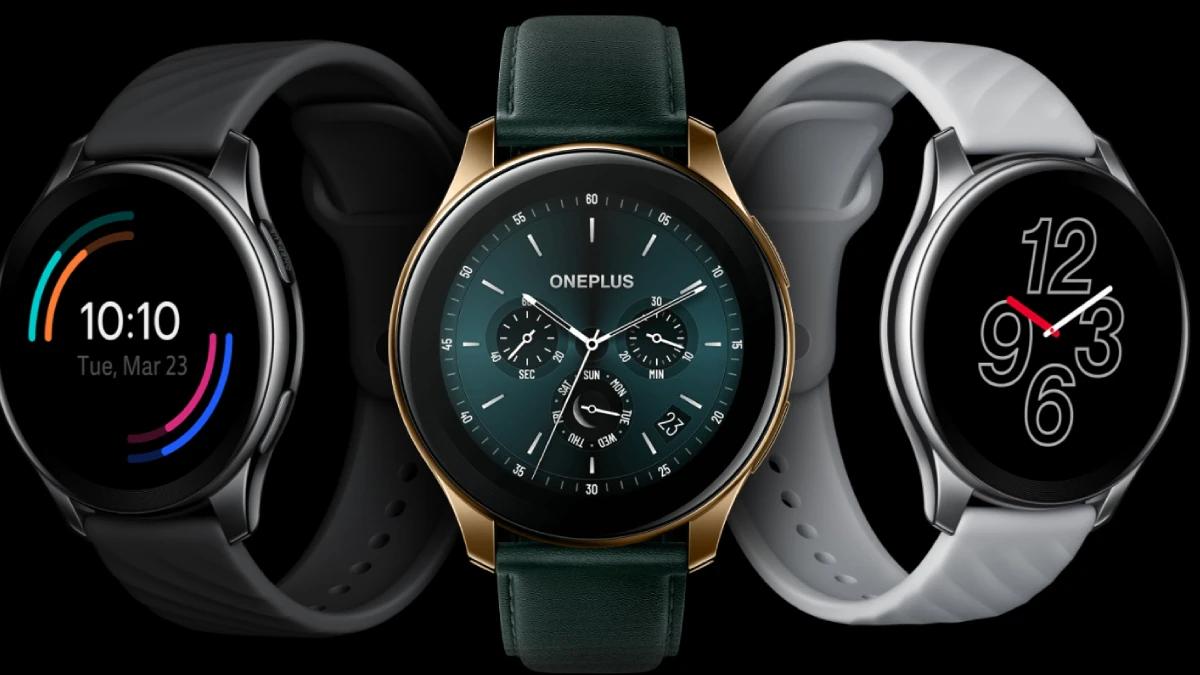
    The upcoming OnePlus Watch 2, set to be officially unveiled on February 26 at the Mobile World Congress (MWC) 2024 event, already has its specs and design detailed. Despite this, some questions remain unanswered, but recent developments have shed light on at least one of these mysteries.

    According to reports from MySmartPrice, the OnePlus Watch 2 has been spotted at the FCC, revealing a substantial 500 mAh battery. This is a notable increase compared to the original OnePlus Watch, which featured a 402 mAh battery and already provided a solid 10 days of usage on a single charge.

    In comparison to its competitors, the OnePlus Watch 2’s 500 mAh battery surpasses that of the latest Samsung Galaxy Watch 6 in its larger size, which has a 425 mAh battery. However, the Galaxy Watch 5 Pro remains ahead with its 590 mAh battery.

    The OnePlus Watch 2 is expected to offer impressive battery life for a smartwatch, aided by its 500 mAh battery. Additionally, the FCC has revealed that it will support 10W charging, matching the charging speed of its Galaxy competitor by Samsung.

    Unsurprisingly, the OnePlus Watch 2 will feature Bluetooth and dual-band Wi-Fi, as confirmed by the FCC certification. The smartwatch will debut with Bluetooth support in the frequency range of 2402 MHz to 2480 MHz and support Wi-Fi on both 2.4 GHz and 5 GHz bands.

    The OnePlus Watch 2 will be available in “Black Steel” and “Radiant Steel” color options. It is anticipated to feature a 1.43-inch AMOLED display, slightly larger than the 1.39-inch screen of its predecessor. The smartwatch will be powered by the Qualcomm Snapdragon W5 Gen 1 chipset, the same chipset used in the Pixel Watch 2.

    Stay tuned for more details and the official announcement as the launch date of the OnePlus Watch 2 approaches.

  • Garmin brings the ECG app to more smartwatches

    Garmin brings the ECG app to more smartwatches

    Garmin’s smartwatches are pretty popular in the United States and Europe, so the multinational company is trying to keep them updated. One of the features that most of Garmin’s smartwatches have been lacking in comparison with the competition is ECG support.

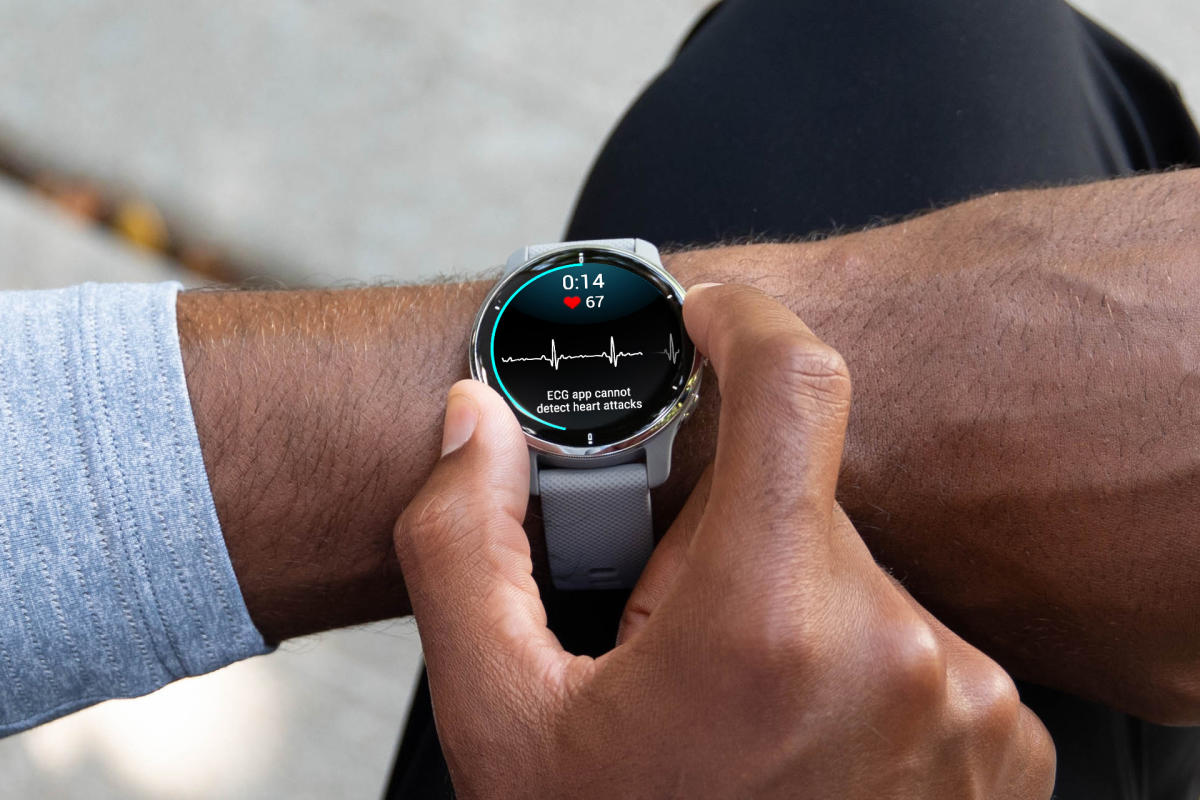
    The ability to measure atrial fibrillation was only available on Garmin Venu 2 Plus, but that’s about to change. The company has just confirmed that the ECG app is coming to more Garmin smartwatches, so if you own any mode from the list below, look for an update that will bring this new feature.

    In a post on Twitter, Garmin revealed that the ECG app is now available for epix Pro, Venu 3, and Fenix 7 Pro smartwatches. Yes, there are a bunch of other Garmin smartwatches that have yet to get the app, but the company told Android Central that “it intends to continue to expand its portfolio of products supporting the ECG app and launch it in new regions in-line with necessary regulatory approval.

  • Spotify to launch new Wear OS app, brings offline listening to smartwatches

    Spotify to launch new Wear OS app, brings offline listening to smartwatches

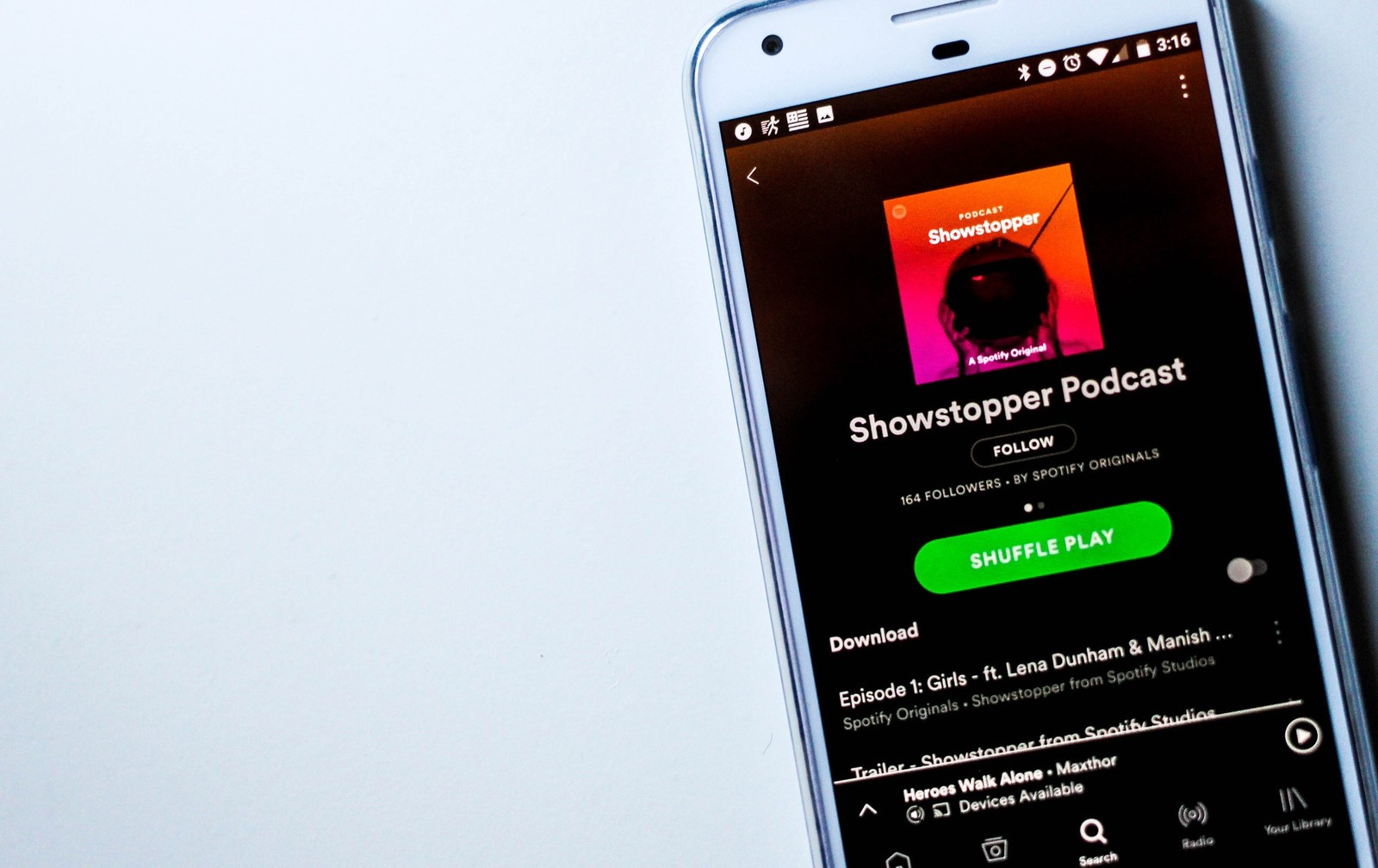
    Many months after launching its Watch OS app, Spotify announced it will launch a revamped Wear OS app that will include a couple of new features. The most important is offline listening, a brand-new feature that will be rolled out to Wear OS smartwatches in the coming weeks.

    Although the wording in the official statement implies that offline listening has been specifically designed for Samsung’s new Galaxy Watch 4 and Galaxy Watch 4 Classic, the feature will work on older Wear OS smartwatches too.

    The new feature will not be limited to music, as Spotify users will also be able to download podcasts for offline listening. Premium subscribers will be able to download their favorite albums, playlists, and podcasts to listen offline. On the other hand, free Spotify users will be able to stream their tunes in Shuffle Mode using Wi-Fi or mobile data, as well as download any of their favorite podcasts directly to the watch.

    When the new Wear OS app will be available for download, smartwatch users will be able to download content for offline listening simply by tapping “Download to watch.” The new app will be coming to Wear OS smartwatches from Fossil, Mobvoi, Suunto and more in the coming weeks.

  • Facebook to launch smartwatch with focus on fitness, messaging in 2022

    Facebook to launch smartwatch with focus on fitness, messaging in 2022

    Last month, Facebook called Apple a ‘significant’ future competitor. Those comments were understood to be a reference to their respective AR/VR efforts, but a new report adds another layer to the matter.

    The Information reports that Facebook is building a smartwatch as part of its ongoing hardware efforts, which already include Oculus VR headsets and the Portal smart display.

    It will use an open-source version of Google’s Android software and include its own cellular connection, meaning owners won’t need to rely on a smartphone for internet access.

    Feature-wise, the Facebook watch is set to focus on messaging through Messenger and other Facebook platforms. The social giant is also planning several fitness & health features including the ability to track workouts and connect to services from Peloton and others.

    Facebook’s watch, which will have to compete with top smartwatches from Apple and Fitbit, is scheduled to launch in 2022 with a successor planned for as soon as 2023. We don’t know how much it’ll cost yet, but the company will reportedly price it near the cost of production.

    This ultimately suggests that Facebook is more interested in collecting valuable user data that can be leveraged with future services than generating profit through hardware sales.

    Whether the Facebook smartwatch will succeed remains to be seen. Facebook has a poor track record when it comes to user privacy, so handing over health data to the company might be off-putting for consumers.

  • Apple will continue to dominate fast-growing smartwatch market

    Apple will continue to dominate fast-growing smartwatch market

    While the global smartphone market remains stagnant as groundbreaking foldable designs need more time to “stabilize” and 5G deployment is still too slow to make a difference, smartwatch sales continue to grow at an impressive pace around the world, pushing the entire wearable device industry forward.

    It should come as no surprise that Apple is projected to stay in the lead of the smartwatch market until at least 2023, well ahead of a pack of rivals with no standout performer in sight. The International Data Corporation (IDC) expects the Cupertino-based tech giant to rack up a 25.9 percent slice of a 131.6 million unit pie in four years, with the former number actually representing a major decline from the company’s latest estimated 35.8 percent share.

    But that’s mainly because significantly more smartwatches are forecasted to be shipped worldwide in the next few years than right now. Specifically, that 131.6 million score would surge from 91.8 million units in 2019, marking a compound annual growth rate (CAGR) of 9.4 percent. And believe it or not, a different category of the wearable industry is expected to thrive at an even faster pace.

    We’re talking about earwear, aka ear-worn devices, aka AirPods and other headphones endowed with smart features. A whopping 105 million of these bad boys could be sold worldwide in 2023, up from “only” 72 million units this year, making up 34.8 percent of the overall wearable market, up from 32.3

    What’s perhaps more interesting to keep an eye on is how smartwatches and ear-worn devices will expand and evolve their feature sets and capabilities. According to the IDC, more than half of the former group will support standalone cellular connectivity in 2023 to break free from smartphones, while the latter category should focus more on allowing consumers to “cope with hearing loss” and other similarly life-improving use cases in addition to just tracking health info and interacting with a voice assistant.

    Finally, it sounds like wristband sales have largely plateaued, with this year’s 54.2 million units merely expected to rise to 55 million in 2023. Shipments will especially decline in North America and Western Europe, where the vast majority of activity tracker owners are likely to upgrade to smartwatches.

  • Fossil to launch new Emporio Armani, Diesel and Michael Kors smartwatches

    Fossil to launch new Emporio Armani, Diesel and Michael Kors smartwatches

    Each year Fossil refreshes its stylish lineup of smartwatches with new models that feature updated hardware and, sometimes, different designs. This is year is no exception and a new set of Fossil wearable devices are expected to arrive as early as fall.

    A fairly sizable number of unannounced Fossil smartwatches have been recently spotted at FCC, and their codenames have been deciphered by Droid-life as belonging to brands like Michael Kors, Emporio Armani, and Diesel. There’s also one Fossil-branded smartwatch among those listed at FCC, but there might be additional ones that haven’t popped up yet at the Federal Communications Commission.

    Along with the listing of their codenames, we also have some pictures showing the Wear OS app drawer and settings, but aside from that, no exciting new info revealed in the documentation filed at FCC.

    We’re not even sure whether or not these will be equipped with Qualcomm’s new Snapdragon Wear 3100 chipset, which would be an upgrade from the current Fossil smartwatch. The good news is we’ll most likely learn more about Fossil’s upcoming smartwatches pretty soon now that they’ve been listed at FCC.
  • Apple Watch cuts more ties with the iPhone in latest watchOS 6

    Apple Watch cuts more ties with the iPhone in latest watchOS 6

    VentureBeat’s Jeremy Horwitz discovered something interesting on his Apple Watch when he installed watchOS 6 Developer beta 2 on the device. There are indications that with the latest watchOS build, the wearable will be able to directly load OTA updates without having to go through an Apple iPhone. It’s another cut in the umbilical cord that connected the Apple Watch to the iPhone when the timepiece was first released in 2015. If you’re running the latest Developer beta of watchOS, you can see how the timepiece can run OTA updates through the settings menu by going to Settings > General > Software Update.

    The first cut in the cord came with the release of the Apple Watch Series 3 (GPS + Cellular), which allowed users to make and take calls, reply to messages and receive notifications on the device even if they left their iPhone at home. Before the latest beta update, Apple Watch users needed to open the Watch app on their iPhone in order to complete the updating process.

    So this seems to be good news for those fighting for the independence of the Apple Watch. We say “seems” because for now, even if you install a software update directly from your smartwatch’s settings menu, you have to read and accept the watchOS terms and conditions from your iPhone before starting the update. That seems a little contradictory for a feature that is designed to wean Watch users off their handsets, so we have our fingers crossed that this is something that will be figured out before the final version of watchOS 6 is disseminated.

    When updating directly from the Apple Watch, the timepiece needs to be connected to Wi-Fi and resting on its charger. Once the battery is charged up to the 50% level, the update will begin.

    The next build of watchOS will feature new watch faces. Many new watch faces, according to Apple. In fact, the company says that there will be “more new faces since the very first Apple Watch.” The big news, of course, is that there will be an App Store for the Apple Watch that will host independent apps for the device. And Apple is adding some new apps for the wearable including Audiobooks, Voice Memos, and Calculator. The new Trends feature will allow Apple Watch users to get a longer-term view of their activity stats ranging from a 90-day look to a full year. If the trend shows a healthy increase in activity, that will be good for a user; if the trend shows that the Apple Watch owner is slacking off, the timepiece will pass along some hints on how to get back on track.

    The update will also alert someone if they are in danger of damaging their hearing because of some loud surrounding noises. This is done by having the microphone on the Apple Watch turn on every now and then to measure ambient sounds. If the sound registers over 80dB, the Apple Watch will show a warning. The update to watchOS 6 will also include a setting allowing your timepiece to “chime” at the top of each hour while the Taptic engine will produce a vibration at the same time. And lastly, with the latest build of Apple’s smartwatch operating system, women will be able to track the time every month when they are most fertile and more likely to get pregnant. This is actually good news for Apple. The more children that are born in homes where Apple products are prevalent, the more future customers the company can count on.

  • Pokemon GO support for Apple Watch gets the ax

    Pokemon GO support for Apple Watch gets the ax

    The folks at Niantic, developers of Pokemon GO, have always added support for new platforms and OSes when it was needed. The most recent announcement coming from the company does exactly the opposite though.

    It looks like Pokemon GO developer Niantic has decided to discontinue support for Apple Watch, which means that those using the wearable device will no longer be able to connect it to the game after July 1, 2019.

    According to Niantic, the change was needed because Adventure Sync allows Trainers the option of tracking their steps, earning Buddy Candy, and hatching Eggs in one mobile device rather than two separate devices.

    In other words, the developers want to focus on building Adventure Sync so that players will no longer have to split their gameplay between two devices. To continue tracking their distance, Apple Watch users will have to sync their fitness apps in their phones, which doesn’t require wearable devices.

  • Apple Watch’s ECG became finally available in Europe

    Apple Watch’s ECG became finally available in Europe

    The Apple Watch is the world’s most popular line of smartwatches right now, holding about 50% of the global market. When Apple announced the Apple Watch Series 4 last year, there was one feature that stood above all. It wasn’t the larger display or the Digital Crown with tactile feedback.

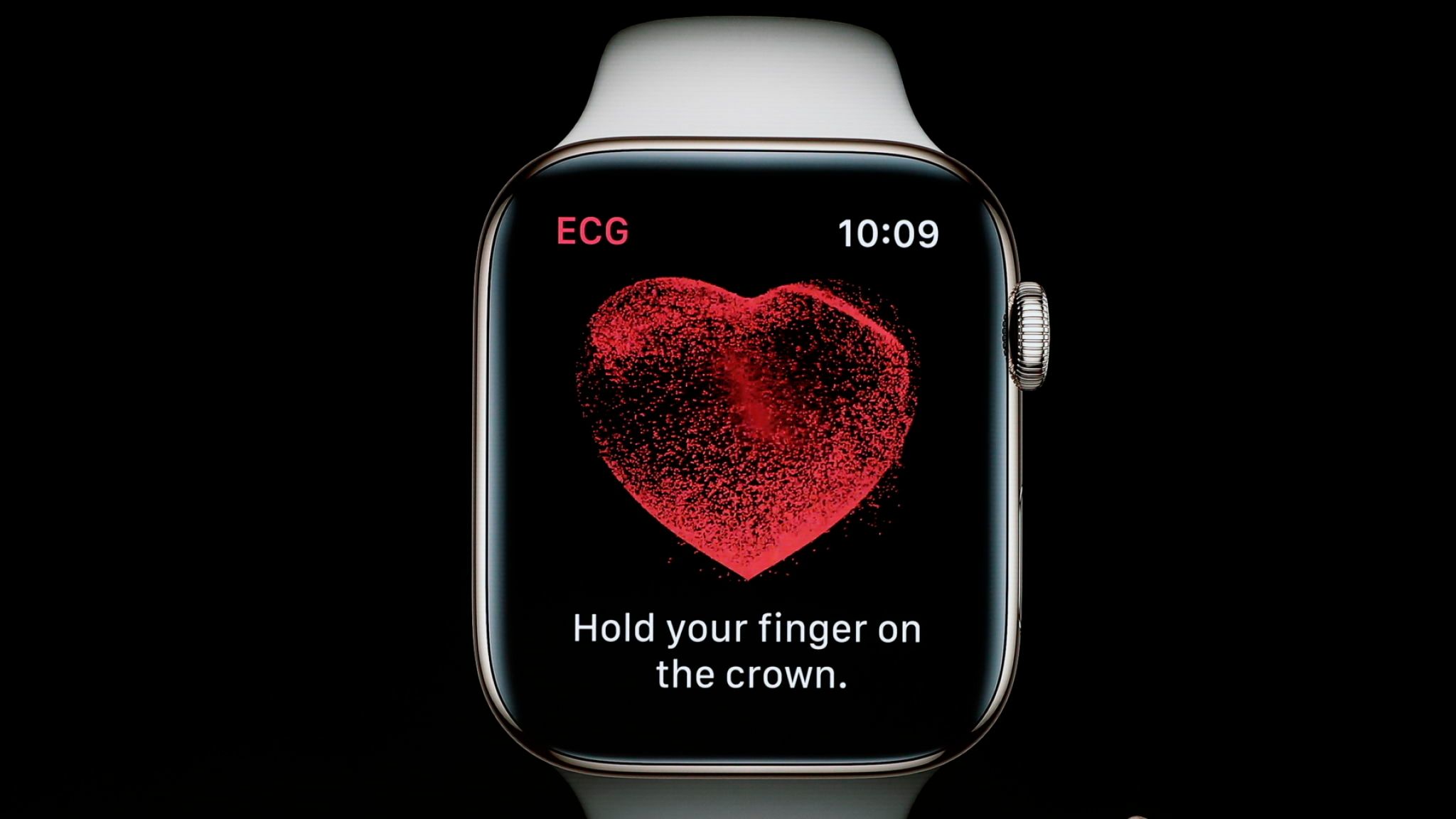
    Instead, it was the addition of ECG (electrocardiogram) capabilities without any additional hardware needed (besides the Apple Watch itself, of course). The feature allows the user to quickly and easily take an ECG and then, if need be, send the results to their doctor. Even without having the results looked at by a specialist, the device’s own algorithms would alert the user if they notice something out of the ordinary. Since then, reports are showing up regularly about how the Apple Watch helped one person or another notice an issue with their heart that was later confirmed by a cardiologist. This allowed proper measures to be taken a lot sooner than if the patient had waited until the problems became obvious.

    Unfortunately, despite the Apple Watch being loved all around the world, the ECG functionality was limited only to the United States. Not anymore!

    Select European countries and Hong Kong are getting ECG

    Apple’s watchOS 5.2 is now available for all Apple Watch models and adds a couple of features for users in 19 European countries and Hong Kong. The more important one is ECG, which comes only to the Apple Watch Series 4. Here’s the full list of European countries that are getting the new feature:

    Austria, Belgium, Denmark, Finland, France, Germany, Greece, Hungary, Ireland, Italy, Luxembourg, Netherlands, Norway, Portugal, Romania, Spain, Sweden, Switzerland, the UK.

    Despite the ECG app and the Irregular Rhythm Notification (more on it below) being cleared for use in the European Economic Area, according to Apple, there are several countries that are part of the EEA and won’t be getting these features yet: Bulgaria, Croatia, Czech Republic, Estonia, Iceland, Latvia, Lithuania, Poland, Slovakia, Slovenia.

    The reason for that is unknown. It could be due to additional regulatory approval needed or, alternatively, those are just markets Apple isn’t as interested in right now.

    A more notable country that’s also missing from the expansion list, although not in Europe, is Canada. It was expected to be one of the first countries besides the US to get the ECG app, but it appears that Canadians will have to wait at least until the second wave of expansion.

    ECG on a smartwatch, how does that work?

    For those of you that are just hearing about the Apple Watch’s ECG, here’s a quick rundown. Electrodes inside the Apple Watch Series 4 measure the electrical impulses your heart is releasing when beating. To do that, the user must touch the Digital Crown (the rotating bit on the side of the watch) in order to close the circuit, creating an effect similar to a single-lead electrocardiogram.
    After 30 seconds of measuring your rhythm, the ECG app will classify it as either AFib or sinus rhythm. If you get AFib as a result, you might want to get a consultation from your general practitioner or cardiologist. Of course, the results won’t be nearly as accurate as those taken by professional medical equipment, but the Apple Watch feature is far from a gimmick. Medical trials have shown that the wearable device is classifying the different heart rhythms with very high accuracy.
    The watchOS 5.2 update is also bringing a health-related feature to older Apple Watches as well. Called Irregular Rhythm Notification, this feature is coming to Apple Watch Series 1 and newer models. It checks the user’s heart rhythm on regular intervals using the optical sensors of the device and sends a notification if five irregular rhythms are detected over the span of at least 65 minutes.

    Sinus rhythm notification on the left (in Spanish) and an irregular heart rhythm warning on the right (in Italian

    To start using the new features, users have to enable them from the Health app on their iPhones. Obviously, the Apple Watch must be updated to watchOS 5.2, but to do that the iPhone itself must be updated to iOS 12.2.

  • Smartwatches to dominate eSIM adoption in China

    Smartwatches to dominate eSIM adoption in China

    A new joint report by GSMA and Telecommunication Terminal Industry Forum Association (TAF) titled “eSIM in China: the road ahead” suggests that smartwatches, not smartphones, will dominate the eSIM market in China.

    The report acknowledged that eSIM smartwatches still account for a small percentage of total smartwatch ownership but hold hope that this is likely to increase in the future. To drive adoption, Chinese operators are allowing consumers to use their smartwatches as secondary devices with one mobile subscription.

    For now, Chinese phone manufacturers are not formally adopting eSIM technology for devices targeted for the China market. This is because the transition will require appropriate regulation and new manufacturing, logistical and supply chain processes. Globally, over fifty mobile operators already support eSIM functionality in smartphones.

    “In China and around the world, the huge adoption of eSIM technologies has been underpinned by the GSMA’s common and interoperable specification that is reducing fragmentation and delivering a consistent consumer experience,” GSMA CTO Alex Sinclair said.

    “From consumer electronics to automotive we are seeing a diverse array of products hitting the market utilizing the benefits of connectivity and bringing consumers choice.”

    Smartwatches not smartphones

    “China has a unique mobile market, both in terms of size and revenue growth and leadership in mobile developments and tech innovation has reached unprecedented levels. China is increasingly demonstrating its technological innovation and is emerging as a leading global market to test and implement new technologies,” said Xie Yi, Chairman of TAF.

    “Promoting the steady development of eSIM in China will help support developments in both the consumer and industrial markets. Based on the premise of national conditions, TAF has been committed to all parties in the joint industrial chain and cooperation with the GSMA, to make the best efforts to this end,” Xie added.

    The GSMA-TAF report highlights industry-wide collaboration in driving eSIM developments in China involving operators, government and regulatory bodies. China Mobile, China Telecom and China Unicom are all developing eSIM solutions and have launched cellular M2M and IoT eSIM platforms. The Chinese eSIM market is still in an early phase of development in which some proprietary solutions coexist with GSMA specifications. However, it is anticipated that there will be a transitional period as the market matures before it settles on the GSMA specification.

    Regulation as driver

    The report highlights efforts by China to set a favorable regulatory framework for eSIM deployments. These include streamlining procedures and setting clear, unified rules on eSIM requirements for consumer and industrial devices, credentials management, designation of root certificate issuing and security and cross-border interoperability – all important to accelerating the deployment of eSIM technology and its market adoption.

    The report also recommends that the government should facilitate trials of eSIM services, particularly in the nascent industrial IoT to promote an open eSIM ecosystem.

    Early adopters of eSIM

    To date over 90 mobile industry players are supporting the GSMA’s specifications for Remote SIM Provisioning of consumer devices around the world. All are aligned behind a single, defacto approach avoiding industry fragmentation and interoperability issues, driving global developments and allowing consumer choice.

    Devices to come eSIM capable include tablets, laptops, notebooks and smartphones. The automotive industry is also at the forefront of eSIM deployments and built-in connectivity is also now a specific requirement in Europe following the European Emergency Call (eCall) initiative.

  • Copperwired adding .Life stores next year

    Copperwired adding .Life stores next year

    Gadget retailer Copperwired is set to invest THB165 million (US$5.036 million) opening 30 new .Life stores by the end of next year. The new .Life stores include a new 310sqm flagship at CentralWorld, described as the “largest gadget lifestyle shop featuring Internet of Things (IoT) technology in Thailand”, which opened in September.

    The brand’s public listing on the Thai exchange is expected next year.

    “With the adoption of 5G, the number of connected devices will increase, and IoT in the form of connected toys, smart homes and smart transport and new demand for product categories will rise accordingly,” said Copperwired CEO Paramate Rienjaroensuk.

    The company expects .Life stores to boost its income by more than 20 per cent in the current financial year to more than THB800 million (US$24.414 million).