Retail News CRM

Tag: #sme

  • Singapore to help SMEs compete in the global marketplace

    Singapore to help SMEs compete in the global marketplace

    Finance Minister Heng Swee Keat’s Budget 2017 has placed a strong emphasis on helping businesses stay competitive and grow in an increasingly global marketplace.

    Helping Singapore SMEs Go Digital

    Mr Heng has emphasized the importance of digital capability as the Singapore economy continues to mature. He says it is essential that SMEs in particular embrace the digital age and adopt new and innovative digital solutions. Digital technology has the power to transform all businesses, but many SMEs lack the capability to use digital technology.
    The new Go Digital Programme is a government ‘leg up’ for SMEs and an exciting new addition to a series of strategies to strengthen small and medium-sized businesses in Singapore. More than $80 million will be made available from the government to fund these initiatives.

    Industry Digital Plans

    Industry Digital Plans will be provided by the government to help businesses use technology at each stage of their growth. Sectors targeted by the Go Digital Programme include retail, wholesale trade, food services, logistics, security and cleaning. Mr Heng indicated that he felt these sectors were the ones where digital technology could make the biggest difference to productivity levels.
    Network of SME Centres.

    Start-ups and SMEs can seek basic ICT help in person from SME centres, where advisors can offer help with everyday technology solutions. If businesses need more specialist advice, specialist advice will be made available from new SME Technology Hubs, which are being set up by IMDA and will complement existing SME Centres. SMEs can also seek advice and funding support for pilot ICT solutions already in place.
    Corporations have also been included in the Go Digital Programme. There is support available for them to help them adopt impactful and interoperable digital solutions.

    Cybersecurity Measures

    Mr Heng recognises that SMEs need to strengthen their data and cybersecurity, so the Cyber Security Agency of Singapore will be working with professional bodies to help increase cybersecurity and ensure business networks function smoothly.
    The Singapore government is also keen to promote innovation in technology, and will be creating Regulatory Sandboxes where rules and regulation is suspended, so companies can experiment with FinTech platforms like City Index and self-driving vehicles.

    Technology Innovation

    A Tech Access Initiative is designed to help small companies build prototype products. The Agency for Science, Technology and Research (A*STAR) will work with companies, providing access to its advanced machine tools so small businesses can prototype and test. SMEs will also have access to the Headstart programme so they can co-develop intellectual property licences.
    Most analysts and the majority of SMEs have welcomed the digital initiatives, as they say it fills a gap in the ecosystem, but some experts believe the measures don’t go far enough. However, these changes are definitely a step in the right direction, and with a strong network of SME centres in place throughout Singapore, thousands of small and medium-sized businesses now have access to help as they work to digitise their businesses.

  • SMEs to get more help in going digital

    SMEs to get more help in going digital

    The Government is committed to getting its hands dirty to help more small and medium enterprises (SMEs) transform digitally to stay in business amid disruptive technological innovations.

    The Info-communications Media Development Authority (IMDA), the government agency leading the charge, will play sector “chief information officer” to SMEs, providing customised help from funding and consultancy to approving tech products and participating in joint pilots.

    This will be available under a new scheme dubbed SMEs Go Digital, targeted at the 200,000 SMEs in Singapore.

    During the debate on his ministry’s budget yesterday, Minister for Communications and Information Yaacob Ibrahim said: “It will help raise SMEs’ overall level of digital readiness by giving them step-by-step advice on the technologies to use at each stage of their digital journey.”

    The kitty is $80 million over four years from April under this scheme which was first announced two weeks ago by Finance Minister Heng Swee Keat.

    SMEs Go Digital aims to defray up to 70 per cent of the cost of technology purchase, capped at $300,000 per SME.

    It will replace a seven-year-old iSprint scheme, which provided similar subsidies and basic tech advice, benefiting some 8,000 SMEs.

    SMEs Go Digital aims to be more comprehensive than iSprint by also helping SMEs with more advanced needs such as cybersecurity, data analytics and artificial intelligence through a new SME Digital Tech Hub to be set up by September.

    In reponse to Dr Yaacob’s announcement, nominated MP Thomas Chua, who is president of the Singapore Chinese Chamber of Commerce and Industry, voiced concern about the prospect of disparate technologies being implemented by different firms.

    Specifically, supply chains that connect buyers and sellers must be interoperable.

    COMMON LANGUAGE

    “Applying a standardised system for the industry is like learning a common language to facilitate communication… If not, the transfer of large masses of data could cause system errors,” said Mr Chua.

    To this, Dr Yaacob said IMDA will adopt a sectorial approach to ensure systems talk to one another and to accelerate the pace of transformation, especially for the deployment of more sophisticated systems.

    Specifically, IMDA will partner influential companies to pilot sector-specific solutions that have the potential to scale up.

    It will start with sectors such as retail, food services, logistics and cleaning.

    For instance, IMDA has partnered retail store Robinsons to integrate some 200 SME suppliers on a common e-procurement platform for better sales planning and inventory management.

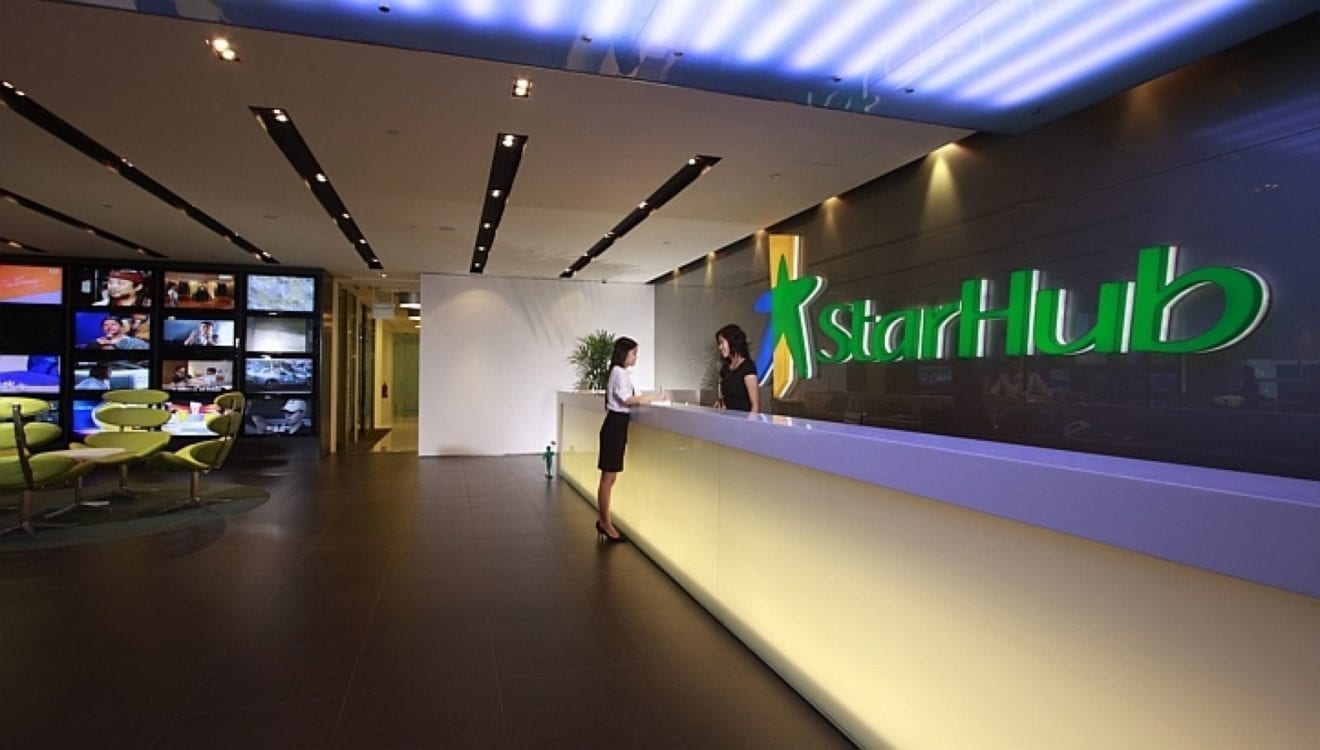
    IMDA has also partnered StarHub to target 1,000 SMEs in the food and beverage business, offering them a comprehensive automation package including broadband services, retail analytics, digital ordering and payment systems. StarHub is working with the Tampines Merchant Association for this.

    While recognising that SMEs’ digital needs vary widely across and within sectors, Dr Yaacob noted that his ministry is open to feedback to fine-tune the new scheme.

  • Indonesia Eximbank to boost SME exports

    Indonesia Eximbank to boost SME exports

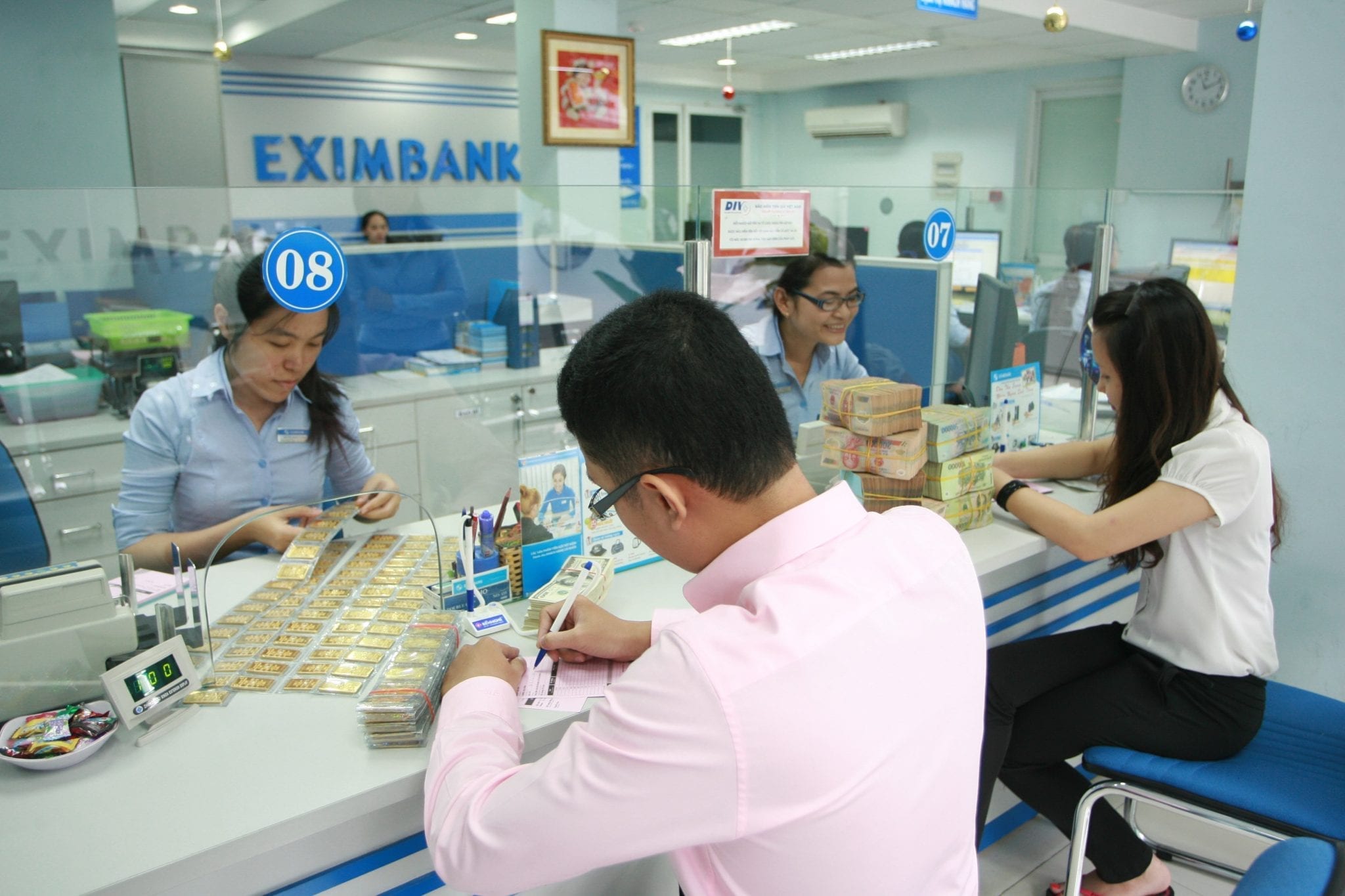
    State-owned Indonesia Eximbank will play a pivotal role in boosting small and medium enterprise (SME) exports through export based people’s business credit (Kurbe) and an incubator program.

    Indonesia Eximbank acting president director Suswijono Moegiarso said it already disbursed Rp 1 trillion (US$74.95 million) Kurbe in 2016, a cross subsidy between big debtors and SMEs.

    For 2017, the Financial Service Authority (OJK) has recommended the bank to the Economic Coordinating Ministry for channeling government’s Kurbe, he said.

    “The Kurbe will help boost SMEs exports this year, we are really thankful to OJK for the recommendation,” Suswijono said during the Export Purposed Import Facility (KITE) event in Tumang Village, Boyolali, Central Java, on Monday.

    There are five SMEs that already have Kurbe from the Eximbank with a total value of Rp 13.3 billion, namely UD Daffi Art,  CV Inducomp, CV Yudhistira, PT Banyan International and PT Bali Tangi.

    Those five SMEs also have a KITE import facility from the customs office.

    The bank would also provide mentoring and an incubation program for the export oriented SMEs called coaching programs for new exporters (CPNE).

    Indonesia Eximbank managing director Indra Wijaya Supriadi said that in 2016 the program already created five export oriented SMEs. “These SMEs successfully exported modified cassava flour (mocaf), broomsticks, room insulators, catfish fillets and frozen beef,” Indra said.

  • Making the most of Asia intra-regional trade

    Making the most of Asia intra-regional trade

    Global economic volatility might be worrying some companies in Asia Pacific, but the small- and medium-size enterprise (SME) sector is bucking the trend with strength and optimism for the year ahead.

    Even if trade deals take a new path, the many opportunities that Asia intra-regional trade brings to small business leaders are here to stay.

    In fact, SMEs in this region are bullish about the future. To start with, exports are looking good.

    Among Asia Pacific SMEs, global export revenue for 2016 held steady with the year before, and most SMEs believe that will continue or increase over 2017.

    Trade within Asia Pacific is sparking the most confidence. Intra-regional exports are the driving force of this stronger trend – a recent study found almost nine in 10 Asian SMEs sell goods to markets in Asia Pacific and are set to do so even more. Stronger regional ties and trade linkages are also contributing to the sense of optimism and resilience surrounding small businesses.

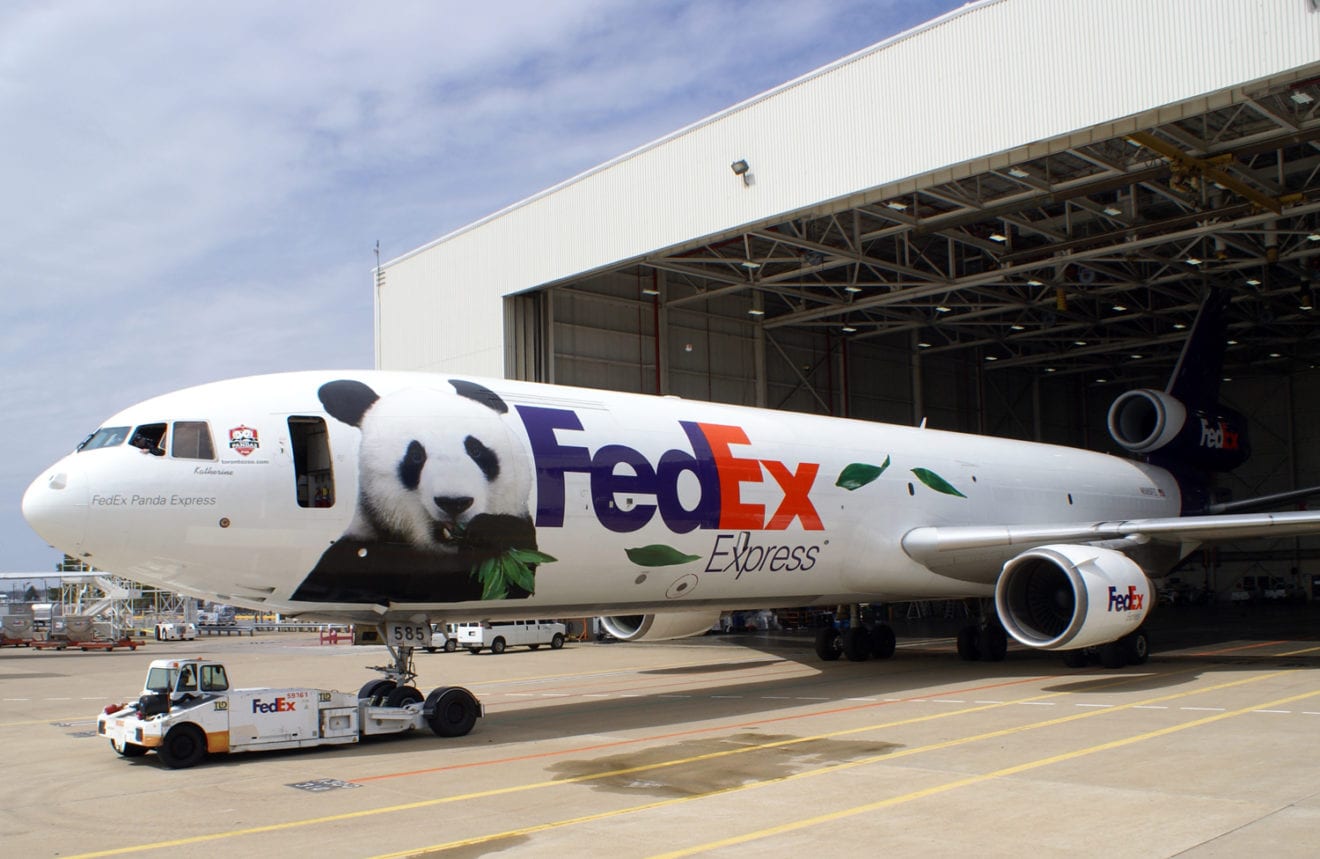
    In fact, FedEx-commissioned research found four in 10 Asia Pacific SMEs forecast an average double-digit growth of 20 per cent in intra-regional export revenue in the year ahead.

    In addition, Asia Pacific SMEs also generate the highest level of revenue from intra-regional exports among the four global regions in the study.

    The figures are supported by the latest Asian Development Bank (ADB) findings which show that intra-Asia trade now accounts for 57 per cent of total trade in the region.

    That’s impressive against a backdrop of wide ranging business challenges from higher production costs to increasing competition, along with slower trade growth worldwide.

    It is also welcome news that the crucial financing of SMEs is getting better all the time, with SME finance markets forecasting healthy growth in 2017, especially in Asia.

    Another aspect of SME optimism lies in the fact that small businesses today are now more technology-savvy, well-connected, agile and able to hold their own on the world stage.

    Whether it’s eCommerce, mCommerce, social commerce, the cloud, search engine optimisation, content management systems (CMS), ePayment technology or sophisticated logistics solutions, SMEs can quickly connect with more intra-Asia as well as global markets than ever before.

    So it’s no surprise that eCommerce is generating significant growth – a trend that is particularly pronounced in Asia Pacific, where 80 per cent of SMEs are generating revenue from eCommerce.

    In line with the boom in eCommerce, momentum is building behind two important trends – mCommerce purchases made using mobile devices, and social commerce purchases made via social media platforms.

    Just under 70 per cent of small businesses in the region are currently selling their products via mobile platforms and a similar number offer customers the option of buying via social media platforms such as Facebook.

    These new technologies are essential to attracting and retaining customers.

    So too is the necessity to have an efficient supply chain – in order to enhance customer experience, win new customers and improve bottom lines.

    As eCommerce drives demand for faster delivery, around two thirds of firms operating in eCommerce are prepared to pay more to get products more speedily to market.

    Maintaining high levels of customer satisfaction in a difficult business environment is tough, especially since over a third of Asia Pacific SMEs cite increasing competition with foreign rivals as a major challenge.

    That’s why investment in new technologies and an efficient supply chain is essential for small businesses in navigating and exploiting the ever-changing digital economy, and tapping into all the opportunities ahead in intra-regional trade.

    Karen Reddington, President of FedEx Express Asia Pacific

  • Twin SME Fairs Open Today in Hong Kong

    Twin SME Fairs Open Today in Hong Kong

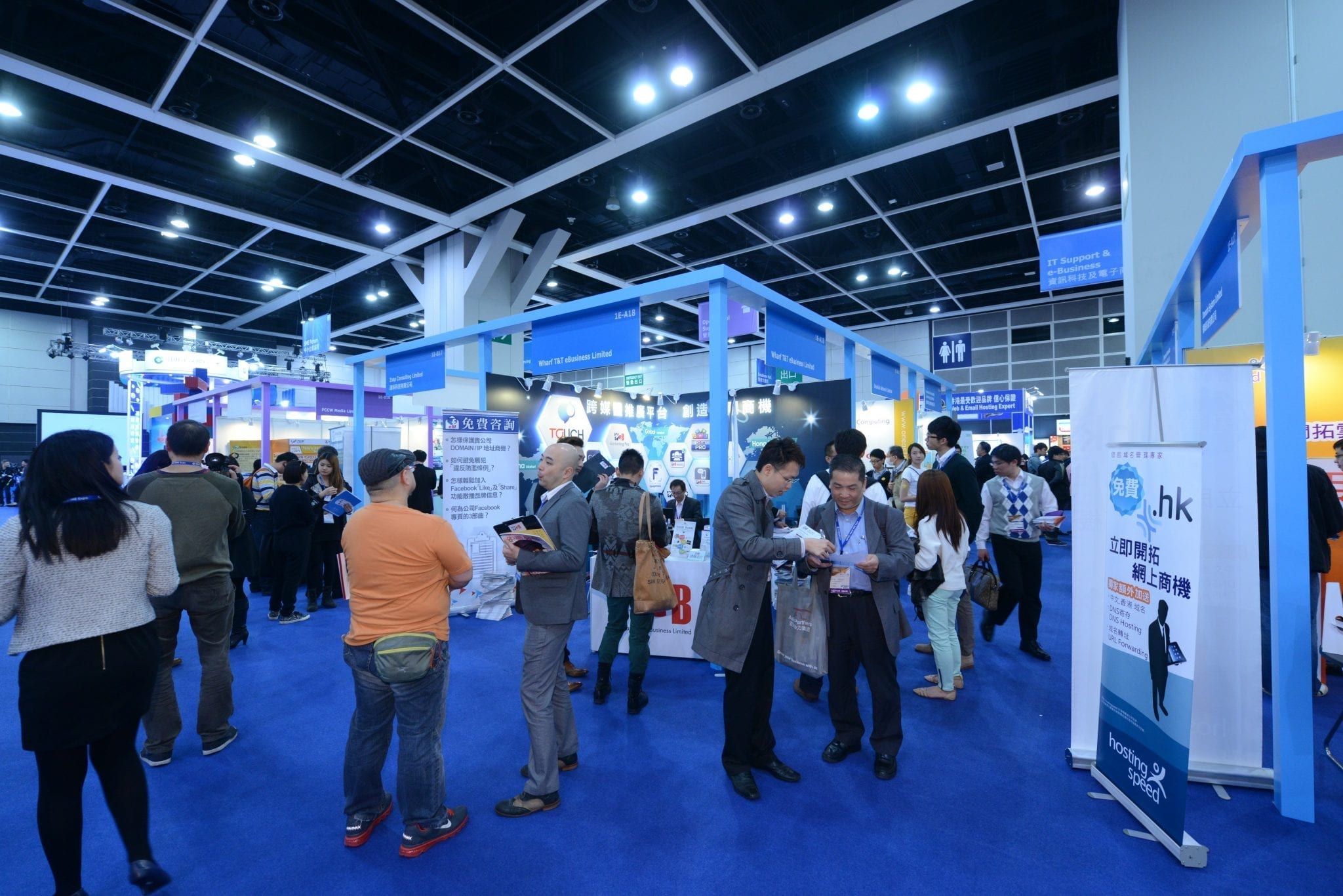
    Amid global economic challenges and intense competition, small and medium-sized enterprises (SMEs) need to upgrade and add value to their products and services to stay ahead. To provide SMEs with a range of supporting services and business opportunities and help them capture global opportunities, the Hong Kong Trade Development Council (HKTDC) is staging the 16th World SME Expo and the second edition of the Hong Kong International Franchising Show. The concurrent events opened today and continue through 3 December at the Hong Kong Convention and Exhibition Centre.

    “This year is the HKTDC’s 50th anniversary. Over the past half-century the HKTDC has always strived to create business opportunities for Hong Kong’s SMEs,” said Raymond Yip, Deputy Executive Director of the HKTDC. “As the finale events of the Council’s Golden Jubilee, the World SME Expo and the Hong Kong International Franchising Show are continuing the HKTDC’s tradition by providing a highly effective one-stop business platform for SMEs to capture worldwide opportunities. The International Franchising Show, in particular, is featuring more well-known brands and franchising concepts in its much-anticipated second edition.”

    Belt and Road Zone

    This year’s World SME Expo features more than 400 exhibitors from 35 countries and regions, many of whom are keen to learn more about the Belt and Road Initiative and the unprecedented opportunities that are set to emerge along the Belt and Road routes for companies around the globe. To help Hong Kong SMEs seize opportunities arising from the Initiative, the Opportunities Hall of the World SME Expo features a dedicated “Belt and Road Zone”. The zone has gathered more than 40 exhibitors from 19 Belt and Road countries, including those from Southeast Asia, South Asia, the Middle East, Africa and Central and Eastern Europe, to showcase their respective developments and partnership opportunities. It also spotlights the economic and trade cooperation zones and industrial parks in Malaysia, Laos, Indonesia and Belarus that have been set up with investment from the Chinese mainland. Visitors can learn about the investment environment, conditions and latest developments of these cooperation zones and industrial parks and identify new opportunities.

    At the event’s Solutions Hall, SMEs can find a range of practical business solutions, including m-commerce and e-tailing services, which are among the consumer trends shaping business models worldwide. Government departments and business chambers are also showcasing supporting services for different types of businesses.

    Close to 70 speakers share their business experience

    This year, the World SME Expo is organising more than 30 seminars and workshops. The “Innovation & Branding – The New Breed of SMEs” seminar series, co-organised with the Trade and Industry Department, features leading entrepreneurs discussing ways to develop products and services, adjust business operation models and forge successful brand transformation. Speakers include Eric Sun, Managing Director of Kinox Trading Limited, who is an expert in branding through O2O marketing, and Dr Alfred Ng, Chief Technology Officer of Suga International Holdings Ltd, who will speak about ways to harness the power of Internet of Things (IoT) technology to develop industrial ecosystems.

    The seminar series “Embracing The Latest Trend of E-Commerce”, gathers industry experts from Google, LinkedIn and Baidu to share insights into mobile apps, social media trends and digital marketing strategies.

    The HKTDC has also invited renowned entrepreneurs to share their business experience at the expo. Speakers include Quincy Wong, Chairman of Convoy Global Holdings Ltd; Vincent Tsui, Chief Marketing Officer of Next Digital Ltd; and Skye Chan, Founder of e-tailing shop Gift-ing.

    Hong Kong International Franchising Show

    Franchising is an established model of business expansion that is particularly common in the food and beverage, retail and other services sectors. With a growing number of middle class brand-savvy consumers, brands are choosing franchising as a way to expand their business. To cater to this trend, the HKTDC debuted the Hong Kong International Franchising Show last year to provide a one-stop platform for companies and entrepreneurs to find franchising opportunities, business partners and get expert tips on franchising.

    This year, the fair has gathered more than 100 exhibitors from Hong Kong, the Chinese mainland, Korea, Taiwan, the ASEAN region and Australia as well as Europe and the United States to showcase franchising opportunities in food and beverage, retail, education, health and beauty, and other personal and business services in three thematic zones: “Catering”, “Non-Catering” and “International”.

    Various well-known franchising brands have returned to the show, including Papa John’s Pizza, a US pizza chain; Trendyland Studio, which specialises in selling Disney products and providing Disney-themed photography services; and KamCha, a local Hong Kong food and beverage brand. New exhibitors include Sunshine 24, Hong Kong’s first 24-hour self-serve laundry chain; Cafe Cafe, a Canadian specialty coffee brand; Coerver Coaching, a football training system; InXpress, an international courier intermediary company; and Hong Kong’s School of Creativity.

    “Advice from the Wise” seminar series

    This year, the HKTDC has launched a new seminar series called “Advice from the Wise”. The series features industry experts from the US, Japan, Malaysia, Australia and the Chinese mainland sharing advice on how to enter the mainland market, new operating ideas for the catering sector and how to develop domestic services into franchises.

    At the “Round Table Meeting”, representatives from franchising associations in the Asia-Pacific region are set to analyse the latest franchising trends, including those in Singapore, Australia, Korea, Indonesia, the Philippines, the Chinese mainland, Taiwan and Hong Kong.

    Business matching services and networking events are arranged during the event to help visitors expand their networks. There is also a series of Brand Briefing Sessions for visitors to explore cooperation opportunities.

    Alongside the World SME Expo and Hong Kong International Franchising Show, two other concurrent events are underway, further enhancing business synergy for visitors. These events are the Business of Intellectual Property Asia Forum and InnoDesignTech Expo. Together, the four events provide a highly-effective one-stop value-adding platform for SMEs to capture global opportunities.

  • RHB expands e-Retail solution with MPOS

    RHB expands e-Retail solution with MPOS

    Malaysia’s RHB Bank has expanded its SME e-Retail Solution with the introduction of RHB Merchant Mobile Point of Sale (MPOS), which allows SME retailers to begin operating as quickly as seven days.

    SME e-Retail Solution offers Business Current Account for transactional needs, Reflex Online Cash Management system that enables low cost internet banking, cloud-based electronic point of sale (ePOS) system and remote access to back office analytics and CRM for better management for the proprietor.

    Other features include credit and debit card terminals to enable card transactions, customised SME insurance package specifically for retailers to protect their businesses, and business credit card to help SMEs with expenses and payment plans.

    Its latest offering Merchant MPOS is a wireless device that accepts all types of cards transactions, and is Chip & Pin enabled. Users can receive e-receipts via emails or notifications to their mobile phones.

    The MPOS is integrated to the merchant ePOS system to enable fast and convenient payment collection supporting bluetooth and Wi-Fi.

    Meanwhile RHB’s partnership with SAGE software Asia Pte Ltd will see the introduction of SAGE One cloud accounting software. This cloud solution will be synced to the ePOS terminal to enable automatic updates of transactions. SMEs will then have access to the real-time financial position of their businesses.

    “We are the first financial institution in Malaysia to offer a total connectivity solution for SMEs. The SME e-Retail Solution offers SME retailers a holistic solution for seamless connectivity. SMEs are able to achieve cost reduction and increase efficiency in their businesses,” said RHB Bank director of group business and transaction banking Datin Amy Ooi.

  • StarHub launches device leasing service for SMEs

    StarHub launches device leasing service for SMEs

    StarHub has launched a new service that provides SMEs with the devices, software and technical support necessary to meet their IT needs at a monthly flat fee.

    The “device subscription service” was designed to help SMEs seeking to make a successful start quickly, raise productivity with an IT upgrade, or scale up operations by adding employees.

    StarHub has partnered HP to provide desktop and notebook PCs, as well as print devices for the new Device Subscription Service.

    SMEs can choose from a variety of price plans to access the right combination of devices that best address their needs over 24 or 36 months. All new and existing StarHub Business Fibre Broadband or Business Mobile customers can enjoy a limited-time offer of S$15 ($10.60) monthly savings for every Device Subscription Service plan subscribed.

    After this discount, the Office User plan charges S$43.00 per month for the use of an HP desktop while the Mobile User plan, priced at S$48.00 per month provides access to an HP notebook. A printing plan can also be selected for S$22 or S$35.00 per month depending on device.

    SME customers can subscribe to Device Subscription Service on top of StarHub’s Smart Office Suite, to enjoy a bundle consisting of fiber broadband, mobile connectivity, office phone service, and related hardware, software and IT support.

    All HP devices from Device Subscription Service will come pre-installed with Windows 10 Pro, McAfee internet security software and the option to subscribe to business productivity tool, Office 365, allowing customers to start sending emails and enjoying protection from cyber malware right from the point they turn on the devices, alleviating the hassle of purchasing and installing the software separately themselves.

    Device Subscription Service provides a dedicated technical helpdesk as well as next business day, on-site technical support for devices. This will also save customers the hassle of sending faulty devices to a service center for repair, allowing them to fully focus on their core business.

    “Rising business costs and hiring difficulty remain top concerns among local SMEs. With Device Subscription Service, StarHub can help SMEs manage these challenges effectively by lowering upfront IT investment as well as taking away the complexity of maintaining an IT team,” StarHub vice president of enterprise solutions, services and delivery Sebastian Tan said.

    “As the IT spending is incurred as a monthly expense rather than an upfront capital investment, SMEs will be able to better allocate resources towards growing their core business.”

  • Indonesia provides free domain names for SMEs

    Indonesia provides free domain names for SMEs

    The Communications and Information Ministry is trying to propel small and medium enterprises (SMEs) into regional and global markets, by providing free domain names to help them take advantage of the country’s growing e-commerce sector.

    The government will provide the free domain names to about 8 million SMEs in all parts of the country until 2020, Communications and Information Minister Rudiantara said on Wednesday.

    In the first stage, the ministry would provide free domain names to 1 million SME customers of stateowned Bank Rakyat Indonesia (BRI) by 2018, he said. The ministry, in partnership with BRI, has also developed a digital platform for SMEs.

    “We want to speed up the [1 million free domain name] program and BRI has a lot of SME customers,” Rudiantara said on the sidelines of the signing of the memorandum of understanding (MoU) in Jakarta, adding that that it might collaborate with other companies if necessary.

    Under the current cooperation with BRI, the SMEs will be given a free domain name for a year. At present, a commercial domain name in Indonesia costs between US$10 and $20 a year.

    BRI president director Asmawi Syam said the free domain would directly involve SMEs in the e-commerce business and expand their market, while the digital platform would help transform the SMEs which are the backbone of the Indonesian economy.

    Currently, BRI has 9.5 million SME debtors in total. The program, launched in August, has managed to facilitate free domain names for 5,000 of them. As of September, BRI’s outstanding loans to SMEs stood at Rp 397 trillion ($30.4 billion).

    According to data from the Central Statistics Agency (BPS), there are more than 54.5 million SMEs in Indonesia. Accounting for around 60 percent of the country’s gross domestic product (GDP), they provide jobs for almost 99 percent of Indonesian workers.

    BRI consumer banking director Sis Apik Wijayanto explained that not all of the lender’s clients in the SME segment would participate in the program, as it was only aimed at companies with good business prospects.

    The domain names, he further said, would allow them to sell their products nationwide and even abroad.

    “If they are growing, it will be also good for BRI. When they have wider market, their turnover will increase and they will need bigger financings or loans from BRI to expand their business,” Sis said.

    The ministry’s target of 1 million domain names, he added, could be easily achieved due to the large number of BRI’s SME customers.

    The lender has been disseminating information related to the program in its 12 regional offices in 10 provinces and aiming to do so in all 34 provinces in the country. It has also provided training for its clients in Yogyakarta, and in seven cities of West Java, on how to manage a website.

  • Batam to facilitate SMEs export products to Singapore

    Batam to facilitate SMEs export products to Singapore

    The administration of Riau Islands city of Batam will facilitate the export of products manufactured by the Indonesian Micro, Small and Medium Enterprises (SMEs) to Singapore, an official has stated.

    “We are trying to facilitate (the export of products), because the products manufactured by the Micro, Small and Medium Enterprises are being exported to some neighboring countries, including Malaysia and Singapore,” head of the Batam office of the Community Empowerment, Cooperatives and Micro, Small and Medium Enterprises (SMEs), Pebrialin, said here on Monday.

    This October, the Batams administration will consult the Indonesian Embassy in Singapore to explore the market in order to facilitate the export of the SMEs products to Singapore, he added.

    As per a research undertaken by the local administration, many SMEs have shipped their products to Singapore. Unfortunately, the volumes are limited.

    According to Pebrialin, Singapore’s decision to replace the trademarks was detrimental to the Indonesian producers, because they cannot control the market directly.

    In addition, the manufacturers also face difficulty in developing their business, because they become dependent on the trademark of Singapore.

    The Community Empowerment, Cooperatives and Micro, Small and Medium Enterprises (SMEs) will also help the SMEs meet the norms applicable in Singapore and Malaysia, so that their products can be freely distributed in the market, Pebrialin added.

  • Indonesia hosts Asian SMEs event

    Indonesia hosts Asian SMEs event

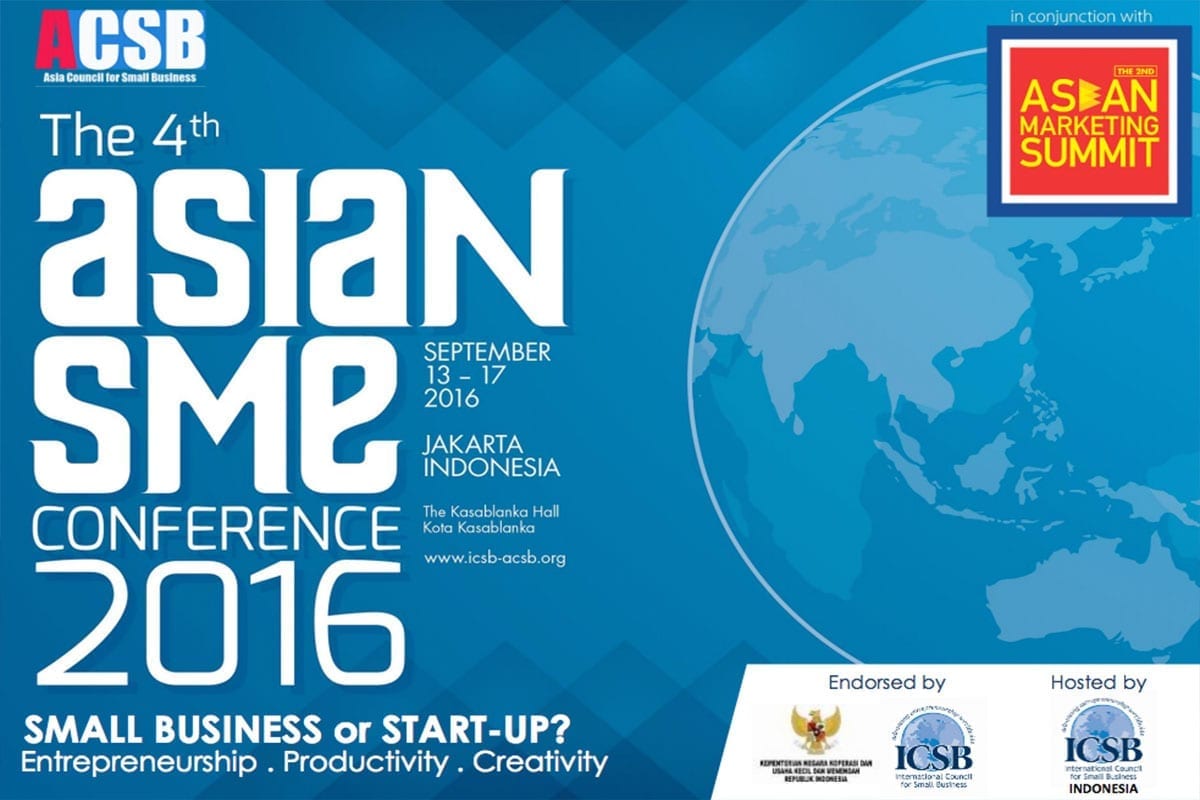
    Indonesia is hosting the fourth Asian SME (small medium enterprise) Conference 2016, from Sept. 13 to 17 in Kota Kasablanka shopping mall in South Jakarta.

    Cooperatives and SMEs Minister Anak Agung Gede Ngurah Puspayoga said the conference should facilitate SME players in strengthening their competence to face the global competition.

    “I hope SME players get optimally empowered,” the minister said in a statement as quoted by tempo.co on Tuesday.

    He said he expected Indonesian SMEs to thrive in the ASEAN Economic Community (AEC). “Good products, good services are not enough to survive the AEC,” he said. Thus, the conference was expected to give SMEs solutions to thrive in the AEC.

    The conference is targeting 700 participants from 15 countries.

    Puspayoga said Asia had become the center of economic growth and the biggest market in the world. Asia is ready to compete with other continents, he said.

    The event is presented by Asian Council for Small Business (ACSB) and endorsed by the ministry and the International Council for Small Business (ICSB). The event will have seminars with speakers from Malaysia, the US, Taiwan, among others and visits to cosmetics company Martha Tilaar Group and to Bandung in West Java.

  • UOB Indonesia and ITB join up to train SME bankers

    UOB Indonesia and ITB join up to train SME bankers

    UOB Indonesia and Bandung Institute of Technology (ITB) have joined forces to educate bankers with small and medium-sized enterprises (SMEs), a banker from UOB Indonesia has said.

    “A lot of these SMEs don’t have the right networks for distributors and suppliers and bookkeeping is essential,” UOB Indonesia business banking head Lawrence Loh said in Jakarta on Friday.

    The program, called the SME Bankers’ Executive Certification Program, was launched in March and already has 23 graduates, Loh said.

    The collaboration between the two institutions will inaugurate five new SME business centers in several cities across Indonesia such as Jakarta, Semarang and Surabaya next year, ITB school of business and management consultancy director Leo Aldianto said.

    “We have to help small businesses upgrade their level to medium,” Leo said.

  • Telkom Provide Internet Support to SMEs

    Telkom Provide Internet Support to SMEs

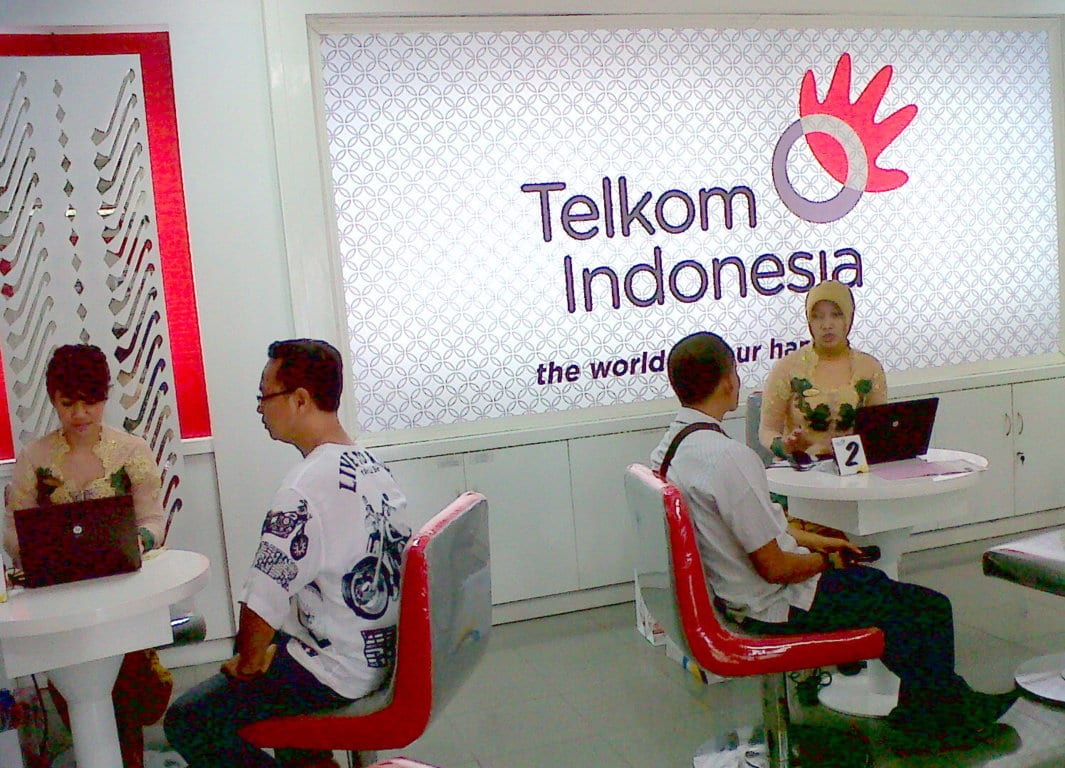
    PT Telekomunikasi Indonesia or Telkom will provide high-speed Internet access, from 10-100 megabytes per second (mbps) to support micro, small, and medium enterprises (SMEs). Telkom will also provide training programs and preparation for the Smart Business application as forum for SMEs to work together and promote their businesses.

    The program is part of Telkom’s partnership with the Cooperatives and Small-Medium Enterprises Ministry for the ‘Digital SME Village’ program. The partnership is aimed at increasing SMEs’ digital penetration level by optimizing the role of Integrated Business Training Centre (PLUT).

    “It is also to improve the marketing quality and access of cooperatives and SMEs’ products,” the ministry’s deputy for restructuring Yuana Setyawati said last Friday, August 12, 2016.

    To help SMEs raise their product sales, Telkom has prepared an online transaction facility with in collaboration with blanja.com and Jarvis Store, using the online payment services provided by Pay Fin.

  • Campaign encourages more Japanese SMEs to invest in the Philippines

    Campaign encourages more Japanese SMEs to invest in the Philippines

    Japanese SMEs are being enticed to invest in the Philippines, where labor cost is competitive and a majority of workers are English-speaking.

    Spearheading the campaign are Rizal Commercial Banking Corp. (RCBC) and Resona Bank, a bank for small and medium enterprises in Japan’s Kansai and Osaka areas. To date, 55 Japanese firms have established their facilities in the Philippines following the tie-up agreement they entered into in 2012.

    Japanese companies which have established their facilities in Philippines affirmed the advantage of the competitive cost of Philippine labor with the added benefit of Engish-speaking skills that enable easier training and work atmosphere.

    In their latest campaign, RCBC’s Japanese Business Relationship Office first senior vice president Yasuhiro Matsumoto recently accompanied Trade Secretary Adrian Cristobal Jr.  to a Philippine Investment Opportunities Forum in Osaka, Japan.

    Attended by 350 corporate clients, the forum was organized by the Resona Foundation for Asia and Oceania with co-organizers Osaka Prefecture Government, the Osaka Municipal Government, the Kansai Economic Federation, the Osaka Foundation for Trade and Industry, and the Osaka Chamber of Commerce Industry. This was also supported by JETRO, Resona Bank and the Kinki Osaka Bank.

    Matsumoto highlighted the success secrets of companies operating in the Philippines. As RCBC’s key senior officer focused on Japanese clients, Matsumoto had seen and supported the entry and growth of Japanese companies, specially in export processing zones.

    Matsumoto further cited the growing spending power of the Filipino consumer as shown by the surge in business by a range of consumer-focused companies in food, beverage, and middle-end retail outlets that are supplanting the formerly ubiquitous low-end sari-sari stores in the urban centers. With the second largest population in ASEAN, with a young average age, the Philippine potential for investments is huge, he said.


  • Singapore’s SME retail exporters can now gain better access to US market

    Singapore’s SME retail exporters can now gain better access to US market

    The revised de Minimis Threshold increases the limit to the United States from US$200 to US$800.

    Web-based small and medium enterprises (SMEs) retail exporters in Singapore can now gain better access to the United States market with the revision of de Minimis Threshold.

    The revised de Minimis Threshold – the amount at which US import duties apply – increased the limit from US$200 to US$800. This means that sellers no longer need to pay the US import duties when the price of their products is under US$800.

    “The revised de Minimis Threshold provides a timely opportunity for local businesses to internationalise. The US is the number one export destination for eBay Singapore sellers with its strong consumer purchasing capacity and high expenditure in e-commerce,” said Teri Canayon, country manager of eBay Singapore Cross-Border Trade. “With a lower barrier for cross-border e-commerce for our Singapore SMEs, there will be even greater incentives to boost exports to the US market, ultimately driving greater growth.” 

    Sellers can also mail higher value products directly to the US market, which allows them to better manage their supply chain and inventory costs.

    In addition, the cost of products to American consumers is lowered. This encourages them to buy more overseas, which may eventually give Singapore businesses a better chance to grow sales in the US market.

  • Vodafone India aims to double SME base in Bangalore

    Vodafone India aims to double SME base in Bangalore

    Vodafone India has outlined a strategy aimed at doubling its SME customer base in Bangalore, known as the Silicon Valley of India.

    Vodafone Business Services announced a three-pronged plan to increase its SME coverage in the state of Karnataka – particularly capital Bangalore (Bengaluru) – and across India.

    The three spokes of the strategy are coverage, intelligence and automation. Coverage involves widening the company’s ecosystem of channel partners and advanced resellers.

    Automation will involve making it easier for SMEs to do business with Vodafone through initiatives involving opening a system access partner portal. Intelligence will involve launching six new services tailored for specific industry verticals, to complement the six already launched.

    In addition Vodafone will use the newly launched VBS cloud platform to provide SaaS to Indian SMEs. The operator has also introduced Ready Business 2.0 – an integrated suite of Vodafone communications services designed to help SMEs find answers to business problems.

    “Vodafone Business Services will help growing businesses become ready for their next phase of growth. Our newly launched cloud platform will act as a one-stop shop for SMEs for all their ICT related business needs,” VBS national head for SMEs Ajay Sehgal said.

    “With our Ready Business 2.0 proposition, our fixed, mobile and cloud solutions can empower SMEs in scaling up faster, enhancing operational efficiencies and building a more connected and productive workforce, thus making their business more responsive to customers.”