Tag: smoking

  • Indonesian Vape Retailers Implement 21+ Policy to Curb Youth Smoking Rates: A Step Toward Healthier Choices

    Indonesian Vape Retailers Implement 21+ Policy to Curb Youth Smoking Rates: A Step Toward Healthier Choices

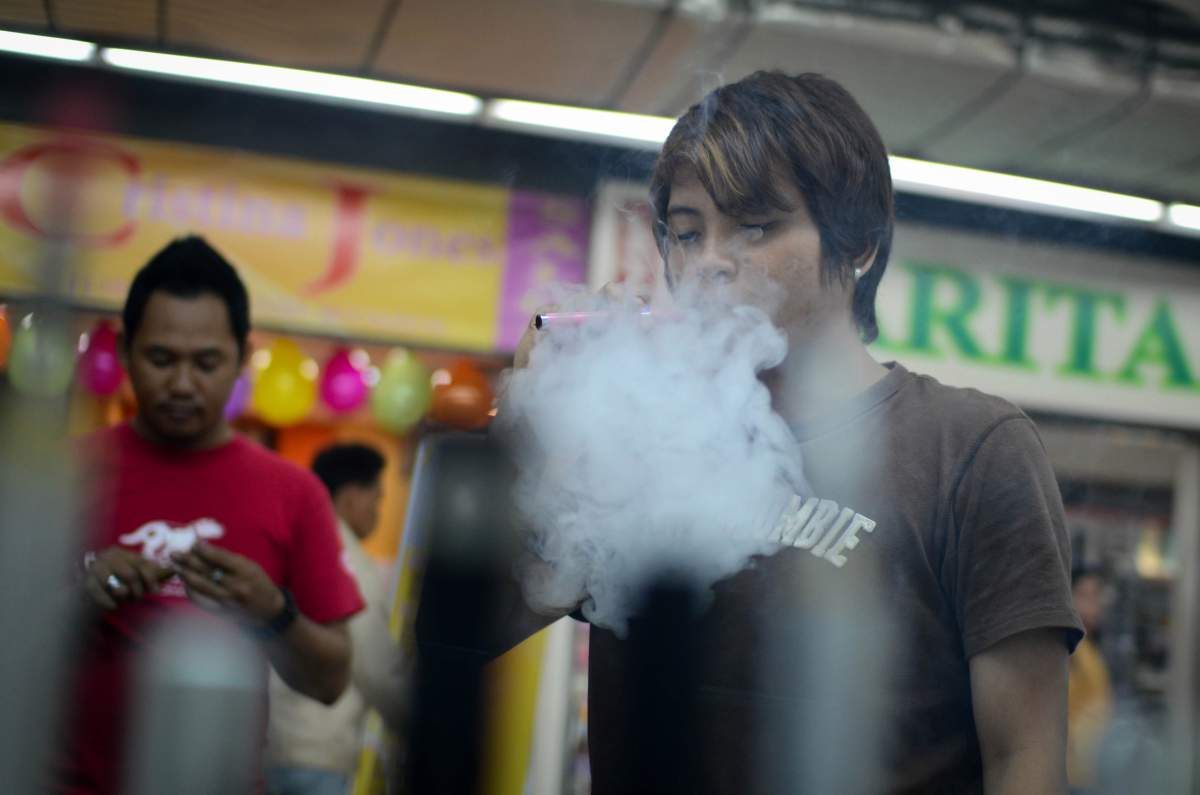
    The Association of Indonesian Vape Retailers (Arvindo) has issued a directive to all its member stores to cease the sale of e-cigarettes to individuals under the age of 21. The Association has mandated that retailers display signage indicating the age restriction and confirm the age of customers using valid identification.

    The Chairman of Arvindo, Fachmi Kurnia, stated that this move aligns with governmental attempts to restrict access to vaping amongst the youth. This sentiment is shared by the Tar and Smoke Free Movement (Gebrak), which advocates for the usage of alternative tobacco products to be limited to adult smokers only.

    Additionally, Arvindo has encouraged policymakers to incorporate science-based regulations into their considerations and recognize the potential of vaping to reduce harm. This suggestion was supported by a 2025 study from the JAMA Network, which found that e-cigarettes were the leading tool for smoking cessation in England.

    On the other hand, Garindra Kartasasmita, Chairman of Gebrak, emphasized that e-cigarette retailers need to take a more proactive role in informing customers about the health risks associated with smoke and tar. He also urged retailers to provide comprehensive information about alternative products.

    These developments come at a time when Indonesia is grappling with persistently high smoking rates. According to government data, there are an estimated 70 million active smokers in the country, a significant portion of which are youths.

    Data from a global youth survey further revealed an increase in the smoking prevalence amongst students aged 13-15, from 18.3% in 2016 to 19.2% in 2019. The survey also indicated high smoking rates amongst those aged 15-19.

    Questions & Answers

    What directive has Arvindo issued to its member stores?
    Arvindo has asked all its member stores to stop selling e-cigarettes to customers under 21, display 21+ signage, and verify the customers’ age with valid identification.

    What is Arvindo asking of policymakers?
    Arvindo is urging policymakers to adopt science-based regulation and to consider the potential of vaping as a harm reduction strategy.

    What has been the trend in smoking prevalence among young people in Indonesia?
    According to a global youth survey, smoking prevalence among students aged 13-15 in Indonesia increased from 18.3% in 2016 to 19.2% in 2019, with the highest rates seen among those aged 15-19.

  • Singapore Seizes 90,000 Vape Products Amid Surge in Violations: What’s Driving the Crackdown?

    Singapore Seizes 90,000 Vape Products Amid Surge in Violations: What’s Driving the Crackdown?

    In a significant crackdown on the illegal vape trade, Singapore authorities confiscated nearly 90,000 vape items during the second quarter of 2025, uncovering 19 major smuggling operations. The enforcement statistics paint a stark picture: over 3,700 individuals were found possessing or using vaping devices, reflecting a sharp 20% increase compared to the previous quarter, as detailed by the Ministry of Health.

    The crackdown isn’t just about confiscation. As of August 12, authorities detected 29 cases of etomidate-laced vapes, colloquially referred to as Kpods. Of these, nine cases were attributed to importation or sales, while the rest involved illegal usage.

    Social Media in the Crosshairs

    In a move to combat vaping culture online, Singapore’s authorities have made headlines by penalizing individuals promoting vaping on social media. Eight individuals faced fines for sharing selfies or videos flaunting their vaping activities, a reminder that in Singapore, even a cheeky photo can lead to serious consequences.

    The government has ramped up its collaboration with e-commerce and social media platforms, resulting in the removal of over 2,000 online listings for vaping products—an impressive fourfold increase from the 408 listings taken down in the first quarter.

    Courts Set a Precedent

    Legal actions are underway as five individuals are facing court charges for their roles in the distribution of Kpods. In a notable case, a man who manufactured Kpods in his Yishun flat was sentenced on August 26 to 16 months in prison and fined $400. This marked Singapore’s first conviction related to Kpods, setting a strong legal precedent against these illicit products.

    Stiff Penalties Reinforced

    Vaping has been illegal in Singapore since February 2018, but the fight against this growing trend shows no signs of slowing down. From January of last year to March this year, authorities confiscated e-vaporizers and components valued at over SGD41 million (US$32 million). Possessing, using, or purchasing e-vaporizers can result in fines up to SGD2,000, while distributing or selling these prohibited items can incur penalties of up to SGD10,000 or even six months imprisonment.

    With such extensive measures in place, it’s clear that Singapore is committed to preserving public health while combating the allure of vaping that seems to have captured the attention of many in the region.

    Questions & Answers

    What prompted the recent crackdown on vaping in Singapore?
    The crackdown was driven by a significant increase in illegal vape possession and usage, revealing a growing trend that authorities felt needed immediate intervention.

    How has the authorities’ approach evolved in dealing with social media promotions of vaping?
    Authorities have taken a proactive stance by issuing fines to individuals promoting vaping on social media and working with platforms to remove illegal listings, showcasing their commitment to reducing vaping visibility online.

    What are the penalties for vaping-related offenses in Singapore?
    Possessing or using e-vaporizers can result in fines of up to SGD2,000, while distributing or selling these products can lead to heavier penalties, including fines up to SGD10,000 or imprisonment for up to six months.

  • Pringles debuts spicy duo: Chipotle Sour Cream and Smokin Cajun

    Pringles debuts spicy duo: Chipotle Sour Cream and Smokin Cajun

    Pringles is sure to fire up the tastebuds of snack aficionados across the country with its latest release, comprised of two new smoking-hot flavors.

    These spicy new Pringles – Sizzlin’ Chipotle Sour Cream and Smokin’ Cajun Spice – are exclusive to Australia and New Zealand and were co-created with Michelin Star Chef Haikal Kohari, who crafted these bold flavors specifically for local tastebuds.

    For those who prefer mild spice, the Sizzlin’ Chipotle Sour Cream Pringles offer snackers some excitement, with the smooth, creamy sour notes balancing out the heat level.

    But for those who crave the heat, the Smokin’ Cajun Spice Pringles will surely get your heart racing with a mouthwatering mixture of spice and tangy citrus.

    Dan Bitti, Head of Pringles and Salty Snacks ANZ said the new Pringles flavors were a result of “18 months” of experimenting to get the “perfect balance of fire and flavor”

    “Across Australia and New Zealand, chip lovers are asking for more interesting and spicy flavors, so Pringles are giving the people what they want with something more daring.”

    “Whether you like snacks fiery or mild, the Smokin’ Cajun Spice and Sizzlin’ Chipotle Sour Cream flavors are both ‘a must try’, packing a punch of flavor and spice to get those taste buds popping.”

    “We can’t wait for Pringles fans to try them and see if they can handle the heat!”

    If you’d like to put your tastebuds to the test with these flavoursome and fiery new Pringles flavours, you can purchase them from Coles today and from Woolworths in mid-September.

  • The case for forcing the tobacco industry to pay for cigarette butts

    The case for forcing the tobacco industry to pay for cigarette butts

    Cigarette butts with filters are the most commonly littered item worldwide, with a staggering 4.5 trillion of them tossed into the environment each year. This is a huge problem; many end up on beaches and in the ocean, and the tar from burnt tobacco in the filter can be toxic to wildlife.

    Fixing the problem has focused on changing the behavior of people who smoke, but a new report shows making the tobacco industry responsible for the litter with a mandatory product stewardship scheme is likely to have a much greater impact.

    In Australia alone, it’s estimated up to 8.9 billion butts are littered each year. Under the proposed scheme, we could potentially reduce this by 4.45 billion a year.

    So how can it be done in practice? And what would the benefits be from a policy like this?

    Cigarette filters are made of a bioplastic called cellulose acetate, and they typically take years to break down. Smoked cigarette filters are infused with the same chemicals and heavy metals in the tar that harms humans when they smoke.

    Research from 2019 found adding cigarette butts to the soil reduces the germination of grass and clover seeds and the length of their shoots. Seaworms exposed to used filters have DNA damage and reduced growth.

    And exposure to cigarette filters (even unsmoked ones) is toxic to fish – research with two fish species found adding two to four smoked cigarette filters per litre of water could kill them.

    Currently, the tobacco industry does not have to pay for the clean-up of cigarette butts polluting the environment. Rather, the community bears the cost. Cigarette litter and its management cost the Australian economy an estimated A$73 million per year.

    Local councils in particular spend large amounts of money cleaning it up. The City of Sydney, for example, has estimated their cleaning crews sweep up 15,000 cigarette butts daily from city streets.

    And volunteers spend countless hours picking up cigarette butts from parks, streets and beaches. In its 2020 Rubbish Report, Clean Up Australia Day found cigarette butts accounted for 16% of all recorded items.

    The tobacco industry’s response to product waste has been to focus responsibility on the consumer. Tobacco companies have created public education campaigns aimed at increasing awareness of the butt litter problem, supplied consumers and cities worldwide with public ashtrays, and funded anti-litter groups.

    But given the number of cigarettes that continue to be littered, it’s clear these strategies on their own have been ineffective. Many around the world are now calling for stronger industry regulation.

    There have also been calls to ban cigarette filters completely. For example, lawmakers in California and New York have attempted to ban the sale of cigarettes with filters, and New Zealand is finalizing their Smokefree Aotearoa Action Plan, which may include a cigarette filter ban.

    Many jurisdictions in Australia and worldwide are starting to ban single-use plastics such as straws and takeaway containers, and have been criticized for not including cigarette filters in these laws.

    If filters were banned, cigarette butt litter would remain, but without the plastic filter. Although, a recent trial of cigarettes without filters found that people smoked fewer of these than when they were given the same cigarettes with filters. More research is needed on the health impact of smoking filterless cigarettes and the environmental impact of filterless cigarette butts.

    The federal government’s National Plastics Plan, released in March this year, committed to initiating a stewardship task force that would reduce cigarette butt litter in Australia, and would consider a potential stewardship scheme. However, they proposed the stewardship task force be industry-led.

    Product stewardship schemes can be voluntary or written into law. For example, waste from product packaging is managed through a voluntary scheme, the Australian Packaging Covenant, which sets targets for reducing packaging waste that isn’t written into law. On the other hand, there is a law in Australia requiring companies who manufacture TVs or computers to pay some of the costs for recycling these products.

    The new research, commissioned by World Wildlife Fund for Nature Australia, considered four regulatory approaches: business as usual, a ban on plastic filters, a voluntary industry product stewardship scheme, and a mandatory product stewardship scheme led by the federal government.

    Each of these options was ranked according to factors such as the regulatory effort required to implement them, their cost, consumer participation and the extent to which they would reduce environmental impacts on land and waterways.

    A ban on plastic cigarette filters and a mandatory product stewardship scheme were assessed as having the greatest potential environmental benefit. While uncertainties remain about a filter ban, there is no such barrier to implementing a mandatory product stewardship scheme on cigarette waste.

    This scheme could involve a tax that would pay for the recovery and processing costs associated with cigarette butt litter. The study suggested introducing a levy of A$0.004 – less than half a cent – on each smoked cigarette to manage the waste. Other studies from overseas, however, show this cost would need to be higher.

    We can look to the UK for an example of where to start. The UK is currently considering implementing an extended producer responsibility scheme to address cigarette litter. In November this year, it released a consultation document on different options.

    They proposed a mandatory scheme where the tobacco industry would pay for the full costs of cleaning up and processing cigarette waste. Other costs they might be made to pay are for gathering and reporting data on tobacco product waste, provision of bins for cigarette butts, and campaigns to promote responsible disposal by consumers.

    It is time for the federal and state governments in Australia to make the tobacco industry pay for the mess they create.

  • Davidoff Hong Kong opens cigar flagship

    Davidoff Hong Kong opens cigar flagship

    Swiss tobacco brand Davidoff has launched its Hong Kong flagship in luxury retail complex The Landmark.

    The 580sqft outlet significantly enlarges the brand’s previous space in the mall by more than half its size. The original outlet was the brand’s third best-selling cigar outlet internationally, accounting for more than 25 percent of the brand’s Asian sales.

    “We are delighted to relocate our new flagship store in Hong Kong,” said Davidoff Asia MD Laurent de Rougemont. “The challenge in designing this unique cigar shop was to preserve the company’s history but to continue our mission to delight and surprise our customers worldwide by delivering unique brands and unrivaled retail experiences.”

    “This enlarged new flagship store continues the Davidoff legacy of an inspiring place where aficionados can find exceptionally crafted Discovery Series cigars from different regions, as well as the complex tasting profile of Winston Churchill Collection,” said Davidoff Hong Kong regional manager and store manager Charles Lim.

  • Government to recommend vaping as healthier

    Government to recommend vaping as healthier

    The New Zealand Government is set to publicly recommend that Kiwis seeking to quit tobacco could use vaping as a healthier alternative, with a media campaign set to begin in August.

    While the New Zealand Ministry for Health website notes it “does not have enough evidence to recommend vaping products confidently as a smoking-cessation tool”, a spokesperson confirmed that vaping is intended to be a safe gateway for those who wish to give up cigarettes.

    “There is a scientific consensus that vaping is significantly less harmful than smoking,” the spokesperson said.

    “It is likely vaping can also be used to stop smoking but the evidence is still emerging. A number of large studies are underway and more information will be available over the next year.”

    The campaign is also set to limit access to vaping devices for non-smokers, especially the under-age, while also focusing on Māori women – who have been shown to have the highest smoking rate in the country at 32.5 percent.

    The shift in thinking is likely to assist with the Government’s ‘Smoke-free 2025’ target.

  • Philip Morris International Launches Healthier Alternatives for Smokers

    Philip Morris International Launches Healthier Alternatives for Smokers

    In its passion and drive to provide better choices to people who smoke, Philip Morris International Inc. (“PMI”), the global leader in smoke-free innovation and science, has launched the next generation of IQOS. The new IQOS 3 and IQOS 3 MULTI integrate extensive consumer insights and feedback to improve design and user experience while maintaining signature taste, sensory attributes and ritual—all underpinned by strong scientific substantiation. The new versions aim to further encourage a growing number of smokers to switch, to the benefit of their health, public health and, ultimately, society.

    The new iterations were launched in Tokyo, Japan—the country considered the birthplace of IQOS. The iconic brand offers the best in taste and satisfaction in the category, and almost 6 million adult smokers have already quit cigarettes—with more than half of those in Japan.

    “Our dream was to create a better alternative for smokers, and IQOS has made this dream a reality; it’s a revolution for the 1.1 billion people who smoke,” said André Calantzopoulos, PMI’s chief executive officer. “IQOS 3 and IQOS 3 MULTI deliver significant improvement and innovation and mark another step toward convincing all men and women who would otherwise continue to smoke to switch to smoke-free alternatives. IQOS consumers know that this product changes many things in their lives—we thank them, and we thank Japan for leading this positive change.

    Behind every development at PMI is robust science. Its scientific assessment program is based on longstanding practices of the pharmaceutical industry and is in line with U.S. Food and Drug Administration (FDA) guidance. IQOS produces an aerosol that contains on average 90 percent lower levels of harmful chemicals than cigarette smoke. The totality of PMI’s preclinical and clinical evidence indicates that switching completely to IQOS presents less risk of harm than continued smoking. Evidence also shows that IQOS does not negatively affect indoor air quality. On average, 70 to 80 percent of IQOS users have quit cigarettes, which makes IQOS the most compelling smoke-free alternative today.

    PMI has filed a Modified Risk Tobacco Product Application (MRTPA) for IQOS with the U.S. FDA, but the U.S. FDA has not yet completed its review of our data. IQOS is not for sale in the United States.

  • No smoking in public spaces along Orchard Road area from July 1 next year

    No smoking in public spaces along Orchard Road area from July 1 next year

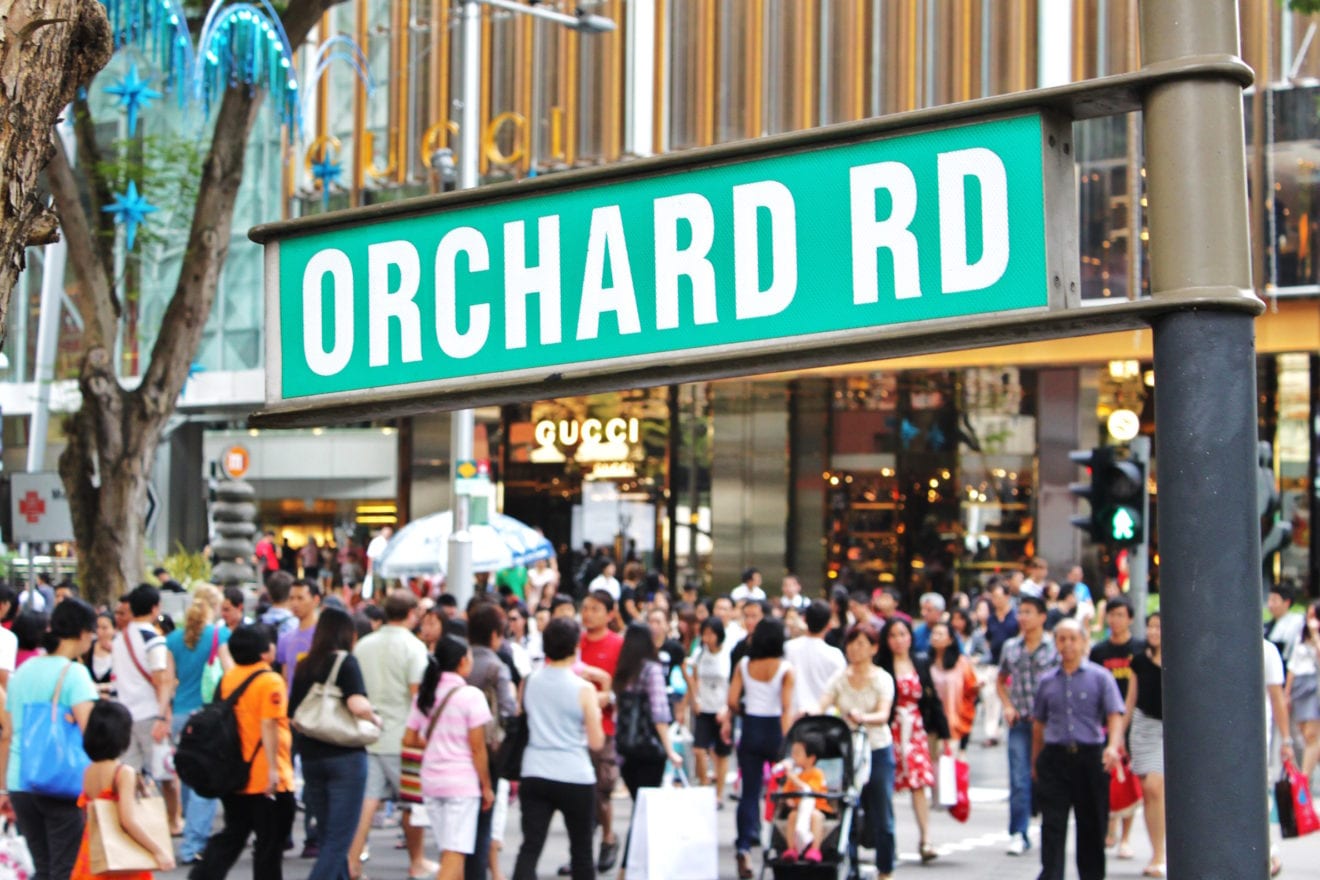
    Smoking will be prohibited in all public spaces in the Orchard Road area — from Tanglin to Dhoby Ghaut — from July 1 next year, said the National Environment Agency (NEA) on Friday (June 30).

    The existing 16 smoking corners, which exist within food retail establishments in the area, will be removed by June 30 next year. That means smoking will be permitted only at designated smoking areas within the Orchard Road smoke-free precinct, which is bordered by Tanglin Road to the west, Dhoby Ghaut MRT station to the east, and Goodwood Park Hotel to the north.

    There are currently five Government-owned designated smoking areas, which are part of an ongoing study led by the Ministry of Environment and Water Resources.

    The NEA also announced on Friday that it will no longer accept applications for smoking corners in all food retail establishments islandwide. Existing smoking corners will be allowed to remain, unless the current licence is terminated or cancelled.

    For Orchard Road, an “advisory approach” will be taken in the first three months after the no smoking ban kicks in, said the NEA. Those caught smoking in public areas will receive only verbal warnings between July 1 and Sept 30.

    Enforcement action — a fine of up to S$1,0000 — will be  taken against errant smokers in the zone from Oct 1 next year.

    Building owners within the smoke-free zone in Orchard Road, however, have the option of building their own designated smoking areas, which must meet certain guidelines, like not being situated beside main thoroughfares, and come with cigarette butt canisters or litter bins with ash trays, and display smoking cessation messages.

  • Government raises excise taxes on tobacco

    Government raises excise taxes on tobacco

    The government of Indonesia has raised the excise tax tariffs on tobacco. The Finance Ministers Regulation, No.147/PMK.010/2016, was issued in this respect.

    In the new policy, the highest tobacco excise duty hike of 13.46 percent was for machine-made white cigarettes (SPM) and 0 percent for category IIIB hand-rolled clove flavored cigarettes (SKT). The average increase was 10.54 percent.

    Besides raising the excise tax rates on tobacco, the government also increased the retail prices of cigarettes by about 12.26 percent.

    The tobacco tariff rates have been raised to control production, regulate manpower, end sale of illegal cigarettes and enhance revenue in the excise sector.

    “The government realizes that cigarette is a commodity harmful to health. Therefore, consumption needs to be limited. The increase in the tobacco tariff is aimed to control cigarette consumption and circulation,” Finance Minister Sri Mulyani told a press conference at the Directorate General of Customs and Excise Office here on Friday.

    The minister hoped that the increase in the tobacco customs tax tariff would contribute positively to the governments revenues in the customs sector.

    In 2017, the government set a revenue target from the customs sector at Rp149.8 trillion, which is about 10 percent of the total tax revenues.

    “Though it has slightly declined, it still contributes significantly. The government and the people should back the policy because if it misses its target, it will affect the state budget, which, in the end, will affect the national development programs,” Minister Sri Mulyani added.

    Sri Mulyani stated that the policy was discussed with various stakeholders, including those concerned with health and employment, tobacco farmers, tobacco companies and associations.

    Meetings were also held with local governments, foundations and universities to discuss the matter.

    Following the meetings and discussions, it was concluded that the excise duty needs to be increased in order to control consumption and production.

    However, such an increase must be balanced so that it does not affect job opportunities and survival of small industries.

    In the meantime, a youth community group, Smoke Free Agent (SFA), has backed the governments move to raise cigarette prices, arguing that the number of young smokers in Indonesia has been rising at an alarming rate.

    “In addition to reducing the number of adult smokers, cigarette price hikes may also discourage new smokers, who are mostly children and adolescents,” Ricki Cahyana of the Anti-Smoking Indonesia Community stated in a press release issued by the SFA on Wednesday.

    Ricki noted that on an average, adults started smoking by the age of 16, and 30 percent of Indonesian children began smoking before the age of 10.

    Hasna Pradityas, one of the initiators of the SFA, remarked that the tobacco industry is currently aggressively targeting children as potential consumers to replace adult smokers in the future.

    “Without young smokers and children, the tobacco industry would become bankrupt when adult smokers no longer exist,” he pointed out.

    If the government really raises the price of cigarettes, then it will be like a breath of fresh air for Indonesia.

    Prospective new smokers, mostly children, will no longer find it easy to buy high-priced cigarettes.

    In the long run, it will help reduce the number of child smokers and make the next generation of Indonesians a golden one, capable of competing at the global level.

    “We hope the government will really go ahead with its plan to hike the price of cigarettes, thus reflecting its serious commitment to protecting the health of young people and creating a golden future generation,” Yosef Rabindanata, an SFA activist, observed.