Tag: snack foods

  • Pepsi-Cola Partners with 7-Eleven Thailand to Launch Lay’s Loaded DIY

    Pepsi-Cola Partners with 7-Eleven Thailand to Launch Lay’s Loaded DIY

    In October 2026, Pepsi-Cola (Thai) Trading partnered with 7-Eleven Thailand to launch Lay’s Loaded D.I.Y., selling customisable snack combinations across the convenience store network and digital channels.

    The promotion lets buyers take bags of chips and combine them with add-ons and toppings purchased directly in-store.

    How the in-store concept works

    Shoppers select participating base chip packets and add savoury ingredients to build custom snack bowls inside the store. The retail mechanic turns standard packaged goods into quick-prep food options without requiring dedicated kitchen equipment or extra staff behind the counter.

    Digital channels handle the same ordering flow. Customers can select their chip base and topping combinations directly through the 7-Eleven mobile application and order them via 7-Eleven Delivery for home drop-off.

    Influencer recipes drive app orders

    To establish baseline recipes, the campaign brought in four Thai key opinion leaders to develop signature combinations based on their personal flavour choices. These recipes serve as default menu items on the 7-Eleven application, giving shoppers direct templates rather than forcing them to invent combinations from scratch.

    Social sharing anchors the promotional push. By circulating specific topping formulas online, the brand aims to convert casual social media viewers into app-based delivery orders.

    Commercial shift for snack makers

    Packaged snack producers in Southeast Asia face stagnant volume growth in conventional shelf placements. Turning standard chip packets into assemble-at-home meals allows manufacturers to lift basket size without reformulating the underlying product.

    For convenience operators like CP All’s 7-Eleven, the mechanic drives cross-category sales. A single snack transaction now pulls in additional high-margin chilled toppings, sauces, and packaged side items from adjacent shelves.

    Earlier product experiments in Bangkok

    The campaign follows several product variations rolled out by PepsiCo in Thailand during 2026. The company introduced Lay’s Light with a 40 per cent sodium reduction in September, alongside a co-branded ice cream crunch stick developed with Nestlé Éxtreme Pop.

    Earlier in May 2026, the brand tested texture additions through Lay’s Max paired with crunchy crab sticks. The latest DIY promotion shifts that experimentation from factory packaging directly to the retail point of sale.

    What to track next

    Retail buyers are monitoring whether the DIY format generates repeatable basket additions beyond the initial social media campaign. The metric to watch is whether 7-Eleven expands the loaded snack concept to other savoury snack categories across its nationwide footprint.
  • SnackHQ Launches 100-Calorie Pick Me up Snack Bars in New Zealand

    SnackHQ Launches 100-Calorie Pick Me up Snack Bars in New Zealand

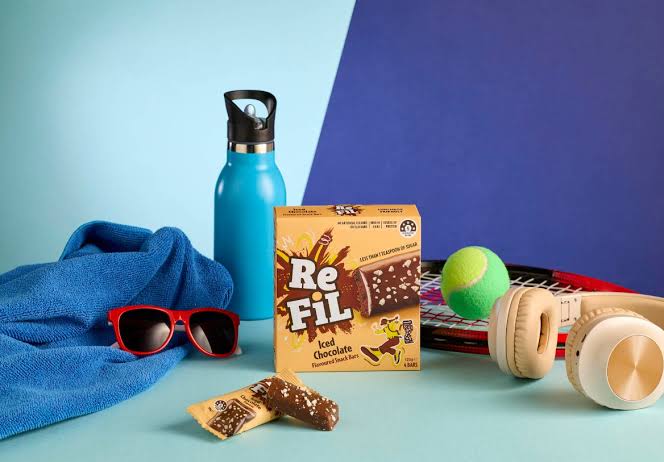
    Australian health and sports nutrition company SnackHQ launched its Pick Me Up snack bar range across New Zealand in September 2026. The lineup secured shelf space across New World and Pak’nSave supermarkets.

    Boxes arrive in stores in a 145-gram format containing five individual 100-calorie bars. They target shoppers seeking portion-controlled confectionery alternatives.

    Supermarket distribution across two banners

    Distribution covers selected New World and Pak’nSave outlets nationwide. The initial rollout includes four recipes: Choc Brownie, Choc Berry Burst, Cookies & Cream, and Caramel Fudge.

    SnackHQ built the range around strict 100-calorie portion caps. The strategy targets demand for lower-calorie treats that mimic traditional chocolate without full sugar loads.

    Trans-Tasman health snack competition

    The New Zealand launch pits SnackHQ against established domestic manufacturers and dominant multinational health brands. Shelf allocation in the snack bar category is tightly contested across Foodstuffs co-operatives and Woolworths New Zealand.

    Ranging across full-service New World supermarkets and discount Pak’nSave stores targets two distinct audiences. The company wants premium impulse shoppers and price-conscious families. Success will depend on converting trial purchases into repeat staples against cheaper house-brand muesli and protein bars.

    Following domestic Australian debut

    Australia served as the testing ground last year for the 100-calorie packaging format. SnackHQ built its foundation in sports nutrition products before spinning out dedicated everyday snacking formats.

    Crossing the Tasman serves as the first export step for the Australian business. Shared dietary regulations and retail formats will help scale manufacturing volumes.

    Category performance and shelf space targets

    Supermarkets across the region continue reallocating centre-aisle space away from high-sugar confectionery toward functional alternatives. SnackHQ must now prove sales velocity per linear metre to protect its initial ranging.

    Future growth hinges on whether Foodstuffs expands the four-flavour lineup into network-wide ranging across all North Island and South Island stores.

  • PepsiCo Launches Nobby’s Protein Coated Almonds in 45G Packs

    PepsiCo Launches Nobby’s Protein Coated Almonds in 45G Packs

    PepsiCo Australia expanded its impulse snacking portfolio on September 16, 2026, with the launch of Nobby’s Protein Coated Almonds.

    The single-serve range comes in 45g packages featuring whole roasted almonds enclosed in a protein-enriched coating and seasoning.

    Functional Formats for Front-of-Store Displays

    The product enters the market in two flavours: Cacao, delivering 11g of protein per pack, and Salted Caramel, providing 10.8g of protein per pack.

    Traditional packaged nuts already carry a natural health halo, but multinational snack makers face rising competition from dedicated sports nutrition bars and fortified confectionery. Adding a concentrated protein coating lets PepsiCo position a heritage pub-snack brand like Nobby’s directly against specialized fitness snacks on convenience racks.

    Margin Pressure and Category Competition

    For convenience operators and grocers, the format offers higher revenue per square centimetre of impulse shelf space compared to conventional salted peanuts. The risk rests in repeat purchase behaviour: coated nuts carry a heavier processing load, and shoppers buying functional protein often scrutinize sugar levels and ingredient purity before committing to daily consumption.

    Rival consumer goods manufacturers in Australia and across broader Asia-Pacific markets have pursued similar line extensions, turning core confectionery and nut brands into macro-friendly alternatives. PepsiCo itself continues to tweak recipe formulations across its regional portfolio to counter slowing volume growth in traditional fried snacks.

    Shelf Performance Metrics to Watch

    The Australian launch follows wider category revamps across PepsiCo’s regional business, where the company has sought to offset shifts away from high-sodium savoury snacks with portion-controlled, higher-margin impulse items.

    Retailer uptake across nationwide fuel and grocery chains over the fourth quarter will indicate whether the brand can hold dedicated impulse real estate outside its traditional salted nut stronghold.

  • Kinrise Expands Poppin Snack Range with Maltesers Popcorn in Australia

    Kinrise Expands Poppin Snack Range with Maltesers Popcorn in Australia

    Australian food manufacturer Kinrise has launched Maltesers-flavoured ready-to-eat popcorn in retail aisles nationwide. The rollout extends its existing brand partnership with confectionery giant Mars Snacking.

    The product sells in a 110-gram sharebag format tailored for supermarket snack aisles across Australia. It blends traditional popped corn with malt and chocolate seasoning based on the Mars confectionery brand.

    Mars Snacking partnership and packaging updates

    This release builds on an established commercial licensing agreement between Kinrise and Mars Snacking. Alongside the new malted variant, Kinrise refreshed the packaging across its Mars Bar flavoured popcorn range.

    Kinrise also introduced a dedicated multipack format for that Mars Bar popcorn line. The pack contains smaller, single-serve bags designed for lunchboxes and on-the-go shoppers seeking portion control.

    Supermarket aisle brand crossover trends

    Confectionery licensing into adjacent grocery categories is gaining speed across Asia-Pacific supermarkets. Packaged food manufacturers lean on established sweet brand equity to attract impulse buyers facing higher grocery price points.

    Retail buyers in Oceania increasingly set aside shelf space for hybrid sweet snacks bridging savoury chips and premium confectionery. Kinrise and Mars Snacking will track scan data across major supermarket accounts as the 110-gram format moves through national inventory systems this quarter.

  • Mondelēz Rolls Out Three Limited Oreo Flavours in National Consumer Vote

    Mondelēz Rolls Out Three Limited Oreo Flavours in National Consumer Vote

    Mondelēz International released three limited-edition Oreo flavours across Australia on August 24. Consumers will vote on which variant secures a permanent production run in 2027.

    The Twist, Lick, Vote promotion opened with an online presale before stock hit supermarket shelves nationwide. Banana Pudding, Deep Fried, and Chicken & Waffles make up the experimental trio.

    Flavour profiles and voting mechanics

    Banana Pudding combines banana and vanilla pudding flavoured creme in a dual layer between vanilla wafer cookies. The other two entries rely on savoury and novelty profiles to drive social engagement and trial purchases.

    Shoppers cast votes online after sampling the range. The flavour with the highest tally transitions to regular factory production next year.

    Crowdsourced menu strategy

    Packaged food manufacturers across the Asia-Pacific region frequently run voting campaigns to test unconventional formulations without committing to full manufacturing lines. The tactic limits inventory risk while driving retail footfall.

    Mondelēz has not disclosed production volumes for the limited batch or the exact closing date for voting. Tally results and the winning permanent flavour will follow once polling wraps up.