Retail News CRM

Tag: snapdragon

  • Three new Snapdragon chips unveiled today

    Three new Snapdragon chips unveiled today

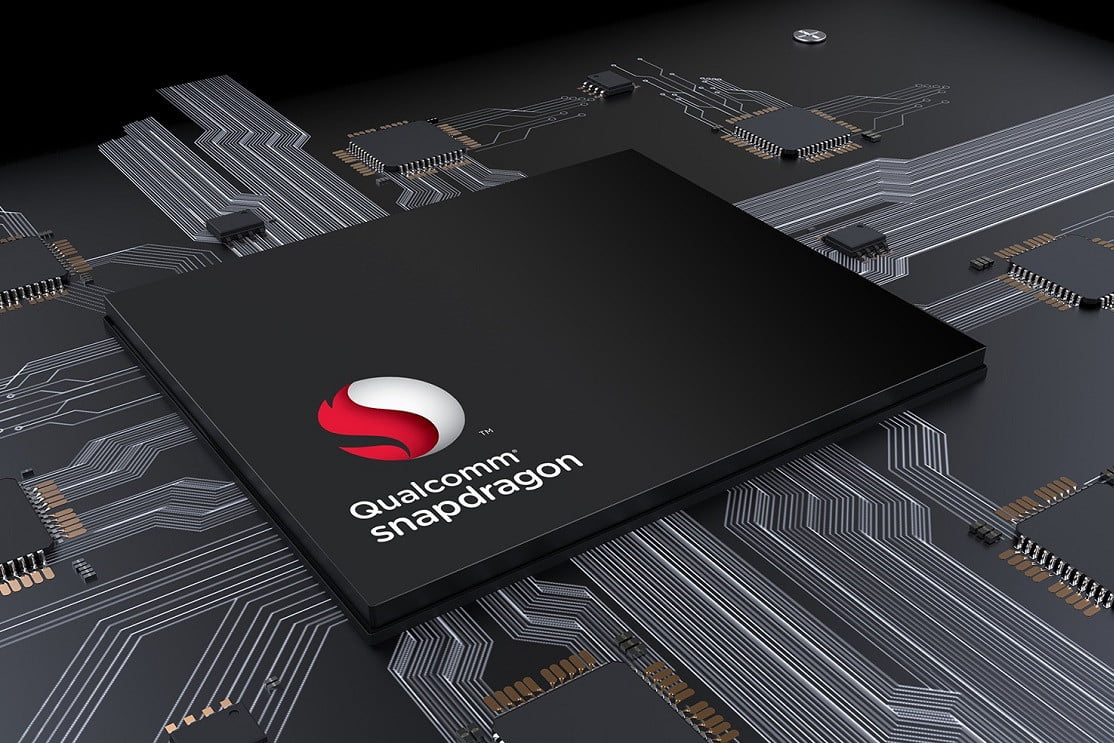
    Qualcomm unveiled today the Snapdragon 730, 730G and 665 Mobile Platforms. The chip maker says that the new chips are designed to offer customers “exciting experiences” in gaming, AI and performance. The first new devices to be powered by these chipsets will hit the market in the middle of 2019.

    The Snapdragon 730 is the first 7 series SoC from Qualcomm that brings certain features previously found only on the flagship 8 series chips. Replacing the Snapdragon 710, the new SoC comes with on-device AI to provide “intuitive image capture, exceptional gaming, and optimized performance.” The Snapdragon 730 is equipped with Qualcomm’s fourth generation multi-core Qualcomm AI Engine, twice as powerful as the previous generation’s AI Engine. It also includes the Qualcomm Spectra 350 image signal processor (ISP), found for the first time ever in a 7 series chip. The ISP provides four times the power savings as its predecessor and can support a triple-camera setup made up of telephoto, ultra-wide and portrait lenses. It will record 4K HDR video in Portrait mode.

    Made using the 8nm process, the Snapdragon 730 includes the Adreno 618 graphics processing unit (GPU) and a state-of-the-art graphics library that uses 20% less power than Open GL ES. This means that the chip will provide gamers with improved graphics and longer battery life. And with Qualcomm aptX Adaptive audio and Qualcomm Aqstic audio technology, gamers will be able to experience surround sound while playing mobile games.

    The new chip is Wi-Fi 6 ready, and with the Kryo 470 CPU on board, each core brings as much as a 35% improvement in performance. The Snapdragon X15 LTE Modem handles LTE download speeds as fast as 800Mbps.

    “With the introduction of the Snapdragon 730, 730G and 665 Mobile Platforms, we are bringing features such as sophisticated AI, exceptional gaming and advanced camera capabilities to a broad spectrum of devices at exceptional performance. Each iteration of Snapdragon drives immense innovation that will surpass customer expectations.”-Kedar Kondap, vice president, product management, Qualcomm Technologies, Inc.

    The Snapdragon 730G Mobile Platform is made for gaming phones, thus the “G” tacked on to the name of the chip. With an enhanced Adreno 618 GPU, graphics are rendered up to 15% faster than seen with the Snapdragon 730. Qualcomm met with some of the top mobile game developers to optimize the Snapdragon 730G. There is a Jank Reducer feature that removes up to 90% of janks with games running at 30fps. The chip also makes sure that players aren’t cheating, and the Wi-Fi latency manager keeps gameplay running smoothly. With over 1 billion different shades of color, games won’t only play better, they will look more realistic too.

    While the Snapdragon 730 and 730G will be used in handsets that are just not quite flagship material, the new Snapdragon 665 Mobile Platform is earmarked for pure mid-range models. But that doesn’t mean you won’t find some interesting features on the chip, like the third generation Qualcomm AI Engine. This provides twice the performance as the second generation AI engine. Speaking of AI, the Spectra 165 ISP found in the chipset includes AI capabilities. It also supports a triple camera setup made up of telephoto, wide-angle, and ultra-wide lenses. It also can handle images taken with today’s 48MP sensors.

    For gamers, the Snapdragon 665 SoC comes with the Adreno 610 GPU for “improved and longlasting gameplay.” The chip itself features four performance cores to handle the heavy-duty tasks, and four efficiency cores to take care of the light housekeeping. The Snapdragon 665 employs the Kryo 260 CPU and the Snapdragon X12 LTE Modem. The latter handles 4G LTE download speeds up to 600Mbps.
  • Qualcomm’s new line of chips will make smart speakers better than ever

    Qualcomm’s new line of chips will make smart speakers better than ever

    Qualcomm, manufacturer of the popular Snapdragon chips that power billions of devices, is now aiming to dominate another segment of smart products: speakers and displays with voice assistant support. To do that, the company announced today a new family of chips called the QCD400 Series Smart Audio SoCs. The new chips are designed specifically for the needs of smart speakers like the Google HomePod and Home mini, Amazon’s Echo lineup and others. That is why Qualcomm has focused on two main aspects: sound reproduction and voice recognition.

    The QCS400 line promises “truly superior audio performance” that should come not only from Qualcomm’s own technologies, but support for Dolby Atmos and DTS:X as well. The chips will be capable of supporting up to 32 audio channels.

    To make your communication with the voice assistant better, Qualcomm is once again putting AI to use. The AI should help with voice recognition so you can expect fewer misheard words and phrases in the future. The new chips should also allow the device to better separate voices from background noises or music and detect trigger words easier.

    Besides those main capabilities, Qualcomm is also looking to improve a couple more things that are also quite important.The first one is an improvement in power consumption which will come handy for portable Bluetooth speakers and other battery-powered devices. Devices with the new chips are expected to have a significantly longer standby time during which voice wakeup will be available.

    And finally, the new chips will ensure that your smart device is always well connected. Whether that is to the internet via Wi-Fi or to your phone through Bluetooth, Qualcomm has made improvements in any aspect of the smart speaker connectivity.

    The QCD400 chips are four in total, two of them are for audio only. The least powerful is the dual-core QCS 403, followed by a quad-core QCS404. The two chips that come with video capabilities have the Adreno 306 GPU and support HDMI. Only the highest tier chip, the QCS407 supports 32 channel audio, while the rest top up at 12 channels.

    If you’re a frequent user of smart speakers these new developments are good news for you. And if not, well, you’re probably concerned about the fact that soon these pesky always-listening devices will be able to hear you even better. Like them or not, it seems they’re here to stay!

  • Mass-production of a key component for 5G Apple iPhone about to Start

    Mass-production of a key component for 5G Apple iPhone about to Start

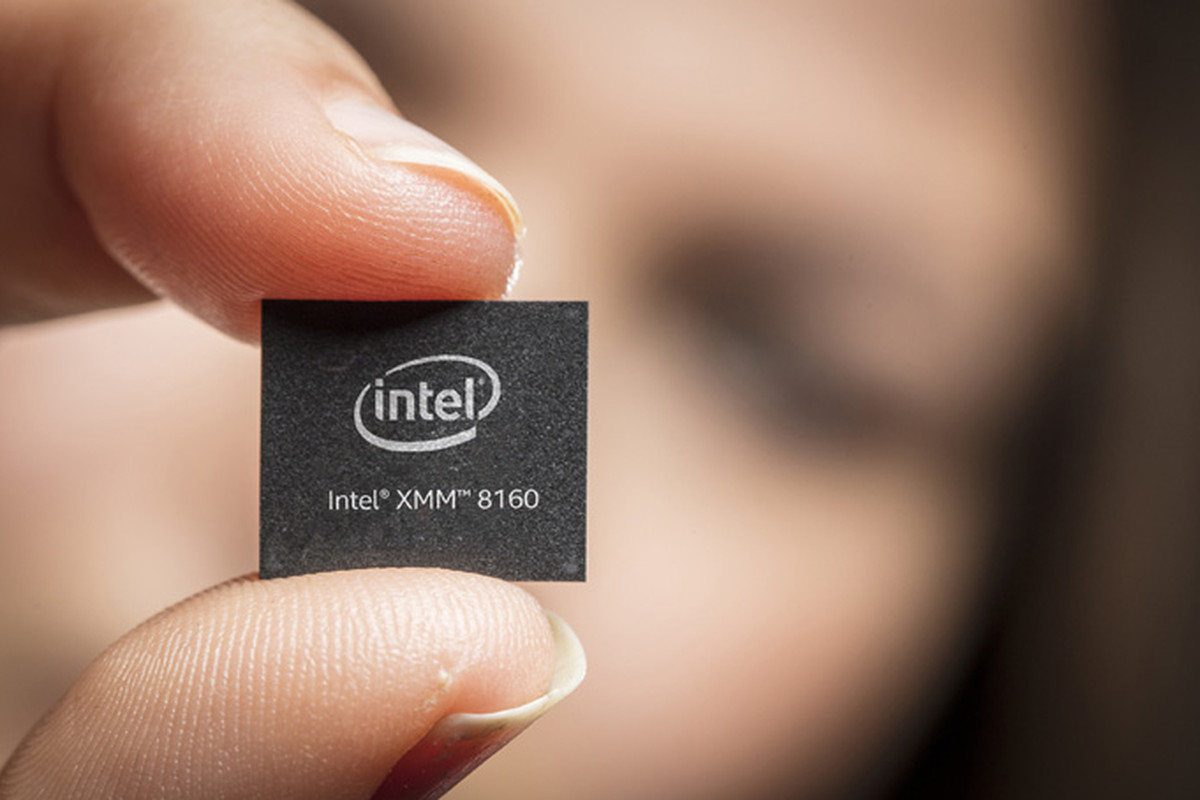
    Since Apple is expected to use Intel’s modem chips for its first batch of 5G compatible phones, we know not to expect 5G iPhones to be unveiled until 2020. That’s because Intel won’t have its modem chip for the next generation of wireless connectivity ready until next year. The chip maker will start work next quarter on the engineering projects it needs to finish in order to begin volume production of its 5G modem.

    Once Intel starts producing its 5G modem chip in 2020, it will compete with Qualcomm’s recently introduced Snapdragon X55 5G modem, the sequel to the Snapdragon X50 5G modem. The latter will be used on most 5G Android phones this year. It also will go up against the 5G modem chip designed by MediaTek. All three firms could still be in play to become the source of Apple’s 5G modem chips, although previous reports state that Intel has already won this battle. Sources cited in yesterday’s report say that Intel will also continue to generate revenue from selling its 4G modem chips to Apple for older iPhone 7 and iPhone 8 models.

    Apple currently has a contentious relationship with Qualcomm; over the last few months both sides have squared off in court on issues ranging from patent infringement to royalty payments. Just yesterday, one judge ruled that Qualcomm owed Apple close to a billion dollars in royalty payments it promised to rebate to the company (the actual figure is much. much higher says FOSS Patents). Meanwhile, a jury in San Diego yesterday ordered Apple to pay Qualcomm $31 million after it found Apple liable of infringing on a trio of patents. On March 26th, the International Trade Commission will rule on Qualcomm’s request for an exclusion order to be imposed on the iPhone in the U.S. Such an order would result in a sales and import ban of certain iPhone models in the states.

    Intel is now the exclusive source of modem chips for the iPhone

    During yet another trial held earlier this year (FTC v. Qualcomm), the plaintiffs called Apple supply chain executive Tony Blevins to the stand. Blevins testified that Apple had looked at sourcing 5G modems from Samsung and MediaTek. There is also speculation that Apple will design its own 5G modem chip, like it does for the A-series chipset that powers the iPhone and iPad. But Apple isn’t expected to deliver an in-house 5G modem design until 2021 at the earliest.

    From 2011 to 2015, Qualcomm was the exclusive provider of modem chips for the iPhone. That changed in 2016 when both Qualcomm and Intel were responsible for the modems used on the iPhone. That continued in 2017, and last year Apple sourced all of the modem chips used on the latest iPhone models from Intel.

    Apple is expected to be among the last major phone manufacturers to produce a 5G phone. Samsung has already unveiled its first 5G phone, which will debut on Verizon this summer. Huawei, LG and Oppo should also release 5G phones this year, and the 5G Moto Mod will allow the Motorola Z3 to support the faster data speeds as soon as Verizon flips the switch to turn on its new service. Once 5G service becomes more mainstream and less a curiosity, the faster data speeds will allow new services and businesses to be created. With 5G, a television series that takes 10 minutes to 15 minutes to download over 4G, will take only seconds to complete the task.

    When the industry transitioned from 3G to 4G LTE, Apple was one of the last major manufacturers to deliver a phone that supported the then-new technology. While a number of Android phones were launched with support for 4G LTE in 2011, Apple didn’t release a 4G LTE enabled handset until 2012’s iPhone 5.

  • Xiaomi Pocophone F1 Lite could launch soon

    Xiaomi Pocophone F1 Lite could launch soon

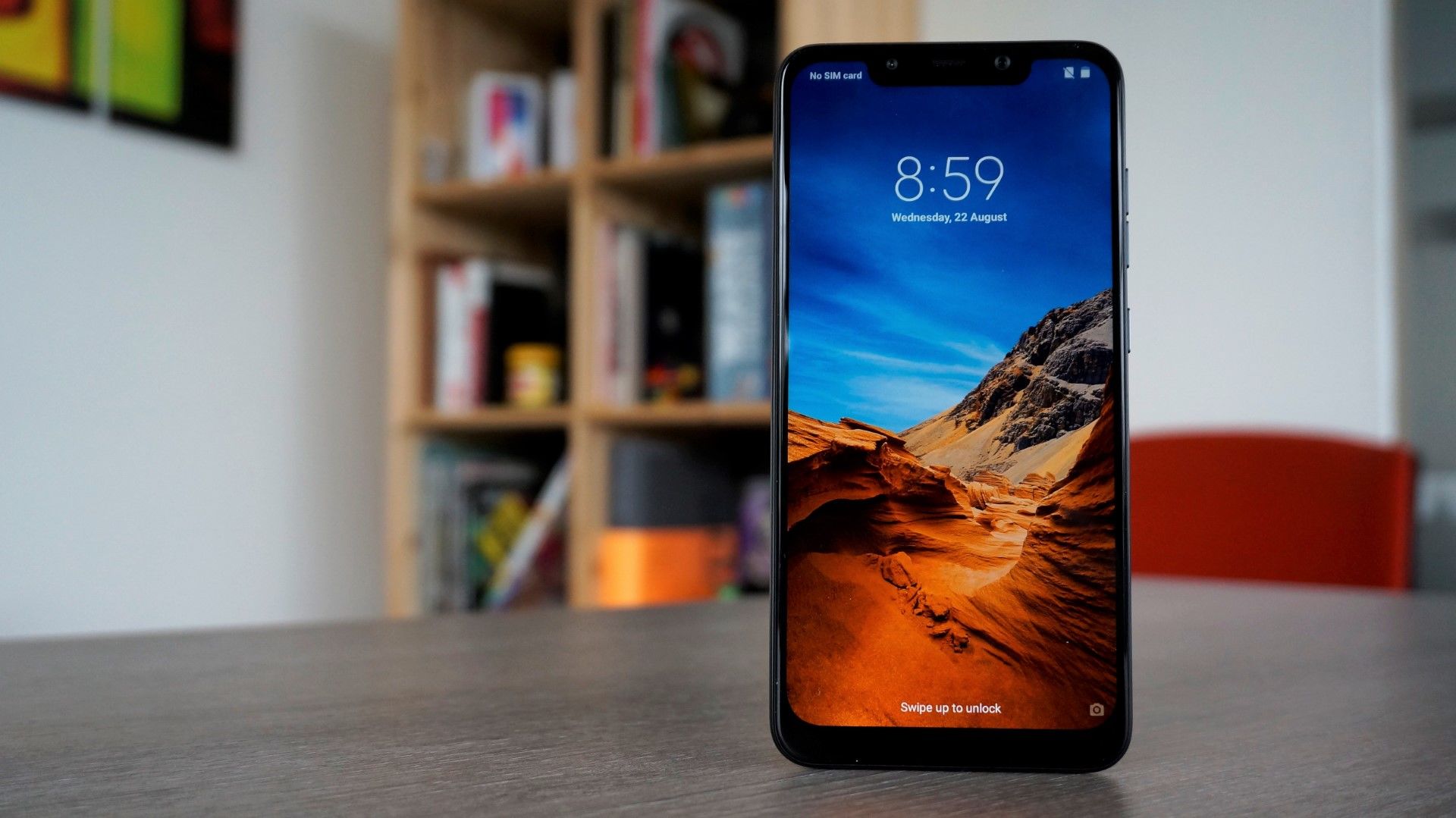
    The Pocophone F1 is one of the most competitively-priced smartphones out there. It offers Qualcomm’s Snapdragon 845, 6GB of RAM, and 64GB of storage for just €329/$389. But not everyone can afford to spend that on a smartphone, and it now seems as though a solution might be on the way. From the look of two Geekbench listings, Xiaomi sub-brand Pocophone is developing a slightly less powerful device that will be offered to consumers at a much lower price. Rather than including the high-end Snapdragon 845, the device looks set to adopt Qualcomm’s mid-range Snapdragon 660.

    This chip has already been succeeded by the newer Snapdragon 670 and 675 but should still provide decent levels of performance. In fact, Xiaomi recently used it inside the Redmi Note 7 and the Android One-powered Xiaomi Mi A2.

    The smartphone, which is codenamed ‘Uranus,’ also includes a respectable 4GB of RAM and Android 9 Pie straight out of the box. As for external features, the notched display and 3.5mm headphone jack will probably both be retained. Xiaomi may also keep the second rear camera, although a downgrade to the sensor is likely.

    At the moment, it’s unclear when this smartphone will hit shelves across the globe. But pricing wise, Xiaomi could easily price this device below $200. After all, the Redmi Note 7 mentioned above costs just €179 ($202) in Asia.

  • Qualcomm releases Snapdragon Wear 1200 platform

    Qualcomm releases Snapdragon Wear 1200 platform

    Qualcomm has launched its ‘Snapdragon Wear 1200’ multi-mode wearables platform incorporating LTE-M and NB-IoT connectivity.

    The new platform –  complements the existing Snapdragon Wear 1100 and Snapdragon Wear 2100 platforms – is designed to connect wearable devices for fitness trackers, kids, the elderly and pets.

    “The smart wearables industry continues to grow with prolific innovation across targeted opportunities such as kids, pets, elderly, and fitness,” said Pankaj Kedia, senior director of product management at Qualcomm Technologies.

    “To effectively scale, these opportunities require ultra-low power, highly energy efficient, always connected, and cost-efficient solutions,” said Kedia. “With the introduction of Snapdragon Wear 1200, we extend our wearables offerings to bring LTE IoT categories M1 and NB1 to connect the next generation of wearable devices and provide an exciting complement to our Snapdragon Wear 2100 platform for smartwatches.”

    Qualcomm also announced collaborations with original design manufacturers (ODMs), Borqs and Quanta, who have developed reference platforms based on Snapdragon Wear 1200.

    These reference designs target the kid, elderly, and pet tracking segments and will enable device manufacturers to commercialize new products in an accelerated fashion while leveraging the features and functionality of Snapdragon Wear 1200.