A potential prize for AB InBev in its bid for SABMiller is a Chinese beer that is the world’s biggest seller. But any deal will face Chinese regulators who have barred the two brewing giants in the past from cooperating.
China already drinks one-quarter of the world’s beer and is the focus of intense foreign interest because even with its economy cooling, demand is growing while Western markets are flat or declining.
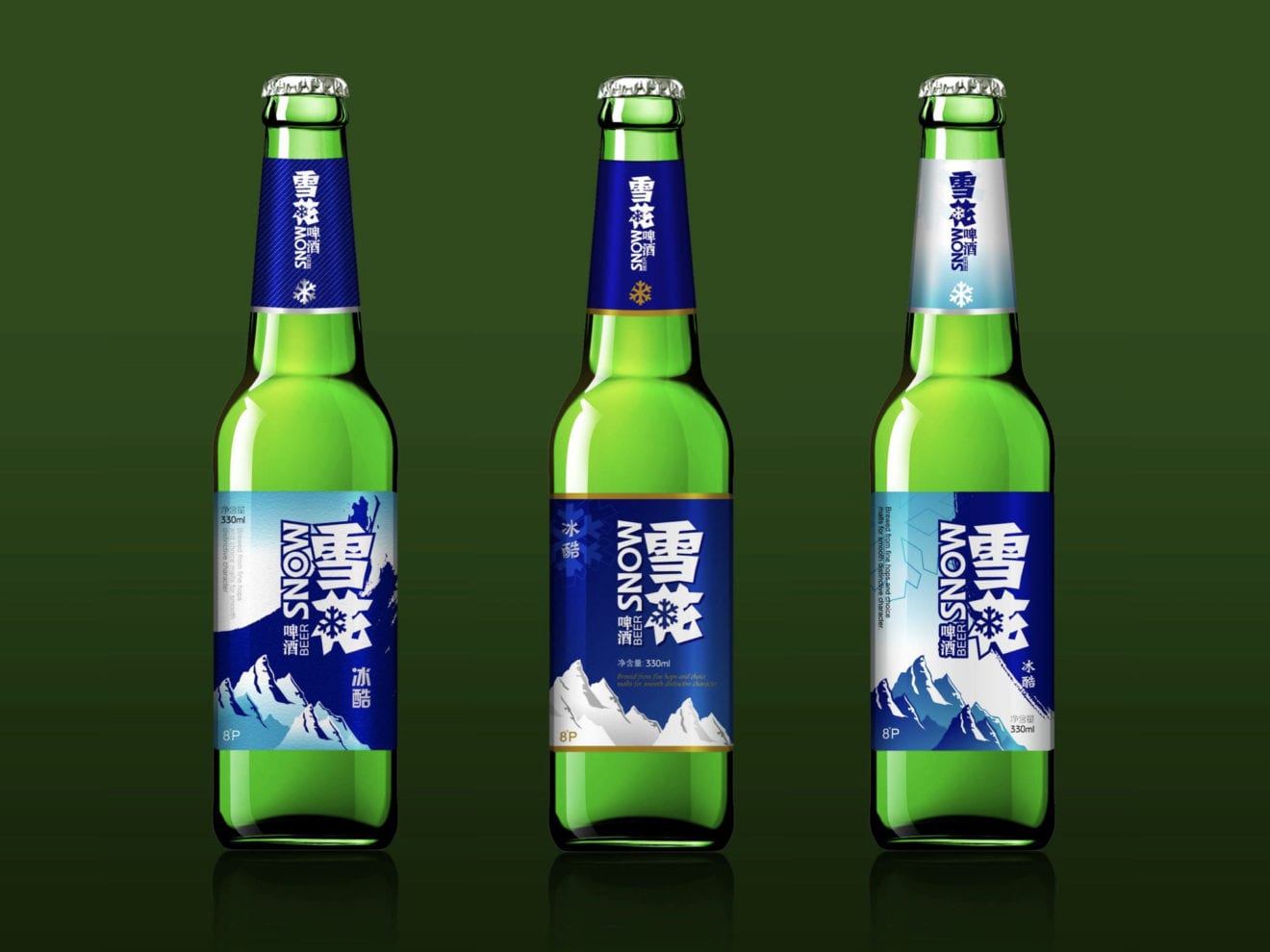
SABMiller has a leading position with a 49 percent stake in Snow, a joint venture with a state-owned partner that sold 11.8 billion liters (3 billion gallons) of suds last year, or more than one out of every 20 glasses drunk worldwide. That could dramatically expand InBev’s Chinese footprint, which already includes Budweiser, Beck’s and Stella Artois.
“No one outside China knows what Snow is, but it is the biggest brand in the world,” said industry analyst Spiros Malandrakis of Euromonitor.
Total Chinese beer sales are expected to rise 2.6 per cent this year to 52.2 billion liters (13.6 billion gallons), or more than double the global forecast of 1 per cent growth, according to Euromonitor.
Competition in China’s crowded beer market is intense, which keeps prices low and profits slim.
Despite that, global brewers are buying or launching mass-market brands. Some hope to attract Chinese drinkers who might trade up to more expensive versions as incomes rise.
In China since 1984, InBev’s Anheuser-Busch unit, brewer of Budweiser, has 39 beverage plants and 26,000 employees.
SABMiller launched Snow with China Resources Enterprise, Ltd. in 1994. Today, it has 98 breweries and says it accounts for more than one in every five cans or bottles of beer sold in China.
Other competitors include Heineken and Carlsberg, Japan’s Kirin and Asahi and Chinese brands Tsingtao and Yanjing.
In a reflection of competitive pressure, it was only last year that SABMiller said it collected its first half-year dividend of $228 million from the Snow partnership.
If Belgian-based AB InBev wants to keep that business, it needs to win over Chinese anti-monopoly regulators who have singled out both companies for curbs on their activities to preserve competition.
As a condition of Chinese approval for its 2008 purchase of Anheuser-Busch, InBev was barred from linking its brands with SABMiller. Those also include domestic beers Harbin, Sedrin and Double Deer.
Both also are prohibited from buying any more Chinese breweries.
A merged company would control more than 40 per cent of China’s beer market, according to Song Tao, an analyst for Guotai Jun’an International, a Chinese brokerage.
“That may trigger an anti-monopoly investigation,” said Song. “If the deal fails to get passed, InBev has to sell its holdings in CRE. Then CRE will face competition from InBev, and their future will become unclear.”
Mergers between rivals in China run counter to the ruling Communist Party’s desire to make the economy more productive by promoting competition.
China didn’t enact its first anti-monopoly law until 2007 but regulators have enforced it aggressively.
In 2009, they blocked Coca-Cola Co. from buying a Chinese fruit juice maker, Huiyuan. Regulators said even though Coke had no fruit juice brand, adding Huiyuan to its popular carbonated drinks might hurt competition in beverages overall.
Companies that want to merge are required to notify regulators if their combined annual revenue would exceed 2 billion yuan ($310 million) and each did more than 400 million yuan ($64 million) in business the previous year, according to Song Ying, an anti-monopoly specialist for the Anjie Law Firm in Beijing.
“The Ministry of Commerce will consult with some of the main stakeholders in this industry and maybe the relevant industrial associations to ensure that the potential merger deal will not put restrictions on market competition or raise the barriers to entry,” said Song.
At the same time, brewers are scrambling to adapt as Chinese drinkers join their Western counterparts in migrating to craft beers.
Already, specialty brews including Stella, Hoegaarden and Belgium’s Chimay and Duvel priced at up to 37 yuan ($6) a bottle are sold in supermarkets in major Chinese cities.
“This highlights the speed of the sophistication of the Chinese palate,” said Malandrakis of Euromonitor.
For a global brewer, he said, that means taking over a popular but low-profit brand such as Snow would be part of a strategy to guide Chinese drinkers to more expensive varieties.
“Essentially the consumers would drink Snow for a couple of years,” he said. “And then when they move into the middle class, they would switch, the company hopes, to imported beers from its brands.”