Tag: Soar

  • Vietnam’s Textile Exports Soar to $22.2B in H1: Embracing Sustainability and Tech for Future Growth

    Vietnam’s Textile Exports Soar to $22.2B in H1: Embracing Sustainability and Tech for Future Growth

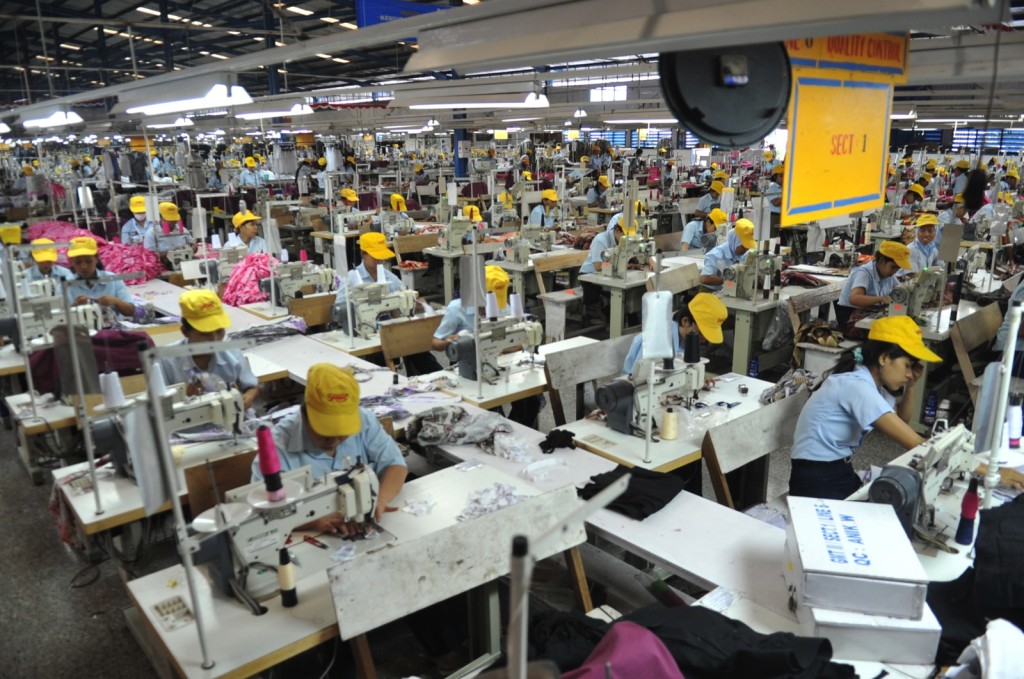
    Vietnam’s textile and garment industry saw a slight increase in exports for the first half of the year, reaching an estimated $22.2 billion, marking a 1.7% rise compared to the same period in the previous year. This information was released by the Vietnam Textile and Apparel Association (VITAS), which also noted that certain areas of the industry, including fibre, fabric, accessory, and nonwoven material exports, experienced a more substantial growth, with rates between 5.6% and 10.6%. However, the garment sector experienced a slight downturn, with exports decreasing by 0.4% due to weakened consumer demand in key markets.

    Export Markets and Trade Surplus

    In the first five months of the year, the U.S. continued to be the largest export market for Vietnam, with shipments amounting to $6.81 billion. This was a 1.3% increase, and represented approximately 45% of total exports. The E.U. market showed the strongest growth, with an increase of 8.8%, equating to $1.94 billion, whereas exports to Japan and the Republic of Korea dropped by 6.2% and 8.9% respectively. The industry was able to maintain a trade surplus of nearly $10 billion in the first half of the year.

    Challenges remain for the industry, despite the overall positive performance. VITAS outlined these obstacles, which include weak demand in key markets, high price competition, a heavy reliance on imported raw materials, increasing costs related to environmental, social and governance (ESG) standards and product traceability, and a growing uncertainty surrounding global trade policies.

    Future Focus and Strategy

    VITAS Chairman Vu Duc Giang spoke about the industry’s limited scope for expansion through solely increasing production volume. He expressed that the future growth of the industry hinges on enhancing productivity and creating higher-value products. This will be achieved by developing domestic sources of raw materials, diversifying export markets, and speeding up the digital and green transformations.

    To facilitate this shift, VITAS has given the green light for the establishment of four specialised committees during the 2025–2030 term. These committees will focus on fashion and domestic market development, international business and supply chains, sustainable development, and technology, innovation, and digital transformation. The committees are expected to commence their pilot operations in the third quarter of 2026.

    As the industry’s exports reached $22.2 billion in the first half of the year, the goal is to sustain an average monthly export revenue exceeding $4 billion in the remaining months. This will help to achieve the full-year target of roughly $48 billion. The industry’s key priorities in this endeavor include adapting to new purchasing strategies of global brands, expanding domestic supplies of raw materials, diversifying markets and products, preparing for potential legal and trade risks, and increasing investment in technology, automation, and digital transformation.

    Questions & Answers

    What growth did Vietnam’s textile and garment exports experience in the first half of the year?
    They experienced a slight increase of 1.7%, reaching an estimated $22.2 billion.

    What are the major challenges faced by Vietnam’s textile and garment industry?
    Major challenges include weakened demand in key markets, high price competition, reliance on imported raw materials, rising costs related to ESG standards and product traceability, and growing uncertainty regarding global trade policies.

    What strategies does the industry plan to implement for future growth?
    Strategies include enhancing productivity, creating high-value products, developing domestic raw material sources, diversifying export markets, and accelerating the digital and green transformations.


  • Vietnam’s Gold Prices Soar Amid Global Bullion Rally and Softened US Jobs Data

    Vietnam’s Gold Prices Soar Amid Global Bullion Rally and Softened US Jobs Data

    On Friday morning, gold prices in Vietnam saw a significant rise, in sync with the worldwide increase in gold rates, marking the first weekly gain in the past five weeks. The key driver behind this surge was the gold bar price offered by Saigon Jewelry Company, which saw a leap of 2.02%, equating to VND151.4 million (US$5,756.11) per tael. For context, a tael is equivalent to either 37.5 grams or 1.2 ounces.

    Over the course of the week, local gold rates have climbed by 1.9%, putting them roughly VND18 million per tael above global rates. This trend was mirrored by the price of gold rings, which increased by 2.02%, bringing it to VND151.3 million per tael on Friday.

    Global Gold Prices on the Rise

    On the global stage, Friday saw an increase of more than 1% in gold prices, setting the stage for the first weekly gain in the past five weeks. This shift has been attributed to a recalibration of investor expectations in light of less than anticipated U.S. employment figures, leading to a decrease in anticipations of Federal Reserve interest rate hikes.

    Spot gold saw an increase of 1.4%, taking it to $4,179.94 per ounce, its highest value since June 23. Additionally, U.S. gold futures for August delivery saw a rise of 1.6%, bringing it to $4,193.20.

    According to Kelvin Wong, a senior market analyst at OANDA, despite this uptick in gold prices, there has not been a complete revocation of rate hike pricing. He predicts that by the end of the year, there may still be another phase of potential gold weakness, with prices possibly reaching the $3,500/oz level.

    Central Banks Resume Gold Purchases

    The World Gold Council has reported that there has been a resumption of gold purchases by central banks. As per the most recent data, official gold reserves saw a net increase of 41 tons in May.

    Questions & Answers

    What factors led to the rise in gold prices in Vietnam?
    The rise in gold prices in Vietnam was driven by the gold bar price offered by the Saigon Jewelry Company and the increase in the global gold rate.

    What is the anticipated impact of the U.S. employment figures on gold rates?
    The less than expected U.S. employment figures have led to a reduction in expectations of Federal Reserve interest rate hikes, contributing to the rise in gold prices.

    What is the projected future trend for gold prices as per the senior market analyst at OANDA?
    Despite the recent increase in gold prices, Kelvin Wong predicts a potential phase of gold weakness towards the end of the year, with prices potentially reaching the $3,500/oz level.

  • Vietnam’s Gold Prices Soar Despite Global Market Decline: A Week of Ups and Downs

    Vietnam’s Gold Prices Soar Despite Global Market Decline: A Week of Ups and Downs

    Vietnam’s gold market saw a modest rise in prices on Saturday, ending the week on a slightly high note. The day observed a 0.34% increase in the prices of gold bars from Saigon Jewelry Company, which closed at VND147.2 million (US$5,594.85) per tael. This showed a 0.14% increase over the week.

    Similarly, the prices of gold rings also rose, marking a 0.4% increase to VND147.2 million per tael. For context, a tael is a traditional Asian unit of weight, which is equivalent to 37.5 grams or 1.2 ounces.

    Global Gold Prices

    In contrast to Vietnam, global gold prices experienced a downward trend on Friday. The decline marked the third consecutive weekly fall for the yellow metal. The decrease in prices was influenced by the strengthening of the U.S. dollar and a hawkish stance of the Federal Reserve.

    Spot gold decreased by 0.9%, settling at $4,169.44 per ounce. This was after hitting its lowest level since June 11 at $4,119.78. Also, U.S. gold futures contracted by 1.4% to $4,186.50.

    Senior market analyst at Jefferies-owned Tradu.com, Nikos Tzabouras, commented on the situation. He noted that gold is at risk of sinking further into bear market territory, potentially falling below the $4,000/oz mark. He attributed this to the challenging market environment and the unfavorable effects of prolonged higher Federal Reserve expectations on non-yielding assets, which, however, is beneficial to the dollar.

    With regards to gold price projections, Goldman Sachs revised its forecast, lowering its December prediction to $4,900 per ounce from its earlier estimate of $5,400. The firm reasoned that while its price outlook remains generally positive, it is exercising caution due to potential near-term downside risk and medium-term upside risk.

    Questions & Answers

    What caused the rise in Vietnam’s gold prices?
    The increase in Vietnam’s gold prices is not attributed to a specific cause in the article. However, gold prices can rise due to various factors such as fluctuations in currency values, inflation, and geopolitical instability.

    What is causing the downturn in global gold prices?
    The global decline in gold prices is attributed to the strengthening of the U.S. dollar and the hawkish stance of the Federal Reserve, which has increased expectations for higher interest rates.

    What is Goldman Sachs’ revised forecast for gold prices by December?
    Goldman Sachs has revised its forecast for gold prices by December to $4,900 per ounce, a decrease from its previous estimate of $5,400 per ounce.

  • Hong Kong Retail Sales Soar for 11th Consecutive Month, Fueled by Local Demand and Tourism Surge

    Hong Kong Retail Sales Soar for 11th Consecutive Month, Fueled by Local Demand and Tourism Surge

    In March, Hong Kong’s retail sector saw a 12.8% increase in sales compared to the same month in the previous year. This marks the 11th consecutive month of growth, according to recent government data. Sales touched HK$33.9 billion (US$4.33 billion), demonstrating a healthy economy. In February, the year-on-year rise was recorded at 19.3%.

    Key Growth Areas

    Motor vehicle sales exhibited notable progress, with a surge in purchases just before the first registration tax concessions for electric private cars expired at the end of March.

    When it comes to sales volume, a 9.8% increase was observed in March compared to the same period last year. This is slightly less than February’s 17.5% rise.

    For the initial quarter of 2026, the total value of retail sales rose by 12.1% year-on-year, while the volume of retail sales witnessed a 9.8% increase.

    A government representative attributed the positive trajectory of retail sales to the recovery of local demand, steady growth in tourist arrivals, and a favourable macro-financial environment.

    The Hong Kong Tourism Board reported a 14% year-on-year increase in visitor arrivals in March, reaching 4.35 million. Chinese mainland visitors, who account for a significant portion of these arrivals, increased by 15.9% year-on-year to 3.19 million.

    Sector-Specific Performance

    Specific sectors such as jewellery, watches, clocks, and valuable gifts experienced a robust growth of 27.2% year-on-year in March, following a 24.2% rise in February.

    The motor vehicles and parts sector saw an impressive 80.8% year-on-year jump in March, substantial growth from the 37.3% rise seen in February.

    Meanwhile, the clothing, footwear, and related products sector saw a modest increase of 5.9% year-on-year in March, a decrease from the 14.1% rise recorded in February.

    Questions & Answers

    What was the percentage increase in Hong Kong’s retail sales in March?
    Retail sales in Hong Kong saw a 12.8% rise in March compared to the same month in the previous year.

    Which sectors saw significant growth in March?
    The motor vehicles and parts sector, as well as the jewellery, watches, clocks, and valuable gifts sector, experienced substantial growth in March.

    What factors contributed to the positive outlook for retail sales?
    The recovery of local demand, steady growth in inbound tourism, and a favourable macro-financial environment have all played a role in the optimistic outlook for retail sales.

  • Gold Prices Soar in Vietnam Amid Global Bullion Boom and Middle East De-Escalation Hopes

    Gold Prices Soar in Vietnam Amid Global Bullion Boom and Middle East De-Escalation Hopes

    Gold prices in Vietnam saw a significant increase on Wednesday morning, corresponding with a rise in global bullion rates. The price of a gold bar from the Saigon Jewelry Company witnessed a 2.82% increase, reaching VND175 million (US$6,642.88) per tael. Other vendors adjusted their prices similarly in line with this increase.

    Vietnam’s Gold Market

    In Vietnam, local gold prices are approximately VND29 million per tael higher than global rates, highlighting the uniqueness of the Vietnamese market. The price of gold rings has also risen by approximately the same rate, reaching VND174.8 million per tael. It should be noted that a tael is equivalent to 37.5 grams or 1.2 ounces.

    Global Gold Market

    On Wednesday, the global gold market also saw an increase of over 2%. This increase was driven by a softer dollar value and a decrease in oil prices, which alleviated concerns surrounding high inflation and increased global interest rates. Spot gold experienced a 2.5% increase to $4,587.09 per ounce, while U.S. gold futures for April delivery saw a 4.2% gain to $4,586.10.

    The easing of the dollar has made gold priced in greenbacks cheaper for those holding other currencies. Christopher Wong, a strategist at OCBC, stated that the easing of the dollar strength has allowed for the reassertion of safe-haven demand. He further emphasized that gold has not lost its appeal as a secure investment, contrary to what some may believe.

    The Future of Gold

    Wong also suggested that the value of gold will likely remain sensitive to the Federal Reserve’s policy path expectations, the value of the USD, and geopolitical developments in the near term. However, he also postulates that the recent rebound suggests that any declines in the value of gold may continue to find support unless real yields shift significantly higher.

    Questions & Answers

    What caused the rise in gold prices in Vietnam?
    The rise in gold prices in Vietnam is primarily due to the surge in global bullion rates.

    How does the value of the USD affect gold prices?
    The value of the USD has a significant impact on gold prices. When the USD weakens, gold prices often increase as gold becomes more affordable for those holding other currencies.

    Is gold still considered a safe investment?
    Yes, according to Christopher Wong, a strategist at OCBC, gold has not lost its safe-haven appeal and remains a secure investment option.

  • US Fruits and Veggies Flood Vietnam Market: Imports Soar by 67%

    US Fruits and Veggies Flood Vietnam Market: Imports Soar by 67%

    Imports of U.S. fruits and vegetables to Vietnam have surged, showing a nearly 67% increase to US$900 million in 2025. This figure represents a tenfold increase from a decade ago and showcases the robust demand for U.S. produce in Vietnam. Among the top imports are cherries, apples, grapes, and oranges, as reported by Vietnam Customs.

    Disparity in Trade

    Despite the significant increase in imports from the U.S., Vietnamese exports to the U.S. have not shown the same growth. In 2025, the value of Vietnam’s fruit and vegetable exports to the U.S. was $546 million, a mere 1.49% share in a market dominated by suppliers from Mexico, Canada, and South American countries.

    Dang Phuc Nguyen, general secretary of the Vietnam Fruit and Vegetable Association, acknowledged the challenges of the U.S. market, noting its stringent technical standards and the geographical distance between the U.S. and Vietnam.

    Vietnam’s Position in the U.S. Market

    Vietnam currently ranks as the 13th largest fruit and vegetable supplier to the U.S., a position achieved through the concerted efforts of local businesses. There is potential for further growth in the U.S. market with the expanding list of fresh fruits allowed for export, including pomelo, mango, dragon fruit, longan, lychee, star apple, rambutan, and, most recently, coconut.

    Consumer trends in the U.S. are shifting towards exotic fruits, health-oriented products, and more processed items like frozen fruit, dried fruits, and juices. Vietnamese products like coconut, durian, and pomelo are becoming increasingly sought after in the U.S.

    Challenges to Exports

    Despite the potential for growth, Vietnamese exports face several hurdles. Starting from this month, the U.S. has tightened regulations on traceability and food safety, with a specific focus on pesticide residues. Inconsistent Vietnamese oversight of planting area codes and packaging facilities may lead to warnings or even temporary import suspensions by the U.S.

    The long distance between the two countries also incurs high logistics costs, making it challenging for Vietnamese fruits and vegetables to compete with suppliers closer to the U.S., such as those in Mexico, Peru, or Thailand.

    Changes in U.S. policies under the Trump administration have introduced unpredictability to trade defense measures designed to safeguard domestic agriculture. At the same time, green production, carbon emission, and social responsibility requirements in supply chains are gradually becoming mandatory, adding further pressure on exporters.

    Questions & Answers

    What are the top U.S. fruits imported by Vietnam?
    The top fruits imported by Vietnam from the U.S. are cherries, apples, grapes, and oranges.

    What are some of the challenges facing Vietnamese exports to the U.S.?
    Challenges include tightened U.S. regulations on traceability and food safety, high logistics costs due to geographical distance, and the increasing mandatory requirements related to green production, carbon emission, and social responsibility in supply chains.

    What potential does Vietnam have for growth in the U.S. market?
    There is significant potential for growth, especially as the list of fresh fruits permitted for export to the U.S. continues to expand. Moreover, with U.S. consumer trends shifting towards exotic fruits and health-oriented products, Vietnamese products like coconut, durian, and pomelo are gaining popularity.

  • Lululemon CEO McDonald Bows Out, Shares Soar Amid Hunt for New Leader

    Lululemon CEO McDonald Bows Out, Shares Soar Amid Hunt for New Leader

    Calvin McDonald, the current CEO of Lululemon Athletica, is scheduled to resign from his position on January 31. He plans to continue serving as a senior advisor until March 31. The company, known for its athletic leisure-wear, has launched a comprehensive search to identify a suitable successor for the CEO role.

    Company Performance Under McDonald

    Since McDonald’s appointment in 2018, the Canadian-based company has experienced significant global growth. However, the latest quarterly sales figures indicated a year-on-year decline in the Americas.

    In the third quarter earnings report for the fiscal year 2025, Lululemon’s diluted earnings per share (EPS) fell by 10 per cent and store revenues remained steady. Despite this, total revenues grew by 7 per cent due to a 33 per cent surge in international markets.

    Neil Saunders, the Managing Director of analytics firm GlobalData, described these figures as “soft.” He outlined three issues Lululemon is facing in the North American market: a softer market for athletic leisure-wear with little organic growth available, increasingly fierce and high-quality competition, and faltering execution against this challenging backdrop.

    McDonald’s Departure Statement

    Despite the criticisms, McDonald expressed pride as he announced his departure. McDonald acknowledged that his tenure as Lululemon’s CEO has been the pinnacle of his career. He conveyed immense pride in the team’s achievements over the past seven years, highlighting the transformation of the athletic apparel industry and the substantial opportunities that lie ahead for Lululemon.

    He expressed confidence in the product pipeline and action plan developed during his term, assuring that they would yield positive results and provide value to shareholders. McDonald committed to supporting the transition and guiding the leadership team in his advisory role.

    Under McDonald’s leadership, Lululemon expanded into over 30 countries and boosted its mainland China business into becoming the company’s second-largest market. The board also recognized his efforts in broadening Lululemon’s product portfolio.

    Following the announcement of McDonald’s departure, Lululemon’s stock (LULU) rose by 20 points after hours.

    Leadership Transition

    In the interim period, Chair Marti Morfitt will assume the expanded role of executive chair effective immediately.

    Morfitt expressed gratitude for McDonald’s contributions and appreciated his support for ensuring a smooth transition over the coming months. As the board anticipates the company’s future, it is committed to finding a leader with a proven track record of guiding companies through growth and transformation.

    Questions & Answers

    Who is Calvin McDonald?
    Calvin McDonald is the outgoing CEO of Lululemon Athletica who has led the company since 2018.

    What has been the impact of McDonald’s leadership on Lululemon?
    Under McDonald’s leadership, Lululemon expanded into over 30 countries, and its mainland China business became the company’s second-largest market. He also broadened Lululemon’s product portfolio.

    Who will be taking over after McDonald’s departure?
    Marti Morfitt, the current Chair, will assume the expanded role of executive chair immediately. The company is conducting a comprehensive search for a new CEO.

  • Australian Beef Exports Surge Amid Us-china Trade Tensions: A Shift In Global Market Dynamics

    Australian Beef Exports Surge Amid Us-china Trade Tensions: A Shift In Global Market Dynamics

    The Australian beef industry has recently experienced a surge in exports to China, taking market share formerly held by the US. This shift has transpired in the wake of US President Donald Trump’s return to the White House and the ensuing trade tensions between the US and China. The shift of trade from the US to Australia has channelled hundreds of millions of dollars that were once funneled into the US cattle industry into Australian coffers.

    A Shift in Beef Trade

    US beef exports to China, which were valued at approximately A$182 million per month, experienced a significant decline when permits at several American meat facilities were allowed to expire by Beijing in March. This situation was further exacerbated by the trade war initiated by Trump. Other agricultural exports from the US to China have also taken a hit since Trump resumed power. The most notable among these is soybeans, with US farmers missing out on billions of dollars’ worth of exports in the current harvest season.

    In addition to these factors, US beef exports have generally been on a downward trend in recent years due to drought conditions shrinking the national cattle herd, leading to reduced production and record high prices. However, the slump in trade with China has been both more sudden and severe.

    According to Chinese trade data, the value of US beef exports to China dropped dramatically to just $12 million in July and $14 million in August, compared to $179 million and $189 million during the same period a year earlier.

    Australia’s Beef Boom

    Simultaneously, Australia has seen a surge in its beef exports to China. These shipments have soared from $212 million a month in the two years leading up to March to $335 million in July and $342 million in August. From April through August, US beef exports to China were valued at $587 million less than if trade had remained at the average levels from the previous two years. During this same period, Australian shipments were worth $474 million more.

    While Brazil, China’s largest beef supplier, has also increased its exports in recent months, Australia has reaped the most benefits due to its grain-fed beef, which most closely resembles US products.

    Matt Dalgleish, a meat and livestock analyst at Australian consultancy firm Episode 3, noted that this shift has been beneficial for Australia, helping to drive up cattle prices.

    The Future of Beef Trade

    Despite these changes, there is potential for US beef exports to rebound. Trade negotiations between Beijing and Washington could potentially end the current impasse, according to Joe Schuele, a spokesperson for the US Meat Export Federation.

    Even in the case of a trade agreement being reached, it could still take several years for the US to regain its former market share, according to Dalgleish. This is due in part to Australia’s beef production reaching an all-time high and its meat being significantly cheaper than that of the US.

    Adding another layer of complexity to the situation is an ongoing investigation by Beijing into beef imports, which could potentially result in trade restrictions to address a surplus of beef in China. The outcome of this investigation is expected to be released by November 26.

    Questions & Answers

    What caused the shift in beef exports from the US to Australia?
    This shift can be attributed to a combination of expired permits for American meat facilities, initiated trade war by President Donald Trump, and drought conditions in the US which led to reduced beef production.

    How has this shift impacted Australia’s economy?
    This shift has resulted in a boom for the Australian beef industry, driving up cattle prices and channeling hundreds of millions of dollars into the Australian economy.

    What could potentially alter the current state of beef trade?
    Potential changes in the beef trade could be prompted by the ongoing Beijing investigation into beef imports and the outcome of ongoing trade negotiations between the US and China.

  • Chagee’s Revenue Soars Amid Expansion, Despite Significant Profit Dip

    Chagee’s Revenue Soars Amid Expansion, Despite Significant Profit Dip

    The second quarter of the financial year saw Chinese milk tea chain Chagee experiencing a double-digit increase in revenue, largely due to its network expansion. However, this growth was accompanied by a notable drop in profit.

    Financial Highlights

    Chagee, which is listed on Nasdaq, recorded a 10.5 per cent rise in net revenues to RMB3.331 billion (US$465.1 million) for the quarter ending on June 30. The company’s teahouse network witnessed substantial growth of 40 per cent, reaching 7038 locations.

    The total gross merchandise value (GMV) also saw an increase, rising by 15.5 per cent to RMB8.103.1 billion. The GMV in overseas markets experienced a significant surge of 77 per cent. However, the same-store GMV witnessed a downturn, falling by 23 per cent following a 38 per cent growth in the same period last year.

    Chagee’s GAAP net income saw a steep decrease of 87.7 per cent to RMB77.2 million. However, the non-GAAP net income, which factors in share-based compensation expenses amounting to RMB552.5 million, saw a marginal rise of 0.1 per cent to RMB629.8 million.

    Leadership Changes and Future Plans

    During the same quarter, Chagee made key leadership appointments to boost its expansion capabilities in North America. These included the appointment of Emily Chang as the Chief Commercial Officer and Aaron Harris as the Chief Development Officer for the region.

    Company management is optimistic about its comprehensive international expansion strategy. This strategy is expected to set the company on a path of sustainable growth. There are proactive strategies already in place for key regions like Indonesia, Thailand, and North America. Additionally, the company has plans to venture into Japan and Korea in the coming year.

    Questions & Answers

    What changes were observed in Chagee’s revenue and profit in the second quarter?
    Chagee witnessed a double-digit rise in revenue, largely due to the expansion of its network. However, its profit saw a significant drop.

    What significant appointments were made by Chagee in the second quarter?
    Chagee appointed Emily Chang as the Chief Commercial Officer and Aaron Harris as the Chief Development Officer for the North American region.

    What are the company’s future expansion plans?
    Management has comprehensive international expansion strategies in place. There are plans for expansion in key regions including Indonesia, Thailand, and North America, and the company intends to enter the Japanese and Korean markets next year.

  • Tim Hortons China Sees Q2 Recovery, Cites New Strategy And Franchise Growth As Key Drivers

    Tim Hortons China Sees Q2 Recovery, Cites New Strategy And Franchise Growth As Key Drivers

    TH International Limited, the company responsible for operating Tim Hortons coffee shops in China, has reported a slight recovery in the second quarter. This recovery has helped to counterbalance the economic strain resulting from store closures and decreased revenue from company-operated outlets.

    Financial Performance

    The system sales experienced a 1.4 percent increase since last year, reaching a total of $57.2 million. Despite this growth, total revenues decreased by 4.9 percent, amounting to $48.7 million. However, the company recorded a positive adjusted EBITDA of $300,000 and a reduced adjusted net loss of 16.2 percent, which amounts to $5.5 million.

    The company’s CEO, Yongchen Lu, stated the company’s “Coffee + Freshly Prepared Food” strategy as the driving force behind the improved results. New product offerings led to an increase in food revenue by 8.6 percent from last year. Consequently, the contribution of food revenue to system sales rose to a record 35.2 percent.

    Albert Li, the CFO, pointed out the efficiency enhancements in the company’s operations. The costs of food, packaging, and labor dropped as a percentage of store revenues. He attributed the improved financial performance to the refinement of store unit economics and operational efficiencies at both store and corporate levels.

    Growth and Challenges

    During the quarter, the company introduced 40 made-to-order stores while discontinuing 49 non-made-to-order outlets, mainly smaller Tim Hortons Express units. Despite this, the contribution from company-operated stores dropped to $3.8 million, a decrease from the previous year. This decrease can be attributed to store consolidation and declining same-store sales.

    Franchising proved to be a successful venture. Revenues from franchised stores increased by 50.7 percent, reaching $9.4 million. The franchise network expanded from 333 to 449 locations. In addition, other revenues, including sub-franchise and retail businesses, more than doubled compared to last year.

    Despite a net loss of $10.6 million, the management remains optimistic. They believe the operational enhancements and an improved food mix put the company in a position for steady growth.

    Questions & Answers

    What was the company’s strategy that drove its stronger results?
    The company employed a “Coffee + Freshly Prepared Food” strategy that particularly improved results through new product offerings.

    How did the company improve its financial performance?
    The company refined store unit economics and enhanced operational efficiencies at both the store and corporate levels.

    What changes occurred in the company’s franchising operations?
    There was a revenue increase of 50.7 percent from franchised stores. The franchise network also expanded to 449 locations from 333 in the previous year.

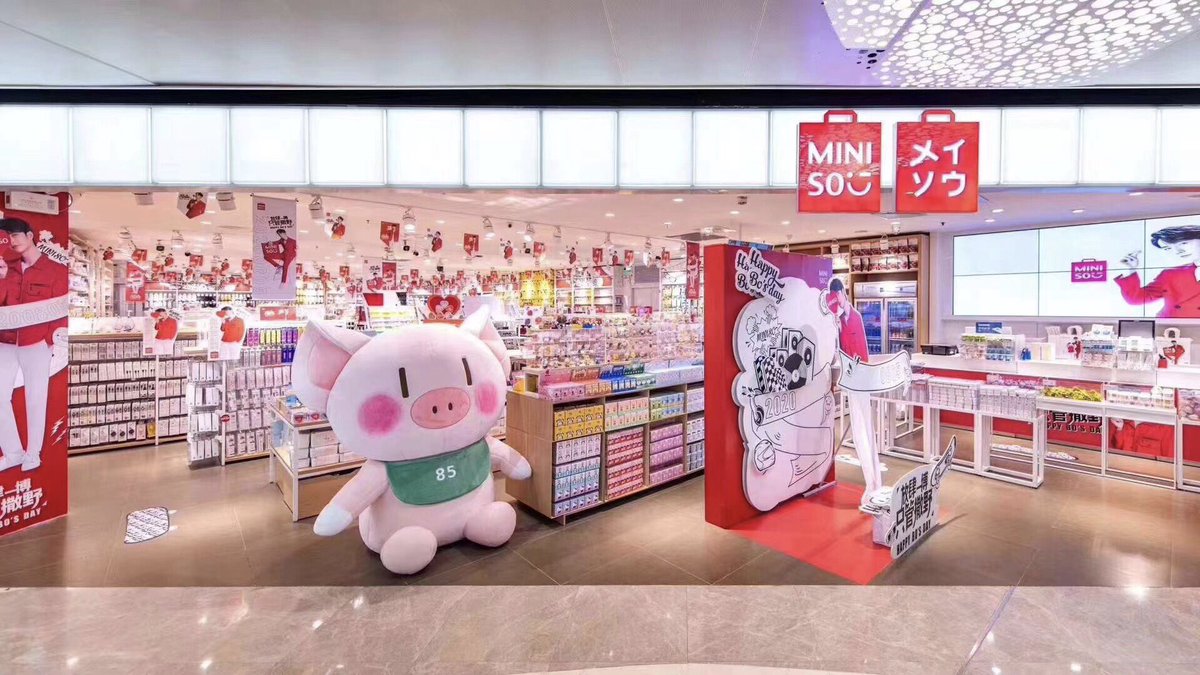
  • Miniso’s sales soar 23 per cent in second quarter, but profit shrinks

    Miniso’s sales soar 23 per cent in second quarter, but profit shrinks

    The retail conglomerate, Miniso, posted a decrease in profits despite its sales increasing by a double-digit percentage in the second quarter.

    Revenue Growth

    Miniso’s revenue for the quarter ending June 30th saw a massive increase of 23.1%, amounting to approximately USD 693.2 million. The retailer has various brands under its umbrella, including Miniso and Top Toy. Miniso’s revenue witnessed a rise of 19.5%, amounting to USD 637 million. This growth included a 13.6% increase in Mainland China and a 28.6% growth in international markets. Top Toy’s revenue surged by 87% to USD 56.1 million.

    Same-Store Gross Merchandise Value

    The same-store gross merchandise value (GMV) of Miniso remained steady, backed by a small growth in mainland China and a slight decline in international markets. However, Top Toy’s same-store GMV registered minor growth.

    Strategic Financing

    Miniso highlighted that Top Toy had finalized strategic financing by Temasek recently, resulting in a post-valuation of approximately USD 1.28 billion.

    Operating Income and Profit

    Although the operating income rose by 11.3% to USD 116.7 million, the profits fell from USD 82.4 million in the same period last year to USD 68.3 million.

    For the first half of the year, revenue grew by 21% to USD 1.3 billion. This rise included an 18% increase in Miniso sales and a 73% rise in Top Toy sales. However, the profit for the same period dropped from USD 163 million to USD 126.5 million.

    Store Expansion

    As of June 30th, the total number of stores at the group level was 7,905, representing a year-on-year increase of 842 new stores. Miniso had 7,612 stores, which included 4,305 in Mainland China and 3,307 in international locations, while Top Toy had 293 outlets.

    The company anticipates that its revenue growth will speed up for the rest of the year.

    Questions & Answers

    How much did Miniso’s revenue increase in the second quarter?

    Miniso’s revenue for the second quarter increased by 23.1%, amounting to approximately USD 693.2 million.

    How did Miniso’s operating income and profit perform in the second quarter?

    The operating income rose by 11.3% to USD 116.7 million, but the profit fell from USD 82.4 million in the same period last year to USD 68.3 million.

    What is the total number of Miniso stores as of June 30th?

    As of June 30th, Miniso had a total of 7,612 stores, which included 4,305 in Mainland China and 3,307 in international locations.

  • Prada Sees 9% Revenue Boost, Credits Rising Star Miu Miu Amid Tough Luxury Market

    Prada Sees 9% Revenue Boost, Credits Rising Star Miu Miu Amid Tough Luxury Market

    Prada, a family-owned group known for its luxury fashion, recently reported a 9% spike in first-half net revenues at constant currencies. The company’s lesser-known yet rapidly growing Miu Miu brand played a significant role in this upswing, potentially signaling a positive shift in an otherwise sluggish sector.

    In terms of figures, Prada’s net revenue reached a substantial 2.74 billion euros ($3.16 billion), mirroring analysts’ expectations. This growth can be attributed to supportive performance across all regions.

    Brand Performances

    Despite the group’s overall success, the Prada brand experienced a 3.6% drop in retail sales in the second quarter. In contrast, the Miu Miu label saw a remarkable 40% increase in sales, accounting for a quarter of the group’s total revenues last year.

    Prada’s second quarter was adversely affected by reduced tourist influx into Europe and Japan, as well as unfavorable comparisons to last year’s performance. Company executives shared these insights during a conference call held after the results were announced.

    Andrea Guerra, the Chief Executive, informed analysts that he anticipates tourist traffic levels to rebound by the end of August.

    Management Changes

    In a noteworthy development, the Italian firm recently separated from Prada’s brand CEO, Gianfranco D’Attis. Guerra has temporarily assumed the additional responsibilities, with plans to retain them for an extended period. He stated, “If it is an interim (arrangement), it’s a long one.”

    Operating Profit and Future Acquisitions

    The group’s adjusted operating profit climbed 8% to 619 million euros in the first six months, falling slightly short of the 636 million euro operating EBIT projected by analysts.

    Prada Chairman Patrizio Bertelli commented on this solid performance, stating it was achieved amidst a challenging backdrop, somewhat unprecedented in our industry.

    In terms of upcoming developments, the group anticipates finalizing the acquisition of Versace from Capri Holdings between September and November this year.

    Luxury Industry Outlook

    Despite these positive developments for Prada, a robust recovery for the luxury industry remains uncertain. For instance, Gucci’s parent company, Kering, reported a 15% fall in quarterly revenues. Additionally, LVMH recorded a 4% drop in quarterly sales, and Hermes, despite a 9% sales surge, showed signs of being affected by the broader luxury downturn.

    Questions & Answers

    What accounted for Prada’s 9% increase in first-half net revenues?
    Prada’s growth in the first half was largely due to supportive performance across all regions and the exceptional growth of the Miu Miu brand.

    How has Prada’s management changed recently?
    Prada recently parted ways with its brand CEO, Gianfranco D’Attis. The company’s Chief Executive, Andrea Guerra, has taken on these additional responsibilities for the foreseeable future.

    What is the current outlook for the luxury industry?
    The luxury industry faces uncertain times. While some brands like Prada and Hermes have shown growth, others, such as Gucci and LVMH, have reported decreases in revenue. A robust recovery for the industry remains elusive.

  • South Korean Jewelry Brands Pivot To Lower-karat Gold Amid Rising Prices

    South Korean Jewelry Brands Pivot To Lower-karat Gold Amid Rising Prices

    As gold prices continue to rise, South Korean jewelry brands are increasingly leveraging lower-karat gold and alternative materials to attract younger, budget-aware customers.

    Market Shift to More Affordable Options

    The market, which has traditionally been dominated by 14k and 18k products, is witnessing a surge in the availability of more cost-effective 10k, 9k, and even 5k gold items. These lower purity items, which contain less gold than the 24k gold standard, are assisting brands in maintaining their pricing strategy without compromising on design aesthetics.

    Leading retailers such as Lloyed, managed by E-Land Group’s E-World, have successfully targeted younger consumers by broadening their range of “light gold” products and silver jewelry.

    Since the introduction of 5k gold in late 2023, Lloyed has expanded its collection to include diverse products such as rings, necklaces, earrings, and anklets. This expansion has led to a 27 percent year-over-year increase in sales for its light gold and silver collections in the first half of 2025.

    A representative of Lloyed noted the company’s strategic move towards practical materials in the face of fluctuating gold prices has found favor with younger customers. “Diversifying beyond a product range focused exclusively on 14k and above has allowed us to address the evolving consumer demand effectively,” they said.

    Adapting to Changing Demographics

    Luxury brand Didier Dubot, known for its prominent positioning in high-end department stores, has also made changes to cater to younger demographics. The brand now offers 10k custom-made options in its couple ring line. A representative from Didier Dubot emphasized that their aim was not merely about providing affordable options, but also about introducing new customers to the brand.

    Some brands are exploring the concept of dual series. MiniGold, for instance, offers a premium series composed entirely of 14k gold alongside a “Smart Daily Line.” In the latter, silver pieces are gold-plated with only the earring posts made from 14k gold.

    The price difference between the two lines is significant. One style of 14k earrings is priced at nearly 1.3 million won (US$1,000), while the Smart Daily version is affordably priced under 200,000 won (US$150).

    Industry professionals point out that price-sensitive consumers, particularly those in their twenties and thirties, are the driving force behind this diversification. One executive commented, “While luxury brands have raised prices in line with the increasing gold prices, mass-market jewelry lines are innovating with materials and design to maintain accessibility.”

    With affordability now being considered as crucial as aesthetics, South Korea’s jewelry market is redefining luxury to cater to a generation that values cost-effectiveness over karats.

    Questions & Answers

    Why are South Korean jewelry brands moving towards lower-karat gold?
    Due to rising gold prices, these brands are utilizing lower-karat gold and alternative materials to maintain price points while meeting the demands of young, cost-conscious consumers.

    What changes have brands like Lloyed and Didier Dubot made?
    Retailer Lloyed has expanded its range to include “light gold” products and silver jewelry, while luxury brand Didier Dubot is offering 10k custom-made options in its couple ring line to attract younger customers.

    How is the jewelry market in South Korea evolving?
    The market is moving towards more affordable gold options, with brands creating lines that incorporate lower-karat gold and alternative materials. This shift is largely driven by price-sensitive younger consumers, leading to a redefinition of luxury in the sector.