Tag: soars

  • Sun PhuQuoc Airways Soars Globally: Vietnam’s Airline Gains License for International Flights, Boosts Regional Tourism

    Sun PhuQuoc Airways Soars Globally: Vietnam’s Airline Gains License for International Flights, Boosts Regional Tourism

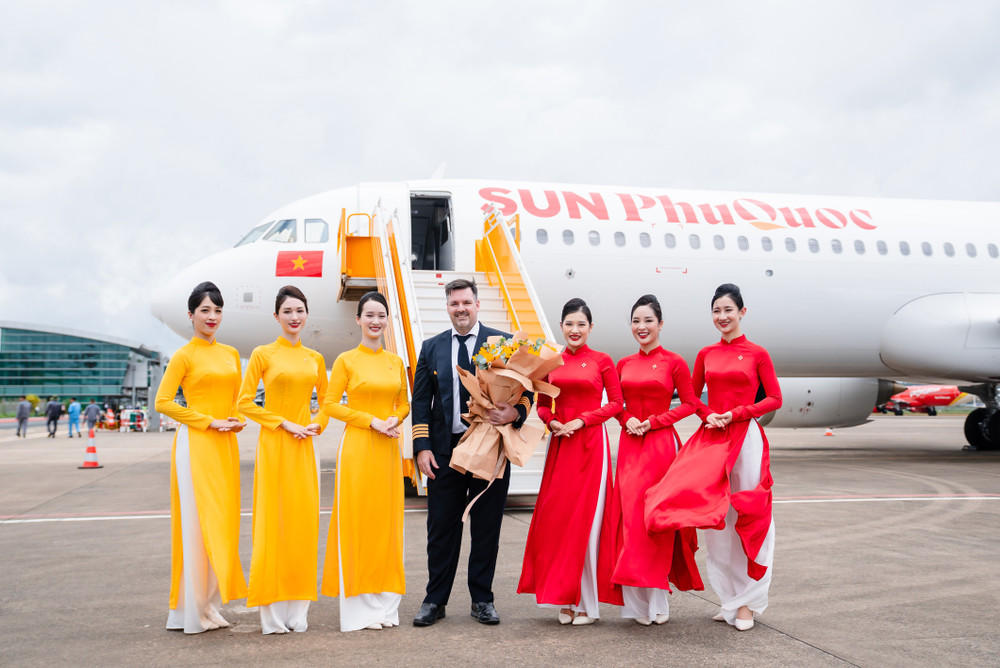
    Sun PhuQuoc Airways, a Vietnamese airline company, recently received extended certification from the Civil Aviation Authority of Vietnam, which now permits it to operate international flights. This significant development, following a stringent evaluation process involving the application of the highest safety standards, allows the airline to provide commercial flights to international destinations within the MID/ASIA region.

    Transition to International Services

    This certification marks a substantial milestone in Sun PhuQuoc Airways’ journey from being a domestic airline to becoming an international carrier. It opens up a wealth of opportunities in thriving tourism markets across the region.

    The airline is set to start offering international flights to South Korea and Taiwan in the upcoming year. Initially, the service will commence with flights from Phu Quoc to Seoul and Taipei in March, which will then be followed by flights to Busan in September and Kaohsiung in October. Tourist visits to Phu Quoc Island in Vietnam from these regions have witnessed a steady growth in recent years, making these markets a strategic choice for the airline’s expansion into major economic and tourism hubs in Northeast Asia.

    Strategic Partnerships

    To facilitate the smooth launch of its international services, Sun PhuQuoc Airways has aligned with general sales agents (GSAs) in both South Korea and Taiwan. The airline will be represented in South Korea by Pacific Air Agency, a reputable and experienced GSA group, which will be responsible for sales, distribution, and market development.

    In Taiwan, the airline has partnered with Hongyi Travel Service, a leading outbound operator and the first company to bring tourists from Taiwan to Vietnam in the 1990s. This collaboration will enhance the airline’s connectivity with the rapidly growing outbound travel market in Taiwan. These GSAs will facilitate the development of distribution networks, marketing activities, and tailored products for each customer segment before the new routes are launched.

    Fleet Expansion

    In addition to its service expansion, Sun PhuQuoc Airways has been investing in its fleet. On November 24, the airline’s fourth aircraft, an Airbus A321NX, was officially put into commercial service to accommodate the increased travel demand during peak seasons. The airline also expects to add another aircraft to its fleet this month.

    The airline views these developments as strategic steps toward establishing Phu Quoc as a new regional hub for tourism and aviation. The introduction of direct international routes will not only improve market access to two of Vietnam’s largest visitor sources but will also contribute to the integrated tourism ecosystem of Phu Quoc. Travellers will enjoy a seamless journey that encompasses flights, resorts, dining, entertainment, and leisure.

    The airline’s expansion into international markets aligns with Phu Quoc’s selection as the host city for APEC 2027. The island is making rapid strides in infrastructure and urban development projects to prepare for this global event. The airline’s growth is expected to enhance the island’s competitiveness and attract a higher calibre of visitors to Vietnam in the future.

    Questions & Answers

    What significant milestone has Sun PhuQuoc Airways recently achieved?
    Sun PhuQuoc Airways has recently been granted certification to operate international flights, marking a significant transition from being a domestic carrier to an international airline.

    Which international routes is Sun PhuQuoc Airways planning to introduce next year?
    Sun PhuQuoc Airways is planning to introduce flights to South Korea and Taiwan next year, beginning with Seoul-Phu Quoc and Taipei-Phu Quoc in March, followed by Busan-Phu Quoc in September and Kaohsiung-Phu Quoc in October.

    How is Sun PhuQuoc Airways preparing for the launch of its international routes?
    To facilitate the smooth launch of its international routes, Sun PhuQuoc Airways has appointed general sales agents in both South Korea and Taiwan to manage sales, distribution, and market development. Additionally, the airline is also expanding its fleet to meet the increased travel demand.
  • Vietnam’s Economy Soars: Standard Chartered Forecasts 7.5% GDP Growth in 2025 Amid Robust Trade and FDI Inflow

    Vietnam’s Economy Soars: Standard Chartered Forecasts 7.5% GDP Growth in 2025 Amid Robust Trade and FDI Inflow

    Standard Chartered Bank has revised its economic growth forecast for Vietnam this year from an initial prediction of 6.1% to a more promising 7.5%. In its most recent macroeconomic report, Standard Chartered also adjusted its growth prospect for the country for 2026, from 6.2% to a promising 7.2%.

    Increasing Role in the Global Supply Chain

    A key factor highlighted by Standard Chartered Bank was Vietnam’s expanding role in the global supply chain. This elevation is largely fueled by the country’s robust trading performance and deepening integration into international commerce through various free trade agreements. In September, Vietnam’s exports reached a staggering US$42.7 billion, a 24.7% increase compared to the previous year. This impressive growth was spearheaded by key sectors such as electronics and computers (up 66.2%), telephones (17.5%), and machinery (11.6%).

    Simultaneously, imports saw a 24.9% increase to $39.8 billion, with electronics and computer supplies (up 43.6%) and machinery (up 33.6%) leading the charge. These numbers indicate a consistent expansion in production and industrial capacity in Vietnam.

    Resilient External Position and Economic Recovery

    Standard Chartered Bank highlighted Vietnam’s resilient external position, bolstered by solid trade and a stable foreign exchange outlook. After previously being depleted due to the strengthening of the U.S. dollar, it is anticipated that the country’s FX reserves will be rebuilt. This reflects an improved macroeconomic stability and a healthy trade performance.

    As another positive economic indicator, the growth of domestic credit has also sped up, suggesting a continued economic recovery without requiring policy rate cuts. Current credit growth surpasses 15% year on year, which indicates growing business confidence and a higher demand for finance. The bank also pointed out that lending growth continues to be robust, supported by favourable liquidity conditions and government initiatives to stimulate growth.

    Foreign Direct Investment as Key Growth Driver

    Foreign direct investment (FDI) remains a significant contributor to growth. In the first nine months of 2025, the amount of disbursed FDI increased by 8.5% year on year, amounting to $18.8 billion, while registered FDI surged by 15.2% to $28.5 billion.

    Looking ahead, Standard Chartered economists predict the refinancing rate to remain at 4.5% for the remainder of this year and 2026, with favourable conditions encouraging investment and expansion. Tim Leelahaphan, senior economist for Vietnam and Thailand at Standard Chartered, praised Vietnam’s resilience and adaptability, which have been demonstrated through its strong FDI inflows and robust export growth. These factors have reinforced its strategic role in the diversification of the global supply chain and suggest an optimistic outlook for continued economic expansion.

    The bank also maintained its forecast for the USD/VND exchange rate at VND26,300 for this year and VND26,750 for 2026, while lowering inflation projections to 3.4% for 2025 and 3.7% for next year. These updated figures were based on stronger-than-expected growth momentum and easing price pressures.

    Questions & Answers

    What is the revised economic growth forecast for Vietnam in 2026?
    Standard Chartered Bank has revised the economic growth forecast for Vietnam in 2026 from 6.2% to 7.2%.

    What factors have led to the growth of Vietnam’s role in the global supply chain?
    The growth of Vietnam’s role in the global supply chain is primarily due to its strong trading performance and its deepening integration into international commerce through several free trade agreements.

    How is the Foreign Direct Investment (FDI) contributing to Vietnam’s economy?
    FDI is a significant contributor to Vietnam’s economy. In the first nine months of 2025, discharged FDI increased by 8.5% year on year, reaching $18.8 billion whereas registered FDI surged by 15.2% to $28.5 billion. This robust FDI inflow is a testament to Vietnam’s resilience and adaptability, indicating a positive outlook for continued economic expansion.

  • Dollar Dips Against Dong, Soars to Two-Week High Against Yen Amid Global Trade Talks

    Dollar Dips Against Dong, Soars to Two-Week High Against Yen Amid Global Trade Talks

    The US Dollar’s Fluctuating Performance Against Foreign Currencies

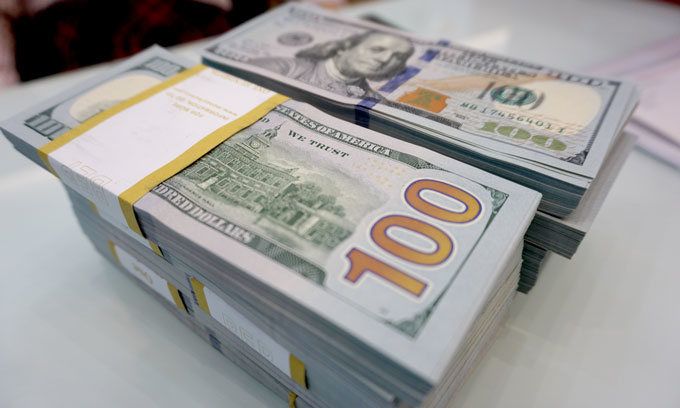
    The US dollar experienced a decline against the Vietnamese dong on Monday morning, while it simultaneously reached its most robust position in over two weeks against the Japanese yen. The greenback was sold by Vietcombank at a rate of VND26,351, marking a 0.004% dip from the weekend. However, the currency witnessed an increase of 0.18% on the black market, bringing it to VND27,750.

    Rate Adjustments by the State Bank of Vietnam

    The State Bank of Vietnam responded to these shifts by lowering its reference rate by 0.004% to VND25,097.

    Global Performance of the US Dollar

    Globally, the US dollar climbed to a high that hasn’t been seen in over two weeks against the yen on Monday, as critical worldwide trade negotiations and central bank meetings commenced. The dollar experienced a 0.15% increase against the yen, bringing it to 153.07 and hitting a peak of 153.17, the highest since October 10th. The dollar index, which assesses the greenback against a select group of peers, rose by 0.05% to reach 98.97.

    Performance Against Other Currencies

    Apart from the yen, the US dollar’s performance against other currencies remained steady. The euro remained at $1.1622 while sterling saw a slight boost of 0.04% to $1.3314. The Australian dollar also gained 0.2% against the greenback, reaching $0.6528.

    Mahjabeen Zaman, head of foreign exchange research at ANZ, suggested in a recent podcast that the strength of the dollar would likely continue in the near term. She stated: “Fed cuts are fully priced in for October and December meetings. So if anything, any cautious communication from the Fed would likely be more supportive for the U.S. dollar.”

    Questions & Answers

    What was the performance of the US dollar against the Vietnamese dong and Japanese yen recently?
    The US dollar declined against the Vietnamese dong, but it reached a more than two-week high against the Japanese yen.

    How did other currencies perform against the US dollar?
    The euro and sterling remained steady against the US dollar, while the Australian dollar saw a slight increase.

    What are the predictions for the near-term performance of the US dollar?
    According to Mahjabeen Zaman, head of foreign exchange research at ANZ, the dollar’s robust performance is expected to persist in the near term.

  • Jollibee Foods Reports 5.6% Rise In Q2 Net Income, Fueled By Overseas Growth And Record Sales

    Jollibee Foods Reports 5.6% Rise In Q2 Net Income, Fueled By Overseas Growth And Record Sales

    Jollibee Foods Corporation (JFC), a leading global fast-food company, has reported a 5.6% year-on-year rise in the second quarter’s attributable net income, reaching $57.78 million. This increase was primarily fueled by robust gains from the firm’s overseas operations and record-breaking system-wide sales (SWS).

    Expansion of Global Store Network

    By the end of June, JFC’s global store network had grown by 45.5% compared to the previous year, sporting a total of 10,119 outlets. This figure includes 6,695 international branches spread across China, North America, EMEA, and other key markets in Asia.

    Record Sales and Revenue

    The SWS for the quarter saw a 19.6% increase, reaching $2.06 billion. This was backed by a rise of 32.6% in the company’s international business. The coffee and tea segment emerged as the top performer, registering a staggering 68.6% growth, largely due to the impact of the South Korean brand, Compose Coffee.

    JFC also saw its revenue jump by 15.5% to $1.4 billion. Operating income followed suit, recording a 19.1% rise to $108.72 million. The group’s same-store sales growth registered a respectable 5.5%, with the Philippine business growing by 6.4% and the international business by 4.1%.

    Successful Business Momentum

    JFC’s CEO, Ernesto Tanmantiong, linked these robust results to the company’s ongoing business momentum and improved operational execution. He highlighted the growth in operating income as a testament to the strength of their coffee and tea segment as well as the consistent contributions from their Philippine business and Jollibee International. Tanmantiong also emphasized the effectiveness of their multi-brand and multi-market strategy in driving the company’s success.

    First Half Performance

    For the first half of the year, the attributable net income showed a 0.7% slip to $101.16 million from $101.88 million the previous year. However, SWS experienced a 19.2% growth to $3.92 billion, and the revenue rose by 15% to $2.66 billion. Correspondingly, the operating income increased by 18.4% to $195.3 million.

    Future Investment Strategy

    Richard Shin, the company’s Chief Financial and Risk Officer, explained their capital would be “selectively deployed” in support of growth in the Philippines, Jollibee International, and the coffee and tea segment. He noted early recovery signs in China and a clear turnaround path for Smashburger in the U.S. Compose Coffee is also expected to surpass 3000 stores, with an anticipated 36% return on invested capital this year.

    Questions & Answers

    What contributed to JFC’s growth in the second quarter?
    The growth was primarily driven by robust gains from their overseas operations and record-breaking system-wide sales.

    Which segment emerged as the top performer for JFC?
    The coffee and tea segment emerged as the top performer, registering a 68.6% growth.

    What are JFC’s future investment strategies?
    JFC plans to selectively deploy capital to support growth in the Philippines, Jollibee International, and the coffee and tea segment. They also anticipate growth in China and the U.S. through brands like Smashburger and Compose Coffee.

  • Bank Tabungan Negara’s Capital Soars, Yet Asset Risk Persists: What It Means for Retail Investors

    Bank Tabungan Negara’s Capital Soars, Yet Asset Risk Persists: What It Means for Retail Investors

    Profitability at Bank Tabungan Negara (BTN) is projected to dip to between 0.55% and 0.65% by 2025, largely due to increased credit costs even as net interest margin (NIM) shows signs of improvement. The Indonesia-based bank, while boasting a strong capital ratio of 15.3%, faces potential solvency risks that may not be immediately apparent in its financial figures, according to Moody’s Ratings.

    Sustained Asset Risks Despite Clean-Up Efforts

    Moody’s highlighted that BTN’s reported leverage at 6.6% might give an inflated sense of the bank’s financial stability. The ongoing burden of nonperforming loans (NPLs) still looms large, despite the bank’s significant strides in rectifying its historical loan issues via substantial NPL sales and write-offs. “We expect BTN’s asset risk to remain high,” Moody’s remarked, noting that 16% of BTN’s gross loans are still tied up in restructured loans due to significant mortgage exposure with longer tenors.

    Provisioning Challenges Reveal Underlying Stress

    The ratings agency pointed out that BTN holds a minimal level of provisioning compared to its heightened asset risks. This is evident in its substantial portfolio of restructured loans and accrued interest. “Although the bank’s risk-weight density was low at 43%, this figure isn’t entirely indicative of the bank’s reality,” Moody’s stated, emphasizing that restructured loans receive risk-weighting according to their collectability classification dictated by the central bank, regardless of their restructuring history. Hence, BTN’s reported earnings and capital do not entirely reflect the pressures on its financial profile.

    Government Support as a Silver Lining

    On a brighter note, BTN is expected to receive a generous cushion of support from the Indonesian government in challenging times. This backing is crucial as the bank navigates its financial landscape, especially under the cloud of projected declining profitability.

    As BTN explores its capability to lower funding costs through ongoing digital initiatives aimed at boosting access to low-cost deposits, its profitability journey will depend heavily on these strategic endeavors and new government support schemes to enhance lending yields.

    Questions & Answers

    What is the anticipated profitability range for BTN by 2025?
    BTN’s profitability is expected to decline to between 0.55% and 0.65% due to rising credit costs.

    What challenges does BTN face regarding its loan portfolio?
    The bank is grappling with a high level of restructured loans, which constitute around 16% of its gross loans, amidst ongoing asset risk.

    How does government support influence BTN’s outlook?
    BTN is projected to benefit from substantial government support during critical periods, which could help mitigate financial strains and bolster its lending capabilities.

  • VN-Index Soars as Trading Activity Reaches Two-Week Peak

    VN-Index Soars as Trading Activity Reaches Two-Week Peak

    In an exciting turn of events for investors, Vietnam’s benchmark VN-Index soared by 1.26% to close at 1,283.26 points on Monday, marking the highest trading activity the market has seen in the last two weeks. The index rebounded 15.96 points after a dip in the previous session, signaling a renewed vigor among traders.

    Trading volumes on the Ho Chi Minh Stock Exchange saw a remarkable 25% uptick, reaching VND21.64 trillion (approximately US$833.4 million). This surge reflects a growing confidence in the market as investors gravitate towards promising opportunities.

    Among the standout performers, the VN-30 basket, which tracks the 30 largest stocks by market capitalization, saw an impressive 27 of its members gain ground. Techcombank (TCB) led the charge with a remarkable leap of 6.52%, while TPBank (TPB) and Vietnam Rubber Group (GVR) followed closely with increases of 4.98% and 4.88%, respectively. However, not all stocks sang the same tune; the Masan Group (MSN) slid by 1.27%, and steel manufacturer Hoa Phat Group (HPG) fell 0.97%.

    Despite the rally, foreign investors took a cautious stance, selling off over VND293 billion worth of stocks, predominantly involving Vietcombank (VCB) and HPG. In contrast, the HNX-Index—representing stocks on the Hanoi Stock Exchange—rose by 1.71%, and the UPCoM-Index for Unlisted Public Companies climbed a modest 0.2%. Clearly, the market is bouncing back, reminding everyone why we love the thrill of investing.

    Questions & Answers

    What drove the VN-Index’s surge on Monday?
    A wave of investor confidence, coupled with a significant increase in trading volume, sparked the VN-Index’s rise, showcasing a renewed interest in Vietnamese stocks.

    Which stocks performed the best?
    Techcombank (TCB) led the pack with a remarkable 6.52% increase, joined by TPBank (TPB) and Vietnam Rubber Group (GVR), which also made notable gains.

    Was there any negative activity in the market?
    Yes, foreign investors were net sellers, offloading over VND293 billion in shares, particularly focusing on Vietcombank (VCB) and Hoa Phat Group (HPG).

  • Asia cited as Ted Baker swings to a loss

    Asia cited as Ted Baker swings to a loss

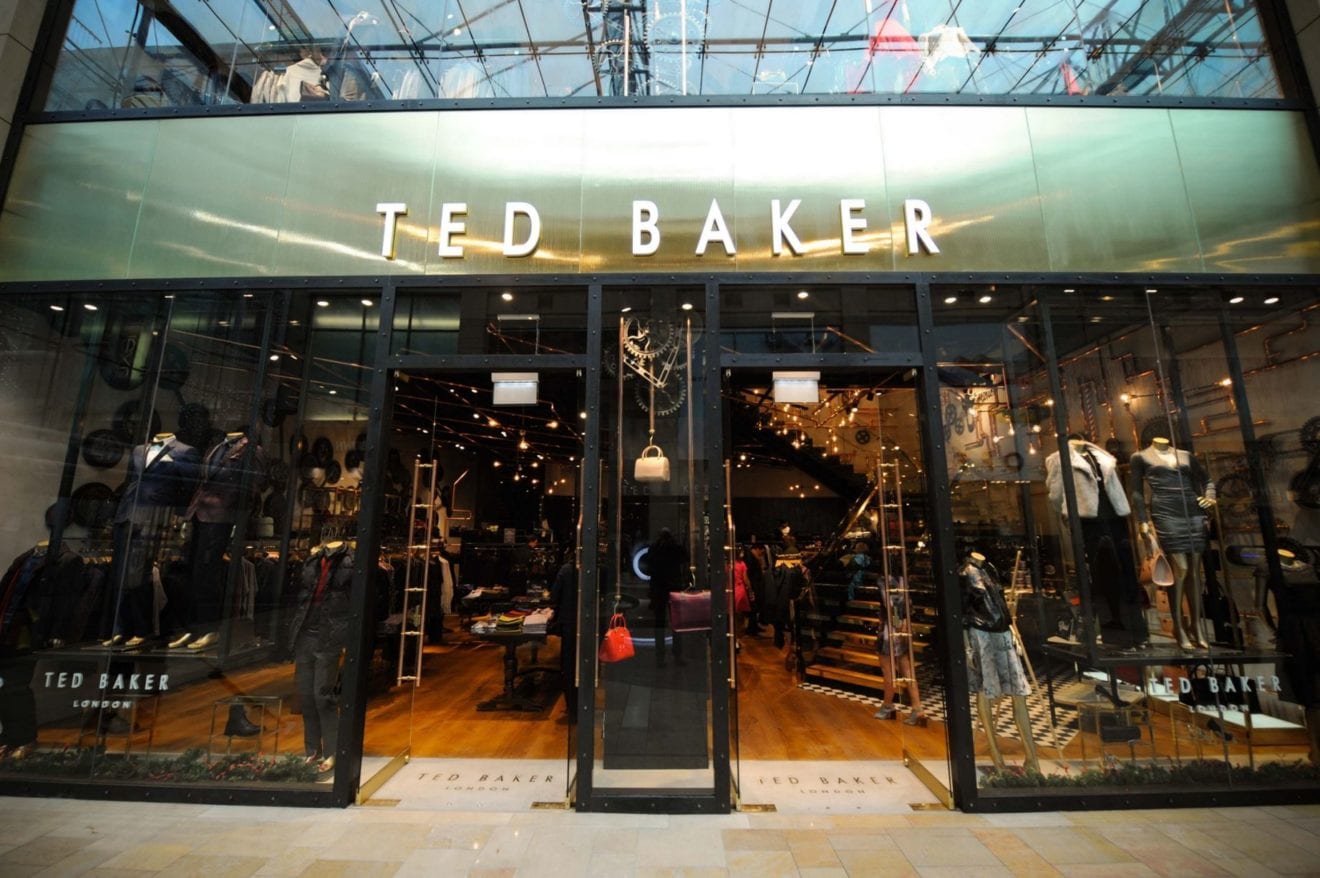
    UK fashion house Ted Baker has slumped into the red in the first half of the year, its position not helped by a 15.2-per-cent fall in sales in Asia.

    Global revenue was down by a more modest 0.7 percent (or by 2.5 percent in constant currency) to £303.8 million, but pre-tax profit turned from a £25 million surplus in the first half of last year to a loss of £2.7 million. The company took a £11.8 million one-off hit on the restructure of its Asian business, where it has appointed partners in Greater China and Japan, and £3.5 million relating to the purchase of a footwear business in January.

    Sales in Asia were £9.5 million and sales per square foot excluding e-commerce sales decreased by 4.6 percent.

    E-commerce concession businesses in China and Japan delivered sales of £1.4 million, down from £1.7 million, which represented 14.7 percent of Ted Baker’s Asian sales.

    Licensed stores across Asia continued to perform well with existing license partners in Thailand, Singapore and India opening new stores. However, in Indonesia and South Korea, several partner stores were closed.

    Despite the loss, Ted Baker is optimistic about its future prospects, saying its Autumn/Winter collections have been well received and that it is excited about new product initiatives including monthly product drops and speed to market developments.

    “Despite the structural challenges and cyclical pressures on the industry, we remain confident in Ted Baker’s ability to navigate the market and further develop as a global lifestyle brand,” the company said in a results statement. “This confidence remains underpinned by the group’s flexible, omnichannel model, the continuing strength of the brand, and the skill, passion and commitment of our talented teams worldwide.

    “We are continuing to pro-actively manage the significant challenges impacting our sector including weak consumer spending, macro-economic uncertainty, and the accelerating channel shift towards e-commerce. However, we are not immune to these pressures which have impacted our financial performance during the first half of the year.”

    Emily Salter, retail analyst at GlobalData, said it was worrying that Ted Baker’s online sales had declined given its strong multichannel proposition.

    “The retailer can therefore not solely blame the troubles of the physical high street for its fall from grace, as it has previously performed strongly online even as retail revenue growth became more subdued. This points to more significant problems with demand for the brand and the impacts of regular discounting.”

    Salter says that for Ted Baker to be able to revive itself without its founder and former leader playing a key role, it needs to re-establish its brand identity, retain its loyal shopper base and reduce its reliance on discounting.

    “The retailer should take the opportunity to poach Karen Millen and Coast shoppers who are reluctant to purchase online, as the premium brands’ stores and concessions are now closed as a result of the acquisition by the Boohoo group. Ted Baker should review its sales channels, as it sells through department store retailers and online pureplays, leaving it exposed to the troubles of players such as House of Fraser and Debenhams. Moving its childrenswear license from Debenhams to Next in Spring 2020 will help to address this as Next’s leading online platform will be able to generate much stronger growth than the embattled department store,” she said.