Tag: social commerce

  • ByteDance Lines up $29.6 Billion Loan After Lenders Pile in

    ByteDance Lines up $29.6 Billion Loan After Lenders Pile in

    ByteDance has lined up a US$29.6 billion loan facility after attracting more than US$30 billion in orders from international and regional lenders. The TikTok owner initially sought a US$20 billion facility before expanding the total borrowing size to meet overwhelming interest from participating banks.

    Surplus demand prompted the company to upsize the transaction by nearly 50 per cent. The jumbo facility ranks among the largest corporate loans ever assembled for an Asian consumer technology company.

    Lender Demand Exceeds Target

    Lenders submitted orders exceeding US$30 billion during syndication, allowing the group to lock in substantial liquidity across its corporate structure. The scale of the order book gave the company room to lift the final allocation well above its opening target.

    Strong bank appetite reflects continued institutional confidence in the company’s core cash flows. Revenue from digital advertising, short-form video streaming, and rapid expansion into live social commerce across Southeast Asia and Western markets continues to anchor commercial performance.

    Financing Tech and Infrastructure Scale

    Large technology groups in Asia are securing deep pools of capital to fund computing capacity and product engineering. For ByteDance, managing data-intensive operations across TikTok and domestic platforms requires sustained capital expenditure in server networks and cloud infrastructure.

    The sizeable debt package also broadens the group’s financial headroom without diluting existing equity. Market participants are now monitoring final allocations and pricing details as syndication closes across global banking syndicates.

  • TikTok Shop Doubles US Livestream Sales as Live Commerce Chases China Model

    TikTok Shop Doubles US Livestream Sales as Live Commerce Chases China Model

    TikTok Shop doubled its livestream shopping sales in the United States during the first half of 2026, exporting a commercial format pioneered across Asian digital marketplaces. The platform increased its live broadcast sessions by more than 60 per cent over the same period as total broadcast hours climbed 80 per cent.

    The expansion reflects an aggressive push by parent company ByteDance to replicate the live selling ecosystem that dominates Chinese retail. US live shopping sales are forecast to reach nearly $20 billion this year, up 35 per cent from 2025, according to eMarketer estimates. That total remains a fraction of China, where livestream retail sales are projected to top $1.1 trillion in 2026 after Alibaba launched Taobao Live a decade ago.

    Platform fees and broadcaster competition

    Merchant adoption has widened across social channels and dedicated auction platforms. Live selling specialist Whatnot reached a $20 billion valuation after generating $8 billion in global sales in 2025, mostly in the US market. Established television retailer QVC now broadcasts more than 200 hours weekly across seven TikTok channels following its recent corporate restructuring.

    Monetisation rules are tightening as volumes rise. TikTok takes a base commission fee of 6 per cent on merchant sales plus processing fees, while Whatnot charges between 4 per cent and 8 per cent. Sellers also face higher customer acquisition hurdles as algorithmic feeds demand longer daily broadcast schedules to sustain viewer traffic.

    Exporting the Asian super app playbook

    Western platforms are attempting to reconstruct an engagement habit that developed naturally inside Asian super apps such as WeChat and Taobao. While Asian consumers routinely combine entertainment, messaging and direct checkout inside single applications, legacy US retailers like Amazon, Walmart and eBay still operate primarily as utility search engines. Bridging that structural divide requires merchants to convert social viewers into buyers directly on video feeds.

    The test for ByteDance is whether livestream gross merchandise value can sustain its growth rate as US platform fees rise and competition for creator airtime intensifies into the fourth-quarter holiday trading period.

  • Video Commerce Captures 20 per Cent of Southeast Asia E-Commerce GMV

    Video Commerce Captures 20 per Cent of Southeast Asia E-Commerce GMV

    Video commerce now accounts for roughly a fifth of Southeast Asian e-commerce gross merchandise value, forcing consumer brands across the region to overhaul their distribution models. Data compiled by Google, Temasek and Bain shows creator-led sales shifting from experimental promotional spending into core retail infrastructure across key markets including Indonesia, Thailand and Vietnam.

    That expansion brings operational friction. Sellers running live broadcasts face steep drops between top-line gross merchandise value and realized revenue once cash-on-delivery refusals, return windows, creator fees and platform commissions clear. Promotional subsidies, including platform-funded vouchers and discounted freight, have masked true channel margins during market-share acquisition phases. When platforms pull back subsidies, merchant unit economics drop quickly.

    Platform control and merchant margin pressure

    Selling through creator streams leaves transaction infrastructure in third-party hands. Platforms control storefronts, checkout systems, payment rails, customer records, delivery terms and dispute resolution, leaving brands to supply inventory and absorb product returns.

    Multi-market operators managing sales across Jakarta, Bangkok and Manila face diverging compliance environments. Content licensing, creator contracts, disclosure mandates and withholding taxes vary by jurisdiction, preventing companies from running uniform regional campaigns without local adaptation.

    The pattern follows China’s live commerce cycle. Brands in that market initially concentrated volume through top independent hosts before margins deteriorated. Chinese consumer labels responded by building internal broadcast studios and running scheduled daily programming to retain customer data and protect gross margins.

    Regulatory scrutiny reshapes regional operations

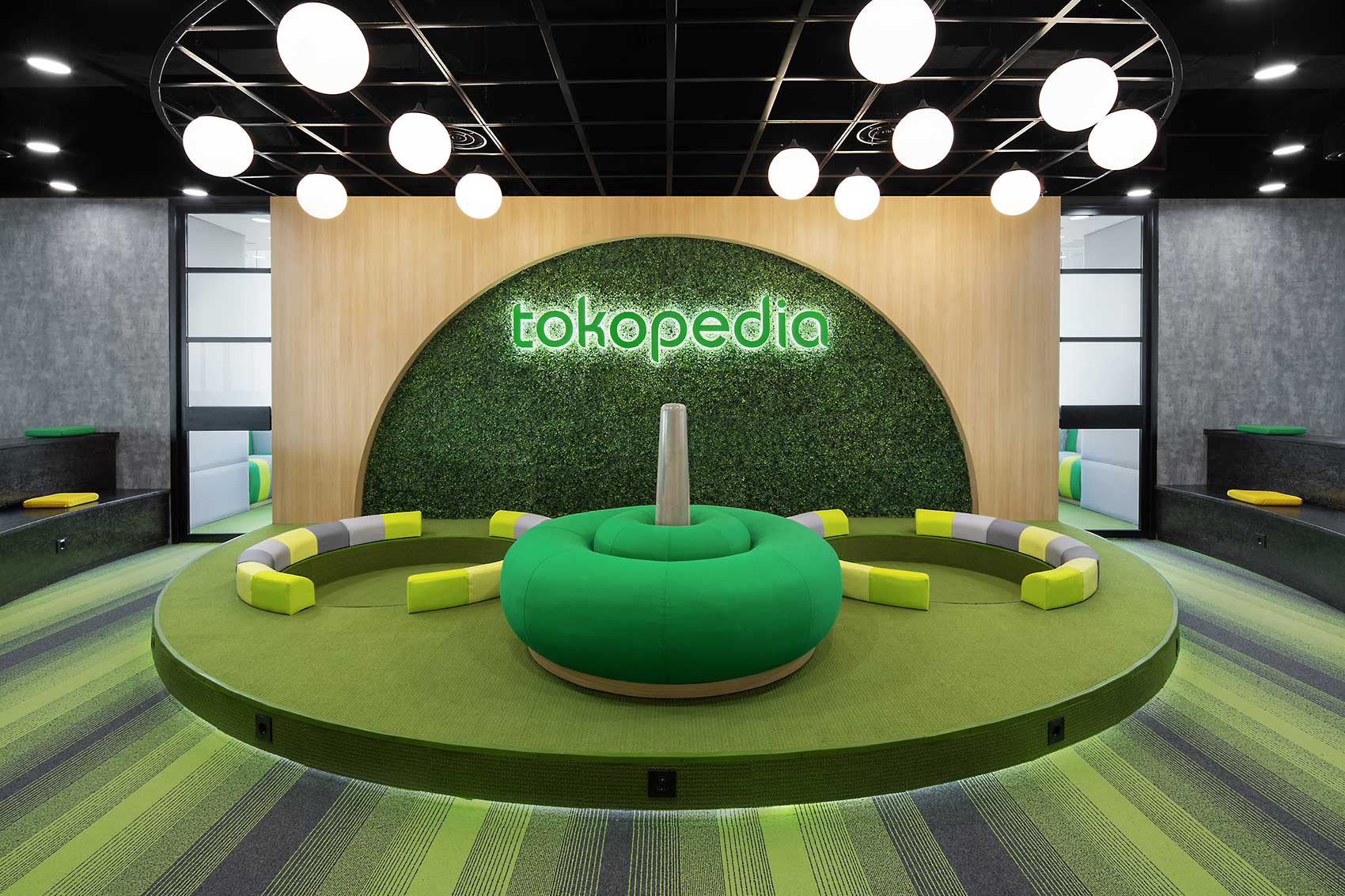
    Governments across Southeast Asia have moved to regulate social commerce platforms as critical retail infrastructure rather than digital advertising channels. Indonesia enacted Ministry of Trade Regulation 31 in September 2023, banning direct e-commerce transactions inside social media applications. The rule halted TikTok Shop until parent company ByteDance completed a 1.5 billion dollar investment to secure a controlling stake in GoTo’s Tokopedia platform.

    Vietnam enacted Decree 147 in late December 2024, enforcing strict account verification requirements before individuals can post or host livestreams. Merchant operators are now building direct customer channels, internal studio facilities and formal data-rights clauses into creator agreements across tier-two Vietnamese cities and eastern Indonesia, where production overhead remains competitive.

    Retailers across the region now track net settlement data and return rates per stream as platforms adjust commercial take rates and enforcement rules throughout 2026.

  • TikTok Shop Nears €500 Million in European GMV Led by Creator Affiliates

    TikTok Shop Nears €500 Million in European GMV Led by Creator Affiliates

    TikTok Shop generated €498.78 million in gross merchandise value across Germany, France, Spain, and Italy during the second quarter. Independent content creators drove nearly all of that volume.

    Affiliate creators accounted for 69.9 per cent of total sales across the four European markets, according to estimates compiled by Lengow and Kalodata. Direct brand storefronts generated the remainder.

    Shoppable Video Dominates Live Streams

    Short video clips with embedded product links drove 63.8 per cent of all transactions. Live shopping streams generated just 17.2 per cent. The breakdown reveals that European shoppers prefer on-demand video over scheduled shopping broadcasts.

    That pattern contrasts sharply with Southeast Asia, where ByteDance built TikTok Shop through marathon livestreams. Live broadcasts remain the core revenue engine for merchants competing against Shopee and Lazada in Indonesia, Thailand, and Vietnam.

    European Merchant Model Shifts to Creator Networks

    European sellers are moving marketing budgets out of standalone brand accounts and into creator commissions. Instead of managing internal production studios, merchants rely on third-party influencers to post reviews and tutorials linked directly to checkout.

    This model allows ByteDance to scale product listings without holding inventory or funding local customer acquisition campaigns. Brands fulfill orders directly. Creators collect automatic commissions on every item sold through their feeds.

    ByteDance now faces the challenge of sustaining creator-led conversion rates as it expands TikTok Shop into more European Union markets and navigates tighter regulatory scrutiny over platform e-commerce.

  • Indonesia Targets 6 Percent Economic Growth Backed by E-Commerce

    Indonesia Targets 6 Percent Economic Growth Backed by E-Commerce

    Indonesia is relying on expanding e-commerce activity to push national economic growth to 6 percent by 2027, according to Coordinating Minister for the Economy Airlangga Hartarto. The country’s digital economy reached $100 billion in 2025 as consumer spending shifted increasingly online.

    Speaking at the Ministry of Trade in Jakarta, Airlangga said physical retail continues to account for the bulk of Indonesian commerce, but online transaction volumes are climbing quickly. Growth is concentrating in video commerce, which blends livestreaming and short-form video directly with checkouts.

    Video Commerce and Algorithm Shifts

    Video commerce transactions in Indonesia reached 2.6 billion, rising 90 percent year-on-year. That surge tracks a widening digital audience across the archipelago, where active social media users expanded 26 percent to 180 million.

    Airlangga called on merchants and platform operators to deploy artificial intelligence tools to refine trade algorithms. Sharper algorithmic matching helps online sellers connect products with targeted consumer segments across diverse regional markets.

    For retailers across Southeast Asia, Indonesia remains the primary testing ground for live shopping formats. Platforms operating in the country have spent two years restructuring merchant interfaces and integrating creator-led video tools to protect market share against pure-play marketplaces.

    Harbolnas Shopping Targets

    The government set a sales target of Rp40 trillion ($2.46 billion) for the upcoming National Shopping Day, known locally as Harbolnas. That goal represents a 10 percent increase over the Rp36.4 trillion generated during the event a year earlier.

    Harbolnas 2026 runs from December 10 to December 16, focusing on domestic merchandise, local services, hospitality bookings, and transport tickets.

  • Wishlink Secures $17.5 Million in Series B Led by Vertex Ventures

    Wishlink Secures $17.5 Million in Series B Led by Vertex Ventures

    Indian creator commerce platform Wishlink raised $17.5 million in a Series B round led by Vertex Ventures Southeast Asia & India.

    The fresh injection gives the business capital to expand its creator network and deepen retail brand integrations across the country.

    Creator storefronts and brand integration

    Wishlink operates an infrastructure layer connecting social media creators directly with e-commerce brands and marketplaces. Creators curate personal storefronts, share trackable product links across short-form video and social channels, and earn commissions on completed orders. The model gives direct-to-consumer labels and large e-commerce platforms measurable sales attribution rather than unverified impressions from standard influencer campaigns.

    Performance retail drives venture interest

    Venture investors in South Asia continue to back commerce models where creator payouts tie directly to retail sales volume. Traditional influencer marketing budgets in India have faced tighter scrutiny over return on spend, leading consumer brands to reallocate capital to performance-driven affiliate channels. Vertex Ventures Southeast Asia & India led the transaction, expanding its portfolio of retail technology and digital commerce infrastructure companies across the region.

    Wishlink is deploying the new funds into tech infrastructure, automated creator discovery tools, and expanded brand onboarding across major consumer categories.

  • Brandpay Logs 65 Million Impressions Turning Retail Shoppers into Ad Channels

    Brandpay Logs 65 Million Impressions Turning Retail Shoppers into Ad Channels

    Australian retail technology platform Brandpay has logged 65 million organic impressions across 250 brands by turning regular shoppers into measurable advertising channels. The platform generated an average 4.2 times return on reward spend across 12,894 pieces of customer content.

    Instead of hiring professional creators, the system pays shoppers in store credit when they post authentic social media content about products they bought. That credit circulates back through existing checkout systems, encouraging repeat transactions.

    Micro audiences and store credits

    Brandpay co-founder and chief executive Dr Mike Haywood said the model distributes reach across regular buyers rather than concentrating budgets on a handful of high-profile influencers. More than 80 per cent of rewarded participants have between 100 and 5,000 followers.

    The mechanics produce measurable cost advantages over standard digital ad inventory. Brandpay reported an average cost per mille of $2.48 and a cost per click of $2.62 across its network.

    A brand’s own content describes itself. A customer’s content is evidence.

    RetailNews Asia has tracked a sharp regional pivot away from high-fee influencer contracts across Asia-Pacific e-commerce operators, as rising customer acquisition costs on major ad platforms force merchants to monetize their existing customer bases.

    Measuring return on reward spend

    Shoppers rewarded under the program return to buy twice as frequently as non-rewarded customers. The resulting data allows merchants to test specific reward tiers against basket size increases.

    Brandpay is now testing automated reward calibrations to determine how different credit amounts influence basket size and repurchase frequency across retail categories.

  • TikTok Shop Tracks Toward US$100 Billion in Global GMV by 2026

    TikTok Shop Tracks Toward US$100 Billion in Global GMV by 2026

    TikTok Shop is on track to surpass US$100 billion in global gross merchandise volume in 2026 as its social commerce format expands across Asia and Western markets.

    The projected milestone reflects steep annual transaction volume growth, driven by aggressive merchant acquisition in Southeast Asia and rapid adoption in the United States.

    Challenging Incumbents Across Southeast Asia

    ByteDance built TikTok Shop around short-form video feeds and live shopping broadcasts, funneling consumer traffic directly into merchant checkout flows. In Southeast Asia, the platform has eaten into market share held by Sea Group’s Shopee and Alibaba’s Lazada, particularly in Indonesia, Thailand, and Vietnam.

    Cross-border competition has intensified as PDD Holdings’ Temu and fast-fashion platform Shein push discount goods into the same consumer segments. TikTok Shop countered by integrating local logistics partnerships and offering subsidized shipping to lock in high-frequency buyers.

    Global Footprint and Platform Competition

    Western market expansion provides the second engine behind the US$100 billion trajectory. After scaling up operations in the United Kingdom and the United States, ByteDance began preparing localized rollouts in continental Europe and Latin America to diversify revenue away from single-market regulatory risks.

    RetailNews Asia notes that conventional marketplace apps rely primarily on search intent, while TikTok generates spontaneous purchases by inserting checkout prompts into entertainment feeds. That structural difference forced Shopee and Lazada to invest heavily in their own live streaming hubs to defend market share.

    The key metric to track heading into 2026 will be TikTok Shop’s take rate, as ByteDance lifts seller commission fees to convert platform volume into operating profit.

  • Tokopedia and TikTok Shop Lift Indonesian Merchant Sales 51 per Cent

    Tokopedia and TikTok Shop Lift Indonesian Merchant Sales 51 per Cent

    Tokopedia and TikTok Shop drove a 51 per cent increase in sales of Indonesian local products during the first half of 2026. The combined marketplace moved nearly 700 million items over the period.

    Gross merchandise value for the joint #BeliLokal initiative climbed 14 per cent during the six months. Merchant participation rose 50 per cent compared with the first half of 2025.

    Expanding beyond Java

    Agency Bukacerita created an Independence Day campaign named Pahlawan Beli Lokal for the platform. It promotes domestic makers of fashion, packaged food, automotive goods, and electronics. The campaign runs on social feeds and a dedicated web hub, featuring regional brands like Malang snack producer Apelicious and cosmetics brand Facetology.

    According to internal survey data from TikTok Shop, 72 per cent of participating sellers gained new customers through discovery commerce tools. Another 67 per cent used the channel to launch new product lines. Live shopping sessions, affiliate tie-ups, and short videos generated most of those initial sales.

    ByteDance and GoTo are working to satisfy Indonesian regulators following the state-mandated merger of TikTok Shop and Tokopedia. Both operators face stiff competition from Shopee and direct-from-factory platforms in Southeast Asia’s largest consumer market. Alignment with local merchants remains critical for their political and commercial standing.

    Training and registration push

    The platforms have turned the promotional campaign into a permanent merchant onboarding track. More than 4,800 micro, small, and medium enterprises, creators, and affiliates have completed training modules. These sessions cover intellectual property rules, live selling, and official business registration numbers.

    Most participating merchants operate outside Greater Jakarta. Half of the training workshops took place outside Java to tap production hubs across the outer islands.

    “In the spirit of Independence Day, we want to continue strengthening collaboration with the government, creators, partners, and the community through #BeliLokal so that more local businesses can move up a class, build more competitive businesses, and grow sustainably,” said Stephanie Susilo, executive director of Tokopedia and TikTok Shop Indonesia.

    Plans are underway to expand regional onboarding workshops into secondary cities across Sumatra and Sulawesi through the fourth quarter.

  • Social Commerce blossoms on mobile Taobao

    Social Commerce blossoms on mobile Taobao

    On the way to becoming the world’s largest e-tailing market (US$590 billion in 2015), online shopping in China has become a highly social activity.

    Wary Chinese consumers don’t swallow advertising at face value and they don’t take vendors at their word – they check the internet for product reviews, swap links to favoured products and seek out third-party opinions, especially those of people they trust. According to a recent McKinsey report, two-thirds of China’s consumers cite recommendations from families and friends as the most important factor in purchasing decisions. In the US, only one out of three people say the same.

    In other words, in China, shopping is also sharing. So pronounced is this trend that Alibaba Group, owner of China’s largest online marketplaces, insists it’s not so much in the e-commerce business these days as it is in the social commerce business. And since more sharing equals more sales, the company is doing everything it can to make it easier for users to interact with one another when shopping online – going beyond offering the standard eCommerce fare of user-generated product recommendations and ratings by establishing online communities, encouraging shoppers to share photos of their latest online purchases and even adding monetary incentives to encourage greater social participation.

    The tip of the social-commerce spear is Mobile Taobao, Alibaba’s hugely popular mobile shopping app. With 369 million monthly active users, Mobile Taobao is “not only China’s, but the world’s largest social commerce platform,” according to Jiang Fan, who leads Mobile Taobao’s business at Alibaba.

    The app, which offers access to Alibaba shopping sites Taobao Marketplace, Tmall.com and Juhuasuan, generates up to 20 million product reviews every day, and involves 5 million users sharing content with friends. Users “like to share whatever they find- fun things, fun merchandise – with their friends through social media,” Jiang said last month during an investor conference at Alibaba headquarters in Hangzhou, China. “We don’t view ourselves [merely] as a shopping app,” he said. “Our community is not only about us serving the consumers, but consumers themselves helping each other.”

    To drive greater customer engagement, Mobile Taobao has been developing new social commerce features within the app. One such addition is the hosting of special interest groups calledquanzi(circles) where hobbyists and other like-minded individuals can talk about their pastimes and favourite products. Taobao says it now hosts more than 1000 circles covering interests such as wedding planning, fishing, infant care and many others.

    “We want to get people together to allow them to discuss and generate content that can serve more people,” said Zhang Jiehan, a Taobao product manager.

    Photo sharing is also a hit with users, said Jiang. “Every day after [mobile shoppers] complete their transactions they like to share what they’ve bought,” he said, “so we have a specific app for buyers to show off their products.” This feature currently generates about 1.5 million daily reviews, he added.

    One of the most popular social functions on Mobile Taobao is a Q&A feature called Wendajia (ask others) that lets shoppers with questions about a particular product get answers from members of the Taobao community. Wendajia helps free consumers from the drudgery of combing randomly through product reviews or resorting to asking sometimes biased and unhelpful vendors for answers. “The essence here is mutual assistance,” Zhang said. “The new feature builds a direct and effective communication channel between people who have purchased and people who want to purchase.”

    Crowdsourced Q&As have been around for a while, of course. But Wendajia is innovative in the way Taobao identifies and proactively reaches out to users who can provide feedback. When a buyer submits a question, Taobao employs big data and a sophisticated algorithm to spot members of the online community who are most likely qualified to answer the question, typically those who have recently purchased the product. After zeroing in on up to 12 potential candidates, the system then sends out messages to their smartphones soliciting responses.

    Wendajia has proven to be a boon to buyers because they don’t have to wait hours or days for fellow shoppers to stumble on their questions and provide answers. One-fourth of all questions are answered within one minute and 60 per cent of questions within 10 minutes, Jiang said.

    “This greatly optimises the pre-shopping decision process,” he said. Every day, it receives as many as 1 million questions, and 2 million consumers participated in answering.

    China’s widespread adoption of smartphones and the reach of the mobile internet has undoubtedly contributed to the growth of social commerce by making participation easy, ubiquitous and dynamic. Still, Mobile Taobao isn’t relying solely on user enthusiasm and social goodwill to foster greater user involvement.

    Last year, Alibaba rolled out a program to encourage bloggers, writers and noteworthy online expertsto post content on Mobile Taobao by paying them small sales commissions for product recommendations that lead to purchases. More recently, Taobao began offering similar incentives for the general public to encourage social participation.

    Through an upgrade to Taobao’s existing membership program, which previously awarded points only for online spending, users can earn additional points by posting product reviews and links, answering consumer questions and interacting with the Taobao community in other ways. While there are no cash awards, amassing points entitles users to benefits such as coupons for car-hailing app Didi Chuxing and service upgrades such as late check-out times at participating hotels.

    In social-media-crazed China, such perks may not be necessary. Just being part of the conversation seems to be enough to keep people involved. According to media research firm ComScore, the average Mobile Taobao user spends more than 25 minutes a day on the app, compared with Amazon Mobile’s nine minutes.

    As Taobao shopper Cici Wang notes, social-commerce features like Wendajia have value “because of the volunteer work offered by ordinary users, which makes it trustworthy.” Indeed, having armies of consumers keeping each other informed and vendors honest is seen as a positive development as e-commerce morphs into social commerce, says Zhang, the Taobao product manager. Digital word-of-mouth provides merchants with continuous feedback and compels them to maintain quality products and services.

    “In the long term, it drives healthy growth of the platform,” Zhang said.