Retail News CRM

Tag: Society

  • Revolutionizing Telecom Growth: NEC’s Vision for AI-Extended Society through Optical Networks

    Revolutionizing Telecom Growth: NEC’s Vision for AI-Extended Society through Optical Networks

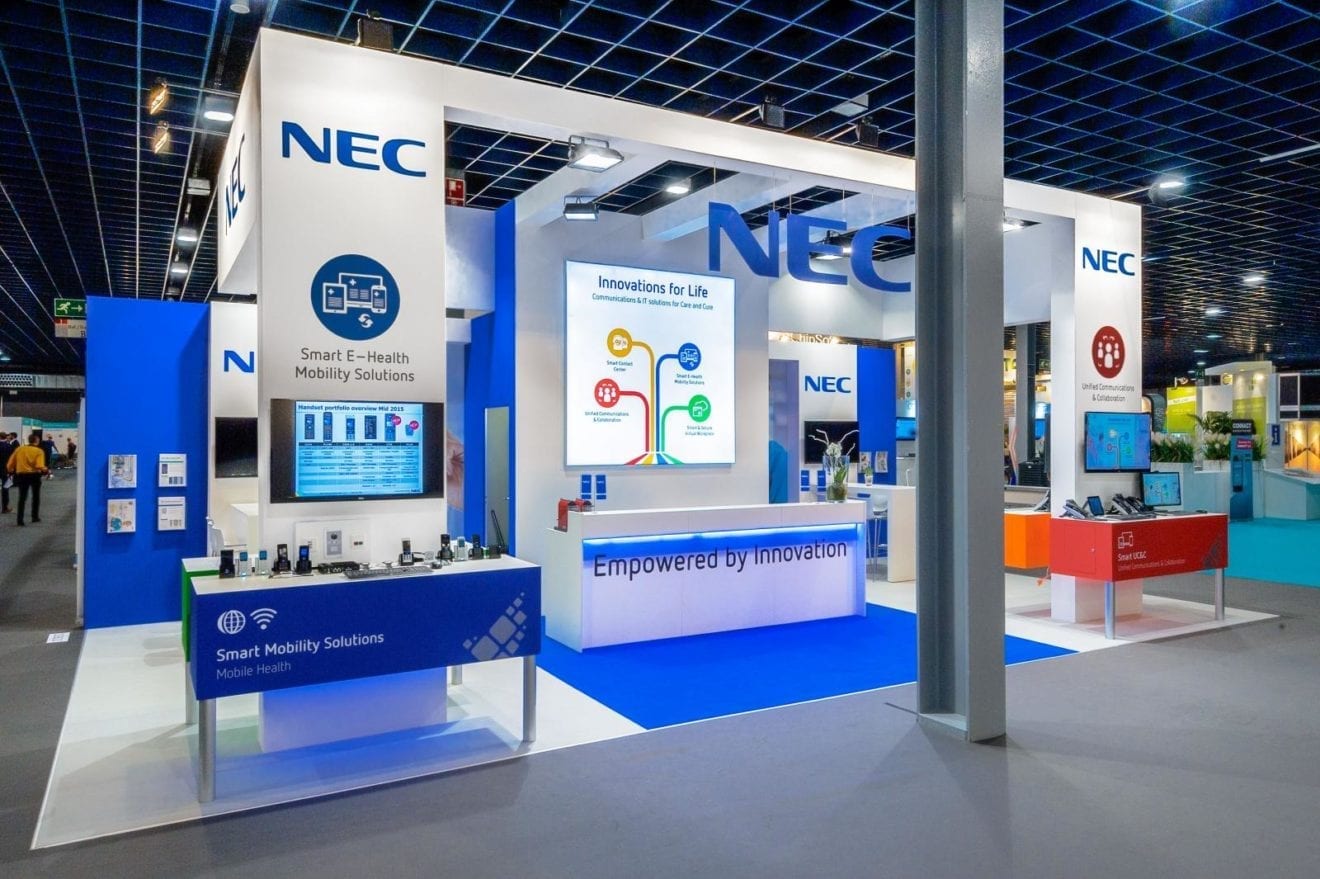
    At the 19th edition of the Telecom Review Leaders’ Summit, the topic of discussion was ‘Tech Intelligence Beyond Mobility’. This event convened in Dubai, UAE, from December 10-11, 2025. One of the key speakers was Kageshima Hideo, Director of NEC’s Open Optical Transport Network Solution. In his presentation titled ‘Redefining Optical Networks as Catalysts for Telecom Growth’, Hideo shed light on the pivotal role optical innovation will play in propelling an AI-extended society by 2030.

    NEC’s Vision for the Future

    Hideo initiated his address by outlining NEC’s long-term vision, which revolves around its corporate purpose and five societal aspirations for the year 2030. These aspirations encompass the environment, society, and human life. At the core of this vision lies the integration of AI and robotics as true human partners. NEC envisions a future where AI collaborates seamlessly with humans and robotics offer tangible real-world solutions. These technologies are anticipated to substantially extend human potential, bringing about increases in productivity, intelligence, and the quality of life.

    Progression Towards an AI-Extended Society

    Hideo traced the progression towards this future through three distinct stages. The initial stage, 2025, saw the rise of agentic AI, which began diminishing the barriers between humans and machines and launched standalone AI data centers that largely operate independently.

    By 2027, AI is expected to permeate everyday work and life, backed by multi-AI data center networking and site-to-site optical interconnections, thereby dramatically increasing connection points.

    By the year 2030, it is predicted that AI will fully amplify human potential through accelerated innovation. This will be facilitated by edge-AI networking, thing-to-thing optical connections, and a surge in network endpoints, leading to a profound evolution in AI networks.

    Optical Networks by 2030: Convergence and Intelligence

    Hideo painted a picture of a future characterized by a blend of computing and network convergence through the concept of ‘optical everywhere.’ Advancements like wavelength optimization, dynamic path provisioning, and on-demand optical networking are expected to maximize resource utilization while offering unparalleled flexibility.

    This view aligns with the Innovative Optical and Wireless Network (IOWN) concept, which rests on three pillars: the all-photonics network, a cognitive foundation, and digital twin technologies. Collectively, these will offer ultra-low latency, high-capacity, and intelligent network operations to cater to the demands of AI.

    Open Optical Networks for the AI Era

    NEC’s answer to these forthcoming challenges is its Open Optical Network Solution. This new-generation data center interconnect model is built for openness and sustainability in the AI era. The strategy lays emphasis on disaggregation and modularity, enabling operators to scale as per their requirements, thereby boosting cost efficiency and agility.

    Key components include multi-vendor whitebox transponders to alleviate supply chain risks, comprehensive multi-vendor system integration, and world-first Linux-based network operating systems that provide server-like operability. Features such as zero-touch provisioning, programmability via TIP MUST controllers, and integrated server-network management aim to streamline operations while optimizing performance.

    Sustainability by Design

    Sustainability was another cornerstone of Hideo’s presentation. NEC’s disaggregated solutions are engineered to support eco-friendly AI data centers, especially in scenarios constrained by power and space. Hardware longevity through modular upgrades and network and power optimization services were underscored as key to minimizing environmental impact while attending to growing AI workloads.

    Hideo concluded his keynote by reinforcing NEC’s strategy through real-world deployments. With global centers of excellence and extensive expertise in multi-vendor, multi-layer integration, NEC is dedicated to continuing the advancement of optical networks to amplify human potential in the forthcoming AI-driven decade.

    Questions & Answers

    What is NEC’s Open Optical Network Solution?
    NEC’s Open Optical Network Solution is a new-generation data center interconnect model designed for openness and sustainability in the AI era. It emphasizes disaggregation and modularity, allowing operators to scale as they grow, therefore improving cost efficiency and agility.

    What are the three stages of progression towards an AI-extended society as proposed by NEC?
    NEC proposes three stages towards an AI-extended society: the rise of agentic AI in 2025, AI becoming pervasive in everyday life by 2027, and AI fully enhancing human potential by 2030 through accelerated innovation.

    How does NEC’s vision for optical networks align with the IOWN concept?
    NEC’s vision aligns with the IOWN concept, which is built on three pillars: the all-photonics network, a cognitive foundation, and digital twin technologies. These elements together aim to provide ultra-low latency, high-capacity, and intelligent network operations to meet AI-driven demands.


  • Singapore Overtakes Japan as Asia’s Richest Market

    Singapore Overtakes Japan as Asia’s Richest Market

    While Singapore’s net financial assets per capital grew 4.4 percent year-on-year, global economic instability and trade wars are weighing heavily on the global middle class, according to Allianz’s new Global Wealth Report.

    With net financial assets per capita of €100,370 ($110,201), Singapore has taken the crown from Japan as the richest country/region in Asia, ranking third globally after the United States and Switzerland, according to the 10th edition of the «Global Wealth Report,» published last week by German financial services company Allianz.

    Financial assets in both industrial and emerging economies both fell together for the first time in 2018, while the gross financial assets of Asian households (ex-Japan) fell 0.9 percent during the year – the first decline since the global financial crisis a decade ago, the report, which looks at the asset and debt situation of households in more than 50 countries and regions, said.

    Global equity prices fell by 12 percent in 2018, which directly affected asset growth – the global gross financial assets of private households fell by 0.1 percent, to €172.5 trillion. The publication attributed this decline to increasing geopolitical tensions and a slowdown in international trade.

    The dismantling of the rule-based global economic order is poisonous for wealth accumulation. The numbers for asset growth also make it evident: Trade is a no zero-sum game. Either all are on the winning side – as in the past – or all are on the losing side – as happened last year, Michael Heise, chief economist of Allianz Group, said.

    The size of the global middle class, at 1,040 million people, remained relatively similar to the year before. This is the first time in over a decade that this demographic did not grow, Allianz said, attributing it to shrinking assets in China.

    However, report co-author Arne Holzhausen, Allianz head of insurance and wealth markets, said «There are still plenty of opportunities for global prosperity,» noting that if countries with large populations like Brazil, Russia and India had better wealth distribution, the global middle class could grow by 350 million

  • Facebook tests new app for prisoner re-integration into society

    Facebook tests new app for prisoner re-integration into society

    Some Instagram users have caught on lately that parent company Facebook had something up its sleeve when they started seeing a strange notification in their feed titled “preparing for life after prison with community support.”

    It turns out Facebook has been experimenting with a brand new app concept called Re-Entry, whose sole purpose is to facilitate released prisoners’ re-integration into normal society. Although Facebook quickly removed the notification from public view, admitting that it was only meant for internal testing, we know that they are at least considering a potentially useful re-socialization system for ex-prisoners.

    This is a product of Facebook’s Equity Team, which was founded last year for the purpose of supporting marginalized communities through the platform and challenging racial bias, among other things. In an ambitious blog post announcement back in September last year, Instagram head Adam Mosseri laid out his hopes for the new team, calling for better inclusivity, algorithm fairness, and eliminating bias, harassment, and hate in Instagram’s future.
    The Equity team will focus on creating fair and equitable products. This includes working with Facebook’s Responsible AI team to ensure algorithmic fairness. In addition, they’ll create new features that respond to the needs of underserved communities.
    Whether we will ever see Re-Entry published in app stores or not, it’s a commendable initiative on Instagram’s part, as the difficulty of starting a new life in a new community can seem like an insurmountable challenge for many former inmates.
    On a side note, we also found out recently that Mosseri is heading the development of an “Instagram for Kids,” following in the footsteps of Facebook’s Messenger Kids created back in 2017. Instagram is certainly pushing lately towards expanding its user base and reaching out to new groups.
  • H&M apologizes for ‘coolest monkey’ racist campaign

    H&M apologizes for ‘coolest monkey’ racist campaign

    Swedish fast fashion chain H&M has apologised for featuring a black child modelling a garment with the text “coolest monkey in the jungle”, also removing the advertisement and item from stores.

    H&M was forced to apologise following widespread backlash from consumers, staff, stakeholders and the media.

    “Our position is simple and unequivocal – we have got this wrong and we are deeply sorry,” the retailer stated.

    “H&M is fully committed to playing its part in addressing society’s issues and problems, whether it’s diversity, working conditions or environmental protection – and many others. Our standards are high and we feel that we have made real progress over the years in playing our part in promoting diversity and inclusion. But we clearly haven’t come far enough.”

    The retailer said it agreed with all the criticism that the controversy had generated and stated that “even if unintentional, passive or casual racism needs to be eradicated wherever it exists.”

    The item will be recycled after being removed from shop floors.

    “We appreciate the support of those who have seen that our product and promotion were not intended to cause offence but, as a global brand, we have a responsibility to be aware of and attuned to all racial and cultural sensitivities – and we have not lived up to this responsibility this time,” the retailer stated.

    “Racism and bias in any shape or form, conscious or unconscious, deliberate or accidental, are simply unacceptable and need to be eradicated from society. In this instance we have not been sensitive enough to this agenda.”

  • Vietnam wants a healthy Internet society

    Vietnam wants a healthy Internet society

    The Ministry of Information and Communication urged enterprises to collaborate with the Government in efforts to build a healthy Internet society through advertising only on online channels which comply with established laws.

    Minister Trương Minh Tuấn issued the advice at a meeting on Thursday with major brands, saying that online advertising was an inevitable trend but also implied risks, especially inadequate attention to control the appearance of advertising.

    The call came several days after advertisements by some major brands accidentally appeared in clips containing pornographic, slanderous or anti-government content on YouTube, the world’s largest online video site.

    “It is really worrying, as it badly affects the prestige of brands,” Tuấn said as quoted by online newspaper vnexpress.net.

    Tuấn said that this was not only a problem for the advertising industry of Vietnam, but also for the global industry.

    What was more alarming was that running advertisements on clips with questionable content could help owners of these accounts earn money, which indirectly encouraged them to unload more, a representative from Qnet said.

    Nguyễn Thanh Lâm, Director of the Authority of Broadcasting and Electronic Information, cited statistics that as of Thursday, there were 15 accounts uploading 8,000 clips with immoral content, and attracting nearly 1 million subscribers. Those clips boasted a combined 500 million views.

    Lâm said that the department was working with Google, which owns YouTube, to remove such clips, and to date, only 42 had been removed.

    At Thursday’s meeting, all major brands including Vinamilk, Ford Việt Nam, VinHome, Sungroup and Unilever Việt Nam, said that they had stopped advertising on YouTube after receiving the Ministry of Information and Communication’s request.

    They also said that they would not resume advertising until ad agencies developed comprehensive solutions to ensure compliance with the established laws.

    “Through our advertising agents, we have asked Google and YouTube to ensure a safe advertising environment so as to protect businesses’ brands,” a representative from the dairy giant Vinamilk said.

    Ad agencies said that when signing contracts with Google to run advertisements for their partners on YouTube, they selected the appearance of ads through key words and categories of clips, adding that the cooperation of Google was necessary in filtering and preventing the appearance of ads in toxic clips.

    Online newspaper vneconomy.vn reported that Google had sent an official response late on Thursday, saying that YouTube had clear policies for governmental requests for content removal.

    A YouTube spokesperson also said that the company did not comment on specific cases, but it will continue working with the Government of Việt Nam and was always willing to receive questions or concerns from the Government, according to the newspaper.

    The ministry called for enterprises to participate in an action programme which includes saying no to advertising on immoral clips, only running advertisements on channels which comply with Vietnamese law, building a healthy Internet society and protecting copyright.

  • South Korea’s Cashless Push Will See Coins Removed From Circulation By 2020

    South Korea’s Cashless Push Will See Coins Removed From Circulation By 2020

    South Korea is the next country looking to go cashless. That in itself may not surprise most people, but the way the government is going about things will raise a lot of questions. It appears the current plan is to force people to hand over all of their physical currency to the central bank. This will not happen overnight, but physical coins are expected to be out of circulation by 2020.

    South Korea Will Use An Aggressive Cashless Strategy

    Various countries around the world are looking at different ways to go cashless in the coming years. Using physical cash can be a burden for both consumers and retailers, while only adding more security risks as well.0. But in most cases, the real reason for going cashless is to make people even more dependent on banks for all of their daily expenses.

    The central bank of South Korea is no different in that regard, as the institution unveiled its plan to enforce a cashless society over the next decade. First of all, they will eliminate all coins from circulation, which they intend to achieve by 2020. Quite an optimistic view, but then again, South Korea is a very different culture compared to most other countries in the world.

    One thing to keep in mind is how the removal of coins from circulation will affect retail prices for goods and services. It is doubtful prices will be rounded down anytime soon, and more expensive goods and services are a far more likely scenario. Whether or not the South Korean population will like that change, remains to be seen.

    To facilitate these changes, the Central Bank of Korea wants consumers to deposit loose changes onto the national T-Money cards. These electronic travel passes can be used for all forms of transportation, including taxi rides. Additionally, several thousand convenience stores in the country accept T-Money as a payment option.

    It has to be said; South Korea may be one of the regions where going cashless will not be a significant change. In fact, there are more credit cards in circulation than citizens. Furthermore, only one in five payments made nationwide occurs through paper money and coins. Phasing out coins should not be a big challenge, but the goal of 2020 may be a bit too optimistic.

    But it appears there is another reason to get rid of physical coins. Credit Finance Institute’s Lee Hyo-Chan told CNBC how it costs more than 10 won to create a 10 won coin. All of the costs associated with the mass minting of coins adds up to over US$40m per year. Additionally, collecting, managing, and circulation of coins incurs, even more, costs.

    Getting rid of cash is a cost-cutting effort, which is understandable. At the same time, banks should not be given even more power of the financial ecosystem than they have right now, as they already have a firm grip on people’s money. Centralization of financial power is never the answer, and going cashless will not necessarily be beneficial to the average consumer from a financial perspective.

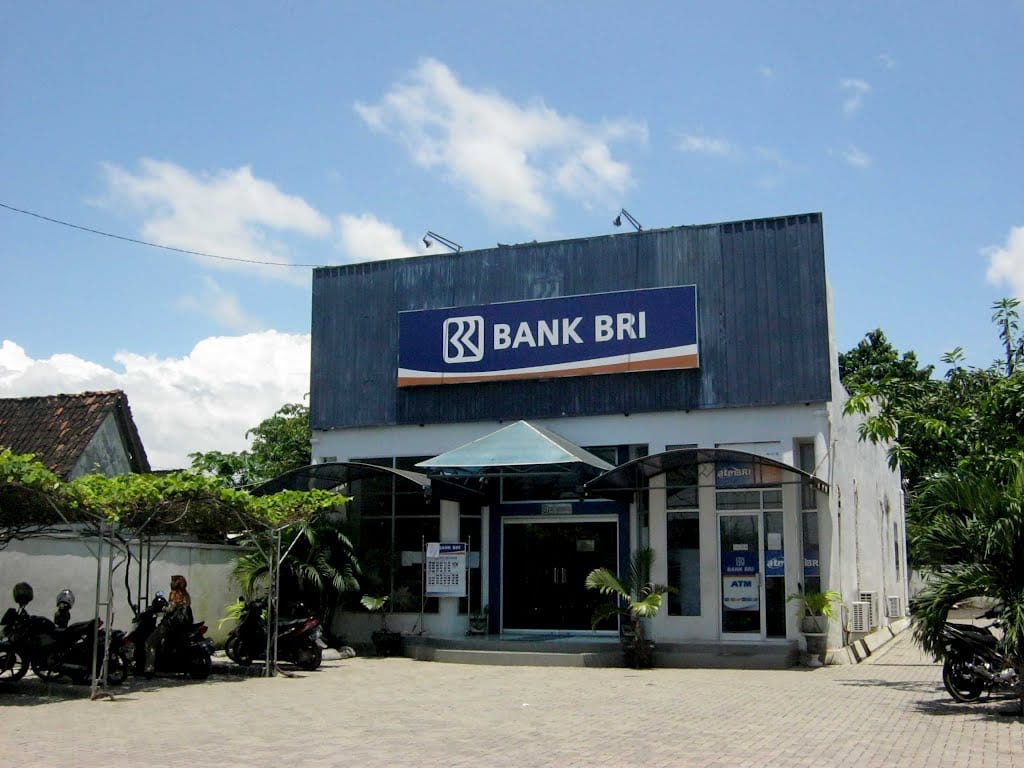
  • BRI Goes Digital for Cashless Society Program

    BRI Goes Digital for Cashless Society Program

    Bank Rakyat Indonesia (BRI) has been revamping its digital banking services as part of its “cashless society” program and in support of the central bank’s Non-Cash Payment Movement (GNNT), a senior BRI official said last week.

    BRI Consumer Director Sis Apik Wijayanto said the top small-business lender intends to reduce cash to a minimum for every transaction.

    “This is the digital era, tech support is crucial. The goal is to improve payment efficiency and offer customers  the utmost convenience,” Sis said.