Retail News CRM

Tag: soda

  • Asahi Beverages’ Vibe launches functional soda range

    Asahi Beverages’ Vibe launches functional soda range

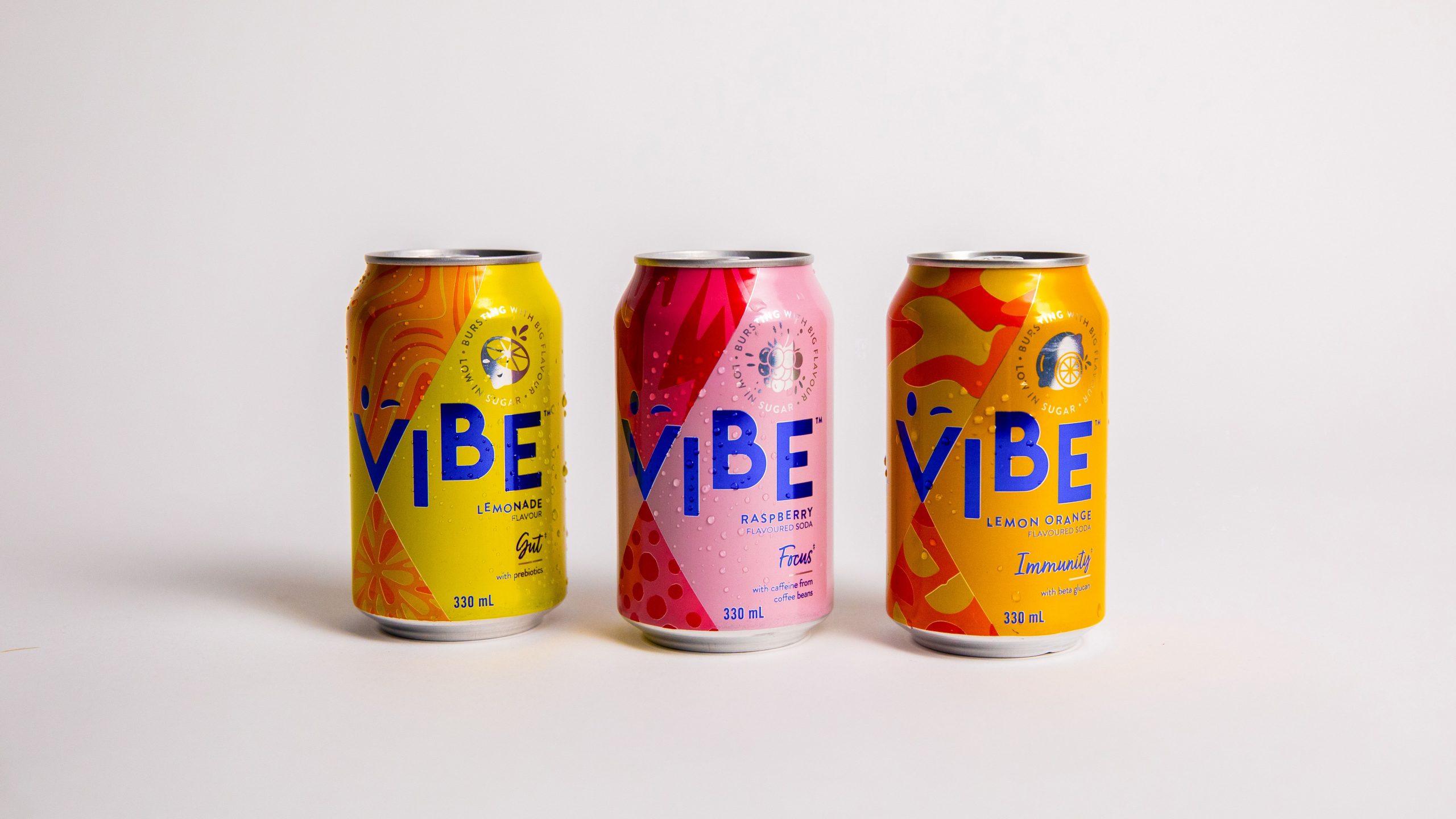
    Beverage brand Vibe has launched a functional beverage soda range in three flavours.

    The company says it undertook consumer market research to ensure the drink meets evolving consumer needs.

    Parent company Asahi Lifestyle Beverages’ GM for marketing, Lauren Fildes, said: “When choosing an alternative to soft drink, people want great taste first, then something that’s low in sugar and has a range of functional benefits to choose from.”

    Flavours in the range include – Lemonade Gut – which contains prebiotics for gut microbiota. Lemon Orange Immunity – formulated with beta-glucan to help support immune health and Raspberry Focus – which has caffeine to improve concentration and alertness.

    The range retails for $9.50 and comes in 330 ml cans, available across Woolworths stores nationally.

  • Beverage industry lobbies against taxing sweetened drinks

    Beverage industry lobbies against taxing sweetened drinks

    Drink makers are lobbying against levying a special consumption tax on sweetened beverages, arguing that they do not contribute to health problems such as obesity.

    At a Wednesday workshop to discuss draft amendments to the Law on Special Consumption Tax, Nguyen Thi Lam, former deputy director of the National Institute of Nutrition, cited data showing that obesity is related to an imbalance between energy intake and outtake, and the frequency of physical activity.

    “Fat in food causes overweightness and obesity more than drinking soft drinks. There is no link between sweetened beverages and obesity,” she said.

    The Ministry of Finance is again considering imposing a tax on sweetened beverages eight years after failing to get other ministries to back it. The ministry said that a “reasonable” special consumption tax on sugary drinks would help protect people’s health in line with World Health Organization recommendations and international practices.

    Chris Vanloon, Chairman of the American Chamber of Commerce (Amcham) in Da Nang, said there is currently no definition of “sugary drinks,” so on the basis that the Ministry of Finance provides, the special consumption tax could be imposed on milk, dairy products, special foods for children and women, as well as sports drinks with electrolytes.

    Do Thai Vuong at the Vietnam Beer-Alcohol-Beverage Association said the beverage industry is still recovering from the Covid pandemic, facing global economic uncertainties and increased production costs.

    Beverage businesses need a stable tax policy environment to return to the numbers they were putting up pre-pandemic, Vuong said.

    He added that imposing the tax would be discriminatory without solving any public health problems.
    The proposed policy would also cause unwanted consequences for related industries, such as sugar, retail, and packaging, he said.

    A manager of Heineken Vietnam stated that the Ministry of Finance’s introduction of barley and non-alcoholic beverages into the taxable category was unreasonable.

    According to him, similar factors in terms of materials, processing, forms and flavors are not a legal basis for imposing a special consumption tax.

    “It is also inconsistent with the purpose of this tax — restricting or discouraging the consumption of products that are harmful to health,” he said.

    Businesses say they want to give regulators more time to analyze and evaluate relevant factors comprehensively and thus develop a suitable tax schedule to avoid negative impacts on consumers and businesses.

    However, Dinh Trong Thinh, an expert from the Vietnam Academy of Finance, said the tax rate could be 10%, similar to what Cambodia now applies.

    In 2014 the Ministry of Finance had formerly proposed a similar 10% special consumption tax on sweetened beverages, but other ministries opposed it.

    It is also considering hikes in the special consumption tax on beer, other alcoholic beverages and cigarettes.

    Between 2016 and 2019 it had increased the rate on beer and certain alcoholic beverages from 55% to 65% and on cigarettes and cigars from 70% to 75%.

    At the workshop, businesses suggested delaying the hikes, at least until 2025.

  • Pinnacle Drinks launches tequila seltzer range

    Pinnacle Drinks launches tequila seltzer range

    Rey Loco, uses 100 per cent real Tequila to make its pre-mixed cocktails and has launched two new products to meet the growing consumer demand in Australia for the real stuff.

    The range is comprised of two products, Tequila Lime & Soda and Tequila Bloody Orange & Soda. While many Tequila premix brands use an agave spirit, Rey Loco is unique in the fact that both drinks are made with 100 per cent real tequila and contain 99 calories.

    Hard seltzers are projected to grow by 24 per cent in Australia and Tequila as a category is experiencing 34 per cent annual growth.

    The Rey Loco Tequila Lime & Soda is a refreshing sparkling, and slightly sweet with an edge of citrus Tequila taste. While the Rey Loco Tequila Bloody Orange & Soda showcases another delicious citrus combination by blending Tequila with fragrant blood orange topped with effervescent soda.

    Rey Loco is born from the love of Mucho Libre Mexican wrestling and inspired by the fun of Latina style telenovela storytelling represented in the artwork on each can.

    The perfect ready to drink beverage to have at home and enjoy with a group of friends while tucking into some delicious food, Rey Loco is an all year rounder for your fridge.

    Rey Loco can be found in most leading retailers and is $25.99 for a pack of four. Distributed by Pinnacle Drinks.

  • PepsiCo names new CEO for Australia/New Zealand

    PepsiCo names new CEO for Australia/New Zealand

    PepsiCo has announced the appointment of Kyle Faulconer as the new CEO of Australia and New Zealand, effective January 2022.

    Faulconer will replace outgoing CEO, Danny Celoni, who was recently appointed to the Asahi Beverages Oceania Executive Leadership Team as the new CEO of Carlton & United Breweries, effective February 2022.

    To take up the new position, Faulconer will relocate to Sydney from the US, where he is currently Vice President and General Manager at PepsiCo’s Frito-Lay snacks business.

    He has had a 14-year tenure at PepsiCo and is a passionate advocate for consumer-centric innovation. Most recently he was responsible for leading the strategic agenda for Walmart, one of PepsiCo’s largest global customers.

    Wern-Yuen Tan, CEO, PepsiCo APAC, says that Faulconer’s strong market experience and people-first approach will be a great asset to the Australia and New Zealand team.

    “We are delighted to welcome Kyle to ANZ and know he will lead the team to new heights,” said Tan.

    In his new role, Faulconer will work to strengthen operations and drive innovation and growth across PepsiCo’s portfolio of drinks and snacks.

    He said: “I’m thrilled to join the world-class team and help the PepsiCo business continue to grow across Australia and New Zealand. I look forward to creating new opportunities to accelerate our positive, purpose-led impact for our partners, customers ad consumers.”

  • Coca-Cola says new ‘No Sugar’ has the same flavour as Classic Coke

    Coca-Cola says new ‘No Sugar’ has the same flavour as Classic Coke

    In much the same way plant-based meat companies are tweaking their offerings to make them taste more like the real thing, beverage giant Coca-Cola is doing the same thing with its no-sugar cola.

    Coca-Cola has a vested interest in creating a no-sugar variety that mirrors its sugar-laden offering as a way to keep people associated with the brand. Consumers are drinking less soda as part of a broader effort to cut their sugar intake, and increasingly no sugar offerings are a more popular option.

    If consumers decide they want to drink less soda with sugar, and a no-sugar offering has the same flavor as the original, they are more likely to turn to their preferred brand. Sales of Coca-Cola Zero Sugar have been a bright spot for Coke, and the company no doubt is hoping the new flavor profile will attract more customers to the product. The new version is already on shelves across Europe and Latin America, and will roll out globally during 2021.

    “In order to continue to drive growth of our diets and lights category, we must keep challenging ourselves to innovate and differentiate just as other iconic brands have done,” Natalia Suarez, senior brand manager for Coca-Cola’s North America operating unit, said in a statement. “The consumer landscape is always changing, which means we must evolve to stay ahead.”

    No-calorie Coca-Cola Zero Sugar is sweetened with aspartame and acesulfame K. Finding a sweetener that can replace sugar’s texture and taste has been difficult for companies. Some companies have used aspartame, but many consumers stopped drinking diet soda because of concerns over the health impact of the artificial ingredient.

    Coca-Cola seems to have found the right ingredient mix for its no-sugar products. According to Euromonitor International data cited by The Wall Street Journal, Diet Coke had 35% of sales in the $22 billion global diet category in 2019 and Coke Zero Sugar had 22%.

    Coca-Cola also is making a big change in the packaging it uses for Coca-Cola Zero Sugar. The new can has the same design as its its popular Coke soda, but uses different colors and the words “zero sugar” to indicate the absence of the sweetener. The new, simpler packaging is smart in that it keeps the brand, which is trying to emulate regular Coke, with the same design scheme as the original — but gives it just a bit of its own identify to stand out on store shelves.

  • Coca-Cola the latest global brand to ‘Adopt a Park’ in Brazil rainforest

    Coca-Cola the latest global brand to ‘Adopt a Park’ in Brazil rainforest

    Coca-Cola Co on Wednesday agreed to sponsor a protected reserve in the Amazon rainforest, joining beer maker Heineken and a growing list of global corporations signing up to the Brazilian government’s “Adopt a Park” program.

    Environmentalists say that the program, launched by the right-wing government of President Jair Bolsonaro this year, amounts to “greenwashing,” or a cosmetic move aimed to improve the government’s image, at a time when deforestation is soaring.

    Acting via its Brazilian subsidiary, Coca-Cola is the eighth company to join the program by adopting the Javari-Buriti Area of Relevant Ecological Interest for 658,850 reais ($122,109) for a period of one year.

    The park occupies 132 square kilometers in the remote western portion of Brazil’s Amazonas state and includes one of the densest formations of Buriti palm forest in the world.

    Heineken earlier this month pledged 466,900 reais to sponsor a 93 square kilometer Amazon reserve that is home to a traditional community of escaped slaves in Maranhao state.

    More than 11,000 square kilometers were deforested in Brazil’s Amazon in the 12-months through July 2020, an area 14 times the size of New York City, according to the latest annual data available from government space research agency Inpe.

    Environmentalists blame the surgeon Bolsonaro, who has weakened environmental enforcement agencies and called for more development in protected areas. Adopt a Park is only an attempt to improve the government’s image, they say.

    “The government should reverse the environmental dismantling … instead of this program which opens up a huge space for greenwashing and doesn’t solve the problem,” said Cristiane Mazzetti, a conservationist with advocacy group Greenpeace Brasil, in a statement.

    The Environment Ministry and parks service ICMBio did not respond to requests for comment on that criticism. The ministry said the funds would pay for infrastructure improvements and environmental conservation, without giving further details.

    Coca-Cola Brasil said adopting the park is part of its long track record of conservation in the Amazon, without responding to questions about greenwashing.

    Heineken did not immediately respond to the request for comment.

  • Coca-Cola Vietnam fined for tax evasion

    Coca-Cola Vietnam fined for tax evasion

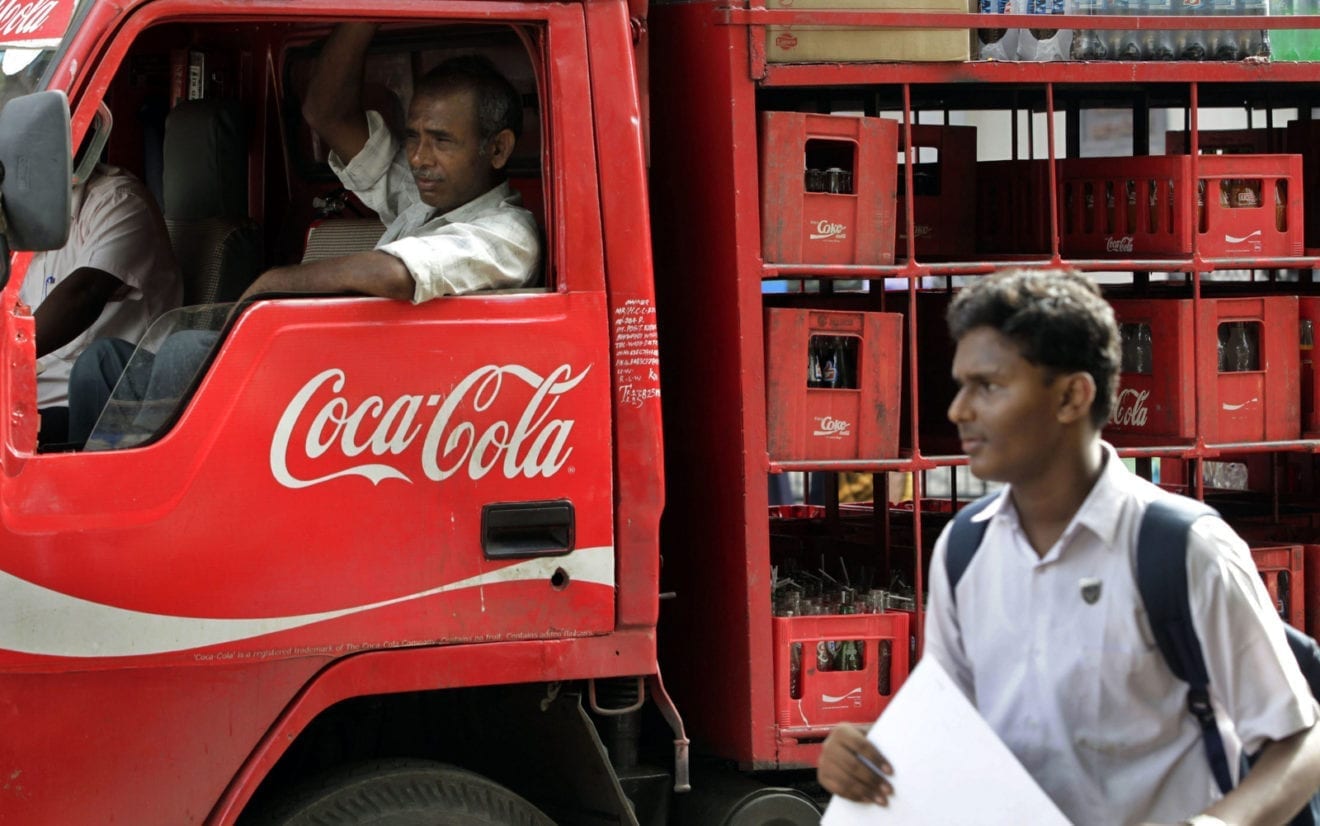
    Coca-Cola Vietnam has been ordered to pay VND821.4 billion ($35.4 million) in back taxes and penalties stretching back over nine years.

    Dang Ngoc Minh, deputy head of the General Department of Taxation, said 57.3 percent of the amount is the back tax, 35.2 percent is a penalty for delayed payment and the remaining 7.5 percent is a penalty for incorrect filing.

    “The company can request a review or file a lawsuit.”

    A Coca-Cola spokesperson said tax authorities had recently concluded an investigation of the 2007-15 business period, and found the company had made “minor errors” in describing its business operations which had led to a failure to file for taxes.

    Though it disagrees with some of the tax authorities’ conclusions, the company would nevertheless comply with the laws, he said.

    But an official from the Ho Chi Minh City Tax Department said Coca-Cola has only paid VND38.2 billion ($1.6 million) as of Thursday.

    Coca-Cola entered Vietnam in 1994, and broke even only in 2013 despite double-digit revenue growth, according to the department.

    Since the company reported accumulated losses of VND3.77 trillion ($162.5 million) as of 2011, it was exempt from corporate income tax.

    HCMC has named Coca-Cola among businesses it suspects of transfer pricing fraud to evade tax.

  • Coca-Cola North America pilots subscription service to test new products

    Coca-Cola North America pilots subscription service to test new products

    Soft drinks giant Coca-Cola has launched a new subscription service in North America to test out over 20 new drinks.

    The Coca-Cola Insiders Club invites subscribers to sign up for a monthly shipment of three category-spanning beverages to be released in early 2020. A thousand memberships sold out in three hours following the announcement.

    “We’re absolutely thrilled to see how quickly the spots went, which shows just how passionate consumers are about our brands and innovations. It proves there is an opportunity to scale the concept and allow more people to participate,” said Alex Powell, a digital experiences manager, Coca-Cola North America.

    The soft drinks giant said the move was prompted by the phenomenal growth in the e-commerce subscription market which has doubled annually over the last five years.

    Subscribers can choose from two payment options for the six-month membership, US$10 per month or US$50 prepaid (one month free).

    “As a total beverage company, we’re constantly looking for ways to innovate not only in our products – but also in the consumer-centric experiences we offer,” said McCrea O’Haire, digital experiences manager, Coca-Cola North America.

    “People want choice, convenience and customization. The Insiders Club will allow us to showcase the diversity of the drinks we offer and get some of our newest innovations into the hands of fans who want to be among the first to enjoy them.”

    The launch of the limited-edition Coke Cinnamon in the region prompted a big response from consumers and provided valuable insights to the beverage giant.

    Coca-Cola North America said it will monitor sales, feedback and social media buzz and may consider expanding beyond the six-month trial period.

  • Bubble tea, the next gold mine

    Bubble tea, the next gold mine

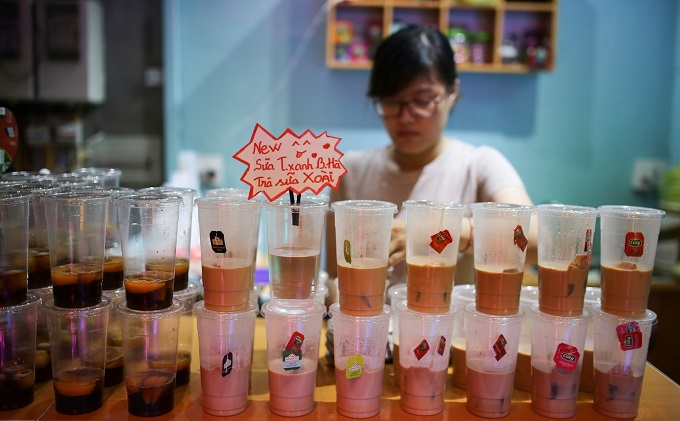
    Investors are flocking into the bubble tea market since demand is booming across the country. Market researchers have found the market is growing at 20 per cent a year and reached US$300 million two years ago. There are over 100 brands already and many more famous names are flocking in.

    In large cities like HCM City and Hà Nội, it is easy to find bubble tea stores belonging to major brands like Alley, Gongcha, Phúc Long, Ten Ren, and Royaltea.

    There are also smaller stores with cheaper prices run by small business people.

    Seeing the demand, many coffee chains like Highlands and The Coffee House and restaurants have added bubble tea to their menu.

    Besides bubble tea simply being a popular drink for various age groups, the shops selling it have become a haunt for youngsters because of their facilities and decor.

    A spokesperson for a famous brand name, Gong Cha, said: “Competition in bubble tea market in Việt Nam is a marathon.

    “Bubble tea has established itself on the Vietnamese food and drink scene. Bubble tea shops are no longer just places selling beverages. They are places featuring a speciality totally different from traditional places like coffee stores and restaurants.”

    Brand expert Võ Văn Quang was quoted as saying by Người Lao Động (The Labourer) newspaper that the popular drink in Hong Kong and Taiwan has undergone many changes in the Vietnamese market with many toppings to match Vietnamese tastes.

    “Milk tea is now a popular drink among Vietnamese youth.”

    Most of the milk tea brands have come to Việt Nam as franchises, he said.

    “At prices of VNĐ30,000 to over VNĐ80,000, bubble tea is brining huge profits. That is why foreign brands are keen on franchising in Việt Nam.”

    A bubble tea shop is much cheaper to set up than a coffee shop while the profits are huge, he said.

    Dr Đào Duy Khương, a retail expert, said milk tea, unlike coffee and tea, targets youths in big cities, and this demographic’s consumption behaviour is trendy meaning investors should change their offerings frequently.

    It is not surprising several brands closed in recent times, he added.