Retail News CRM

Tag: sogo

  • Experience the Fusion of Innovation and Tradition at Hermes’ Revamped Sogo Fuxing Store in Taipei

    Experience the Fusion of Innovation and Tradition at Hermes’ Revamped Sogo Fuxing Store in Taipei

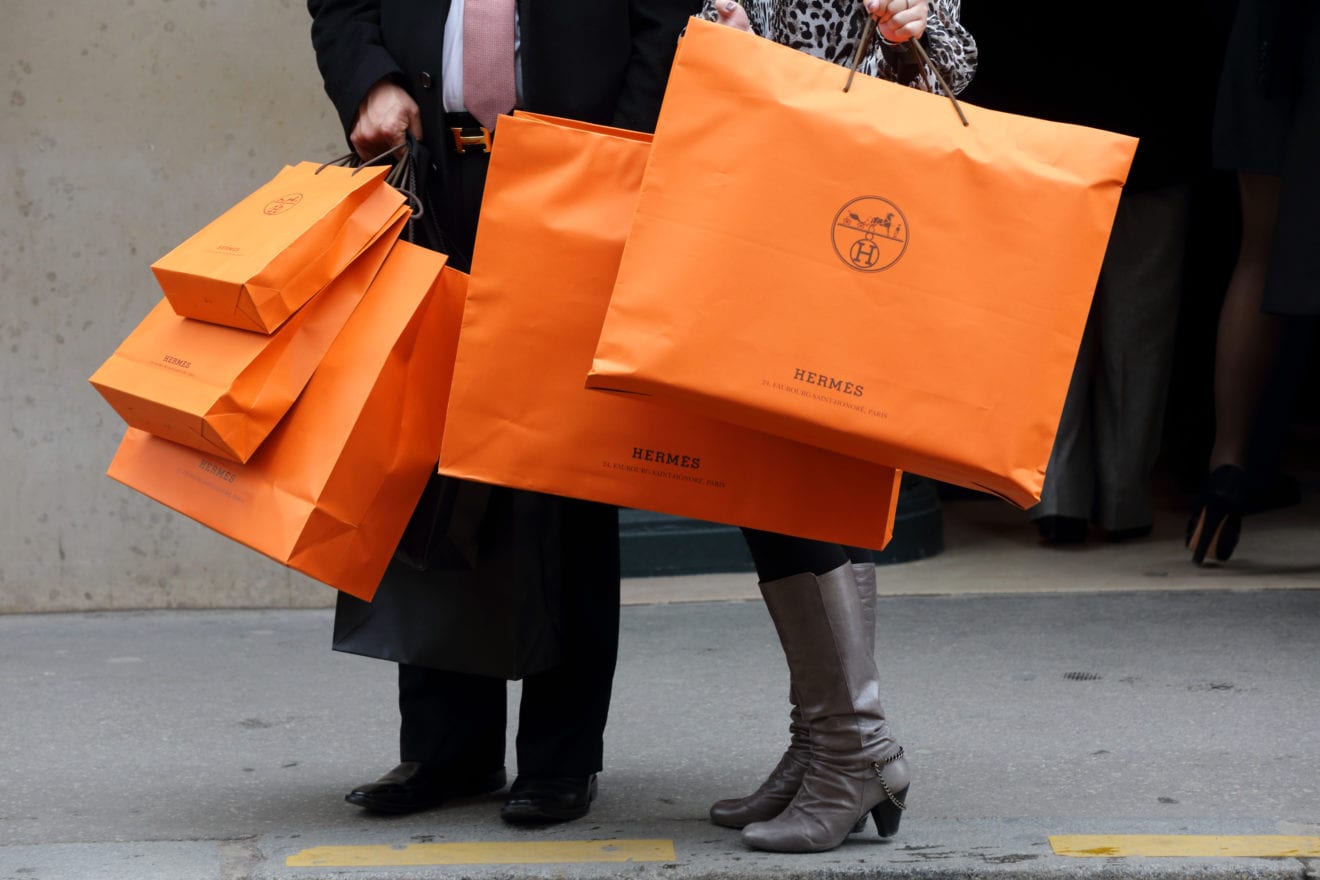
    The luxury brand Hermès recently celebrated the grand reopening of its outlet located in Sogo Fuxing Mall, Taipei. This event comes after a considerable period of renovations, reflecting the brand’s innovative and dynamic spirit that mirrors the vibrant essence of the city.

    Originating in 2007, the three-tiered store now boasts a modern look with its ceramic tile facelift. The French architectural firm, RDAI, is the mastermind behind the redesigned aesthetics of the Hermès store.

    Upon entering the establishment, visitors are instantly enveloped by a luxurious universe of silk. The space is tastefully arranged with fashion jewelry displays on the right and an enticing array of perfumes and beauty products on the left. Enhancing this opulent ambiance is the house’s signature Grecques lighting, adding a refined touch to the overall shopping experience.

    The redesign also features screen walls to define the space and accentuate Hermès’ commitment to local artisans. These walls are adorned with intricate thread compositions crafted locally and blended with Hermès silk offcuts, showcasing the brand’s marriage of traditional craftsmanship with contemporary design.

    As customers delve deeper into the store, they will come across an intimate and exclusive section dedicated to the brand’s exquisite jewelry and timepieces.

    Art connoisseurs will appreciate the store’s unique collection of artworks sourced from the Emile Hermès collection, as well as the Hermès ‘Collection of Contemporary Photographs’. These carefully curated pieces add an artistic touch, rendering the store not just a shopping destination, but a place of inspiration and creativity.

    In conclusion, Hermès stated: “This revitalized store welcomes both our loyal patrons and newcomers alike to explore Hermès’ timeless creations and craftsmanship within a bold, innovative setting.”

    Questions & Answers

    When was the Hermès store in Sogo Fuxing Mall, Taipei, first opened?
    The Hermès store in Sogo Fuxing Mall, Taipei, initially opened its doors in 2007.

    Who was behind the renovation and redesign of the Hermès store?
    The renovation and redesign of the Hermès store were carried out by the French architecture agency, RDAI.

    What unique features does the renovated Hermès store offer to its customers?
    The renovated Hermès store offers a luxurious shopping experience with its silk universe, fashion jewelry, perfumes and beauty products. It also showcases locally crafted thread compositions and a selection of artworks from the Emile Hermès collection and the Hermès ‘Collection of Contemporary Photographs’.
  • Sogo opens at Shah Alam’s Central I-City

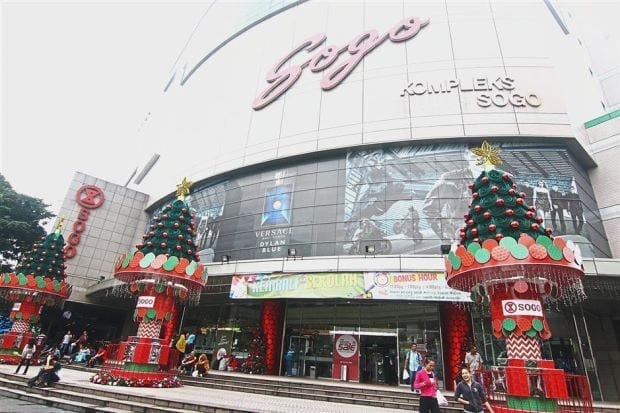
    Sogo opens at Shah Alam’s Central I-City

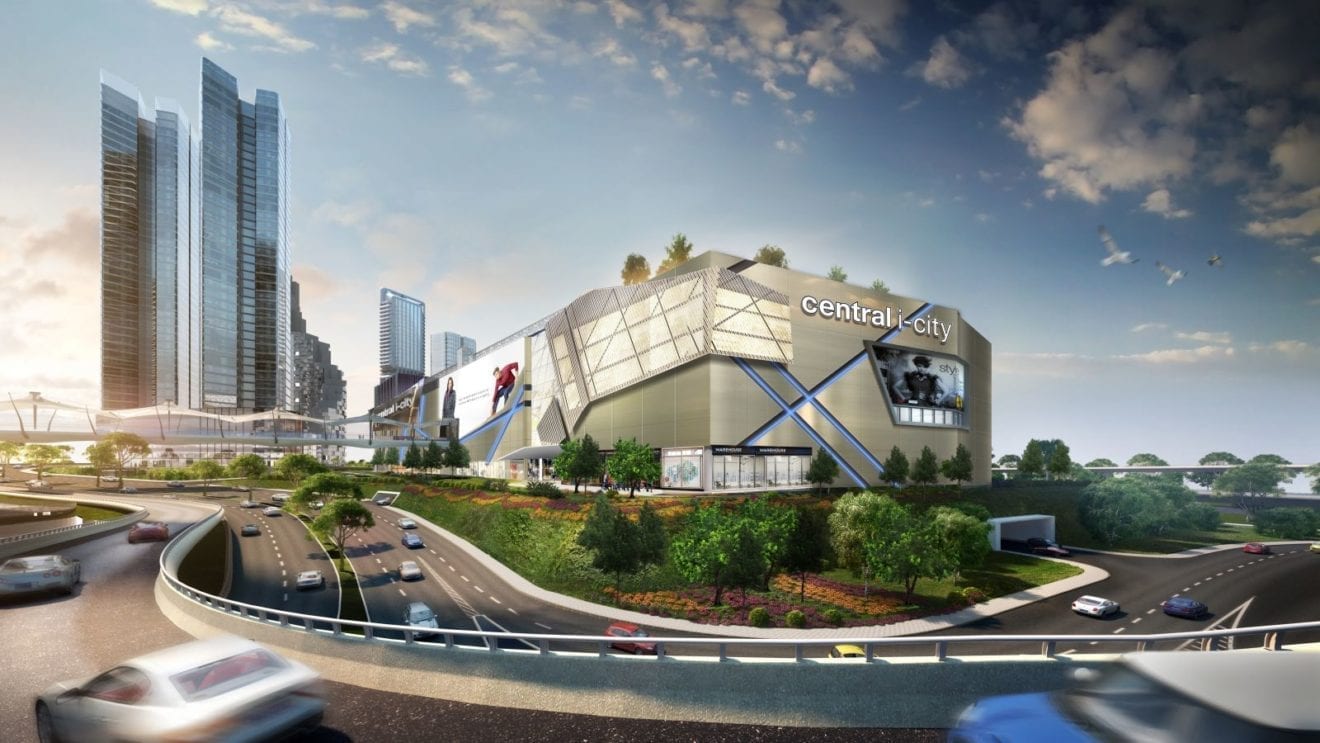
    A second Sogo Malaysia department store has launched at Central I-City shopping centre in Shah Alam, Selangor.
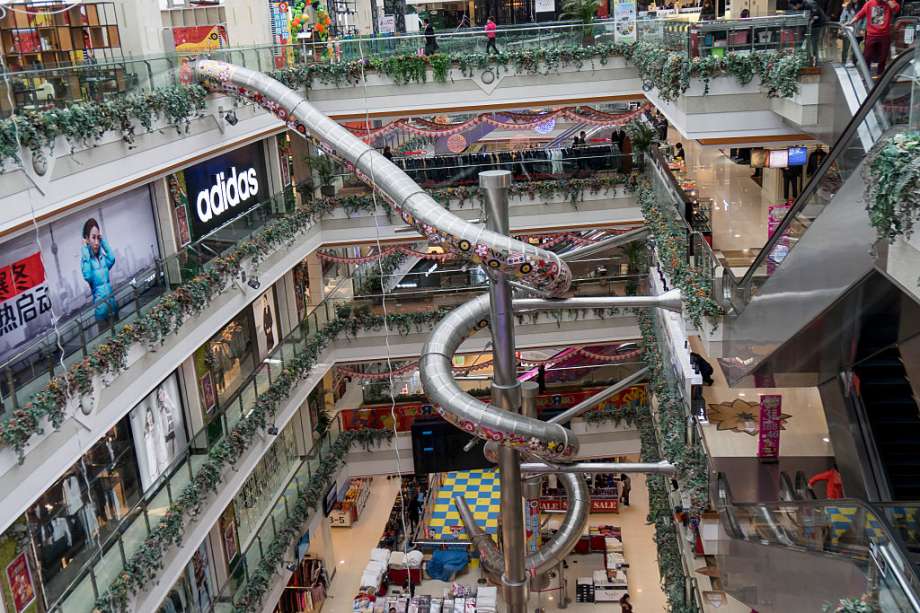
    The new four-storey store, designed according to a distinctive Japanese aesthetic, features 18,581sqm of retail space and more than 400 brands in a wide variety of product categories.

    “Aside from purchasing beauty products on the ground floor, shoppers can get their manicure, pedicure and waxing done at the Smooch Waxing Studio,” said Sogo Malaysia group COO Raymond Teo. “There is also the Prinz Classic Barbershop on the second level, while the shoe and bag spa is at the ladies’ shoes section on the first floor. We also have cafes for those who want to chill out without having to leave the department store.”

    A range of promotions, redemptions and activities are being held to celebrate the launch.

    “This year marks our 25th anniversary and the opening of this store is an important milestone for us,” said Sogo Malaysia CEO Toh Peng Koon. “Opening Sogo in Central I-City is not only to cater to the needs of the Shah Alam community and beyond but also to be nearer and engage more with them.”
    “We are opening two new stores this month,” he added. “After Sogo Central I-City, it will be Sogo The Mall in Mid Valley Southkey, Johor Baru, on April 23.”

    By 2022, Sogo should have expanded its total network to six stores with a total retail space of 222,967sqm, which includes Prai Megamall in Penang, Selayang, Terengganu, and the first Seibu department store at the Tun Razak Exchange (TRX) Lifestyle Precinct in Kuala Lumpur.

  • Sogo department stores see strong sales growth

    Sogo department stores see strong sales growth

    Sogo department stores parent Lifestyle International has reported a 50 per cent drop in net profit for last year, despite increased sales.

    While turnover rose 16 per cent to HK$4.36 billion (US$555 million), net profit fell to $1.69 billion ($215 million).

    However, the company explained the fall was largely due to comparison with 2017 when the company received a one-off gain from the sale of a majority stake in its subsidiary, netting $420.8 million. On a trading basis, the department stores it operates posted solid results.

    Sales at its Sogo Causeway Bay flagship store rose by 10.5 per cent last year, and mainland tourists underpinned a 30.3 per cent increase in sales at the Sogo Tsim Sha Tsui store.

    CFO Terry Poon Fuk-chuen said the improved turnover was due to the company enhancing the shopping experience at its stores.

    Lifestyle International executive director Kam Shim Lau predicts this year will be challenging for retail as declining wage growth and weakening asset values may dent consumer sentiment.

    “Looking ahead, the group predicts a single digit growth in the first half of 2019 and adopts a cautious approach for 2019,” he said.

  • 7-Eleven parent sales surges: Report

    7-Eleven parent sales surges: Report

    Japanese retail giant Seven & I has reported a 15.8 per cent increase in net sales for the nine months to November. Profit rose by a less impressive 2.9 per cent. The 7-Eleven parent said its overseas convenience store business achieved an impressive 15.7 per cent increase in operating profit year on year.

    At home, its Ito-Yokado superstore managed to reduce its operating loss to ¥200 million (US$1.85 million), however its York-Benimaru supermarket division and Sogo & Seibu department stores both struggled, the latter losing ¥937 million ($8.6 million).

    Seven & I’s net sales totalled ¥4.11 trillion ($38 billion).

  • Sogo store sales rises, helped by tourism rebound

    Sogo store sales rises, helped by tourism rebound

    Sogo store sales on both sides of the harbour surged ahead in the first half of this year.

    Causeway Bay recorded a 20 per cent upturn in sales during the six months to June 30, as inbound tourist numbers rebounded and consumer spending improved.

    The department store’s parent company Lifestyle International, said footfall increased by 7.1 per cent and what it terms the “stay-and-buy ratio” rose by 2.3 percentage points to 34.7 per cent. The average ticket size (excluding Freshmart supermarket sales) rose from HK$1344 in the same period last year to $1482.

    But the store’s greatest growth came in its Sogo Rewards program, with membership rising by 100,000 over the six-month period to reach 480,000. Members accounted for 51.5 per cent of all spending in-store, compared with 45 per cent during the first half of last year.

    Executive director Lau Kam Shim said Lifestyle International will continue to optimise the loyalty program to increase sales in its stores.

    During the half year, the group managed to capitalise on the uptick in consumption by introducing aggressive sales promotions and it streamlined digital payment services. The biannual Sogo ‘Thankful Week’ event held in May drew an overwhelming response from shoppers, achieving record-breaking sales of $1.307 billion, up 19.7 per cent from the previous record achieved in May last year.

    Across the harbour, the Sogo Tsim Sha Tsui store boosted sales by 42.8 per cent, with cosmetics and skin care products the major driver, up 55.4 per cent.

    “Sogo TST extended its robust growth momentum with both average ticket size and traffic footfall increasing from the previous period, thanks to stronger inbound tourism and local demand,” said Shim. “Similar to its counterpart in Causeway Bay, the May Thankful Week event at Sogo TST was well received and achieved record-breaking sales revenue of $429.3 million, up 41.9 per cent from the same event in the previous year.”

    Trade war warning

    While Lifestyle International is bullish about the company’s ongoing prospects, Shim joined the chairman of Lifestyle International’s sister company Lifestyle China, which operates malls on the mainland, warning of potential fallout from the US-China trade war.

    “Looking ahead, escalating Sino-US trade tensions and Brexit negotiations could derail the global economic recovery and undermine business and financial market sentiment,” he said in a commentary on the company’s results.

    “The weakening of the Chinese yuan against the Hong Kong dollar and concerns over a potential slowdown in China’s economy would also make a dent in Chinese tourist spending in Hong Kong and pose challenges to the steady recovery of Hong Kong’s retailing market.

    Notwithstanding the lingering macroeconomic uncertainties, a solid job market, government spending and a still-buoyant property market should continue to render support to Hong Kong’s economy and hence to the local consumption.”

    Combined results

    Overall, Lifestyle International’s department store sales rose 26.2 per cent in the first half.

    The strong growth was mainly attributable to a 35.3 per cent increase in direct sales and a 19.3 per cent increase in commission income derived from concessionaire and APO sales.

    The group’s gross profit margin as a percentage of turnover decreased from 75 per cent to 73.7 per cent, mainly due to higher growth in direct sales relative to concessionaire sales. Net profit attributable to shareholders totalled $882.9 million, down 48.7 per cent on the $1.720 billion of the same period last year. The decline was due to a $56.2 million loss on the group’s financial investments amid a volatile financial market (compared to a $328 million gain last year), profit for a one-off gain in the comparable period of $420.8 million from the sale of its interest in a subsidiary company; and a lower revaluation gain of $108 million compared to the $351.5 million last year in respect of the group’s investment properties, mainly the Kai Tak Land project where it has a development underway.

  • Strong sales growth posted by Hermès Asia

    Strong sales growth posted by Hermès Asia

    Hermes Asia sales grew 11.3 per cent last year to €1.946 billion (US$2.4 billion) as the luxury retailer set a new record for gross retail margin.

    The company said the retail market was improving in Hong Kong and Macau, with the Asian market “pursuing its upward curve” and positive outlooks in Mainland China and South Asian countries.

    Growth was aided by store revamps at Sogo Fuxing in Taiwan, Elements mall in Hong Kong and at Kuala Lumpur.

    Sales in Japan (separated from Asia results) rose 4 per cent to €724.1 million, despite a high comparison figure from last year, which the company described as “a sustained increase” in what is a mature market, citing a selective distribution network.

    Group sales totalled €5.549 billion (US$6.863 billion), up 9 per cent at constant exchange rates. Operating income rose 13 per cent, to €1.922 billion, representing a record 34.6 per cent gross margin, while net profit rose 11 per cent to €1.221 billion.

    “Hermes achieved a new year of historic results, thanks to the quality of our know-how, the success of our creations and especially the incredible commitment of the women and men of Hermes,” said executive chairman Axel Dumas.

    Hermes will ramp up its online offer in the region this year, with a new website scheduled to go live in China at the end of this year.

    Meanwhile, the company said the sale of the Galleria building in Hong Kong’s Central district, which previously housed its flagship store, would likely generate a net capital gain of €50 million this year.

    Leather drives growth

    By category, Hermes’ leather goods proved the strongest performer last year, sales rising 10 per cent globally, reflecting increased production capacity as demand rose for its handbags.

    The ready-to-wear and accessories division grew 9 per cent, driven by the success of new collections, fashion accessories and particularly shoes.

    Sales of silk and textile products grew 6 per cent and of perfumes by 10 per cent, largely due to the successful launch of Twilly d’Hermes.

    Watch sales grew just 1 per cent with what Hermes described as “good sales” in company-owned stores. Other Hermes business lines- jewellery, Art of Living and Hermes Table Arts, grew sales by 11 per cent.

  • Malaysia’s Central i-City shopping centre to open in 2018

    Malaysia’s Central i-City shopping centre to open in 2018

    Selangor’s Central i-City Shopping Centre is scheduled to open in the fourth quarter of the year.

    A collaboration with i-City Properties, it is the first international regional shopping centre for Thai developer/investor CPN and Malaysia’s i-City Properties.

    Among anchor tenants just announced are Sogo Department Store and Village Grocer. TGV Cinemas will offer the first Imax screen in the region, along with eight digital cinemas seating up to 1800 patrons.

    The project has a gross development value of RM850 million (US$216.6 million).

    CPN Thailand COO Pakorn Partanapat says the goal for the shopping centre is to boost the mall/tenant relationship to ensure a win-win for everyone.

    CPN Malaysia COO Anthony Dylan says the 940,000sqft (87,000sqm) shopping centre will have 350 retail shops over six levels.

  • US investor buys into Mitra Adiperkasa

    US investor buys into Mitra Adiperkasa

    US private-equity company General Atlantic has made its first investment in Indonesia by buying into lifestyle retailer Mitra Adiperkasa (Map).

    It has subscribed for Rp1.08 trillion (US$80.5 million) in bonds issued by Map which are convertible into shares in its F&B subsidiary Map Boga Adiperkasa (MBA), which runs Cold Stone Creamery, Godiva, Krispy Kreme, Pizza Express and Starbucks in Indonesia. It has more than 300 stores across 24 cities, and has more than doubled its store count over the past five years.

    Map runs multi-channel retail concepts in Indonesia across a diversified portfolio of department stores, sportswear, specialty fashion, F&B, and lifestyle products. It has nearly 2000 retail stores.

    “We believe the rapid rise in Indonesia’s middle and young working classes, the increase in this population’s disposable income, and the continued rural-to-urban migration represents an opportunity for us to strengthen our international food brands and cement our leadership position in the F&B market,” says Map CEO V.P.

    Sharma. A portion of the investment money will be used to accelerate the F&B division’s network expansion.
    “Indonesia’s domestic consumption comprises more than half of gross domestic product, and consumption patterns are increasingly shifting toward modern and aspirational lifestyle brands,” says General Atlantic Southeast Asia head Wai hoong Fock. “These secular trends position MBA’s food & beverage portfolio well for further expansion.”

    Regional commitment

    The partnership, General Atlantic’s first investment in Indonesia, indicates its commitment to long-term market prospects in South-east Asia,” says Fock, who joined General Atlantic from CVC Capital Partners last year to lead its South-east Asia investing program. He is based in the firm’s Singapore office.
    General Atlantic has 18 investment professionals in Asia, based in offices in Beijing, Hong Kong, Mumbai and Singapore. The firm opened its Singapore office in 2011, investing three years later in Singapore-based online mobile entertainment/communication Garena platform. It has also supported the growth of retail and F&B companies including lifestyle brand Tory Burch, luxury fashion brand Zimmermann, restaurant group Barteca Holdings, urban juice-bar concept Joe & The Juice, community accommodation marketplace AirBNB and transportation network company Uber.

    Map has 1921 retail outlets in 68 cities throughout Indonesia. Its retail concepts include department stores (Debenhams, Galeries Lafayette, Seibu and Sogo), fashion and lifestyle (Crabtree & Evelyn, Kipling, Lacoste, Marks & Spencer, Massimo Dutti, Nautica, Sephora, Swarovski, Topman, Topshop and Zara), sports (Converse, Golf House, Oakley, Payless ShoeSource, Reebok, Rockport, Skechers, The Athlete’s Foot and The Sports Warehouse), F&B (Burger King, Cold Stone Creamery, Domino’s Pizza, Godiva, Krispy Kreme and Starbucks), kids (Kidz Station and Oshkosh B’Gosh) and bookstore Kinokuniya.

  • Sa Sa seeks cheaper rent

    Sa Sa seeks cheaper rent

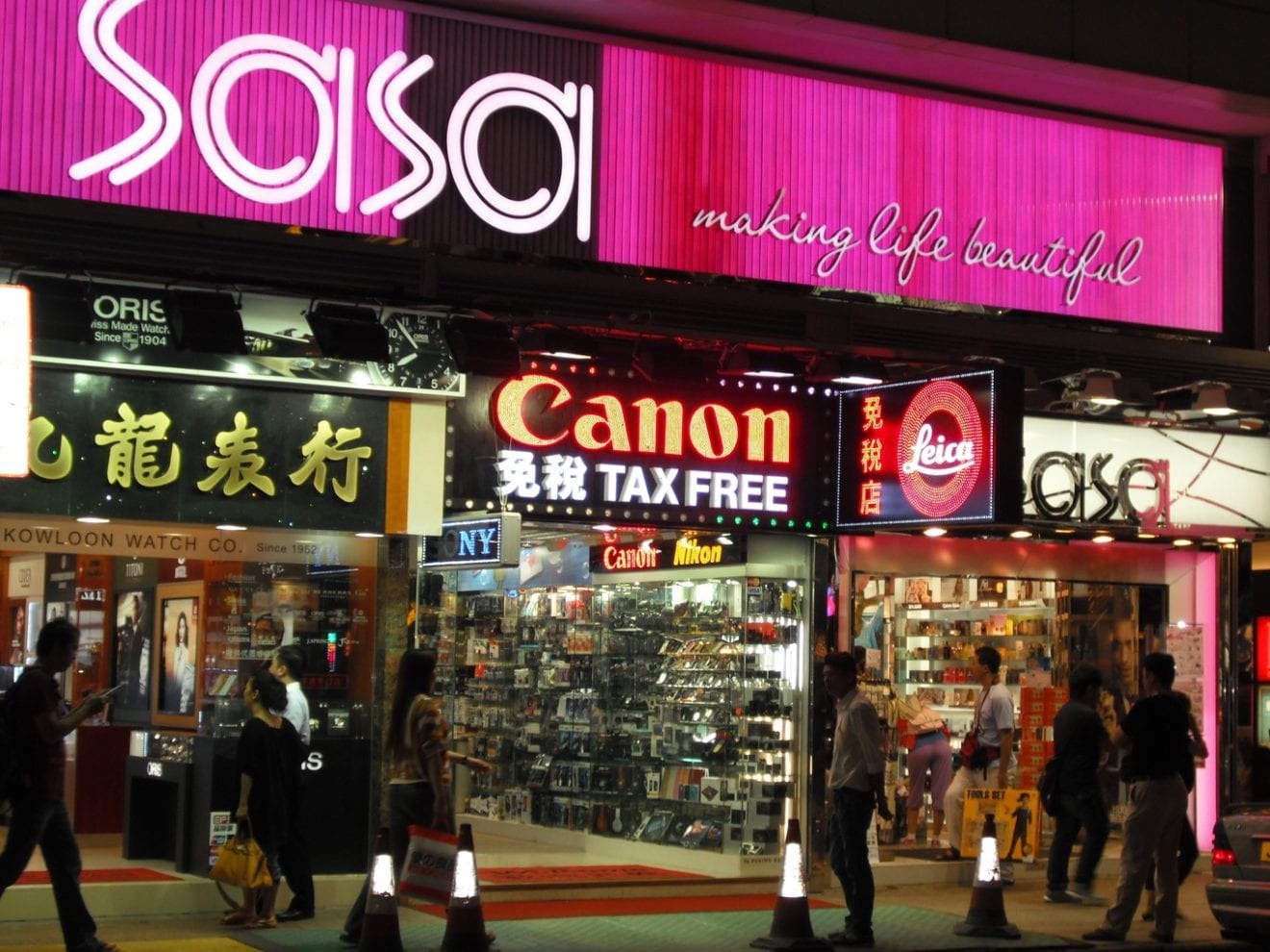
    Twilight has come for the retail industry in Hong Kong, said cosmetic outlet operator Sa Sa International (0178) chairman Simon Kwok Siu-ming, although he remains optimistic of better days ahead.

    The week-long national holiday saw improved sales for the firm, and he hopes the uptrend is sustainable for the rest of the year, especially during Christmas and New Year high season. Regarding the mainland tax reform on luxury cosmetics, with the Chinese government cutting taxes from 30 percent to 15 percent starting this month, Kwok said it came unexpectedly, and it’s too early to determine its impact on Sa Sa.

    But he expressed confidence in Hong Kong products. “I think it is more important to know that authentic and quality goods can be bought here,” he said.

    Kwok noted Sa Sa managed to open several outlets in recent months. But under pressure to reduce operating costs, he hoped shop rents can come down to reasonable levels soon, so that there will be no staff layoffs or pay reductions.

    Sixty percent of Sa Sa sales came from neighborhood areas, and the retailer said earlier it will shift away from the tourist areas if landlords refuse to slash rents.

    But Kwok said the firm was able to find cheaper outlets, as a contract was renewed at a site opposite the Sogo store in Causeway Bay at 60 percent lower monthly rent of HK$800,000.

  • Ben Sherman China new stores in Shanghai

    Ben Sherman China new stores in Shanghai

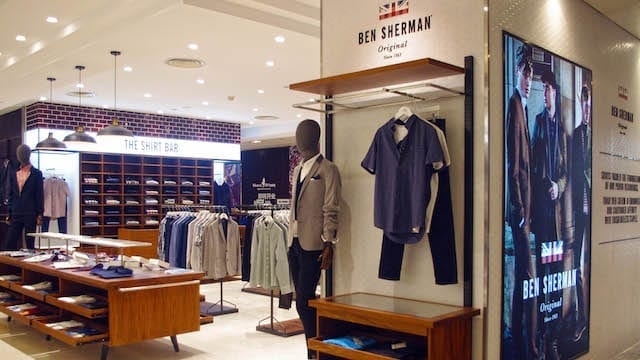
    British menswear brand Ben Sherman has opened for the first time in Shanghai – at two locations.

    The Ben Sherman China stores are in the Hopson Mall and Sogo department store.

    “These distinct retail destinations are prime for Ben Sherman, with an influential core of millennial consumers,” says group GM Stanley Chou of MRH Sparotica Groupe, which oversees Ben Sherman China.

    Billy Du, Stanley Chou (Groupe General Manager MRH Sparotica Groupe), Richard Kisembo (CEO MRH Sparotica Groupe), Allen Hua, at the ribbon cutting ceremony for Ben Sherman’s expansion in Shanghai.

    Billy Du, Stanley Chou (Groupe General Manager MRH Sparotica Groupe), Richard Kisembo (CEO MRH Sparotica Groupe), Allen Hua, at the ribbon cutting ceremony for Ben Sherman’s expansion in Shanghai.

    He says Sogo is among the top five department stores in China. It is in the Jing’An district in central Shanghai, on China’s most influential fashion street, Nanjing Road.

    In the Yang’Pu district in the city’s north, the Ben Sherman Hopson One store is close to the new Apple Hopson One store. The mall is tailored to upper-middle-class residents, drawing on a population of more than 1.3 million residents within a 5km radius.

    ben-sherman-shanghai

    Ben Sherman signed on for its China expansion in June.

  • Bruno Magli Hong Kong makes Asia debut

    Bruno Magli Hong Kong makes Asia debut

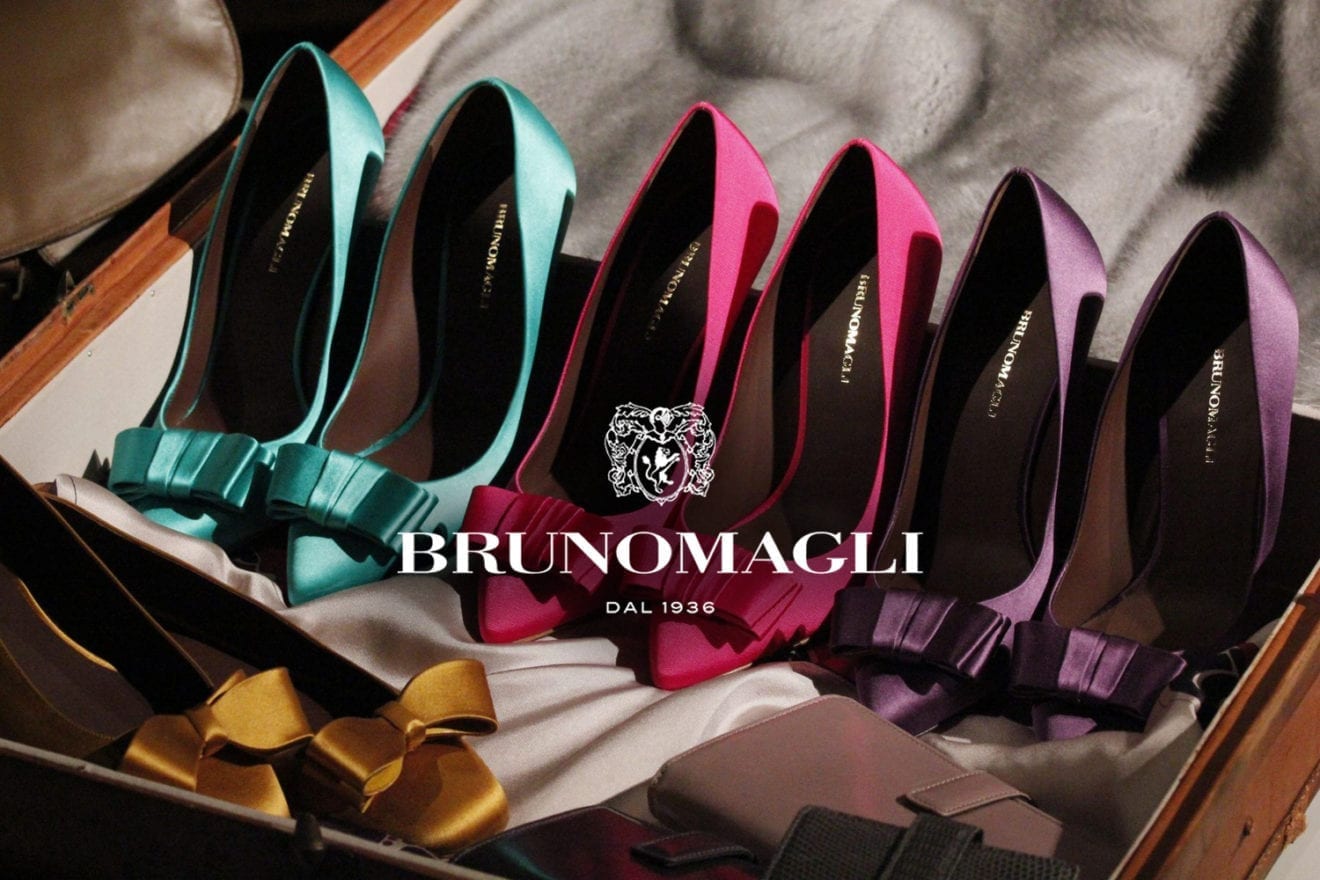
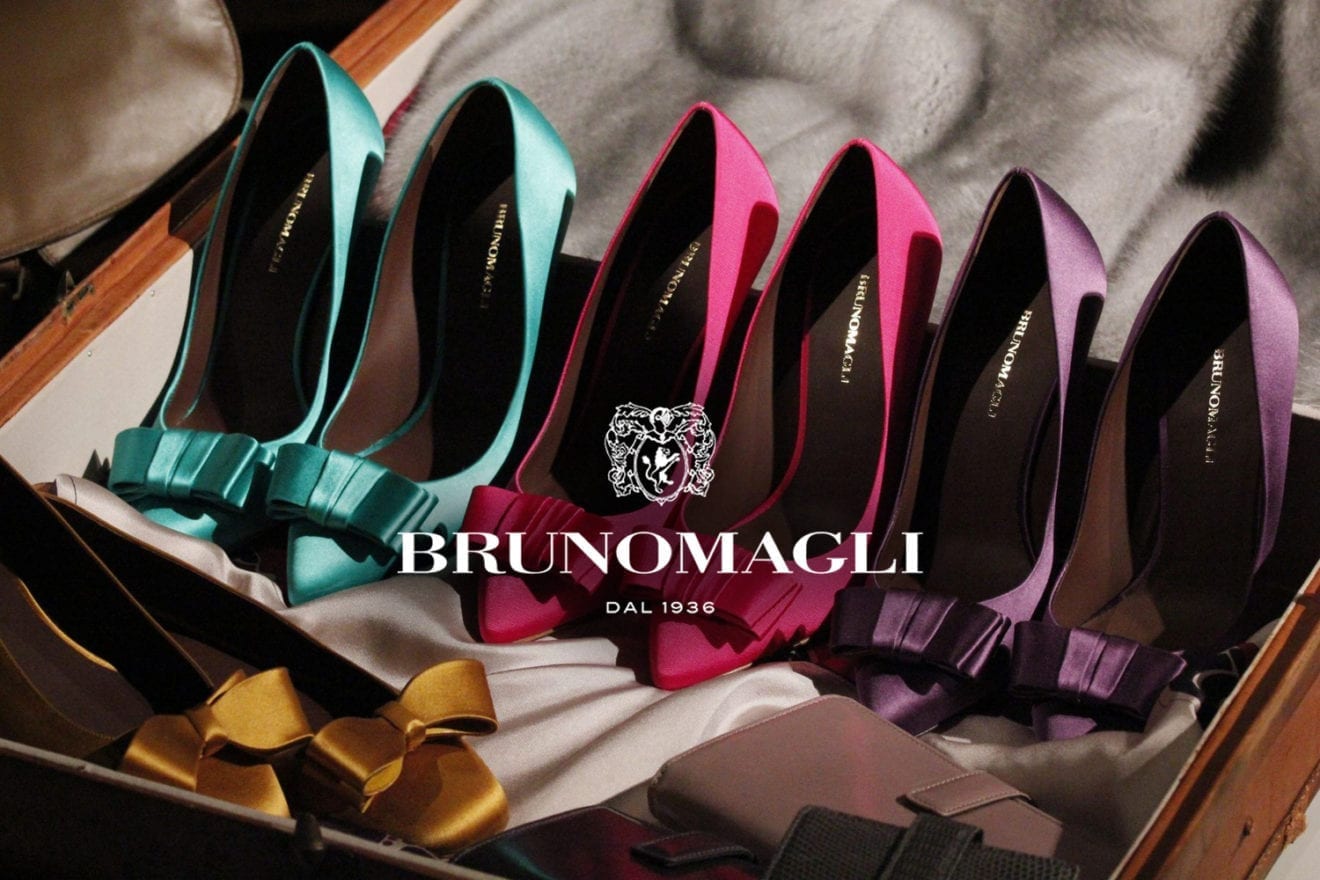
    Luxury Italian fashion house Bruno Magli Hong Kong has established its first foothold in Asia with a shop-in-shop retail boutique.

    Marking its 80th anniversary, the heritage brand earlier announced expansion plans for Asia.

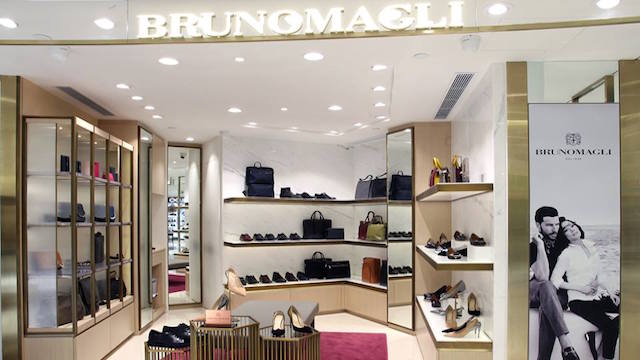
    Its debut outlet is on the new Shoes Town floor at the Sogo department store in Causeway Bay. It is the first of 16 mono-branded stores Bruno Magli plans to roll out in China next year and beyond.

    bruno-magli-hong-kong

    Covering 226 sqft, the boutique showcases men’s and women’s footwear collections, women’s handbags, men’s bags and small leather goods, all crafted in Italy from nappa leather and suede. A new retail concept for the store was created by New York’s Kramer Design Group, featuring Carrara marble punctuated with accents of the brand’s signature colour palette, and highlights of burgundy combined with brass.

  • Lifestyle plans third SOGO store

    Lifestyle plans third SOGO store

    Lifestyle International (1212) non- executive chairman Thomas Lau Luen- hung said the company is looking to open a third SOGO department store in Hong Kong and expects the investment to be no less than HK$5 billion.

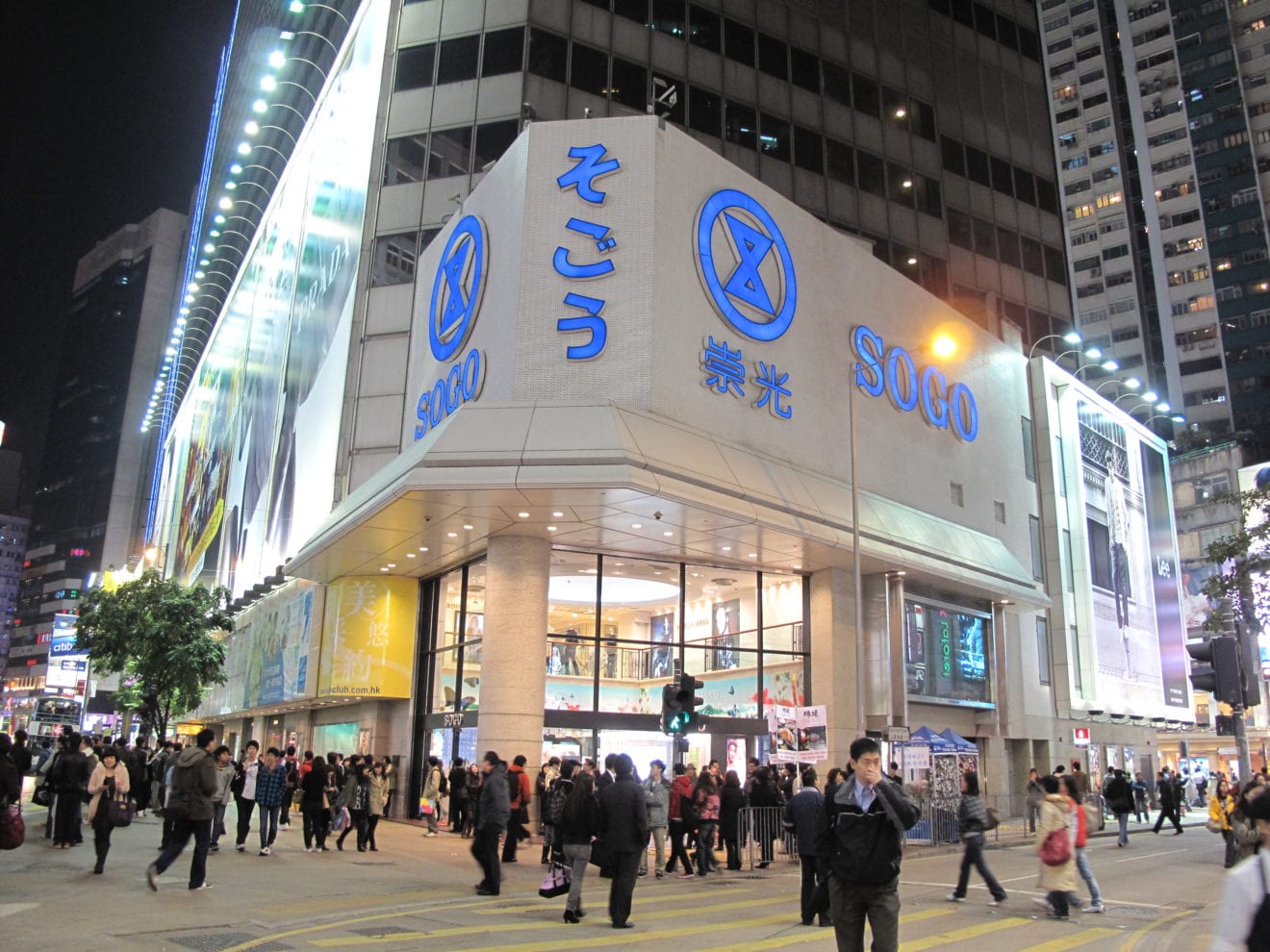
    There are so far two SOGO branches in Hong Kong, one in Causeway Bay and one in Tsim Sha Tsui, Lau said.

    While the Tsim Sha Tsui branch focuses on selling cosmetics, Lau believes there is a market demand in Kowloon for a department store similar to the one in Causeway Bay.

    Lau said the company is still looking for a suitable location for the new store and that they would be more interested in opening and developing it through bidding for commercial sites rather than renting space from other companies.

    Lau said they have bid for commercial sites in the past without success but will continue to be involved as the government launches more commercial sites. He also did not rule out the possibility of partnering with other companies to develop the new store.

    He said the company is holding more than HK$6 billion in cash and has an investment portfolio of more than HK$4 billion which he said can be cashed in within 48 hours as the portfolio is comprised of mostly investments of high liquidity such as blue-chip stocks.

    Lifestyle International recorded a decline in net profit of 49.9 percent for the six months ended June 30 to HK$587 million compared to the same period last year, which the company said was attributable to the significant decline in investment income.

    Taking out the effect of net investment loss, the drop in net profit would be narrowed to 9.1 percent.

    The company proposed an interim dividend of 28.9 HK cents per share.

    Lifestyle’s landmark department store SOGO Causeway Bay’s same- store sales recorded a negative growth of 9.5 percent in the first half of this year compared to the same period last year as a result of weak local consumption, increased outbound travel and lower inbound tourists.

    Meanwhile, its Tsim Sha Tsui store recorded a 11.3 percent growth in same- store sales.

    Lau said the retail market was the worst in January and February and the decline bottomed out and remained flat during May and June.

    He does not expect there will be a rebound in retail market in the short term and retail sales will mostly likely remain flat in July and August.

    Lau said the fourth quarter will be an important indicator of the performance this year.

    Meanwhile, spinoff Lifestyle China (2136) recorded a decline in net profit of 6 percent to HK$157.4 million in the six months ended June 30.

    Lifestyle Properties Development (2183) recorded a drop in net profit of 67.9 percent to HK$148.6 million.

  • Bruno Magli to launch in China and Japan

    Bruno Magli to launch in China and Japan

    Bruno Magli Hong Kong will launch in August as the Italian luxury brand signs partnerships in China and Japan, paving the way for a focussed Asian expansion.

    The luxury Italian fashion brand has signed new partnerships in Asia with Sitoy Retailing in China and Bruno Magli Partners in Japan. With these partnerships, coupled with its existing legacy business in South Korea, Bruno Magli believes is is positioned to become one of the leading luxury lifestyle brands in Asia.

    Sitoy Retailing will open the first Bruno Magli shop-in-shop in the Sogo department store at Causeway Bay in Hong Kong in August, to be followed by at least 15 mono-branded stores throughout China. In September, Bruno Magli Partners will launch an eCommerce business in Japan, a historic market for Bruno Magli loyalists. Physical stores will start to open from 2017.

    “Bruno Magli has a classic Italian heritage with 80 years in luxury and a reputation for unique design and quality craftsmanship” said Andrew Yeung, executive director and head of retailing at Sitoy Group.

    “With 55 years in Japan, Bruno Magli has built a brand synonymous with classic styling, quality craftsmanship, and exceptional comfort,” said Kyle Nakamura, president at Bruno Magli Partners.  “As investors, [we] are confident that Bruno Magli will continue to grow as a leading lifestyle brand in the Japanese market.”

    The Italian brand plans to launch an “extensive” fall/winter 2016 global advertising campaign, coinciding with the re-launch of Bruno Magli women’s footwear, with actress Lucy Liu as the category’s brand ambassador.

    Other new categories set to launch for holiday include men’s tailoring, men’s bags and small leather goods, men’s hosiery, women’s handbags, and men’s and women’s timepieces.

    “This is an incredible time for Bruno Magli,” said Cory M Baker, COO of Marquee Brands, parent of Bruno Magli. “As we celebrate the brand’s 80th anniversary, our expansion into China and Japan with these strategic partners will help solidify our global growth with an already loyal customer base.”

    Sitoy Group was founded by Michael Yeung in the 1970s and was listed on the Stock Exchange of Hong Kong in 2011. It has been actively developing the Greater China retail market since 2011 for Tuscan’s, a leather goods brand from Italy, with retail outlets in major cities including, Shanghai, Guangzhou and Chengdu, while simultaneously expanding a select distribution network into secondary and tertiary cities.

    Marquee Brands is a brand acquisition, licensing and development company, sponsored by Neuberger Berman Private Equity, which targets high quality brands with strong consumer awareness and long-term growth potential.

  • Sour note for Lancome-sponsored concert

    Sour note for Lancome-sponsored concert

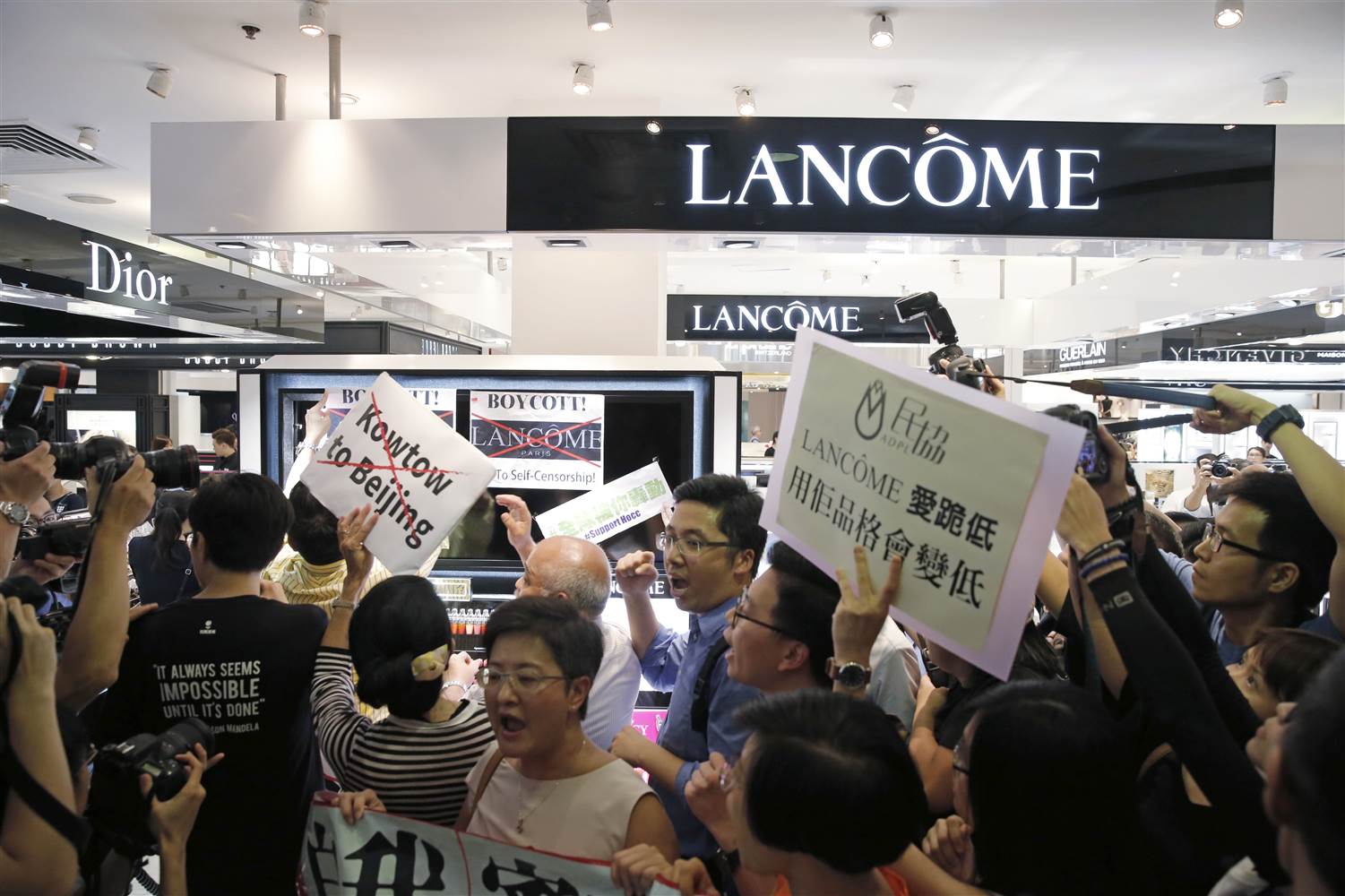
    Make-up brand Lancome, along with other stores owned by French cosmetics giant L’Oreal, closed in Hong Kong yesterday in the face of protests over the cancelling of a Lancome-sponsored concert featuring a pro-democracy singer.

    As well as Lancome’s booth at Lane Crawford, Times Square, Yves Saint Laurent Beaute and Helena Rubinstein’s booths, as well as Shu Uemura’s store, were all closed. Lancome’s office at Times Square was also shuttered. In Causeway Bay, Lancome counters in Sogo and Hysan Place were both closed, while those for other brands under L’Oreal, such as Shu Uemura, were open.

    Dozens of protesters earlier crowded the Lane Crawford store in Times Square accusing Lancome of bowing to China by cancelling the concert, starring cantopop singer Denise Ho Wan-sze.

    Carrying yellow umbrellas – a symbol of Hong Kong’s democracy movement, which is supported by Ho – and banners in Chinese, English and French, the protesters were shouting: “L’Oreal! No self-censorship.”

    Hong Kong internet users and political activists have also vowed to boycott all brands under the L’Oreal banner, including Lancome, Kiehl’s, Shu Uemura and The Body Shopimes, a tabloid published by the Chinese Communist Party’s People’s Daily newspaper, criticised Lancome for working with Ho. This sparked calls online in China to shun Lancome’s business on the mainland.

    “Tough times”

    Ho says she was saddened by the cancellation of her concert.

    “I am quite shocked that a global brand such as Lancome … would succumb to the pressure from Chinese tabloid news or the Chinese market,” says the 39-year-old singer.

    “In Hong Kong we have been going through really rough times,” she says. “Most of we celebrities wouldn’t dare to speak out for ourselves because we know that self-censorship is really serious right now in Hong Kong. But I wouldn’t think that worldwide brands such as Lancome or L’Oreal would succumb to this kind of pressure.”

    L’Oreal, which counts China as its second strongest market for sales behind the US, says it cancelled the concert because of safety concerns.

    Booked to perform on June 19, Ho wrote on her Facebook page that Lancome’s decision was self-censorship. “When a brand like Lancome has to kneel down to a bullying hegemony… the world’s values have been seriously twisted.”

    Meanwhile, the controversy has escalated on the mainland, with internet users threatening to boycott a host of Hong Kong companies tied to billionaire Richard Li Tzar-kai, whose company PCCW owns the Moov fitness app, which suggested on Monday that it would “employ Denise Ho permanently”.

    Li’s family is also involved with such companies as Johnson and Johnson, Listerine and Watsons. Ho is a spokesperson for Listerine.

    PCCW says that while Richard Li and Moov respect freedom of expression and staunchly oppose Hong Kong independence, Moov has no intention to engage in political matters, and the expression “permanent employment” was used before online comments linked the message to political discussions.

    Meanwhile, Ho says Lancome should stand firm on its core values and moral standards. The singer was  among more than 200 people arrested as the pro-democracy protests ended in December 2014. She was blacklisted by mainland media along with singer Anthony Wong Yiu-ming.

  • Seven & I store closures hit regions

    Seven & I store closures hit regions

    Losses have forced two Seven & I store closures in regional Japan, both outlets after 40 years of trading.

    Seven & I Holdings, which owns the Sogo and Seibu department store chains, is closing a Sogo store in Kashiwa, Chiba Prefecture, and a Seibu store in Asahikawa, Hokkaido. Both are scheduled to shut their doors on September 30, and the company has not revealed any plans for either site.

    Japan’s regional department stores have been hit hard by competition from major shopping developments and other factors. Also, they are not easily accessible for foreign tourists, so have not benefited from the tourism boom.

    “It has been difficult to attract customers and we cannot continue to run deficits,” says Seven & I Holdings president Noritoshi Murata.

    Sogo and Seibu are known for having a higher ratio of regional outlets than other major department store chains, says The Japan News. Since their sales peaked in the 1990s, both Sogo Kashiwa and Seibu Asahikawa have been on a downward trend.

    Many other regional department stores have already closed. The Kenmin Department Store in Kumamoto, in business for more than 40 years under different names, shuttered in February last year. The Imari Tamaya store in Imari, Saga Prefecture, closed in January, citing a shrinking population, poor sales and other factors.

    Run by Isetan Mitsukoshi Holdings, the Marui Imai department store in Hakodate, Hokkaido, has reported a 4.8 per cent drop in sales to ¥6.3 billion (US$55.46 million) for the nine months ending December compared to the same period the previous year. In contrast, the Mitsukoshi Ginza store in Tokyo logged ¥64.3 billion in sales during the same period, up 19.6 per cent from the previous year. The Ginza outlet has been helped by increased foreign tourism.

    Department stores in 10 major cities sold about ¥12.1 million per 100 sqm in January, compared to about ¥5.68 million in regional stores, according to the Japan Department Stores Association.

    “It will be difficult to close the gap,” says an association official.

    Meanwhile, Isetan Mitsukoshi Holdings plans to increase small and midsize stores nationwide from 102 to 180 by the end of the 2018 fiscal year.

    Takashimaya last year created in-store displays of cosmetics and other products available online instead of at the regional outlets themselves.