Tag: solar

  • Green Milestone: FedEx Pioneers Solar Energy at Shanghai Hub, Amplifying Renewable Commitment in Asia Pacific

    Green Milestone: FedEx Pioneers Solar Energy at Shanghai Hub, Amplifying Renewable Commitment in Asia Pacific

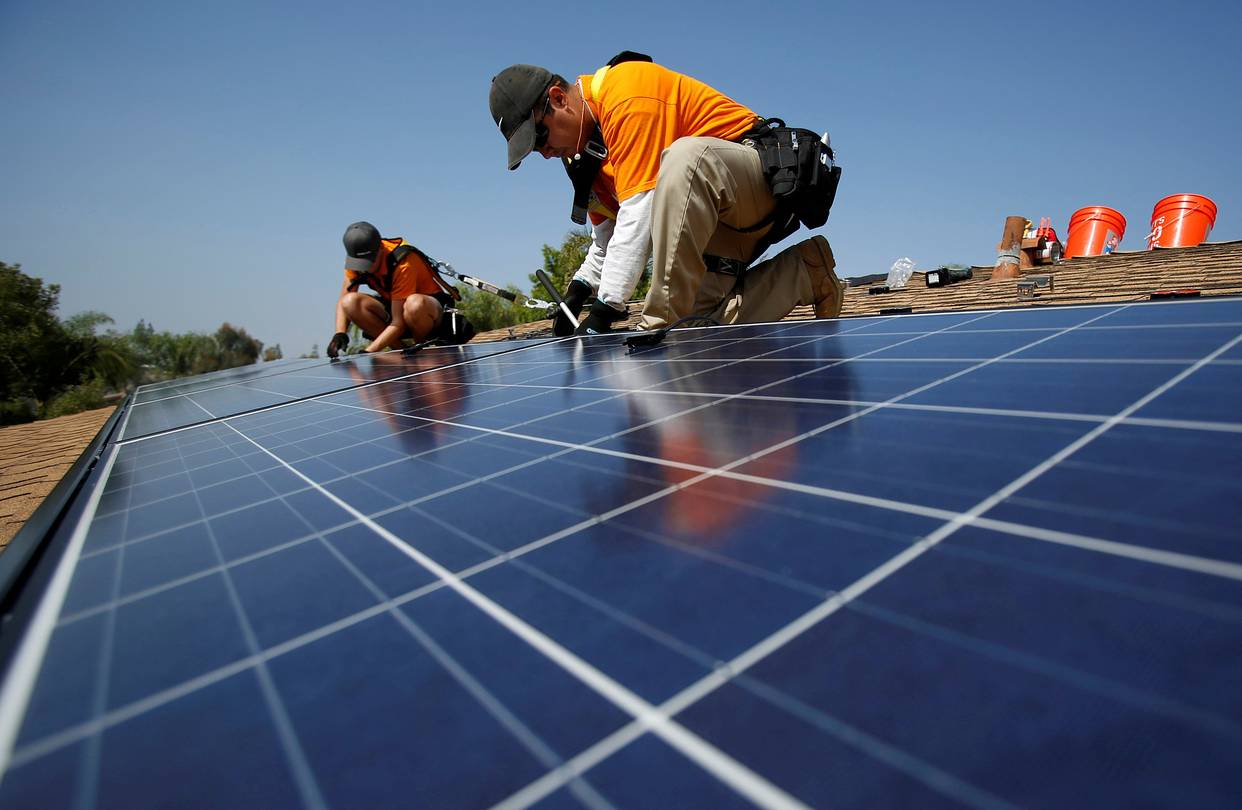
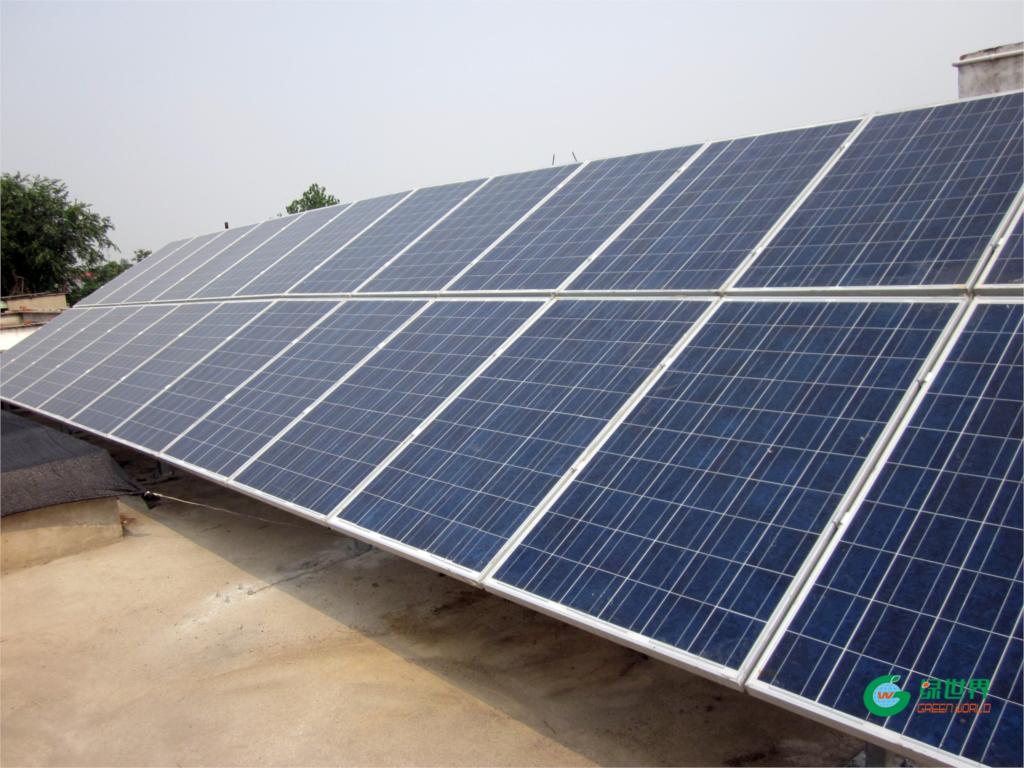
    FedEx, a global leader in express transportation, is bolstering its commitment to sustainability across the Asia Pacific through the inauguration of a new solar installation at the FedEx Shanghai International Express and Cargo Hub. This marks a significant landmark in the company’s drive towards sustainable logistics infrastructure, cementing FedEx’s position as the first and, currently, the only logistics and freight company at the Shanghai Pudong International Airport cargo area to generate on-site solar energy.

    Harnessing Solar Power in Shanghai

    The new solar installation at the Shanghai Hub takes advantage of existing parking facilities, with over 4,000 square meters of solar panels installed. This system is anticipated to produce around 743,000 kilowatt-hours of electricity each year. When compared to coal-fired power generation of the same capacity, this renewable energy source is expected to prevent roughly 417 metric tons of carbon dioxide emissions annually. The system will also reduce about 2.1 tons of particulate matter and 4.21 tons of sulfur dioxide. The electricity generated will primarily support office operations at the hub, substantially increasing the proportion of clean energy used in the company’s day-to-day activities.

    Fostering Renewable Energy in the Asia Pacific

    The newly installed solar panels in Shanghai represent the latest addition to a growing catalogue of renewable energy initiatives supporting FedEx facilities across Asia Pacific. Since November 2022, the FedEx Incheon Gateway in South Korea has been harnessing power from 2,400 rooftop solar panels, supplying about 19% of the facility’s monthly energy requirements. The building also exclusively uses LED lighting, resulting in annual energy savings of more than 22,000 kW hours.

    Moreover, since January 2025, over 50 percent of the electricity consumed at the FedEx South Pacific Regional Hub in Singapore has been generated by on-site solar energy, which also powers the company’s local electric vehicle fleet.

    Advancing towards Low-Carbon Operations

    FedEx has produced over 31 GWh of solar energy at more than 30 locations worldwide to date. The company continues to promote energy conservation, emissions reduction, and low-carbon operations via a mix of emerging technologies, digital innovation, and community sustainability initiatives, including an expanded global electric vehicle fleet, innovative digital tools and the use of emerging technologies such as AI and IoT.

    FedEx also prioritizes sustainability-focused community programs through FedEx Cares, the company’s global community engagement program. Through collaborations with NGOs and local organizations across Asia Pacific, FedEx supports environmental restoration initiatives.

    Questions & Answers

    What is the estimated annual energy production of the new solar installation at the FedEx Shanghai Hub?
    The solar installation at the FedEx Shanghai Hub is projected to generate around 743,000 kilowatt-hours of electricity annually.

    What are some of the renewable energy initiatives across FedEx’s Asia Pacific facilities?
    Some initiatives include using electricity from 2,400 rooftop solar panels at the FedEx Incheon Gateway in South Korea, and supplying over 50% of the electricity at the FedEx South Pacific Regional Hub in Singapore via on-site solar energy.

    What are some of the sustainable initiatives that FedEx has implemented?
    FedEx has implemented a range of sustainable initiatives, including vehicle electrification, innovative digital tools for efficient shipping, deployment of emerging technologies like AI and IoT for operational efficiency, and engaging in sustainability-focused community programs.
  • Cambodia Slashes Import Duties on EV’s, Solar Devices, and Electric Stoves to Counter Rising Fuel Prices

    Cambodia Slashes Import Duties on EV’s, Solar Devices, and Electric Stoves to Counter Rising Fuel Prices

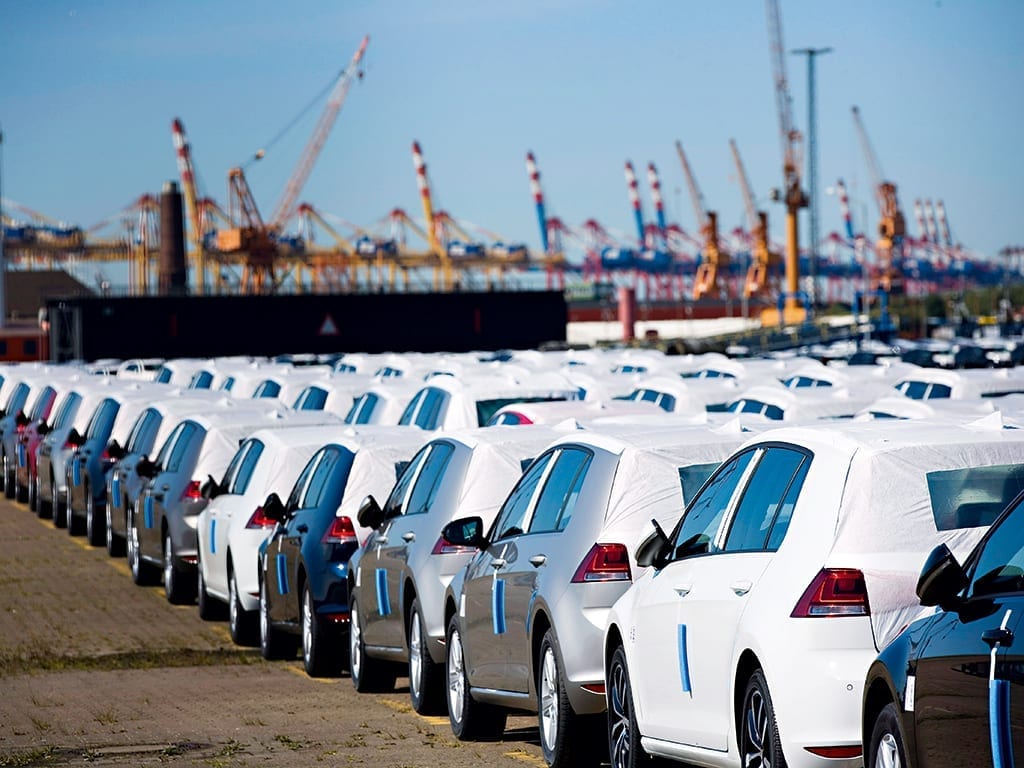
    In a bid to alleviate the repercussions of escalating global fuel costs resulting from the Middle East conflict, Cambodia has chosen to diminish import duties on electric vehicles (EVs), electric stoves, and solar-powered appliances.

    Curtailing Import Duties

    On March 29, the General Department of Customs and Excise disclosed that the government has resolved to slash import duties from an initial 35% to zero on passenger EVs, electric stoves, and toasters.

    The government further resolved to decrease import duties from 35% to a mere 7% on passenger plug-in hybrid electric vehicles (PHEVs).

    In addition, import duties on chargers for EV batteries, electric rice cookers, and solar lamps have been reduced from 7% to zero.

    New Tariffs from April

    The fresh tariff rates are set to commence on April 1.

    These measures are a response to the dramatic acceleration of fuel prices since the beginning of the Middle East conflict. The government hopes that by reducing import duties on these items, it will encourage more people to switch to using energy-efficient and eco-friendly products, therefore, decreasing the country’s reliance on imported fuels.

    Questions & Answers

    Why is Cambodia reducing import duties on these specific items?
    The government is encouraging the use of energy-efficient and eco-friendly products to lessen the country’s reliance on imported fuels, whose prices have soared due to the Middle East conflict.

    What are the new import duty rates for these items?
    Import duties have been reduced from 35% to zero for passenger EVs, electric stoves, and toasters. For passenger PHEVs, the rate has been reduced to 7% from 35%. Meanwhile, import duties for EV battery chargers, electric rice cookers, and solar lamps have been reduced to zero from a previous rate of 7%.

    When will these new tariff rates take effect?
    The new tariff rates are set to go into effect from April 1.

  • China’s Power Revolution: Solar Energy Sparks Remarkable Growth in the Retail Sector

    China’s Power Revolution: Solar Energy Sparks Remarkable Growth in the Retail Sector

    As the world of retail continues to evolve, Asia stands at the forefront of innovation, particularly in the realm of fashion. A recent report underscores this rapid transformation, revealing that the region’s online fashion market is projected to reach a staggering $45.8 billion by 2025. This explosive growth highlights not just a change in consumer behavior but the critical role of technology in shaping the shopping experience.

    The Digital Shift: A New Era for Retail

    Across Asia, digital commerce is no longer a novelty; it has become a necessity. In markets like China and India, the penetration of e-commerce has fundamentally altered the landscape, with mobile shopping emerging as a dominant trend. Recent figures show that mobile transactions in these countries are expected to account for nearly 70% of all online retail sales. If you’ve ever tried to decide between shopping in pajamas or squeezing into your best jeans, the choice is clear—comfort reigns supreme.

    Consumer Trends on the Rise

    The report highlights a fascinating shift in consumer preferences. Today’s shoppers are not just searching for the latest styles; they crave authenticity and sustainability. Brands that can effectively convey their commitment to ethical practices are winning consumer loyalty. Moreover, social media is increasingly serving as a critical touchpoint—platforms like Instagram and TikTok are not just influencing purchases but are also becoming essential venues for brands to engage with their audience.

    Challenges Amid Growth

    Despite its promising future, the retail sector in Asia faces significant challenges. Supply chain disruptions and rising operational costs are keeping many executives on their toes. Yet, this environment is also ripe for innovation, with companies investing in technology and logistics to streamline operations. As retailers rethink their strategies, agility and adaptability will likely become the cornerstones of success.

    Looking Ahead: What’s Next for Asia’s Retail Scene?

    As we peer into the future, there’s no doubt that Asia will continue to lead in retail innovation. With a younger, tech-savvy demographic and an ever-growing appetite for online shopping, opportunities are plentiful. Retailers are likely to explore collaborations, enhance their digital platforms, and potentially venture into the metaverse, blurring the lines between virtual and physical shopping experiences, and who knows, maybe even launching a fashion line you can only wear in a digital world.

    Questions & Answers

    What is the expected value of Asia’s online fashion market by 2025?
    The online fashion market in Asia is projected to reach $45.8 billion by 2025.

    How significant are mobile transactions in Asia’s online retail sales?
    Mobile transactions are expected to account for nearly 70% of all online retail sales in major markets like China and India.

    What trends are shaping consumer behavior in the Asian retail market?
    Consumers are increasingly valuing authenticity and sustainability, with social media playing a vital role in influencing their purchasing decisions.

  • Aldi Australia Expands Affordable Solar Energy Program To East Coast Cities

    Aldi Australia Expands Affordable Solar Energy Program To East Coast Cities

    Aldi Australia has revealed plans to expand its residential solar energy program to key urban areas along the East Coast, offering residents an affordable and uncomplicated route to renewable energy.

    Program Expansion

    The initiative, which had its pilot run in Victoria, is now accepting pre-orders in New South Wales, Queensland, Victoria, and the Australian Capital Territory. The company plans to start installations in early November.

    The basic package, which starts at $6999, includes a 6.6kW solar system coupled with a 5.5kW inverter, and an option for battery storage. Each system comes with a 10-year product warranty and a 25-year performance assurance for the solar panels.

    Simon Padovani-Ginies, group director at Aldi Australia, spoke about the expansion. “Making Aldi Solar available to more Australians along the Eastern Seaboard is an exciting advancement for us, as we extend our commitment to delivering exceptional quality and affordability beyond our grocery offerings,” he said.

    He added that with transparent pricing, flexible battery storage options, installations by licensed professionals, and an impressive return on investment period, Aldi Solar is empowering households ready to take charge of their energy expenses.

    Digital Management

    Aldi has stated that the program is completely managed through the Aldi Solar online portal. Here, customers can schedule assessments, receive cost estimates, and stay updated on their installation timeline. All systems will be installed by SAA-accredited professionals, with the majority of installations expected to be completed within a day.

    The service is now accessible to residents in various Australian cities, including Sydney, Newcastle, Wollongong, Melbourne, Canberra, Brisbane, Gold Coast, and Sunshine Coast.

    Questions & Answers

    What does Aldi’s basic solar package include?
    The basic package includes a 6.6kW solar system coupled with a 5.5kW inverter and an optional battery storage.

    How is the Aldi Solar program managed?
    The program is entirely managed through the Aldi Solar online portal, where customers can schedule assessments, receive cost estimates, and monitor their installation timeline.

    Where is the service available?
    The service is now available to residents in Sydney, Newcastle, Wollongong, Melbourne, Canberra, Brisbane, the Gold Coast, and the Sunshine Coast.

  • Vietnam Set to Soar: Renewable Energy Capacity Targeted at 112 GW by 2035

    Vietnam Set to Soar: Renewable Energy Capacity Targeted at 112 GW by 2035

    Vietnam’s renewable energy landscape is set to bloom, with projections indicating that the country’s total renewable power capacity will soar to 112.1 gigawatts by 2035. This impressive growth reflects a compound annual growth rate (CAGR) of 14.3% from 2024 to 2035, signaling a robust commitment to greener energy solutions.

    According to GlobalData’s latest report, “Vietnam Power Market Outlook to 2035, Update 2025 – Market Trends, Regulations, and Competitive Landscape,” the Vietnamese power sector is ripe with opportunities. The report highlights how wind, solar, and biomass energy remain largely untapped resources with vast potential for expansion.

    Between 2020 and 2024, Vietnam’s renewable power generation is expected to leap from 21.1 terawatt-hours (TWh) to 38.5 TWh, marking an impressive CAGR of 16%. This upward trajectory is anticipated to continue, with expectations of generating 179.6 TWh by 2035, reflecting a healthy CAGR of 15%.

    The Vietnamese government has enacted a series of policies designed to foster this green energy revolution, including feed-in tariffs (FiTs) and the revised Power Development Plan 8 (PDP 8). This strategic plan aims for a diverse energy portfolio that encompasses natural gas, coal, hydroelectric, solar, and wind power, all while pursuing the ambitious target of achieving net-zero emissions by 2050.

    “These initiatives are crafted to triple the installed power capacity by 2030, boost renewable energy growth, and enhance national energy security,” says Attaurrahman Ojindaram Saibasan, senior power analyst at GlobalData. While hydropower resources are nearing full capacity, the true potential for wind, solar, and biomass energy remains largely uncharted.

    However, the journey towards a greener Vietnam isn’t without its challenges. “Large-scale renewable projects and liquefied natural gas (LNG) terminals demand significant capital investment,” Saibasan notes. He points out that financing hurdles continue to persist due to regulatory ambiguities, a lack of bankable power purchase agreements (PPAs), and limited access to favorable long-term financing. Fortunately, the government is actively seeking to alleviate these concerns through more investor-friendly policies.

    Questions & Answers

    What is Vietnam’s projected renewable power capacity by 2035?
    Vietnam’s renewable power capacity is expected to reach 112.1 gigawatts by 2035, reflecting a compound annual growth rate of 14.3% from 2024 to 2035.

    What are the key elements of Vietnam’s Power Development Plan 8?
    PDP 8 aims to create a diversified energy portfolio that includes natural gas, coal, hydroelectric, solar, and wind power, with a long-term goal of achieving net-zero emissions by 2050.

    What challenges does Vietnam face in developing its renewable energy sector?
    Key challenges include regulatory uncertainty, the absence of bankable power purchase agreements, and limited access to favorable long-term financing, which the government is seeking to address with new investor-friendly policies.

  • India Boosts Renewable Energy with 22 GW Capacity Surge in First Half of 2023

    India Boosts Renewable Energy with 22 GW Capacity Surge in First Half of 2023

    India has achieved a remarkable milestone, adding 22 gigawatts (GW) to its renewable energy capacity in the first half of 2025—its highest six-month boost to date. According to an analysis by Rystad Energy, this represents a staggering 57% increase from the 14.2 GW installed during the same period last year. The latest expansion includes 18.4 GW of solar energy, 3.5 GW from wind, and 250 megawatts (MW) of bioenergy.

    Government Policies Drive Renewable Momentum

    The surge in renewable capacity is largely attributed to developers racing to capitalize on the government’s Interstate Transmission System (ISTS) charge waiver. This incentive starts with a 25% discount that will increase annually, fully implemented by June 2028, effectively slashing project costs and spurring immediate action among developers, according to Rystad.

    A Step Closer to Clean Energy Goals

    This rapid expansion brings India closer to its ambitious target of sourcing 50% of its installed power capacity from clean energy sources, now reaching a total of 234 GW. Nuclear power is also gaining traction, highlighted by the commissioning of Unit 7 at the Rajasthan Atomic Power Project and the recent approval for the country’s first small modular reactor, set to rise in Bihar. However, the journey forward isn’t all smooth sailing; reliance on coal remains a significant hurdle, and the safety, cost, and waste management debates surrounding nuclear energy persist.

    Battery Energy Storage: An Integral Component

    In another notable advance, India has allocated 5.4 GW of collocated solar-battery energy storage systems (BESS) and 2.2 GW of standalone BESS to developers, marking its highest capacity allocation to date. Major players like Jindal Group secured 990 MW of collocated solar and BESS capacity, while NTPC and ReNew both captured 900 MW in the same area. In the standalone BESS sector, JSW Energy was granted 625 MW, and Reliance Power achieved 525 MW of collocated capacity.

    The Leaders of Renewable Capacity in India

    Geographically, India’s western states are leading the renewable energy charge, with Rajasthan topping the list at 37.4 GW of installed capacity, closely followed by Gujarat at 35.5 GW, and Tamil Nadu with over 20 GW. As India gears up to transform its energy landscape, it appears that the sun is shining ever brighter on its renewable aspirations.

    Questions & Answers

    What has driven India’s recent surge in renewable energy capacity?
    The surge is primarily due to developers moving quickly to take advantage of the government’s Interstate Transmission System (ISTS) charge waiver, which significantly reduces project costs and incentivizes timely action.

    How much renewable energy capacity has India installed recently?
    In the first half of 2025, India added 22 GW of renewable energy, marking a 57% increase from the previous year, with a strong emphasis on solar energy.

    What role does nuclear power play in India’s energy strategy?
    Nuclear power is increasingly being integrated into India’s energy mix, highlighted by the commissioning of new facilities; however, it faces ongoing debates about cost, safety, and waste management.

  • Vietnam cannot bank solely on renewable energy for net-zero emissions

    Vietnam cannot bank solely on renewable energy for net-zero emissions

    Experts say an exclusive focus on renewable energy, accounting for 27 percent of total power supply, will not be enough to help Vietnam reach its “net-zero” emissions target by 2050.

    Wind and solar power are not the sources of energy that will help Vietnam ensure national security, says Sean Lawlor, an energy expert at the U.S. Embassy in Vietnam.

    To achieve the net-zero target, which means to have the amount of carbon added to the atmosphere not exceed the amount removed, Vietnam needs to speed up its energy transition process, which began in 2019, he said.

    This means the country needs to transition from coal-fired power sources to liquefied natural gas, biomass, ammoniac or hydrogen power sources, he added.

    As of last year, wind and solar power accounted for nearly 27 percent of Vietnam’s total energy supply, and their production was nearly 12.3 percent of the total, according to the Ministry of Industry and Trade.

    In the first six months of this year, the production ratio increased to 14.8 percent.

    While there is agreement that transitioning to cleaner energy is needed, there are hurdles in this path, officials say.

    Nguyen Ngoc Hung, head of the energy economics department under the industry ministry’s Institute of Energy, said Vietnam has great potential for transitioning from traditional energy sources because there is a variety of renewable energy sources on hand.

    However, the country lacks an efficient legal framework to boost the transitioning process and localization of energy technology is low, he said, adding that competition in the market was still at an early stage and lacked synchronization.

    Hung said Vietnam badly needs the energy transition as the country faces the major challenges of declining traditional sources like coal and hydropower, but it was not easy to raise the funds needed.

    Nguyen Tai Anh, deputy director of Vietnam Electricity (EVN) said he was concerned about the very high costs of transitioning to newer technologies like biomass, ammoniac or hydrogen power.

    “There are also many policy challenges for a successful energy transitioning, but cost remains the most important factor.”

    Deepak Maloo, Asia Pacific regional head with GE Renewable Energy, said every country struggles with the cost of transitioning to cleaner energy.

    But technology can help solve the problem, he added.

    For instance, Vietnam can partner with companies that have hundreds of years of experience in transitioning from coal-fired power plants to gas-fired ones, he said.

  • TWE plans Australia’s largest winery solar installation

    TWE plans Australia’s largest winery solar installation

    Iconic Australian wines including Penfolds, Wolf Blass, Wynns, Squealing Pig and Pepperjack will be produced using 100% renewable electricity by 2024, with Treasury Wine Estates (TWE) announcing Australia’s largest winery solar installation across its Barossa and Karadoc wineries.

    Around 9,500 solar panels will be installed by the end of 2022 at Barossa Winery and Production Centre in South Australia, and Karadoc Winery in Victoria. The installations, which include solar powered employee carparks, are expected to generate more than 5,500 megawatt-hours of electricity per year, the equivalent of powering 900 homes.

    TWE Chief Sustainability and External Affairs Officer Kirsten Gray said moving to 100% renewable electricity was the most significant contribution the company could make on its journey to net zero direct emissions. The initiative was developed in partnership with Shell Energy and is part of TWE’s broader plan to make wine sustainably.

    “Electricity makes up about 70% of our Scope 1 and 2 emissions, so switching to renewables is the single biggest and quickest action we can take to reduce emissions. It paves the way to meet our target of net zero direct emissions by 2030 and forms the foundation for future innovation and resilience,” Ms. Gray said.

    “Sustainability is front of mind for our consumers, customers, and our employees globally, and we’re proud to be making progress towards our bold targets. Cultivating a brighter future for everyone means taking action and leading the industry to produce cleaner, greener wine that’s enjoyed by consumers all over the world.”

    Shell Energy Australia CEO Greg Joiner said TWE’s commitments in renewable electricity were an important step in becoming a sustainability leader in the global wine and beverages sector.

    “With nearly 13,000 hectares of vineyards all over the world, TWE has an opportunity to shape how the wine industry navigates the energy transition,” Mr. Joiner said.

    “TWE’s investment in renewable energy and emissions reduction roadmap ensures it has a clear and considered pathway to achieving its global sustainability goals. Shell Energy’s expertise in end-to-end low carbon solutions means the plan incorporates emissions reduction across the wine company’s operations: from the cellar door to offices, packaging centres and vineyards.”

    The Barossa and Karadoc installations are part of TWE’s wider plans to install more than 29,000 solar panels at its wineries and vineyards across the globe and purchase offsite renewable electricity. At the start of 2022, the company’s Melbourne, Victoria and Napa Valley, California headquarters became the latest of its corporate head office sites to become powered by 100% renewable electricity. Last year, the company also joined RE100 – a global renewable power initiative that aims to accelerate the transition to a clean economy.

  • US waives tariffs on Vietnam solar panels

    US waives tariffs on Vietnam solar panels

    Joe Biden has waived tariffs on solar panels exported from Vietnam and three other Southeast Asian countries for two years amid rising demand for renewable energy in the U.S.

    The tariff exemption will also apply to panels from Cambodia, Malaysia and Thailand and serve as a “bridge” while U.S. manufacturing ramps up, the White House stated Monday.

    Solar energy is among the fastest growing sources of new electric generation in the United States, and Southeast Asia made up around three-quarters of solar modules imported to the U.S. in 2020, the White House said.

    Vietnam has risen as a solar power hotspot in recent years thanks to the government’s incentive feed-in tariffs to attract investors.

    In the first four months this year, solar plants accounted for 10.9 percent of total power production, according to state-owned utility Vietnam Electricity.

    Hong Kong-based Jinko Solar, one of the largest solar panel manufacturers in the world, received an investment license for its $498 million project in northern Vietnam last year and launched its plant in January.

  • Vietnam continues to cut down on solar power

    The solar power capacity planned by Vietnam for 2031-2045 is “too high” should be reduced to give space for wind power, the government says.

    In a communiqué issued by the Government Office Saturday, Deputy Prime Minister Le Van Thanh said the capacity for solar power set in the Power Development Master Plan VIII for the 2021-2030 period with vision until 2045 was “too high.”

    As proposed by the Ministry of Industry and Trade on Feb. 21, the national power capacity from now until 2030 would be 146,000 megawatts (MW), 9,000 MW less than the plan announced last November. By 2045, the planned capacity would be 352,000 MW.

    In the 2031-2045 period, solar power will make up 25 percent of the total power capacity, the ministry said.

    Deputy PM Thanh has commented that the proportion of solar power capacity should be lowered while that of offshore wind power should be increased.

    According to state-owned Vietnam Electricity (EVN), as of 2021, Vietnam was among the top 10 countries with the highest solar power capacity at 16,504 MW, accounting for 2.3 percent worldwide.

    The Ministry of Industry and Trade submitted the first draft of the Power Development Master Plan VIII to the government last March. Since then the plan has been revised four times.

    The ministry has asked that the plan’s implementation be deferred to the second quarter this year.

  • Two new solar power plants built in southern province

    Two new solar power plants built in southern province

    Dau Tieng 5.1 and Dau Tieng 5.2 solar power plants are expected to start construction in Q2, with an investment of VND3.56 trillion ($157 million).

    With a capacity of 225 MW each, the two power plants will cover 332.5 hectares at Dau Tieng Lake in the southern province of Tay Ninh. Construction is expected to complete in April, 2023.

    The operational time of both projects is 50 years.

    Their investor, Xuan Cau Holdings, had constructed three other solar power plants around Dau Tieng Lake with a total operating capacity of 500 MW.

    Tay Ninh now has about 10 operational solar power projects with a total design capacity of 808 MW.

    According to state-owned Vietnam Electricity (EVN), as of 2021, Vietnam was among the top 10 countries with the highest solar power capacity at 16,504 MW, accounting for 2.3 percent worldwide.

  • Lightyear Raises $110 Million To Bring Its Solar Electric Car To Market

    Lightyear Raises $110 Million To Bring Its Solar Electric Car To Market

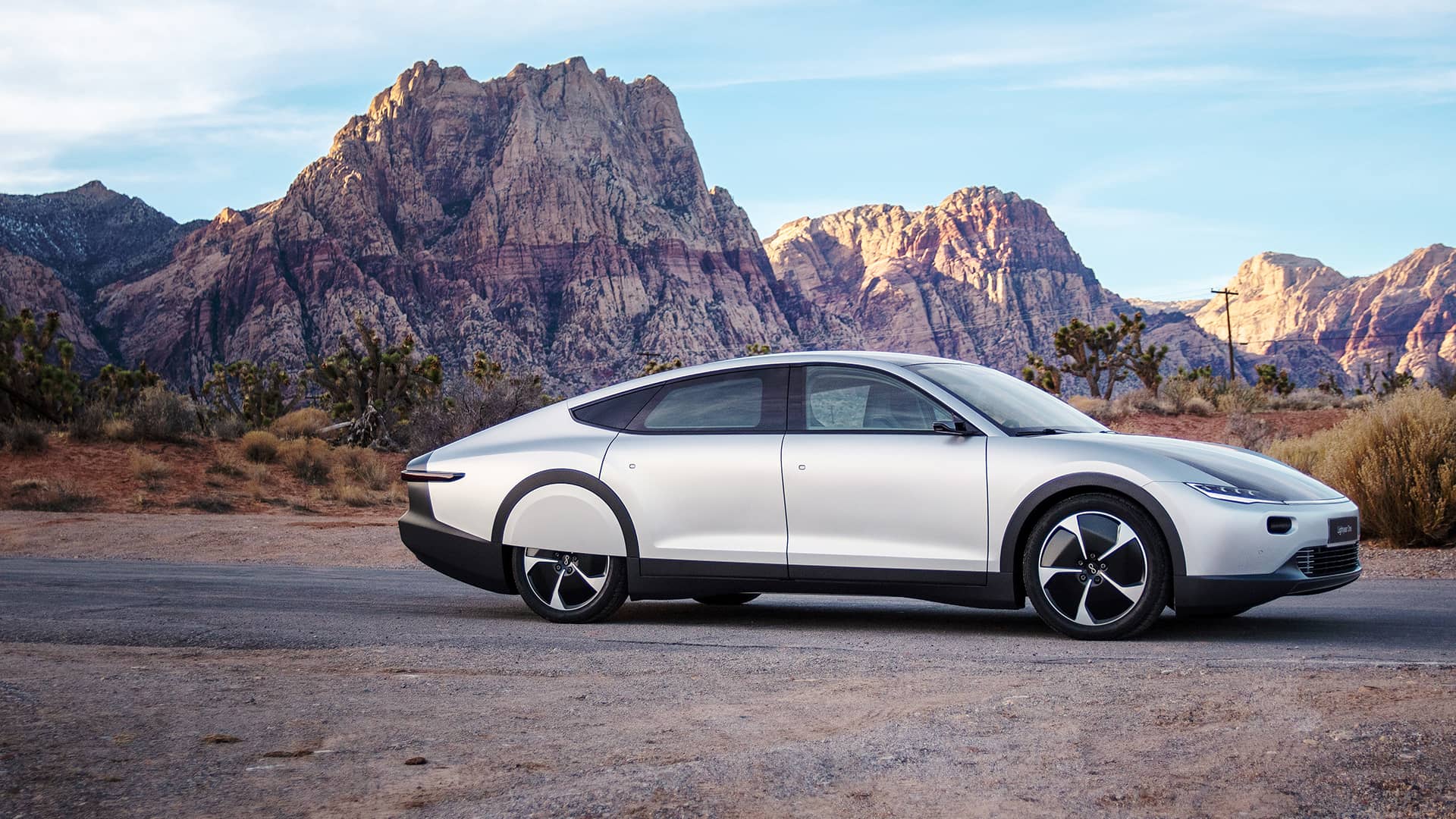
    Lightyear which is a startup that has been developing electric cars based on solar power has announced a $110 million in a round of funding that will enable it Bira its vehicle to the markets The company came to prominence when it was spun out of Solar Team Eindhoven which was basically a group of engineering students from the Technical university of Eindhoven who were competing in the world solar challenge with their  Stella and Stella Lux energy positive solar cars. These cars were producing more energy than they consumed.

    The Solar Team Eindhoven even recently unveiled a solar RV also, but Lightyear has graduated to becoming a full fledged automotive player than a college project. The project which was announced back in 2019 promised an electric sedan with integrated solar cells and that enabled it to give a whopping range of 725 kilometres based on the WLTP cycle.

    The team at Lightyear has made bold claims of an 724 kilometre range

    “We reached the $110 million funding milestone with the help of one of the largest international insurers in the Netherlands, Cooperation DELA. This investment aligns with their long-term focus on sustainability. Together, we can work on our shared mission of bringing clean mobility to everyone, everywhere,” said the company.

    “It is great to see the acknowledgment from investors, which is a testament to the confidence that they have in Lightyear. Thanks to the trust and funding received from our investors, we can further grow as a company and bring our Lightyear One exclusive model on the market in 2022,” said Lex Hoefsloot, the CEO and cofounder of the company.

    It still plans to deliver the first units to the market in 2022 but it must be noted that this car will not come cheap as it will cost upwards of $100,000 at around $170,000 for a starting price.

  • India starts anti-dumping investigation of solar cells from Vietnam

    India starts anti-dumping investigation of solar cells from Vietnam

    The Indian Ministry of Commerce and Industry has launched an anti-dumping probe into solar cells originating from China, Thailand and Vietnam.

    It follows a petition by the Indian Solar Manufacturers Association.

    The dumping margins related to the products under investigation have not been disclosed, with the ministry merely saying they exceed the 2 percent threshold.

    The Trade Remedies Authority of Vietnam said producers and exporters should contact the Indian ministry to register for questionnaires and keep breast of relevant information emanating from India.

    Any action deemed uncooperative can lead to India imposing anti-dumping duties, it warned.

    “High taxes will result in Vietnamese producers losing their competitive advantage and lose part or even all of the market share in India.”

  • Samsung Vietnam proposes direct purchase of renewable energy

    Samsung Vietnam proposes direct purchase of renewable energy

    Electronics giant Samsung Vietnam has proposed that it joins a trial program to purchase power directly from renewable power plants instead of monopoly distributor Vietnam Electricity.

    Choi Joo Ho, CEO of Samsung Vietnam, submitted the proposal to the Ministry of Industry and Trade last week. He asked that the company participates in the Direct Power Purchase Agreements (DPPA) policy that is being studied for a three-year trial.

    Three to four other big companies also want to join the program, a person familiar with the matter told VnExpress.

    The program will allow manufacturing companies with a minimum of 22-kilovolts power lines to negotiate and buy directly from solar and wind power plants.

    In the first three years, when the policy will be trialed, the customer needs to buy at least 80 percent of the agreed amount of power.

    Solar and wind farms with a capacity of 30 megawatts or more can sign these agreements and need to begin commercial operation within nine months of joining the pilot program.

    The program with a total capacity of around 1,000 megawatts is set to start this year and run until 2023. At the end of the trial period, the ministry will review it and take a decision on making the arrangement permanent.

    The program is being considered amid the challenges solar power plants face in running at full capacity due to the limited capacity of the country’s transmission lines. Vietnam is set to cut up to 1.74 billion kilowatt-hours of renewable energy in the second half this year to deal with national grid overload, Vietnam Electricity, has announced.

  • Vietnam plans more solar, wind power cuts

    Vietnam plans more solar, wind power cuts

    Vietnam is set to cut up to 1.74 billion kilowatt-hours of renewable energy in the second half this year to deal with national grid overload.

    A plan proposed by the National Load Dispatch Center (NLDC), under the national utility Vietnam Electricity (EVN) intends to cut 180 million kilowatt-hours per month in the third quarter and 350-400 million kilowatt-hours per month in the last quarter.

    This time frame corresponds with the expected third and further quarter annual flooding in the northern, and central-southern regions, respectively, when hydropower power supply would increase.

    The proposed amount of 1.74 billion kilowatt-hours is 34 percent higher than EVN’s previous plan to cut 1.3 billion kilowatt-hours of renewable energy this year.Cutting solar and wind power has been the go-to solution for EVN since last year, after a surge in the number of such plants strained the national grid.

    As solar power plants depend on the number of sunshine hours during the day, authorities still have to rely on traditional sources such as coal, gas and hydropower to ensure grid stability.

    This is why solar power, whose output could fluctuate by up to thousands of megawatts in seconds depending on the intensity of sunlight, is the first to be cut when there is an overload.

    Another reason for the output cut is slower growth in consumption. Last year, due to Covid-19 impacts, demand grew by less than 2.5 percent compared to 10 percent in previous years.

    The cuts have hurt renewable energy developers. A leader of a solar power company in the central province of Ninh Thuan, who asked not be identified, said his plant has seen output cut since the end of last year.

    The company has to bear losses of hundreds of million Vietnamese dong (VND100 million = $4,300) each month, not to mention suffer interest payment to banks, he added.

    The Phu Lac Wind Power Plant in the central province of Binh Thuan is also suffering output cuts.

    The plant’s CEO, Bui Van Thinh, said both developers and EVN were victims in this situation as the number of new plants exceed the government’s original plan, while there is a lack of synchronization in source and transmission investment.

    The transmission line has reached its max capacity as dozens of plants come online, he said, adding: “Our revenues have plunged and the situation is tense.”

    Although energy authorities had earlier warned of power shortages this year, the boom in renewable power development has in reality created an oversupply, creating problems for EVN.

    Solar capacity surged to 19,400 megawatts-peak at the end of last year, accounting for 25 percent of total power capacity. This capacity came from over 100 farms and 101,000 rooftop constructions.

    Last year, authorities cut solar power by a total of 365 million kilowatt-hours after the Ninh Thuan and Binh Thuan grids were overloaded.