Retail News CRM

Tag: sos

  • Google introduces Emergency SOS feature for Wear OS

    Google introduces Emergency SOS feature for Wear OS

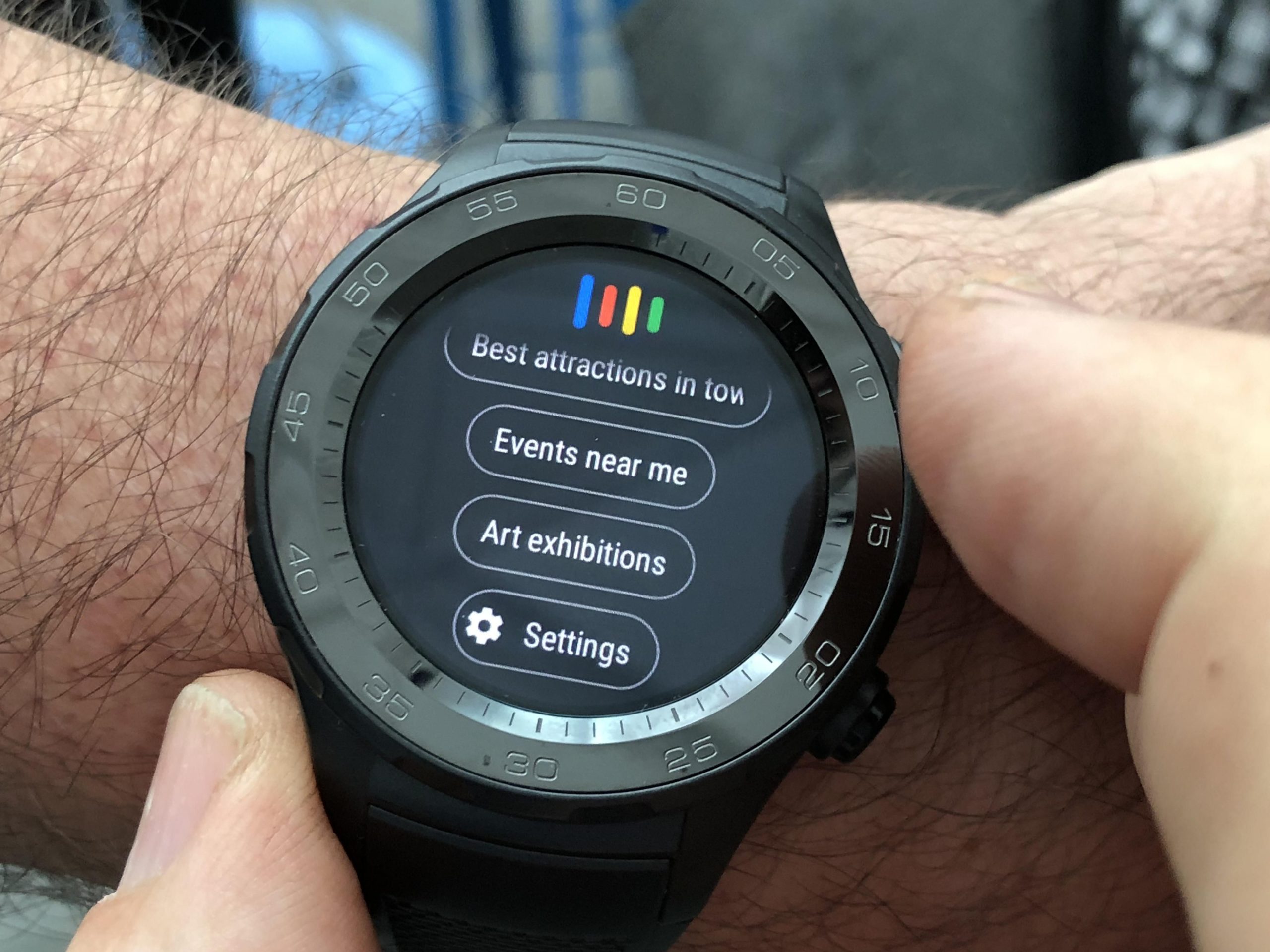
    Google will soon begin rolling out an Emergency SOS feature on Wear OS. It is going to work similarly to the one found on Android smartphones and will enable users to easily contact their relatives or the public authorities directly via their smartwatch in the case of an emergency.

    Amidst the slew of exciting hardware announcements that took place during the I/O 2022 keynote event, it is easy to see how some less flashy software tweaks could stay under the radar. Nevertheless, even if an Emergency SOS feature for Wear OS is not particularly thrilling, it is still no less important than that Pixel everyone is talking about.

    Emergency SOS in Android is by no means a new concept. Virtually every smartphone has their equivalent of such an option. The novelty lies in the fact that this feature will now be available for wearables with Wear OS as well. On Android phones, the user must press the power button 5 consecutive times to activate Emergency SOS. It’s not clear how the feature could be triggered in Wear OS, but a similar shortcut, with a voice command as an alternative method, sounds likely.

    Emergency SOS for Wear OS will function similarly to the one for Android. In order to enable it the user must begin by filling in the necessary contact details. Only once this has been done will they have the option to activate Emergency SOS. It is important to note that, as this is ultimately a smartwatch feature, in order for it to be used, the wearable must be linked with a smartphone with cellular connectivity, if the wearable does not support LTE.

    Turning Emergency SOS on will prompt users to select whom they would like to contact (either a particular contact or the emergency services directly). They will easily be able to cancel the call via a big red button on the main watch screen, and additional options will be provided once the call has ended.

    For the time being, it is unclear when exactly this feature will make its debut. Apple has already implemented a similar option in the Apple Watch. Based on Google’s track record, it could take a while before Emergency SOS makes its way to Wear OS. At the very least, we know it is coming.
  • SOS Carved Into former Indonesian Palm Oil Plantation remind People

    SOS Carved Into former Indonesian Palm Oil Plantation remind People

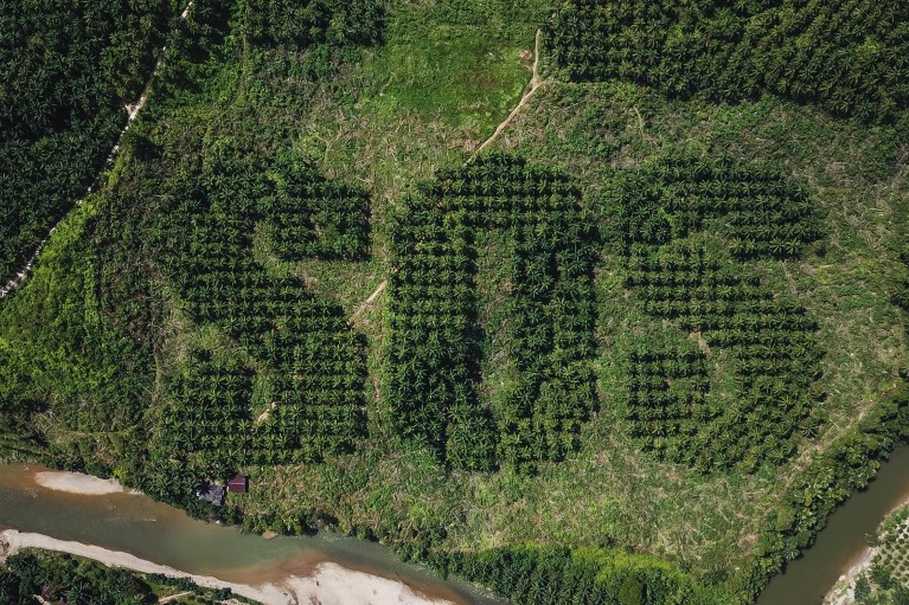
    A Lithuanian artist has carved a giant SOS message into an Indonesian palm oil plantation to draw attention to the damage done by deforestation.

    Ernest Zacharevic curated the “Save Our Souls” project as part of a campaign on the impact palm oil plantations have on tribal communitieglobes and endangered species such as the orangutan.

    “We, as consumers, are so detached from the source of our commodities that we are no longer able to see the consequences of our daily choices,” Zacharevic said.

    “I wanted to communicate the magnitude of the problem.”

    The giant SOS signal, which he completed last month, runs for about half a kilometer inside a plantation in North Sumatra, and can be seen from the air. The land will be replanted with native tree species, he said.

    Environmentalists say land-clearing for agricultural plantations in Indonesia, the world’s biggest palm oil producer, is responsible for forest destruction. Forest cover has dropped by nearly a quarter since 1990, according to World Bank data.

    Zacharevic’s SOS comes amid growing pressure on corporations to adopt sustainable practices. PepsiCo and British cosmetics firm Lush have committed to ending the use of palm oil – which is found in products from soap to cereal – or ensuring their supply is ethical.

    Last month, consumer goods giant Unilever said it had laid bare its palm oil supply chain to boost transparency.

    Indonesia has been a focus of global efforts to rein in greenhouse gas emissions caused by the deforestation of swampy, carbon-rich peatlands to make way for plantations for industries such as palm oil, pulp and paper.

    These forests are often in remote areas long inhabited by indigenous peoples, who might not have documents proving ownership or be able to contest land acquisitions in the resource-rich Southeast Asian nation.

    The forests are also home to dwindling wildlife populations. There are only about 14,600 orangutans remaining in the wild in Sumatra, conservationists estimate.

    The Splash and Burn campaign – a play on the slash and burn method used to clear forests for plantations – is supported by the charity, Sumatran Orangutan Society, and Lush.

    “We are all contributing to the destructive effects of unsustainable palm oil, whether it is by consuming products or supporting policies that affect the trade,” Zacharevic said.

    “This project is an effort to appeal to the consciousness of a wider audience.”